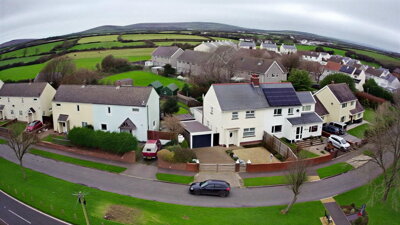
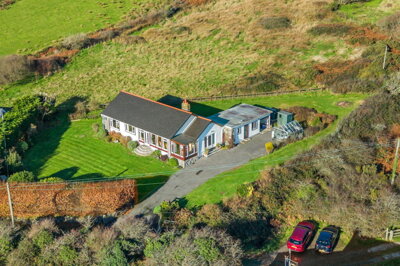
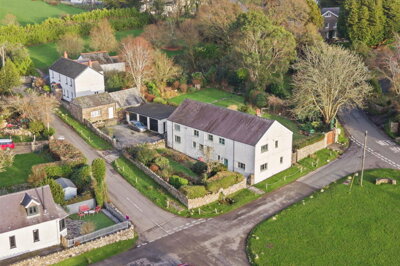
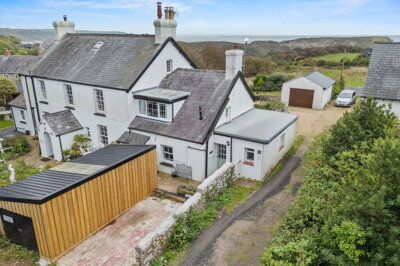
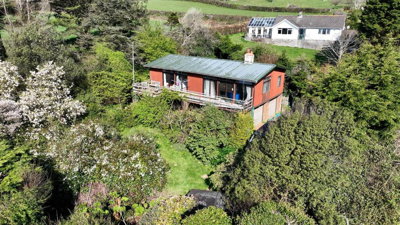
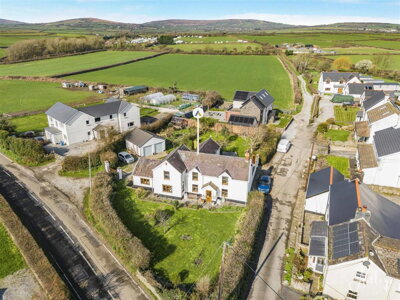
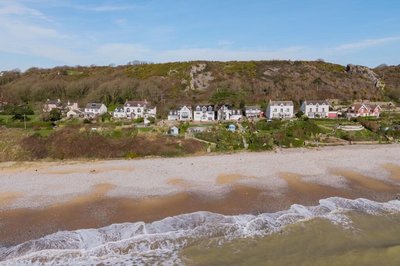
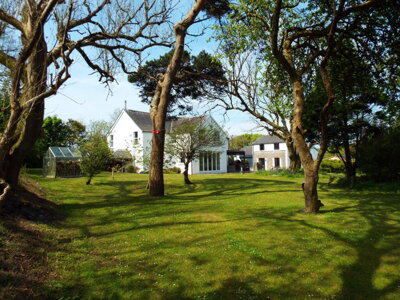
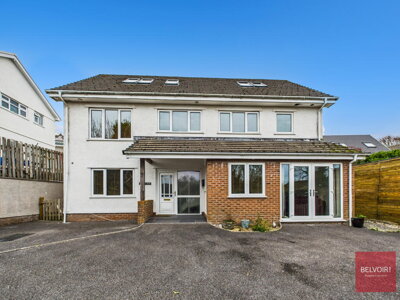
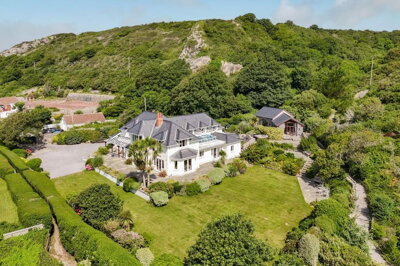
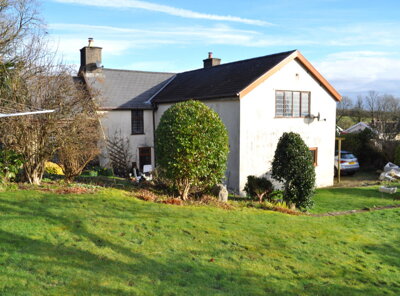
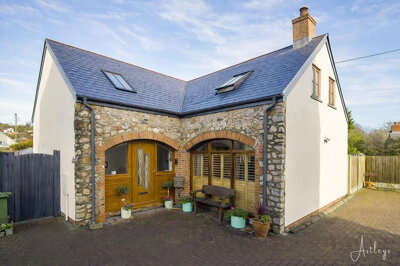
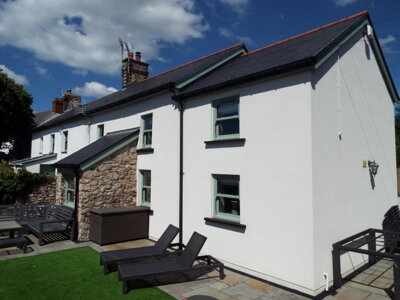
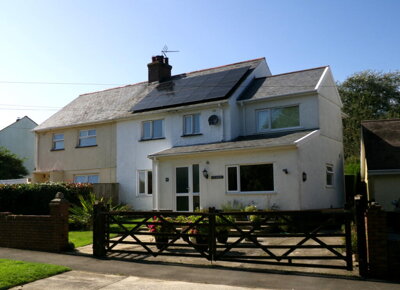
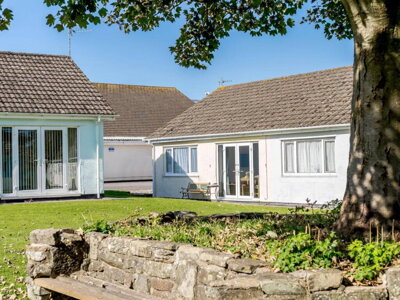
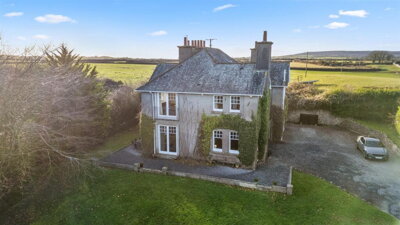
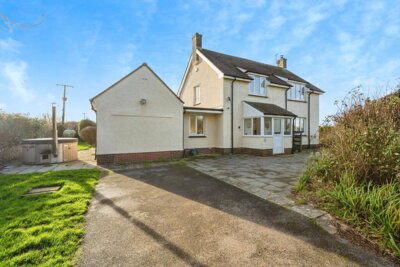
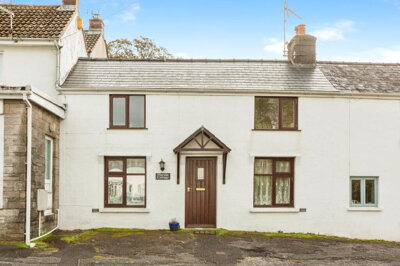
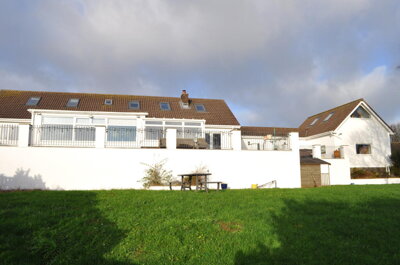
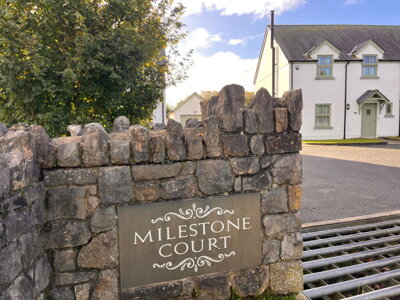
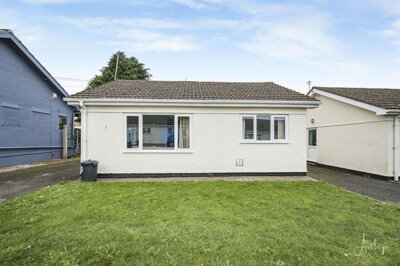
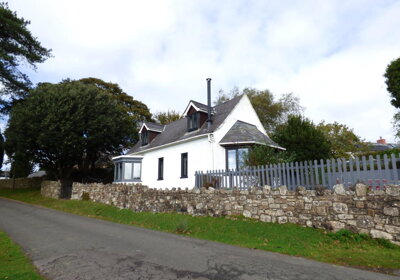
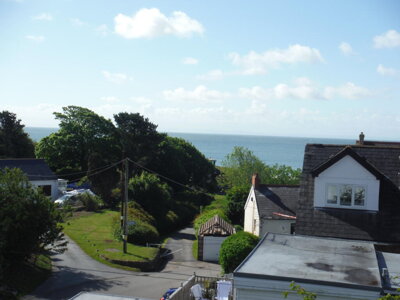
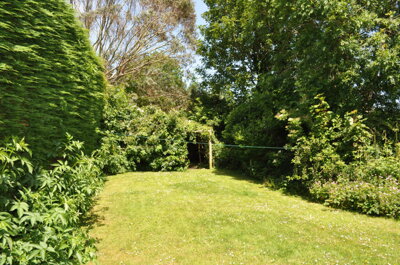
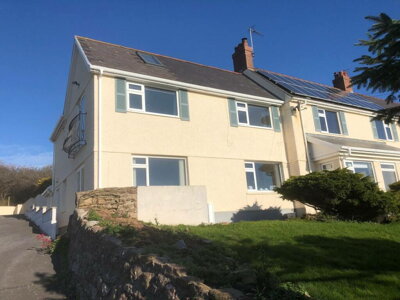
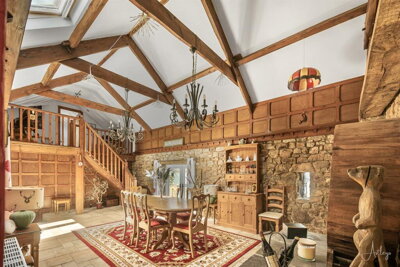
Browse 26 homes for sale in Port Eynon from local estate agents.
The Port Eynon property market offers detached, semi-detached, and terraced houses spanning various price ranges and neighbourhoods. Each listing includes detailed property information, photographs, and direct contact with the marketing agent.
The Brixton property market has shown remarkable resilience over recent years, with prices increasing for three consecutive years and the average home now worth 9% more than it was three years ago according to Foxtons data from October 2025. However, the market has experienced some cooling in the past twelve months, with overall sold prices sitting 4% down on the previous year and approximately 5% below the 2022 peak of £598,848. This slight correction presents opportunities for buyers who were priced out during the height of the market, and our data shows asking prices have changed on average by -2.6% in the past six months according to GetAgent, suggesting more realistic pricing from sellers as the market adjusts.
Property types in Brixton reflect its Victorian and Edwardian heritage, with flats dominating the market at 75.1% of all sales according to Stirling Ackroyd data, followed by terraced properties at 19.7%. Semi-detached and detached houses are relatively scarce, making up just 3.8% and 1.5% of transactions respectively. Average prices vary significantly between sources, with Rightmove showing flats at £475,135 and terraced properties at £876,089, while Stirling Ackroyd reports slightly lower figures of £428,974 for flats and £823,556 for terraced houses. Semi-detached properties average between £1,160,475 and £1,177,941 depending on the source, and detached properties when available can exceed £1.4 million according to Stirling Ackroyd data.
Several significant new developments are transforming parts of Brixton, with the Somerleyton Road regeneration delivering 378 new homes including 187 affordable units after planning approval was secured in September 2025, with construction expected to begin in early 2026 and full completion scheduled for 2030. At Brixton Station Road, London Square is proposing 288 new flats across four blocks ranging from six to twenty storeys tall with 98 social rent homes included, bringing new housing options to the heart of the neighbourhood with plans expected to be heard by Lambeth Council in March 2026. The Weld Works development on Brixton Hill offers contemporary studio flats located just a ten-minute walk from Brixton tube station, while Brixtow Mews on Morrish Road provides five exclusive freehold mews houses converted from former Victorian stables with guide prices starting from £425,000 for a one-bedroom property.
The number of property transactions in Brixton has fluctuated recently, with HM Land Registry recording 379 residential sales in the year to March 2024, representing a decrease of 139 transactions compared to the previous year. Stirling Ackroyd reports a higher figure of 924 homes sold in the last twelve months, with the variation likely reflecting different geographic boundaries and data collection methodologies. Regardless of the exact figures, the market remains active with new stock regularly coming to market and buyers showing continued interest in this sought-after South London location.
The current average asking price in Brixton stands at approximately £688,655 according to GetAgent data from February 2026, though this figure fluctuates based on the mix of properties currently available rather than representing a typical sale price. The average sold price over the past twelve months sits around £515,486 to £566,640 depending on the data source, with the variation reflecting different time periods and methodologies used by property portals. For buyers seeking terraced properties, budgets of £800,000 to £900,000 are typically required to access the better examples of Brixton's Victorian and Edwardian housing stock, while flats offer more accessible entry points starting from around £400,000 to £500,000 for modern apartments or £450,000 to £550,000 for well-presented period conversions.

Brixton has transformed dramatically over the past two decades from a neighbourhood often misunderstood by outsiders into one of South London's most desirable places to live, attracting professionals, families, and investors who appreciate its unique character and convenient location. The area boasts a distinctive multicultural character, reflected in its renowned markets, Caribbean bakeries, African hair salons, and Latin American grocery stores that line the streets around Electric Avenue and Market Row. This vibrant atmosphere attracts residents who value diversity, creative energy, and a genuine sense of community that is harder to find in more homogeneous parts of the capital, with the area consistently appearing in lists of London's most exciting neighbourhoods to live.
The neighbourhood offers an impressive range of amenities including the Ritzy Cinema on Coldharbour Lane, the O2 Academy Brixton for live music and events, and numerous independent cafes and restaurants that have earned the area a reputation as a foodie destination. Brockwell Park provides 125 acres of green space with stunning views over London, a heated outdoor lido for swimming during the summer months, and a popular cafe serving refreshments to park visitors. The nearby Herne Hill and Tulse Hill areas offer additional parks, local shops, and amenities, while the converted railway arches throughout the area house studios, workshops, and creative businesses that contribute to the local economy and character.
The architecture in Brixton reflects its Victorian origins, with elegant stucco-fronted terraces, bay-fronted period properties, and converted railway arches housing studios and workshops throughout the neighbourhood. Properties along streets like Kellett Road, Shakespeare Road, and the surrounding residential areas showcase the quality of construction common in late Victorian and Edwardian times, built with traditional London stock brick that has proven durable over more than a century of occupation. More recent developments are bringing new homes and commercial spaces to areas like Somerleyton Road, with the regeneration including commercial spaces, workspace, and enterprise hubs that create local employment opportunities and support the local economy.
The ongoing investment in Brixton's infrastructure extends beyond housing to include community facilities and economic development initiatives. The Somerleyton Road development includes an Employment and Skills Plan offering apprenticeships, local jobs, and work placements, demonstrating the commitment to community benefit alongside housing delivery. This investment in local economic infrastructure suggests continued demand for housing in the area from professionals seeking short commutes and vibrant surroundings, with the neighbourhood likely to remain attractive to buyers and renters for the foreseeable future.
Families considering a move to Brixton will find a good selection of schools within the area and the surrounding borough of Lambeth, with options to suit different educational philosophies and requirements. Primary schools in the neighbourhood include Rathfern Primary School on Rathfern Street, which has earned good Ofsted ratings and serves the local community with strong reputations for inclusive education, and the Loughborough Primary School on Minet Road, both offering solid educational foundations for younger children. The area also hosts several church primary schools that combine academic achievement with religious education programmes, giving parents a range of options to suit their preferences and values when selecting a primary school for their children.
At secondary level, the comprehensive schools in the wider Lambeth area serve Brixton residents, with many families also considering the grammar school options available in neighbouring boroughs that can be accessed via the excellent transport links. Secondary schools like the Villa School and others in the surrounding area provide good educational opportunities, while the extensive transport network means that students can reasonably commute to selective schools in nearby locations including some of the highly-regarded grammar schools in Kent and Bexley for those willing to travel further. For families interested in private education, several well-regarded independent schools are accessible within South London, and the vibrant local tutoring scene supports students preparing for entrance examinations and scholarship assessments.
Further education options are well served by institutions across South London, with good transport connections making college and sixth form options throughout the capital accessible to Brixton residents. The proximity to world-class universities in central London makes Brixton an attractive base for students progressing from secondary education, with easy access to institutions including King's College London on the Strand, University College London in Bloomsbury, and the London School of Economics in Holborn. Students at universities across the capital benefit from the Victoria line's direct connections, reaching university campuses in as little as twenty to thirty minutes from Brixton tube station.
Transport connections from Brixton are excellent, making it a popular choice for commuters working throughout London and beyond, with the Victoria line providing direct access to the West End, the City, and King's Cross St Pancras where connections to national rail services are available. Brixton tube station sits at the southern terminus of the Victoria line, meaning northbound trains are frequently available during peak hours when demand is highest. Journey times to Victoria station take just seven minutes, while Oxford Circus is reachable in approximately fifteen minutes and Bank in around twenty minutes, making central London highly accessible for professionals working in the City, West End, or Canary Wharf.
Multiple bus routes serve the area, providing cost-effective alternatives to the tube and connections to destinations including Camberwell, Elephant and Castle, and the West End with routes running along Coldharbour Lane, Brixton Road, and Stockwell Road. The bus network offers particular advantages for journeys that are less straightforward by tube, serving areas that may not have direct rail access and allowing connections to the Northern line at Stockwell or the Bakerloo line at Elephant and Castle. Rail services from nearby Herne Hill and Tulse Hill stations offer additional options, with Thameslink services running to locations including London Bridge, Blackfriars, and Bedford via Farringdon, opening up employment opportunities across the wider metropolitan area and beyond.
For cyclists, the area has seen improvements to cycling infrastructure, with dedicated lanes and bike storage facilities becoming more common as the borough promotes sustainable travel and reduces car dependency. The South Circular road provides a key cycling route connecting to surrounding areas, while the proximity of Brockwell Park offers a pleasant starting point for recreational rides through South London. The quiet residential streets in areas like Herne Hill and Tulse Hill provide relatively peaceful cycling options away from the busier main roads. For drivers, the proximity to the South Circular and ease of connecting to the A3 and A23 makes regional travel straightforward, though parking restrictions in the residential areas should be noted when budgeting for vehicle storage and residents should be aware that many streets operate permit parking schemes.
Spend time exploring different parts of Brixton to find the neighbourhood that suits your lifestyle and budget, considering proximity to tube stations, schools, parks, and local amenities when narrowing down your search. The area spans multiple postcodes with distinct characters, from the vibrant streets around Brixton Market in SW9 to the quieter residential roads in SW2, so taking time to walk the different areas will give you a feel for where you would most enjoy living. Visit at different times of day and week if possible, as the atmosphere near popular venues and transport hubs can vary significantly between weekday mornings and weekend evenings.
Before viewing properties, obtain an agreement in principle from a lender to strengthen your position when making offers and demonstrate to sellers that you have financing in place. Given Brixton's average prices around £500,000 to £700,000, most buyers will require substantial mortgages, and having paperwork ready shows sellers you are a serious buyer. Speak to a mortgage broker who knows the London market if possible, as they can help navigate the various products available and find competitive rates for your circumstances, including specialist options for self-employed buyers or those with complex income situations.
Use our platform to schedule viewings with local estate agents who know the Brixton market intimately, taking notes on property conditions and asking about lease terms, service charges, and any planned maintenance. When viewing period properties, pay particular attention to signs of damp, the condition of original windows, and the age and type of any recent renovations. For leasehold properties, always ask about the remaining lease term, current ground rent amounts, and any upcoming major works that might result in special contributions from leaseholders.
Given Brixton's predominantly Victorian and Edwardian housing stock, we recommend a Level 2 survey to identify any structural issues, damp, or subsidence concerns before committing to your purchase, as older properties may have issues related to their construction era. Survey costs in London for properties priced above £500,000 typically range from £450 to £800 depending on size and value, with the average around £586 for homes in this price bracket according to national pricing data. A thorough survey will identify defects that may not be visible during a standard viewing and can provide valuable leverage when negotiating the purchase price or requesting that the seller address issues before completion.
Choose a conveyancing specialist familiar with the Lambeth area to handle the legal aspects of your purchase, including local searches, contracts, and registration with HM Land Registry. Local knowledge can be valuable when dealing with specific issues that affect properties in the borough, such as any planned regeneration schemes, conservation area restrictions, or historic maintenance issues affecting leasehold buildings. Conveyancing costs in the Lambeth area usually start from around £500 to £1,500 for a standard transaction, though more complex leasehold purchases or properties with title complications may cost more.
Once all searches are satisfactory and finances are confirmed, your solicitor will exchange contracts and set a completion date, with the standard timeline from offer acceptance to completion typically taking eight to twelve weeks in the London market. On completion day, you receive the keys and become the official owner of your new Brixton home, with the transfer registered at HM Land Registry completing your ownership. Remember to budget for stamp duty, survey costs, and solicitor fees in addition to your deposit and mortgage, as these upfront costs can add several thousand pounds to your total budget.
Brixton's predominantly flat-dominated market means many buyers will be purchasing leasehold properties, so understanding the terms of the lease is essential before committing your funds. Check the remaining lease term carefully, as leases with less than 80 years remaining can affect mortgage availability and future resale value, with lenders increasingly reluctant to offer mortgages on properties with short leases. Service charges and ground rent amounts should be verified, along with any planned major works that might result in special contributions from leaseholders. We recommend asking the vendor's solicitor for a copy of the lease and any relevant correspondence with the freeholder, including recent service charge demands and any notices served under the Leasehold Reform legislation.
The age of Brixton's housing stock means that properties may have issues common to Victorian and Edwardian buildings, including potential subsidence on clay soils with shrink-swell potential, original wiring that may need updating to meet current electrical safety standards, and period features that require specialist maintenance by tradespeople experienced with historic properties. Properties constructed with traditional London stock brick and timber floors are typical of the era but can present challenges for modern living without careful renovation. A thorough RICS Level 2 survey will identify any structural concerns and help you negotiate a fair price or request that the seller address issues before completion, potentially saving thousands of pounds compared to discovering problems after purchase.
New developments in areas like Somerleyton Road are bringing additional housing options to Brixton, including shared ownership and affordable housing schemes that may suit first-time buyers with smaller deposits seeking to get onto the property ladder. When considering new build properties, compare the asking price against comparable older properties in the area and factor in any difference in lease terms or service charges that may affect long-term ownership costs. Ground rent clauses in older leases have been the subject of much scrutiny, with many historical leases containing provisions that would now be considered unfair, so verify that any ground rent is reasonable and not subject to excessive escalation clauses before proceeding with a purchase.
The average house price in Brixton varies between sources, with HM Land Registry reporting approximately £496,644 as of March 2024 and more recent data showing average sold prices around £566,640 to £591,032 over the past twelve months. Current asking prices average closer to £688,655 according to GetAgent data from February 2026. Prices vary significantly by property type, with Rightmove reporting flats averaging £475,135 and terraced properties averaging £876,089, while Stirling Ackroyd shows semi-detached properties at £1,160,475 and detached houses reaching £1,408,852. The market has experienced a slight cooling recently, with sold prices approximately 4% down on the previous year, though long-term trends remain positive with prices 9% higher than three years ago according to Foxtons data.
Properties in Brixton fall within the London Borough of Lambeth council tax system, which operates bands A through H based on property value. Most Victorian and Edwardian flats in the area fall into bands A through D, while larger terraced houses and converted properties may be in higher bands E through G. You can check the specific band for any property using the HMRC council tax band checker online or by contacting Lambeth Council directly. Band D properties in Lambeth currently pay approximately £1,800 to £2,000 per year, with higher bands paying proportionally more and lower bands paying less. First-time buyers may be eligible for council tax discounts in their first property if they meet certain criteria.
Primary schools in Brixton with good Ofsted ratings include Rathfern Primary School on Rathfern Street and Loughborough Primary School on Minet Road, both serving the local community with strong educational outcomes and good reputations for inclusive education. Secondary options in the wider Lambeth area include comprehensive schools with improving reputations, and several grammar schools are accessible via the Victoria line and bus routes from Brixton for families seeking selective education. The area also hosts several church primary schools for families seeking a faith-based education, and private school options including the independent schools in nearby Dulwich and other South London locations are accessible by car or public transport.
Brixton is exceptionally well connected, with the Victoria line providing direct access to central London in approximately fifteen minutes to Oxford Circus and seven minutes to Victoria station. Brixton tube station sits at the southern terminus of the line, making northbound services particularly frequent during peak hours when commuters are travelling to work. Multiple bus routes serve the area, connecting to Camberwell, Elephant and Castle, and the West End, while nearby Herne Hill and Tulse Hill stations provide Thameslink services to London Bridge, Blackfriars, Bedford, and other destinations. The excellent transport links significantly influence property values in the area, with properties closer to tube stations typically commanding premiums compared to those requiring bus connections.
Brixton has shown strong long-term property price growth, with prices increasing consistently over the past three years despite recent modest corrections of around 2.1% according to Stirling Ackroyd data. The ongoing regeneration of areas like Somerleyton Road, with 378 new homes including affordable housing and completion scheduled for 2030, suggests continued investment in the neighbourhood's infrastructure and amenities. Flats make up the majority of the market at 75.1% according to recent data, offering relatively accessible entry points compared to terraced houses that average over £800,000, and rental demand remains strong due to the area's popularity with young professionals and the excellent transport links to central London making it attractive to tenants working in the City or West End.
Stamp Duty Land Tax rates for residential property purchased by standard buyers are 0% on the first £250,000 of purchase price, 5% on the portion from £250,001 to £925,000, 10% on the portion from £925,001 to £1.5 million, and 12% on any amount above £1.5 million. First-time buyers benefit from relief on the first £425,000, paying 5% on the portion from £425,001 to £625,000 only. Given Brixton's average flat prices around £475,000, a typical flat purchase by a first-time buyer would attract minimal or no stamp duty, while a standard buyer would pay approximately £11,257 on a property at that price point. Properties above £625,000 do not qualify for first-time buyer relief.
Victorian and Edwardian properties in Brixton, which make up the majority of the housing stock, can present several issues that buyers should investigate carefully before committing to a purchase. Common concerns include original electrical wiring that may not meet current safety standards and could require full rewire, plumbing from the construction era that may be corroded or inadequate for modern needs, and potential damp penetration through walls or floors that can be exacerbated by the solid brick construction common in properties over 100 years old. Roof conditions should be checked carefully, as original slate or tile roofs may have been partially replaced over the years. A thorough RICS Level 2 survey conducted by a qualified surveyor experienced with period properties will identify these issues and help you budget for any necessary repairs or renovations.
Brixton is located within the London Borough of Lambeth, which has responsibilities for managing flood risk from surface water, groundwater, and ordinary watercourses, though specific flood zone classifications for individual streets in Brixton are not publicly mapped at the detailed level. While immediate flood risk is generally low according to current assessments, long-term risk from various sources including surface water during heavy rainfall and potential groundwater issues should be considered, particularly for basement conversions or lower ground floor properties. The London Fire Brigade has attended flooding incidents in Lambeth during thunderstorms, indicating that extreme weather events can cause localized surface water flooding. When purchasing a property, your solicitor should conduct standard drainage and water searches that will identify any recorded flood history or risks in the immediate vicinity.
From 4.5%
Expert mortgage advice and competitive rates for Brixton buyers
From £499
Specialist conveyancing solicitors familiar with Lambeth transactions
From £450
Thorough inspection of Victorian and Edwardian properties
From £60
Energy performance certificates for all property types
Budgeting for stamp duty is an essential part of your property purchase in Brixton, and the amounts can add significantly to your upfront costs beyond the deposit and purchase price. For a flat priced at the current average of around £475,135, a standard buyer would pay no stamp duty on the first £250,000 and 5% on the remaining £225,135, totaling approximately £11,257. First-time buyers purchasing a property up to £425,000 would pay no stamp duty at all thanks to the increased threshold introduced in recent years, making Brixton more accessible for those entering the property market, though most properties in the area exceed this threshold.
Beyond stamp duty, you should budget for survey costs, solicitor fees, and potentially mortgage arrangement fees that can together add several thousand pounds to your total purchase costs. RICS Level 2 surveys in London for properties priced above £500,000 typically cost between £450 and £800 depending on property size and value, with older Victorian and Edwardian properties potentially requiring more detailed inspection due to their construction age and the potential for hidden defects. Conveyancing costs in the Lambeth area usually start from around £500 to £1,500 for a standard transaction, while mortgage arrangement fees can range from zero to £2,000 depending on the lender and product chosen, with some brokers offering fee-free mortgages but potentially higher interest rates.
Ongoing costs to factor in include council tax, service charges if purchasing a leasehold flat, and buildings insurance that protects your investment against damage or loss. Service charges in Brixton vary considerably depending on the development, with older purpose-built blocks sometimes having lower charges but potentially higher maintenance costs in the long term as major works accumulate. New developments may offer more predictable service charges but typically include charges for communal facilities, building management, and sinking fund contributions for future maintenance. Always request a copy of recent service charge bills and any planned expenditure from the vendor before committing to a purchase, as unexpected major works can result in significant bills for leaseholders that can run into thousands of pounds.

Properties for Sale In London

Properties for Sale In Plymouth

Properties for Sale In Liverpool

Properties for Sale In Glasgow

Properties for Sale In Sheffield

Properties for Sale In Edinburgh

Properties for Sale In Coventry

Properties for Sale In Bradford

Properties for Sale In Manchester

Properties for Sale In Birmingham

Properties for Sale In Bristol

Properties for Sale In Oxford

Properties for Sale In Leicester

Properties for Sale In Newcastle

Properties for Sale In Leeds

Properties for Sale In Southampton

Properties for Sale In Cardiff

Properties for Sale In Nottingham

Properties for Sale In Norwich

Properties for Sale In Brighton

Properties for Sale In Derby

Properties for Sale In Portsmouth

Properties for Sale In Northampton

Properties for Sale In Milton Keynes

Properties for Sale In Bournemouth

Properties for Sale In Bolton

Properties for Sale In Swansea

Properties for Sale In Swindon

Properties for Sale In Peterborough

Properties for Sale In Wolverhampton

Enter your details to see if this property is within your budget.
Loans, cards, car finance
Estimated property budget
Borrowing + deposit
You could borrow between
Typical borrowing
Monthly repayment
Est. at 4.5%
Loan-to-value
This is an estimate only. Your actual budget may vary depending on interest rates, credit history, and personal circumstances. For an accurate affordability assessment, speak to one of our free mortgage advisors.
This calculator provides estimates for illustrative purposes only and does not constitute financial advice. Your home may be repossessed if you do not keep up repayments on your mortgage. Estimates based on 4.5% interest rate, repayment mortgage. Actual rates depend on your circumstances.
Homemove is a trading name of HM Haus Group Ltd (Company No. 13873779, registered in England & Wales). Homemove Mortgages Ltd (Company No. 15947693) is an Appointed Representative of TMG Direct Limited, trading as TMG Mortgage Network, which is authorised and regulated by the Financial Conduct Authority (FRN 786245). Homemove Mortgages Ltd is entered on the FCA Register as an Appointed Representative (FRN 1022429). You can check registrations at NewRegister or by calling 0800 111 6768.

We use cookies to show you personalised content and improve your experience of our website. Find out more in our Privacy policy and Cookie policy.