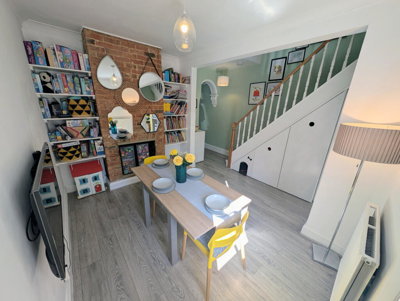
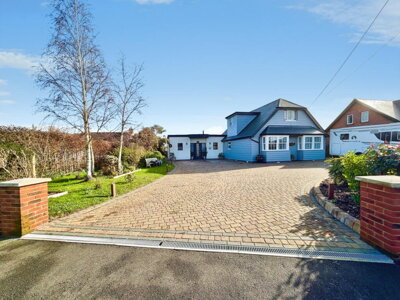
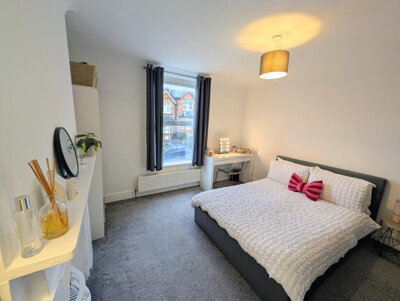
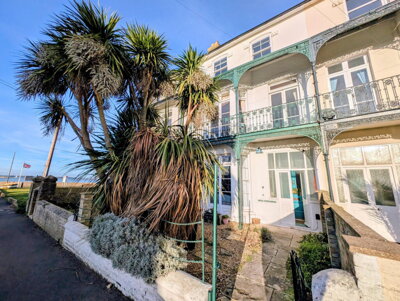
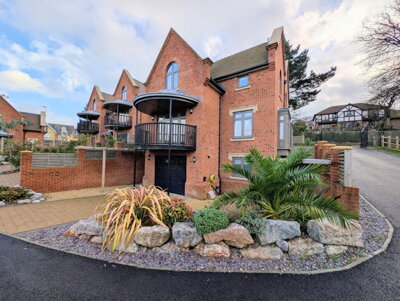
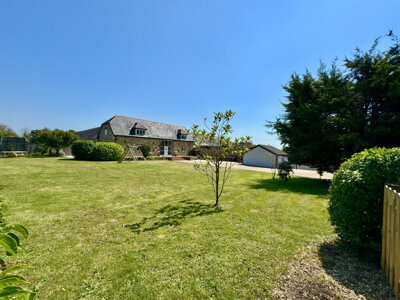
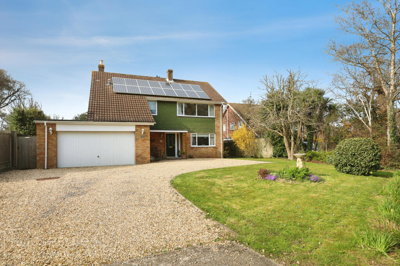
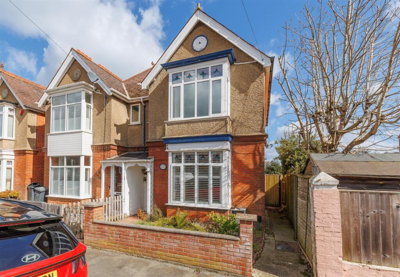
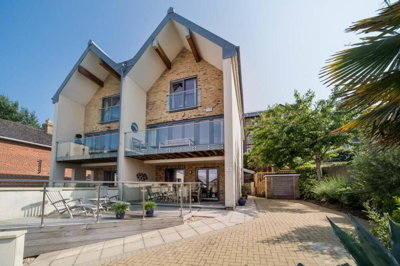
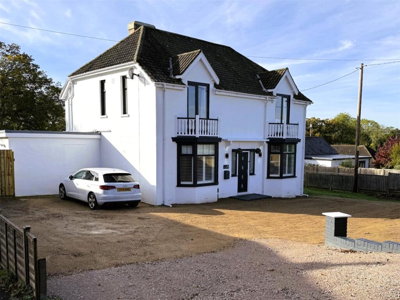
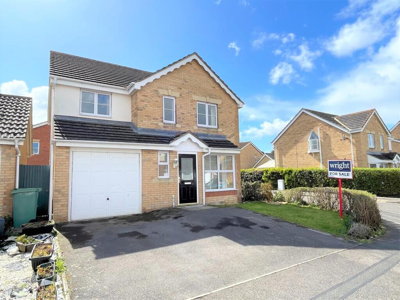
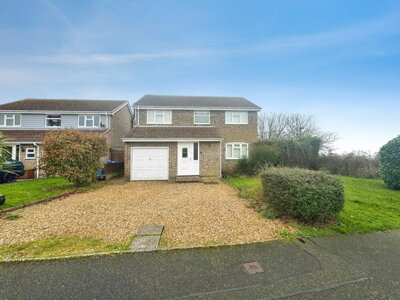
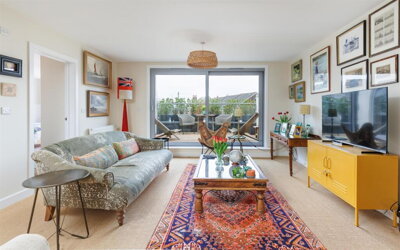
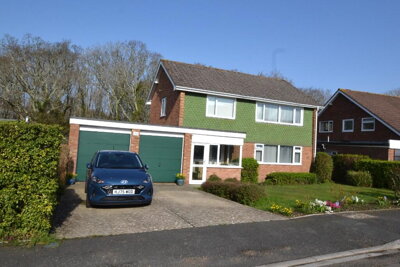
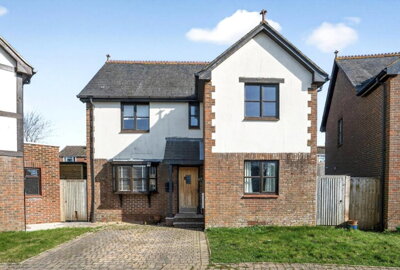
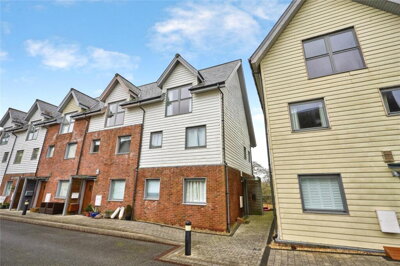
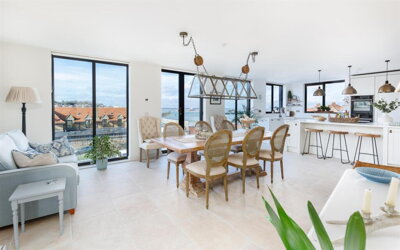
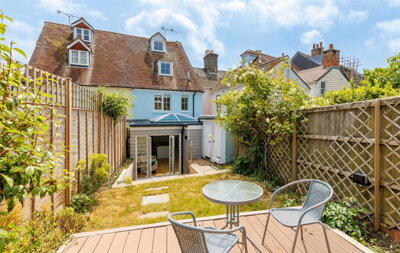
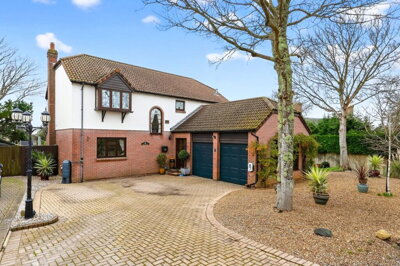
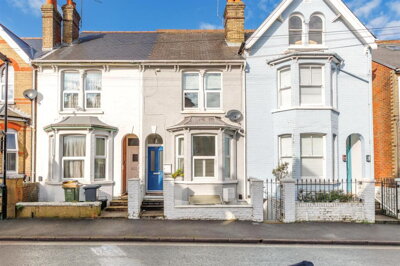
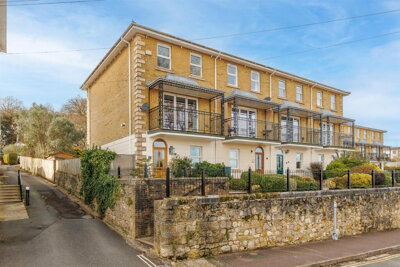
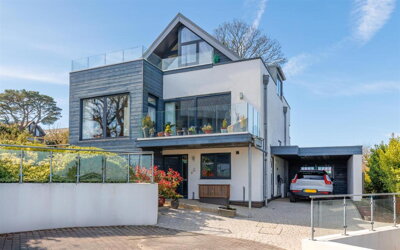
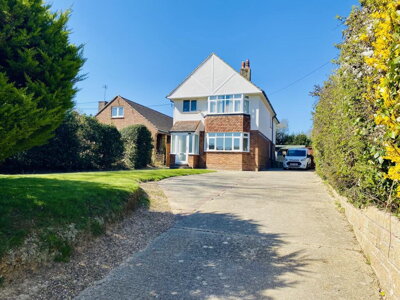
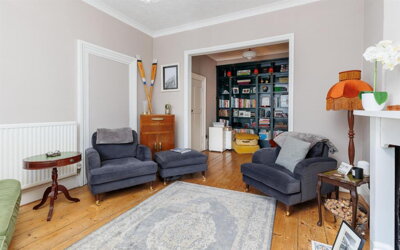
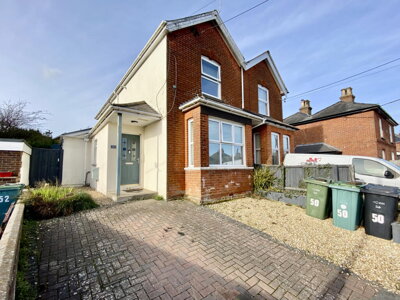
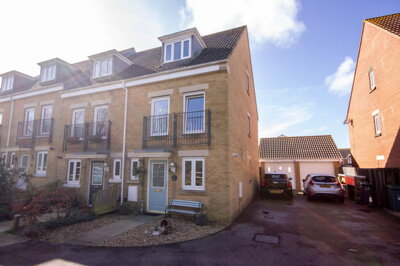
Browse 93 homes for sale in PO32 from local estate agents.
The larger property sector typically features multiple bathrooms, substantial reception space, and private gardens or off-street parking. Four bedroom houses in PO32 span detached, semi-detached, and occasionally terraced configurations, with styles ranging from period properties to modern executive homes.
£373k
10
1
115
Source: home.co.uk
Showing 10 results for 4 Bedroom Houses for sale in PO32. 1 new listing added this week. The median asking price is £372,500.
Source: home.co.uk
Detached
6 listings
Avg £642,500
Semi-Detached
2 listings
Avg £302,500
Terraced
2 listings
Avg £457,500
Source: home.co.uk
Source: home.co.uk
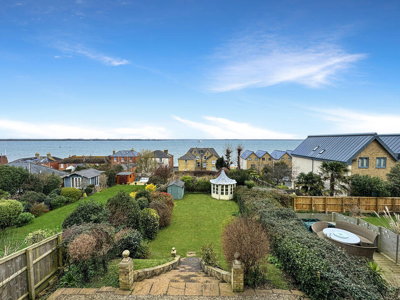
The East Cowes property market in PO32 demonstrates healthy diversity across all property types, making it attractive to a wide range of buyers from first-time purchasers to families seeking larger homes. Detached properties command the highest prices at an average of £327,700, offering generous space and often benefiting from views across the Medina estuary or towards the Solent. Semi-detached homes, which form a significant portion of the local housing stock, average £264,906 and provide excellent value for families seeking comfortable accommodation with manageable gardens and off-street parking options.
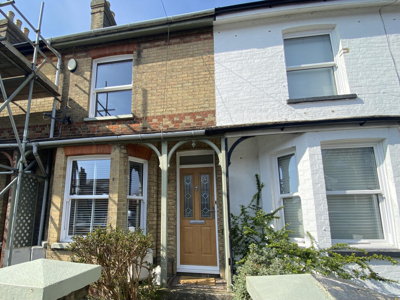
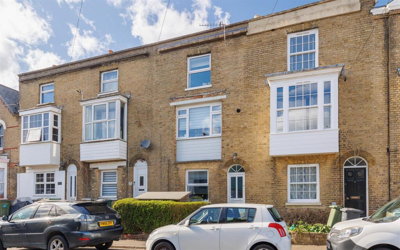
Terraced properties in PO32 average £225,358, representing an accessible price point for first-time buyers and young professionals entering the property market. These homes often feature the characteristic architecture of a historic seaside town, with Victorian and Edwardian terraces lining the quieter residential streets away from the waterfront. The town's historic housing stock includes many properties constructed during the Victorian and Edwardian periods when East Cowes flourished as a fashionable seaside resort serving Southampton and Portsmouth visitors arriving by ferry.
Flats average £209,227, with options ranging from purpose-built modern apartments to conversion flats in converted period buildings. The market has shown resilience with a 6 percent increase in sold prices over the past twelve months, indicating sustained demand from buyers recognising the value offered by this Isle of Wight location. This growth rate outpaces many comparable coastal areas on the mainland, suggesting continued confidence in the East Cowes property market.
New build activity in PO32 remains limited, with the most notable opportunity being a residential development plot adjacent to Glossop Close offering planning permission for a four-bedroom detached house at £135,000. This plot represents an alternative route to homeownership in the area for those willing to commission their own build. For buyers seeking move-in ready properties, the secondary market offers well-established homes in established neighbourhoods, many of which would benefit from a thorough RICS Level 2 survey given the prevalence of older properties in this historic town.
Life in East Cowes revolves around its unique position at the gateway to the Isle of Wight, where the River Medina widens into the Solent and creates a constantly changing backdrop of maritime activity. The town preserves much of its Victorian seaside character while serving as a functional port with regular ferry connections to Portsmouth, making it a practical choice for commuters who work on the mainland but prefer island living. The esplanade provides a pleasant walking route with views across the water to Cowes, accessible via the iconic Cowes Floating Bridge, a chain ferry that has operated continuously since 1859, connecting the two communities and allowing pedestrians and vehicles to cross the Medina estuary.
The local economy draws significant strength from marine industries, with boat yards, sailing schools, and maritime services providing employment for residents. Tourism contributes substantially to the area, with Osborne House drawing visitors throughout the year to explore the gardens and rooms where Queen Victoria and Prince Albert entertained royalty and dignitaries. Local amenities include convenience stores, independent cafes serving fresh seafood from local fishing boats, traditional pubs, and a weekly market where local producers sell fresh produce and crafts. The community spirit is evident in the various events held throughout the year, from sailing regattas to food festivals that celebrate the best of island produce.
Residential neighbourhoods in East Cowes range from elegant detached houses near the waterfront to more affordable terraces in the residential areas behind the seafront. The town maintains a mix of demographics, with families drawn by the lifestyle and schools, retirees attracted by the pace of life and amenities, and professionals who commute regularly to the mainland taking advantage of the ferry services. Green spaces include play areas for children and walking routes along the shoreline and into the surrounding countryside, where the Isle of Wight's characteristic chalk downs begin to rise behind the coastal strip.
The Isle of Wight geology contributes to the distinctive character of local properties, with the island's mix of chalk, clay, and sandy deposits influencing construction methods over the centuries. Properties built on clay subsoils may be susceptible to shrink-swell movement during dry spells, a factor our surveyors check during any property assessment. Understanding the local geology helps buyers appreciate why certain properties may require more attention to foundations and drainage, particularly in areas where the underlying ground conditions include high clay content.

Education provision in East Cowes and the surrounding Isle of Wight covers the full spectrum from early years through to further education, making the area suitable for families at all stages of their children's education. Primary education is served by local schools within the town and nearby villages, with many families using the ferry service to access a wider range of primary schools across the island. Parents should research current catchment areas and admission policies, as island schools can have specific catchment boundaries that differ from mainland practice. Early years settings provide childcare from nursery age, with many offering extended hours to accommodate working parents.
Secondary education on the Isle of Wight is concentrated in Newport, accessible via the Medina roundabout and main road routes from East Cowes. The island's grammar school system provides academic pathways for students who pass the entrance examinations, with schools offering a range of GCSE and A-Level programmes. For families considering private education, several independent schools on the island cater to primary and secondary age children, though some parents opt to send children to mainland schools and arrange weekly boarding arrangements or daily ferry commutes for secondary education.
Further and higher education opportunities on the Isle of Wight have expanded in recent years, with the Isle of Wight College offering vocational courses and apprenticeships in various disciplines. For degree-level education, the University of Portsmouth and Southampton Solent University are accessible via the ferry crossing, with many island residents choosing to study at these mainland institutions while maintaining their island base. When purchasing property in PO32 for a growing family, buyers should verify current school performance data, admission arrangements, and transport connections to educational establishments, as these factors can significantly impact daily family life.

Transport connections define much of daily life for East Cowes residents, with the ferry crossing to the mainland serving as the critical link for commuters, visitors, and freight. Red Funnel Ferries operates from East Cowes to Southampton, with passenger services running multiple times daily and vehicle ferry services providing essential connections for residents who work on the mainland. The crossing takes approximately 25 minutes for passengers and around 55 minutes for vehicles, after which Southampton's extensive rail network provides access to London Waterloo in approximately one hour and twenty minutes. This makes East Cowes viable for professionals who can work hybrid schedules with reduced commuting requirements.
The Cowes Floating Bridge provides the direct physical connection between East Cowes and Cowes, allowing pedestrians, cyclists, and vehicles to cross the River Medina without detouring. This historic chain ferry operates continuously and is free to use, making it an integral part of daily life for residents who work, shop, or socialise in both towns. Bus services operated by Southern Vectis connect East Cowes with Newport and other island destinations, with routes serving local schools, shopping areas, and healthcare facilities. The island's compact size means that even without a car, many destinations are reachable via public transport, though journey times will be longer than by private vehicle.
For residents who drive, the Isle of Wight's road network is generally less congested than mainland equivalents, though single-track rural roads in some areas require confident driving. The main roads connect East Cowes to Newport and then onward to other island towns and tourist attractions. For air travel, the island has an airport near Newport with flights to mainland destinations, though this is primarily used for private aviation and seasonal commercial services. Southampton Airport, reachable via the ferry crossing, provides a broader range of domestic and European flights for residents requiring international travel connections.
Explore our listings to understand what is available within PO32 at your budget. Consider property types from flats to detached homes and factor in ferry costs and commuting implications if you plan to work on the mainland. Set up property alerts to stay informed of new listings in this competitive coastal market.
Contact estate agents to arrange viewings of properties that meet your criteria. Before making offers, obtain a mortgage agreement in principle from a lender to demonstrate your financial readiness to sellers. Our mortgage partners can provide quotes tailored to your circumstances and help you understand borrowing limits based on your income and credit profile.
When you find your ideal home in East Cowes, submit your offer through the estate agent with your mortgage in principle documentation. Once accepted, instruct a conveyancing solicitor to handle the legal aspects of your purchase. Our conveyancing partners offer fixed-fee packages from £499 and have experience with island property transactions.
Before completing your purchase, book a RICS Level 2 Survey to assess the property's condition and identify any defects that may require attention or negotiation. Given East Cowes's coastal location and prevalence of older properties, a thorough survey is particularly valuable to check for damp, structural movement, or any signs of coastal erosion. A Level 2 survey typically costs between £400 and £600 depending on property size.
Your solicitor will handle searches, property checks, and coordinate with your mortgage lender to ensure funds are available. Once all checks are satisfactory, you will exchange contracts and agree a completion date. On completion day, the remaining funds are transferred, and you receive the keys to your new East Cowes home. Register your ownership with the Land Registry and update your address with banks, employers, and utility providers.
Purchasing property in East Cowes requires consideration of several factors specific to coastal locations on the Isle of Wight. Flood risk should be evaluated carefully, as the town's position at the mouth of the River Medina means some properties may be susceptible to tidal flooding or surface water accumulation during extreme weather events. A thorough property survey will identify any signs of previous water damage, damp penetration, or drainage issues that could affect the long-term maintenance of the property. Buyers should also enquire about any flood resilience measures installed by previous owners and whether the property is located within a flood zone according to Environment Agency mapping.
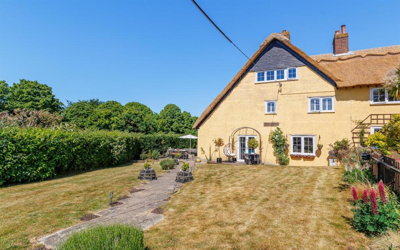
The age and construction of properties in East Cowes varies significantly, with many homes dating from the Victorian and Edwardian periods when the town developed as a seaside resort and port. These older properties often feature solid walls, original sash windows, and period details that require ongoing maintenance and may have outdated electrical systems or plumbing. When viewing properties, pay attention to the condition of roofs, external render, and any signs of subsidence or structural movement. Properties constructed with non-standard methods or those with thatched roofing will require specialist surveys and potentially higher maintenance costs.
Given the Isle of Wight's underlying geology, which includes areas of clay deposits, buyers should be aware of potential shrink-swell behaviour in properties built on clay subsoils. This movement occurs when clay contracts during dry periods and expands during wet spells, potentially affecting foundations over time. Our surveyors pay particular attention to crack patterns, door and window operation, and signs of previous movement when assessing older properties in the PO32 area.
Leasehold properties, particularly flats, require careful examination of remaining lease terms, ground rent obligations, and service charge costs. Some older leasehold arrangements may include escalating ground rent clauses that became problematic in recent years, and these should be renegotiated or factored into the purchase price. Service charges for flats can vary significantly depending on the maintenance requirements of the building and any planned major works. Buyers should request copies of recent service charge invoices, maintenance contracts, and any minutes from recent leaseholder meetings to understand their future financial commitments. Properties in conservation areas, if applicable, may have restrictions on alterations and permitted development rights that should be confirmed with the local planning authority.
The average sold price in the PO32 postcode over the last twelve months was £246,077 according to Rightmove data, with Zoopla reporting £244,079. Detached properties average £327,700, semi-detached homes £264,906, terraced properties £225,358, and flats £209,227. Prices have increased by 6 percent compared to the previous year, indicating steady growth in the East Cowes market. These figures represent strong value compared to equivalent properties on the mainland, particularly when compared to coastal areas in Hampshire or Surrey.
Properties in East Cowes and the PO32 postcode fall under Isle of Wight Council administration. Council tax bands range from A through to H, with the majority of residential properties falling within bands A through D. The exact band depends on the property's valuation, and buyers can check current council tax bands and charges on the Isle of Wight Council website. Band A properties on the Isle of Wight currently pay around £1,300 annually, while band D properties pay approximately £1,900, making the island council tax relatively competitive compared to many mainland authorities.
East Cowes is served by several primary schools within the town and nearby areas, with good reputations for pastoral care and academic progress. Secondary education is provided at schools in Newport and other island locations, with selective grammar school places available for students who pass the entrance examination. Parents should consult current Ofsted reports and performance data when evaluating schools, as these can change over time. The Isle of Wight also offers independent schooling options for families seeking alternative educational approaches. For families considering mainland secondary schools, the ferry crossing adds complexity but remains manageable with planning.
East Cowes benefits from regular Red Funnel ferry services to Southampton, with passenger crossings taking approximately 25 minutes and vehicle crossings around 55 minutes. From Southampton, direct train services reach London Waterloo in approximately one hour and twenty minutes. Within the island, Southern Vectis buses connect East Cowes with Newport and other destinations. The Cowes Floating Bridge provides a free, continuous crossing to Cowes for pedestrians and vehicles, making both towns accessible without needing to drive to a formal ferry terminal. These connections make East Cowes viable for commuters who work on the mainland with flexible or hybrid working arrangements.
The East Cowes property market has shown consistent growth with a 6 percent increase in sold prices over the past twelve months, reflecting sustained demand for island living. Property prices in PO32 remain significantly lower than comparable coastal locations on the mainland, potentially offering better value and more accessible entry points for investors. The limited new build supply in PO32 means existing properties may face less competition from new developments. Rental demand exists from island workers, students, and those seeking holiday accommodation near Osborne House and the waterfront. As with any investment, buyers should research rental yields, void periods, and local demand factors before committing to a purchase.
Stamp duty land tax applies to all property purchases in England, including the Isle of Wight. For standard purchases, there is no SDLT on the first £250,000 of the purchase price. Between £250,000 and £925,000, the rate is 5 percent, then 10 percent up to £1.5 million, and 12 percent above that threshold. First-time buyers benefit from relief on the first £425,000, with 5 percent applied between £425,000 and £625,000. A property priced at the PO32 average of £246,077 would attract no SDLT for a first-time buyer and no SDLT for any buyer purchasing below the £250,000 threshold.
As a coastal town at the mouth of the River Medina, East Cowes properties may face elevated flood risk from tidal surges and surface water during extreme weather events. Our surveyors inspect for signs of previous flooding, water penetration, and the effectiveness of existing drainage systems. The Isle of Wight's geology includes areas with clay deposits that can cause foundation movement during dry spells, so crack patterns and structural integrity receive careful assessment. Any property showing signs of subsidence, coastal erosion impact, or inadequate damp proofing should be evaluated before committing to purchase.
Much of the housing stock in PO32 dates from the Victorian and Edwardian periods when East Cowes flourished as a seaside resort, meaning solid wall construction, original windows, and period features are common. These properties often require more maintenance than modern builds, with electrical systems, plumbing, and insulation potentially falling below current standards. Our inspectors check roof conditions, render integrity, and signs of damp or woodworm in these older properties. A thorough RICS Level 2 survey is particularly valuable for period properties in East Cowes to identify defects that might not be visible during a standard viewing.
From 3.99%
Compare mortgage deals from leading lenders
From £499
Fixed-fee conveyancing for PO32 property purchases
From £400
Comprehensive property survey for East Cowes homes
From £85
Energy performance certificate for your new home
Understanding the full costs of purchasing property in East Cowes extends beyond the sale price to include stamp duty, solicitor fees, survey costs, and moving expenses. For properties priced at or near the PO32 average of £246,077, standard buyers pay zero stamp duty on the first £250,000, making the entry point particularly attractive. First-time buyers purchasing at this price point also pay no SDLT, maximising their savings. However, properties priced above £250,000 for standard buyers or above £425,000 for first-time buyers will incur charges at the relevant rates, and buyers should factor these into their total budget.
Survey costs represent a sensible investment before committing to a significant purchase. A RICS Level 2 Survey costs between £400 and £600 depending on property size and value, with higher-value homes attracting slightly higher fees. For older properties in East Cowes, which may have non-standard construction or heritage features, a Level 2 survey will identify defects such as damp, structural movement, or roof condition issues that could require expensive repairs. The investment in a professional survey typically costs a small fraction of the property price but can save thousands by highlighting issues before completion or providing negotiating leverage for price adjustments.
Conveyancing fees for island property purchases typically start from £499 for straightforward transactions, rising for leasehold properties or those with complexities such as rights of way or shared ownership arrangements. Search fees, Land Registry registration, and bank transfer charges add approximately £300 to £500 to the legal costs. Removal expenses vary depending on the volume of belongings and distance travelled, with island moves potentially requiring ferry transport costs. Buildings insurance must be in place from the day of completion, and buyers should also budget for mortgage arrangement fees if applicable. By planning for these costs from the outset, buyers can ensure a smoother path to completing their East Cowes purchase without unexpected financial shortfalls.
Properties for Sale In London

Properties for Sale In Plymouth

Properties for Sale In Liverpool

Properties for Sale In Glasgow

Properties for Sale In Sheffield

Properties for Sale In Edinburgh

Properties for Sale In Coventry

Properties for Sale In Bradford

Properties for Sale In Manchester

Properties for Sale In Birmingham

Properties for Sale In Bristol

Properties for Sale In Oxford

Properties for Sale In Leicester

Properties for Sale In Newcastle

Properties for Sale In Leeds

Properties for Sale In Southampton

Properties for Sale In Cardiff

Properties for Sale In Nottingham

Properties for Sale In Norwich

Properties for Sale In Brighton

Properties for Sale In Derby

Properties for Sale In Portsmouth

Properties for Sale In Northampton

Properties for Sale In Milton Keynes

Properties for Sale In Bournemouth

Properties for Sale In Bolton

Properties for Sale In Swansea

Properties for Sale In Swindon

Properties for Sale In Peterborough

Properties for Sale In Wolverhampton

Enter your details to see if this property is within your budget.
Loans, cards, car finance
Estimated property budget
Borrowing + deposit
You could borrow between
Typical borrowing
Monthly repayment
Est. at 4.5%
Loan-to-value
This is an estimate only. Your actual budget may vary depending on interest rates, credit history, and personal circumstances. For an accurate affordability assessment, speak to one of our free mortgage advisors.
This calculator provides estimates for illustrative purposes only and does not constitute financial advice. Your home may be repossessed if you do not keep up repayments on your mortgage. Estimates based on 4.5% interest rate, repayment mortgage. Actual rates depend on your circumstances.
Homemove is a trading name of HM Haus Group Ltd (Company No. 13873779, registered in England & Wales). Homemove Mortgages Ltd (Company No. 15947693) is an Appointed Representative of TMG Direct Limited, trading as TMG Mortgage Network, which is authorised and regulated by the Financial Conduct Authority (FRN 786245). Homemove Mortgages Ltd is entered on the FCA Register as an Appointed Representative (FRN 1022429). You can check registrations at NewRegister or by calling 0800 111 6768.

We use cookies to show you personalised content and improve your experience of our website. Find out more in our Privacy policy and Cookie policy.