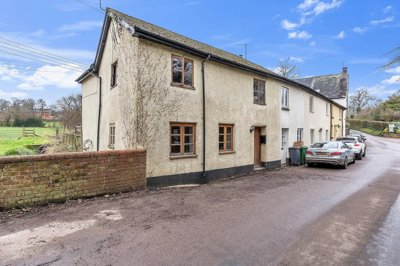
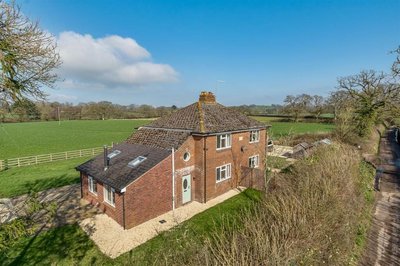
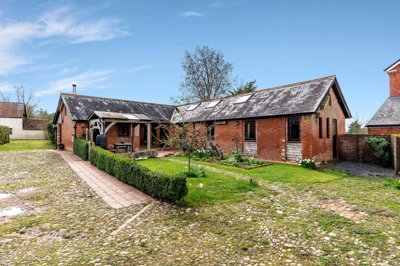
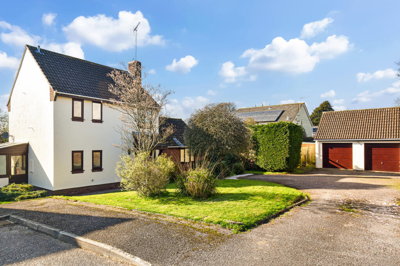
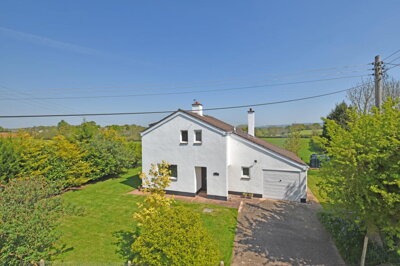
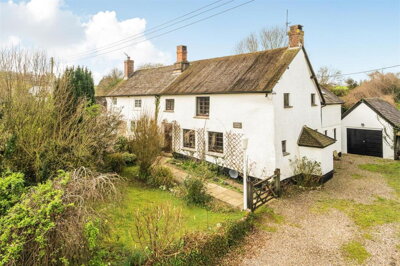
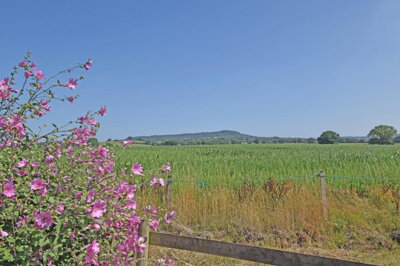
Browse 12 homes for sale in Plymtree, East Devon from local estate agents.
Three bedroom properties represent a significant portion of the Plymtree housing market, offering space for families with multiple reception rooms and gardens in many cases. Browse detached, semi-detached, and terraced options ranging from period character homes to contemporary developments.
£400k
1
1
5
Source: home.co.uk
Showing 1 results for 3 Bedroom Houses for sale in Plymtree, East Devon. 1 new listing added this week. The median asking price is £400,000.
Source: home.co.uk
Detached
1 listings
Avg £400,000
Source: home.co.uk
Source: home.co.uk
Plymtree is a small, tight-knit community with a population of 621 residents according to the 2021 Census, distributed across approximately 247 households. The village retains a distinctly rural character, with winding lanes bordered by hedgerows, traditional stone and brick cottages, and an atmosphere that harks back to a simpler way of life. The village centre centres around the historic Church of St John the Baptist, a Grade I listed building dating from the 15th century that serves as both a spiritual landmark and a focal point for community activities. The churchyard and surrounding countryside provide the backdrop to village life, where annual events and local gatherings foster a strong sense of belonging among residents.
The village itself is a designated Conservation Area, indicating a concentration of historically significant buildings and a commitment to preserving its special architectural and historic character. There are numerous listed buildings within Plymtree, including the Grade I listed Church of St John the Baptist and several Grade II listed cottages and farmhouses, reflecting the area's rich heritage. When considering properties in the village, buyers should factor in the Conservation Area status, which affects permitted development rights and external alteration permissions.
Given the prevalence of older properties, many constructed before 1919 with traditional materials such as red brick, rendered exteriors, and local stone under slate or clay tile roofs, engaging a RICS Level 2 Survey before purchase is advisable. Our inspectors regularly identify defects common to period properties in East Devon, including damp issues in solid-wall construction, timber deterioration in older roof structures, and electrical systems requiring updates.
The village offers essential local services including a pub and shop, with more extensive shopping, dining, and leisure facilities accessible in nearby Cullompton and Honiton. For outdoor enthusiasts, there are numerous footpaths and bridleways suitable for walking, cycling, and horse riding. The River Tale and its tributaries flow through the valley below the village, while the Blackdown Hills Area of Outstanding Natural Beauty lies just a short drive away, providing additional scenic trails and recreational opportunities.
The Plymtree property market reflects the dynamics of a small, desirable village where supply remains constrained and values have demonstrated consistent long-term growth. Over the past five years, average prices in the village have increased by 15%, illustrating the sustained appeal of this East Devon location among buyers seeking a rural lifestyle within commuting distance of Exeter and the M5 motorway. The market has remained stable over the past 12 months with no significant price movement, suggesting a balanced market where realistic pricing attracts genuine buyers.
Property types in Plymtree skew heavily towards detached homes, which account for 60-70% of the housing stock. Detached properties command the highest prices, with an average of £600,000, reflecting the premium associated with standalone homes with generous gardens and privacy. Semi-detached homes average around £350,000, while terraced properties typically sell for approximately £300,000. Notably, flats are virtually non-existent in the village, with less than 5% of the housing stock comprising apartments, making Plymtree primarily a market for houses.
New build activity within the EX14 postcode is limited, with no major developments currently underway in the immediate Plymtree area. The absence of new housing stock means that buyers seeking modern conveniences often turn to older properties that have been sympathetically updated, or they consider nearby towns such as Cullompton where larger developments may offer alternative options. The village's Conservation Area status and the prevalence of listed buildings contribute to the character of the housing stock, with many properties dating from the Georgian, Victorian, and Edwardian periods.

Education provision in Plymtree centres on the village primary school, which serves families with children of primary school age and benefits from the close-knit community atmosphere that characterises the village. Primary school-aged children in Plymtree typically attend the local village school before progressing to secondary education at schools in the surrounding towns. The village school maintains strong ties to the community, with parents appreciating the individual attention that smaller class sizes allow and the school's integration with village life through various events and activities.
Secondary education options for Plymtree families include schools in Cullompton, Honiton, and Exeter, with many parents choosing institutions based on academic reputation, specific curriculum offerings, or extracurricular activities such as music and sport. Several schools in the wider East Devon area have established reputations for academic achievement and consistently achieve favourable outcomes in GCSE and A-level examinations. Transport arrangements for secondary school pupils typically involve school buses or parent transport, with journey times to nearby secondary schools generally ranging from 15 to 30 minutes depending on the specific school and traffic conditions.
For families requiring childcare or early years education, Plymtree and the surrounding villages offer several options, including preschool facilities and childminders registered with Ofsted. Parents are advised to contact Devon County Council's Education Department for the most current information on school admissions, catchment areas, and any planned changes to provision in the local area. The proximity to Exeter also provides access to the University of Exeter and Exeter College for older students pursuing higher education or vocational qualifications.
Plymtree benefits from excellent road connections that make commuting to major employment centres practical for residents who work in Exeter, Taunton, or along the M5 corridor. The village lies just off the A30, Devon's primary east-west trunk road, providing direct access to Exeter approximately 12 miles to the west and Honiton around 8 miles to the east. The M5 motorway is accessible at junction 28 near Cullompton, connecting Plymtree to Bristol, Birmingham, and the wider national motorway network. For air travel, Exeter International Airport offers domestic and international flights and is reachable within 25 minutes by car.
Public transport options from Plymtree are more limited, reflecting the village's rural nature and small population. Bus services connect the village to nearby towns including Cullompton and Honiton, although frequencies are typically geared towards daily essential journeys rather than peak-time commuting. The nearest railway stations are in Exeter and Honiton, offering direct services to London Paddington, Bristol Temple Meads, and other major destinations via the West of England Main Line. Many residents therefore consider car ownership essential for daily life, though the village's compact size means that local journeys within the community can easily be made on foot or by bicycle.
Cycling infrastructure in the surrounding area has improved in recent years, with designated routes and quieter B-roads providing options for confident cyclists. The relatively flat terrain in the River Tale valley is suitable for cyclists of varying abilities, while more challenging routes into the Blackdown Hills attract recreational cyclists at weekends. For commuters who work from home for some or all of the working week, the village's rural setting and good mobile phone coverage make it an increasingly attractive proposition for professionals in knowledge economy roles.

Start by exploring our current listings for properties for sale in Plymtree and the surrounding East Devon villages. Understanding price ranges for different property types helps set realistic expectations. Given the village's limited supply and high demand, acting decisively when suitable properties become available is advisable. Our listings are updated regularly, and we recommend setting up alerts to be notified of new properties as soon as they come to market.
Before viewing properties, we recommend obtaining a mortgage agreement in principle from a lender. This demonstrates your financial credibility to sellers and estate agents, and helps you understand your true budget. For a village like Plymtree where properties often exceed £500,000, getting your finances in order early gives you a competitive edge in what can be a competitive market with limited stock.
Contact local estate agents to arrange viewings of properties that match your requirements. Take time to explore the village itself, speak to residents if possible, and assess the proximity to schools, transport links, and local amenities. The village's Conservation Area status means some properties may have planning restrictions worth investigating before making an offer.
Given that many properties in Plymtree are over 50 years old with significant pre-1919 housing stock, we strongly recommend commissioning a RICS Level 2 Survey before proceeding. Survey costs for a typical 3-bedroom detached property range from £500 to £800, and the survey can identify issues such as damp, timber defects, or roof problems common in period properties. If the survey reveals significant concerns, you may need to renegotiate the price or withdraw from the purchase.
Once your offer is accepted, instruct a conveyancing solicitor to handle the legal aspects of your purchase. Your solicitor will conduct searches, review the contract, and manage the transfer of funds. For properties in Conservation Areas or listed buildings, additional searches regarding planning permissions and building regulation compliance may be required, which can extend the timeline slightly.
After satisfactory searches and the expiry of any contractual conditions, you will exchange contracts and pay a deposit. Completion typically follows within weeks, at which point you will receive the keys to your new Plymtree home. Allow time for the conveyancing process, which can take 8-12 weeks in straightforward cases but may extend for older or more complex properties with additional requirements.
Properties in Plymtree are subject to specific planning considerations that buyers should understand before committing to a purchase. The village's Conservation Area status means that any significant external alterations, extensions, or demolitions may require planning permission from East Devon District Council, even for works that might normally be permitted development. This can affect plans for home improvements, so prospective buyers should consult the local planning authority and review any relevant planning history for the property before purchase. Listed buildings, of which there are numerous examples in the village, require Listed Building Consent for any works that might affect their historic character.
The geology of the Plymtree area is predominantly underlain by Permian sandstones and mudstones, part of the New Red Sandstone formation, with areas of superficial deposits including Head and Alluvium, particularly near watercourses. The shrink-swell clay risk in the area is generally low to moderate, with some localised areas potentially exhibiting higher risk depending on the specific clay content in superficial deposits. Buyers of older properties should commission thorough surveys that assess foundation conditions and look for signs of past movement or subsidence. Surface water flooding is a consideration in some low-lying areas of the village, particularly near roads and watercourses, and we recommend reviewing Environment Agency flood risk data for specific properties.
The predominant construction materials in Plymtree include traditional red brick, rendered exteriors, and local stone, with roofs typically finished in slate or clay tiles. These traditional construction methods, while contributing to the village's character, can present issues in older properties. Common defects identified in RICS Level 2 Surveys for the local housing stock include damp (rising, penetrating, and condensation-related), timber defects such as rot and woodworm, deteriorating roof coverings and leadwork, and outdated electrical systems and plumbing in pre-1980s properties. Properties with solid wall construction may have higher heating costs compared to modern cavity-wall equivalents, a factor worth considering given current energy prices.
The average house price in Plymtree currently stands at £575,000, based on sales data from the past 12 months. Detached properties command the highest prices at approximately £600,000 on average, while semi-detached homes typically sell for around £350,000 and terraced properties for approximately £300,000. Prices have remained stable over the past year with 0% change, though the five-year trend shows a 15% increase, reflecting the sustained desirability of this East Devon village location. With only around 10 property sales per year, the market moves relatively slowly, but this limited supply helps support values over time.
Properties in Plymtree fall under East Devon District Council's council tax bands, which are assessed by the Valuation Office Agency based on property values as of April 1991. The specific band for your target property depends on its characteristics and can be verified on the Gov.uk council tax bands page or on the property's listing details. Generally, the village's mix of period cottages and substantial detached homes spans a range of bands from B to F. Beyond council tax, ongoing costs include utilities, buildings insurance (essential from exchange of contracts), and maintenance, which for older period properties typically runs at 1-2% of property value annually.
Plymtree has a village primary school serving children from the local community, with several primary schools in nearby villages and towns providing additional options. For secondary education, families commonly consider schools in Cullompton, Honiton, and Exeter, with several achieving strong Ofsted ratings and academic results. The best school for your child depends on individual circumstances, catchment areas, and specific educational needs, and we recommend researching current performance data and visiting schools before committing to a property purchase. Transport to secondary schools typically involves a journey of 15-30 minutes by school bus or parent transport.
Plymtree has limited public transport options, with bus services connecting the village to nearby towns but at frequencies suited to essential journeys rather than daily commuting. The nearest railway stations are in Exeter and Honiton, providing access to the West of England Main Line with direct services to London Paddington and Bristol Temple Meads. Most residents rely on car ownership for daily transport, though the village's compact centre means local journeys can be made on foot. The excellent road network via the A30 and M5 makes car-based commuting to Exeter and beyond practical for many residents.
Plymtree offers several characteristics that appeal to property investors and buyers. The village's Conservation Area status, limited housing supply, and proximity to the A30 and M5 support values in the medium to long term. With only around 10 property sales per year, the market moves slowly, but five-year price increases of 15% demonstrate capital growth potential. Properties in good condition within the Conservation Area tend to retain their value well, though investors should factor in potential planning restrictions and the costs associated with maintaining period properties to a high standard.
For properties purchased at the current average price of £575,000, stamp duty (SDLT) for a standard buyer would be calculated at 5% on the portion between £250,000 and £575,000, resulting in a tax liability of £16,250. First-time buyers benefit from relief on the first £425,000, reducing the SDLT to 5% on the amount between £425,000 and £575,000, equating to £7,500. Properties above £925,000 attract higher rates of 10% on the excess, while those over £1.5 million incur 12% on amounts above that threshold.
Given that a significant proportion of Plymtree's housing stock dates from before 1919 or is over 50 years old, we recommend a RICS Level 2 Survey (Homebuyer Report) for most properties. This survey provides a thorough inspection of accessible areas and identifies defects including damp, timber issues, and structural concerns common in period properties. For listed buildings or properties with significant alterations, a RICS Level 3 Building Survey offers more detailed analysis. Costs range from £500 to £800 for a typical 3-bedroom detached property in the village.
From £500
Thorough inspection of accessible areas identifying defects common to period properties
From £800
Comprehensive structural survey recommended for listed buildings and older properties
From £80
Energy performance certificate required for property sales
When purchasing a property in Plymtree, budget planning should account for several costs beyond the purchase price itself. Stamp Duty Land Tax (SDLT) is the most significant additional cost and varies according to purchase price, buyer status, and property type. For a typical Plymtree property at the current average price of £575,000, a standard buyer would pay SDLT of £16,250, calculated at 5% on the amount exceeding £250,000. First-time buyers benefiting from the relief threshold would pay £7,500, calculated at 5% on the portion between £425,000 and £575,000. It is worth noting that first-time buyer relief does not apply to any portion of the purchase price above £625,000.
Survey costs are an essential budget item, particularly for the older properties that predominate in Plymtree. A RICS Level 2 Survey for a 3-bedroom detached property typically costs between £500 and £800, depending on the property's specific characteristics and the surveyor's assessment of complexity. This investment is particularly valuable given the prevalence of period properties where issues such as damp, timber defects, or roof deterioration may not be apparent during a standard viewing. For listed buildings or properties requiring significant renovation, a more comprehensive RICS Level 3 Building Survey may be appropriate despite the higher cost.
Conveyancing fees for purchasing a property in Plymtree typically range from £499 to £1,500 or more, depending on the complexity of the transaction and whether the property is freehold or leasehold. Additional costs include local authority searches (approximately £200-£400), Land Registry fees for registration, and potentially additional costs for listed building or Conservation Area searches. Buildings insurance should be arranged from the point of exchange of contracts, and you may also wish to budget for moving costs, immediate repairs or renovations, and connection charges for utilities and services at your new home.
Properties for Sale In London

Properties for Sale In Plymouth

Properties for Sale In Liverpool

Properties for Sale In Glasgow

Properties for Sale In Sheffield

Properties for Sale In Edinburgh

Properties for Sale In Coventry

Properties for Sale In Bradford

Properties for Sale In Manchester

Properties for Sale In Birmingham

Properties for Sale In Bristol

Properties for Sale In Oxford

Properties for Sale In Leicester

Properties for Sale In Newcastle

Properties for Sale In Leeds

Properties for Sale In Southampton

Properties for Sale In Cardiff

Properties for Sale In Nottingham

Properties for Sale In Norwich

Properties for Sale In Brighton

Properties for Sale In Derby

Properties for Sale In Portsmouth

Properties for Sale In Northampton

Properties for Sale In Milton Keynes

Properties for Sale In Bournemouth

Properties for Sale In Bolton

Properties for Sale In Swansea

Properties for Sale In Swindon

Properties for Sale In Peterborough

Properties for Sale In Wolverhampton

Enter your details to see if this property is within your budget.
Loans, cards, car finance
Estimated property budget
Borrowing + deposit
You could borrow between
Typical borrowing
Monthly repayment
Est. at 4.5%
Loan-to-value
This is an estimate only. Your actual budget may vary depending on interest rates, credit history, and personal circumstances. For an accurate affordability assessment, speak to one of our free mortgage advisors.
This calculator provides estimates for illustrative purposes only and does not constitute financial advice. Your home may be repossessed if you do not keep up repayments on your mortgage. Estimates based on 4.5% interest rate, repayment mortgage. Actual rates depend on your circumstances.
Homemove is a trading name of HM Haus Group Ltd (Company No. 13873779, registered in England & Wales). Homemove Mortgages Ltd (Company No. 15947693) is an Appointed Representative of TMG Direct Limited, trading as TMG Mortgage Network, which is authorised and regulated by the Financial Conduct Authority (FRN 786245). Homemove Mortgages Ltd is entered on the FCA Register as an Appointed Representative (FRN 1022429). You can check registrations at NewRegister or by calling 0800 111 6768.

We use cookies to show you personalised content and improve your experience of our website. Find out more in our Privacy policy and Cookie policy.