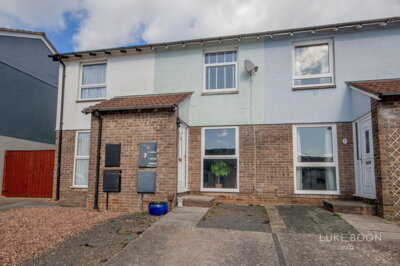
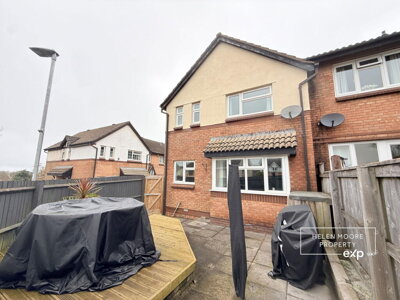
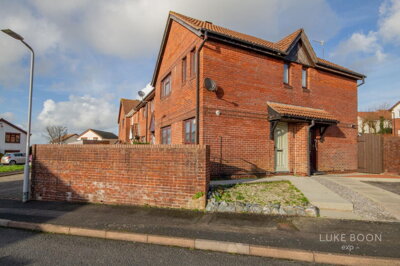
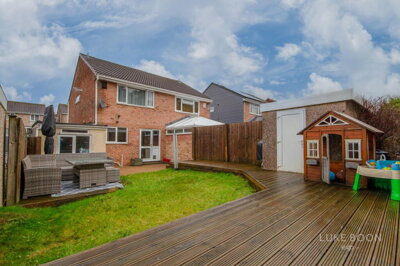
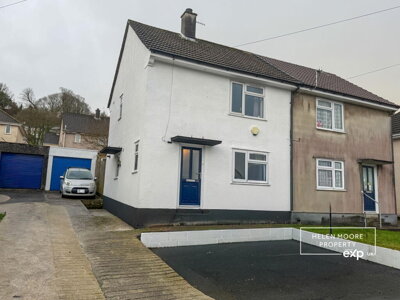
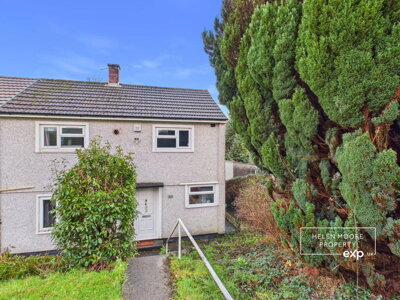
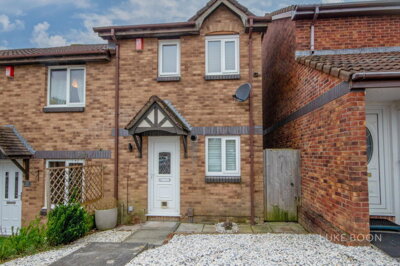
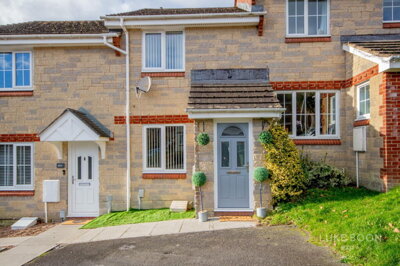
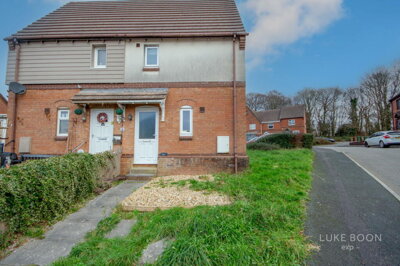
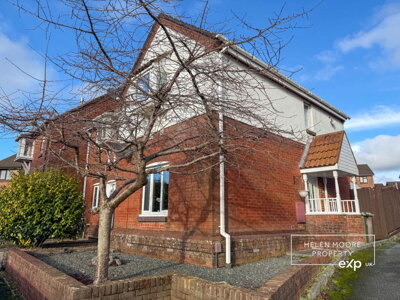
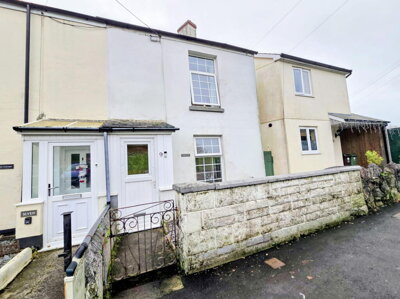
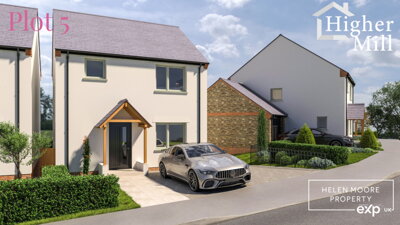
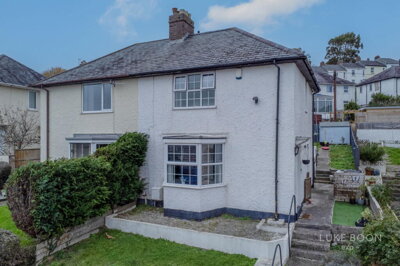
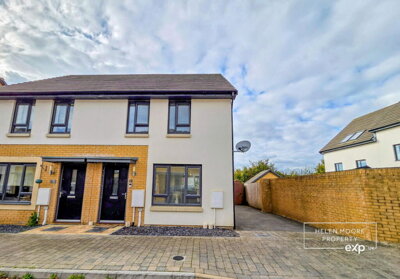
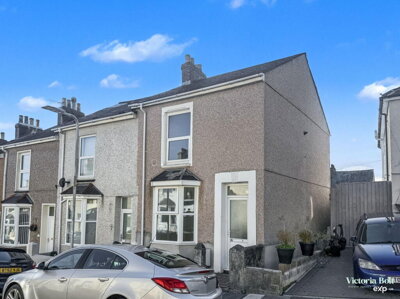
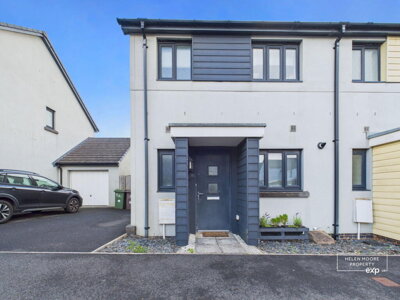
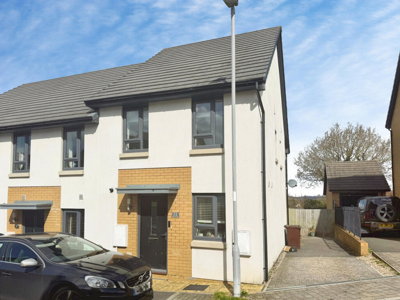
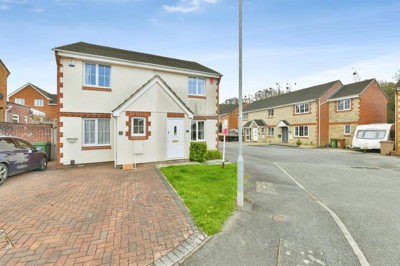
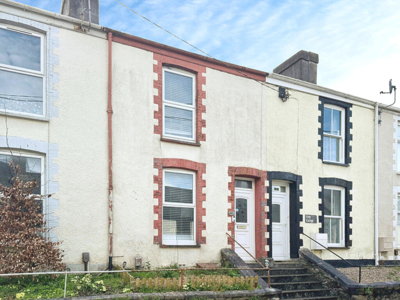
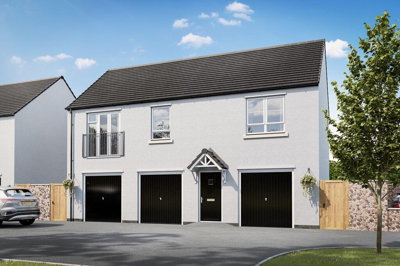
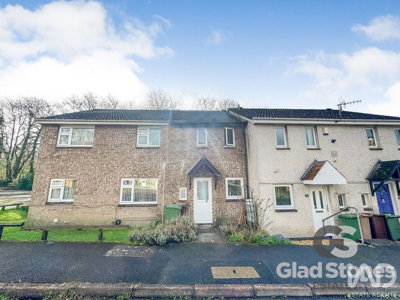
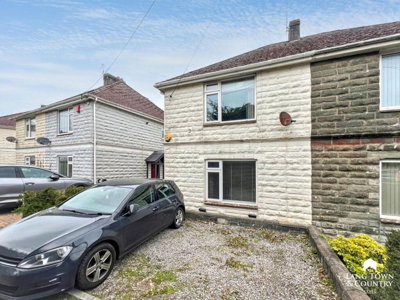
Browse 180 homes for sale in PL7 from local estate agents.
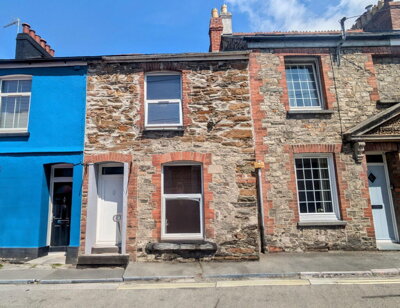
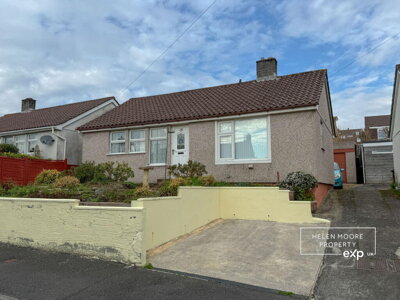
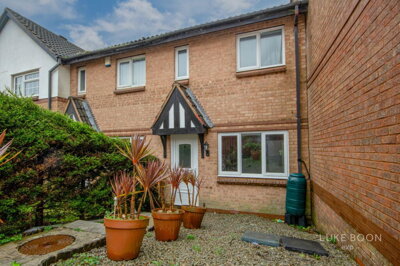
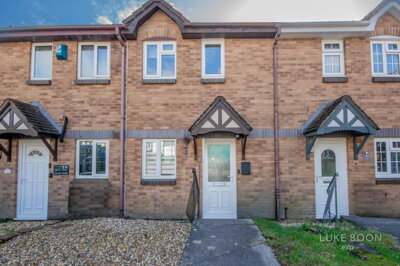
The 2 bed house market features detached, semi-detached, and terraced properties with two separate bedrooms plus living spaces. Properties in PL7 range from Victorian and Edwardian period homes to modern new builds, with pricing varying across different neighbourhoods.
£200k
11
2
42
Source: home.co.uk
Showing 11 results for 2 Bedroom Houses for sale in PL7. 2 new listings added this week. The median asking price is £200,000.
Source: home.co.uk
Terraced
6 listings
Avg £190,000
Semi-Detached
5 listings
Avg £218,990
Source: home.co.uk
Source: home.co.uk
The PL7 property market presents a diverse range of options for buyers at various price points, with property types to suit different lifestyles and budgets. Detached homes command the highest prices in the area, averaging around £422,654, offering generous space and gardens that appeal to growing families seeking room to spread out. Semi-detached properties, which form the majority of sales in PL7, average £269,892 and represent excellent value for buyers seeking a balance between affordability and living space. Terraced properties average £227,601 and remain popular among first-time buyers and investors, while flats average £168,315, providing accessible entry points into the local property market.
Analysis of recent sales data reveals that the most active price band in PL7 falls between £218,000 and £266,000, accounting for 107 transactions over the past year. A total of 395 residential properties changed hands in PL7 during the last twelve months, though this represents a 25.57% decrease compared to the previous year, suggesting some tightening of inventory. Despite reduced transaction volumes, prices have remained resilient with consistent year-on-year growth of approximately 2%, indicating sustained demand in the area. New build availability within PL7 remains limited, with most new homes appearing on individual plot listings rather than large-scale developments.
The PL7 market has demonstrated notable resilience even as transaction volumes have contracted, with average prices now exceeding the previous 2022 peak of £274,994 by approximately 1%. This performance reflects the enduring appeal of Plympton as a residential destination, supported by strong employment fundamentals including Derriford Hospital and the naval base at Devonport. Local estate agents serving the area report continued interest from buyers seeking to relocate from more expensive southern regions, drawn by the relative affordability compared to cities like Bristol and Exeter. The rental market in PL7 also remains active, with demand from healthcare workers, naval personnel, and University of Plymouth students supporting investor interest in properties suitable for letting.

Plympton carries a rich heritage that dates back centuries, with the historic Plympton St Maurice neighbourhood showcasing the area's architectural legacy and traditional Devon character. The town grew significantly during the post-war period, creating a diverse housing landscape that includes period properties alongside more modern developments from the 1960s through to contemporary times. Local stone and traditional brick construction feature prominently in older properties, while later developments utilise standard modern building methods, giving the area its distinctive visual mix. The community spirit in Plympton remains strong, with local events, independent traders, and traditional pubs contributing to a welcoming atmosphere that new residents quickly come to appreciate.
The area benefits from a range of local amenities that serve day-to-day needs without requiring trips into central Plymouth. Plympton town centre offers shopping facilities, supermarkets, healthcare services, and a variety of eateries, while the nearby Derriford Hospital provides essential medical employment and services for residents. Green spaces abound in the surrounding area, with countryside walks and parks offering recreation opportunities for families and outdoor enthusiasts. The River Plym flows nearby, though properties closest to the watercourse should be assessed for potential flood risk, particularly during periods of heavy rainfall when surface water drainage can become overwhelmed.
Beyond the immediate local amenities, residents of PL7 enjoy access to the broader attractions of Plymouth city centre within a short drive or bus journey. The historic waterfront at Barbican and the shopping opportunities at Drake Circus complement the more neighbourhood-focused facilities of Plympton itself. For families, the combination of good schools, parks, and community facilities makes Plympton a practical base for daily life. The surrounding South Devon countryside, including the moors to the east, provides excellent days out for those who appreciate outdoor activities and scenic landscapes. This blend of local convenience and regional accessibility contributes significantly to why property values in PL7 have shown consistent growth over the years.

Education provision in the PL7 area serves families well, with a selection of primary and secondary schools within reasonable travelling distance for most residents. Primary schools in Plympton and the surrounding areas provide local education for younger children, helping reduce morning commute pressures for families choosing properties in this postcode. Secondary education options include several schools serving the Plymouth eastern corridor, with catchment areas that cover different parts of PL7 depending on exact location. Parents researching the area should verify specific catchment boundaries and admissions criteria directly through Plymouth City Council and individual school websites, as these can influence which schools serve particular addresses within the postcode.
For families considering higher education, the University of Plymouth is accessible via good transport links from PL7, attracting students from across the region and contributing to Plymouth's academic community. Further education colleges in Plymouth provide vocational and A-level pathways for older students, while school sixth forms at local secondary schools offer continuation options for those preferring to stay within familiar surroundings. The presence of quality educational institutions adds to PL7's appeal for families, though school performance metrics and Ofsted ratings should be checked directly through official channels when making relocation decisions. Private school options also exist in the wider Plymouth area for families seeking independent education alternatives.
When evaluating schools near PL7, prospective buyers should consider not just academic results but also travel times, extracurricular offerings, and the specific needs of their children. Some families prioritising shorter school runs may find properties closer to primary schools particularly advantageous, while secondary school catchment boundaries can extend across significant portions of the PL7 area. School transport arrangements, including bus services for those living beyond walking distance, can affect daily routines and should be factored into property decisions. The availability of before and after-school clubs also influences the practical feasibility of different school choices for working parents.
Plympton enjoys convenient road connections that make car travel straightforward for residents who need to commute or access amenities across the Plymouth area. The A38 provides direct access to Plymouth city centre and connects onward to the wider motorway network, while local roads connect the PL7 area to Derriford, Crownhill, and other employment centres. Bus services operate throughout Plympton, providing public transport options for those who prefer not to drive or who wish to reduce commuting costs. Parking provision varies across the area, with residential streets in established neighbourhoods typically offering on-street parking, though newer developments often include allocated spaces.
Rail connections from Plymouth city centre offer services to destinations including Exeter, Bristol, and London Paddington, with journey times to the capital taking approximately three to three and a half hours depending on the service. Plymouth's train station is accessible from PL7 via the A38 or bus routes, requiring most residents to factor in additional travel time compared to those living closer to the station. For air travel, Exeter Airport provides a broader range of destinations than Plymouth's smaller airport, reachable via the A38 for those planning holidays or business trips. Cyclists will find varying infrastructure across the area, with some dedicated paths and quieter lanes suitable for confident riders seeking alternatives to motor transport.
Commute times from PL7 to key employment destinations vary depending on the time of day and chosen transport method. Peak hour traffic on the A38 can extend journey times to Plymouth city centre, while off-peak travel is typically straightforward. Residents working at Derriford Hospital often find the commute from most parts of PL7 relatively quick and convenient, which contributes to demand for properties in this postcode from healthcare workers. The park and ride facility at Coypool provides an alternative for those heading into central Plymouth, offering a buffer against city centre parking costs and congestion.
Obtain a mortgage agreement in principle before viewing properties to demonstrate your buying capacity to estate agents and sellers. Research current mortgage rates and speak to brokers who can access deals from across the market, including specialist lenders who may offer competitive terms for your circumstances. Given the average property price in PL7 of £278,238, most buyers will require mortgage financing, making this pre-approval an essential first step that strengthens your position when making offers.
Study recent sales data, price trends, and neighbourhood characteristics specific to Plympton and surrounding PL7 postcode areas. Visit the area at different times of day, explore local amenities, and speak to residents to build a comprehensive understanding of what living in PL7 would be like for you and your family. Pay particular attention to the specific micro-location within PL7, as factors like proximity to schools, flood risk from the River Plym, and local development plans can significantly affect both your quality of life and long-term property values.
Book viewings through our platform or directly with estate agents, taking time to assess each property carefully and compare options against your requirements. Prepare questions about the property history, any renovation work undertaken, and specific local factors that might influence your decision. When viewing older properties in areas like Plympton St Maurice, ask specifically about any listed building status, previous works, and whether the property has undergone recent damp proofing or rewiring that might affect your survey findings.
Always instruct an independent RICS Level 2 Survey before proceeding with a purchase, particularly for properties over 50 years old where common issues include damp, roof condition, and structural movement. Our inspectors regularly examine properties throughout PL7 and frequently identify concerns with rising damp in solid-walled construction, roof deterioration on older properties, and in some cases signs of subsidence related to the local clay soil conditions. The survey report will identify defects that may not be visible during a standard viewing and provide negotiating leverage if significant issues are discovered.
Choose a conveyancing solicitor to handle the legal aspects of your purchase, including searches, contracts, and registration with HM Land Registry. Your solicitor will liaise with the seller's representatives, flag any concerns raised through local searches, and guide you through the transaction process. For properties in PL7, local searches will include information from Plymouth City Council regarding planning history, conservation area status, and any outstanding notices that might affect the property.
Once all surveys, searches, and mortgage arrangements are satisfactory, your solicitor will arrange the contract exchange and final completion date. On completion day, keys are released and you can move into your new PL7 home, marking the beginning of your life in Plympton. We recommend scheduling a final walkthrough shortly before completion to confirm the property remains in the expected condition and that any agreed works have been completed by the seller.
Properties in PL7 span several eras of construction, from historic buildings in conservation areas to modern homes built in recent decades, each presenting different considerations for prospective buyers. Older properties in areas such as Plympton St Maurice may carry listed building status or fall within designated conservation zones, restricting permitted development rights and requiring specialist surveys beyond standard assessments. These historic homes often feature traditional construction methods and materials that differ significantly from modern building standards, potentially requiring more maintenance investment over time. Any buyer considering a period property should budget for potential works and obtain specialist advice on the implications of listed building or conservation area status.
The geology underlying parts of PL7 includes areas where clay soils are present, which can cause shrink-swell movement affecting property foundations. Our surveyors have identified properties in similar Plymouth locations where minor structural movement has occurred due to these ground conditions, particularly during prolonged dry spells or periods of significant rainfall. Signs of this type of movement include cracking to walls, sticking doors or windows, and uneven floors. A thorough RICS Level 2 Survey will assess whether any existing movement is minor and stable or requires further investigation by a structural engineer.
Flood risk awareness proves important when evaluating properties in PL7, particularly those situated near the River Plym or in low-lying areas prone to surface water accumulation during heavy rainfall. While Plympton itself sits inland from coastal flooding risks, fluvial flooding from the river and its tributaries can affect properties in proximity to watercourses, making flood history and drainage considerations essential research points. Surface water flooding during heavy rainfall has affected various parts of the Plymouth area in recent years, and drainage conditions should form part of your property assessment. Your RICS Level 2 Survey will flag potential concerns, and insurance providers should be consulted for any property where flood risk exists. For leasehold properties, typically flats, scrutinise the remaining lease term, ground rent obligations, and any service charges carefully before committing to a purchase.
Properties over 50 years old constitute a significant portion of the PL7 housing stock, particularly in established neighbourhoods where post-war and earlier construction dominates. Common defects our inspectors find in these older PL7 properties include penetrating and rising damp affecting solid-walled construction, worn or defective roof coverings, outdated electrical wiring that may not meet current standards, and timber defects including rot and woodworm in floor structures and roof timbers. Properties constructed before 1980 frequently require updates to insulation and energy efficiency, which should be considered alongside purchase costs when budgeting for your PL7 home.
The average house price in the PL7 postcode area currently stands at approximately £278,238 according to recent market data, representing a 2.1% increase over the past twelve months. Property prices have shown consistent growth with an 11.48% increase over the five-year period, demonstrating the enduring appeal of the Plympton area. Detached properties average around £422,654, semi-detached homes around £269,892, terraced properties around £227,601, and flats around £168,315, providing options across various budget ranges. The most active price band, where 107 sales completed recently, falls between £218,000 and £266,000, representing good value for families seeking semi-detached accommodation in this sought-after Plymouth suburb.
Properties in the PL7 postcode area fall under Plymouth City Council's jurisdiction, with council tax bands ranging from A through to H depending on the property's assessed value. The majority of homes in the area typically fall within bands A through D, which represent the lower to mid-range valuations. Council tax bills in Plymouth fund essential local services including education, refuse collection, and road maintenance that directly benefit PL7 residents. Prospective buyers should check the specific band for any property they are considering through the Valuation Office Agency website or request this information from the seller or estate agent during enquiries.
The PL7 area offers various primary and secondary education options serving the local community, with schools serving different catchment zones across the postcode. Primary schools in Plympton itself serve younger children within walking distance for many families, while secondary schools cover broader catchment areas that extend across different parts of PL7 depending on exact location. Families should research current school performance data and Ofsted reports directly through the official Ofsted website to identify the best options for their children, as this information is updated regularly and provides the most current picture of educational standards. The University of Plymouth is accessible from PL7 for higher education, and several sixth form and further education options exist within reasonable travelling distance of the area.
Plympton benefits from regular bus services connecting the area to Plymouth city centre and surrounding neighbourhoods, providing practical public transport options for daily commuting and leisure travel. The A38 road provides straightforward car access to central Plymouth and the wider national road network, while rail services from Plymouth station offer connections to major cities including London, Bristol, and Exeter. The nearest railway station is Plymouth mainline station, approximately 20-30 minutes travel time from most parts of PL7 by car or combined bus transport. The park and ride at Coypool, accessible from the A38, provides an alternative option for accessing central Plymouth without city centre parking concerns.
The PL7 property market has demonstrated consistent price growth over recent years, with values increasing 11.48% over five years and maintaining upward momentum despite reduced transaction volumes. Key economic drivers including the naval base at Devonport, Derriford Hospital, and the University of Plymouth support continued demand for housing in the broader Plymouth area. Rental demand in PL7 benefits from these employment centres, making the area potentially attractive for buy-to-let investors seeking tenants from the local workforce and student populations. The relative affordability of PL7 compared to other South West locations also positions it well for continued demand from buyers priced out of more expensive markets.
Standard stamp duty rates apply to properties in PL7 as it falls within normal UK tax rules, with buyers paying 0% on the first £250,000 of purchase price, 5% on the portion between £250,001 and £925,000, 10% on £925,001 to £1.5 million, and 12% on any amount exceeding £1.5 million. First-time buyers can claim relief paying 0% up to £425,000 and 5% between £425,001 and £625,000, provided they meet the eligibility criteria including being a UK resident and not having previously owned a property. Properties above £625,000 do not qualify for first-time buyer relief, so this exemption should be confirmed before calculating your expected stamp duty liability. Given the average PL7 property price of £278,238, most buyers purchasing at this level would pay no stamp duty or only a small amount on the portion exceeding £250,000.
Properties in PL7 benefit from the area's inland position, which removes direct coastal flood risk from the equation for most locations. However, homes situated near the River Plym or its tributaries face potential fluvial flooding during periods of high water levels, and low-lying areas throughout the postcode can experience surface water flooding during sustained heavy rainfall. We strongly recommend requesting flood history information from the seller and reviewing Environment Agency flood maps before purchasing any property in PL7, particularly those near watercourses or in obvious low-lying positions. Your RICS Level 2 Survey will note any visible signs of previous flooding or drainage concerns that warrant further investigation.
Given that a significant proportion of PL7's housing stock is over 50 years old, prospective buyers should be aware of defects commonly found in period properties throughout the Plymouth area. Rising damp and penetrating damp affect many solid-walled constructions built before modern cavity wall insulation became standard, while worn roof coverings and defective lead flashings frequently require attention on older properties. Our inspectors also commonly identify outdated electrical installations that would need updating to meet current standards, timber defects including woodworm and wet rot in floor joists and roof structures, and in some cases signs of structural movement related to the local geology. A comprehensive RICS Level 2 Survey will identify all such issues before you commit to purchase, allowing you to make an informed decision or renegotiate the price if significant defects are discovered.
Understanding the full costs of buying property in PL7 extends beyond the purchase price to encompass stamp duty, legal fees, survey costs, and moving expenses. Stamp duty land tax represents a significant consideration for most buyers, with the threshold for standard rate payers currently set at £250,000 before the 5% rate applies to the next portion of the purchase price. First-time buyers purchasing properties up to £625,000 can benefit from relief that raises the zero-rate threshold to £425,000, providing meaningful savings for those meeting the eligibility criteria. Working out your stamp duty liability early in the buying process helps set an accurate budget and prevents surprises as you approach completion.
Additional purchasing costs typically include solicitor conveyancing fees ranging from around £500 to £1,500 depending on complexity and property value, plus disbursements for local searches, bankruptcy checks, and land registry registration. A RICS Level 2 Survey costs between £400 and £1,000 based on property size and value, while an Energy Performance Certificate is a legal requirement costing around £85 to £120. Mortgage arrangement fees vary by lender but often range from £500 to £2,000, though many deals are available with no arrangement fee. Budgeting for removals, potential decoration or renovation works, and a contingency fund of around 10-15% of your purchase price for unexpected issues helps ensure a smooth transition to your new PL7 home.
When calculating your total budget, remember that properties in PL7 have shown consistent value growth, with prices 11.48% higher than five years ago and now exceeding the previous 2022 peak. This long-term appreciation context supports the investment case for purchasing in this area, though individual circumstances and planned holding periods should guide your financial planning. Factor in ongoing costs including mortgage repayments, council tax (typically bands A through D for most PL7 properties), buildings insurance, and anticipated maintenance costs that tend to be higher for period properties requiring more upkeep than newer builds.
Properties for Sale In London

Properties for Sale In Plymouth

Properties for Sale In Liverpool

Properties for Sale In Glasgow

Properties for Sale In Sheffield

Properties for Sale In Edinburgh

Properties for Sale In Coventry

Properties for Sale In Bradford

Properties for Sale In Manchester

Properties for Sale In Birmingham

Properties for Sale In Bristol

Properties for Sale In Oxford

Properties for Sale In Leicester

Properties for Sale In Newcastle

Properties for Sale In Leeds

Properties for Sale In Southampton

Properties for Sale In Cardiff

Properties for Sale In Nottingham

Properties for Sale In Norwich

Properties for Sale In Brighton

Properties for Sale In Derby

Properties for Sale In Portsmouth

Properties for Sale In Northampton

Properties for Sale In Milton Keynes

Properties for Sale In Bournemouth

Properties for Sale In Bolton

Properties for Sale In Swansea

Properties for Sale In Swindon

Properties for Sale In Peterborough

Properties for Sale In Wolverhampton

Enter your details to see if this property is within your budget.
Loans, cards, car finance
Estimated property budget
Borrowing + deposit
You could borrow between
Typical borrowing
Monthly repayment
Est. at 4.5%
Loan-to-value
This is an estimate only. Your actual budget may vary depending on interest rates, credit history, and personal circumstances. For an accurate affordability assessment, speak to one of our free mortgage advisors.
This calculator provides estimates for illustrative purposes only and does not constitute financial advice. Your home may be repossessed if you do not keep up repayments on your mortgage. Estimates based on 4.5% interest rate, repayment mortgage. Actual rates depend on your circumstances.
Homemove is a trading name of HM Haus Group Ltd (Company No. 13873779, registered in England & Wales). Homemove Mortgages Ltd (Company No. 15947693) is an Appointed Representative of TMG Direct Limited, trading as TMG Mortgage Network, which is authorised and regulated by the Financial Conduct Authority (FRN 786245). Homemove Mortgages Ltd is entered on the FCA Register as an Appointed Representative (FRN 1022429). You can check registrations at NewRegister or by calling 0800 111 6768.

We use cookies to show you personalised content and improve your experience of our website. Find out more in our Privacy policy and Cookie policy.