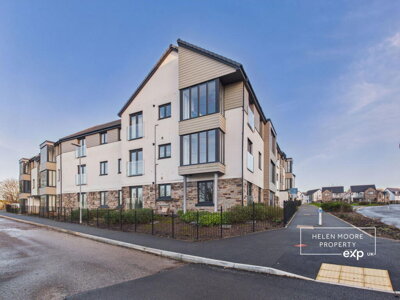
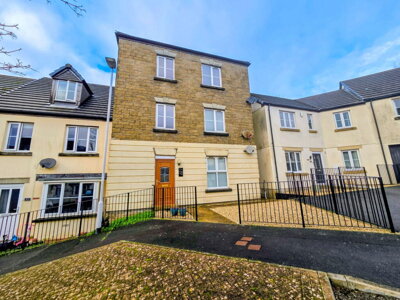
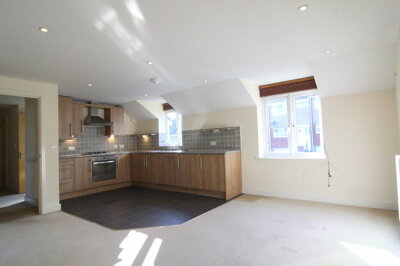
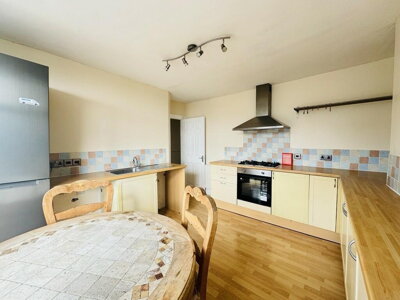
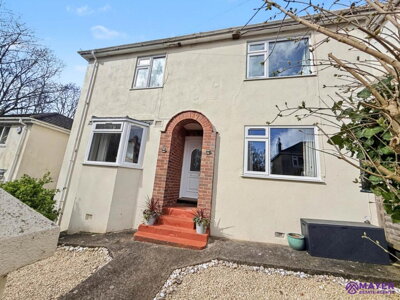
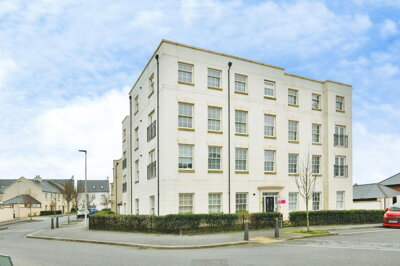
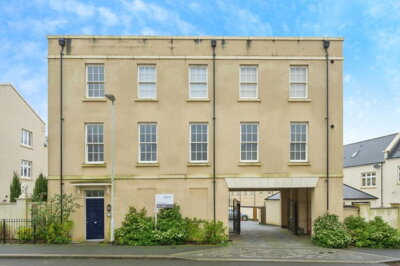
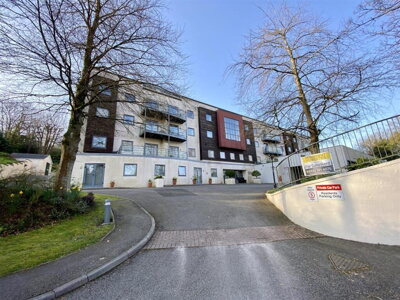
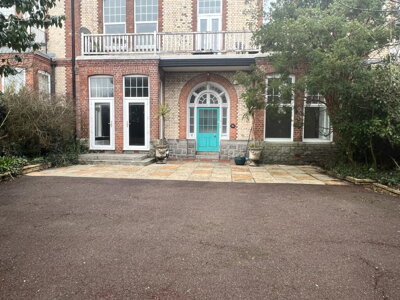
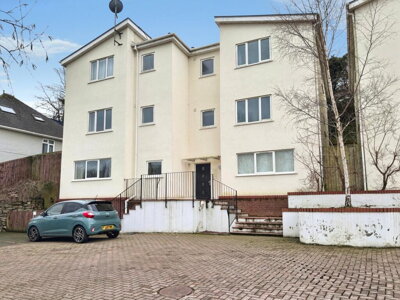
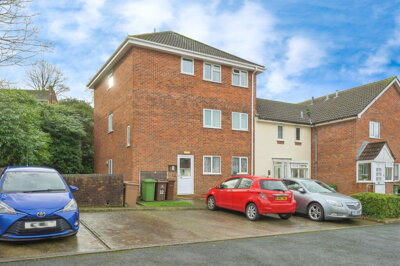
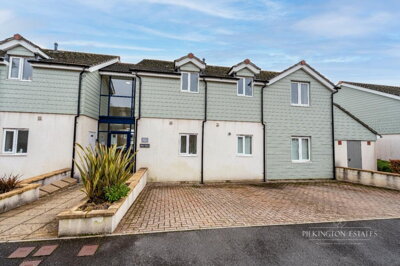
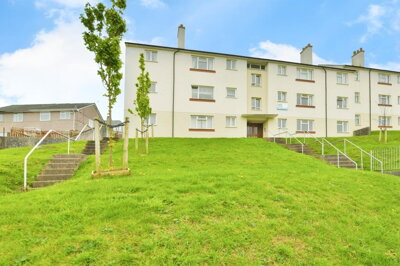
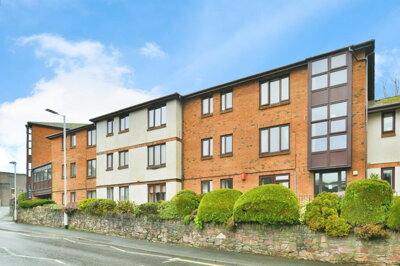
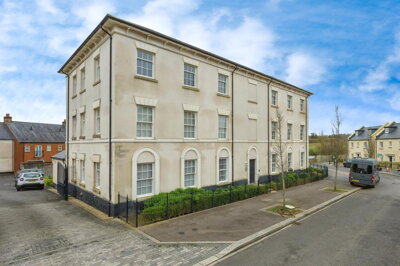
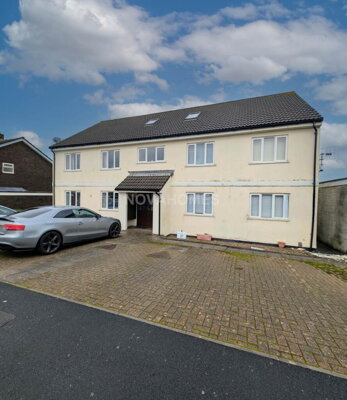
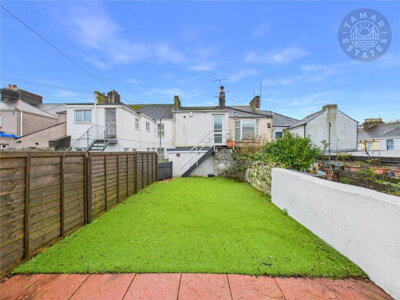
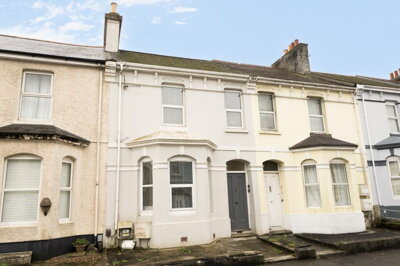
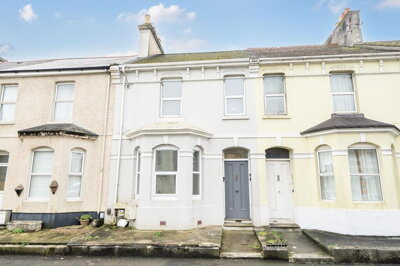
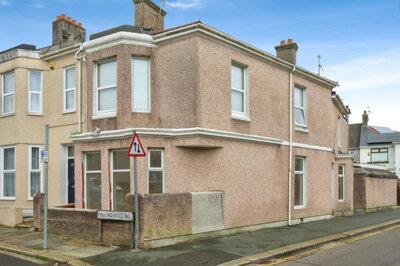
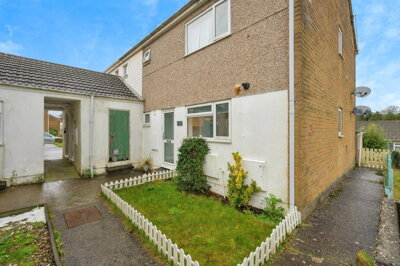
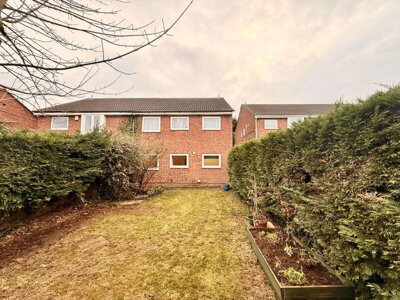
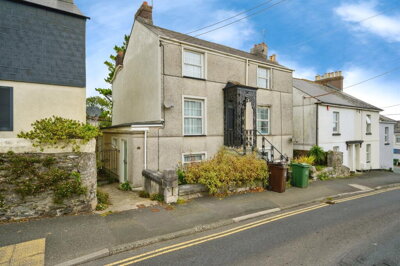
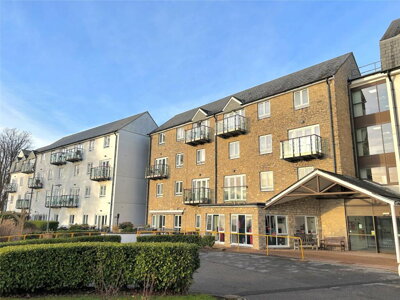
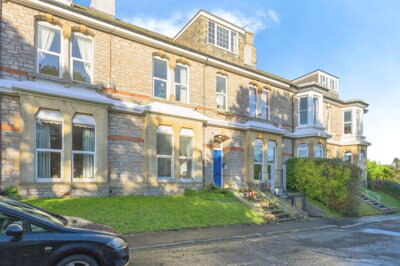
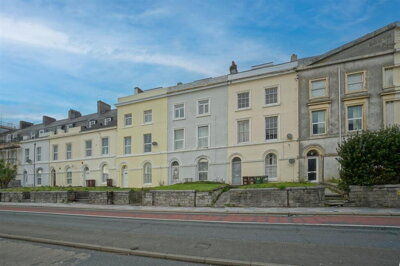
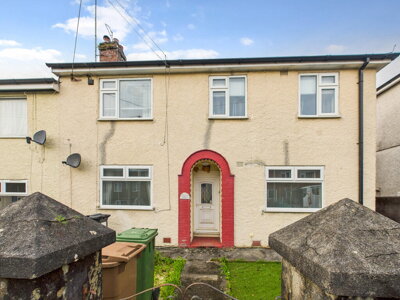
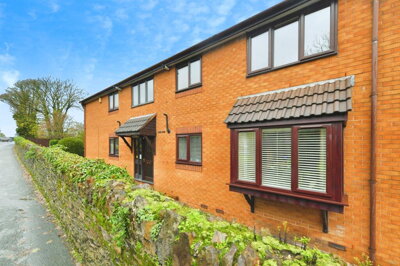
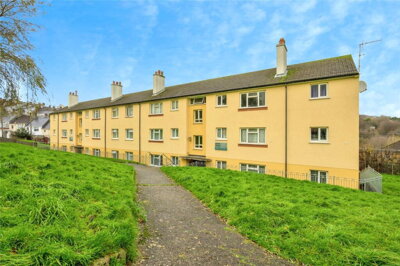
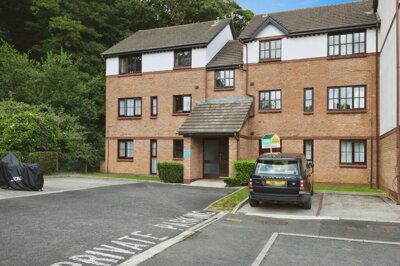
Browse 58 homes for sale in PL7 from local estate agents.
The 2 bed flat sector typically includes two separate bedrooms, dedicated living areas, and bathroom facilities. Properties in PL7 span purpose-built blocks, converted period houses, and modern apartment complexes on various floors.
£125k
1
0
33
Source: home.co.uk
Showing 1 results for 2 Bedroom Flats for sale in PL7. The median asking price is £125,000.
Source: home.co.uk
Flat
1 listings
Avg £125,000
Source: home.co.uk
Source: home.co.uk
The PH17 property market presents a distinctive picture shaped by the area's remote location and limited housing stock. Detached properties have sold for an average of £195,000 recently, while semi-detached homes command slightly higher prices at around £265,000 on average. These figures reflect a market that has experienced significant correction, with sold prices falling 22% compared to the previous year and an eye-catching 62% below the 2023 peak of £590,000. This adjustment brings entry points to the local market within reach for a broader range of buyers seeking rural living.
New build activity in PH17 remains limited to small-scale projects rather than large developments. A notable recent construction is Comraich House near Rannoch, a modern four-bedroom property built in 2018 using a mixture of timber and stone cladding with impressive views across Loch Rannoch. An adjacent house site was also available separately, demonstrating that occasional plot opportunities do arise for those seeking to build their own home. The Kinloch Rannoch Annexe represents another example of bespoke construction in the village, an extension project designed by Eolas Architects to provide accessible ground-floor accommodation linked to an existing cottage.
Opportunities for self-build plots do arise periodically, particularly in and around Kinloch Rannoch, where planning permission for individual dwellings occasionally becomes available. A small house site of approximately 0.3 acres with detailed plans approved for a two-bedroom cottage was previously marketed in the village. The market is dominated by traditional cottages, period farmhouses, and purpose-built lodges, with properties often featuring the characteristic granite and slate construction found throughout Highland Perthshire. Rannoch Lodge at Bridge of Gaur (PH17 2QD) represents the historic end of the housing spectrum, a Category B listed building dating from the mid-18th century that was altered into a shooting lodge, demonstrating the area's rich architectural heritage.

Kinloch Rannoch serves as the beating heart of the PH17 postcode, a small village nestled at the eastern end of Loch Rannoch where the River Tummel begins its journey downstream. The village supports a surprising range of amenities considering its remote location, including a local shop, hotel and restaurant facilities, and a primary school. The surrounding area of Rannoch has a rich historical legacy, once supporting a population of 2,500 inhabitants in 1755 before experiencing the depopulation common to many Highland glens. Today, approximately 400 people call this area home, preserving a tight-knit community spirit that welcomes newcomers warmly.
The natural environment defines daily life in PH17. Loch Rannoch stretches over nine miles long and is flanked by the dramatic Schiehallion mountain to the south and the vast expanse of Rannoch Moor to the west. The moor represents one of the most significant areas of blank peatland in mainland Britain, creating a unique habitat for specialist wildlife and offering extraordinary walking opportunities. The entire area falls within the Loch Rannoch and Glen Lyon National Scenic Area, a designation that protects the outstanding natural beauty of these landscapes. Residents enjoy access to stalking, fishing, sailing, and hill walking, with the estate grounds providing additional recreational opportunities throughout the year.
Local employment centres on the hospitality sector, with the Loch Rannoch Hotel and Estate representing one of the larger employers in the area, alongside the Dunalastair Hotel Suites in Kinloch Rannoch village itself. The area also supports roles in retail, with local shops serving the community, and more industrial positions such as the asphalt plant and quarry operations run by Breedon Group Limited in nearby Aldclune. Agriculture, forestry, and the growing sustainable tourism sector provide additional employment, while the local school maintains a small but dedicated staff. For those working remotely, the village offers a peaceful base with the A9 trunk road providing the main connection to larger population centres.

Education provision in PH17 centres on Rannoch Primary School, a small rural school serving the local community and providing primary education for children from the surrounding area. The school plays an important role in maintaining community viability, bringing families into the valley and supporting the local economy. For secondary education, pupils typically travel to schools in Pitlochry or Aberfeldy, with daily bus services connecting these communities. This arrangement requires some families to consider boarding options or longer daily journeys, a factor worth noting for those with school-age children.
The broader Perth and Kinross area maintains generally strong educational standards, with schools in nearby towns offering a range of academic and vocational pathways. Families moving to PH17 should contact Perth and Kinross Council directly for current catchment area information and to discuss specific educational requirements. The small class sizes at Rannoch Primary School offer genuine benefits for younger children, providing individual attention that can be harder to find in larger urban schools. Parents frequently cite the outdoor learning opportunities available to children growing up in this exceptional natural environment as a significant advantage of raising a family in the PH17 area.
Turnover in social housing stock in Rannoch is notably low at around 8%, indicating that families who do settle in the area tend to remain long-term. This stability reflects the strong community bonds formed through the local school and village activities. The Cornerstone community building in Kinloch Rannoch, currently undergoing restoration, demonstrates the ongoing investment in local infrastructure that benefits families considering a move to the area.

Reaching PH17 requires acceptance of its Highland isolation, with the area accessible primarily via the B8019 road that runs along the north shore of Loch Rannoch from Pitlochry. There is no railway station within the PH17 postcode itself, with the nearest rail connections available in Pitlochry, approximately 20 miles away. Edinburgh can be reached by car in around two and a half hours, while Perth is approximately 45 minutes to an hour's drive depending on route conditions. The A9 trunk road provides the main arterial route connecting the area to the central belt of Scotland.
Daily commuting from PH17 is not practical for most workers, making the area most suitable for those who can work remotely, are retired, or work within the local economy. Local employment opportunities exist in hospitality, retail, agriculture, forestry, and the growing sustainable tourism sector. The Loch Rannoch Hotel and Estate represents one of the larger local employers, alongside various tourism businesses, the local school, and the Dunalastair Hotel suites in Kinloch Rannoch village itself. For those who need to travel occasionally, Perth offers the most comprehensive transport links, including rail connections to Inverness, Edinburgh, Glasgow, and London.
Winter conditions can significantly impact road access in PH17, with the B8019 and roads leading to more isolated properties subject to snow and ice. Properties in elevated positions away from the water's edge offer reduced flood risk but may have longer access roads that require greater attention during adverse weather. Prospective buyers should factor in the practicalities of maintaining transport connections throughout the year, including the potential need for winter tyres and emergency supplies during prolonged cold spells.

Explore the different neighbourhoods within the PH17 postcode, from Kinloch Rannoch village itself to more isolated properties along the loch shore or near Rannoch Station. Consider proximity to amenities, road access, and broadband availability when narrowing your search. Properties near Bridge of Gaur and Rannoch Lodge offer historic character but may have longer journey times to the village centre.
Contact lenders to obtain a mortgage agreement in principle before viewing properties. Given the rural nature of PH17, some lenders may have specific criteria for properties in remote locations. Properties relying on private water supplies, septic tanks, or oil heating may require additional documentation from lenders. Factor in additional costs including survey fees, legal costs, and the distance you will need to travel for property inspections.
Arrange viewings through Homemove and local estate agents. Take time to assess the condition of properties carefully, remembering that many homes in this area are older constructions that may require ongoing maintenance. Check for signs of damp, roof condition, and the age of heating systems and electrical installations. Pay particular attention to the condition of stone walls, lime mortar pointing, and any roughcast render that may be hiding deterioration.
Always obtain a professional survey before committing to purchase. A RICS Level 2 survey is suitable for most conventional properties, while a Level 3 structural survey is recommended for older properties, listed buildings, or non-standard construction. Given the prevalence of stone and traditional buildings in PH17, a thorough survey is particularly valuable. Specialist surveys may be required for listed buildings like Rannoch Lodge, where Historic Building Surveys are necessary due to unique construction methods including timber beams, lime plaster, and historic foundations.
Appoint a conveyancing solicitor with experience in Scottish property transactions. Your solicitor will handle searches, title checks, and the transfer of ownership. Factor in the time required for completion, which may be longer for remote properties with more complex titles. Scottish conveyancing has specific requirements that differ from the rest of the UK, and your solicitor will guide you through the process.
Once all surveys and searches are satisfactory, your solicitor will arrange for the conclusion of the sale. Completion dates can be arranged to suit both parties, and you will receive the keys to your new Highland home. Be prepared for the practicalities of moving to a remote location, including arranging removal firms experienced with Highland relocations well in advance.
Properties in PH17 require careful inspection due to their age and the challenging Highland climate. Traditional construction throughout the area typically features solid stone walls, slate or metal roofing, and lime mortar pointing rather than modern cement. These materials require different maintenance approaches compared to modern brick or concrete construction, and buyers should understand that damp-proof courses may be absent or compromised in older properties. Timber decay and condensation issues are among the more common defects found during surveys in rural Scottish properties, particularly where ventilation has been reduced by modern improvements.
The geology of PH17 presents specific considerations for property buyers. The area sits within Highland Perthshire's varied landscape of rugged moorlands and mountains, with Loch Rannoch occupying a glacially carved basin. Rannoch Moor surrounding the loch consists of vast peatland plateau, while glacial deposits throughout the area create varied ground conditions. Properties built on clay-rich soils can be susceptible to shrink-swell movement, particularly with changing moisture content due to weather patterns or nearby tree roots. While specific shrink-swell risk data for PH17 is limited, the presence of peatland and glacial deposits suggests a varied geological makeup that warrants professional assessment for new builds or significant extensions.
Flood risk deserves particular attention when purchasing properties near Loch Rannoch or the River Tummel. The Scottish Environment Protection Agency has previously raised flood risk concerns regarding development near the loch, and prospective buyers should check the long-term flood risk for any specific property. Recent plans for holiday apartments at Loch Rannoch Hotel faced objections from SEPA due to flood risk concerns from a culverted watercourse, demonstrating that flood risk is taken seriously in planning decisions. Properties in more elevated positions away from the water's edge offer reduced flood risk but may have longer access roads subject to winter conditions. Surface water flooding can occur anywhere during heavy rainfall, and buyers should check their specific property's risk via the GOV.UK long-term flood risk service.
Many properties in PH17 rely on private water supplies rather than mains connections, and septic tanks or private drainage systems are common. These systems require regular maintenance and may need upgrading to meet current standards. Heating systems often use oil or bottled gas rather than mains gas, and buyers should factor in the cost of fuel deliveries when calculating running costs. Properties such as Rannoch Lodge and other listed buildings in the area require specialist surveys and consent for alterations, adding complexity to any purchase or renovation plans.

The average property price in PH17 currently sits between £215,000 and £223,500 according to Rightmove and Zoopla data. Detached properties average around £195,000 while semi-detached homes command approximately £265,000. The market has experienced significant correction recently, with prices falling 22% from the previous year and 62% from the 2023 peak of approximately £590,000. This correction brings the market closer to historical norms after an exceptional peak, creating potential opportunities for buyers seeking value in a beautiful rural setting.
Properties in PH17 fall under Perth and Kinross Council jurisdiction. Council tax bands in Scotland range from A to H and are based on property valuation as of 1991. Most residential properties in the PH17 area tend to fall in the lower bands (A through C) due to the rural nature of the properties and historical valuations. The small village of Kinloch Rannoch itself had a population of only 254 in the 1991 census, reflecting the modest scale of property values in the area. Prospective buyers should check with Perth and Kinross Council for the specific band applying to any property they are considering.
The main educational facility within PH17 is Rannoch Primary School, a small rural school serving the local community. Secondary education is provided at schools in nearby towns such as Pitlochry or Aberfeldy, accessible via school transport services. The small scale of local education provision offers excellent pupil-to-teacher ratios that parents frequently cite as beneficial for younger children. Families should consider the logistics of secondary education travel when making purchasing decisions, as daily bus journeys to Pitlochry can be lengthy during winter weather conditions.
PH17 has limited public transport options due to its remote location. There is no railway station within the postcode area, with the nearest stations in Pitlochry. Bus services connect the area to Pitlochry and beyond, though frequency is limited compared to urban areas. Daily commuting by public transport is not practical for most workers. The A9 trunk road provides the main road connection to the central belt, and Edinburgh is approximately two and a half hours away by car. For international travel, Edinburgh Airport offers the most convenient connections.
Property investment in PH17 should be approached with realistic expectations about rental demand and capital growth. The local population is small at approximately 400 people, limiting the tenant pool for traditional buy-to-let investors. However, the area attracts holidaymakers seeking rural retreats, and there is potential for holiday let income from well-positioned properties near Loch Rannoch or Schiehallion. Recent SEPA objections to development proposals demonstrate that new build supply in flood-risk areas remains constrained, which could support values of existing properties longer-term. The recent price correction may present buying opportunities for those patient enough to wait for longer-term appreciation.
Scotland operates the Land and Buildings Transaction Tax system rather than UK stamp duty. For residential purchases, there is no tax on properties up to £145,000, with rates rising through bands up to 12% for properties over £750,000. First-time buyers may qualify for relief on properties up to £175,000. At the average PH17 price of around £215,000, a standard buyer would pay approximately £700 in LBTT under current Scottish rates. Your solicitor will calculate the exact amount due based on the purchase price and your circumstances.
Key risks include flooding for properties near watercourses, the condition of older stone construction, limited broadband speeds in some areas, and the practical challenges of maintaining a property in a remote location. Many properties rely on oil or bottled gas for heating rather than mains gas, and some use private water supplies and septic tanks that require ongoing maintenance. The area's peatland geology and varied ground conditions may present shrink-swell risks in some locations. A thorough survey before purchase is essential, and buyers should factor in higher maintenance costs for traditional buildings in a challenging Highland climate. Properties with listed building status require additional consents for any alterations.
Traditional properties in PH17 typically feature solid stone walls built from locally available granite, rubble construction, and slate or stone tile roofing. Lime mortar pointing is common in older buildings, requiring different maintenance approaches than modern cement. Recent constructions in Kinloch Rannoch have incorporated modern materials such as Scotlarch cladding that weathers to silver-grey, Thermopine cladding finished in black, and corrugated metal roofs, drawing inspiration from local farm buildings. Roughcast render is found on some original houses, and buildings may have been stripped back to original stonework during restoration, as demonstrated by the Cornerstone community building project.
Understanding the full costs of purchasing property in PH17 requires consideration beyond the purchase price itself. Scotland's Land and Buildings Transaction Tax operates on a progressive band system, with no tax applying to properties priced up to £145,000. For properties between £145,001 and £250,000, the rate is 1%, rising to 2% between £250,001 and £325,000, 5% between £325,001 and £750,000, and 12% for any portion above £750,000. First-time buyers in Scotland may benefit from relief on the portion of the purchase price up to £175,000, though this relief phases out for properties above £175,000.
Additional purchase costs include survey fees, with a RICS Level 2 survey typically costing between £400 and £1,000 depending on property size and value. For a typical PH17 property in the £215,000 to £265,000 range, survey costs would likely fall in the £400 to £600 bracket for a standard three-bedroom property. Non-standard construction, listed building status, or larger properties will increase these costs. Our surveyors provide specific pricing for PH17 properties, taking into account the rural location and any travel requirements.
Conveyancing fees for Scottish property transactions generally start from around £500 to £1,000 for straightforward purchases but may be higher for properties with complex titles or listed building status. Remote properties sometimes have more complex land titles requiring additional legal work. Moving costs for such a remote location can be substantial, and buyers should obtain quotes from removal firms experienced with Highland relocations well in advance. Factor in Land Register fees and the cost of registering the title transfer, typically handled by your solicitor as part of the conveyancing process. For properties relying on private water or drainage systems, additional surveys or reports may be required by your mortgage lender.

Properties for Sale In London

Properties for Sale In Plymouth

Properties for Sale In Liverpool

Properties for Sale In Glasgow

Properties for Sale In Sheffield

Properties for Sale In Edinburgh

Properties for Sale In Coventry

Properties for Sale In Bradford

Properties for Sale In Manchester

Properties for Sale In Birmingham

Properties for Sale In Bristol

Properties for Sale In Oxford

Properties for Sale In Leicester

Properties for Sale In Newcastle

Properties for Sale In Leeds

Properties for Sale In Southampton

Properties for Sale In Cardiff

Properties for Sale In Nottingham

Properties for Sale In Norwich

Properties for Sale In Brighton

Properties for Sale In Derby

Properties for Sale In Portsmouth

Properties for Sale In Northampton

Properties for Sale In Milton Keynes

Properties for Sale In Bournemouth

Properties for Sale In Bolton

Properties for Sale In Swansea

Properties for Sale In Swindon

Properties for Sale In Peterborough

Properties for Sale In Wolverhampton

Enter your details to see if this property is within your budget.
Loans, cards, car finance
Estimated property budget
Borrowing + deposit
You could borrow between
Typical borrowing
Monthly repayment
Est. at 4.5%
Loan-to-value
This is an estimate only. Your actual budget may vary depending on interest rates, credit history, and personal circumstances. For an accurate affordability assessment, speak to one of our free mortgage advisors.
This calculator provides estimates for illustrative purposes only and does not constitute financial advice. Your home may be repossessed if you do not keep up repayments on your mortgage. Estimates based on 4.5% interest rate, repayment mortgage. Actual rates depend on your circumstances.
Homemove is a trading name of HM Haus Group Ltd (Company No. 13873779, registered in England & Wales). Homemove Mortgages Ltd (Company No. 15947693) is an Appointed Representative of TMG Direct Limited, trading as TMG Mortgage Network, which is authorised and regulated by the Financial Conduct Authority (FRN 786245). Homemove Mortgages Ltd is entered on the FCA Register as an Appointed Representative (FRN 1022429). You can check registrations at NewRegister or by calling 0800 111 6768.

We use cookies to show you personalised content and improve your experience of our website. Find out more in our Privacy policy and Cookie policy.