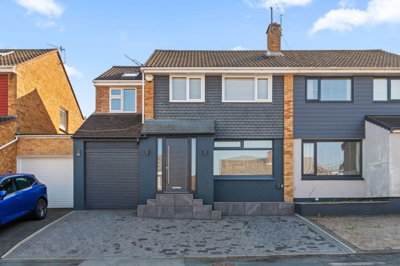
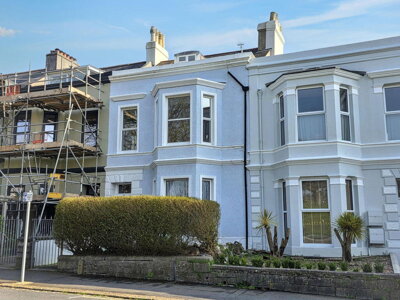
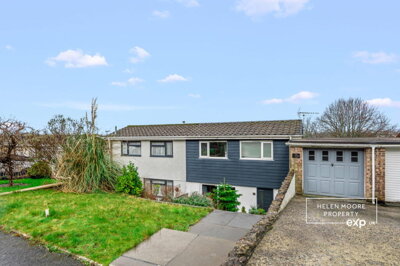
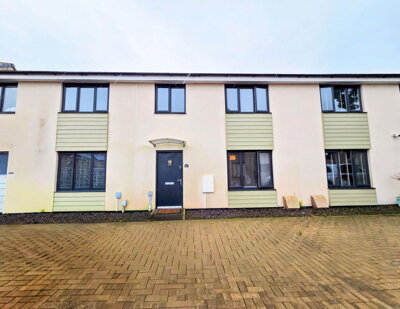
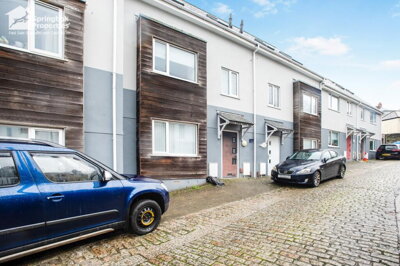
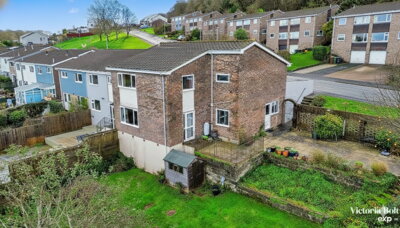
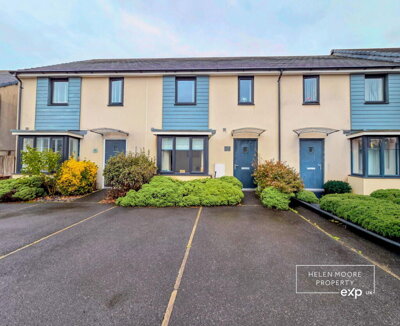
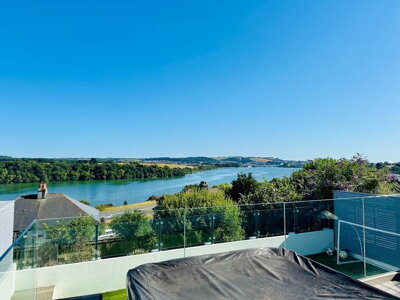
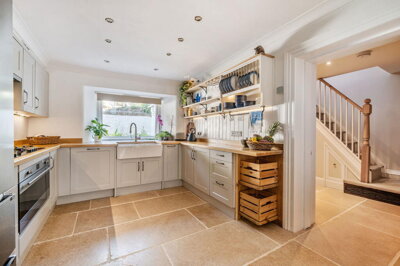
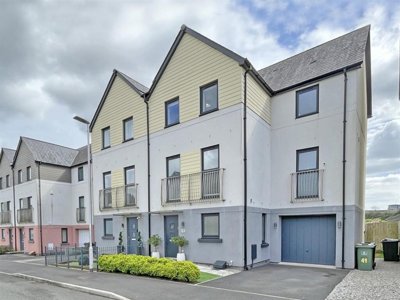
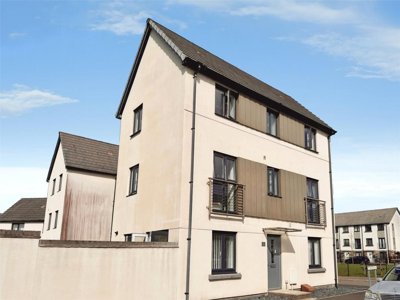
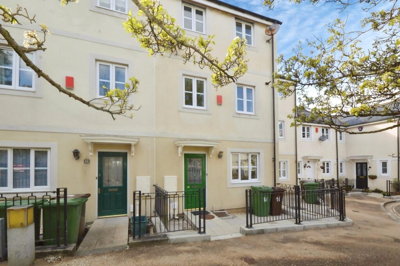
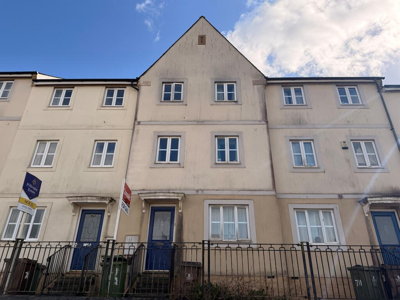
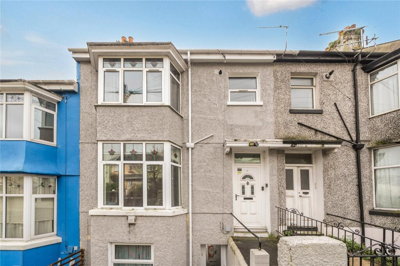
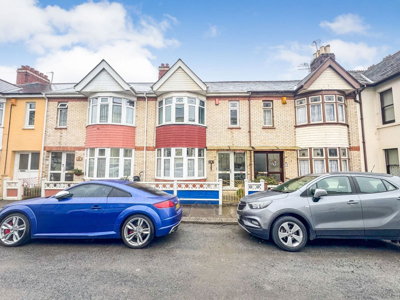
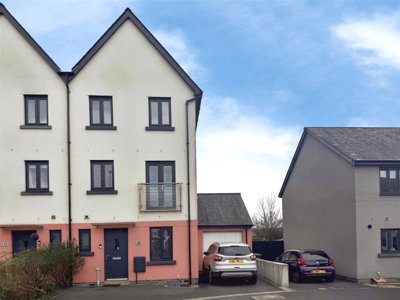
Browse 188 homes for sale in PL4 from local estate agents.
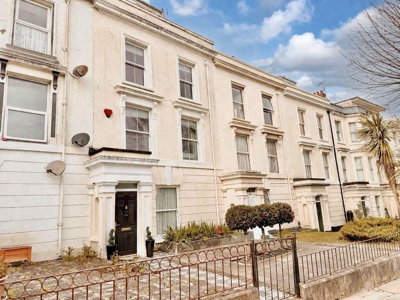
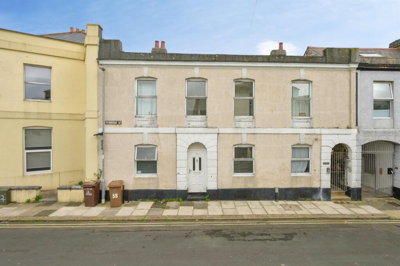
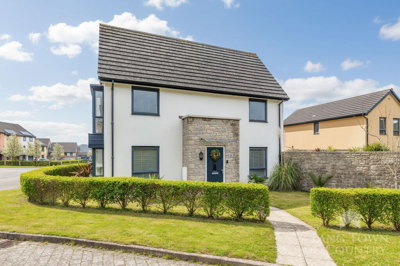
The larger property sector typically features multiple bathrooms, substantial reception space, and private gardens or off-street parking. Four bedroom houses in PL4 span detached, semi-detached, and occasionally terraced configurations, with styles ranging from period properties to modern executive homes.
£275k
13
3
78
Source: home.co.uk
Showing 13 results for 4 Bedroom Houses for sale in PL4. 3 new listings added this week. The median asking price is £275,000.
Source: home.co.uk
Terraced
11 listings
Avg £292,273
Detached
2 listings
Avg £432,500
Source: home.co.uk
Source: home.co.uk
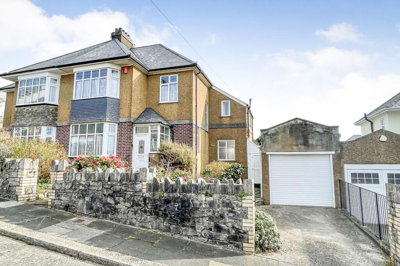
The PL4 property market offers impressive variety, with property types to suit different budgets and lifestyles. Detached homes in the area command the highest prices, averaging £357,500, reflecting the additional space and privacy they provide. Semi-detached properties, popular with growing families, average £275,500, while terraced houses, which form a significant part of the local housing stock, average around £200,000. Flats and apartments remain the most accessible entry point, averaging £140,000, making them particularly attractive to first-time buyers and investors targeting the strong student rental market.
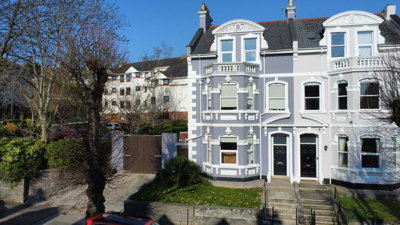
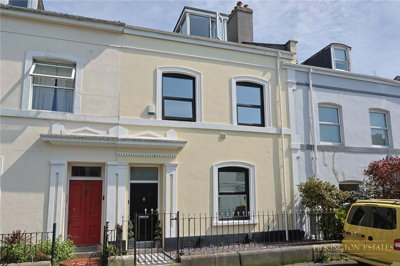
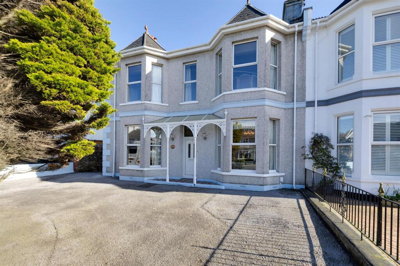
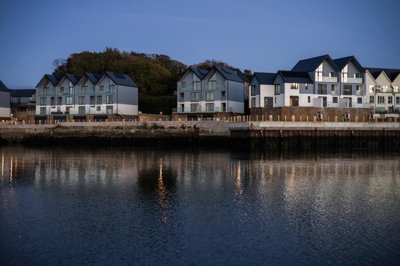
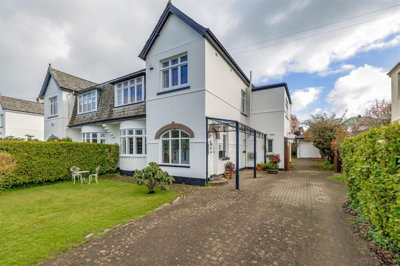
PL4 features predominantly Victorian and Edwardian housing stock, built between the late 19th century and early 20th century. These period properties typically feature solid brick construction, often with render or stucco finishes, and pitched roofs clad with natural slate or clay tiles. The area includes several conservation areas such as Mutley Plain, Portland Villas, and North Hill, where buyers will find elegant Victorian villas and terraces with architectural character. New build activity in the wider Plymouth area includes developments like The Works on Union Street, which offers 1, 2, and 3-bedroom homes as part of the city's ongoing regeneration programme, providing modern alternatives to the traditional housing stock within and adjacent to PL4.
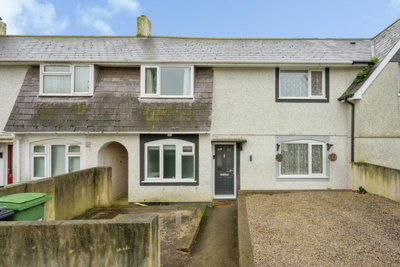
According to the 2021 Census, Plymouth's housing stock is dominated by terraced properties and flats, with terraced houses accounting for around 30% of the city's housing and flats, maisonettes, and apartments comprising approximately 30.6%. Semi-detached properties represent about 25% of the housing stock, with detached homes making up the remaining 13%. Given PL4's character as an established urban area with strong student and university presence, the postcode district likely has a higher concentration of terraced houses and flats compared to the wider city average. This housing mix creates opportunities for various buyer profiles, from investors seeking rental income to families looking for period properties with generous room sizes and original features.

PL4 is home to approximately 25,000 to 30,000 residents, with households estimated at around 9,000 to 10,000. The postcode district has a distinctive demographic profile, shaped significantly by its proximity to the University of Plymouth campus. This creates a youthful atmosphere with a strong student presence, particularly in areas near North Hill and Mutley, while also supporting a settled community of families, professionals, and older residents who appreciate the area's established character and convenient amenities.
The local landscape is characterised by the area's Devonian limestone geology, with properties built using traditional materials including local stone, red brick, and painted render. Green spaces within and near PL4 include parts of Plymouth's network of parks and gardens, providing recreational opportunities for residents. The neighbourhood offers a range of local shops, cafes, and pubs along thoroughfares like Mutley Plain, creating a village-like atmosphere despite being part of a major city. The area's population includes a notable proportion of Houses in Multiple Occupation (HMOs), reflecting the student housing demand, alongside traditional family homes and modern apartments that cater to diverse living arrangements and life stages.
Key employers influencing the PL4 property market include the University of Plymouth itself, which serves as both a major educational institution and a substantial local employer. Derriford Hospital, located in the adjacent PL6 postcode, is one of the largest employers in the wider Plymouth area, and its nursing and medical staff frequently seek accommodation in surrounding postcodes including PL4. HMNB Devonport, the main naval base located in adjacent PL1 and PL2 postcodes, represents another significant employment centre whose personnel contribute to housing demand across Plymouth. The ongoing regeneration projects in Plymouth, including developments near Union Street and the city centre, aim to boost employment opportunities and improve infrastructure, which may positively impact property values in PL4 over the coming years.
The area's character varies significantly between neighbourhoods. Mutley offers a vibrant commercial and residential environment with Mutley Plain serving as a local high street featuring independent shops, cafes, and pubs. Greenbank is known for its diverse community and proximity to green spaces. Lipson provides a mix of period housing and newer developments, while the North Hill area is strongly influenced by the university campus and features a high proportion of student accommodation. Each neighbourhood has its own distinct atmosphere, making PL4 an area where buyers should spend time exploring different streets to find the location that best suits their lifestyle and priorities.

Education provision in PL4 is a significant factor for families considering a move to the area. The University of Plymouth, largely situated within or adjacent to PL4, is a major higher education institution that not only serves students but also acts as a substantial local employer. The university's presence contributes to the area's cultural vitality and provides facilities including libraries, sports centres, and public events that benefit the wider community. For families with children, PL4 and the surrounding areas offer a range of educational settings from primary through to secondary level.
Parents researching schools in PL4 should note that Ofsted-rated primary schools in the area include several that serve the local communities, with many within walking distance of residential areas. Primary schools serving PL4 include St. Peter's Catholic Primary School, which provides faith-based education for younger children, alongside other local primaries that serve the Mutley, Greenbank, and Lipson communities. Secondary school options in Plymouth include both state and grammar schools, with catchment areas varying depending on the school and requiring direct verification with Plymouth City Council.
The secondary school admissions process in Plymouth operates through a coordinated scheme managed by the local authority. Parents should be aware that catchment area boundaries can be complex in urban areas like Plymouth, where addresses near district boundaries may have access to schools in multiple areas. Grammar schools in Plymouth, including Plymouth High School for Girls and Devonport High School for Boys, select students based on academic selection, and families living in PL4 may be eligible to apply. We always recommend visiting schools directly and verifying current Ofsted ratings and admissions criteria with Plymouth City Council before committing to a property purchase, as these details can change and directly affect which schools children can attend from a particular address in PL4.
PL4 benefits from excellent transport connections that make it attractive to commuters and those needing to travel across the region. Plymouth railway station, located just outside PL4 but easily accessible, provides rail services connecting the city to destinations including Bristol, Exeter, and London Paddington, with journey times to the capital typically around 3 to 3.5 hours. The station is well-connected to PL4 via local bus services and is within walking distance of the eastern parts of the postcode district, making rail travel a practical option for residents.
Local bus services operated by Plymouth Citybus offer frequent connections throughout the city, with routes serving PL4 neighbourhoods and connecting residents to the city centre, Derriford Hospital, and other key destinations. The 42 and 43 routes connect Mutley and Greenbank to the city centre, while services to the university campus and the waterfront are readily available. For those working at Derriford Hospital in PL6, bus services provide direct access, making PL4 an attractive location for NHS staff and other healthcare workers. Fares are generally reasonable compared to other UK cities, and the compact nature of Plymouth means that many journeys can be completed quickly.
For drivers, PL4 provides convenient access to the A38 Devon Expressway, which connects Plymouth to Exeter and the wider motorway network beyond. The A38 provides access to the M5 motorway at Exeter, opening up journeys to Bristol, Birmingham, and beyond. Locally, the A386 runs through parts of PL4, connecting to the northern areas of Plymouth and towards Tavistock. Parking availability varies by neighbourhood, with some areas near the university offering permit parking schemes to manage demand from students and staff. Some streets in Mutley and North Hill have resident parking zones, so prospective residents should investigate the specific arrangements for any property they are considering purchasing.
The city is also served by ferry connections from Plymouth Ferry Terminal to Roscoff in France and Santander in Spain, offering international travel options for those looking to export vehicles or travel to continental Europe. Locally, cycling infrastructure has been improved in recent years, with dedicated lanes on some major routes and the relatively flat terrain in parts of PL4 making cycling viable for commuting. The Plym Valley Trail provides an off-road cycling route connecting PL4 to the outskirts of the city and into the countryside beyond, appealing to recreational cyclists and commuters alike.
Obtain a mortgage agreement in principle from a lender before you start viewing properties. This strengthens your position when making offers and helps you understand your true budget, including associated costs like solicitor fees and stamp duty. Given the average PL4 property price of around £204,657, most buyers should benefit from the standard nil-rate stamp duty threshold, though you should budget for additional costs including survey fees, legal costs, and removals.
Explore PL4's different neighbourhoods including Mutley, Greenbank, and Lipson to find areas that match your lifestyle needs. Consider factors like proximity to schools, transport links, and local amenities, and review the local property market data to understand price ranges. Spend time walking the streets at different times of day to get a feel for the atmosphere and noise levels, particularly important in areas with high student populations near the university campus.
Once you have a shortlist, arrange viewings through Homemove or directly with estate agents. Take time to inspect properties thoroughly, paying attention to the condition of older Victorian and Edwardian features that are common in PL4's housing stock. Look beyond cosmetic finishes to assess the condition of roofs, walls, and foundations, and ask about the age of key systems like heating and electrical installations.
Given that the majority of properties in PL4 are over 50 years old, we strongly recommend arranging a RICS Level 2 Survey before purchasing. This detailed inspection will identify any structural issues, damp problems, or other defects common in period properties, typically costing between £400 and £700 for a 3-bedroom home in Plymouth. Our surveyors are experienced in assessing Victorian and Edwardian construction and understand the common issues found in Plymouth's older housing stock.
Your solicitor will handle the legal aspects of the purchase, including searches, contracts, and registration with the Land Registry. They will also manage the transfer of funds and coordinate with your mortgage lender if applicable. In PL4, your solicitor should conduct specific searches including the local authority search with Plymouth City Council, a drainage and water search, and an environmental search covering the local area.
Once all searches are satisfactory and your mortgage is finalised, you will exchange contracts and agree a completion date. On completion day, you will receive the keys to your new PL4 home and can begin moving in. Make sure buildings insurance is in place from the completion date, and notify utility companies of your move to avoid any service interruptions.
Buying property in PL4 requires awareness of several area-specific factors that can affect your investment. The geology of Plymouth, which features Devonian limestone alongside areas of slate and shale, means that some properties may be built on shrinkable clay soils. These conditions can contribute to subsidence or heave issues, particularly where trees or large shrubs are planted near properties with shallow foundations. A thorough survey will identify any signs of movement, and buyers should review the results carefully before proceeding.
Our inspectors frequently find evidence of damp in PL4 properties, given the age of much of the housing stock. Rising damp occurs when moisture rises through brick or stone walls by capillary action, a particular problem in older properties that lack modern damp-proof courses. Properties built before the 1870s typically have no formal damp-proof course, making them vulnerable to moisture ingress from ground level. Penetrating damp, often caused by deteriorating pointing, damaged leadwork, or failed render, allows water to enter walls from outside and can affect properties at any level. Our surveyors check for tell-tale signs including tide marks on walls, peeling paint or wallpaper, and musty smells that indicate moisture problems.
Flood risk varies across PL4, with parts of the area in proximity to the River Plym and its tributaries presenting some fluvial flood risk. Surface water flooding can also occur during periods of heavy rainfall when drainage systems are overwhelmed, particularly in low-lying areas and those with older drainage infrastructure. Properties in low-lying areas or those near watercourses should be assessed carefully, and buyers should review the Environment Agency's flood risk maps for the specific location. While PL4 is not directly coastal, its proximity to Plymouth Sound and the city's drainage systems means that during severe weather events, some areas may experience water pooling or overwhelmed sewers.
Given PL4's conservation area status for several neighbourhoods including Mutley Plain, Portland Villas, and North Hill, buyers should be aware that properties may be subject to planning restrictions regarding alterations, extensions, and exterior changes that require consent from Plymouth City Council. The prevalence of listed buildings within PL4 means that some properties carry additional obligations and specialist survey requirements. Listed buildings are protected for their historical significance and require special consent for most modifications. A standard RICS Level 2 Survey may highlight issues with heritage properties, but our team may recommend a more detailed RICS Level 3 Building Survey for listed buildings or properties within conservation areas, especially those with complex construction or significant historical features requiring specialist assessment.
The average house price in PL4 is currently £204,657 based on recent market data. Property prices vary significantly by type, with detached homes averaging £357,500, semi-detached properties at £275,500, terraced houses around £200,000, and flats at approximately £140,000. Prices have increased by 1.05% over the past 12 months, indicating a stable market with steady growth that makes PL4 an attractive location for both homeowners and investors seeking a city that has avoided the more extreme price fluctuations seen in other UK regions.
Council tax bands in Plymouth vary by property, with bands ranging from A through to H depending on the property's assessed value. The majority of terraced houses and flats in PL4 typically fall into bands A to C, which are the lowest bands, making them more affordable in terms of ongoing council tax costs. Larger semi-detached and detached properties may be in bands D to F. You can check the specific band for any property through the Plymouth City Council website or the Valuation Office Agency, and this information should also appear on property listing details and during the conveyancing process.
PL4 and the surrounding Plymouth area offer a range of educational options for families. Primary schools serving PL4 include St. Peter's Catholic Primary School, which serves the Catholic community in the area, along with several other Ofsted-rated establishments within the postcode district. The nearest secondary schools are located across Plymouth and accessed through Plymouth City Council's admissions process, which operates a co-ordinated scheme considering catchment areas and preferences. Plymouth Grammar School and other selective schools may also be options for academically-able students living in PL4. The University of Plymouth is a major higher education provider situated within the area, contributing to a strong academic community.
PL4 benefits from excellent public transport connections that make commuting and getting around straightforward. Plymouth railway station, easily accessible from PL4, provides direct services to major cities including Bristol, Exeter, and London Paddington with journey times of around 3 to 3.5 hours to the capital. Local bus services operated by Plymouth Citybus offer frequent routes throughout the city and connect PL4 neighbourhoods to the city centre, Derriford Hospital, and employment areas. The A38 Devon Expressway is readily accessible for car travel, providing connections to Exeter and the national motorway network. For international travel, the ferry terminal offers crossings to Roscoff and Santander.
PL4 offers several factors that make it attractive for property investment. The presence of the University of Plymouth creates consistent demand for rental accommodation, particularly flats and Houses in Multiple Occupation where student lets can generate attractive yields. The average property price of £204,657 remains competitive compared to many other UK cities, potentially offering good value for investors seeking entry to a major maritime city. The ongoing regeneration projects in Plymouth, including developments near Union Street and the Mount Wise area bordering PL4, may positively impact property values over time. However, investors should carefully consider factors including leasehold arrangements, service charges for flats, and the condition of older properties when evaluating specific purchases.
Stamp duty rates for 2024-25 are tiered based on property price. Standard rates apply 0% duty on the first £250,000, 5% on the portion from £250,001 to £925,000, 10% from £925,001 to £1.5 million, and 12% above £1.5 million. First-time buyers benefit from increased thresholds, paying 0% on the first £425,000 and 5% on the portion from £425,001 to £625,000, provided the property is priced below £625,000 and you meet the first-time buyer criteria. Given the average PL4 property price of around £204,657, most buyers in this area would pay no stamp duty at all.
Given PL4's predominantly Victorian and Edwardian housing stock, buyers should be aware of several common issues that our surveyors regularly identify in the area. Damp problems, including rising damp, penetrating damp, and condensation, are frequent in older properties that may lack modern damp-proof courses or have inadequate ventilation. Roof conditions require careful inspection, as slate or tile roofs on period properties often show signs of deterioration after 80-100 years of service. Our inspectors frequently find outdated electrical wiring and plumbing systems in PL4 properties, with many Victorian and Edwardian homes still containing original or early 20th-century installations that do not meet current safety standards. Structural movement, timber decay including wet and dry rot, and woodworm infestations should also be investigated, which is why we recommend a comprehensive RICS Level 2 Survey before purchasing any property in the area.
PL4 contains parts of several conservation areas that reflect its historical character and can affect how properties can be modified or extended. The Mutley Plain Conservation Area covers a significant commercial and residential thoroughfare, while the Portland Villas Conservation Area is known for its Victorian architecture. The North Hill Conservation Area encompasses areas around the university campus and includes both residential streets and historic university buildings. If you are purchasing a property within a conservation area, you will need to seek planning permission from Plymouth City Council for certain alterations, extensions, and even some exterior changes including replacing windows or doors. Listed buildings, which are numerous within PL4's conservation areas, require Listed Building Consent for most works and may have restrictions on internal modifications as well.
Understanding the full costs of buying property in PL4 is essential for budgeting effectively. Beyond the property price itself, buyers need to account for stamp duty, which for most properties in PL4 is likely to be minimal given the average price of £204,657 falls below the standard nil-rate threshold of £250,000. First-time buyers purchasing properties up to £425,000 will pay no stamp duty at all, making PL4 an attractive option for those taking their first steps on the property ladder. For properties priced between £250,001 and £925,000, the standard rate applies at 5% on the amount above £250,000.
Solicitor conveyancing fees in Plymouth typically range from £499 to £1,500 depending on the complexity of the transaction and whether the property is freehold or leasehold. Search fees, which include local authority, drainage, and environmental searches specific to Plymouth and Devon, generally cost between £200 and £400. Survey costs should also be factored in, with RICS Level 2 Surveys in Plymouth ranging from approximately £400 to £700 for a standard 3-bedroom property, rising to £600-£800 or more for larger or more complex homes. Given PL4's older property stock, budgeting for a thorough survey is particularly important to identify any potential defects before you commit to the purchase.
Additional costs to budget for include mortgage arrangement fees, which can range from zero to around £2,000 depending on the lender and deal selected, and valuation fees typically between £150 and £500. Some lenders offer free valuations for remortgage deals but charge for purchase valuations, so check the small print. Removal costs vary based on distance and volume of belongings, while buildings insurance needs to be in place from completion day. For leasehold properties, which are common in PL4 particularly for flats, buyers should also investigate ground rent and service charge arrangements, as these ongoing costs can vary significantly between developments and affect both monthly outgoings and the property's future saleability.
When budgeting for a PL4 property purchase, remember to account for costs that may arise from the survey findings. Properties in the area often require updating of electrical systems, with full rewiring potentially costing £3,000 to £8,000 depending on property size. Gas heating system replacements can cost £2,500 to £6,000 or more. Roof repairs or replacement of slate tiles damaged by age or weathering may be required, with costs varying significantly depending on the extent of work needed. Our survey reports will identify any urgent issues and help you understand the full cost of ownership before you complete your purchase.
Properties for Sale In London

Properties for Sale In Plymouth

Properties for Sale In Liverpool

Properties for Sale In Glasgow

Properties for Sale In Sheffield

Properties for Sale In Edinburgh

Properties for Sale In Coventry

Properties for Sale In Bradford

Properties for Sale In Manchester

Properties for Sale In Birmingham

Properties for Sale In Bristol

Properties for Sale In Oxford

Properties for Sale In Leicester

Properties for Sale In Newcastle

Properties for Sale In Leeds

Properties for Sale In Southampton

Properties for Sale In Cardiff

Properties for Sale In Nottingham

Properties for Sale In Norwich

Properties for Sale In Brighton

Properties for Sale In Derby

Properties for Sale In Portsmouth

Properties for Sale In Northampton

Properties for Sale In Milton Keynes

Properties for Sale In Bournemouth

Properties for Sale In Bolton

Properties for Sale In Swansea

Properties for Sale In Swindon

Properties for Sale In Peterborough

Properties for Sale In Wolverhampton

Enter your details to see if this property is within your budget.
Loans, cards, car finance
Estimated property budget
Borrowing + deposit
You could borrow between
Typical borrowing
Monthly repayment
Est. at 4.5%
Loan-to-value
This is an estimate only. Your actual budget may vary depending on interest rates, credit history, and personal circumstances. For an accurate affordability assessment, speak to one of our free mortgage advisors.
This calculator provides estimates for illustrative purposes only and does not constitute financial advice. Your home may be repossessed if you do not keep up repayments on your mortgage. Estimates based on 4.5% interest rate, repayment mortgage. Actual rates depend on your circumstances.
Homemove is a trading name of HM Haus Group Ltd (Company No. 13873779, registered in England & Wales). Homemove Mortgages Ltd (Company No. 15947693) is an Appointed Representative of TMG Direct Limited, trading as TMG Mortgage Network, which is authorised and regulated by the Financial Conduct Authority (FRN 786245). Homemove Mortgages Ltd is entered on the FCA Register as an Appointed Representative (FRN 1022429). You can check registrations at NewRegister or by calling 0800 111 6768.

We use cookies to show you personalised content and improve your experience of our website. Find out more in our Privacy policy and Cookie policy.