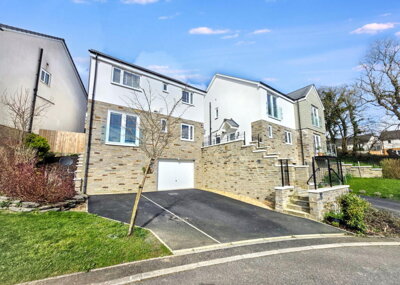
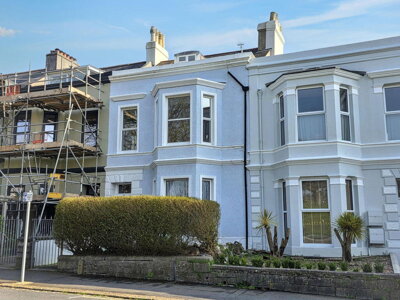
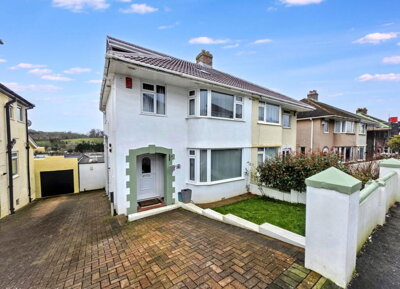
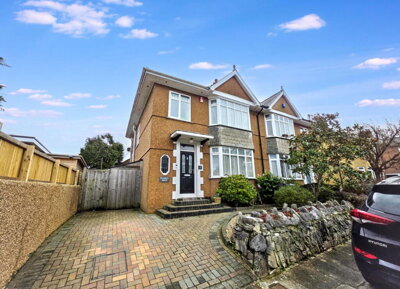
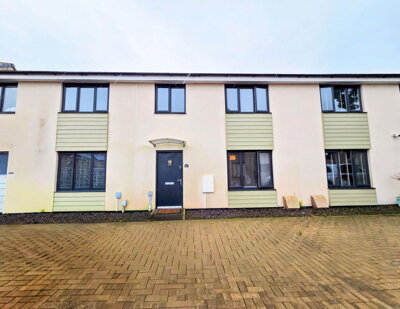
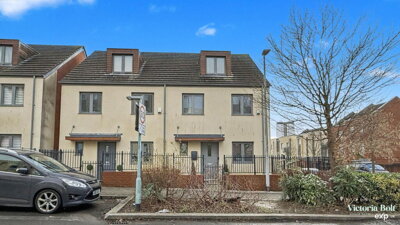
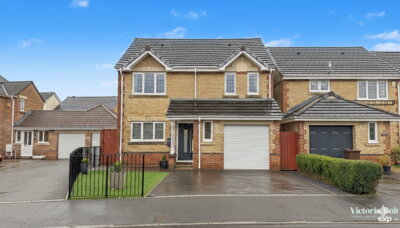
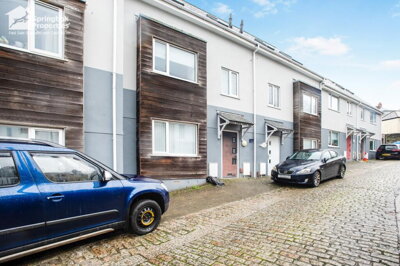
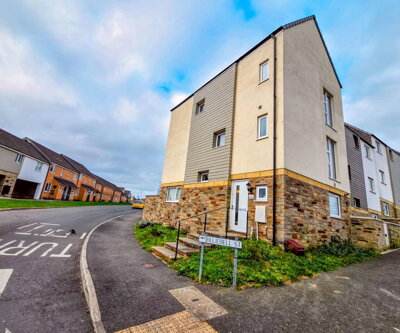
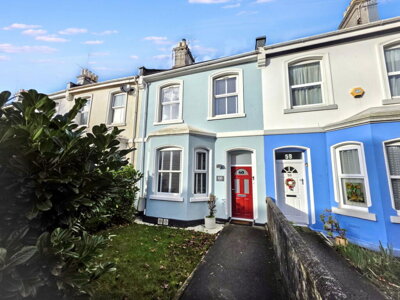
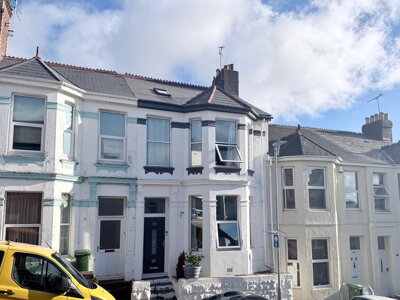
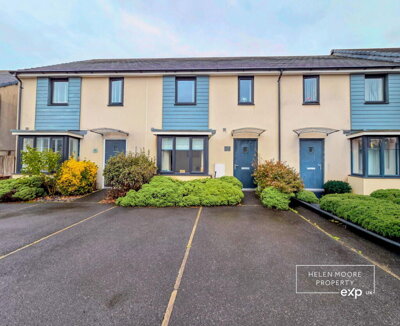
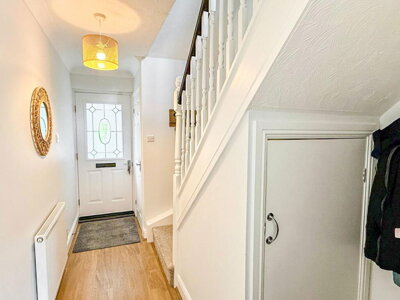
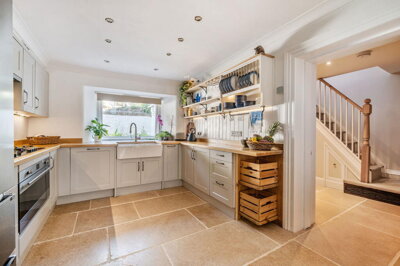
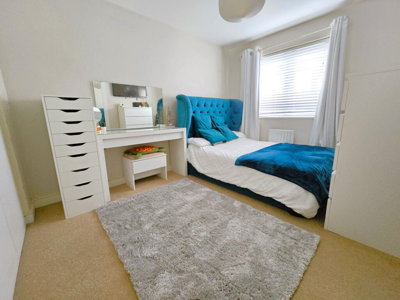
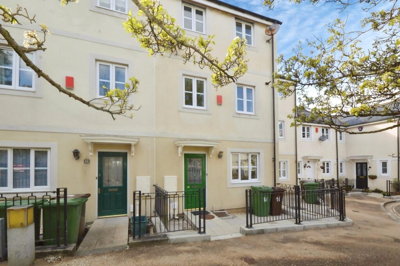
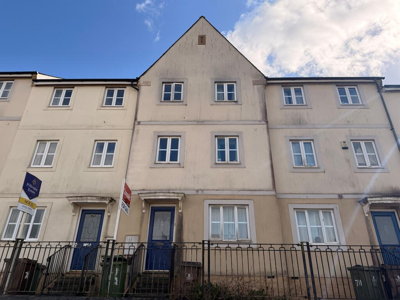
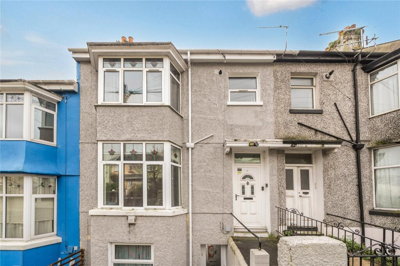
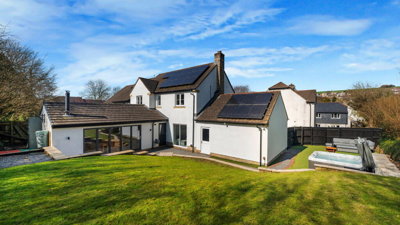
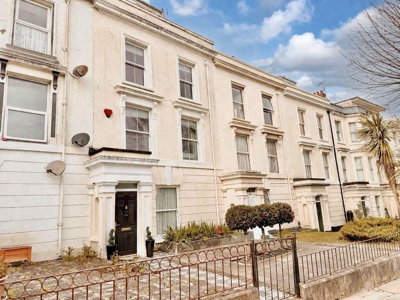
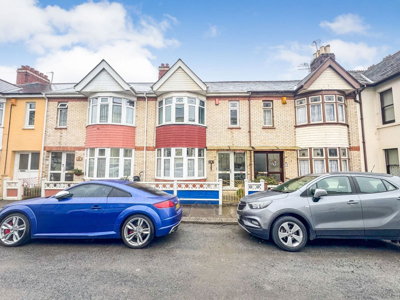
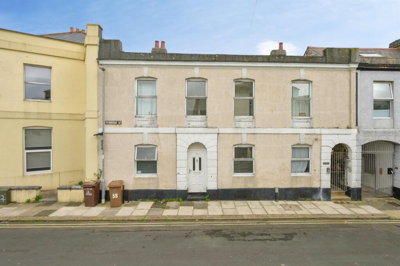
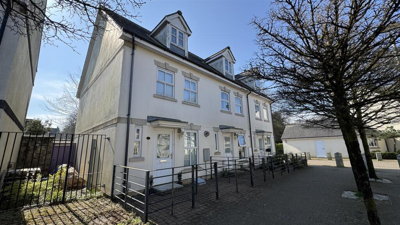
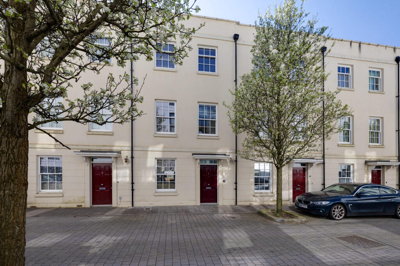
Browse 216 homes for sale in PL3 from local estate agents.
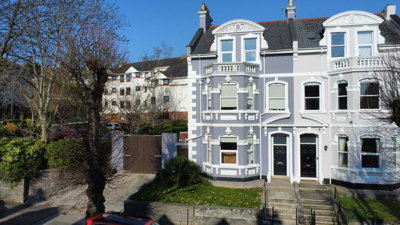
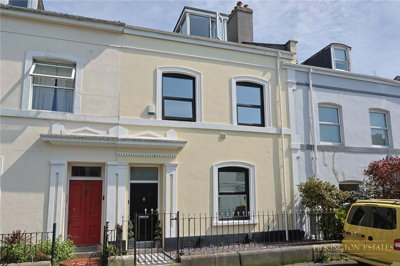
The larger property sector typically features multiple bathrooms, substantial reception space, and private gardens or off-street parking. Four bedroom houses in PL3 span detached, semi-detached, and occasionally terraced configurations, with styles ranging from period properties to modern executive homes.
£400k
23
1
88
Source: home.co.uk
Showing 23 results for 4 Bedroom Houses for sale in PL3. 1 new listing added this week. The median asking price is £400,000.
Source: home.co.uk
Terraced
11 listings
Avg £339,091
Semi-Detached
8 listings
Avg £496,875
Detached
4 listings
Avg £612,500
Source: home.co.uk
Source: home.co.uk
The PL3 property market reflects the postcode's diverse housing stock, with prices that cater to various budgets and preferences. Detached properties command the highest prices, averaging £408,083, offering generous space and gardens that appeal to families seeking room to grow. Semi-detached homes, averaging £273,083, represent excellent value for buyers wanting more bedrooms and living space without the premium associated with detached ownership. These properties are particularly popular among young families and couples upgrading from flats, with many featuring the bay windows and original features characteristic of their era.
Terraced properties in PL3 average £219,833, making them an attractive option for first-time buyers entering the market with more limited deposits. With 36.3% of the housing stock being terraced, these homes form the backbone of many PL3 neighbourhoods, particularly in areas like Mutley and the streets surrounding Mutley Plain. Victorian and Edwardian terraces here often retain their original character, including sash windows, fireplaces, and stripped wooden floors, features that command premiums in other cities but remain accessible in Plymouth. Flats average £147,250, offering the most affordable entry point, with purpose-built apartments and converted period properties providing different lifestyle options for singles, couples, and investors.
The local market has demonstrated consistent growth across all property types, with prices increasing by 3.03% over the past twelve months for terraced, semi-detached, and flat properties. Detached homes saw slightly more modest growth at 1.63%, though they remain the strongest-performing segment in terms of absolute value. This balanced growth suggests healthy demand across the price spectrum, with buyers recognising the value proposition that PL3 offers compared to larger UK cities where similar property types command significantly higher prices.

Life in PL3 means joining a community of approximately 25,000 residents spread across 10,000 households within the electoral wards that make up this postcode area. The neighbourhood character varies considerably between streets, from the elegant Victorian and Edwardian villas of Mannamead to the practical post-war housing estates built during Plymouth's reconstruction after the Blitz. This mix of architectural eras creates streetscapes of genuine visual interest, where a walk around the block reveals the story of how Plymouth grew and developed through different periods of British history. The area benefits from established local centres providing everyday amenities, while remaining within easy reach of Plymouth's city centre and waterfront.
The PL3 postcode sits within Plymouth's economy, which is driven by maritime, manufacturing, healthcare, and education sectors. HMNB Devonport represents one of the largest naval bases in Western Europe, providing stable employment for thousands of local families and creating consistent demand for housing across the price spectrum. Derriford Hospital, operated by University Hospitals Plymouth NHS Trust, employs a significant healthcare workforce, while the University of Plymouth and Plymouth Marjon University contribute to both employment and the character of the area through their student populations. This economic diversity provides resilience in the local property market, with demand sustained across different phases of the economic cycle.
The housing stock in PL3 reflects the area's historical development, with property ages spanning multiple construction periods. Approximately 31% of properties pre-date 1919, representing the Victorian and Edwardian terraces found throughout Mutley and Mannamead. A further 16% were constructed between 1919 and 1945, while 30% date from the post-war reconstruction period of 1945 to 1980. Properties built during this era often feature different construction methods and materials compared to older homes, which affects maintenance requirements and renovation potential. The remaining 23% of post-1980 properties provide more modern alternatives for buyers seeking newer construction with contemporary insulation and fittings.

Families considering a move to PL3 will find a range of educational options across all phases. The postcode encompasses several primary schools serving local communities, with some schools performing particularly well in Ofsted inspections. Secondary education options include both comprehensive schools serving the local area and selective grammar schools for academically able students, with places allocated based on catchment areas and entrance examinations. Understanding school catchment boundaries is essential for parents seeking to secure places at oversubscribed schools, as property locations directly impact eligibility for school places.
Plymouth's educational landscape extends beyond school education to include further and higher education institutions that shape the character of the wider city. The University of Plymouth, located nearby in the PL4 postcode, offers a wide range of undergraduate and postgraduate courses and contributes to the student population renting in areas close to campus. Plymouth Marjon University, based on its own campus to the north of the city, provides another higher education option. The presence of these institutions creates demand for rental properties from students and staff, making PL3 properties potentially attractive to investors seeking rental income.
For parents evaluating schools in PL3, the catchment area system means that school performance and property location are closely linked. Properties in specific streets may fall within catchment for particular primary schools, which then determine eligibility for secondary schools. Parents should research current school performance data through the official Ofsted website and consider how catchment areas may change over time when making purchasing decisions. School catchment properties in PL3 can command premiums, particularly for homes near highly-rated primary schools, so factoring this into your budget is advisable.
PL3 benefits from excellent transport connections that make commuting feasible for those working in Plymouth city centre and beyond. The postcode is well-served by bus routes providing regular services to Plymouth railway station, where connections to London Paddington, Bristol, and Exeter offer onward travel throughout the UK. Journey times to London Paddington typically range from three to four hours by train, making Plymouth accessible for occasional commuting while maintaining a significantly lower cost of living than the capital. For drivers, the A38 provides direct access to the rest of Devon and Cornwall, while connections to the M5 motorway link Plymouth to the national motorway network.
Within PL3 itself, local bus services connect residents to shopping centres, healthcare facilities, and recreational amenities throughout the city. Mutley Plain serves as a local hub with various shops, restaurants, and services easily accessible on foot from surrounding streets. Cyclists will find some dedicated routes and lanes, though Plymouth's hilly terrain can present challenges for less experienced riders. For those travelling further afield, Plymouth ferry terminal offers crossings to France and Spain, while Exeter Airport provides domestic and European flights within approximately one hour's drive of PL3.
For daily commuters, the bus network provides a practical alternative to driving, particularly for journeys into Plymouth city centre where parking can be limited and expensive. First Bus and other operators serve the PL3 area with regular services connecting Mutley, Mannamead, and the surrounding neighbourhoods to key destinations. The local bus routes are particularly valuable for accessing Derriford Hospital and other major employment sites without the stress of city centre parking.
Begin by exploring PL3's different neighbourhoods to find areas that match your lifestyle needs. Obtain a mortgage agreement in principle from a lender to understand your true budget before you start viewing properties. Consider all costs including stamp duty, solicitor fees, and survey costs alongside your mortgage repayments and deposit.
Register your interest with estate agents operating in PL3 who can alert you to new listings before they appear on property portals. Agents often have access to properties not yet formally marketed, giving you a competitive advantage in a market where desirable homes can sell quickly. Provide them with your specific requirements including location, property type, number of bedrooms, and budget.
View multiple properties to compare different streets, property conditions, and value propositions within your budget. Pay attention to factors such as noise levels, parking availability, and the condition of communal areas for flats. Take notes and photographs to help distinguish between similar properties you have visited.
Once your offer is accepted, arrange for a professional survey to assess the property's condition thoroughly. With approximately 77% of PL3's housing stock built before 1980, surveys are particularly valuable here to identify defects common in older properties such as damp, timber issues, and outdated electrics. Survey costs for a typical three-bedroom semi-detached property range from £450 to £650, while flats typically start from around £350 to £500.
Appoint a conveyancing solicitor to handle the legal aspects of your purchase, including searches, contracts, and land registry transfers. Your solicitor will liaise with the seller's representatives, conduct necessary local authority searches, and manage the transfer of funds on completion day. Budget approximately £500 to £1,500 for conveyancing costs depending on the complexity of the transaction.
Once all searches are satisfactory and mortgage offer confirmed, you will exchange contracts and pay your deposit, typically 10% of the purchase price. On the agreed completion date, your solicitor transfers the remaining funds and you receive the keys to your new PL3 home. Arrange buildings insurance to be in place from the exchange date.
Property buyers in PL3 should be aware of several area-specific factors that can affect their purchase. The Mutley Plain Conservation Area covers parts of PL3, and properties within this area are subject to planning restrictions that control external alterations, extensions, and even window replacements. If you are considering a period property in this area, research conservation requirements before purchasing to avoid unexpected complications when you come to make changes. There are also numerous listed buildings throughout PL3, particularly Victorian and Edwardian villas, which carry additional regulatory requirements for any works.
The geology of PL3 presents some considerations for property buyers. The area sits on Devonian limestone and shales with clay-rich superficial deposits in some locations, creating a potential shrink-swell risk for properties with shallow foundations. This risk increases where mature trees are present near properties, as tree root activity can affect soil moisture levels. Additionally, some areas may face surface water flood risk during heavy rainfall, particularly in low-lying locations or where drainage infrastructure is under strain. Reviewing flood risk reports and understanding a property's drainage history can help you avoid problematic purchases.
Building materials in PL3 vary significantly by property age and era. Victorian and Edwardian properties typically feature solid walls constructed from local stone or brick with slate roofs, timber floors, and sash windows. These older properties often lack modern damp-proof courses and may have outdated electrical systems requiring updating. Properties built during the post-war reconstruction period, representing a significant proportion of the housing stock, may feature concrete elements including concrete tiled roofs and concrete floors that have different maintenance requirements to traditional materials. Always factor potential renovation costs into your budget when purchasing older properties.
With 77% of PL3's housing stock built before 1980, understanding common defects in older properties is essential for buyers. Rising damp and penetrating damp are frequent issues in solid-walled Victorian and Edwardian properties that lack adequate damp-proof courses. Roof deterioration affecting slate tiles, lead flashing, and timber structures commonly affects properties over 50 years old. Electrical systems installed before the 1980s often require complete rewiring to meet current safety standards, as do plumbing systems using old copper or lead piping. Timber defects including woodworm and wet or dry rot can affect structural timbers, particularly where ventilation is poor or previous damp issues have gone unaddressed.
While no active new-build developments were confirmed within the PL3 postcode itself, the wider Plymouth area offers several newer housing options for buyers seeking modern properties. The wider PL5 postcode around Manadon Park features contemporary developments that may appeal to buyers wanting newer construction with modern insulation and fittings. Properties in these nearby postcodes often include the latest building standards and may come with remaining NHBC or similar guarantees, providing additional for buyers concerned about hidden defects.
Newer properties in Plymouth, whether within PL3 or neighbouring postcodes, typically feature cavity wall construction with contemporary insulation systems, double or triple glazing, and modern heating systems. These properties generally require less maintenance than older Victorian or Edwardian homes and often benefit from improved energy efficiency ratings. However, newer properties can still present issues, and a professional survey remains advisable even for recently constructed homes.
For buyers specifically seeking new build properties in the Plymouth area, expanding your search to include neighbouring postcodes may reveal options not available within PL3 itself. The surrounding area has seen ongoing development activity, with various housing developments at different stages of construction and completion. Working with local estate agents who monitor new site releases can help you access properties before general public marketing begins.
Understanding the full costs of purchasing a property in PL3 is essential for budgeting effectively and avoiding financial surprises during the transaction. The most significant additional cost for many buyers is Stamp Duty Land Tax, which applies to all purchases above £250,000 at progressive rates. For a typical PL3 property averaging £264,747, a standard buyer would pay approximately £737 in stamp duty, calculated on the £14,747 portion above the £250,000 threshold. First-time buyers purchasing properties up to £625,000 with no existing property ownership benefit from increased thresholds, potentially paying no stamp duty at all on purchases up to £425,000.
Beyond stamp duty, buyers should budget for solicitor conveyancing costs typically ranging from £500 to £1,500 depending on the complexity of the transaction and the property value. Local search fees through Plymouth City Council typically cost between £150 and £300, with additional drainage and environmental searches adding further costs. A property survey, strongly recommended for the predominantly older property stock in PL3, costs approximately £450 to £650 for a typical three-bedroom property, rising to £550 to £800 or more for larger detached homes. Buildings insurance must be arranged from the point of contract exchange, typically costing £200 to £500 annually depending on property value and rebuild costs.
For buyers purchasing flats in PL3, additional ongoing costs to factor into your budget include service charges for communal areas, buildings maintenance, and potentially ground rent depending on the lease terms. These costs vary significantly between developments, so always request details of actual costs from the current owner or management company before committing to a purchase. Leasehold properties may also require permission for alterations and have restrictions on pets or subletting, so review the lease terms carefully with your solicitor. First-time buyers should also budget for moving costs, furniture purchases for larger properties, and a contingency fund for unexpected repairs identified by the survey report.
The overall average house price in PL3 is approximately £264,747 according to recent data. Property prices vary significantly by type, with detached homes averaging £408,083, semi-detached properties at £273,083, terraced houses at £219,833, and flats at £147,250. The market has shown steady growth with prices increasing by 3.03% over the past twelve months, indicating healthy demand for PL3 properties across all segments.
Council tax bands in PL3 Plymouth are set by Plymouth City Council and follow the standard Valuation Office Agency banding system from Band A through to Band H. Most terraced properties and smaller flats typically fall into Bands A to C, while larger semi-detached homes and period properties may be in Bands D or E. You can check the specific band for any property through the Plymouth City Council website or the Valuation Office Agency's online database using the property address.
PL3 contains several primary and secondary schools serving local communities, with educational options to suit different family requirements. Research current Ofsted ratings and performance data through the official Ofsted website to identify the highest-performing schools in your area of interest. Remember that school catchment areas directly impact eligibility for places, so verify that any property you are considering falls within the catchment for your preferred schools before committing to a purchase.
PL3 is well-served by bus services providing regular connections to Plymouth city centre, the railway station, and other destinations throughout the city. Plymouth railway station offers direct services to London Paddington, Bristol, Exeter, and other major destinations, with journey times to London typically between three and four hours. The A38 provides road access to the wider Devon and Cornwall road network, while Exeter Airport is approximately one hour's drive away for domestic and European flights.
PL3 offers several factors attractive to property investors, including relatively affordable entry prices compared to other UK cities and a diverse local economy providing consistent tenant demand. Major employers including HMNB Devonport, Derriford Hospital, and the University of Plymouth create employment that sustains the rental market. The presence of students and healthcare workers seeking rental accommodation provides opportunities for buy-to-let investments, though investors should carefully calculate yields and consider void periods when assessing potential returns.
Stamp Duty Land Tax applies to all property purchases in England and Northern Ireland using the standard thresholds. For residential purchases, you pay 0% on the first £250,000 of the purchase price, 5% on the portion from £250,001 to £925,000, 10% on the portion from £925,001 to £1.5 million, and 12% on any amount above £1.5 million. First-time buyers can claim relief paying 0% on the first £425,000 and 5% on the portion from £425,001 to £625,000, provided this is your first property purchase.
Some areas within PL3 may face surface water flood risk during heavy rainfall, particularly in low-lying locations or where drainage infrastructure is under strain. Properties near the River Plym tributaries should also consider fluvial flood risk during periods of heavy rainfall. When purchasing in affected areas, conducting a detailed flood risk assessment and checking the property's history regarding flood incidents is advisable. Properties in higher-risk areas may face higher insurance premiums or difficulty obtaining cover.
Approximately 77% of the housing stock in PL3 was built before 1980, making older properties the dominant feature of this postcode area. This includes 31% pre-1919 Victorian and Edwardian homes, 16% constructed between 1919 and 1945, and 30% from the post-war reconstruction period of 1945 to 1980. The remaining 23% post-1980 properties provide more modern alternatives. This high proportion of older properties means buyers should budget for potential maintenance and renovation costs when purchasing in PL3.
From 4.5% APR
Compare mortgage deals from leading lenders to find the best rate for your PL3 purchase
From £499
Expert conveyancing solicitors to handle your PL3 property purchase
From £450
Professional property survey for your PL3 home
From £85
Energy performance certificate for your PL3 property
Properties for Sale In London

Properties for Sale In Plymouth

Properties for Sale In Liverpool

Properties for Sale In Glasgow

Properties for Sale In Sheffield

Properties for Sale In Edinburgh

Properties for Sale In Coventry

Properties for Sale In Bradford

Properties for Sale In Manchester

Properties for Sale In Birmingham

Properties for Sale In Bristol

Properties for Sale In Oxford

Properties for Sale In Leicester

Properties for Sale In Newcastle

Properties for Sale In Leeds

Properties for Sale In Southampton

Properties for Sale In Cardiff

Properties for Sale In Nottingham

Properties for Sale In Norwich

Properties for Sale In Brighton

Properties for Sale In Derby

Properties for Sale In Portsmouth

Properties for Sale In Northampton

Properties for Sale In Milton Keynes

Properties for Sale In Bournemouth

Properties for Sale In Bolton

Properties for Sale In Swansea

Properties for Sale In Swindon

Properties for Sale In Peterborough

Properties for Sale In Wolverhampton

Enter your details to see if this property is within your budget.
Loans, cards, car finance
Estimated property budget
Borrowing + deposit
You could borrow between
Typical borrowing
Monthly repayment
Est. at 4.5%
Loan-to-value
This is an estimate only. Your actual budget may vary depending on interest rates, credit history, and personal circumstances. For an accurate affordability assessment, speak to one of our free mortgage advisors.
This calculator provides estimates for illustrative purposes only and does not constitute financial advice. Your home may be repossessed if you do not keep up repayments on your mortgage. Estimates based on 4.5% interest rate, repayment mortgage. Actual rates depend on your circumstances.
Homemove is a trading name of HM Haus Group Ltd (Company No. 13873779, registered in England & Wales). Homemove Mortgages Ltd (Company No. 15947693) is an Appointed Representative of TMG Direct Limited, trading as TMG Mortgage Network, which is authorised and regulated by the Financial Conduct Authority (FRN 786245). Homemove Mortgages Ltd is entered on the FCA Register as an Appointed Representative (FRN 1022429). You can check registrations at NewRegister or by calling 0800 111 6768.

We use cookies to show you personalised content and improve your experience of our website. Find out more in our Privacy policy and Cookie policy.