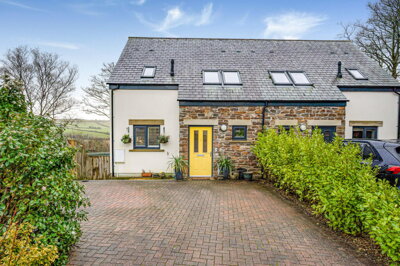
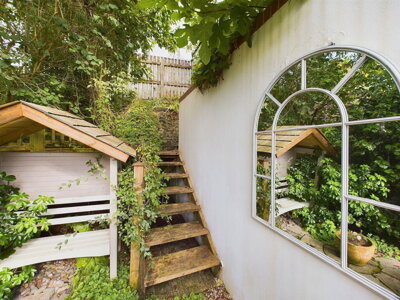
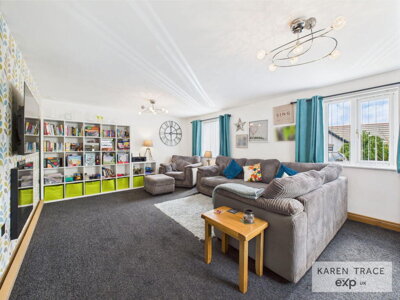
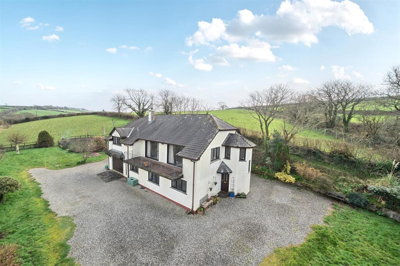
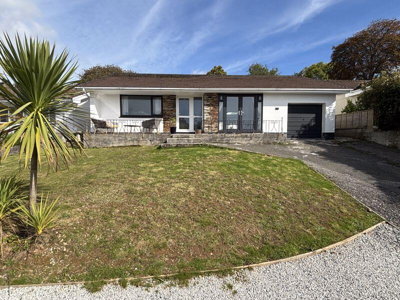
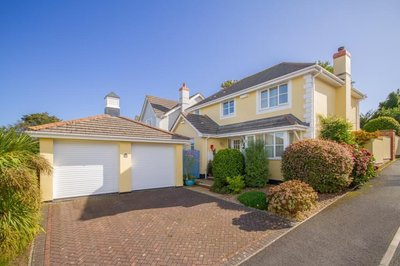
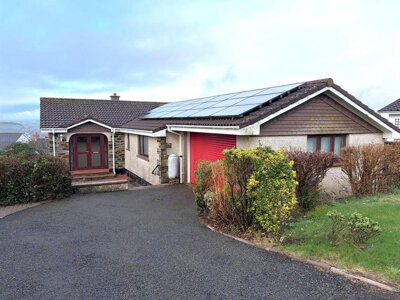
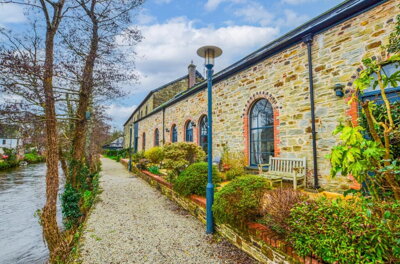
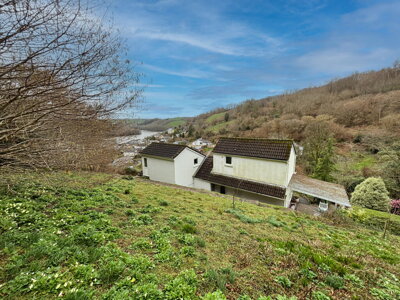
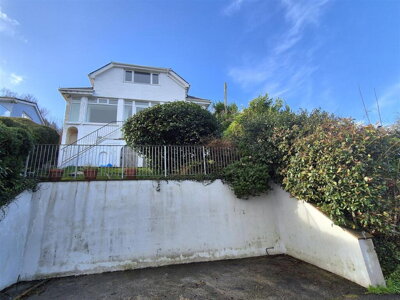
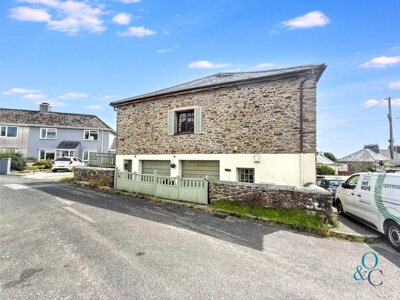
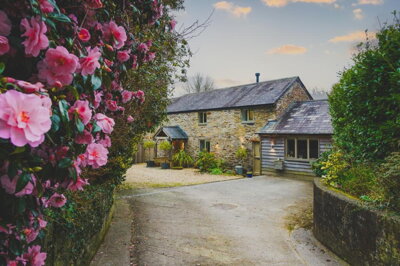
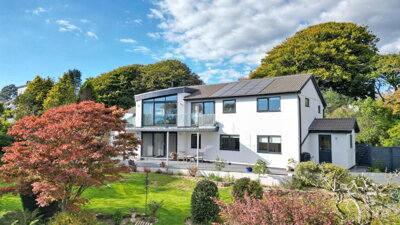
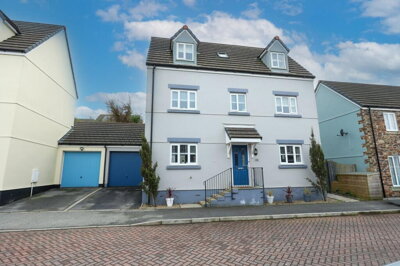
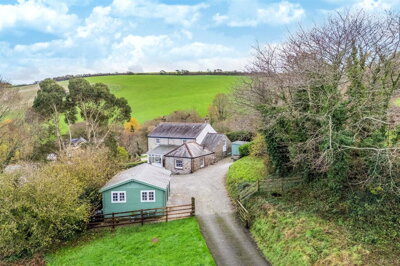
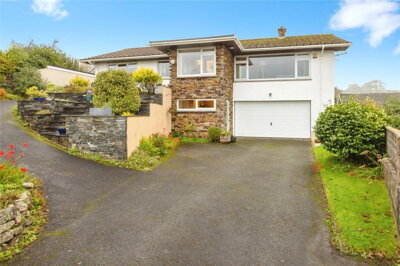
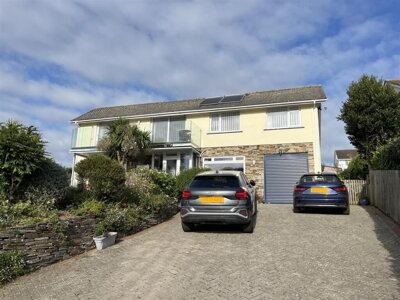
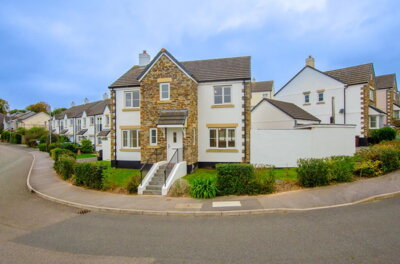
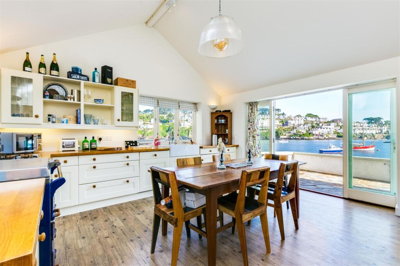
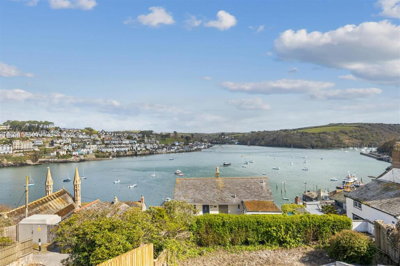
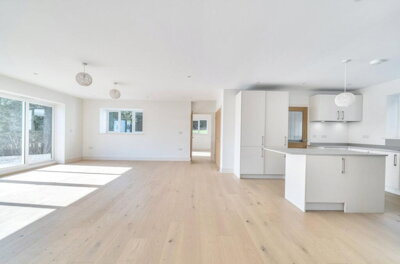
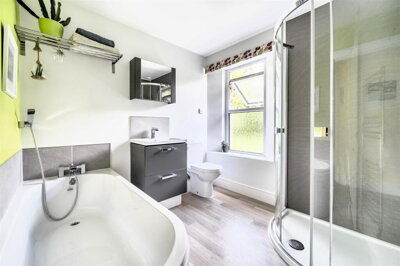
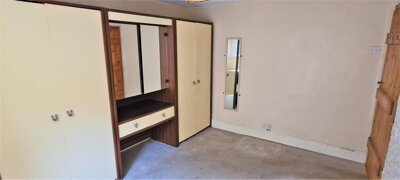
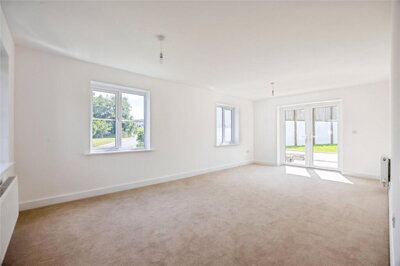
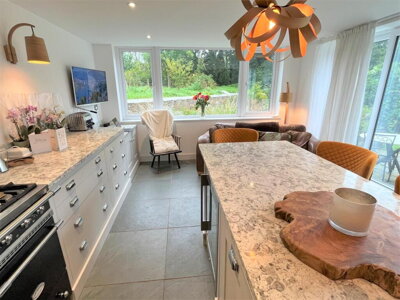
Browse 36 homes for sale in PL23 from local estate agents.
The larger property sector typically features multiple bathrooms, substantial reception space, and private gardens or off-street parking. Four bedroom houses in PL23 span detached, semi-detached, and occasionally terraced configurations, with styles ranging from period properties to modern executive homes.
£650k
13
0
129
Source: home.co.uk
Showing 13 results for 4 Bedroom Houses for sale in PL23. The median asking price is £650,000.
Source: home.co.uk
Detached
12 listings
Avg £747,496
Semi-Detached
1 listings
Avg £750,000
Source: home.co.uk
Source: home.co.uk
The PL23 property market has demonstrated steady and resilient growth, with average house prices increasing by 1.2% over the past twelve months according to the latest data from Rightmove and the Land Registry. This moderate appreciation reflects the sustained demand for homes in this sought-after corner of Cornwall, where the combination of coastal living, community spirit, and relative affordability continues to attract buyers from across the UK. Approximately 50 properties have changed hands in the PL23 area over the past year, indicating a healthy level of market activity despite broader economic uncertainties. Our platform updates continuously to ensure you have access to the latest listings and price reductions as they hit the market, allowing you to act quickly when you find your ideal home.
Property prices in PL23 span a wide range depending on type and location, with detached homes commanding the highest values at an average of £391,000 due to their generous proportions and often elevated positions with panoramic views. Semi-detached properties in the area average around £260,000, making them an attractive option for families seeking space without the premium associated with detached homes. Terraced properties offer excellent entry points to the local market at approximately £200,000, while flats remain the most affordable option at around £145,000. This variety ensures that first-time buyers, growing families, and those seeking retirement homes can all find suitable properties within the PL23 postcode.
The housing stock in PL23 reflects the area's long history, with a significant proportion of properties dating from the 18th and 19th centuries. According to available census data, the peninsula contains a mix of semi-detached properties representing approximately 30-35% of stock, detached homes at around 25-30%, terraced properties at 20-25%, and flats comprising the remaining 10-15%. This variety in property types creates a diverse market where traditional stone cottages sit alongside inter-war housing estates and more recent developments, giving buyers genuine choice in their search for the perfect PL23 home.
New build activity within PL23 itself has been limited in recent years, with the majority of development concentrated in adjacent postcodes such as PL10 and PL11. However, this scarcity of new build stock has helped preserve the character and charm of existing properties in the area. Prospective buyers should note that properties within the Millbrook Conservation Area and those listed buildings scattered throughout the postcode may have additional planning considerations, but they also offer unique architectural features and historical significance that newer properties cannot replicate. The absence of extensive new development has also helped maintain property values in the area, as supply remains constrained relative to demand from buyers attracted to this desirable corner of Cornwall.

The Rame Peninsula, of which PL23 forms a significant part, is a peninsula of remarkable natural beauty that juts into the western approaches of Plymouth Sound. The geology of this area is characterised by Devonian slates and sandstones, which have been quarried for centuries and used in the construction of local cottages, farm buildings, and walls that give the landscape its distinctive appearance. The population of approximately 4,000 to 5,000 residents across the PL23 postcode area enjoys a strong sense of community that is often harder to find in larger towns and cities, with regular events, farmers markets, and a network of clubs and societies that cater to all ages and interests.
The predominant building materials in PL23 reflect both the local geology and the historical construction techniques employed by generations of builders. Local stone, often a distinctive silver-grey that weathers to beautiful patinas, features prominently in older properties throughout Millbrook and the surrounding hamlets. Red brick is also commonly found, particularly in properties built during the Victorian and Edwardian periods, while rendered finishes provide a lighter aesthetic that is well-suited to the coastal environment. Most older properties feature traditional slate roofs, which have proven durable in the face of Atlantic weather systems, though many will require maintenance and occasional replacement as they age. The geological composition of the Rame Peninsula, dominated by these ancient Devonian formations, means that the underlying ground conditions are generally stable, though localised areas of superficial deposits may present minor considerations for larger construction projects.
Older properties in PL23, particularly those constructed before modern building regulations, typically feature solid wall construction using either local stone or solid brick with lime mortar. These solid walls offer excellent thermal mass but can be prone to damp penetration if original damp-proof courses have failed or were never installed. Many pre-1919 properties also feature suspended timber floors rather than concrete, which can be susceptible to woodworm and rot if ventilation is poor. The timber frame roof structures common in these older properties have stood the test of time but will show their age through slipped slates, deteriorated leadwork, and general wear that comes from decades of exposure to Cornwall's maritime climate.
The local economy of PL23 draws strength from several sources, with the proximity to Plymouth and particularly the Devonport Naval Base providing employment for many residents who commute daily across the River Tamar. Tourism plays an increasingly important role during the peak summer months, with the area's beaches, coastal paths, and picturesque villages attracting visitors seeking a quieter alternative to more famous Cornish destinations. Small businesses, local services, and agricultural enterprises continue to provide employment opportunities, while the growing trend towards remote working has made PL23 an attractive option for those who can conduct their professional activities from a home office overlooking the sea. The number of households in the PL23 area is estimated at around 1,800-2,200, creating a close-knit community where neighbours often know each other by name and local events draw good attendances throughout the year.

Families considering a move to PL23 will find a selection of educational options within reasonable travelling distance, though the rural nature of the peninsula means that some journeys to secondary schools will require transport arrangements. Primary education is well-served by local schools in the surrounding villages, with several primary schools serving the Rame Peninsula and offering children a solid foundation in a nurturing environment. Parents should research specific catchment areas and admission policies for their preferred schools, as these can vary and may influence which properties best suit their family's needs. The smaller class sizes often found in rural schools can provide significant benefits in terms of individual attention and pastoral care that can be harder to achieve in larger urban schools.
The peninsula's primary schools serve children from Millbrook and surrounding hamlets including Cremyll, Sheviock, and St John. These schools typically accommodate children from reception through to Year 6, with many offering extended facilities and after-school clubs that provide valuable flexibility for working parents. Parents moving to the area should contact Cornwall Council's education department to confirm which school serves their specific address, as catchment boundaries can occasionally create surprises for those unfamiliar with the local arrangements. School transport arrangements are available for eligible pupils, though these services require advance registration through Cornwall Council.
Secondary education options for PL23 residents typically involve travel to Torpoint, where there is a well-established secondary school, or across the water to Plymouth, which offers a broader range of secondary schools including grammar schools and specialist academies. The journey times vary depending on traffic conditions and the route taken, with the Torpoint ferry providing the most direct connection to Plymouth's educational establishments. For families with children at different stages of education, coordinating school runs can require careful planning, but many parents find that the quality of life benefits of living in PL23 far outweigh the logistical considerations. Plymouth's secondary schools include several that consistently achieve strong results in public examinations, and the city also offers specialist schools in areas such as arts, sports, and technology.
Further and higher education opportunities are readily accessible via the excellent transport links from the area, with Plymouth College of Art, the University of Plymouth, and Plymouth Marjon University all located on the Devon side of the River Tamar. Sixth form provision is available both in Torpoint and in Plymouth, offering students a range of A-level and vocational courses to suit different career aspirations. Plymouth's Derriford Hospital also provides opportunities for those pursuing healthcare careers, while the city's growing technology and creative sectors offer valuable work experience and apprenticeship opportunities for local students.
The PL23 postcode area enjoys a unique position on the Rame Peninsula, offering residents a choice between several transport options for reaching Plymouth and beyond. The Torpoint ferry, a chain ferry that operates continuously across the River Tamar, provides the most direct vehicular link to the city of Plymouth, with the crossing taking approximately 10 minutes. The ferry runs at regular intervals throughout the day and night, though waiting times during peak hours can extend to 30 minutes or longer during busy periods. Many residents have adapted their commuting patterns to take account of ferry schedules, and some have found that the short ferry crossing becomes a pleasant part of daily routine rather than an inconvenience.
The Torpoint ferry operates around the clock with services running at approximately 15-minute intervals during daytime hours, reducing to 30-minute intervals during the night. The crossing itself spans approximately 600 metres across the River Tamar, connecting Torpoint in Cornwall with Devonport in Plymouth. For commuters working regular hours in Plymouth, the ferry offers a reliable route that bypasses the significant traffic congestion that can affect road routes into the city. Many residents who work in Plymouth's city centre or at the Derriford Hospital complex find the ferry provides a quicker and more predictable journey than attempting to drive around the peninsula via the A374 and the Tamar Bridge.
For those preferring to avoid the ferry, the scenic route around the peninsula via the A374 and the Tamar Bridge connects PL23 to the rest of Cornwall and provides access to the A38 expressway that leads to Exeter and the M5 motorway. This route adds significant distance and time to journeys compared to the ferry, but it offers an alternative when the ferry is busy or undergoing maintenance. Rail connections are accessed via Plymouth's mainline station at Plymouth, which provides regular services to London Paddington, Bristol, Birmingham, and destinations throughout the South West, with journey times to London of around three hours. Exeter St David's, accessible via the A38, provides additional routing options and connections to destinations beyond the South West.
Local bus services operated by First Group and other providers connect Millbrook and surrounding villages to Torpoint and Plymouth, offering an alternative for those who do not have access to a car. These services are particularly useful for school transport and for accessing medical appointments in the city, though frequency can be limited on evenings and weekends. Cycling has become increasingly popular on the peninsula, with the level terrain and stunning coastal scenery making cycling a pleasurable rather than arduous option for short journeys. The South West Coast Path passes through PL23, offering not only recreational walking but also serving as a valuable reference point for the area's outstanding natural beauty.
Spend time exploring PL23 and Millbrook village to understand the different neighbourhoods, proximity to amenities, and which areas offer the lifestyle you are seeking. Pay particular attention to flood risk areas near Millbrook Creek and consider how the Torpoint ferry crossing might affect your daily routine.
Speak to a mortgage broker or lender to obtain an agreement in principle before you start viewing properties. This will give you a clear budget and demonstrate to sellers that you are a serious buyer when you come to make an offer. Local brokers familiar with the PL23 market can often advise on properties that meet your lending criteria.
Use Homemove to browse all available properties in PL23 and arrange viewings through the listed estate agents. Consider viewing a range of property types to understand what your budget can achieve, from traditional stone cottages to modern family homes. Many properties in PL23 have unique features reflecting their age and local construction methods.
Once you have had an offer accepted, arrange a RICS Level 2 Survey to assess the condition of the property. Given the age of many properties in PL23, with over half likely to be over 50 years old, this survey is particularly valuable for identifying issues such as damp, timber defects, and slate roof condition. Specialist surveys for listed buildings may also be advisable for period properties.
Appoint a conveyancing solicitor to handle the legal aspects of your purchase, including searches, contracts, and registration at the Land Registry. Ensure they are familiar with Cornish properties and any local issues such as conservation area restrictions that may affect your plans for the property.
Once all surveys, searches, and legal work are complete and finance is in place, your solicitor will exchange contracts with the seller's representative. Completion typically follows within days or weeks, at which point you will receive the keys to your new home in PL23.
Purchasing a property in PL23 requires careful attention to several area-specific factors that may not be immediately apparent to buyers unfamiliar with the Rame Peninsula. The coastal location means that properties, particularly those close to the foreshore or with unobstructed views across Plymouth Sound, may be exposed to prevailing Atlantic weather systems and the associated challenges of damp, salt deposition, and wind-driven rain. Older properties constructed before modern building regulations may have solid walls rather than cavity insulation, which can result in higher heating costs and a greater likelihood of condensation issues. A thorough survey by a qualified RICS surveyor who understands traditional construction methods is strongly recommended for any property in this area.
Flood risk is a consideration for some properties in PL23, particularly those in low-lying areas near Millbrook Creek or other tidal waterways. The Environment Agency's flood risk maps indicate that coastal and tidal flooding can affect certain areas during extreme weather events, and surface water flooding can occur where drainage systems are overwhelmed during heavy rainfall. Prospective buyers should request copies of any existing flood risk assessments and consider whether properties have appropriate flood resilience measures in place. Insurance premiums may be higher for properties with a known flood risk, and this should be factored into your overall cost calculations. Properties in elevated positions with good drainage generally present lower flood risk, though no property on a peninsula can be considered entirely risk-free from coastal conditions.
The presence of the Millbrook Conservation Area and numerous listed buildings throughout PL23 brings additional considerations for prospective buyers. Properties within the conservation area may be subject to restrictions on alterations, extensions, and even external paint colours, requiring planning permission or consent from Cornwall Council's conservation team. Listed buildings enjoy statutory protection and any works that might affect their character or structure require Listed Building Consent from the local authority. These requirements can add complexity and cost to renovation projects, but they also help preserve the unique character and value of properties in these designations. We strongly recommend that buyers instruct a specialist surveyor for listed properties, as standard surveys may not adequately address the specific requirements of historic buildings.
Properties built between the 1950s and 1990s may contain asbestos in various forms, from textured wall coatings to insulation boards and pipe lagging. A competent RICS surveyor will be able to identify suspected asbestos-containing materials and recommend appropriate testing and remediation where necessary. Electrical wiring and plumbing in older properties frequently falls below current standards, and buyers should budget for potential upgrades to heating systems, rewiring, and plumbing improvements that may be needed to bring older PL23 properties up to modern expectations. These renovation costs should be considered alongside the purchase price when calculating the true cost of any property in this established area.
The average house price in the PL23 postcode area stands at £260,000 according to recent market data from major property portals. Detached properties average £391,000, semi-detached homes around £260,000, terraced properties approximately £200,000, and flats around £145,000. Prices have increased by 1.2% over the past twelve months, indicating stable and steady growth in this desirable coastal location. The market has seen approximately 50 property sales in the past year, demonstrating healthy activity despite broader economic conditions affecting the wider UK property market.
Properties in PL23 fall under the jurisdiction of Cornwall Council, and council tax bands are assigned based on the valuation of individual properties by the Valuation Office Agency. Most residential properties in the area will fall into bands A through D, with the majority of standard family homes likely to be in bands B or C. Properties at the higher end of the market, particularly larger detached homes with sea views, may fall into bands D or E. You can check the specific band for any property by searching the Valuation Office Agency's council tax records online using the property address.
The PL23 area is served by several primary schools in the surrounding villages including those serving Millbrook, Sheviock, and St John, with good reputations for pastoral care and academic achievement. Secondary education options include schools in Torpoint and across in Plymouth, accessible via the Torpoint ferry. For detailed information on school performance, catchment areas, and admissions policies, we recommend consulting Cornwall Council's education pages and the Ofsted website for the latest inspection reports. Schools in the area consistently receive positive reviews from parents for the quality of education and the supportive community atmosphere that reflects the broader character of peninsula life.
PL23 is connected to Plymouth by the Torpoint ferry, which operates continuously across the River Tamar and is the quickest route to the city. The ferry runs 24 hours a day with daytime crossings at approximately 15-minute intervals, reducing to 30-minute intervals overnight. Local bus services run to Torpoint and Plymouth, though frequencies may be reduced on evenings and weekends. Plymouth railway station provides mainline services to London Paddington, Bristol, and the South West, with journey times to London of around three hours. For commuting to Plymouth, many residents find the ferry crossing takes approximately 10 minutes, though waiting times during peak periods should be factored into journey planning.
PL23 offers several factors that make it attractive for property investment, including its relative affordability compared to other coastal areas in the South West, the steady demand from buyers seeking the Cornwall lifestyle, and limited new build supply within the postcode. The area benefits from strong transport connections to Plymouth and the wider South West, while the Rame Peninsula's natural beauty and community spirit continue to attract relocators from cities. Properties in the Millbrook Conservation Area and those with sea views tend to command premiums and maintain their values well over time. The estimated population of 4,000-5,000 residents creates a stable community base that supports local services and maintains property demand throughout the year.
For standard residential purchases, stamp duty land tax is charged at 0% on the first £250,000 of the purchase price, 5% on the portion between £250,001 and £925,000, 10% on the portion between £925,001 and £1.5 million, and 12% on any amount above £1.5 million. First-time buyers benefit from relief on the first £425,000, with 5% charged between £425,001 and £625,000. At the PL23 average price of £260,000, a standard buyer would pay no stamp duty on the first £250,000 and 5% on the remaining £10,000, totalling £500 in stamp duty. First-time buyers at this price point would pay no stamp duty at all under current thresholds.
From £450
A detailed inspection of the property condition, ideal for standard properties in PL23
From £600
A comprehensive building survey for older or unusual properties
From £80
Energy performance certificate required for all sales
From £499
Legal services for your property purchase
When purchasing a property in the PL23 area, it is essential to budget not only for the purchase price but also for the various additional costs associated with buying a home. Stamp duty land tax is calculated on a tiered basis, with no duty payable on the first £250,000 of a standard residential purchase, 5% on the portion between £250,001 and £925,000, and higher rates for more expensive properties. First-time buyers can benefit from increased thresholds, paying no duty on the first £425,000, which means that at the PL23 average price of £260,000, many first-time buyers would pay no stamp duty at all on their purchase.
Survey costs are an important consideration in PL23, where a significant proportion of the housing stock is over 50 years old and may exhibit age-related issues. A RICS Level 2 Survey for a typical three-bedroom property in the area typically ranges from £450 to £700, depending on the size and complexity of the property and the surveying firm employed. For older properties, particularly those constructed from traditional materials such as stone and slate, a more detailed RICS Level 3 Building Survey may be advisable at additional cost, as this provides a more thorough assessment of construction, materials, and potential defects that may not be apparent in a standard homebuyer report. Flats generally cost less to survey at around £350-£550, while larger detached properties may exceed £850 due to their size and complexity.
Solicitors' fees for conveyancing in Cornwall typically start from around £499 for straightforward transactions, though more complex purchases involving listed buildings, conservation areas, or unusual tenure arrangements may incur higher costs. Additional disbursements typically include local authority searches, drainage and water searches, Land Registry fees, and bank transfer charges, which can add several hundred pounds to the overall cost. Mortgage arrangement fees, valuation fees, and broker fees should also be factored into your budget, and buildings insurance should be in place from the point of completion to protect your new investment from day one. For properties in the Millbrook Conservation Area or listed buildings, additional legal work relating to planning permissions and consents may add to solicitor costs, so it is worth obtaining quotes that reflect the specific nature of your intended purchase.
Properties for Sale In London

Properties for Sale In Plymouth

Properties for Sale In Liverpool

Properties for Sale In Glasgow

Properties for Sale In Sheffield

Properties for Sale In Edinburgh

Properties for Sale In Coventry

Properties for Sale In Bradford

Properties for Sale In Manchester

Properties for Sale In Birmingham

Properties for Sale In Bristol

Properties for Sale In Oxford

Properties for Sale In Leicester

Properties for Sale In Newcastle

Properties for Sale In Leeds

Properties for Sale In Southampton

Properties for Sale In Cardiff

Properties for Sale In Nottingham

Properties for Sale In Norwich

Properties for Sale In Brighton

Properties for Sale In Derby

Properties for Sale In Portsmouth

Properties for Sale In Northampton

Properties for Sale In Milton Keynes

Properties for Sale In Bournemouth

Properties for Sale In Bolton

Properties for Sale In Swansea

Properties for Sale In Swindon

Properties for Sale In Peterborough

Properties for Sale In Wolverhampton

Enter your details to see if this property is within your budget.
Loans, cards, car finance
Estimated property budget
Borrowing + deposit
You could borrow between
Typical borrowing
Monthly repayment
Est. at 4.5%
Loan-to-value
This is an estimate only. Your actual budget may vary depending on interest rates, credit history, and personal circumstances. For an accurate affordability assessment, speak to one of our free mortgage advisors.
This calculator provides estimates for illustrative purposes only and does not constitute financial advice. Your home may be repossessed if you do not keep up repayments on your mortgage. Estimates based on 4.5% interest rate, repayment mortgage. Actual rates depend on your circumstances.
Homemove is a trading name of HM Haus Group Ltd (Company No. 13873779, registered in England & Wales). Homemove Mortgages Ltd (Company No. 15947693) is an Appointed Representative of TMG Direct Limited, trading as TMG Mortgage Network, which is authorised and regulated by the Financial Conduct Authority (FRN 786245). Homemove Mortgages Ltd is entered on the FCA Register as an Appointed Representative (FRN 1022429). You can check registrations at NewRegister or by calling 0800 111 6768.

We use cookies to show you personalised content and improve your experience of our website. Find out more in our Privacy policy and Cookie policy.