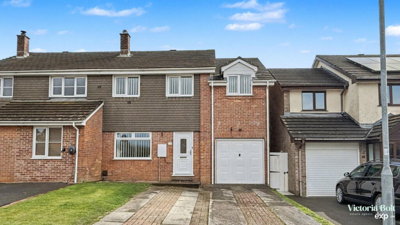
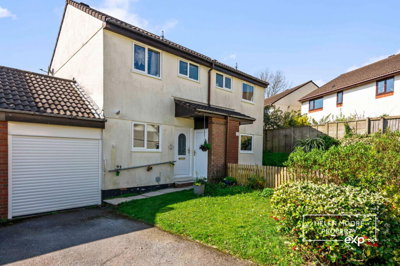
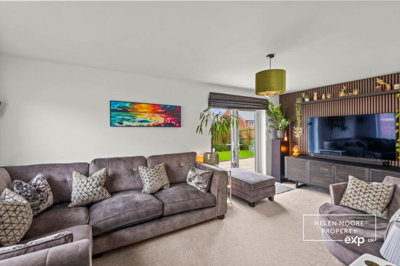
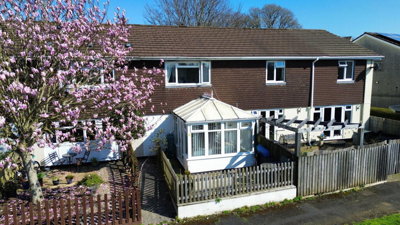
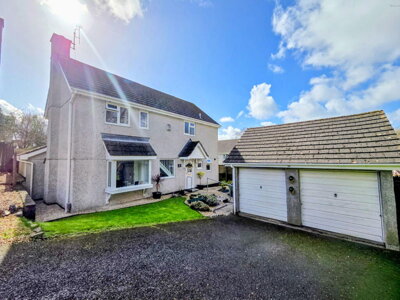
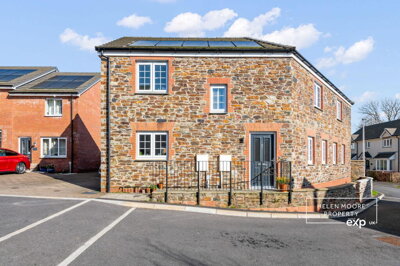
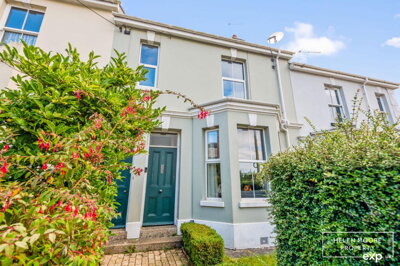
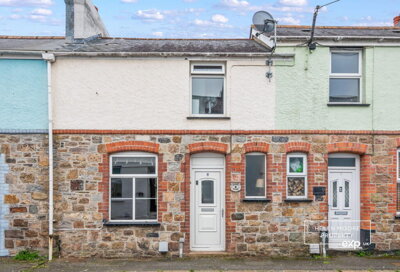
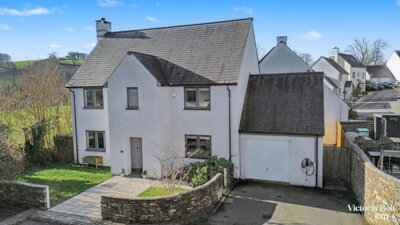
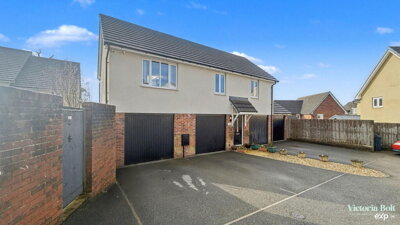
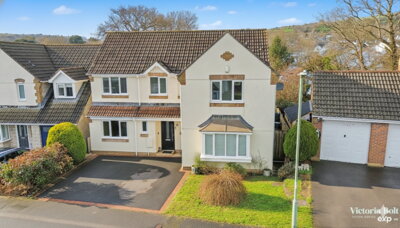
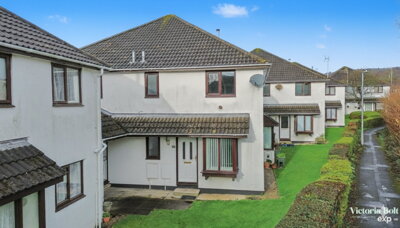
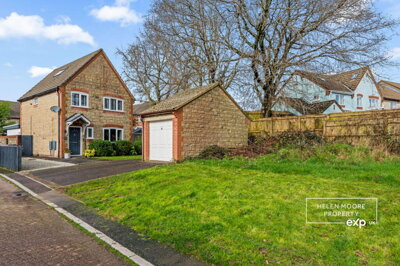
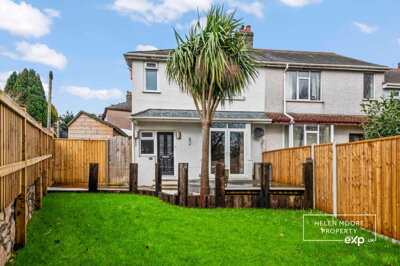
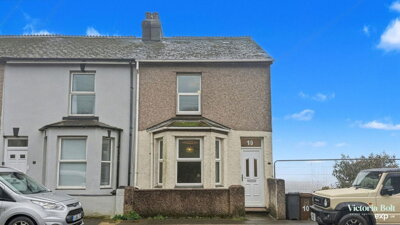
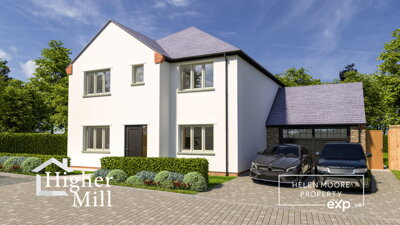
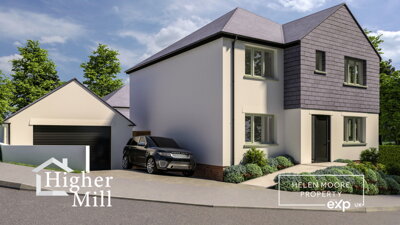
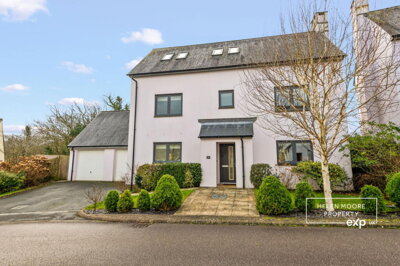
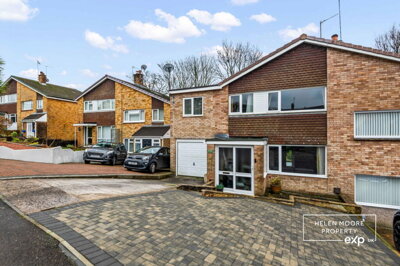
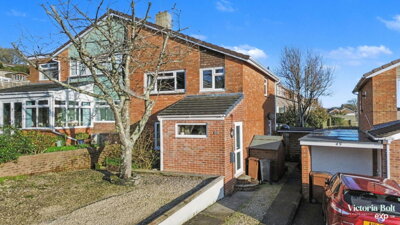
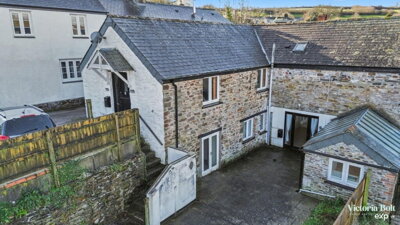
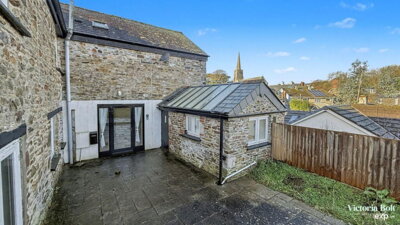
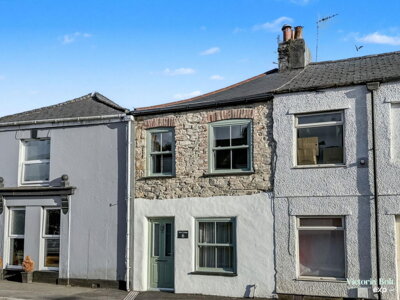
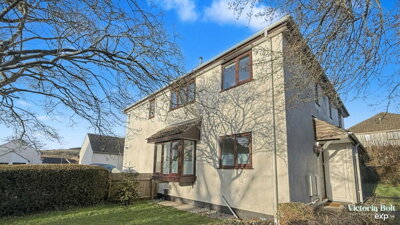
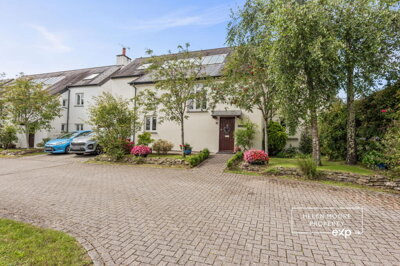
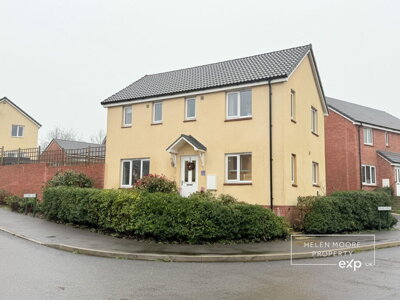
Browse 258 homes for sale in PL21 from local estate agents.
The PL21 property market offers detached, semi-detached, and terraced houses spanning various price ranges and neighbourhoods. Each listing includes detailed property information, photographs, and direct contact with the marketing agent.
£400k
64
2
80
Source: home.co.uk
Showing 64 results for Houses for sale in PL21. 2 new listings added this week. The median asking price is £400,000.
Source: home.co.uk
Detached
27 listings
Avg £639,072
Semi-Detached
19 listings
Avg £318,971
Terraced
18 listings
Avg £329,044
Source: home.co.uk
Source: home.co.uk
The Plympton property market offers a diverse range of housing types to suit different budgets and lifestyles. Detached properties command the highest prices, with the average sitting around £450,000, making them ideal for families seeking generous space and gardens. Semi-detached homes are more accessible at an average of £280,000, representing strong value for money in a location that combines residential tranquility with excellent connectivity. These properties form the backbone of the PL21 housing stock, which consists of 39% semi-detached homes, the most common type in the area.
Terraced properties in Plympton average £230,000, offering an attractive entry point for first-time buyers or those looking to downsize without leaving the area. Flats and maisonettes average around £145,000, providing affordable options for young professionals or investors. The housing stock reflects the area's development history, with 40% of properties built between 1945 and 1980, and a further 35% constructed since 1980, meaning buyers have plenty of modern options alongside characterful older homes built before 1945, which account for 25% of the housing stock.
Our platform aggregates listings from local estate agents and major property portals, giving you access to properties across all price points and types in the PL21 postcode. The consistent 2.07% price growth over the past year indicates a stable market with healthy demand, suggesting now is a favourable time to buy in Plympton. With 132 sales completed in the last 12 months, the market shows good liquidity, meaning sellers and buyers can transact with confidence. The majority of transactions involve semi-detached and detached family homes, reflecting the enduring popularity of Plympton as a residential location for households at various life stages.

Plympton St Maurice, the historic heart of the town, is designated as a Conservation Area, preserving its distinctive character with traditional stone cottages, Georgian town houses, and the impressive ruins of Plympton Castle. The conservation area encompasses numerous Grade II listed buildings that contribute to the neighbourhood's architectural heritage, making it a particularly attractive location for those who appreciate period properties and the character they bring. Living in Plympton means being part of a community with deep historical roots, where narrow lanes and historic landmarks tell stories spanning centuries of Devon life.
The wider Plympton area serves a population of approximately 26,000 residents across roughly 10,500 households, creating a vibrant community spirit while maintaining the feel of a close-knit town. Local amenities include shopping facilities along the Fore Street and the newer retail areas, a good selection of pubs and restaurants, and essential services such as GP surgeries, pharmacies, and banks. The nearby Plymouth provides access to larger shopping centres, hospitals, and cultural attractions, while Plympton itself offers day-to-day conveniences that reduce the need to travel into the city.
The natural surroundings of Plympton contribute significantly to quality of life, with easy access to the countryside of the South Hams, the wild spaces of Dartmoor National Park, and the coastal pleasures of the Plymouth Sound. The River Plym flows through the area, offering pleasant riverside walks and wildlife-spotting opportunities. For those who enjoy outdoor activities, the proximity to moorland and coastline provides endless possibilities for walking, cycling, and watersports, making Plympton an excellent base for an active lifestyle. The nearby Saltram Estate, managed by the National Trust, offers extensive parkland and historic buildings within easy reach of PL21.

Education provision in Plympton is a significant draw for families considering a move to the area. The town offers a good selection of primary schools serving different parts of the PL21 postcode, with several schools in the surrounding area achieving positive outcomes for pupils. Parents should research individual school performance through Ofsted reports and league tables to identify the best fit for their children, as catchment areas can influence placement decisions. The presence of good primary schools within walking distance of many residential areas adds to Plympton's family-friendly reputation.
For secondary education, students in PL21 typically attend schools in Plympton or the wider Plymouth area, with several options available within reasonable travelling distance. Plympton hosts secondary schools serving the local community, with additional options accessible via school transport or public bus services. The area benefits from strong educational infrastructure that serves not only local residents but also draws students from surrounding towns and villages. Sixth form provision is available at secondary schools in the area and at colleges in Plymouth, providing clear pathways for older students pursuing further education or vocational qualifications.
Higher education facilities are easily accessible in Plymouth at the University of Plymouth, which offers a wide range of undergraduate and postgraduate courses. The university has established itself as a major educational institution in the South West, attracting students from across the region and beyond. Plymouth also offers a range of further education colleges providing vocational training and apprenticeships. For families prioritising educational provision, Plympton's proximity to quality schools at all levels represents a significant advantage, making it a consistently popular choice among buyers with school-age children.

Plympton enjoys excellent connectivity that makes commuting straightforward for residents who work in Plymouth or travel further afield. The town sits near the A38 Devon Expressway, providing fast access to Plymouth city centre to the west and the M5 motorway to the east via the A38 junction near Ivybridge. This makes Plympton particularly attractive to commuters who need to travel for work while enjoying residential life in a quieter setting. The journey time to Plymouth city centre is typically 15-20 minutes by car, depending on traffic conditions.
Public transport options include bus services connecting Plympton with Plymouth city centre, Derriford Hospital, and other key destinations. These services provide a viable alternative to car travel for many residents, particularly those working in the city or needing to access healthcare facilities. The nearby Plymouth Railway Station offers connections to major destinations including London Paddington, Bristol, and Exeter, with regular services throughout the day. From Plymouth, intercity rail services provide access to destinations across the UK, making Plympton a practical base for those who travel regularly for business or pleasure.
For cyclists and pedestrians, Plympton benefits from a network of local paths and quieter roads that make active travel practical for shorter journeys. The Crabtree Cycle Route provides a traffic-free path connecting Plympton with Plymouth city centre, encouraging sustainable commuting. Parking in Plympton is generally straightforward compared to city-centre areas, with most residential areas offering ample on-street parking for residents and their visitors. The A38 provides direct access to the M5 for journeys beyond Devon, with Exeter accessible in approximately an hour by car.

Before viewing properties in Plympton, obtain a mortgage agreement in principle from a lender to understand your budget and demonstrate your seriousness to sellers. Getting pre-approved helps you focus your search on properties within your price range, whether you are looking at flats around £145,000 or detached homes averaging £450,000. Our mortgage comparison tool helps you find competitive rates and connect with brokers who understand the PL21 market and can advise on products suited to your circumstances.
Use Homemove to browse current listings in Plympton PL21, understanding price ranges for different property types. With detached homes averaging £450,000 and terraced properties around £230,000, knowing your budget helps you focus on achievable options. Consider the character of different neighbourhoods within PL21, from the historic Plympton St Maurice Conservation Area to more modern developments, to identify areas that match your priorities for location, property type, and lifestyle.
Once you have identified properties of interest, schedule viewings through our platform or directly with estate agents. Take time to visit properties at different times of day and return for second viewings before making any decisions. Consider factors such as proximity to schools, transport links, and local amenities. Our platform allows you to save favourite properties and compare listings to help you make informed decisions about which properties warrant serious interest.
Before completing your purchase, book a RICS Level 2 Survey to assess the condition of the property. Given that 65% of properties in PL21 are over 50 years old, a professional survey is essential to identify any structural issues, damp problems, or roof defects that may not be visible during a standard viewing. Properties in the Plympton St Maurice Conservation Area may also have specific issues related to their age and construction that warrant careful inspection by a qualified surveyor.
Once your offer is accepted, instruct a conveyancing solicitor to handle the legal aspects of your purchase. Your solicitor will conduct searches including local authority, drainage, and environmental searches specific to the PL21 area, handle contracts, and coordinate with the seller's legal team through to completion. Homemove can connect you with experienced conveyancers in the Plympton area who understand local property matters and can guide you through the process efficiently.
After all searches are satisfactory and contracts are signed, you will exchange deposits and agree on a completion date. Your solicitor will coordinate the final logistics, including utility transfers and arranging building insurance, which you should have in place from the point of contract exchange. On completion day, your solicitor transfers the remaining funds and you receive the keys to your new Plympton home.
Property buyers in Plympton should be aware of several area-specific factors that can affect their purchase. Flood risk is a consideration in parts of the PL21 postcode, particularly properties located near the River Plym and its tributaries. Our research shows that lower-lying areas of Plympton may be at risk of river flooding and surface water flooding during heavy rainfall, so prospective buyers should enquire about flood history and consider the Property Flood Risk assessment for any specific address. Properties in affected areas may face higher insurance premiums or require additional precautions.
The geology of the Plympton area, which sits on Devonian slates and limestones with superficial deposits of head and river terrace materials, means that shrink-swell clay risk is generally low to moderate. However, localised pockets of higher risk can exist where clay-rich deposits are present, and buyers with properties on clay soils should be aware of potential subsidence risks, particularly where large trees are close to foundations. A thorough building survey can identify any signs of movement or structural concerns that may require attention.
For those considering period properties, the Plympton St Maurice Conservation Area offers wonderful character homes, but buyers should understand the implications of owning a listed or conservation property. Grade II listed buildings require consent for certain alterations, and works must respect the property's historic character. The conservation area designation also imposes some restrictions on external changes. These factors can add complexity to renovation projects but also protect the unique character that makes these properties so desirable. Older properties in Plympton may also contain original features such as solid walls, timber suspended floors, and period fireplaces that require specialist maintenance.

Understanding the construction methods used in Plympton properties helps buyers appreciate the characteristics and potential maintenance needs of homes in the area. The housing stock in PL21 reflects several periods of development, from period properties built with traditional methods to more modern constructions. The predominant building materials include traditional brick, often with render or stone elements for older properties, and slate or tile roofing. Properties built before 1919, which account for around 15% of the housing stock, typically feature solid wall construction rather than modern cavity walls, meaning they require different approaches to insulation and damp proofing.
The 40% of properties built between 1945 and 1980 were typically constructed using cavity wall techniques, though construction standards of that era can vary considerably. Many of these mid-century properties were built quickly to address post-war housing shortages, and while structurally sound, components such as roofing, windows, and plumbing may be approaching the end of their natural lifespan. Timber suspended floors are common in older properties, while concrete ground floors became more prevalent in post-war construction. Our platform encourages buyers to consider the age and construction type when evaluating properties, as these factors influence both purchase price and ongoing maintenance requirements.
The 35% of properties constructed since 1980 generally benefit from modern building standards, cavity wall insulation, and more recent plumbing and electrical systems. However, even newer properties can have defects, and we recommend that buyers obtain an independent survey regardless of property age. For properties near the River Plym, consider the proximity to watercourses and the potential for damp or flooding issues. Whether you are viewing a Victorian terrace on Fore Street or a 1970s semi-detached in a residential estate, understanding local construction methods helps you evaluate properties knowledgeably and negotiate appropriately.

The current average property price in Plympton PL21 is £299,995. This breaks down by property type as follows: detached homes average £450,000, semi-detached properties around £280,000, terraced homes approximately £230,000, and flats or maisonettes average £145,000. House prices in the area have increased by 2.07% over the past 12 months, and with 132 property sales completed in that period, the market shows healthy activity and consistent demand. The semi-detached sector dominates with 39% of housing stock, reflecting the post-war development patterns that shaped much of modern Plympton.
Properties in Plympton PL21 fall under Plymouth City Council jurisdiction and are assigned council tax bands from A through H based on assessed value. Most standard family homes in Plympton fall into Bands B to D, with flats and smaller terraced properties typically in Band A or B, while larger detached family homes may be in Bands E or F. Prospective buyers can check the Valuation Office Agency website to confirm the council tax band for any specific property they are considering. Annual council tax charges vary by band, with Band D properties typically paying around £1,900 to Plymouth City Council annually, funding local services including refuse collection, highways, and social care.
Plympton offers good educational provision at all levels, with several primary schools serving the PL21 postcode and surrounding areas. The town has a selection of primary schools within walking distance of residential areas, making it practical for families with young children. For secondary education, students typically attend schools in Plympton itself or the wider Plymouth area, with several options available within reasonable travelling distance. For families considering a move, researching individual school Ofsted reports and performance data is recommended, as is checking school catchment areas, which can influence placement decisions. The University of Plymouth is easily accessible for older students seeking higher education, while Plymouth offers further education colleges providing vocational pathways.
Plympton benefits from regular bus services connecting the town with Plymouth city centre, Derriford Hospital, and other key destinations throughout the day. The A38 Devon Expressway provides direct road access to Plymouth and connects with the M5 motorway for travel to Exeter and beyond, with the journey to Plymouth city centre typically taking 15-20 minutes by car. Plymouth Railway Station provides intercity rail connections to London Paddington (journey time around 3 hours), Bristol, Exeter, and regional destinations. For air travel, Exeter Airport and Bristol Airport are accessible via the M5, while Plymouth's own airport offers limited commercial services.
Plympton offers several factors that make it attractive for property investment. The steady 2.07% annual price growth indicates a stable market with consistent demand, supported by Plymouth's diverse economy including the Royal Navy, healthcare, and education sectors. The mix of property types and price points provides options for different investment strategies, from first-time buyer flats around £145,000 to family homes commanding premium prices. The area's good schools, transport links, and quality of life continue to attract buyers, suggesting underlying demand that supports property values. Buy-to-let investors should consider rental yields in the area, which can vary by property type and location within PL21.
Stamp duty rates in Plymouth PL21 follow the standard England and Northern Ireland thresholds set by HM Revenue and Customs. For properties purchased at the PL21 average price of £299,995, a standard buyer would pay no stamp duty on the first £250,000 and 5% on the remaining £49,995, totalling £2,499.75. First-time buyers paying £425,000 or less pay no stamp duty at all, representing significant savings for those entering the property market for the first time. Those buying between £425,000 and £625,000 pay 5% on the amount above £425,000. SDLT returns must be submitted to HMRC within 14 days of property completion, and your solicitor typically handles this as part of the conveyancing process.
Given that 65% of properties in PL21 are over 50 years old, many buyers will consider older properties that require careful inspection. Common issues in period properties include damp, which may be rising, penetrating, or caused by condensation due to solid wall construction lacking modern damp-proof courses. Roof condition is another key consideration, as older roofs may require repair or replacement of tiles, slates, lead flashings, or timber elements. Electrical wiring in properties built before the 1980s may not meet current standards and often requires updating. For properties in the Plympton St Maurice Conservation Area, buyers should factor in the additional considerations of listed building consent requirements and restrictions on alterations that protect the historic character of the area.
Understanding the full costs of buying a property in Plympton PL21 helps you budget accurately and avoid surprises. Beyond the property price, the main upfront cost is Stamp Duty Land Tax (SDLT), which applies to all purchases above £250,000. At the current average property price of £299,995 in PL21, a standard buyer would pay £2,499.75 in stamp duty. First-time buyers purchasing properties up to £425,000 pay no SDLT at all, representing significant savings for those entering the property market for the first time.
Additional buying costs include mortgage arrangement fees, which can range from nothing to around 1% of the loan amount depending on the lender and product chosen. Survey costs are an important consideration, particularly given the age profile of Plympton's housing stock. RICS Level 2 Surveys in the PL21 area typically cost between £400 and £700 depending on property size, type, and value. For larger or older properties, a more comprehensive RICS Level 3 Survey may be advisable at additional cost. These surveys identify defects that may not be apparent during viewings, potentially saving thousands in future repair bills.
Conveyancing costs typically start from around £499 for straightforward purchases, rising for leasehold properties or those with complications such as short leases or unusual titles. Local search fees cover local authority searches, drainage and water searches, and environmental searches specific to Plymouth City Council and the PL21 area. Land registry fees, mortgage valuation fees, and bank transfer charges add several hundred pounds to the total. Our platform can connect you with competitive conveyancing and survey services in the Plympton area, helping you manage costs while ensuring your purchase is professionally handled from offer through to completion. Budgeting for total buying costs of around 3-5% of the property price above your mortgage is a sensible approach for PL21 purchases.
Properties for Sale In London

Properties for Sale In Plymouth

Properties for Sale In Liverpool

Properties for Sale In Glasgow

Properties for Sale In Sheffield

Properties for Sale In Edinburgh

Properties for Sale In Coventry

Properties for Sale In Bradford

Properties for Sale In Manchester

Properties for Sale In Birmingham

Properties for Sale In Bristol

Properties for Sale In Oxford

Properties for Sale In Leicester

Properties for Sale In Newcastle

Properties for Sale In Leeds

Properties for Sale In Southampton

Properties for Sale In Cardiff

Properties for Sale In Nottingham

Properties for Sale In Norwich

Properties for Sale In Brighton

Properties for Sale In Derby

Properties for Sale In Portsmouth

Properties for Sale In Northampton

Properties for Sale In Milton Keynes

Properties for Sale In Bournemouth

Properties for Sale In Bolton

Properties for Sale In Swansea

Properties for Sale In Swindon

Properties for Sale In Peterborough

Properties for Sale In Wolverhampton

Enter your details to see if this property is within your budget.
Loans, cards, car finance
Estimated property budget
Borrowing + deposit
You could borrow between
Typical borrowing
Monthly repayment
Est. at 4.5%
Loan-to-value
This is an estimate only. Your actual budget may vary depending on interest rates, credit history, and personal circumstances. For an accurate affordability assessment, speak to one of our free mortgage advisors.
This calculator provides estimates for illustrative purposes only and does not constitute financial advice. Your home may be repossessed if you do not keep up repayments on your mortgage. Estimates based on 4.5% interest rate, repayment mortgage. Actual rates depend on your circumstances.
Homemove is a trading name of HM Haus Group Ltd (Company No. 13873779, registered in England & Wales). Homemove Mortgages Ltd (Company No. 15947693) is an Appointed Representative of TMG Direct Limited, trading as TMG Mortgage Network, which is authorised and regulated by the Financial Conduct Authority (FRN 786245). Homemove Mortgages Ltd is entered on the FCA Register as an Appointed Representative (FRN 1022429). You can check registrations at NewRegister or by calling 0800 111 6768.

We use cookies to show you personalised content and improve your experience of our website. Find out more in our Privacy policy and Cookie policy.