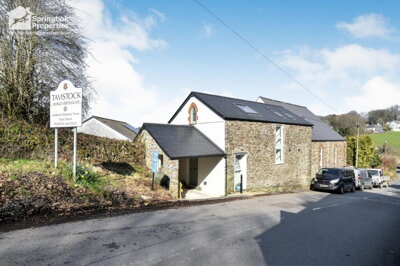
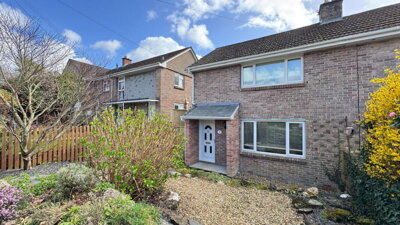
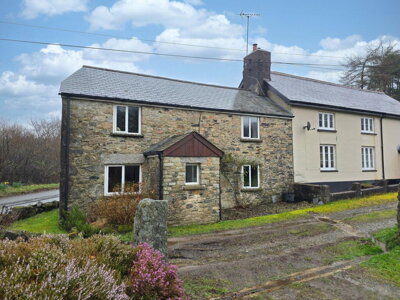
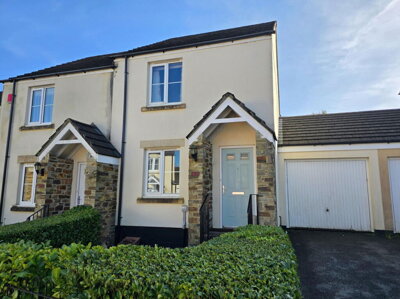
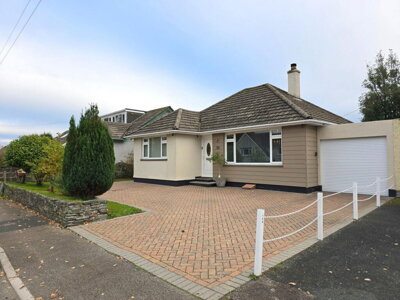
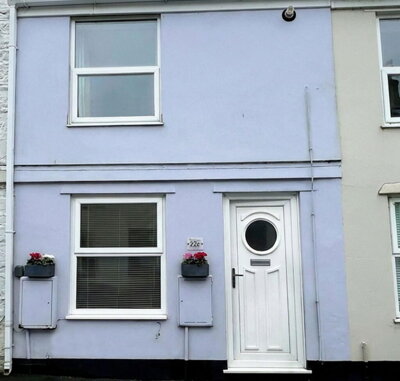
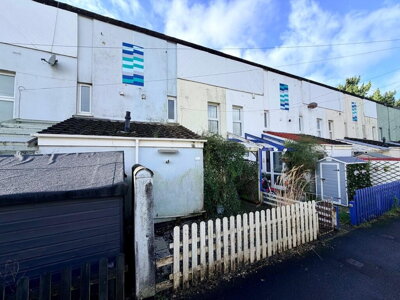
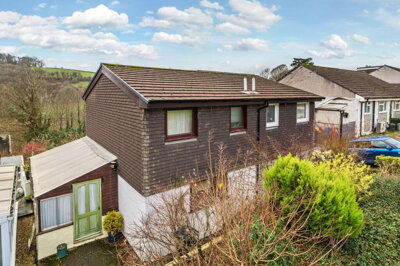
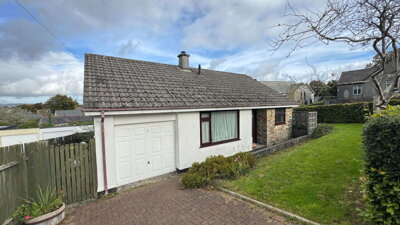
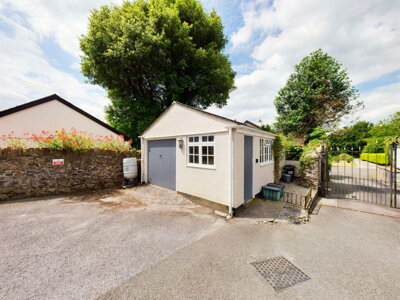
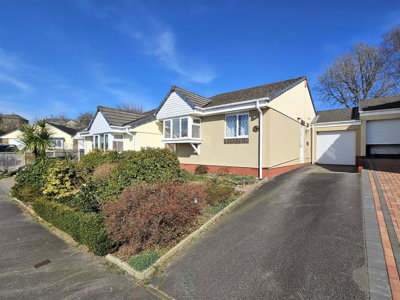
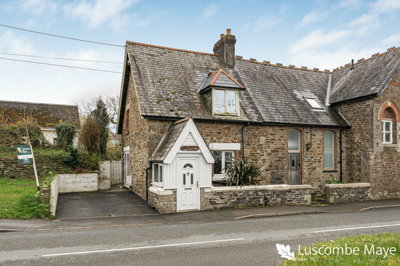
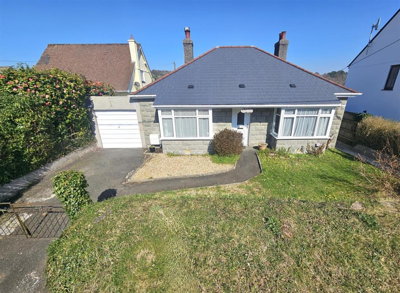
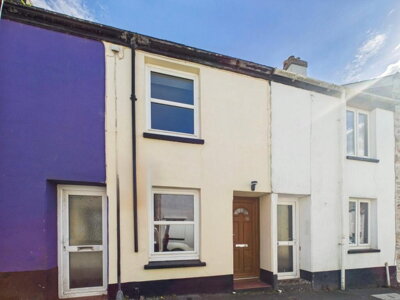
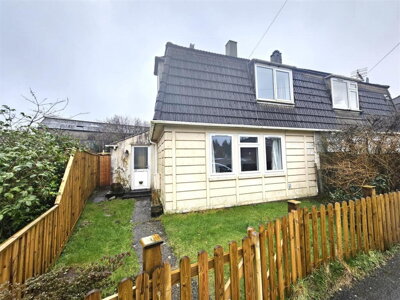
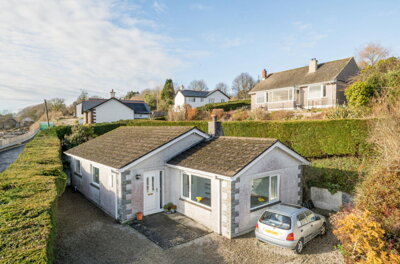
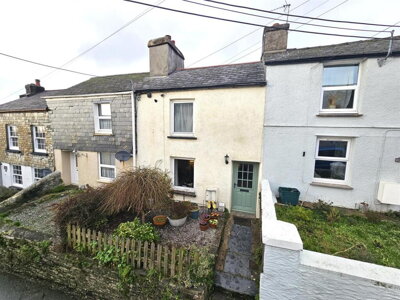
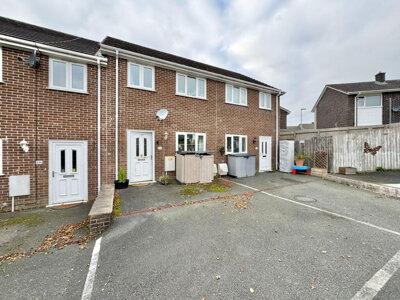
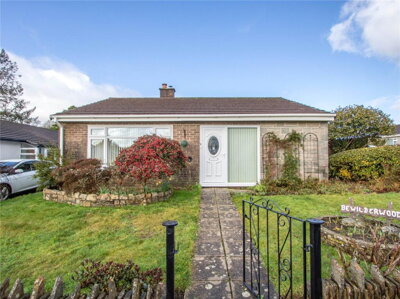
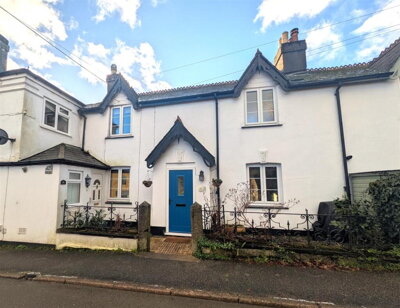
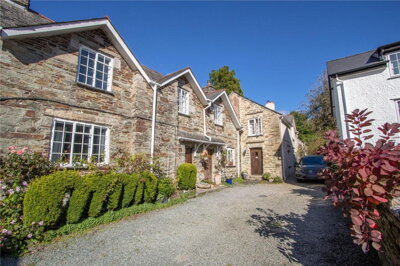
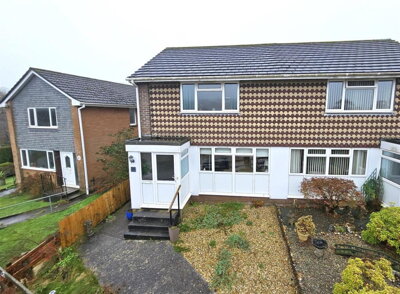
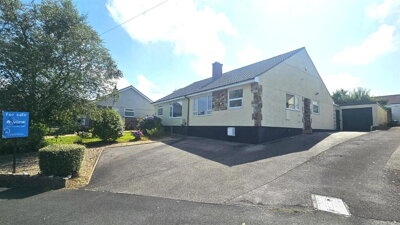
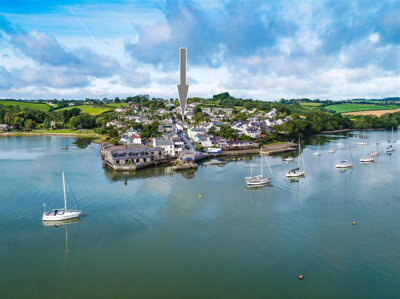
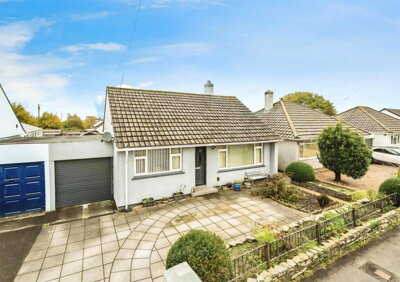
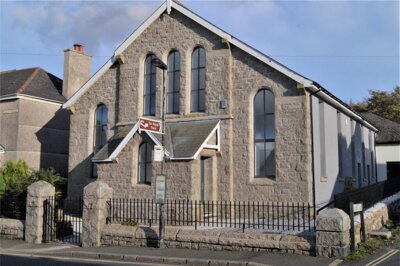
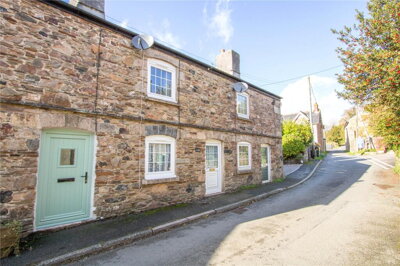
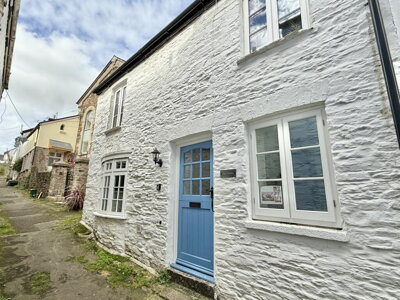
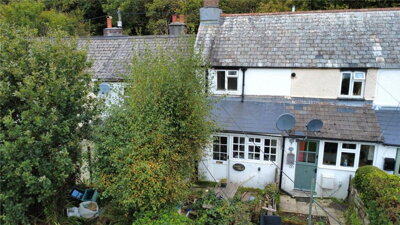
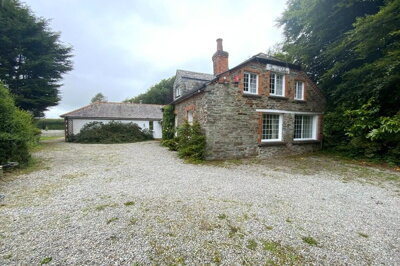
Browse 47 homes for sale in PL20 from local estate agents.
The 2 bed house market features detached, semi-detached, and terraced properties with two separate bedrooms plus living spaces. Properties in PL20 range from Victorian and Edwardian period homes to modern new builds, with pricing varying across different neighbourhoods.
£195k
6
0
92
Source: home.co.uk
Showing 6 results for 2 Bedroom Houses for sale in PL20. The median asking price is £195,000.
Source: home.co.uk
Terraced
5 listings
Avg £203,000
Semi-Detached
1 listings
Avg £165,000
Source: home.co.uk
Source: home.co.uk
The PL20 property market offers something for every buyer segment, from first-time purchasers seeking terraced homes from £190,000 to families looking for substantial detached properties in the £350,000-£380,000 range. Our listings show approximately 150-200 properties have sold in this postcode over the past twelve months, indicating steady market activity with prices remaining relatively stable with only minor fluctuations of around 1-3% year-on-year.
Two significant new-build developments are currently active in the area. Bickleigh Down, a Linden Homes (Vistry Group) development in Roborough (PL6 7BQ), offers 2, 3, 4, and 5-bedroom homes priced from approximately £290,000 to over £500,000. Woolwell Meadows, delivered by Barratt Homes in Woolwell (PL6 7JW), provides 3 and 4-bedroom detached and semi-detached homes from around £300,000 to £450,000. Both developments feature modern construction with brick facades and benefit from NHBC warranties, making them attractive options for buyers seeking new-build guarantees.
The wider housing stock reflects the area's heritage and geography. Detached properties dominate at around 40-50% of the market, responding to the semi-rural nature of villages like Yelverton and Buckland Monachorum. Semi-detached homes make up 25-35% of available properties, while terraced houses and flats represent smaller portions at 10-15% and 5-10% respectively. This distribution makes PL20 particularly attractive to families seeking space and buyers wanting period character over apartment living.
Property age across PL20 varies significantly by location. Older village centres feature a significant proportion of pre-1919 stone construction, often built from local granite or slate with traditional lime mortar renders. The interwar and post-war periods brought expansion to village edges with mid-century housing, while more recent development, particularly in Woolwell and along Roborough's southern fringes, has doubled the population of some villages over recent decades. Understanding this age distribution helps buyers appreciate why surveys matter: over 50% of PL20's housing stock exceeds 50 years old.

Life in PL20 revolves around the extraordinary advantage of living adjacent to Dartmoor National Park while remaining within easy reach of Plymouth's urban amenities. The population of approximately 15,000-20,000 residents across 6,000-8,000 households creates villages with genuine community spirit rather than anonymous commuter dormitories. Yelverton serves as a local hub with a post office, convenience stores, pubs, and cafes, while Woolwell and Roborough offer everyday services for residents.
The area's character varies significantly between locations. Older village centres feature pre-1919 properties constructed from local granite and slate, often rendered with traditional finishes that weather to create picturesque streetscenes. Properties from the interwar and post-war periods cluster around village edges, reflecting mid-century expansion patterns. More recent development, particularly in Woolwell and along Roborough's southern fringes, represents ongoing growth that has expanded these villages considerably over recent decades.
Outdoor recreation defines daily life for many residents. The granite landscapes of western Dartmoor rise immediately north, offering walking, cycling, and horse riding across heather moorland and ancient woodland. The Rivers Meavy and Plym flow from the moor through the area, creating verdant valleys popular with walkers and wildlife enthusiasts. Local landmarks including Buckland Abbey, the 14th-century Cistercian monastery converted to a Tudor manor house and now managed by the National Trust, attract visitors throughout the year and provide cultural enrichment for residents.
Local economic activity centres on several sectors. Plymouth city provides the main employment base for commuters, with particular strength in healthcare ( Derriford Hospital and NHS Trusts), defence (HMNB Devonport naval base), retail, and education. Dartmoor itself supports tourism and related services, while smaller businesses throughout the villages serve local communities. For families considering PL20, the balance between rural lifestyle and employment accessibility represents a significant draw that sustains property demand.

Education provision in the PL20 area serves families well with a mix of primary schools, secondary options, and further education facilities within reasonable travelling distance. Primary education is well-represented with schools in Yelverton, Woolwell, and surrounding villages providing local reception and Key Stage 1-2 education. These schools typically serve defined catchment areas, so prospective buyers with children should verify which school their prospective property falls within before committing to a purchase.
Secondary education options include traditional 11-16 comprehensive schools and academy options serving the Plymouth outer area. Students in the Yelverton and Roborough areas typically attend schools in Plymouth or the surrounding market towns, with school transport provision making this manageable for most families. The presence of clear catchment boundaries means property prices can show premiums within desirable school zones, particularly for primary provision.
For sixth form and further education, students commonly travel to Plymouth College of Art, City College Plymouth, or the comprehensive sixth forms at larger secondary schools for A-levels and vocational qualifications. Several independent schools in the wider Plymouth area also serve PL20 families seeking private education options. The proximity to Dartmoor's edge also provides unique environmental education opportunities, with outdoor education centres offering residential courses for local schools.
Parents moving to PL20 should note that Plymouth operates a comprehensive school system without grammar schools, unlike some other areas of Devon. This means all local secondary schools serve mixed-ability intakes based on catchment areas. School transport is generally well-organised, with bus services covering the main village routes to secondary schools in Plymouth and Tavistock.
Connectivity defines the PL20 postcode's appeal for commuters and families alike. The area sits adjacent to the A386 trunk road, providing direct access to Plymouth city centre approximately 7 miles south and onward connections to the A38 Expressway linking to Exeter and the national motorway network. This road infrastructure makes car travel straightforward, though peak-hour congestion can affect journey times into central Plymouth during rush periods, particularly around the Marsh Mills and Plympton areas.
Public transport options include regular bus services connecting Yelverton, Woolwell, and Roborough with Plymouth city centre and Tavistock. Stagecoach and local bus operators run routes throughout the day, though evening and weekend frequencies may be reduced compared to urban services. The nearest railway stations are in Plymouth (approximately 9 miles) offering Great Western Railway connections to London Paddington (journey time around 3 hours), Bristol, and the South West peninsula, plus CrossCountry services to Birmingham and the North.
For commuters working in Plymouth, the PL20 area offers a practical balance of lower property prices than the city itself with manageable daily travel. Journey times by car to Plymouth's city centre typically range from 20-35 minutes depending on exact location and traffic conditions. Cyclists benefit from some dedicated routes and the undulating but scenic lanes characteristic of the area, though the hilly terrain suits experienced rather than casual cyclists. Parking provision varies by village, with some residential areas offering off-street parking while others rely on on-road parking arrangements.
Spend time exploring different villages within PL20 to find the right fit for your lifestyle. Yelverton offers village amenities and conservation area character, Woolwell provides newer housing stock on developments like Woolwell Meadows, and Buckland Monachorum delivers exceptional period features. Consider commute times, school catchments, and proximity to Dartmoor when narrowing your search.
Before viewing properties, obtain a mortgage agreement in principle from a lender to understand your budget and demonstrate your seriousness to sellers. This involves a credit check and basic affordability assessment and typically takes 1-2 days with most lenders. With PL20 median prices around £245,000, most buyers will require mortgages within standard lending criteria.
Arrange viewings through Homemove's portal to see available properties across PL20. Our listings cover new-build homes at Bickleigh Down and Woolwell Meadows, character properties in conservation areas like Yelverton and Buckland Monachorum, and established family homes in residential streets. Always view properties more than once and at different times of day to assess lighting, noise, and neighbour activity.
For properties over 50 years old or with visible defects, a RICS Level 2 Survey provides essential structural assessment. In PL20's older stone properties, common issues include damp in solid-wall construction, slate roof deterioration, and potential subsidence on clay soils. Our team recommends surveys ranging from £450-£650 for 3-bedroom semis and £550-£800 for larger detached homes.
Choose a conveyancing solicitor to handle the legal aspects of your purchase. They will conduct searches, review contracts, and liaise with the seller's solicitor. Solicitors familiar with South Hams District Council procedures and Plymouth local authority requirements can smooth the process, particularly for properties near watercourses where drainage searches are essential.
Once surveys are satisfactory and legal queries are resolved, you will exchange contracts and pay your deposit. Completion typically follows 2-4 weeks later, when you receive keys and can move into your new PL20 home. At this point, you will also need to arrange building insurance, which is a lender requirement from the point of contract exchange.
Understanding how properties in PL20 were built helps you appreciate their characteristics and potential maintenance needs. The area's varied geology, spanning granite outcrops on Dartmoor's fringes to deeper clay deposits in valley areas, shaped construction practices over different eras. This diversity means no two properties are quite alike, making local knowledge valuable when assessing any home in the postcode.
Pre-1919 properties across Yelverton, Buckland Monachorum, and Roborough's older cores typically feature solid stone walls constructed from locally quarried granite or slate. These materials were abundant and suited to the traditional lime mortar construction methods of the period. Roofs were finished with natural slate, either from local Dartmoor quarries or imported from Wales. Internal floors often comprise solid concrete or timber boards on suspended timber joists, with walls finished in traditional lime render that allows the building to breathe.
Mid-century construction (1945-1980) introduced cavity wall technology to the area, though many PL20 properties of this era feature brick or rendered blockwork with timber roofs using concrete tiles. This period saw significant expansion in villages like Woolwell, where post-war housing estates provided homes for families relocating from Plymouth. Properties from this era may feature original wiring and plumbing that requires updating to current standards, regardless of apparent cosmetic condition.
New-build properties at Bickleigh Down and Woolwell Meadows follow modern construction standards with cavity wall insulation, uPVC windows, and trussed rafter roofs. These homes come with NHBC warranties (typically 10 years) providing recourse for structural defects discovered post-purchase. However, even new properties can experience issues with drainage, fitted kitchens, or boiler systems that fall under developer responsibilities during the warranty period.
The PL20 area's varied housing stock presents several defect patterns that our inspectors frequently identify during surveys. Understanding these common issues helps buyers focus their attention during viewings and prioritise survey assessments. The combination of older stone construction, Dartmoor's influence on local geology, and the area's semi-rural setting creates conditions where specific defect types are more prevalent than in other locations.
Damp represents the most frequently encountered issue in PL20 properties, particularly in pre-1919 solid-wall construction where moisture can penetrate through stone or lime mortar. Rising damp occurs where original damp-proof courses have failed or were never installed, while penetrating damp affects walls where pointing has deteriorated or rendering has cracked. Our inspectors check for tell-tale signs including tide marks on walls, peeling wallpaper, mould growth, and musty odours, especially in ground-floor rooms and basements.
Roof condition requires careful assessment across PL20's housing stock. Natural slate roofs on older properties often show slipped slates, cracked tiles, failed leadwork around chimneys and valleys, and deteriorated mortar on ridges. Moss accumulation on north-facing roof slopes accelerates deterioration by trapping moisture. For properties with concrete tile roofs from the 1960s-1980s era, checking for frost damage and tile degradation is essential, as these roofs often reach the end of their serviceable life around 50-60 years.
Ground movement affects properties throughout PL20, particularly those built on clay soils in lower-lying areas near the River Meavy and its tributaries. Clay shrink-swell behaviour, especially where large trees are present near foundations, can cause structural movement reflected in diagonal cracking, sticking doors and windows, or subsidence damage to extensions. Properties on solid granite bedrock show less vulnerability to these issues, though localised ground conditions can vary significantly even within small developments.
Additional concerns specific to PL20 include radon gas exposure, as Devon is identified as a higher-risk area particularly near granite outcrops. Properties in areas close to Dartmoor's granite geology should be tested for radon levels, with mitigation measures required where readings exceed safe thresholds. Historical mining activity, while not widespread across PL20, may exist in localised areas nearer to Dartmoor's fringes, making standard mining searches essential for properties in these locations.
Property purchases in PL20 require attention to several area-specific factors that reflect the local geography and housing stock. Flood risk assessment is important, particularly for properties near the River Meavy or its tributaries. While PL20 is inland with no coastal flood risk, river and surface water flooding can affect properties close to watercourses or in low-lying areas. Review Environment Agency flood maps and ask sellers about any historical flooding incidents before committing to purchase.
Conservation areas in Yelverton, Buckland Monachorum, and parts of Roborough impose restrictions on alterations and extensions that buyers should understand. Listed buildings within these areas require planning permission and listed building consent for most external works, significantly limiting renovation options. If you are considering a period property, verify its listed status and factor any restrictions into your purchase plans and budget for specialist surveys.
The local geology presents particular considerations for property condition. Areas with significant clay content may experience shrink-swell ground movement, especially where large trees are present near foundations. Many older properties feature granite or slate construction that mitigates this risk, but a thorough survey is essential for any property showing signs of movement or cracking. Our inspectors assess foundation conditions, wall stability, and potential tree root interference as standard practice in PL20 surveys.
Additionally, Devon is identified as a higher radon risk area, particularly near granite outcrops on Dartmoor's fringes. Check whether radon protection measures are in place, especially for properties in Yelverton and Roborough areas close to the national park boundary. Newer properties should have radon barriers installed as standard, but older homes may require retrofitting if testing reveals elevated levels. This represents an ongoing cost that buyers should factor into their budget calculations.
The average house price in the PL20 postcode area is approximately £240,000-£250,000 based on recent transaction data. Detached properties average £350,000-£380,000, semi-detached homes £240,000-£260,000, terraced houses £190,000-£210,000, and flats £130,000-£150,000. Prices have remained relatively stable over the past 12 months with minor fluctuations of around 1-3%, making PL20 a steady market rather than one experiencing dramatic rises or falls. New-build properties on developments like Bickleigh Down and Woolwell Meadows command premiums starting from £290,000 and can exceed £500,000 for larger detached homes with premium specifications.
Properties in the PL20 area fall under South Hams District Council for council tax purposes, with Plymouth City Council handling certain services in boundary areas. Most residential properties here fall within council tax bands A through E, with the specific band depending on property value and type as assessed at the 1991 valuation. Band A properties pay the lowest rates while band E and above attract progressively higher charges. You can verify the exact council tax band for any specific property through the Valuation Office Agency website or on the property listing details, where bands are typically displayed in the property information.
Primary schools in the PL20 area include those in Yelverton and Woolwell, serving their respective catchments with good reputations among local families. Yelverton and Bickleigh Primary Schools serve the northern villages, while Woolwell Primary School serves that growing development area. Secondary education is provided by schools in the wider Plymouth outer area, with students typically attending establishments within reasonable bus routes such as those serving Hele Road, Coombeshead, or Tavistock College. The area does not host grammar schools, as Plymouth operates a comprehensive system. Parents should verify current catchment boundaries with Devon County Council's education department, as these can affect school placement for your children and may impact property values in desirable catchment zones.
Public transport in PL20 is adequate for a semi-rural area, with regular bus services connecting Yelverton, Woolwell, and Roborough to Plymouth city centre and Tavistock. Stagecoach operates main routes throughout the day, though evening and weekend services are less frequent than urban routes. The number 1 and 1A services connect Yelverton to Plymouth city centre via Woolwell, while routes to Tavistock serve Roborough and the northern villages. The nearest railway station is Plymouth (approximately 9 miles away), offering direct services to London Paddington (approximately 3 hours), Bristol, Birmingham, and destinations across the South West peninsula. Most residents rely on cars for daily commuting but manage without vehicles for occasional trips using public transport options.
PL20 offers solid investment potential for several compelling reasons. The area's proximity to Plymouth provides a stable employment base across healthcare (including Derriford Hospital and NHS community services), defence (HMNB Devonport naval base), retail, and education sectors. Property prices here remain lower than central Plymouth, offering accessible entry points for first-time buyers and families seeking more space than city centre prices allow. Ongoing development at Bickleigh Down and Woolwell Meadows signals continued investment in local infrastructure and services. Demand from commuters working in Plymouth and those seeking Dartmoor lifestyle access supports rental demand, with local letting agents reporting consistent enquiries for family-sized properties. Investors should verify specific rental yields for their target property type and location, as returns vary between newer developments and period properties.
For standard purchases from February 2025, you pay no stamp duty on properties up to £250,000, 5% on the portion from £250,001 to £925,000, 10% up to £1.5 million, and 12% above that threshold. First-time buyers qualify for relief on the first £425,000 (paying 5% between £425,001-£625,000) provided they have never previously owned property and meet other eligibility criteria. For a typical £245,000 PL20 property at the median price, standard buyers pay no stamp duty while first-time buyers with prior ownership also pay nothing on this purchase. The nil rate threshold represents significant savings compared to higher-value property markets in central Plymouth or major UK cities.
Your conveyancing solicitor will conduct several essential searches for any PL20 property purchase. Local authority searches with South Hams District Council (or Plymouth City Council in boundary areas) reveal planning permissions, building control history, and any enforcement notices. Drainage and water searches confirm sewer connections and supply arrangements, which is particularly important for properties on private water supplies in more rural parts of PL20. Environmental searches address potential radon levels in granite areas, any historic mining activity near Dartmoor's fringes, and surface water flood risk. We also recommend a chancel repair search given the area's ecclesiastical heritage, plus a highways search to confirm any adopted roads serving the property.
From £450
Professional survey for modern and older properties identifying defects, recommended for all purchases
From £600
Comprehensive building survey recommended for period properties, listed buildings, and complex structures
From £85
Energy Performance Certificate required for all property sales
From 4.5%
Compare mortgage deals from leading lenders for PL20 properties
From £499
Expert property solicitors familiar with South Hams and Plymouth procedures
Understanding the full costs of buying property in PL20 helps you budget accurately and avoid surprises during your transaction. Beyond the property price, buyers must budget for stamp duty (SDLT), solicitor fees, survey costs, and moving expenses. For a typical PL20 property at the area median price of £245,000, standard buyers pay no stamp duty while first-time buyers also benefit from nil rates on the first £425,000. This represents significant savings compared to higher-value property markets in central Plymouth or major UK cities, making PL20 particularly attractive for first-time buyers.
Solicitor and conveyancing costs typically range from £500-£1,500 depending on complexity, with additional costs for local searches (approximately £200-£400), Land Registry fees, and bank transfer charges. Your solicitor will conduct essential searches including local authority searches, drainage and water searches, and environmental searches to identify any issues affecting the property. In PL20, environmental searches should address potential radon levels in granite areas and any historic mining activity that might exist near Dartmoor's fringes, with radon testing potentially adding £50-£100 to your costs.
Survey costs merit particular attention given the PL20 area's varied housing stock. A RICS Level 2 Survey for a 3-bedroom semi-detached property typically costs £450-£650, while larger 4-bedroom detached homes require £550-£800 or more. Given that over half of PL20's housing stock is over 50 years old, with many pre-1919 stone properties in conservation areas, a professional survey is money well spent. It can identify issues like damp in solid-wall construction, deteriorating slate roofs, or subsidence risk on clay soils before you commit to purchase. For listed buildings or properties of significant age, a RICS Level 3 Survey (Building Survey) at £600+ provides the detailed assessment these properties require.
Moving costs, including removal firms, storage if needed, and utility connection fees, typically add £1,000-£3,000 to your budget depending on distance and volume of belongings. Building insurance must be in place from contract exchange, with premiums in PL20 ranging from £150-£500 annually depending on property value and construction type. Factor in decorator and tradesperson costs for any immediate work, as most properties purchased in PL20's period stock will require some updating within the first few years of ownership.
Properties for Sale In London

Properties for Sale In Plymouth

Properties for Sale In Liverpool

Properties for Sale In Glasgow

Properties for Sale In Sheffield

Properties for Sale In Edinburgh

Properties for Sale In Coventry

Properties for Sale In Bradford

Properties for Sale In Manchester

Properties for Sale In Birmingham

Properties for Sale In Bristol

Properties for Sale In Oxford

Properties for Sale In Leicester

Properties for Sale In Newcastle

Properties for Sale In Leeds

Properties for Sale In Southampton

Properties for Sale In Cardiff

Properties for Sale In Nottingham

Properties for Sale In Norwich

Properties for Sale In Brighton

Properties for Sale In Derby

Properties for Sale In Portsmouth

Properties for Sale In Northampton

Properties for Sale In Milton Keynes

Properties for Sale In Bournemouth

Properties for Sale In Bolton

Properties for Sale In Swansea

Properties for Sale In Swindon

Properties for Sale In Peterborough

Properties for Sale In Wolverhampton

Enter your details to see if this property is within your budget.
Loans, cards, car finance
Estimated property budget
Borrowing + deposit
You could borrow between
Typical borrowing
Monthly repayment
Est. at 4.5%
Loan-to-value
This is an estimate only. Your actual budget may vary depending on interest rates, credit history, and personal circumstances. For an accurate affordability assessment, speak to one of our free mortgage advisors.
This calculator provides estimates for illustrative purposes only and does not constitute financial advice. Your home may be repossessed if you do not keep up repayments on your mortgage. Estimates based on 4.5% interest rate, repayment mortgage. Actual rates depend on your circumstances.
Homemove is a trading name of HM Haus Group Ltd (Company No. 13873779, registered in England & Wales). Homemove Mortgages Ltd (Company No. 15947693) is an Appointed Representative of TMG Direct Limited, trading as TMG Mortgage Network, which is authorised and regulated by the Financial Conduct Authority (FRN 786245). Homemove Mortgages Ltd is entered on the FCA Register as an Appointed Representative (FRN 1022429). You can check registrations at NewRegister or by calling 0800 111 6768.

We use cookies to show you personalised content and improve your experience of our website. Find out more in our Privacy policy and Cookie policy.