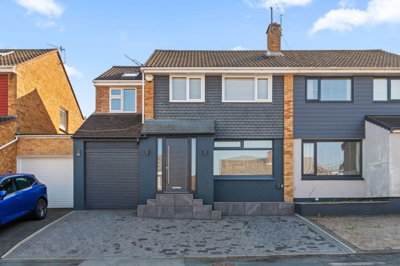
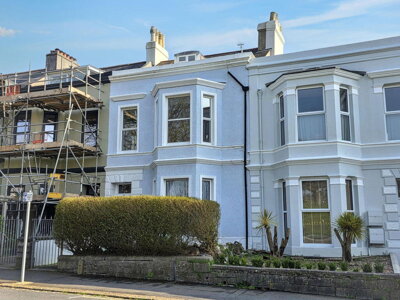
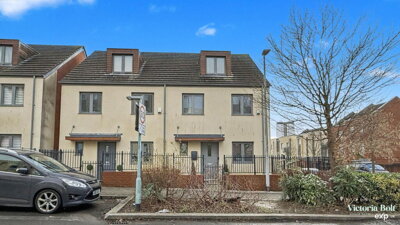
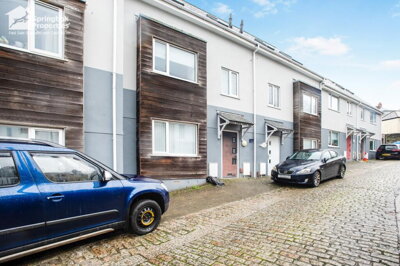
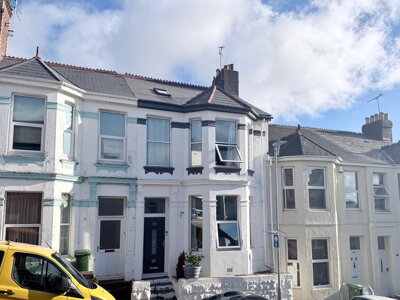
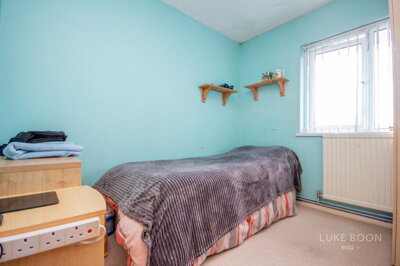
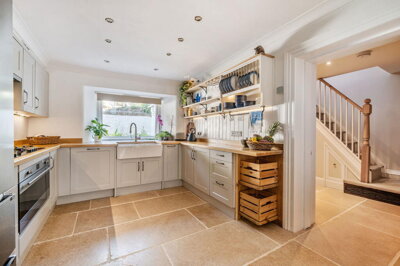
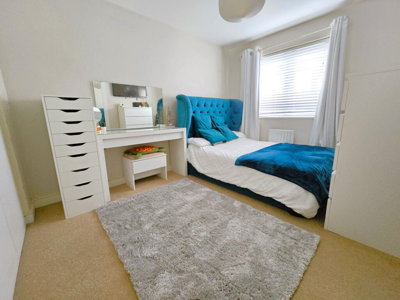
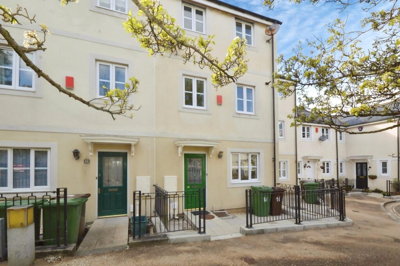
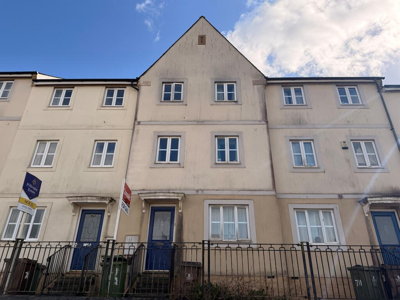
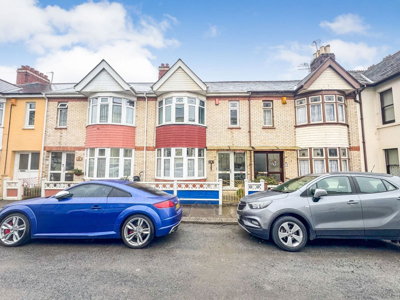
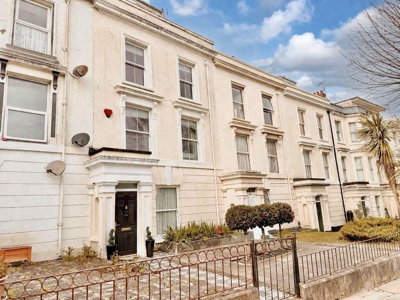
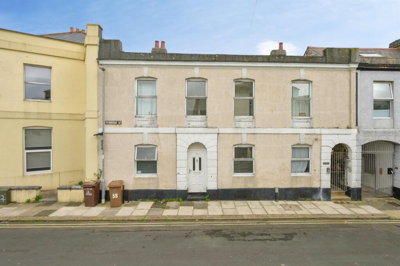
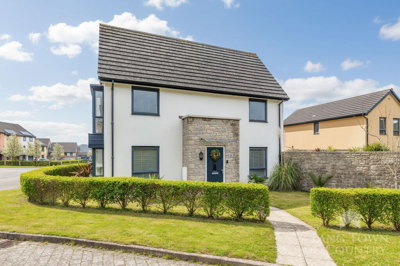
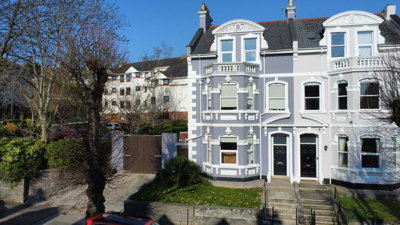
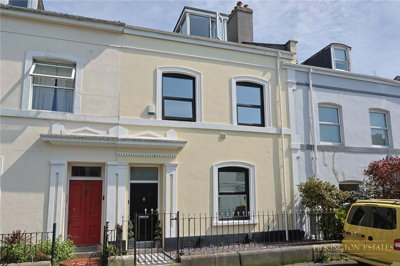
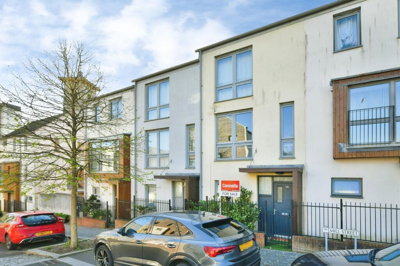
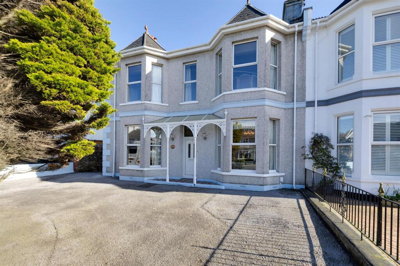
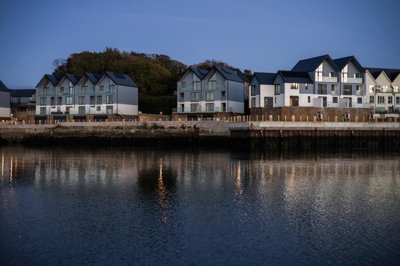
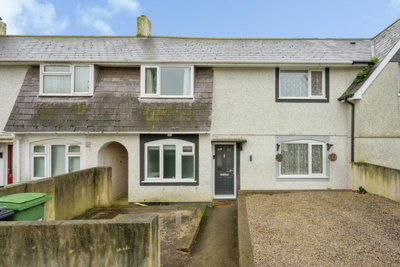
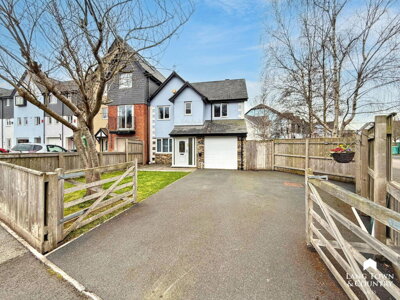
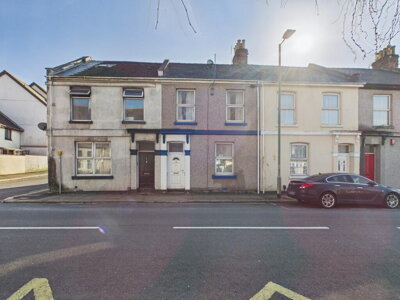
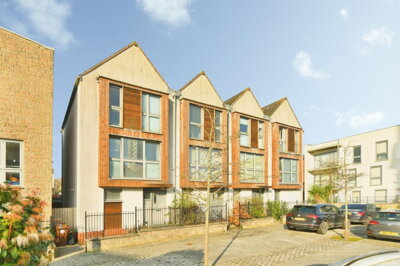
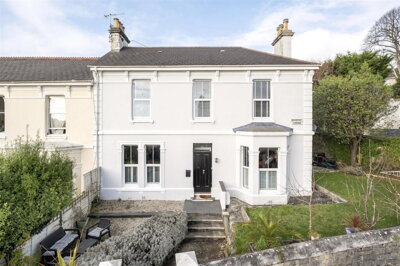
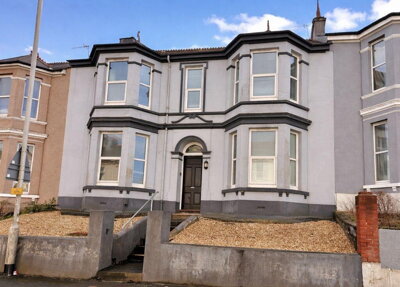
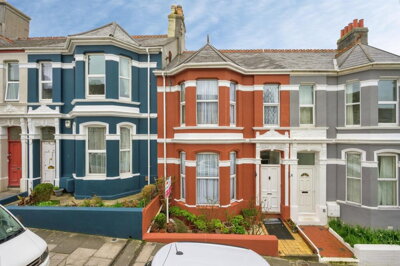
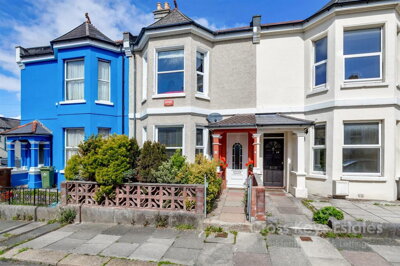
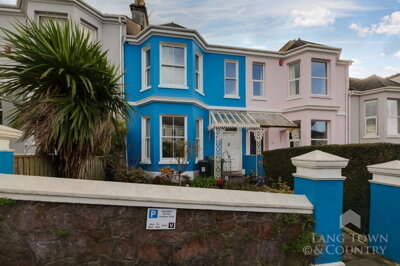
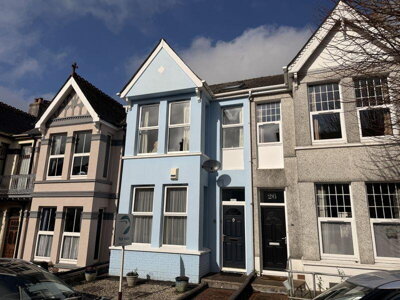
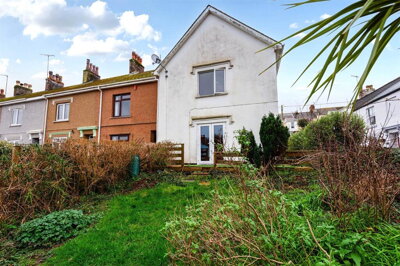
Browse 130 homes for sale in PL1 from local estate agents.
The larger property sector typically features multiple bathrooms, substantial reception space, and private gardens or off-street parking. Four bedroom houses in PL1 span detached, semi-detached, and occasionally terraced configurations, with styles ranging from period properties to modern executive homes.
£280k
9
2
96
Source: home.co.uk
Showing 9 results for 4 Bedroom Houses for sale in PL1. 2 new listings added this week. The median asking price is £280,000.
Source: home.co.uk
Terraced
8 listings
Avg £346,250
Semi-Detached
1 listings
Avg £550,000
Source: home.co.uk
Source: home.co.uk
The PL1 property market reflects the diverse nature of this historic postcode, with prices that cater to first-time buyers through to those seeking premium waterfront living. Detached properties command the highest values at an average of £317,500, while semi-detached homes average £240,000. For buyers seeking more affordable options, terraced properties average £190,000 and flats start from £140,000, making PL1 one of the more accessible city-centre postcodes in the South West. These price points represent genuine value when compared to comparable coastal locations in Devon and Cornwall.
Price trends over the past twelve months show steady growth across most property types, with the overall market increasing by 2%. Terraced properties and flats have led the way with 3% growth, suggesting strong demand from both first-time buyers and investors. Detached properties saw a modest 1% decline, likely reflecting a cooling at the upper end of the market. Semi-detached homes held steady with 1% growth. This balanced picture indicates a healthy market without the volatility seen in some other regions, providing confidence for both buyers and sellers considering their next move.
Several notable new-build developments are active within PL1, offering modern living options for those who prefer contemporary specifications. Stirling House by Acorn Property Group provides 1, 2, and 3-bedroom apartments in the city centre. The Gallery at Royal William Yard, developed by Urban Splash, transforms historic naval buildings into desirable apartments with waterside access. Mount Wise represents a significant regeneration project offering both houses and apartments, while Pier Point delivers luxury apartments with sea views on West Hoe Road. The Ship development in Millbay completes the offering, all forming part of Plymouth's ongoing waterfront transformation.

Life in PL1 centres around the remarkable relationship between historic Plymouth and its waterfront. The Barbican remains the heart of the old town, with its Elizabethan House, steps of the Mayflower, and working harbour providing an authenticity that has been preserved for centuries. Here you will find independent shops, galleries showcasing local artists, and restaurants serving fresh catch from Plymouth's fishing fleet. The area comes alive during the summer months with outdoor events, buskers, and the constant comings and goings of pleasure boats and working vessels alike.
The demographics of Plymouth reveal a city of approximately 262,100 residents across 113,000 households, with PL1 representing the densely populated city-centre core. The area attracts a mix of young professionals drawn to the university campuses and maritime employment, families who appreciate the excellent schools and cultural amenities, and retirees enjoying the mild climate and coastal lifestyle. This diversity creates vibrant neighbourhoods where generational communities coexist, from students in shared houses to long-standing residents who have watched the city transform over decades.
Key employers shape daily life in PL1, with the Royal Navy presence at HMNB Devonport providing stable employment for thousands of workers alongside Babcock International and Princess Yachts. The University of Plymouth and Plymouth Marjon University bring academic energy and younger residents to the area, while University Hospitals Plymouth NHS Trust represents the largest employer in the wider region. This economic diversity means that property demand remains consistent throughout economic cycles, as workers in these sectors require housing close to their places of employment.
The PL1 postcode also benefits from excellent cultural amenities that enhance quality of life for residents. The Theatre Royal Plymouth attracts nationally touring productions, while the Plymouth Arts Cinema and various live music venues cater to creative tastes. The city also hosts major events including the British Firework Championships, which draws thousands of visitors to the waterfront each summer. These amenities, combined with the natural beauty of Plymouth Sound and the surrounding coastline, make PL1 an enviable place to call home.

Education provision in PL1 serves learners of all ages, making the postcode particularly attractive to families. Primary education is well-served through several Ofsted-rated Good and Outstanding schools within and adjacent to PL1, including St Peter's Church of England Primary School and Lipson Vale Primary School. These schools serve their local communities with dedicated teaching staff and strong parental engagement. Parents should research individual school admissions criteria and catchment areas, as Plymouth operates a co-ordinated admission scheme with specific area-based allocations.
Secondary education options in the PL1 area include several established schools with solid academic reputations. Plymouth High School for Girls, Devonport High School for Boys, and Lipson Co-operative Academy serve students from the age of 11 through to sixth form. Plymouth also operates a grammar school system, with Plymouth Grammar School and Devonport High School for Girls offering selective places for academically able students who pass the entrance assessment. Parents considering grammar school places should verify current admission arrangements and plan for potential travel requirements if their child secures a place.
Higher education is a significant feature of PL1, with the University of Plymouth enrolling over 17,000 students across undergraduate and postgraduate programmes. The main campus sits adjacent to Plymouth Hoe, placing university life the city. Plymouth Marjon University, located slightly outside PL1 but easily accessible, specialises in education, sport, and health programmes. These institutions bring substantial economic benefit to the area, supporting local businesses and creating rental demand that benefits property investors.
Plymouth PL1 benefits from excellent transport connections that make it far more accessible than its relative geographic isolation might suggest. Plymouth railway station, located within PL1, provides direct services to Bristol Temple Street (journey time approximately 2 hours), Exeter St David's (around 1 hour 15 minutes), and London Paddington via Bristol (approximately 4 hours). The station has undergone significant redevelopment in recent years, improving facilities and passenger experience. For commuters to London, the Plymouth to Paddington service offers a viable alternative to living in the capital for those who can work flexibly.
Road connectivity from PL1 is excellent, with the A38 providing direct access to Exeter and the national motorway network beyond. The A386 connects PL1 to the northern areas of Plymouth and onwards to Tavistock. The Tamar Bridge, just outside PL1, provides the crucial crossing into Cornwall, making PL1 a practical base for those working across the river. For air travel, Exeter Airport is approximately 45 miles away and Bristol Airport around 90 miles, both offering domestic and European flights. Plymouth Airport, though currently limited in commercial operations, serves private aviation and may expand in future.
Local public transport within PL1 and wider Plymouth includes comprehensive bus services operated by various providers, connecting all neighbourhoods with the city centre and surrounding areas. The Plymouth Citybus network is particularly well-developed, offering frequent services along major routes. For those preferring active travel, Plymouth has invested in cycling infrastructure, with dedicated lanes connecting residential areas to the city centre and waterfront. Walking is an option for many PL1 residents, as the compact city centre means that most amenities are accessible on foot from properties within the postcode area.
Before viewing properties in PL1, obtain a mortgage agreement in principle from a lender. This demonstrates your seriousness to estate agents and helps you understand exactly how much you can borrow. With current average prices at £204,500, most buyers will require mortgages of £160,000-£280,000 depending on deposit size. Several online mortgage brokers can provide instant decisions based on your income and expenditure.
PL1 encompasses several distinct neighbourhoods, each with different characteristics and price points. The Barbican offers historic charm and premium prices, while areas like Stoke and Mutley provide more affordable family housing with excellent local amenities. Spend time exploring different streets at various times of day to understand which neighbourhood suits your lifestyle and budget requirements.
Once you have narrowed down your shortlist, contact estate agents to arrange viewings of properties that meet your criteria. View several properties before making any decision, taking notes on condition, layout, and any potential issues. Ask about the length of time each property has been on the market and whether there have been any price reductions, as this indicates seller flexibility.
For any property you decide to purchase, we strongly recommend commissioning a RICS Level 2 Survey before proceeding. Given PL1's significant older housing stock, particularly pre-1919 Victorian and Edwardian properties, a professional survey can identify defects such as damp, structural movement, or outdated electrics that may not be visible during a viewing. Survey costs in PL1 typically range from £400-£700 for a standard 3-bedroom property.
We recommend instructing a solicitor or conveyancer who handles the legal aspects of your purchase, including searches, contracts, and registration with the Land Registry. Ensure they have experience with Plymouth properties, particularly if you are purchasing a listed building or property within a conservation area, as additional consents may be required. Conveyancing costs typically start from £499 for standard transactions.
Once all searches are satisfactory and mortgage offer is confirmed, you will exchange contracts and pay your deposit. Completion typically follows within 2-4 weeks, after which you will receive your keys and can move into your new PL1 home.
Buying property in PL1 requires attention to area-specific factors that may not be immediately apparent during viewings. Flood risk is a significant consideration for properties near the waterfront or in low-lying areas, as PL1 faces threats from coastal flooding, fluvial flooding from the River Tamar, and surface water flooding during heavy rainfall. Properties in areas like the Barbican, Millbay, and near Plymouth Sound should be carefully assessed for flood resilience measures and insurance availability. Always check the government long-term flood risk maps before committing to a purchase.
The high concentration of conservation areas and listed buildings within PL1 brings both charm and obligations. Properties in areas like the Barbican and Royal William Yard are subject to planning restrictions designed to preserve their historic character. If you are considering any alterations, including extensions, window replacements, or interior modifications, you may need Listed Building Consent or planning permission from Plymouth City Council. These requirements can add time and cost to renovation projects but also protect the character and value of your investment.
Construction quality varies considerably across PL1 given the age range of properties present. Older Victorian and Edwardian properties typically feature solid masonry walls, often constructed from local limestone or brick with traditional lime mortars. These materials require different maintenance approaches compared to modern cavity wall construction, and buyers should budget for potential lime rendering or repointing work. Properties with original slate roofs often require ongoing maintenance, and timber sash windows in period properties may need restoration rather than replacement to maintain character and comply with conservation requirements.
The significant proportion of flats within PL1 means many buyers will purchase leasehold properties, particularly in city-centre developments. Before purchasing, examine the lease terms carefully, including the length of the lease remaining, ground rent obligations, and service charge levels. Recent legislation has improved leasehold rights, but you should understand your obligations and any potential costs for major works or lease extensions. Freehold properties, particularly terraced houses, offer simpler ownership structures and may be preferable for long-term homeowners.
Older properties in PL1 also require awareness of potential hazards that may not be present in newer construction. Many properties built before 1980 contain asbestos-containing materials (ACMs), commonly found in Artex ceilings, pipe insulation, and garage roofs. Our inspectors check for these materials during surveys and will advise on appropriate action if ACMs are discovered. Additionally, the coastal climate in Plymouth can accelerate deterioration of building materials, making damp penetration a particular concern for solid-walled properties that lack modern damp-proof courses. Timber defects including woodworm and both wet and dry rot frequently affect floor joists, roof timbers, and window frames in properties where ventilation has been compromised or damp has been allowed to penetrate the structure.
The average property price in PL1 is £204,500 as of February 2026, based on Rightmove data. Detached properties average £317,500, semi-detached homes £240,000, terraced properties £190,000, and flats £140,000. The market has grown by 2% over the past twelve months, with terraced and flat prices showing stronger growth at 3% compared to detached properties which saw a 1% decline.
Council tax bands in Plymouth vary by property. Most residential properties in PL1 fall within bands A through D, with many terraced houses in areas like the Barbican and Stoke placed in band B or C. Flats in city-centre developments typically occupy band A or B. You can verify the specific band for any property through the Plymouth City Council website or by checking the Valuation Office Agency records. Band D properties in Plymouth currently pay approximately £1,900 per year.
PL1 offers good educational provision across all levels. Primary schools include St Peter's Church of England Primary and Lipson Vale Primary, both rated Good by Ofsted. Secondary options include Plymouth High School for Girls, Devonport High School for Boys, and Lipson Co-operative Academy. Plymouth also has grammar schools including Plymouth Grammar School for selective education from age 11. The University of Plymouth serves higher education needs with over 17,000 students.
PL1 benefits from excellent transport links despite Plymouth's geographic position. Plymouth railway station offers direct services to Bristol (2 hours), Exeter (75 minutes), and London Paddington (4 hours). The city is well-served by bus services, with Plymouth Citybus providing extensive network coverage. Road access via the A38 connects to the national motorway network. For international travel, Exeter Airport is 45 miles away with domestic and European flights.
PL1 offers several compelling investment arguments. Property prices remain affordable compared to other South West coastal locations, with flats starting from £140,000. The ongoing waterfront regeneration in areas like Millbay and Mount Wise continues to attract investment and improve neighbourhood quality. Strong economic drivers including HMNB Devonport, the University of Plymouth, and healthcare sectors provide stable employment. Rental demand is supported by students, maritime workers, and young professionals, making both capital appreciation and rental yield achievable outcomes for investors.
Standard stamp duty rates for 2024-25 are 0% on the first £250,000, 5% on £250,001 to £925,000, 10% on £925,001 to £1.5 million, and 12% above £1.5 million. For a typical PL1 property at £204,500, no stamp duty would be payable. First-time buyers relief applies to purchases up to £625,000, with 0% on the first £425,000 and 5% on the remainder up to that threshold. Properties above £625,000 do not qualify for first-time buyer relief.
PL1 faces multiple flood risk categories due to its coastal and estuarial location. Coastal flooding from Plymouth Sound and the English Channel affects areas including Millbay, the Barbican, and West Hoe. Fluvial flooding from the River Tamar presents risk to waterfront properties. Surface water flooding can occur in urban areas during heavy rainfall due to drainage capacity. The government provides long-term flood risk maps that buyers should consult, and buildings insurance premiums may reflect these risks.
Our inspectors frequently identify several recurring issues in PL1 properties. Damp penetration is particularly common in older solid-walled properties due to Plymouth's coastal climate and often inadequate damp-proof courses. Roof condition issues affect many Victorian and Edwardian properties, with defective lead flashing, deteriorating slate tiles, and damaged guttering appearing regularly. Timber defects including woodworm and wet rot affect floor joists and roof timbers where ventilation has been compromised. Properties built before 1980 may contain asbestos-containing materials in Artex ceilings, pipe lagging, or garage roofs. Our surveys assess all these elements and provide detailed recommendations for addressing any defects discovered.
Understanding the full costs of purchasing property in PL1 extends beyond the purchase price itself. The most significant additional cost for many buyers is stamp duty land tax, which applies to all property purchases above £250,000 at standard rates. For first-time buyers purchasing properties up to £625,000, relief is available that raises the zero-rate threshold to £425,000, providing meaningful savings. Given the average PL1 property price of £204,500, many buyers will pay no stamp duty at all, making Plymouth an attractive option for those entering the property market.
The stamp duty rates for 2024-25 apply as follows: nothing on the first £250,000 of purchase price, 5% on the portion between £250,001 and £925,000, 10% on amounts from £925,001 to £1.5 million, and 12% on anything above £1.5 million. For example, a semi-detached property at the PL1 average of £240,000 would incur no stamp duty for standard buyers or first-time buyers. A larger detached property at £317,500 would attract stamp duty of £3,375 on the amount above £250,000.
Beyond stamp duty, buyers should budget for several other costs. Survey fees for a RICS Level 2 Survey in PL1 typically range from £400 to £700 depending on property size and type. Conveyancing fees, including legal work, local authority searches, and Land Registry registration, typically start from £499 for straightforward transactions but may be higher for leasehold properties or those involving mortgages. Mortgage arrangement fees vary by lender but often fall between 0% and 1.5% of the loan amount. Buildings insurance should be arranged from completion, with premiums in PL1 potentially reflecting flood risk for waterfront properties.
When calculating your total budget, remember to include removal costs, potential estate agent fees if you are selling simultaneously, and a contingency fund for any repairs or improvements identified during survey. For leasehold properties, factor in ground rent review clauses and any service charge reserves that may require contributions. Plymouth City Council may also require payment of council tax from the date of completion, and utility companies will need to be notified of meter readings. Careful budgeting for these costs ensures a smooth transaction without financial surprises at critical stages of your purchase.
Properties for Sale In London

Properties for Sale In Plymouth

Properties for Sale In Liverpool

Properties for Sale In Glasgow

Properties for Sale In Sheffield

Properties for Sale In Edinburgh

Properties for Sale In Coventry

Properties for Sale In Bradford

Properties for Sale In Manchester

Properties for Sale In Birmingham

Properties for Sale In Bristol

Properties for Sale In Oxford

Properties for Sale In Leicester

Properties for Sale In Newcastle

Properties for Sale In Leeds

Properties for Sale In Southampton

Properties for Sale In Cardiff

Properties for Sale In Nottingham

Properties for Sale In Norwich

Properties for Sale In Brighton

Properties for Sale In Derby

Properties for Sale In Portsmouth

Properties for Sale In Northampton

Properties for Sale In Milton Keynes

Properties for Sale In Bournemouth

Properties for Sale In Bolton

Properties for Sale In Swansea

Properties for Sale In Swindon

Properties for Sale In Peterborough

Properties for Sale In Wolverhampton

Enter your details to see if this property is within your budget.
Loans, cards, car finance
Estimated property budget
Borrowing + deposit
You could borrow between
Typical borrowing
Monthly repayment
Est. at 4.5%
Loan-to-value
This is an estimate only. Your actual budget may vary depending on interest rates, credit history, and personal circumstances. For an accurate affordability assessment, speak to one of our free mortgage advisors.
This calculator provides estimates for illustrative purposes only and does not constitute financial advice. Your home may be repossessed if you do not keep up repayments on your mortgage. Estimates based on 4.5% interest rate, repayment mortgage. Actual rates depend on your circumstances.
Homemove is a trading name of HM Haus Group Ltd (Company No. 13873779, registered in England & Wales). Homemove Mortgages Ltd (Company No. 15947693) is an Appointed Representative of TMG Direct Limited, trading as TMG Mortgage Network, which is authorised and regulated by the Financial Conduct Authority (FRN 786245). Homemove Mortgages Ltd is entered on the FCA Register as an Appointed Representative (FRN 1022429). You can check registrations at NewRegister or by calling 0800 111 6768.

We use cookies to show you personalised content and improve your experience of our website. Find out more in our Privacy policy and Cookie policy.