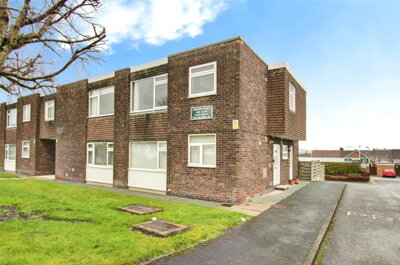
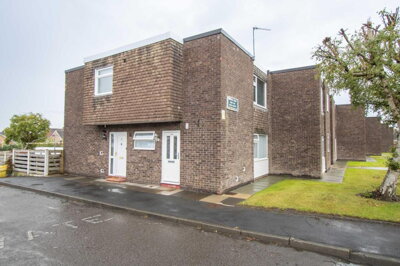
Browse 2 homes for sale in Pittington, County Durham from local estate agents.
One bed apartments provide a separate bedroom alongside distinct living space, bathroom, and kitchen areas. Properties in Pittington are available in various building types including mansion blocks, contemporary developments, and house conversions.
£0k
0
0
0
Source: home.co.uk
Showing 0 results for 1 Bedroom Flats for sale in Pittington, County Durham.
The Pittington property market offers a diverse range of property types to suit various buyer requirements. Detached properties command the highest prices, averaging around £325,605, reflecting the premium space and privacy they provide. Semi-detached homes are the most affordable option at approximately £167,400 on average, making them particularly attractive to first-time buyers and families seeking good value. Terraced properties in the village average £213,500, offering a middle ground between space and cost, while flats start from around £65,000 for those with smaller budgets or buy-to-let investors.
Recent market activity shows interesting divergence between the two parts of the village. High Pittington has experienced significant price growth, with values increasing by 24% over the past year and now sitting 14% above the 2021 peak of £201,916. This indicates strong demand in the higher part of the village. In contrast, Low Pittington has seen prices fall by 53% compared to the previous year, though the average remains around £232,000. Rightmove records show 315 completed sales in High Pittington over the last year and 42 in Low Pittington, demonstrating active market activity across the village.
The majority of properties sold in High Pittington during the last year were semi-detached homes, reflecting the popularity of this property type among families and professionals working in Durham City. Low Pittington's linear development pattern along Front Street creates a different character, with traditional terraces and farmstead-style buildings forming the backbone of the local housing stock. Recent listings in the village include traditional farmhouses dating back to the mid-1500s alongside newly renovated properties featuring updated kitchens and bathrooms completed in 2024, demonstrating the range of opportunities available to buyers.

Pittington occupies a scenic position within the Wear Lowlands Character Area, bordering the East Durham Limestone Plateau to the east. This geological setting provides the village with an attractive landscape of rolling countryside and traditional stone buildings that give the area its distinctive character. The village's linear development pattern, particularly evident along Front Street in Low Pittington, reflects its historical growth as a settlement shaped by agricultural and industrial activity. Traditional farmstead-style buildings sit alongside Victorian and Edwardian terraces, creating an architectural heritage that tells the story of the area's evolution.
The village offers essential amenities for daily living, with local facilities serving the immediate community. The historic St Laurence Church in High Pittington, a Grade I listed building, stands as a focal point of the community and a reminder of the area's long history dating back to medieval times. The conservation area in Hallgarth preserves the historic character of this old hamlet, ensuring that new development respects the traditional built environment. For residents seeking additional amenities, the proximity to Durham City provides access to comprehensive shopping, healthcare, and cultural facilities within a short drive or bus journey.
Historically, Pittington's fortunes were closely tied to its position within a network of collieries, quarries, and railway lines during the 19th century. This industrial heritage shaped the village's development, particularly in Low Pittington where new terraced housing was constructed at the western end to accommodate workers. The legacy of this period can still be seen in the village's architecture, with many properties reflecting the construction methods and materials common to mining communities of that era. Today, the village maintains its sense of community while benefiting from modern connectivity to regional employment centres.

Families considering a move to Pittington will find educational provision available both within the village and in the surrounding areas. Primary education is typically accessed through schools in the local villages, with many parents travelling short distances to reach their preferred settings. The village's position in County Durham means that children can access a network of primary schools serving the surrounding communities. Secondary education options include schools in nearby towns, with transport links facilitating the daily commute for students attending selective grammar schools or specialist academies in Durham City and the wider county.
County Durham maintains a selection of highly-rated schools, and parents are advised to research specific Ofsted ratings and catchment areas when planning a move. The presence of Durham City nearby provides additional options for secondary and further education, including sixth form colleges and specialist vocational providers. For families prioritising educational outcomes, the proximity of Pittington to Durham City means that excellent schooling options are readily accessible, whether through the state system or independent schools in the historic university city. Planning viewings around school term times can help buyers gauge local traffic conditions and commuting times relevant to educational logistics.
Higher education opportunities are particularly strong given Pittington's proximity to Durham University, one of the UK's most prestigious institutions. The university attracts students from across the country and internationally, contributing significantly to the character and economy of the wider area. For families with older children, this proximity to a world-class university may influence long-term educational planning and property decisions. The availability of rental accommodation in Durham City also creates investment opportunities for buyers considering the student rental market.
Pittington benefits from its strategic position approximately 4.8 miles east of Durham City, providing residents with excellent connectivity to regional employment centres and amenities. The village sits within easy reach of major road networks, including the A1(M) which provides direct access to Newcastle upon Tyne to the north and York to the south. For commuters working in Durham City, the journey typically takes around 15 minutes by car, making Pittington a viable option for those who work in the city but prefer rural living. Bus services connect the village to Durham and surrounding communities, though frequencies may be limited on weekends and evening services.
Durham Railway Station offers comprehensive rail connections with regular services to major cities including Newcastle (approximately 40 minutes), York (around 1 hour), Leeds (approximately 1 hour 45 minutes), and London King's Cross (around 3 hours via Newcastle or York). The station is located in Durham City, approximately 6 miles from Pittington, so residents need to factor in the drive or bus journey to reach the station. For those working further afield, Newcastle International Airport provides domestic and international flights, accessible via the A1(M) and A696 road network. Cyclists will find varying terrain in the surrounding countryside, with some roads offering scenic but challenging routes for the more experienced rider.
The A1(M) corridor is particularly important for residents working in Newcastle upon Tyne, Sunderland, or Middlesbrough, providing direct access to major employment centres without the need to navigate urban congestion. The journey to Newcastle city centre takes approximately 35 minutes outside peak hours, though commuters should allow additional time during busy periods. For those employed in the professional and healthcare sectors, Durham City offers significant employment opportunities, with the University Hospital NHS Trust being one of the largest employers in the region. The relative affordability of Pittington compared to these larger centres makes it an attractive option for commuters seeking more space for their money.
Start by exploring property listings in Pittington on Homemove. Our platform aggregates homes from multiple estate agents, allowing you to compare prices, property types, and locations. With average prices around £234,592 and properties ranging from flats at £65,000 to detached homes at £325,605, understanding the market range will help you set realistic expectations and identify the best value in the current market. Pay particular attention to the differences between High and Low Pittington, as recent price trends show High Pittington growing by 24% while Low Pittington has seen declines.
Before arranging viewings, contact a mortgage broker to obtain an Agreement in Principle. This document confirms how much a lender is willing to advance based on your financial circumstances. Having this in place demonstrates to sellers that you are a serious buyer with financing secured, which is particularly important in a competitive market where multiple offers may be received on desirable properties. Several mortgage brokers operate in the Durham area and can provide personalised advice based on your circumstances.
Use our platform to schedule viewings on properties that match your requirements. When viewing homes in Pittington, pay attention to the construction and condition of properties given the age of the local housing stock. Traditional terraces and farmstead properties may require more maintenance than modern equivalents. Take photographs and notes during viewings to help compare properties afterward. If viewing traditional farmhouses or mid-1500s properties, consider the potential need for specialist surveys on listed buildings or properties in the conservation area.
Once you have had an offer accepted, arrange for a RICS Level 2 Survey (Homebuyer Report) before proceeding to exchange contracts. This survey checks for structural issues, damp, roof condition, and other common defects. Given that many properties in Pittington date from the 19th century or earlier, a professional survey is essential to identify any issues that may not be visible during a standard viewing. Our team can connect you with local surveyors experienced in assessing historic County Durham properties.
Appoint a solicitor or licensed conveyancer to handle the legal transfer of ownership. They will conduct local authority searches, check for planning restrictions, and manage the completion documentation. Your conveyancer should include a mining search given Pittington's historical association with collieries and quarries. They will liaise with your mortgage lender and the seller's solicitors to ensure a smooth transaction through to completion.
Once all searches are satisfactory and financing is confirmed, you will exchange contracts with the seller and pay a deposit (typically 10% of the purchase price). Completion usually follows within 7-28 days, at which point the remaining balance is transferred and you receive the keys to your new Pittington home. Your conveyancer will coordinate the final arrangements and notify all relevant parties including land registry and utility providers.
Purchasing a property in Pittington requires careful consideration of factors specific to the village and its housing stock. The presence of historic properties dating back to the mid-1500s means that some homes may have traditional construction methods and materials that differ significantly from modern standards. When viewing older properties, pay particular attention to signs of damp, the condition of roofs, and the state of electrical systems. Properties that have undergone recent renovation may offer the character of older homes with updated facilities, but ensure that any works were completed with appropriate building regulations approval.
High Pittington includes a conservation area in Hallgarth, which means that properties in this location may be subject to planning restrictions requiring consent for certain alterations or extensions. If you are considering making changes to a property in the conservation area, consult with County Durham planning authority before proceeding. The Grade I listed St Laurence Church and its surrounding environment contribute to the historic character that planning controls seek to protect. Buyers should also investigate service charges and ground rent for any leasehold properties, as these ongoing costs can significantly affect the true cost of ownership.
Given Pittington's historical association with collieries and quarries, buyers should consider commissioning a specialist survey for properties showing any signs of structural movement or cracking. While mining activity in the area has ceased, the legacy of historic extraction can sometimes lead to ground instability issues that may not be covered by standard surveys. Your conveyancer should conduct a mining search as part of the standard local authority searches to identify any historic mining activity that may affect the property. Properties in Low Pittington, with its industrial heritage and 19th-century terraced housing, may be particularly relevant for this consideration.
The varied age of properties in Pittington means that building materials and construction methods can differ substantially between neighbouring homes. The traditional brick or stone construction of older farmstead buildings will behave differently from the late 20th-century Priors Grange development in High Pittington. When comparing properties, factor in potential maintenance requirements and renovation costs that may not be immediately apparent during a standard viewing. Our inspectors can provide detailed assessments of property condition to help you understand the true cost of any property you are considering.
Understanding the full cost of purchasing a property in Pittington is essential for budgeting effectively. The Stamp Duty Land Tax (SDLT) you will pay depends on the purchase price, your buyer status, and whether you own other properties. For properties priced at the current average of £234,592, most buyers would pay no SDLT. Standard buyers pay 0% on the first £250,000, meaning properties at or below this threshold incur no stamp duty at all. This threshold has been maintained at this level since the temporary increase ended, providing meaningful savings for buyers in the Pittington market where many properties fall within this range.
First-time buyers enjoy enhanced relief with 0% SDLT on the first £425,000, meaning the vast majority of properties in Pittington would attract no stamp duty for those meeting the eligibility criteria. This includes having never owned property anywhere in the world and being purchasing as a main residence. Properties above £625,000 do not qualify for first-time buyer relief. For investors and those purchasing additional properties, a 3% surcharge applies on top of the standard rates, making it important to factor this into your calculations.
Beyond SDLT, budget for additional costs including solicitor conveyancing fees (typically £500-£1,500 depending on complexity), mortgage arrangement fees (£0-£2,000 depending on lender), survey costs (RICS Level 2 from £350 for a standard property), and removal expenses. Search fees from your solicitor, including local authority, water, drainage, and environmental searches, typically cost £200-£400. Buildings insurance (usually £150-£500 annually) must be in place from completion. If purchasing a leasehold property, you may also need to pay ground rent and service charge contributions. Planning for these costs before proceeding helps ensure a smooth transaction without financial surprises at completion.
For buyers purchasing traditional farmstead properties or older terraces, additional costs may arise from specialist surveys required for listed buildings or conservation area properties. Listed building consent may be needed for certain works, and these applications typically involve fees and specialist professionals. Our team can advise on the typical costs associated with different property types in Pittington based on our local experience of the market.
The average house price in Pittington is currently £234,592 according to recent market data. Property prices vary significantly by type, with detached homes averaging £325,605, semi-detached properties around £167,400, terraced houses at approximately £213,500, and flats starting from £65,000. The market shows different trends in the two parts of the village, with High Pittington experiencing 24% annual price growth while Low Pittington has seen prices decline by 53% over the same period. Rightmove records show 315 completed sales in High Pittington over the last year compared to 42 in Low Pittington, indicating significantly higher transaction volumes in the higher part of the village.
Properties in Pittington fall under Durham County Council's jurisdiction. Council tax bands in County Durham range from A to H, with the majority of properties in the village typically falling within bands A to C, reflecting the mix of modest terraced cottages and more substantial detached homes in the area. Exact bands depend on the property's assessed value, and you can check specific bands via the Durham County Council website or the Valuation Office Agency. Budget typically £1,200-£1,800 annually for band A properties, rising to £2,500-£3,500 for band D homes, with higher bands proportionally more.
Pittington itself has limited primary school provision, with most families accessing primary education in surrounding villages. The area falls within County Durham's school admission system, with several primary schools serving the local community. For secondary education, students typically travel to schools in Durham City or nearby towns, with several highly-rated options available including selective grammar schools for academically able students. Durham City offers additional educational opportunities including sixth form colleges and the prestigious Durham University for higher education. Parents should verify current Ofsted ratings and catchment area boundaries before committing to a property purchase.
Pittington is served by bus services connecting the village to Durham City and surrounding communities. While frequencies are not as frequent as urban routes, regular services operate throughout the day for shopping and commuting purposes. For rail travel, Durham Railway Station is approximately 6 miles away, offering direct services to Newcastle (40 minutes), York (1 hour), Leeds (1 hour 45 minutes), and London King's Cross (3 hours). The village's position near the A1(M) provides excellent road connectivity to the wider North East region, with Newcastle approximately 30-35 minutes away by car outside peak hours.
Pittington offers several factors that may appeal to property investors. The proximity to Durham City (4.8 miles) provides access to a strong rental market driven by the university, hospitals, and professional services sector. Average prices around £234,592 are significantly lower than Durham City averages, potentially offering better value for investors. High Pittington has shown strong price growth recently, suggesting continued demand. However, investors should consider factors such as void periods between tenants, maintenance costs for older properties, and local rental yields when making investment decisions. Properties in Low Pittington with its industrial heritage may offer different investment characteristics compared to the more traditional housing in High Pittington.
Stamp Duty Land Tax rates for standard purchases are 0% on the first £250,000, 5% on the portion from £250,001 to £925,000, 10% on £925,001 to £1,500,000, and 12% on anything above £1,500,000. First-time buyers benefit from relief on the first £425,000 (0% rate), with 5% applying between £425,001 and £625,000. Given that the average property price in Pittington is £234,592, most purchases would attract no stamp duty for first-time buyers, while existing owner-occupiers would pay only on the portion above £250,000. Investors and those purchasing additional properties pay a 3% surcharge on all bands.
Pittington was historically situated within a network of collieries, quarries, and railway lines during the 19th century industrial era. While mining activity in the area has ceased, the legacy of historic extraction can sometimes lead to ground stability concerns that may affect certain properties. Our conveyancing team always includes a mining search as standard when purchasing in Pittington, checking against Coal Authority records and historical mining data. Properties showing signs of cracking or structural movement should be assessed by a specialist surveyor before proceeding. Properties in Low Pittington, particularly those along traditional Front Street terraces, may warrant additional investigation given the area's industrial heritage.
Pittington offers a diverse mix of property types reflecting its long history and varied development periods. Traditional farmstead-style buildings and terraces date from the 19th century and earlier, with at least one traditional farmhouse confirmed as dating back to the mid-1500s in Low Pittington. The Priors Grange development in High Pittington represents late 20th-century construction with more modern housing styles. Semi-detached properties dominate the High Pittington market, while Low Pittington's Front Street features linear development of traditional terraces. Detached homes command premium prices around £325,605, while flats from £65,000 offer the most affordable entry point to the local market. Recent listings show ongoing renovation activity, including properties with new roofs fitted in 2024 and updated kitchen and bathroom facilities.
From 3.5%
Compare mortgage rates from leading lenders
From £499
Expert property solicitors handling your legal work
From £350
Professional survey checking structural issues, damp, and defects
From £60
Energy performance certificate for your property
Properties for Sale In London

Properties for Sale In Plymouth

Properties for Sale In Liverpool

Properties for Sale In Glasgow

Properties for Sale In Sheffield

Properties for Sale In Edinburgh

Properties for Sale In Coventry

Properties for Sale In Bradford

Properties for Sale In Manchester

Properties for Sale In Birmingham

Properties for Sale In Bristol

Properties for Sale In Oxford

Properties for Sale In Leicester

Properties for Sale In Newcastle

Properties for Sale In Leeds

Properties for Sale In Southampton

Properties for Sale In Cardiff

Properties for Sale In Nottingham

Properties for Sale In Norwich

Properties for Sale In Brighton

Properties for Sale In Derby

Properties for Sale In Portsmouth

Properties for Sale In Northampton

Properties for Sale In Milton Keynes

Properties for Sale In Bournemouth

Properties for Sale In Bolton

Properties for Sale In Swansea

Properties for Sale In Swindon

Properties for Sale In Peterborough

Properties for Sale In Wolverhampton

Enter your details to see if this property is within your budget.
Loans, cards, car finance
Estimated property budget
Borrowing + deposit
You could borrow between
Typical borrowing
Monthly repayment
Est. at 4.5%
Loan-to-value
This is an estimate only. Your actual budget may vary depending on interest rates, credit history, and personal circumstances. For an accurate affordability assessment, speak to one of our free mortgage advisors.
This calculator provides estimates for illustrative purposes only and does not constitute financial advice. Your home may be repossessed if you do not keep up repayments on your mortgage. Estimates based on 4.5% interest rate, repayment mortgage. Actual rates depend on your circumstances.
Homemove is a trading name of HM Haus Group Ltd (Company No. 13873779, registered in England & Wales). Homemove Mortgages Ltd (Company No. 15947693) is an Appointed Representative of TMG Direct Limited, trading as TMG Mortgage Network, which is authorised and regulated by the Financial Conduct Authority (FRN 786245). Homemove Mortgages Ltd is entered on the FCA Register as an Appointed Representative (FRN 1022429). You can check registrations at NewRegister or by calling 0800 111 6768.

We use cookies to show you personalised content and improve your experience of our website. Find out more in our Privacy policy and Cookie policy.