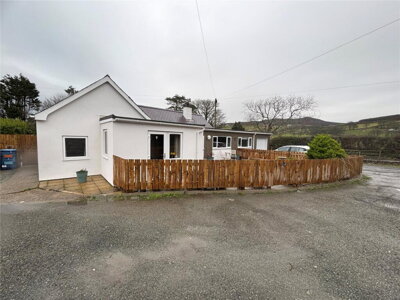
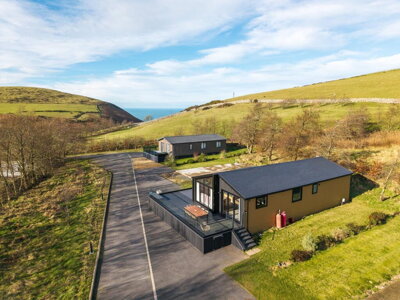
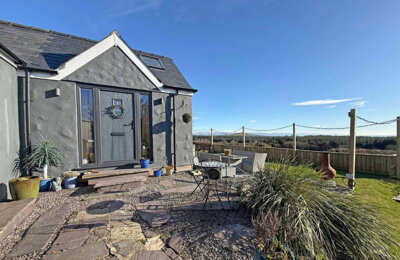
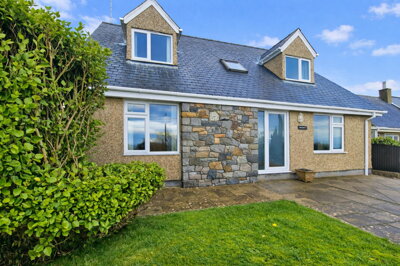
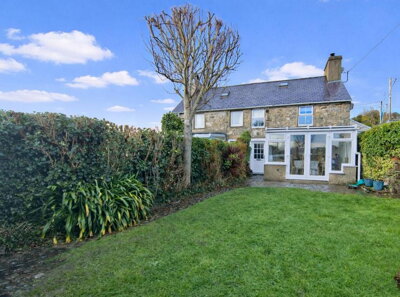
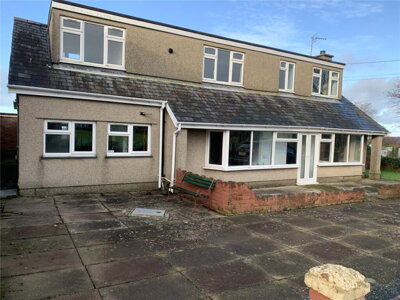
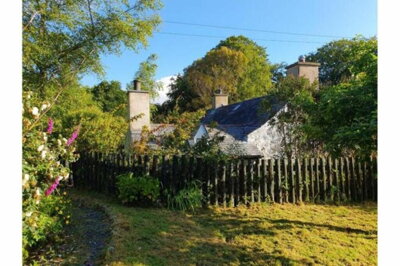
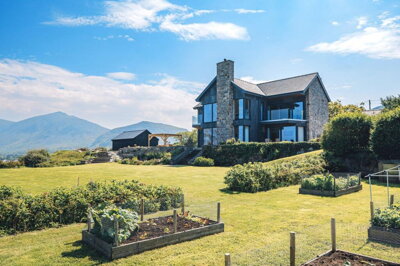
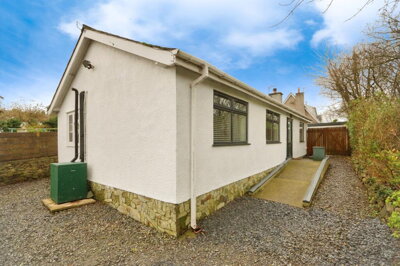
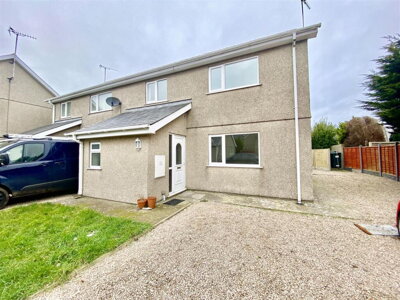
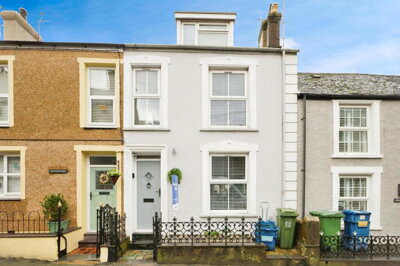
Browse 48 homes for sale in Pistyll, Gwynedd from local estate agents.
£260k
14
0
126
Source: home.co.uk
Source: home.co.uk
Cottage
2 listings
Avg £367,500
Detached
2 listings
Avg £252,500
End of Terrace
2 listings
Avg £161,000
Semi-Detached
2 listings
Avg £297,250
Apartment
1 listings
Avg £124,999
Bungalow
1 listings
Avg £365,750
Flat
1 listings
Avg £275,000
House
1 listings
Avg £398,500
Park Home
1 listings
Avg £245,000
Terraced
1 listings
Avg £103,000
Source: home.co.uk
Source: home.co.uk
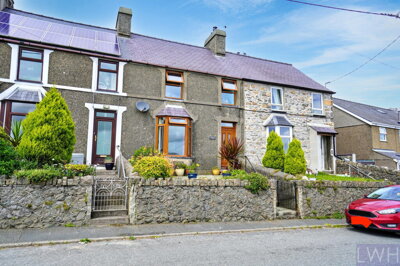
The Pistyll property market reflects the character of this small Gwynedd village, with terraced properties forming the backbone of available housing stock. Sales data since 2018 shows terraced homes dominating transactions at 44 recorded sales, followed by 16 detached and 15 semi-detached properties. This mix provides buyers with genuine variety, from compact starter homes to more expansive family residences. The average price across all property types stands at £246,905, representing a notable correction from the 2021 peak of £328,000.
Property type significantly influences pricing in Pistyll. Detached homes command the highest average price at £259,875, reflecting the additional space and privacy they offer. Semi-detached properties average £297,250, while terraced homes sit at £136,475, providing accessible options for first-time buyers or those seeking a manageable property footprint. Notably, flats average £275,000, though these remain rare in the village with only one recorded sale since 2018. The market saw 7 property transactions in 2024 with an average price of £134,143, rising to 7 more the following year averaging £181,643, indicating measured but steady market activity.
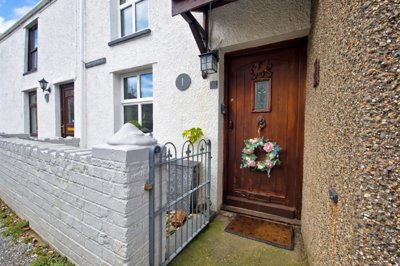
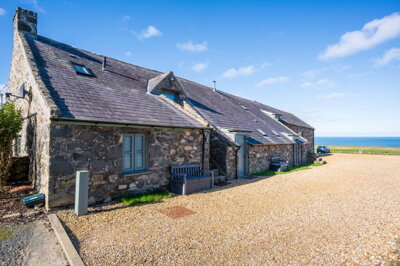
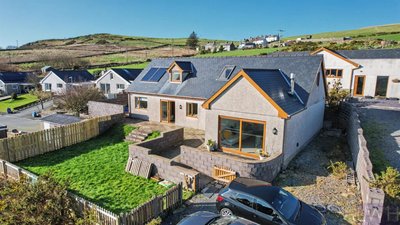
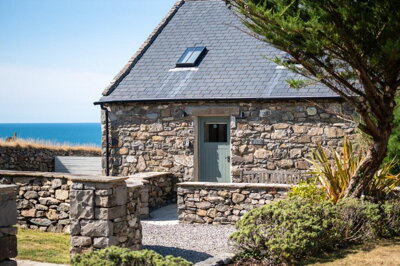
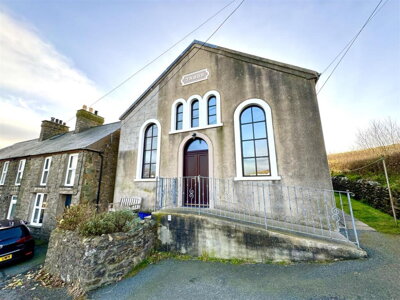
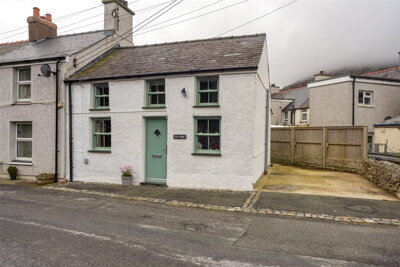
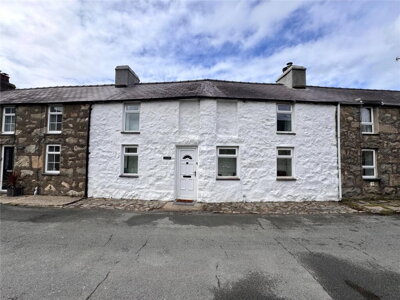
New build developments in the immediate Pistyll postcode area remain unverified, with no specific sites, developers, or developments confirmed in the LL53 area. Buyers seeking brand new properties may need to expand their search to nearby towns such as Pwllheli, which offers more active development activity. For those prioritising character and authenticity, the existing housing stock in Pistyll provides opportunities to acquire traditional Welsh properties, many featuring the distinctive stone construction and slate roofing typical of the region.

Pistyll embodies the quiet charm of a traditional Welsh village on the Llŷn Peninsula, where community life revolves around mutual support and an appreciation for the outstanding natural surroundings. The village sits in Gwynedd, a county celebrated for its Welsh language heritage, scenic landscapes, and outdoor lifestyle opportunities. Residents enjoy access to beautiful coastal walks, sandy beaches within easy reach, and the dramatic hills of the Llŷn Peninsula AONB (Area of Outstanding Natural Beauty), making this an ideal location for walkers, photographers, and nature enthusiasts seeking a slower pace of life.
The local economy around Pistyll draws from traditional sectors including agriculture, with small farms dotting the surrounding countryside, and tourism, as visitors are drawn to the area's unspoiled coastline and traditional villages. Small local businesses, craft shops, and traditional pubs provide essential services and social venues for village residents. The nearby town of Pwllheli offers more comprehensive amenities including supermarkets, healthcare facilities, and professional services, ensuring that residents have access to everything needed for daily life while enjoying the peaceful village setting.
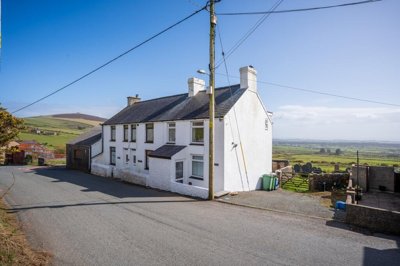
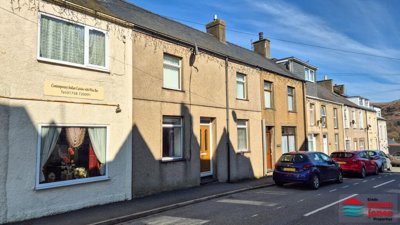
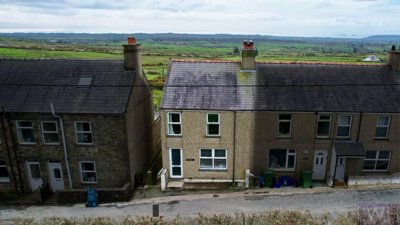
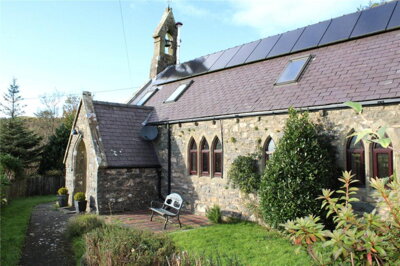
The housing stock in Pistyll reflects the village's heritage, with many properties built using traditional methods common to Gwynedd. Older properties often feature local stone construction with Welsh slate roofs, giving homes a distinctive appearance and solid construction quality. The predominance of terraced housing suggests a historic village centre with generations of continuous habitation. Newer constructions in the wider area typically employ more modern building methods while respecting regional aesthetics. For buyers considering older properties, the traditional construction methods generally ensure robust structural integrity, though professional surveys are always recommended to assess individual property conditions.

Families considering a move to Pistyll will find educational provision available at both primary and secondary levels within the Gwynedd local authority area. Primary aged children in the village and immediate surrounding area typically attend local primary schools in the Llŷn Peninsula, which provide education through the medium of Welsh and English, reflecting Gwynedd's strong bilingual heritage. These smaller schools often benefit from close community ties, dedicated teaching staff, and opportunities for children to engage with outdoor learning environments that take advantage of the area's exceptional natural landscape.
Secondary education is available at schools in nearby towns such as Pwllheli, which hosts secondary schools serving the wider Llŷn Peninsula catchment area. Parents should research specific school catchment boundaries and admissions criteria, as these can influence which schools children are eligible to attend. Gwynedd's educational provision maintains standards aligned with national expectations, and school performance data, including Ofsted ratings where applicable, should be consulted when making decisions about family relocation. For families with specific educational preferences or requirements, visiting potential schools and discussing provision directly with headteachers can provide valuable insights beyond published statistics.
Further and higher education options are accessible in larger towns across North Wales, including Bangor and Caernarfon, which host further education colleges and access to university programmes. For students pursuing vocational qualifications or university degrees, these institutions provide comprehensive options without requiring relocation to distant cities. The proximity of Bangor University, approximately 30 miles from Pistyll, offers access to undergraduate and postgraduate programmes while maintaining the option to commute or study flexibly, making Pistyll a practical base for families with older children pursuing higher education.

Transport connectivity from Pistyll reflects its position as a rural village on the Llŷn Peninsula, with road travel forming the primary means of getting around. The village sits within the LL53 postcode area, with the A499 running through the area providing access to the market town of Pwllheli approximately 5 miles away, where additional amenities and transport options become available. Road travel connects residents to the wider Gwynedd road network, with the A55 expressway running along the North Wales coast providing access to Chester and the motorway network beyond. Journey times by car to major cities include approximately 2 hours to Manchester and 3 hours to Birmingham, positioning Pistyll as a viable option for remote workers or those with flexible commuting arrangements.
Public transport options from Pistyll include local bus services connecting the village to Pwllheli and surrounding communities along the Llŷn Peninsula. These services provide essential connectivity for residents without private vehicles, though frequencies may be limited compared to urban areas. Rail access is available at Pwllheli station, which sits on the Cambrian Coast Line running west to east along the North Wales coastline. From Pwllheli, rail services connect to major destinations including Bangor, where connections to the wider rail network including services to London Euston become available. The coastal railway journey to Bangor takes approximately 1 hour, offering a scenic route through the outstanding landscapes of North Wales.
For those working in or commuting to larger cities, the transport links from Pistyll require planning but remain manageable with advance preparation. The combination of driving to a rail station and completing journeys by train provides a practical middle ground for periodic commuting, while the growth of remote working has made Pistyll increasingly attractive to professionals who only need to travel to offices occasionally. Local taxi services operate in the area, and car clubs or lift-sharing schemes among the local community can supplement public transport options for those without private vehicles.

Understanding the full costs of purchasing property in Pistyll, Gwynedd, is essential for budgeting effectively. Beyond the property purchase price, buyers must account for Land Transaction Tax (LTT), which is the Welsh devolved equivalent of stamp duty. The standard LTT rates for residential property purchases in Wales start at 0% on the first £225,000 of the purchase price, rising to 6% on the portion between £225,000 and £400,000. For the average Pistyll property at £246,905, buyers would typically pay no LTT as the purchase price falls within the zero-rate threshold, making this an attractive feature of the local market for budget-conscious purchasers.
First-time buyers in Wales benefit from enhanced LTT relief, with the starting threshold increased to £300,000 for properties up to £500,000 value. This means first-time buyers purchasing properties at or below £300,000 would pay no LTT whatsoever, providing significant savings compared to standard rates. For properties priced between £300,000 and £500,000, first-time buyer relief reduces the tax burden on the portion below £300,000. Given that the average Pistyll property price of £246,905 falls comfortably within the first-time buyer relief threshold, this demographic may find the area particularly financially attractive for their first home purchase.
Additional purchase costs to budget for include conveyancing fees, which typically start from around £499 for standard transactions but can increase for more complex purchases. Survey costs for a RICS Level 2 Survey generally range from £400 to £900 depending on property size and value, with larger or more complex properties at the higher end of this range. Mortgage arrangement fees, typically 0-0.5% of the loan amount, may apply depending on your chosen lender and product. Search fees, Land Registry fees, and LTT on any additional properties owned may also apply. On the average £246,905 Pistyll property, buyers should budget approximately £2,000 to £3,000 for these additional costs, though individual circumstances will vary.

Begin by exploring the Pistyll property market in depth. Review current listings on Homemove to understand available properties, price ranges, and what represents value in the current market. Given the village's rural location and traditional housing stock, understanding the differences between property types and their typical characteristics will help you identify suitable options. Consider visiting the area at different times of year to experience the village atmosphere and assess whether it matches your lifestyle expectations.
Once you have identified properties of interest, arrange viewings through the estate agents listing them. For Pistyll properties, viewing at different times of day and week can reveal important information about the property and neighbourhood. Take time to explore the village surroundings, check distances to local amenities in Pwllheli, and speak with residents to gain authentic insights into village life. Photograph properties and take notes to help compare options later.
Before making an offer, obtain a mortgage agreement in principle from a lender. This document confirms how much you could borrow based on your financial circumstances, strengthening your position when negotiating with sellers. For Pistyll properties with prices averaging £246,905, most standard mortgage products and LTV ratios will apply. Contact Homemove's mortgage partners to compare rates and find the most suitable product for your circumstances.
For any property you intend to purchase, particularly older terraced or detached homes which form the majority of Pistyll's housing stock, commissioning a RICS Level 2 Survey is strongly recommended. This professional assessment identifies structural issues, defects, and maintenance concerns that may not be visible during viewings. Given the age of many local properties, a thorough survey can prevent costly surprises after purchase and provide valuable negotiating information if issues are identified.
Appoint a solicitor experienced in Welsh property transactions to handle the legal aspects of your purchase. They will conduct searches, review the contract, handle Land Registry documentation, and coordinate with your mortgage lender. For properties in Gwynedd, your solicitor will ensure compliance with any specific Welsh property requirements and manage the transfer of ownership smoothly through to completion.
Once all searches are satisfactory, mortgage offer is confirmed, and negotiations are complete, you will exchange contracts with the seller and pay a deposit. A typical completion date is agreed, after which the remaining balance is transferred and you receive the keys to your new Pistyll home. Congratulations on becoming part of this welcoming Gwynedd village community.
Buyers considering properties in Pistyll should pay particular attention to the construction and condition of traditional Welsh homes, which make up a significant portion of the available housing stock. Properties built using traditional methods, including stone walls and slate roofs, require knowledgeable assessment to evaluate their current condition and future maintenance requirements. Look for signs of weathering on slate roofs, as individual slates can crack or slip over time, particularly in coastal areas exposed to wind and salt air. Stone walls should be examined for cracking, bulging, or evidence of water penetration, which can indicate underlying structural concerns that require attention.
Given Pistyll's coastal location on the Llŷn Peninsula, understanding the property's history regarding moisture and weather exposure is essential. Check for evidence of damp inside properties, including musty odours, discoloured walls, or peeling wallpaper in corners and lower sections. Older properties may have less effective damp-proof courses than modern standards require, and ventilation may be insufficient by contemporary expectations. Attic spaces should be inspected for evidence of roof leaks, adequate insulation levels, and the condition of roof timbers, which can be vulnerable to rot or woodworm in properties with a history of moisture issues.
Flood risk assessment deserves careful consideration for any property purchase in Pistyll. While no specific flood risk data was found for the immediate LL53 postcode area, properties in coastal locations generally carry some level of flood exposure, particularly those in low-lying areas or with proximity to watercourses. Review available flood maps, speak with neighbours about historical flooding events, and check property disclosures carefully. Buildings Insurance premiums may be affected by perceived flood risk, so obtaining quotes before completing purchase is advisable. Additionally, check whether the property sits within any designated conservation area or contains listed building status, as these designations impose restrictions on alterations and maintenance that buyers should understand before committing to purchase.

The average property price in Pistyll (LL53) over the past year stands at £246,905, based on recorded sales data. This represents a notable adjustment from the 2021 peak of £328,000, representing a decrease of approximately 33%. Property prices vary significantly by type, with detached homes averaging £259,875, semi-detached properties at £297,250, and terraced homes at £136,475. This variety means buyers can find properties ranging from compact terraced homes to more spacious detached residences depending on their budget and space requirements.
Properties in Pistyll fall under Gwynedd Council administration, which sets council tax bands from A through H based on property valuation. Gwynedd Council publishes annual council tax schedules showing the specific charges for each band, with lower band properties (A through D) typically applying to properties of lower market value. You can verify the council tax band for any specific property through the Valuation Office Agency website, and Gwynedd Council's website provides current year charges and payment options for residents. For the average £246,905 terraced or semi-detached property in Pistyll, the council tax band is most likely to be in the B to D range.
Primary education in the Pistyll area is served by local schools within the Llŷn Peninsula catchment, many of which provide bilingual education in Welsh and English reflecting Gwynedd's strong language heritage. Secondary education is available at schools in Pwllheli and surrounding towns, and parents should verify specific catchment areas and admissions criteria when considering family relocation. School performance data, including examination results and Ofsted inspection reports where applicable, should be reviewed when making educational decisions. For higher education, Bangor University and further education colleges in North Wales are accessible from Pistyll.
Public transport connectivity from Pistyll relies primarily on local bus services linking the village to Pwllheli and communities along the Llŷn Peninsula. The nearest railway station is Pwllheli, which sits on the Cambrian Coast Line providing connections to Bangor and the wider rail network. Rail services from Pwllheli to Bangor take approximately 1 hour, with onward connections to Chester and London available. For daily commuting to major cities, private vehicle travel is generally the most practical option, with approximately 2 hours driving time to Manchester and 3 hours to Birmingham under normal traffic conditions.
Pistyll offers several factors that may appeal to property investors, including attractive entry prices averaging £246,905 compared to many other UK areas, the area's popularity as a holiday destination due to its outstanding natural beauty and coastal location, and the potential for rental income from both long-term and holiday let arrangements. The Llŷn Peninsula draws visitors throughout the year, particularly for walking, coastal activities, and experiencing traditional Welsh culture. However, the rural location and limited local employment base may affect rental demand and capital growth expectations. Any investment decision should consider ongoing maintenance costs for traditional properties, potential flood risk factors, and the seasonal nature of tourism-related income.
Purchasers in Wales do not pay Stamp Duty Land Tax (SDLT), as Wales operates its own Land Transaction Tax (LTT) system. For standard residential purchases, LTT rates in Wales start at 0% on the first £225,000 of property value, rising to 6% on portions between £225,000 and £400,000, and higher rates for more expensive properties. First-time buyers in Wales may benefit from relief on the first £300,000 of properties up to £500,000 value. Your conveyancing solicitor will calculate the exact amount due based on your purchase price and circumstances, and can advise on any relief or exemption you may qualify for.
From 4.5% APR
Compare mortgage deals and find the best rate for your Pistyll home purchase
From £499
Expert property solicitors handling your legal work for Pistyll purchases
From £400
Professional survey recommended for traditional Welsh properties in Pistyll
From £80
Energy performance certificate for your Pistyll property
Properties for Sale In London

Properties for Sale In Plymouth

Properties for Sale In Liverpool

Properties for Sale In Glasgow

Properties for Sale In Sheffield

Properties for Sale In Edinburgh

Properties for Sale In Coventry

Properties for Sale In Bradford

Properties for Sale In Manchester

Properties for Sale In Birmingham

Properties for Sale In Bristol

Properties for Sale In Oxford

Properties for Sale In Leicester

Properties for Sale In Newcastle

Properties for Sale In Leeds

Properties for Sale In Southampton

Properties for Sale In Cardiff

Properties for Sale In Nottingham

Properties for Sale In Norwich

Properties for Sale In Brighton

Properties for Sale In Derby

Properties for Sale In Portsmouth

Properties for Sale In Northampton

Properties for Sale In Milton Keynes

Properties for Sale In Bournemouth

Properties for Sale In Bolton

Properties for Sale In Swansea

Properties for Sale In Swindon

Properties for Sale In Peterborough

Properties for Sale In Wolverhampton

Enter your details to see if this property is within your budget.
Loans, cards, car finance
Estimated property budget
Borrowing + deposit
You could borrow between
Typical borrowing
Monthly repayment
Est. at 4.5%
Loan-to-value
This is an estimate only. Your actual budget may vary depending on interest rates, credit history, and personal circumstances. For an accurate affordability assessment, speak to one of our free mortgage advisors.
This calculator provides estimates for illustrative purposes only and does not constitute financial advice. Your home may be repossessed if you do not keep up repayments on your mortgage. Estimates based on 4.5% interest rate, repayment mortgage. Actual rates depend on your circumstances.
Homemove is a trading name of HM Haus Group Ltd (Company No. 13873779, registered in England & Wales). Homemove Mortgages Ltd (Company No. 15947693) is an Appointed Representative of TMG Direct Limited, trading as TMG Mortgage Network, which is authorised and regulated by the Financial Conduct Authority (FRN 786245). Homemove Mortgages Ltd is entered on the FCA Register as an Appointed Representative (FRN 1022429). You can check registrations at NewRegister or by calling 0800 111 6768.

We use cookies to show you personalised content and improve your experience of our website. Find out more in our Privacy policy and Cookie policy.