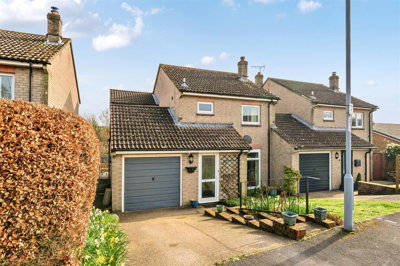
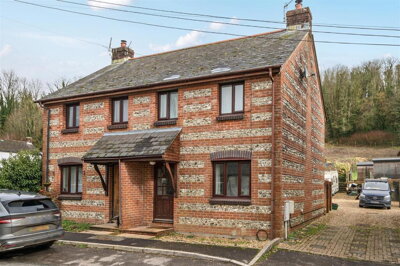
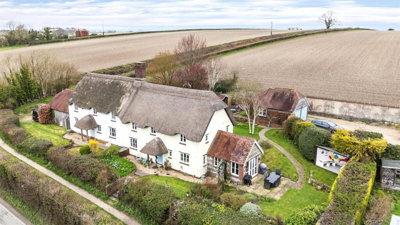
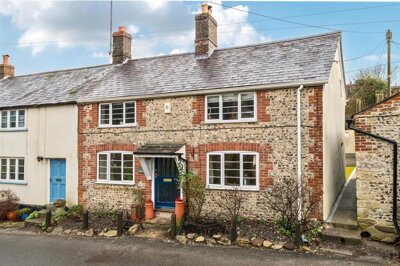
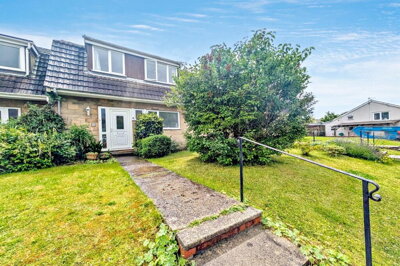
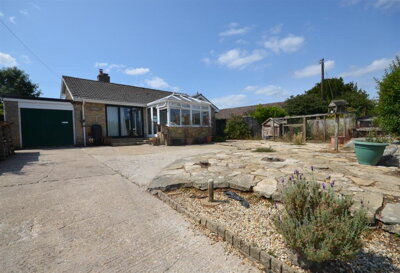
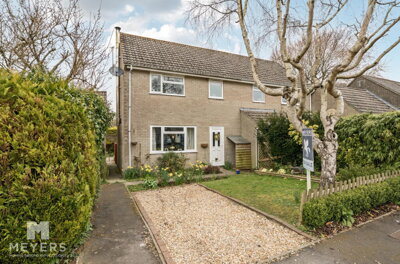
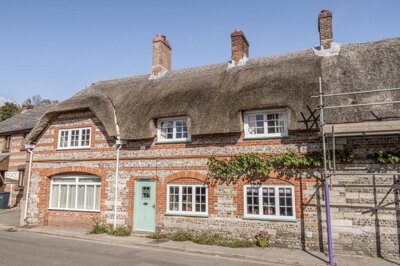
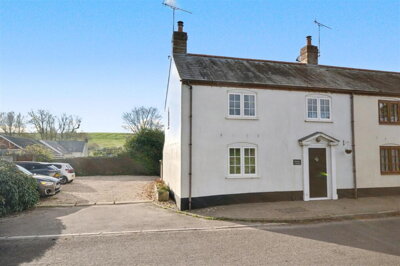
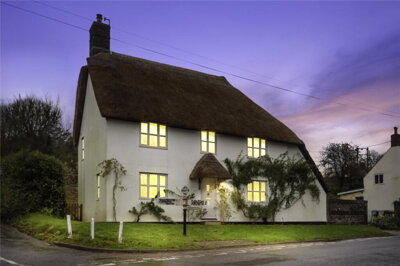
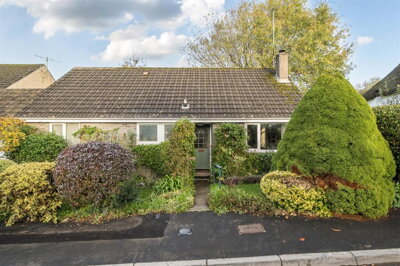
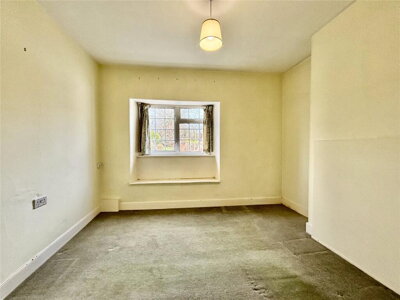
Browse 12 homes for sale in Piddletrenthide, Dorset from local estate agents.
Three bedroom properties represent a significant portion of the Piddletrenthide housing market, offering space for families with multiple reception rooms and gardens in many cases. Browse detached, semi-detached, and terraced options ranging from period character homes to contemporary developments.
£325k
3
0
55
Source: home.co.uk
Showing 3 results for 3 Bedroom Houses for sale in Piddletrenthide, Dorset. The median asking price is £325,000.
Source: home.co.uk
Semi-Detached
2 listings
Avg £465,000
Terraced
1 listings
Avg £325,000
Source: home.co.uk
Source: home.co.uk
The Piddletrenthide property market reflects the village's unique position as a premium rural Dorset location. Property prices have demonstrated steady growth over the longer term, with prices in the DT2 7QL postcode area rising by 20.7% over the past five years and an impressive 46.1% increase over the past decade. Recent market activity shows prices are currently 2% up on the previous year, though they remain 37% below the 2022 peak of £792,143. This correction presents a thoughtful entry point for buyers who recognise the enduring value of this exceptional village location, where scarcity of supply and strong demand for village properties typically underpin long-term value.
Semi-detached properties form the backbone of the local market, accounting for approximately 35% of transactions, with detached homes and terraced properties also well represented. The average price for a detached home in Piddletrenthide stands at £531,250, while semi-detached properties command around £427,500 and terraced homes average £445,000. These figures reflect the premium associated with period properties in this conservation village, where character-rich homes with original features command significant interest from buyers seeking an authentic Dorset village experience. The DT2 7QL postcode has recorded 37 property sales over the past 28 years, illustrating the deliberate pace of this market.
New build activity within the DT2 7 postcode area remains limited, with no active developments within Piddletrenthide itself. Prospective buyers interested in new build homes are typically directed to neighbouring Poundbury, approximately 10 miles away, where collections such as Peninsula View and Halstock Place offer modern 3 and 4 bedroom houses. This scarcity of new development within the village reinforces the value of period properties and underscores the importance of thorough property surveys given the age of much of the existing housing stock. The restricted development potential of the conservation area effectively caps supply, supporting prices for existing properties over the long term.
Buyer interest in Piddletrenthide typically comes from families seeking village life, retirees downsizing from larger properties, and London commuters who work from home several days per week. The intimate scale of the market means that properties rarely appear publicly, with many sales occurring through word-of-mouth or before listings reach major portals. Serious buyers should register with local estate agents operating in the Piddle Valley to receive early notification of new instructions.

Life in Piddletrenthide centres around the village street, characterised by predominantly two-storey buildings that showcase the architectural evolution from the 17th century through to modern times. The village sits in a scenic valley on the dip slope of the Dorset Downs, with the small River Piddle flowing through its heart. The chalk geology of the surrounding landscape produces the characteristic rolling hills and steeper slopes to the east of the village, creating a landscape that has inspired artists and poets for generations. Water meadows line the valley bottom, contributing to the village's rural charm while also serving as a reminder of the connection between settlement and watercourse.
The community spirit in Piddletrenthide reflects traditional Dorset values, with local employment centred around The Poachers Inn, widely regarded as the single largest employer in the valley. This beloved village pub provides food, accommodation, and a social hub for residents, with its popularity extending to visitors from across Dorset. The village maintains one remaining shop and post office, providing essential daily services for residents. Beyond these facilities, the valley supports walking trails that traverse the countryside, connecting Piddletrenthide with neighbouring villages including Piddlehinton, where a former Ministry of Defence camp has been converted to light industrial use providing modest local employment.
The surrounding area offers access to some of Dorset's most beautiful landscapes, with footpaths and bridleways crossing farmland and chalk downland. Cyclists also appreciate the challenging terrain, with steep climbs rewarded by extensive views across the Piddle Valley and beyond. For equestrian buyers, several properties in the village and surrounding parish offer stabling and paddock facilities, making Piddletrenthide particularly attractive to those who enjoy rural pursuits. The village's position within the Dorset AONB provides additional protection for the landscape setting, ensuring that the countryside character remains intact for future generations.
The Church of All Saints, Grade I listed and dating back to at least 1000 AD, provides the spiritual and historical heart of the community. Regular services, village events, and the churchyard itself form an integral part of village life. The surrounding conservation area protects the village's character, with planning restrictions ensuring that new development respects the established vernacular. For buyers, this means investing in a community where property values are protected by thoughtful stewardship of the built environment, and where the sense of place has been carefully preserved against unsympathetic change.

Families considering a move to Piddletrenthide will find educational provision within the surrounding Piddle Valley and broader Dorset area. The village's rural position means that primary education is typically accessed in nearby villages, with schools serving the valley communities. Piddle Valley First School in Piddlehinton provides education for younger children, while St Mary's Church of England First School in Chetnole serves families across the wider area. Parents should research current Ofsted ratings and consider catchment areas when planning a move, as rural school placements can be competitive.
Dorset maintains a strong reputation for educational quality, with schools in the county regularly performing well in national assessments. The comprehensive school system in Dorset includes The Grypton School in Dorchester, which serves students from Piddletrenthide and the surrounding villages. Secondary education options include schools in Dorchester, approximately 8 miles from Piddletrenthide, where students can access a broader curriculum and specialist facilities. The county also offers grammar school provision in certain areas, though entry is subject to the 11-plus examination and catchment considerations.
For families prioritising educational provision, viewing the full range of properties available across the DT2 postcode area reveals options at various price points that provide access to different school networks. Transport arrangements are a practical consideration, as school bus services operate from Piddletrenthide to secondary schools in Dorchester, though timings and routes should be confirmed before committing to a purchase. Further and higher education opportunities are readily accessible in Dorset, with colleges providing vocational and A-level courses in larger towns. The proximity to Dorchester, with its established educational infrastructure, means that families need not sacrifice academic opportunities when choosing village life.
Private schooling options also exist across Dorset, with several independent schools serving the region. Sherborne School, both for boys and girls, offers private education with board and day options, whilelda Porter's School in Blandford provides additional choice for families seeking independent provision. When budgeting for a move, families should factor in potential transportation costs if schools are not within walking distance of their chosen property, as well as school fees where applicable.
Transport connectivity from Piddletrenthide reflects its position as a rural Dorset village, with journey planning essential for residents who commute to work. The nearest mainline railway station is located in Dorchester South, approximately 8 miles away, offering connections to London Waterloo with journey times of approximately 2.5 hours. Dorchester West station provides additional services to Bristol and the West Country. This connectivity makes Piddletrenthide viable for commuters who can work flexibly or travel to the office on certain days, while enjoying a peaceful village environment for the majority of their time.
Bus services operate through the Piddle Valley, with the X10 service connecting villages with Dorchester and other market towns in the county. However, service frequencies are limited, with some routes operating only on specific days of the week, making private vehicle ownership effectively essential for most residents. The A35, Dorset's main east-west route, is accessible via the village road network, providing connections to Poole, Bournemouth, and the south coast. For daily commuting to major employment centres, the journey to Poole takes approximately 40 minutes, while Bournemouth is reachable in around 50 minutes under normal traffic conditions.
For air travel, Bournemouth Airport offers domestic and European flights, while Southampton Airport provides additional international connections within approximately an hour's drive. Bristol Airport, reachable in around two hours, offers a wider range of international destinations including transatlantic services. Cycling infrastructure in Dorset continues to develop, with rural lanes offering scenic routes for experienced cyclists. The county's commitment to sustainable transport means that walking and cycling are practical options for local journeys, particularly for visits to the village shop, pub, or church. National Cycle Route 25 passes through nearby sections of Dorset, providing connections to the wider cycling network.
For buyers considering the practicalities of daily life, a visit to the village at different times of day provides the best indication of how transport options will affect routine. Those working from home will find Piddletrenthide particularly well-suited, with the peaceful environment conducive to productive remote work and superfast broadband now available in many parts of the village. The combination of village character, natural beauty, and connectivity makes Piddletrenthide an increasingly popular choice for professionals who have flexibility in their working arrangements.
Start by understanding Piddletrenthide's unique property market. With only 6 sales in the past year, opportunities are rare and require prompt action when they arise. Study the conservation area restrictions, listed building requirements, and the prices achieved for similar period properties in the village. The DT2 7QL postcode area has seen 37 property sales over the past 28 years, illustrating the deliberate pace of this market and the patience required from serious buyers.
Before viewing any properties, secure a mortgage agreement in principle from a lender. This demonstrates your financial readiness to estate agents and sellers, strengthening your position when making an offer on a character property in this sought-after village. Given that many Piddletrenthide properties exceed £400,000, a substantial deposit and solid lending position will make your offer more competitive against other buyers.
View properties in person to appreciate the authentic character of village homes. Pay particular attention to the condition of thatched roofs, original features, and any signs of damp in solid-walled construction. Our platform connects you directly with local estate agents managing Piddletrenthide properties, ensuring you have access to the full range of homes currently available in this competitive village market.
Given the age of most properties in Piddletrenthide, a RICS Level 2 HomeBuyers Survey is essential. This survey identifies defects common in period properties, including damp, timber issues, and outdated electrics. With many homes built in the 17th and 18th centuries, specialist defects such as thatch deterioration, solid wall damp penetration, and original timber frame condition require professional assessment. Costs start from £375 for Dorset properties, rising to £600-900 for larger detached homes priced above £500,000.
Appoint a solicitor experienced in rural property transactions, particularly for listed buildings. They will handle local authority searches, check planning permissions, and ensure all conservation area requirements are met. The 31 listed buildings in Piddletrenthide mean that many transactions involve special conditions, and solicitor fees for listed building purchases typically range from £499 to over £1,000 plus VAT depending on complexity.
Once all checks are satisfied, your solicitor will coordinate the exchange of contracts and set a completion date. For properties along the River Piddle, ensure flood risk is adequately assessed in your property survey, particularly for homes situated near water meadows or the valley bottom where fluvial flooding potential exists.
Purchasing a property in Piddletrenthide requires careful attention to factors unique to this historic village. The prevalence of listed buildings means that any renovation or alteration work requires Listed Building Consent from Dorset Council, adding complexity and cost to home improvements. Before committing to a purchase, verify the property's listed status and understand the implications for future maintenance and modifications. Properties within the conservation area face additional planning controls designed to preserve the village's character, and permitted development rights may be more limited than in non-designated areas.
Flood risk warrants particular consideration given the village's position along the River Piddle. Properties situated near the river or water meadows face potential fluvial flooding, and this risk should be assessed during the survey process. The valley bottom areas are most susceptible, particularly during periods of heavy rainfall when the river can overflow its banks. A thorough RICS Level 2 survey will identify any existing signs of water damage or damp, which can be particularly problematic in period properties with solid walls. Specialist damp surveys may be recommended for older cottages where penetrating damp is suspected due to the construction methods used in 17th and 18th-century buildings.
Building materials in Piddletrenthide properties reflect centuries of local construction traditions, with flint, stone, render, and thatch all featuring prominently. Flint and stone construction, typical of the 17th and 18th-century cottages, requires specialist understanding of traditional building methods. The Manor House and South House feature rendered walls with hipped slate roofs, while many village cottages employ the traditional combination of flint cobble with lime mortar. Thatched properties require specialist maintenance and insurance considerations, with costs significantly higher than standard tile or slate roofs. When evaluating properties, obtain quotes for specialist tradespeople who understand traditional building methods, as these skills are less common than for modern construction.
Structural considerations for older properties include assessment of timber-framed elements, which may be hidden behind later plasterwork or panelling. Original beams, joists, and structural posts can be affected by woodworm or fungal decay if moisture has penetrated the building envelope. The chalk geology of the surrounding Dorset Downs generally presents a lower shrink-swell risk than clay-rich areas, reducing the likelihood of subsidence from ground movement. However, localised drainage issues or changes to nearby trees can still affect ground conditions. Our inspectors are experienced in assessing period properties across Dorset and understand the specific construction methods used in Piddletrenthide homes.
The average house price in Piddletrenthide stands at £499,583 based on recent sales data. Detached properties average £531,250, semi-detached homes command around £427,500, and terraced properties average £445,000. Prices in the DT2 7QL postcode have increased by 46.1% over the past decade, though they remain 37% below the 2022 peak of £792,143. The market is active but small, with only 6 sales recorded in the past twelve months. Properties in the village command a premium due to the conservation area status, limited development potential, and the exceptional character of period properties.
Properties in Piddletrenthide fall under Dorset Council's council tax system. Specific bandings depend on property valuation, but period cottages and village homes typically range across bands B through F, with many properties falling in bands C and D given their character and location. The village's historic properties and conservation area status do not affect council tax banding, though they do impact planning permissions and permitted development rights. Your solicitor can confirm the exact council tax band during the conveyancing process, and current charges can be verified on the Dorset Council website.
Piddletrenthide is a rural village, so primary education is accessed in nearby villages within the Piddle Valley catchment area. Piddle Valley First School in Piddlehinton serves younger children from the valley communities, while St Mary's Church of England First School in Chetnole provides another local option. Secondary schools are available in Dorchester, approximately 8 miles away, with The Grypton School serving students from across the surrounding area. Dorset schools generally perform well in national comparisons, and private options including Sherborne School are available for families seeking independent education. Parents should check current Ofsted ratings and consider transportation arrangements when evaluating properties.
Public transport options from Piddletrenthide are limited, reflecting its rural village location. Bus services including the X10 connect the village with Dorchester and surrounding communities, though frequencies are low with some routes operating on specific days only. The nearest mainline railway stations are in Dorchester, offering services to London Waterloo in approximately 2.5 hours from Dorchester South. Private vehicle ownership is effectively essential for most residents, though the village's position makes it viable for commuters working from home or with flexible arrangements. For those with longer-distance commuting requirements, the journey to London is manageable with advance planning.
Piddletrenthide offers strong fundamentals for property investment, supported by its conservation area status, limited development potential, and exceptional architectural heritage. Long-term price growth of 46.1% over the past decade demonstrates sustained demand for village properties in this sought-after Dorset location. The shortage of new build development within the village preserves the value of period homes, while the 31 listed buildings ensure a finite supply of character properties. Rental demand may be more limited due to the village's rural character and lack of commuting infrastructure, so capital appreciation may be the primary investment return rather than rental income. Properties with gardens, parking, and those suitable for families tend to attract the strongest resale interest.
Stamp duty rates for 2024-25 apply the standard thresholds: 0% on purchases up to £250,000, 5% between £250,001 and £925,000, 10% between £925,001 and £1.5 million, and 12% above £1.5 million. First-time buyers benefit from relief on purchases up to £425,000, paying 5% between £425,001 and £625,000. Given Piddletrenthide's average price of £499,583, most buyers will pay stamp duty at the 5% rate on the portion above £250,000, which amounts to £12,479 for a typical property priced at the village average. Additional land transaction taxes may apply depending on your circumstances.
Given the age and character of properties in Piddletrenthide, a professional survey is strongly recommended for any purchase. The majority of homes in the village date from the 17th and 18th centuries, with many being listed buildings within the conservation area. Common issues in this housing stock include penetrating damp in solid walls, thatched roof condition, timber defects such as rot and woodworm, and outdated electrical and plumbing systems. A RICS Level 2 HomeBuyers Survey starts from £375 for Dorset properties, rising to £600-900 for detached homes valued above £500,000. For more complex period properties or listed buildings, a RICS Level 3 Building Survey provides comprehensive structural assessment.
From £0
Finance your Piddletrenthide purchase
From £499
Expert legal support for your property purchase
From £375
Professional property survey for Piddletrenthide homes
From £85
Energy performance certificate for your new home
Buying a property in Piddletrenthide involves several costs beyond the purchase price that buyers should factor into their budget. Stamp duty, now formally known as Stamp Duty Land Tax (SDLT), applies to all property purchases above £250,000 at the standard rate of 5% on the portion between £250,001 and £925,000. For a typical Piddletrenthide property priced at the village average of £499,583, this results in stamp duty of approximately £12,479. First-time buyers purchasing properties up to £425,000 pay no stamp duty, with the 5% rate applying between £425,001 and £625,000, providing significant savings for those entering the property market.
Survey costs represent an important investment given the age and character of properties in Piddletrenthide. A RICS Level 2 HomeBuyers Survey, suitable for most period properties in reasonable condition, starts from £375 plus VAT for Dorset properties. For homes priced above £500,000, which includes many detached properties in the village, survey costs typically range from £600 to £900 depending on size and complexity. Properties with complex construction, extensive alterations, or significant defects may warrant a more detailed RICS Level 3 Building Survey, which provides comprehensive structural assessment and detailed recommendations for repairs and maintenance.
Conveyancing costs for Piddletrenthide purchases typically start from £499 plus VAT for standard transactions, though listed building transactions and conservation area properties may incur additional fees due to their complexity. The 31 listed buildings in the village mean that many purchases involve additional searches and compliance checks. Local search fees, Land Registry charges, and land transaction tax all contribute to the overall cost of purchasing. Buyers should budget for total additional costs equivalent to approximately 3-5% of the property purchase price, ensuring funds are available beyond the mortgage deposit. Obtaining a mortgage agreement in principle before searching for properties helps clarify your budget and demonstrates seriousness to sellers in this competitive village market.
Additional costs to budget for include removal expenses, potential renovation costs identified during survey, and the ongoing costs of maintaining a period property. Thatched properties, for example, require re-rthatching every 20-40 years at significant cost, while solid-walled cottages may need repointing and rendering maintenance. Buildings insurance for period properties can also be higher than standard premiums, and specialist insurers familiar with thatch and flint construction may need to be sought. factoring these ongoing costs into your budget ensures that the purchase remains affordable throughout your ownership.
Properties for Sale In London

Properties for Sale In Plymouth

Properties for Sale In Liverpool

Properties for Sale In Glasgow

Properties for Sale In Sheffield

Properties for Sale In Edinburgh

Properties for Sale In Coventry

Properties for Sale In Bradford

Properties for Sale In Manchester

Properties for Sale In Birmingham

Properties for Sale In Bristol

Properties for Sale In Oxford

Properties for Sale In Leicester

Properties for Sale In Newcastle

Properties for Sale In Leeds

Properties for Sale In Southampton

Properties for Sale In Cardiff

Properties for Sale In Nottingham

Properties for Sale In Norwich

Properties for Sale In Brighton

Properties for Sale In Derby

Properties for Sale In Portsmouth

Properties for Sale In Northampton

Properties for Sale In Milton Keynes

Properties for Sale In Bournemouth

Properties for Sale In Bolton

Properties for Sale In Swansea

Properties for Sale In Swindon

Properties for Sale In Peterborough

Properties for Sale In Wolverhampton

Enter your details to see if this property is within your budget.
Loans, cards, car finance
Estimated property budget
Borrowing + deposit
You could borrow between
Typical borrowing
Monthly repayment
Est. at 4.5%
Loan-to-value
This is an estimate only. Your actual budget may vary depending on interest rates, credit history, and personal circumstances. For an accurate affordability assessment, speak to one of our free mortgage advisors.
This calculator provides estimates for illustrative purposes only and does not constitute financial advice. Your home may be repossessed if you do not keep up repayments on your mortgage. Estimates based on 4.5% interest rate, repayment mortgage. Actual rates depend on your circumstances.
Homemove is a trading name of HM Haus Group Ltd (Company No. 13873779, registered in England & Wales). Homemove Mortgages Ltd (Company No. 15947693) is an Appointed Representative of TMG Direct Limited, trading as TMG Mortgage Network, which is authorised and regulated by the Financial Conduct Authority (FRN 786245). Homemove Mortgages Ltd is entered on the FCA Register as an Appointed Representative (FRN 1022429). You can check registrations at NewRegister or by calling 0800 111 6768.

We use cookies to show you personalised content and improve your experience of our website. Find out more in our Privacy policy and Cookie policy.