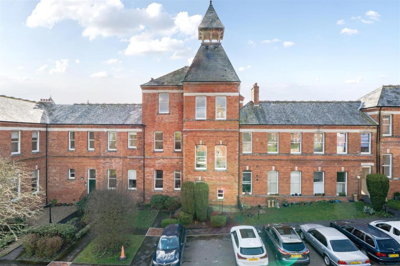
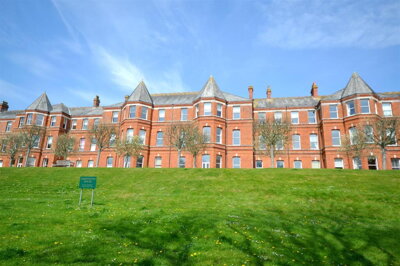
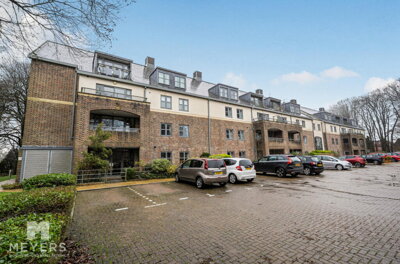
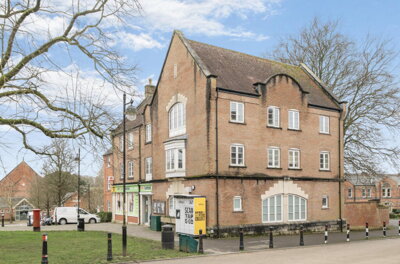
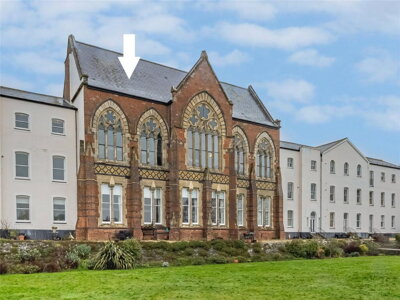
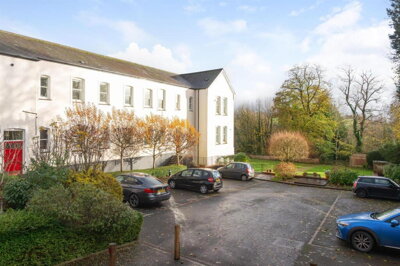
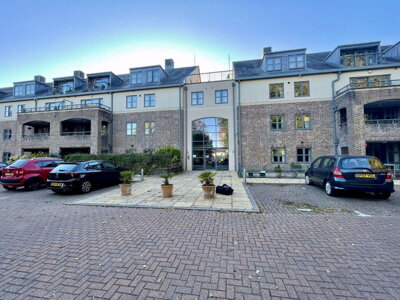
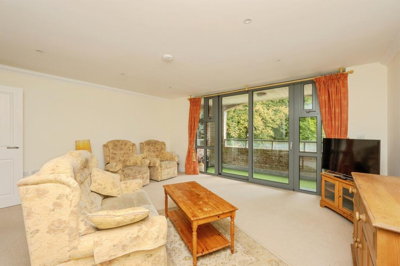
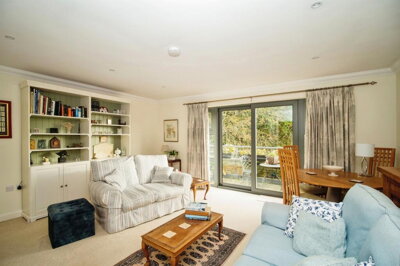
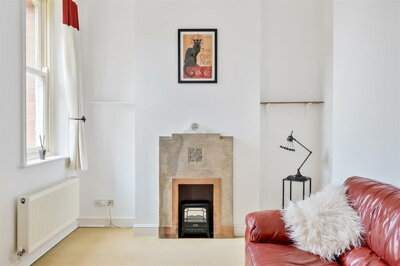
Browse 10 homes for sale in Piddlehinton, Dorset from local estate agents.
The 2 bed flat sector typically includes two separate bedrooms, dedicated living areas, and bathroom facilities. Properties in Piddlehinton span purpose-built blocks, converted period houses, and modern apartment complexes on various floors.
£0k
0
0
0
Source: home.co.uk
Showing 0 results for 2 Bedroom Flats for sale in Piddlehinton, Dorset.
The Piddlehinton property market reflects the character of the village itself, with a focus on period properties and traditional Dorset architecture. Recent sales data shows detached properties achieving an average price of £380,000, while semi-detached homes averaged £329,167 over the last twelve months. For the specific postcode area DT2 7TE, figures are slightly higher at £398,750, with detached properties averaging £430,000 and semi-detached properties at £367,500. These figures indicate a stable market with properties commanding premiums based on their position, size, and character features.
Price trends over the past year show a modest 3% decline compared to the previous twelve months, following a broader market adjustment from the 2021 peak of £513,450. This represents a 32% correction from the peak, making Piddlehinton potentially attractive to buyers seeking value in a conservation-conscious village setting. The majority of recent sales have comprised semi-detached properties, followed by detached homes, suggesting demand across different buyer profiles from first-time purchasers to growing families seeking more space.
New build activity within the Piddlehinton postcode area remains limited, with no active developments confirmed within the village itself. Buyers seeking newly constructed properties may wish to explore nearby Poundbury in the DT1 postcode area, where developments such as Peninsula View and Halstock Place offer modern alternatives. However, for buyers prioritising authentic character and heritage, the existing stock of late C17 and C18 properties in Piddlehinton provides rare opportunities to own homes built using traditional methods and local materials.
Our team regularly monitors the local market in the Piddle Valley, and we find that properties in Piddlehinton tend to attract buyers who appreciate the village's unspoilt character. The limited supply of available homes means that well-presented properties can achieve strong prices relative to comparable properties in larger settlements, while properties requiring modernisation may present genuine opportunities for buyers willing to invest in restoration.

Piddlehinton embodies the essence of rural Dorset village life, offering residents a close-knit community atmosphere within stunning natural surroundings. The village centre features a notable collection of historic buildings centred around the Grade I listed All Saints Church, a striking example of traditional English ecclesiastical architecture built with fine limestone from Ham Hill and Purbeck. The Grade II* listed Manor House stands as another architectural highlight, while the majority of listed buildings comprise houses and cottages dating from the late seventeenth and eighteenth centuries, creating an exceptionally well-preserved streetscape that has remained largely unchanged for generations.
The local economy benefits from the Enterprise Park, situated on the site of the former Piddlehinton Army Camp. Plans approved in May 2023 outline significant investment in the site, including the demolition of three Second World War buildings and construction of three new industrial blocks subdivided into fourteen smaller units for storage and commercial use. This development is expected to create local employment opportunities and strengthen the village's economic foundations, contributing to the long-term viability of Piddlehinton as a place to live and work. The presence of local employment options reduces the need for lengthy commutes while maintaining the village's peaceful character.
The surrounding landscape offers excellent opportunities for outdoor recreation, with the Piddle Valley providing scenic walking routes and access to the Dorset Area of Outstanding Natural Beauty. The river itself forms a natural focus for the village, though prospective buyers should note the area's susceptibility to high groundwater levels during prolonged wet periods. This geological characteristic affects all settlements along the Piddle Valley, including Piddlehinton, and can lead to flooding of roads and infrastructure during extreme weather events.
Community life in Piddlehinton revolves around traditional village activities and seasonal events that bring residents together throughout the year. The village hall hosts regular gatherings, while local footpaths provide connections to neighbouring communities including Piddletrentide, Tolpuddle, and Puddletown. For those relocating from urban areas, the pace of life represents a significant adjustment, but one that many buyers find rewarding once they establish connections within the local community.

Families considering a move to Piddlehinton will find educational provision primarily centred in nearby villages and towns within easy reach. The village itself does not host a primary school, with local primary education typically accessed in surrounding settlements such as Piddletrentide, Tolpuddle, or Puddletown. These village schools provide early years and Key Stage 1 education, serving the rural communities of the Piddle Valley with small class sizes that allow for individual attention and strong community connections between pupils and staff.
Secondary education options include schools in the nearby town of Dorchester, approximately 8 miles from Piddlehinton, which offers a range of secondary schools and sixth form colleges. Parents should verify current catchment areas and admissions criteria with Dorset Council, as these can change and may affect placement offers. The county's selective education system includes grammar schools in nearby towns, with students sitting the 11+ entrance examination to compete for places. Transport arrangements for secondary school pupils living in Piddlehinton typically involve school bus services or private transport, so families should factor this into their relocation planning.
For families prioritising educational excellence, researching individual school performance through Ofsted reports and league tables provides valuable insight into local options. The small scale of village primary schools often means strong results relative to their size, though parents seeking specific educational approaches or specialist facilities may wish to explore schools in larger nearby towns where greater resources and diverse curricula are available.
We have helped many families find properties in the Piddle Valley area, and our experience shows that school transport logistics significantly influence which villages prove most practical for family buyers. Properties along bus routes to Dorchester schools may offer advantages over more isolated locations, particularly during winter months when rural road conditions can affect journey times.
Transport connectivity from Piddlehinton relies primarily on road networks, with the village situated along the A356 and A37 roads providing access to surrounding towns and villages. The nearest mainline railway station is located in Dorchester, approximately 8 miles away, offering direct services to London Waterloo, Bristol, and the South Coast. From Dorchester South, journeys to the capital take approximately 2 hours 30 minutes, making day commuting feasible for those working in London while enjoying the benefits of rural village living.
Bus services operated by First Dorset and local operators provide connections between Piddlehinton and nearby towns including Dorchester, Yeovil, and Sherborne. However, rural bus services typically operate with reduced frequency compared to urban routes, often with last departures early in the evening and limited Sunday services. Residents without private vehicles should carefully review current timetables and consider whether the available services meet their commuting and shopping needs before committing to a property purchase. The nearest major motorway access is the A35, connecting to the M27 and M3 for travel towards Southampton and beyond.
For those who drive, Piddlehinton benefits from reasonable access to the Jurassic Coast, approximately 20 miles to the south, and the wider Dorset countryside in all directions. The village's position within the Piddle Valley means some country roads may be narrow and require care when passing, while winter weather can occasionally affect road conditions in exposed areas. Parking within the village is generally adequate for residential purposes, though visitors during summer weekends may find spaces more limited as the area attracts day-trippers and walking groups.
The A356 provides the main route north towards Yeovil, while the A37 continues north-east through Dorchester to connect with the A303 for access to the M3 corridor towards London. For buyers working in Exeter or Plymouth, the A30 offers a direct route westwards. Understanding these connections helps buyers assess practical commuting options alongside the village's rural character.
Understanding the traditional building materials used throughout Piddlehinton helps buyers appreciate the village's distinctive character and assess maintenance requirements for period properties. Buildings in the village commonly feature brick, flint, and cob, with chalk block occasionally found in conjunction with flint. External render appears on some properties, while traditional lime-based renders on older buildings require different maintenance approaches compared to modern cement-based alternatives. These materials reflect centuries of building tradition using locally sourced resources available in the Piddle Valley.
Thatch represents a particularly significant feature of Piddlehinton's architecture, covering approximately 20% of buildings within the conservation area. This traditional roofing material requires specialist insurance coverage and more frequent maintenance than modern alternatives, with typical lifespans between 20 and 30 years depending on materials and workmanship. Properties with thatched roofs command recognition for their heritage value, and we find that prospective buyers often underestimate the ongoing maintenance commitment that these distinctive roofs require.
The parish church of All Saints provides an exception to the predominant building materials, being constructed with fine limestone imported from Ham Hill and Purbeck. This limestone also features in larger, "polite" houses built for wealthier residents of the village, creating an architectural hierarchy that remains visible in the streetscape today. Early pre-C19 houses were often constructed one room deep, using flint and rubble with cob walling techniques that created characterful but sometimes vulnerable structures requiring specialist repair approaches.
Our inspectors frequently encounter properties in Piddlehinton where traditional building materials require assessment alongside modern defects. When evaluating any property in the village, we recommend paying particular attention to the condition of flint and cob walling, checking for signs of water ingress or structural movement that could indicate underlying issues with these traditional construction methods.
Before arranging viewings, spend time exploring Piddlehinton at different times of day and week. Visit local shops, check commute times to your workplace, and speak to residents about village life. Pay particular attention to the flood risk associated with high groundwater levels in the Piddle Valley, and consider how this might affect any property you are considering. Understanding the village's rhythm before committing to a purchase helps ensure the lifestyle matches your expectations.
Contact mortgage lenders to obtain an Agreement in Principle before viewing properties. Given the village's period property stock, ensure your mortgage lender is comfortable with older properties and any unique construction methods such as cob walling or thatched roofs. Having your finance in place demonstrates seriousness to sellers and speeds up the purchasing process once you find your ideal home. Some lenders require additional surveys for non-standard construction, so establishing these requirements early prevents delays during the transaction.
When viewing properties in Piddlehinton, take notes on construction materials including flint, brick, cob, and thatch. Ask about the history of any flooding or high groundwater issues, and check the condition of septic tanks and drainage systems which are particularly vulnerable in this area. Consider arranging a RICS Level 2 Survey before proceeding, as these reports identify damp, timber defects, and subsidence issues common in period properties. The investment in a professional survey typically costs between £400 and £1,000 depending on property value, but provides essential information for negotiating price or requesting repairs.
Once you have found a property you wish to purchase, your estate agent will help you submit an offer. Given the modest 3% price reduction over the past year and the 32% decline from the 2021 peak, there may be room for negotiation, particularly for properties that have been on the market for some time. Factor in any repairs or upgrades identified during viewings when agreeing your final price. For listed buildings, also factor in the additional costs and restrictions that come with listed building consent requirements for any works.
Your conveyancing solicitor will handle all legal aspects of the purchase, including local authority searches, title checks, and coordination with your mortgage lender. Given Piddlehinton's conservation area status and the number of listed buildings, your solicitor should conduct additional searches regarding planning permissions, listed building consents, and any enforcement notices that might affect the property. Specialist solicitors experienced with period properties and conservation areas can navigate these complexities more efficiently.
Once all enquiries are resolved and your mortgage offer is confirmed, you will exchange contracts and pay your deposit. Completion typically follows within days or weeks, depending on your agreed timeline. Arrange your building contents insurance to start from the completion date, as lenders require this before releasing mortgage funds. For thatched properties, ensure your insurer has experience with traditional roofing materials to avoid coverage gaps.
Purchasing a property in Piddlehinton requires careful attention to local-specific factors that may not be apparent in standard property searches. The village's location in the Piddle Valley means groundwater flooding represents a genuine risk during periods of sustained rainfall, potentially affecting basements, septic tanks, and ground floor accommodation. Prospective buyers should ask vendors directly about any historical flooding incidents and review Environment Agency flood risk data before committing to a purchase. Properties in lower-lying positions near the river require particularly thorough investigation of drainage and flood resilience measures.
The prevalence of traditional building materials in Piddlehinton requires specialist understanding when assessing property condition. Thatched roofs, while charming and traditional, require specialist insurance coverage and more frequent maintenance than modern alternatives, with typical lifespans between 20 and 30 years depending on materials and workmanship. Flint and cob walling can provide excellent insulation and character but may require ongoing maintenance to prevent water ingress. A RICS Level 2 Survey is particularly valuable for period properties in this village, as surveyors are trained to identify issues specific to traditional construction methods.
Listed building status affects approximately 31 properties in the village, with owners required to obtain consent from Dorset Council before making alterations to the property's exterior or significant structural changes. This restriction preserves the village's character but can limit renovation options and add complexity to improvement projects. Insurance costs for listed buildings may also be higher due to the specialized materials and methods required for repairs. Leasehold arrangements are relatively uncommon in Piddlehinton given the village's predominantly freehold housing stock, but buyers should always verify tenure and check for any unusual covenants or restrictions in the title deeds.
We always recommend that buyers budget for a professional survey when purchasing in Piddlehinton, regardless of property condition or price. The age of the housing stock and the prevalence of traditional construction methods mean that defects may not be immediately apparent during a casual viewing. A thorough survey provides the information needed to make an informed decision and negotiate appropriately with sellers.
The average sold price for a property in Piddlehinton over the last 12 months is £349,500. Detached properties average £380,000 while semi-detached homes sell for around £329,167. Prices in the DT2 7TE postcode area average £398,750, with detached properties reaching approximately £430,000. The market has seen a 3% decline over the past year following a 32% correction from the 2021 peak of £513,450, potentially creating buying opportunities for those seeking properties in this conservation village. The price correction from the 2021 peak means buyers today benefit from more accessible entry points compared to recent years.
Properties in Piddlehinton fall under Dorset Council's council tax system. The specific band depends on the property's valuation, with period cottages and smaller terraced properties typically falling into bands A to C, while larger detached houses and farmhouses may be in higher bands D to F. Prospective buyers should check the current banding for any specific property through the Valuation Office Agency website or request this information during enquiries. Council tax bands affect ongoing monthly costs and should be factored into the overall budget when comparing properties.
Piddlehinton itself does not have a primary school, with local primary education typically accessed in nearby villages such as Piddletrentide, Tolpuddle, or Puddletown. Secondary schools are available in Dorchester, approximately 8 miles away, including options with sixth form provision. Families should verify current catchment areas with Dorset Council, as these can affect school placement. The nearest grammar schools are located in the larger towns of Dorset, with entrance determined by the 11+ examination. School transport arrangements from Piddlehinton to secondary schools require planning, and families should confirm bus routes and schedules before committing to a property purchase.
Public transport options in Piddlehinton are limited due to its rural village setting. The nearest railway station is in Dorchester, approximately 8 miles away, offering direct services to London Waterloo and Bristol. Bus services operated by First Dorset connect Piddlehinton to surrounding towns, though frequencies are reduced compared to urban routes. Most residents rely on private vehicles for daily commuting and activities, so buyers without cars should carefully review current bus timetables to ensure they meet their needs. The journey time from Dorchester to London Waterloo by train takes approximately 2 hours 30 minutes, making occasional commuting feasible for those with roles requiring London presence.
Piddlehinton offers several attractive features for property investment, including its location within the Dorset Area of Outstanding Natural Beauty, strong conservation ethos, and proximity to the historic town of Dorchester. The village's period property stock appeals to buyers seeking character homes, and the ongoing development of the Enterprise Park may strengthen local employment opportunities. However, the flood risk associated with high groundwater levels and limited public transport options represent factors that could affect future values, so investors should weigh these considerations carefully. Period properties in conservation areas typically retain value well when maintained properly, though the limited pool of potential buyers for specialist properties like thatched cottages should be considered.
Stamp Duty Land Tax rates from April 2024 are 0% on the first £250,000 of property value, 5% between £250,001 and £925,000, 10% between £925,001 and £1.5 million, and 12% above £1.5 million. Given Piddlehinton's average price of £349,500, most buyers would pay approximately £4,975 in stamp duty on a property at this price point. First-time buyers may benefit from relief on properties up to £625,000, reducing costs to around £2,375 on a £349,500 purchase. Your solicitor will calculate the exact amount based on your circumstances and property price. Additional relief may apply for properties purchased in designated areas, so buyers should confirm eligibility with their solicitor.
Piddlehinton faces significant risk of groundwater flooding due to its location in the Piddle Valley, where high groundwater levels frequently affect properties during prolonged wet periods. This can lead to flooding of roads, septic tanks, and sewer systems. Properties in lower-lying areas near the River Piddle face elevated risk. The Environment Agency provides detailed flood risk mapping online, and buyers should review this data alongside property-specific drainage surveys. Buildings insurance may also be more expensive for properties with a known flood history, so obtaining insurance quotes before completing a purchase allows for accurate budgeting of ongoing costs.
Understanding the full cost of purchasing property in Piddlehinton requires careful consideration of stamp duty alongside other expenses such as legal fees, survey costs, and moving expenses. The current Stamp Duty Land Tax thresholds from April 2024 set the nil rate band at £250,000 for all buyers. For a property priced at Piddlehinton's average of £349,500, this means stamp duty applies to the remaining £99,500 at 5%, resulting in a tax liability of £4,975. Properties priced above £925,000 incur higher rates of 10% on the portion between £925,001 and £1.5 million, and 12% above that threshold.
First-time buyers purchasing properties up to £625,000 benefit from increased relief, with the nil rate threshold raised to £425,000. This means a first-time buyer purchasing at the average Piddlehinton price of £349,500 would pay stamp duty on just £0, potentially saving the full £4,975. However, first-time buyer relief does not apply to properties above £625,000, so buyers purchasing higher-value detached properties averaging £380,000 should budget for reduced relief of approximately £2,375. Non-first-time buyers do not qualify for this relief regardless of property price.
Beyond stamp duty, buyers should budget for solicitor conveyancing fees typically ranging from £500 to £1,500 depending on complexity, with additional costs for local searches, land registry fees, and telegraphic transfer charges. A RICS Level 2 Survey costs between £400 and £1,000 depending on property value, with higher-priced Piddlehinton properties potentially at the upper end of this range. An Energy Performance Certificate costs from £85 and is legally required before marketing. Building insurance must be in place from completion, and buyers with mortgages will need to arrange this alongside their lender's requirements. Setting aside approximately 3% to 5% of the property price for these additional costs provides a realistic budget for the total purchase expense.
We always advise buyers to obtain quotes for all associated costs before finalising their budget calculations. The complexity of period properties in Piddlehinton, particularly those with listed building status or non-standard construction, can generate additional legal work that increases solicitor fees beyond initial estimates. Planning for these potential costs helps avoid financial surprises during the transaction process.
Secure your property finance before viewing
From 4.5%
Expert solicitors for your Piddlehinton purchase
From £499
Professional survey tailored to Piddlehinton's period properties
From £400
Energy performance certificate for your new home
From £85
Properties for Sale In London

Properties for Sale In Plymouth

Properties for Sale In Liverpool

Properties for Sale In Glasgow

Properties for Sale In Sheffield

Properties for Sale In Edinburgh

Properties for Sale In Coventry

Properties for Sale In Bradford

Properties for Sale In Manchester

Properties for Sale In Birmingham

Properties for Sale In Bristol

Properties for Sale In Oxford

Properties for Sale In Leicester

Properties for Sale In Newcastle

Properties for Sale In Leeds

Properties for Sale In Southampton

Properties for Sale In Cardiff

Properties for Sale In Nottingham

Properties for Sale In Norwich

Properties for Sale In Brighton

Properties for Sale In Derby

Properties for Sale In Portsmouth

Properties for Sale In Northampton

Properties for Sale In Milton Keynes

Properties for Sale In Bournemouth

Properties for Sale In Bolton

Properties for Sale In Swansea

Properties for Sale In Swindon

Properties for Sale In Peterborough

Properties for Sale In Wolverhampton

Enter your details to see if this property is within your budget.
Loans, cards, car finance
Estimated property budget
Borrowing + deposit
You could borrow between
Typical borrowing
Monthly repayment
Est. at 4.5%
Loan-to-value
This is an estimate only. Your actual budget may vary depending on interest rates, credit history, and personal circumstances. For an accurate affordability assessment, speak to one of our free mortgage advisors.
This calculator provides estimates for illustrative purposes only and does not constitute financial advice. Your home may be repossessed if you do not keep up repayments on your mortgage. Estimates based on 4.5% interest rate, repayment mortgage. Actual rates depend on your circumstances.
Homemove is a trading name of HM Haus Group Ltd (Company No. 13873779, registered in England & Wales). Homemove Mortgages Ltd (Company No. 15947693) is an Appointed Representative of TMG Direct Limited, trading as TMG Mortgage Network, which is authorised and regulated by the Financial Conduct Authority (FRN 786245). Homemove Mortgages Ltd is entered on the FCA Register as an Appointed Representative (FRN 1022429). You can check registrations at NewRegister or by calling 0800 111 6768.

We use cookies to show you personalised content and improve your experience of our website. Find out more in our Privacy policy and Cookie policy.