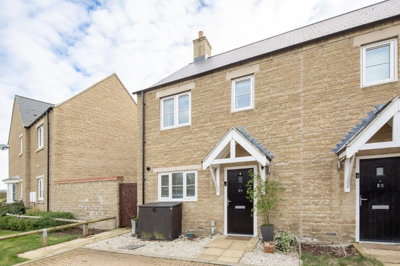
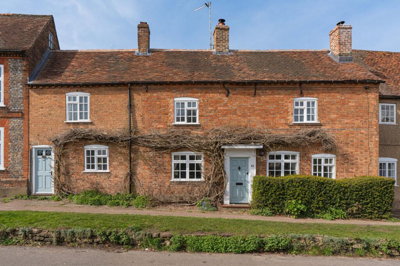
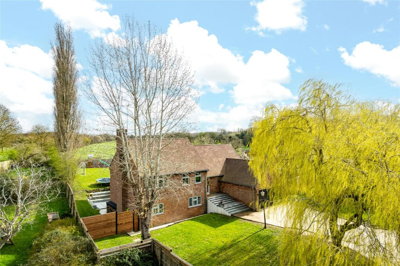
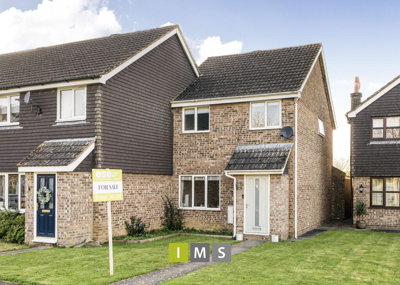
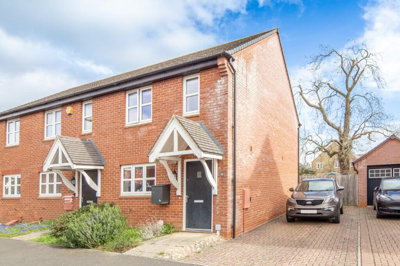
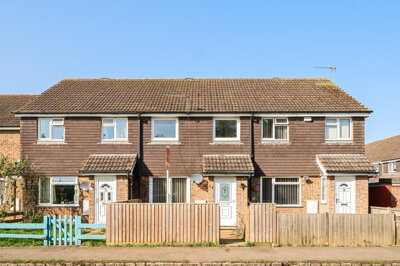
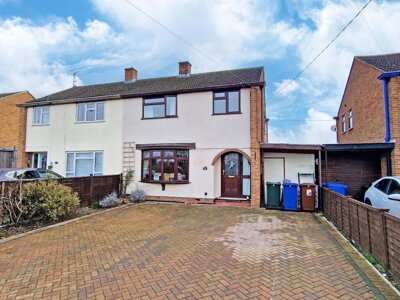
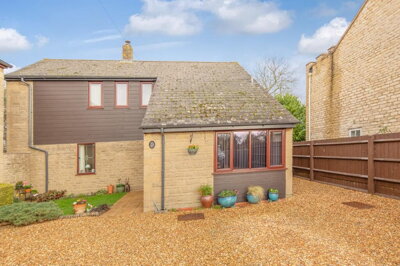
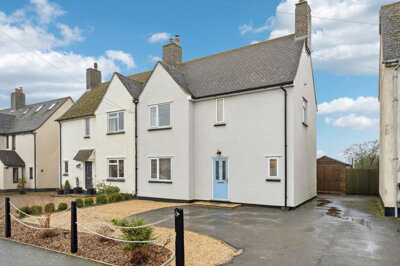
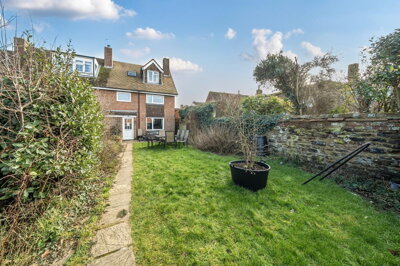
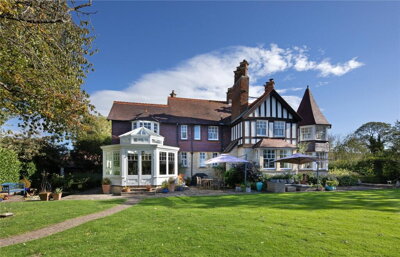
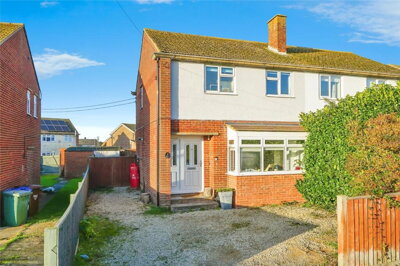
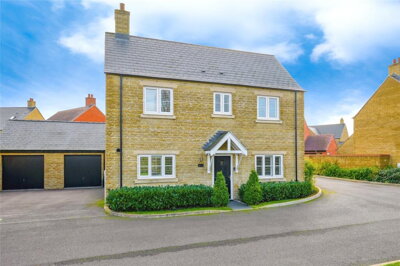
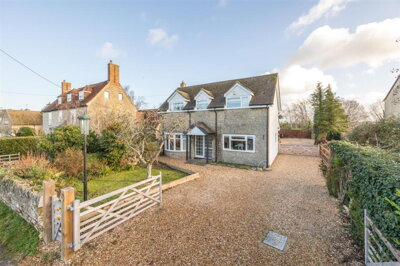
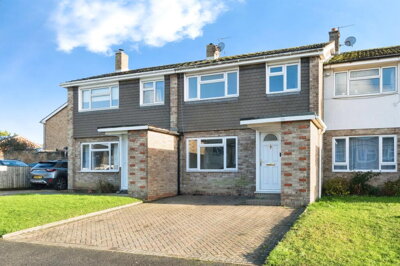
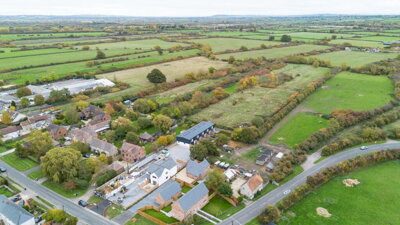
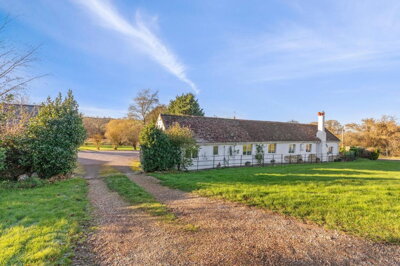
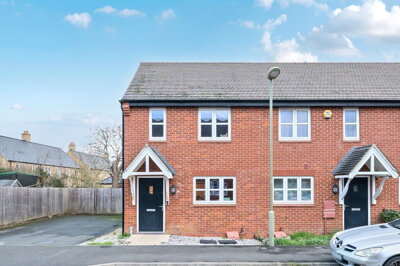
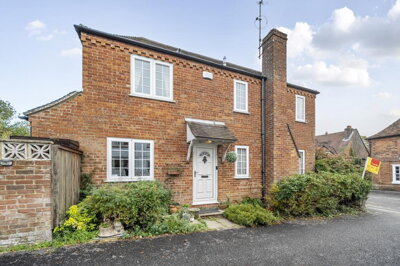
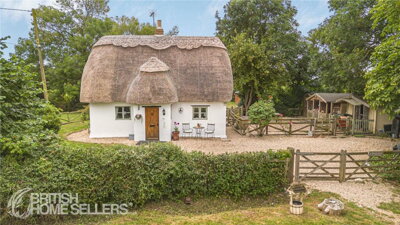
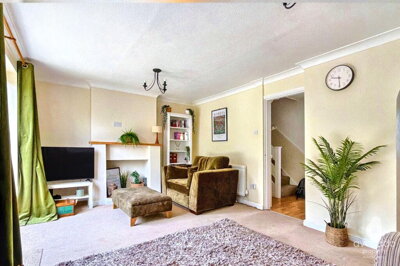
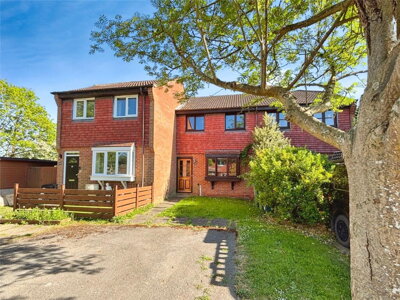
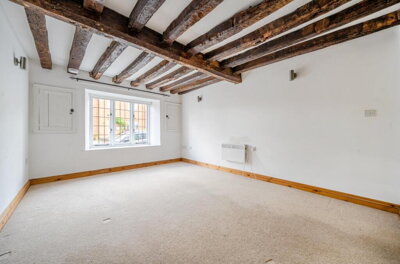
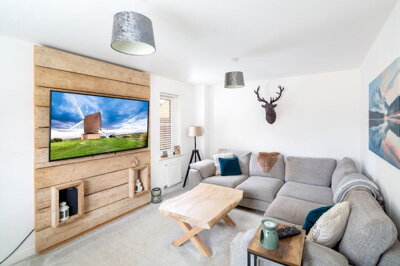
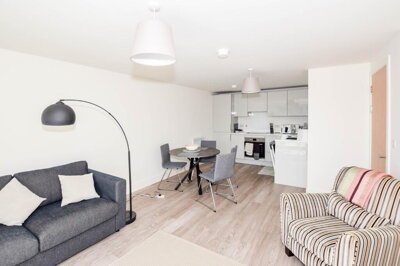
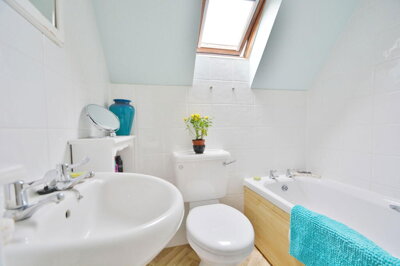
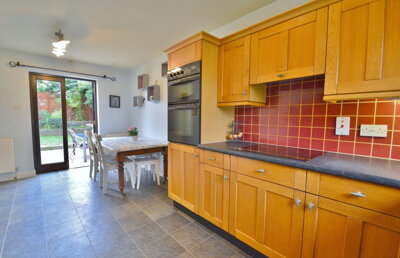
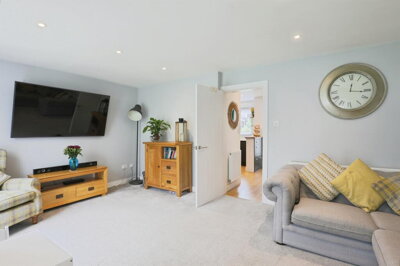
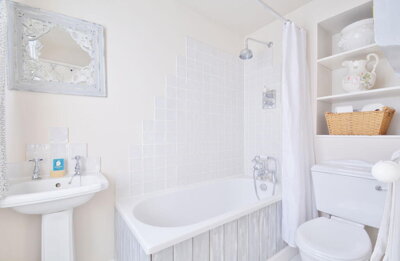
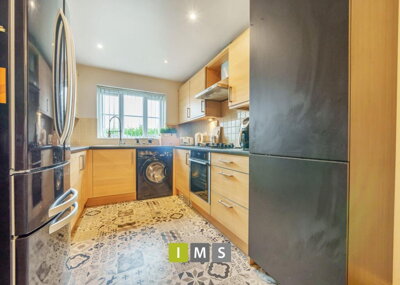
Browse 32 homes for sale in Piddington, Cherwell from local estate agents.
The Piddington property market offers detached, semi-detached, and terraced houses spanning various price ranges and neighbourhoods. Each listing includes detailed property information, photographs, and direct contact with the marketing agent.
£2.30M
1
0
77
Source: home.co.uk
Showing 1 results for Houses for sale in Piddington, Cherwell. The median asking price is £2,300,000.
Source: home.co.uk
Detached
1 listings
Avg £2.30M
Source: home.co.uk
Source: home.co.uk
The Piddington property market has experienced notable price corrections in recent years, creating potential opportunities for buyers entering the market. Current data shows the overall average property price sits around £486,250, with detached houses commanding prices of approximately £452,500 and semi-detached properties averaging around £520,000. These figures represent a significant adjustment from the 2023 peak of £1,011,667, with prices declining by approximately 46% from that high point. Over the past year alone, values have fallen by around 28% compared to the previous year, according to Rightmove market analysis. Plumplot data indicates approximately 16 properties sold in the village over the past year, with around 4 sales recorded in the most recent month, suggesting a measured but active market.
Property sales in Piddington are dominated by detached homes, which account for approximately 60% of all transactions in the area. This reflects the village's rural character and the preference among buyers for generous plot sizes and spacious accommodation. Semi-detached properties make up much of the remainder, while terraced homes and flats remain relatively scarce in this traditional Oxfordshire village. The limited supply of smaller properties means that Piddington tends to attract families and buyers seeking space rather than first-time buyers looking for entry-level homes. For investors, the scarcity of rental properties in the village could present opportunities, though the tight-knit nature of the community and limited new development suggests strong long-term demand for the right properties.
The village's housing stock reflects its historical origins, with many properties constructed using traditional Oxfordshire materials. Properties like Gwith Cottage, a Grade II listed building, showcase the local vernacular of limestone rubble walls with wooden lintels and thatched roofs. These traditional construction methods require specific maintenance knowledge, and our inspectors regularly encounter issues related to aging materials in properties throughout the village. The prevalence of older construction means that comprehensive surveys are particularly valuable for buyers in Piddington, as hidden defects in traditional buildings can be costly to rectify. The Piddington borehole, which monitors local groundwater levels, provides important environmental data that affects property conditions in the area, with levels currently recorded as normal but rising.
Limited new development in the village ensures that supply remains constrained, supporting property values over the medium to long term. Recent planning permissions in the OX25 area include conversions rather than new-build developments, such as the change of use from a public house on Thame Road to a five-bedroom family dwelling. This lack of new housing stock means buyers seeking Piddington properties are competing for a finite number of homes, which can lead to competitive situations when well-presented properties come to market. Our local knowledge helps buyers understand the true value of properties across different conditions and specifications, ensuring informed purchasing decisions.

Life in Piddington revolves around community connections and the appreciation of Oxfordshire's rolling countryside. The village maintains its agricultural heritage, with farms and fields forming the backbone of the local landscape. Medieval origins are evident throughout the parish, most notably in the Grade II* listed St. Nicholas' parish church, whose Early English chancel dates to around 1300. The chapel's long history reflects the enduring appeal of this settlement, which has attracted residents for centuries. Traditional building materials such as limestone rubble and thatch remain visible in period properties, exemplifying the craftsmanship of earlier generations.
Local amenities in Piddington itself are limited, reflecting its small scale, but essential services are readily accessible in nearby Bicester. The market town offers comprehensive shopping facilities, supermarkets, healthcare services, and recreational amenities within a short drive. Bicester Village, one of the most successful outlet shopping destinations in Europe, draws visitors from across the region and contributes to the local economy. For days out, residents can explore the surrounding Oxfordshire countryside, with footpaths and bridleways providing opportunities for walking and cycling throughout the parish and beyond.
The village's proximity to the A40 and A41 provides good road connections, while Bicester Village railway station offers regular services to London Marylebone and Oxford. The combination of rural charm and practical accessibility makes Piddington an attractive base for those who value both countryside living and connectivity to major urban centres. Oxfordshire's diverse economy, which includes strengths in automotive manufacturing, technology, and research, provides employment opportunities across various sectors. The proximity to Oxford's world-renowned university also means access to cultural amenities, theatres, restaurants, and sporting facilities that rival those of much larger cities.

Families considering a move to Piddington will find a range of educational options available within reasonable travelling distance. The village falls within the Cherwell district's catchment area, with several primary schools serving the local community. Parents should research individual school catchments and admissions criteria, as these can vary significantly depending on proximity and available spaces. The surrounding villages and Bicester itself host numerous primary schools, many of which have achieved good or outstanding Ofsted ratings in recent inspections. Schools in nearby villages such as Launton, Ambrosden, and Chesterton serve the wider Piddington catchment area and provide primary education within a manageable commute.
Secondary education options in the area include schools in Bicester and surrounding towns, offering a choice of academy, grammar, and comprehensive schools. Parents seeking grammar school places should note that Buckinghamshire operates a selective system, but Oxfordshire does not have a grammar school network, meaning secondary education is provided through comprehensive schools in this area. For sixth form and further education, Bicester offers several options, while the world-renowned universities of Oxford are accessible for older students requiring higher education. The proximity to Oxford also means that independent schooling options are available for families seeking alternatives to the state system.
Transport arrangements for secondary school pupils typically involve school buses or family transport, as the village's small population means most secondary-aged children travel to schools in nearby towns. The school bus network connects Piddington to secondary schools in Bicester, with services operating on weekday mornings and afternoons during term time. Parents should factor travel times into their decision-making, particularly for younger children who may find longer journeys more challenging. When purchasing property in Piddington, families should confirm current school catchments and admissions policies, as these can change and directly impact property values in specific areas of the village.
Commuting from Piddington is straightforward thanks to excellent road and rail connections to major destinations. The village sits near the A40, a key arterial route connecting Oxford to London, providing direct access to the capital and surrounding towns. The A41 also offers connections to Bicester and beyond, while the M40 motorway is accessible within a short drive, linking Piddington to Birmingham, Coventry, and the wider motorway network. Road users benefit from the village's position between Oxford and Bicester, with both towns offering comprehensive amenities and employment opportunities. Traffic levels on local roads are generally lighter than major urban areas, making daily commuting more pleasant than in congested city locations.
Rail services from nearby Bicester Village station provide regular connections to London Marylebone, with journey times of approximately 50 minutes. The station has undergone significant improvements in recent years, including the opening of the Western Chord, which has increased service frequency and reliability. Oxford station offers additional rail connections, including services to Reading, Birmingham, and the south coast. For air travel, Birmingham Airport and London Heathrow are both accessible within approximately 90 minutes by car, while Luton Airport offers another option for international travel.
Local bus services connect Piddington to Bicester and surrounding villages, though frequency is limited compared to urban areas, making car ownership practical for most residents. The village's rural position means that essential services such as GP surgeries, dentists, and supermarkets require a short drive to access. Cyclists can access local routes, though the rural nature of surrounding roads requires caution during off-peak hours. Many residents find that the village's position allows for a flexible lifestyle, combining remote working opportunities with occasional commuting for face-to-face meetings or office requirements.
Spend time exploring Piddington at different times of day and week to understand the community atmosphere. Visit local amenities in Bicester, check journey times to your workplace, and speak with existing residents about their experience of living in the village. Review recent sold prices and current listings to gauge market conditions and identify properties matching your requirements. Our team can provide insight into specific developments and property types that frequently appear in the local market.
Before arranging viewings, obtain a mortgage agreement in principle from a lender or broker. This document confirms how much you can borrow and strengthens your position when making offers. In the current market, sellers increasingly expect buyers to have financing in place, and having this ready demonstrates your seriousness and capability to proceed quickly. We work with mortgage advisers who understand the Oxfordshire property market and can help structure your borrowing effectively.
Work with local estate agents to arrange viewings of properties matching your criteria. Take notes during each viewing and ask about the property's history, any renovation work undertaken, and reasons for selling. Consider visiting properties more than once before deciding, and always view in good weather and poor conditions to assess the property comprehensively. Pay particular attention to the condition of traditional features such as thatched roofs, limestone walls, and period windows that may require specialist maintenance.
Before completing your purchase, arrange a RICS Level 2 Home Survey for the property. This is particularly important for older homes in Piddington, many of which date from the medieval period or earlier and may have traditional construction methods requiring specialist assessment. The survey identifies defects, structural issues, and maintenance requirements, providing valuable negotiating information and ensuring you understand the true cost of ownership before committing to purchase.
Once your offer is accepted, instruct a solicitor or licensed conveyancer to handle the legal aspects of your purchase. They will conduct searches, review contracts, and liaise with the seller's representatives to ensure a smooth transaction. Choose a solicitor with experience in Oxfordshire property transactions and ensure they understand any local considerations relevant to rural properties, including rights of way, agricultural restrictions, and listed building implications.
The final stages involve exchanging contracts, when your deposit becomes non-refundable, and completing the purchase, when you receive the keys to your new home. Your solicitor will coordinate these stages with all parties, and your mortgage lender will release funds for completion. Plan your move carefully, considering access for removal vehicles and any immediate work required on the property. Our inspectors recommend scheduling a follow-up property inspection shortly after moving in to document any issues that may have arisen during the transaction process.
Buying property in a historic village like Piddington requires careful consideration of several location-specific factors. Properties in the village may be subject to conservation area restrictions or fall within the curtilage of listed buildings, which can limit permitted development rights and require planning consent for alterations. Before purchasing, verify whether the property is listed or within a conservation area, and understand the implications for any future renovation or extension plans. The presence of traditional building materials such as limestone, thatch, and traditional timber framing means that maintenance requirements may differ from modern properties, and specialist contractors may be needed for repairs.
Environmental considerations are particularly relevant for Piddington buyers. The village sits in an area with shrink-swell clay soils, which can cause movement in properties with shallow foundations, particularly during periods of drought or heavy rainfall. The British Geological Survey predicts that properties affected by shrink-swell subsidence will increase from 3% in 1990 to 6.5% by 2030, making foundation condition assessment essential for older properties. Our inspectors pay particular attention to crack patterns and the condition of drains and gutters when surveying homes in this area, as these often reveal early signs of structural movement.
Groundwater levels in Oxfordshire are monitored through local boreholes, and properties in low-lying areas may be susceptible to flooding, so appropriate insurance should be arranged. The Piddington borehole monitors local groundwater conditions, providing important data for understanding the local environment. Given the village's age and the prevalence of traditional construction, electrical systems and plumbing may require updating to meet current standards, and surveys should specifically assess these elements. Our team has experience identifying common defects in traditional Oxfordshire properties, including dampness caused by inadequate waterproofing, roof deterioration in older coverings, and outdated electrical installations that may not meet current regulations.
Properties requiring particular attention during survey include those with thatched roofs, which may harbor wood-boring insects or suffer from deterioration in roof timbers, and limestone-rubble walled properties where mortar pointing may have eroded over time. Properties near agricultural land may have drainage systems affected by historic land use, and our inspectors check for signs of subsidence, heave, or settlement that could indicate foundation problems. A thorough RICS Level 2 survey will assess all these elements and provide you with a detailed picture of the property's condition before you commit to purchase.
Our inspectors regularly encounter specific defects when surveying homes in Piddington, reflecting the village's historic building stock and local environmental conditions. Dampness is one of the most common issues identified in older properties throughout the area, often caused by inadequate waterproofing, poor ventilation, or deteriorated plumbing systems. The traditional construction methods used in many Piddington homes, including solid walls without cavity insulation, make them more susceptible to penetrating damp and condensation compared to modern properties.
Roof deterioration affects many older homes in the village, with traditional slate and tile coverings degrading over time and flat roof sections particularly prone to leaks. Our team checks for sagging rooflines, slipped tiles, and deterioration in lead flashings and mortar verges when inspecting Piddington properties. Thatched roofs, while beautiful, require specialist knowledge to assess properly, and our inspectors work with thatching specialists when additional expertise is needed.
Structural movement related to clay soil conditions is a significant concern for properties in Piddington. The shrink-swell behavior of local soils can cause foundation movement, particularly in properties with shallow traditional footings. Our inspectors examine walls for diagonal or step-like cracks wider than 5mm, which may indicate foundation issues or subsidence. Trees planted too close to properties can extract moisture from clay soils, causing subsidence, while their removal can lead to heave as the soil rehydrates. Understanding the history of trees and vegetation on the plot is essential when assessing older properties.
Outdated electrical systems and plumbing are frequently identified in Piddington's older homes. Properties may still contain original wiring, fuse boxes, and pipework that does not meet current safety standards. Galvanized steel or lead water pipes, commonly found in properties built before the 1970s, can affect water quality and may be prone to leaks. Our RICS Level 2 surveys include assessment of electrical and plumbing condition, with clear recommendations for upgrading where necessary to ensure safety and compliance with current regulations.
The average property price in Piddington, Oxfordshire currently sits around £486,250 according to recent market data, though Rightmove records show figures closer to £546,667. Detached properties average approximately £452,500, while semi-detached homes command around £520,000. Prices have declined significantly from the 2023 peak of over £1 million, representing a reduction of approximately 46%. This price correction has created opportunities for buyers seeking properties in this historic village, though the market remains active with limited stock available. The village's dominance of detached properties (around 60% of sales) reflects its rural character and the preference for spacious family homes over smaller terraced or flat accommodation.
Properties in Piddington fall under Cherwell District Council's jurisdiction, which sets council tax bands based on property values assessed by the Valuation Office Agency. Specific bands for individual properties can be checked on the Gov.uk website using the property address. Generally, smaller terraced properties and flats tend to fall into bands A to C, while larger detached homes typically occupy higher bands from D through H. Given the village's property values, most homes in Piddington fall into bands D to F, meaning monthly charges typically range from around £180 to £280 for a band D property, rising proportionally for higher bands. Prospective buyers should verify the specific band for any property they are considering, as this forms part of the ongoing costs of homeownership.
Piddington itself is a small village without its own primary or secondary school, so children typically attend schools in nearby villages or Bicester. Several primary schools in the surrounding area have achieved good Ofsted ratings, including schools in Bicester and neighbouring villages such as Launton, Ambrosden, and Chesterton. Secondary school options include schools in Bicester, with various choices available depending on catchment areas and admissions criteria. The Cherwell district offers a range of educational settings, from academy trusts to local authority schools, providing families with options to match different educational philosophies and requirements.
Public transport options in Piddington are limited due to the village's small size. Local bus services connect Piddington to Bicester and surrounding villages, but service frequency is low compared to urban areas, making car ownership essential for most residents. Rail connections are excellent via Bicester Village station, which offers regular services to London Marylebone in approximately 50 minutes and connections to Oxford. The village's position near the A40 provides good road access to Oxford, Bicester, and the wider motorway network via the M40, with journey times to Oxford taking approximately 25 minutes and to Bicester around 15 minutes under normal traffic conditions.
Piddington offers several factors attractive to property investors, including its historic village character, proximity to excellent rail connections at Bicester Village, and the ongoing growth of Oxfordshire's economy. Oxfordshire's population grew by 10.9% between 2011 and 2021, driving sustained demand for housing across the county. Limited new development in the village means supply of properties remains constrained, supporting values in the medium to long term. However, the small population of approximately 370 residents and limited local amenities may limit rental demand compared to larger towns. Any investment decision should consider the potential for capital growth alongside rental yields, and investors should factor in the costs of maintaining historic properties with traditional construction methods.
Stamp duty land tax rates in England for residential properties purchased in 2024-25 are: 0% on the first £250,000 of purchase price, 5% on the portion from £250,001 to £925,000, 10% on the portion from £925,001 to £1.5 million, and 12% on any amount above £1.5 million. First-time buyers benefit from relief on properties up to £625,000, paying 0% on the first £425,000 and 5% on the remainder up to £625,000. Given Piddington's average property price around £486,250, most buyers would pay stamp duty at the standard rate, with first-time buyers potentially qualifying for relief. For a typical £486,250 property, a non-first-time buyer would pay approximately £11,812 in stamp duty.
We strongly recommend arranging a RICS Level 2 Home Survey before purchasing any property in Piddington, particularly given the village's historic housing stock. Many properties feature traditional construction methods including limestone rubble walls, thatched roofs, and timber framing that require specialist knowledge to assess properly. Our inspectors frequently identify defects in older properties that may not be apparent during a standard viewing, including dampness, structural movement related to clay soils, roof deterioration, and outdated electrical systems. A thorough survey provides negotiating leverage if issues are identified and ensures you understand the true cost of ownership before completing your purchase.
Piddington contains several listed buildings that reflect its medieval origins and historic importance. The parish church of St. Nicholas is a Grade II* listed building, with its Early English chancel dating to around 1300. Gwith Cottage is a Grade II listed building constructed of limestone rubble with a thatched roof, exemplifying traditional local building methods. Properties that are listed buildings or located within conservation areas require specialist attention during purchase, as alterations require consent and must use appropriate traditional materials and techniques. Our team has experience surveying listed buildings and can recommend specialist contractors for any work that may be required following your purchase.
From 4.5%
Expert mortgage advice for Piddington buyers
From £499
Solicitors for your Piddington property purchase
From £420
Detailed condition survey for Piddington homes
From £85
Energy performance certificate for your new home
Understanding the full costs of purchasing property in Piddington is essential for budgeting effectively. Beyond the property price, buyers must account for stamp duty land tax, which varies according to purchase price and buyer status. For a typical Piddington property priced around the current average of £486,250, a non-first-time buyer would pay stamp duty on the amount above £250,000, resulting in a charge of approximately £11,812.50. First-time buyers purchasing properties up to £625,000 would benefit from relief, potentially reducing this cost significantly or eliminating it entirely for properties under £425,000. These calculations should be verified with a solicitor or tax adviser at the time of purchase, as thresholds can change with government policy.
Additional purchase costs include solicitor's fees for conveyancing, typically ranging from £500 to £2,000 depending on complexity and whether the property is freehold or leasehold. For Piddington properties, which often involve historic titles and traditional boundaries, conveyancing may require additional work compared to modern estates. Our recommended conveyancers understand the local property market and can advise on any special considerations for rural Oxfordshire properties. A RICS Level 2 survey costs approximately £420 to £750 for a standard property in the Piddington area, with higher fees for larger, older, or more complex homes that require additional inspection time.
An Energy Performance Certificate is mandatory and costs around £85 to £150. Mortgage arrangement fees vary by lender but often range from £0 to £2,000, and borrowers should factor in valuation fees charged by the lender. Buildings insurance must be in place from completion, and removals costs complete the picture. Total additional costs typically amount to 3-5% of the property price, so for a £486,250 home, buyers should budget approximately £15,000 to £25,000 beyond the purchase price. We recommend obtaining quotes from our recommended service providers to ensure competitive pricing throughout the purchasing process.
Properties for Sale In London

Properties for Sale In Plymouth

Properties for Sale In Liverpool

Properties for Sale In Glasgow

Properties for Sale In Sheffield

Properties for Sale In Edinburgh

Properties for Sale In Coventry

Properties for Sale In Bradford

Properties for Sale In Manchester

Properties for Sale In Birmingham

Properties for Sale In Bristol

Properties for Sale In Oxford

Properties for Sale In Leicester

Properties for Sale In Newcastle

Properties for Sale In Leeds

Properties for Sale In Southampton

Properties for Sale In Cardiff

Properties for Sale In Nottingham

Properties for Sale In Norwich

Properties for Sale In Brighton

Properties for Sale In Derby

Properties for Sale In Portsmouth

Properties for Sale In Northampton

Properties for Sale In Milton Keynes

Properties for Sale In Bournemouth

Properties for Sale In Bolton

Properties for Sale In Swansea

Properties for Sale In Swindon

Properties for Sale In Peterborough

Properties for Sale In Wolverhampton

Enter your details to see if this property is within your budget.
Loans, cards, car finance
Estimated property budget
Borrowing + deposit
You could borrow between
Typical borrowing
Monthly repayment
Est. at 4.5%
Loan-to-value
This is an estimate only. Your actual budget may vary depending on interest rates, credit history, and personal circumstances. For an accurate affordability assessment, speak to one of our free mortgage advisors.
This calculator provides estimates for illustrative purposes only and does not constitute financial advice. Your home may be repossessed if you do not keep up repayments on your mortgage. Estimates based on 4.5% interest rate, repayment mortgage. Actual rates depend on your circumstances.
Homemove is a trading name of HM Haus Group Ltd (Company No. 13873779, registered in England & Wales). Homemove Mortgages Ltd (Company No. 15947693) is an Appointed Representative of TMG Direct Limited, trading as TMG Mortgage Network, which is authorised and regulated by the Financial Conduct Authority (FRN 786245). Homemove Mortgages Ltd is entered on the FCA Register as an Appointed Representative (FRN 1022429). You can check registrations at NewRegister or by calling 0800 111 6768.

We use cookies to show you personalised content and improve your experience of our website. Find out more in our Privacy policy and Cookie policy.