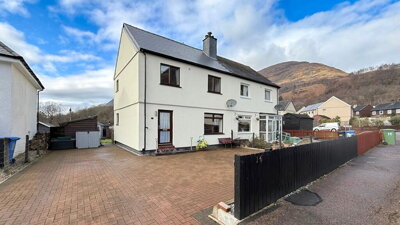
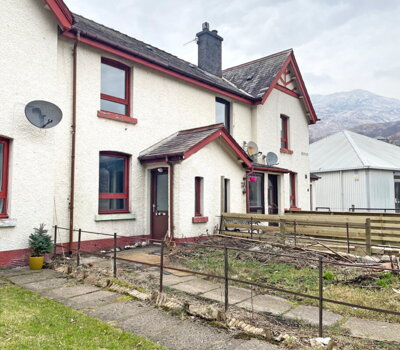
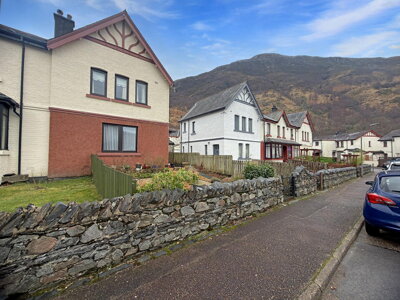
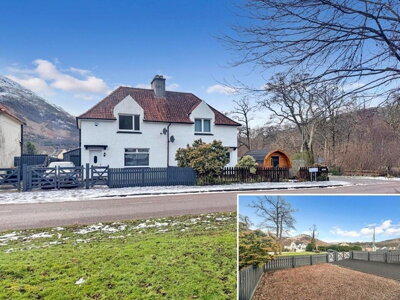
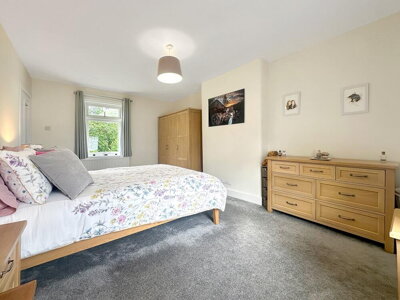
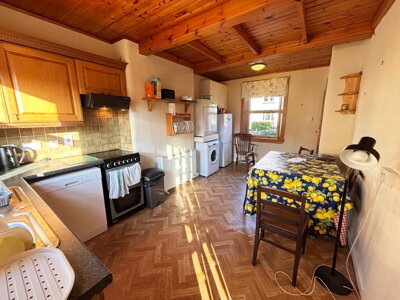
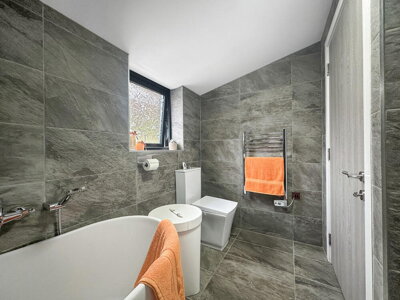
Browse 7 homes for sale in PH50 from local estate agents.
The PH50 property market offers detached, semi-detached, and terraced houses spanning various price ranges and neighbourhoods. Each listing includes detailed property information, photographs, and direct contact with the marketing agent.
£180k
3
0
73
Source: home.co.uk
Showing 3 results for Houses for sale in PH50. The median asking price is £180,000.
Source: home.co.uk
Detached
1 listings
Avg £425,000
Semi-Detached
1 listings
Avg £180,000
Terraced
1 listings
Avg £90,000
Source: home.co.uk
Source: home.co.uk
We track the PH10 property market closely, and our analysis shows a modest correction over the past twelve months, with overall prices declining by 3.89% to an average of £218,850. This cooling period presents genuine opportunities for buyers seeking to enter the market or upgrade to larger properties without competing in the overheated conditions seen in previous years. The market recorded 164 property transactions in the past year, indicating sustained activity and good liquidity for those looking to sell their existing homes. Semi-detached properties have seen the largest percentage decline at 4.38%, bringing them to an average of £194,151.
Property types in PH10 cater to diverse buyer requirements, with detached properties commanding the highest prices at an average of £304,337. Semi-detached homes offer excellent value at £194,151, while terraced properties provide an accessible entry point at around £156,050. Flats in the area average £104,800, making them particularly attractive for first-time buyers or investors seeking rental income. The mix of housing stock ensures that whether you require a spacious family home with garden space or a compact modern apartment, PH10 has options to suit most budgets and lifestyles.
While new-build activity within PH10 itself remains limited, the wider Perth area has seen significant development in recent years. Nearby Bertha Park Village by Springfield Properties offers new homes ranging from £219,950 to £409,950, with 2, 3, 4, and 5-bedroom options available in the adjacent PH1 postcode. These developments often appeal to buyers seeking modern construction methods and energy-efficient designs, though they command premium prices compared to similar-sized older properties in PH10.

Life in the PH10 postcode area revolves around the perfect balance of rural tranquility and convenient access to Perth city centre, which lies just fifteen to twenty minutes south. The region encompasses villages and hamlets characterised by their strong sense of community, traditional Scottish architecture, and proximity to stunning Perthshire countryside. Residents enjoy easy access to outdoor pursuits including walking, cycling, golf, and fishing, with the River Tay and its tributaries offering excellent angling opportunities and scenic riverside walks. The area's geology features a mix of glacial till and alluvial deposits, with traditional sandstone construction giving many properties their distinctive warm appearance.
The demographic makeup of PH10 reflects a healthy mix of families, professionals, and retirees, drawn by the area's quality of life and relative affordability compared to Scottish cities. Local amenities include village shops, traditional pubs, community centres, and regular bus services connecting to Perth. The broader Perth and Kinross area contributes significantly to the local economy through public administration, education, healthcare, retail, and tourism sectors, while agriculture remains important in the surrounding rural landscape. This economic diversity provides stable employment opportunities, making PH10 an ideal location for those seeking to escape city living without sacrificing career prospects.
Our team has helped numerous buyers settle into PH10 properties, and we consistently hear about the welcoming community atmosphere that defines village life in this part of Perthshire. Whether you are drawn to the historic character of traditional stone cottages or the low-maintenance appeal of modern estates, the PH10 area offers a quality of life that is hard to match in more urban settings. Local events, farmers markets, and community gatherings provide regular opportunities to connect with neighbours and become part of the fabric of these tight-knit settlements.

Families considering a move to PH10 will find a range of educational options within reasonable travelling distance. Primary education is well-served by village schools offering small class sizes and strong community connections, while secondary schooling is typically accessed through schools in the surrounding Perth and Kinross area. The Scottish education system provides free state education from primary through secondary level, with additional support available for children with additional support needs. Parents should research specific catchment areas and school performance data through the Parentzone Scotland website to identify the most suitable options for their children.
For those seeking independent education, several reputable private schools operate within commuting distance of PH10, including institutions in Perth and Dundee. These establishments offer extended curricula and extracurricular programmes, though parents should budget for associated fees. Further and higher education opportunities are readily accessible via daily travel to Perth College UHI or universities in Dundee, Edinburgh, and Glasgow, making PH10 suitable for families with children at all educational stages. The proximity to quality educational institutions at all levels adds to the area's appeal for family buyers.
When evaluating properties in PH10, we always advise buyers with school-age children to verify current catchment boundaries before making an offer. School catchment areas can change, and while a property might be convenient to your preferred school today, future boundary adjustments could affect your situation. Perth and Kinross Council's education department publishes up-to-date information on catchment schools and any proposed changes, helping you make an informed decision about which part of PH10 best suits your family's educational needs.

The PH10 postcode area benefits from excellent connectivity despite its rural character, with regular bus services providing links to Perth city centre and surrounding towns. The journey to Perth takes approximately fifteen to twenty minutes by car, making daily commuting feasible for those working in the city. For longer distance travel, the railway station at Perth offers regular services to major Scottish cities including Edinburgh, Glasgow, Inverness, and Aberdeen, with journey times of around one hour to the capital cities. The A90 and A93 trunk roads provide straightforward access to Dundee and the central belt.
Those travelling by car appreciate the proximity of PH10 to the Perth bypass, which connects to the M90 motorway heading south towards Edinburgh and the M8 corridor to Glasgow. Inverness remains accessible within two hours for those seeking Highland adventures or business opportunities in the north. Local cycling infrastructure has improved in recent years, with quiet country lanes popular among recreational cyclists and commuters comfortable with mixed-terrain travel. Edinburgh Airport can be reached in approximately one hour, offering international travel connections for business and leisure travellers.
We have surveyed numerous properties throughout PH10, and our inspectors regularly note the importance of considering commute times when choosing a property location. While village centres offer walkable amenities, properties closer to main roads provide quicker access to Perth and the motorway network. For buyers working in Edinburgh or Glasgow, the railway station at Perth is a crucial asset, and we recommend factoring in the fifteen to twenty minute drive to the station when assessing different areas within PH10. Properties within easy reach of bus routes to Perth can be particularly valuable for commuters who prefer to avoid parking costs.

Understanding the predominant construction methods in PH10 helps you assess maintenance requirements and identify potential issues when viewing properties. Traditional sandstone construction dominates the older housing stock, particularly in village centres and period properties dating from the pre-1919 era. These solid wall structures offer excellent thermal mass but require more regular maintenance than modern cavity wall builds, including periodic repointing of mortar joints and attention to rendering condition.
Brick construction became increasingly common from the early twentieth century onwards, with cavity wall insulation typically added during later renovation works. Properties built between 1919 and 1945 often feature brick external walls with solid internal leaf construction, combining traditional aesthetics with improved weather resistance. Post-war development from 1945 to 1980 brought a mix of traditional brick and block construction, often with rendered finishes that can hide underlying structural issues if not properly maintained.
Modern construction in PH10 and surrounding areas has embraced timber frame methods, particularly in new-build developments like those available nearby in Bertha Park. Timber frame properties offer superior energy efficiency and faster construction times, though they require careful attention to ventilation and moisture management. Our inspectors are experienced in assessing all construction types found throughout PH10, from traditional stone cottages to contemporary timber frame homes, ensuring you receive accurate information about each property's condition and construction.
Our inspectors have identified recurring defect patterns in PH10 properties that buyers should understand before purchasing. Damp issues affect many older properties throughout the area, particularly those with solid wall construction or inadequate damp-proof courses. Rising damp occurs where original damp-proof membranes have failed or were never installed, while penetrating damp often affects traditional sandstone walls where mortar pointing has deteriorated over time. Properties withrendered finishes may hide underlying damp problems, making professional survey inspection essential.
Roof condition represents another common concern in PH10, where traditional slate and tile coverings predominate. Our inspectors frequently note slipped or missing slates, deteriorated pointing along ridge lines, and corroded lead flashings around chimneys and valleys. These defects can allow water penetration causing damage to ceiling timbers and plasterwork, with repair costs varying significantly depending on the extent of deterioration and access requirements. Properties with original slate roofs often require ongoing maintenance investment that buyers should factor into their budget.
Timber defects including woodworm infestation and wet or dry rot affect structural and finishing timbers throughout older PH10 properties. Woodworm typically targets softwood roof timbers and floorboards where moisture levels provide suitable conditions for furniture beetle larvae. Wet rot requires sustained timber moisture content above twenty percent, often occurring where roof leaks or penetrating damp has affected structural elements. Our inspectors use specialist moisture meters and probes to assess timber condition, identifying issues that may not be apparent during a casual viewing.
Outdated electrical and plumbing systems commonly affect properties built before the 1980s throughout PH10. Original wiring may not meet current safety standards and could pose fire risks if overloaded by modern appliances. Plumbing systems using galvanised steel or early copper pipework are prone to internal corrosion reducing water pressure and quality. We strongly recommend budgeting for electrical rewire and plumbing modernisation when purchasing older properties, with costs typically ranging from £5,000 for partial upgrades to £15,000 or more for complete rewire including new consumer unit and wiring throughout.
Prospective buyers should be aware of several area-specific factors when considering properties in PH10. Properties constructed from traditional sandstone, common throughout the area, may require ongoing maintenance including repointing and rendering repairs. The local geology presents a moderate to high shrink-swell risk in areas with significant clay content, which can affect properties with shallow foundations or those with large trees nearby. A thorough RICS Level 2 Survey is essential to identify any subsidence or heave issues before committing to purchase.
Flood risk requires careful consideration, particularly for properties located near the River Tay or its tributaries. Surface water flooding can also affect low-lying areas during periods of heavy rainfall. Prospective buyers should consult SEPA flood maps and review the property's flood history before purchase. Properties in conservation areas or those listed for their historical significance may face additional planning restrictions and maintenance obligations, requiring specialist surveys and potentially more complex renovation projects. Buildings insurance costs can vary significantly based on flood risk and property construction type.
We recommend requesting the property's maintenance history and any renovation records from the seller before proceeding. Properties that have been well-maintained by long-term owners often present fewer hidden issues than those that have changed hands frequently without adequate investment. Our platform provides access to historical transaction data for properties throughout PH10, helping you understand how long previous owners held the property and whether any significant alterations were made.

Spend time exploring different neighbourhoods within PH10, from village centres to modern housing developments. Consider factors like commute times, school catchment areas, and proximity to amenities. Our platform provides detailed area guides and property listings to help you identify which parts of PH10 best match your lifestyle requirements.
Before arranging viewings, obtain a mortgage agreement in principle from a lender. This strengthens your position when making offers and demonstrates to sellers that you have secured financing. Our partners offer competitive rates and can provide tailored advice based on your financial situation and the property prices in PH10.
Once you have identified suitable properties from our listings, schedule viewings to assess condition, space, and neighbourhood character. Take measurements and photos for reference, and note any concerns that might require professional survey inspection. Viewing multiple properties helps calibrate your expectations against the local market.
For properties over 50 years old, which comprise a significant proportion of PH10's housing stock, we strongly recommend booking a RICS Level 2 Survey. This detailed inspection identifies defects such as damp, roof condition issues, timber defects, and potential subsidence risks associated with local clay soils. Survey costs typically range from £400 to £700 depending on property size, with larger or more complex properties commanding higher fees.
Choose an experienced conveyancing solicitor to handle the legal aspects of your purchase. They will conduct searches, review the title deeds, handle land and buildings transaction tax calculations, and coordinate with the seller's solicitor through to completion. Our conveyancing partners offer transparent fixed fees for properties in the PH10 area.
Once all searches are satisfactory and finances are confirmed, your solicitor will exchange contracts and set a completion date. On completion day, you receive the keys and can move into your new PH10 home.
The average house price in PH10 currently stands at £218,850, based on recent market data. Detached properties average £304,337, semi-detached homes around £194,151, terraced properties at approximately £156,050, and flats at £104,800. The market has seen a modest 3.89% decline over the past twelve months, creating opportunities for buyers in what remains an affordable Scottish postcode area compared to city centre locations. We track these price movements continuously, allowing our platform users to make informed decisions based on current market conditions.
Council tax bands in PH10 vary by property and are set by Perth and Kinross Council based on the Assessor's valuation. Bands range from A through to H, with most family homes falling within bands B to E. You can check the specific band for any property through the Scottish Assessors Association website or by contacting Perth and Kinross Council directly. Council tax payments fund local authority services including education, roads maintenance, and refuse collection. Properties in PH10 typically fall within reasonable council tax bands given the area's property values, though newer developments may occasionally attract higher bandings based on their assessed values.
PH10 is served by local primary schools in surrounding villages, with secondary education typically provided by schools in the wider Perth and Kinross area. The Scottish education system operates a catchment area model, so the nearest school is not always the assigned school. Parents should verify school catchment boundaries through Perth and Kinross Council's education department before purchasing. Several independent schools are accessible via daily travel to Perth and Dundee for families seeking alternative educational options. We recommend visiting potential schools and speaking with headteachers to understand their specific approach to education and extracurricular offerings before finalising your property choice.
PH10 benefits from regular bus services connecting to Perth city centre and surrounding towns, with the journey taking around 20-30 minutes depending on the specific location. Perth railway station offers regular services to Edinburgh, Glasgow, Inverness, and Aberdeen, with Edinburgh reachable in approximately one hour. The area is well-served for commuters willing to travel, though those requiring frequent city access should factor transport times into their property search criteria. Our team has found that properties closer to bus routes and main roads command a premium from commuters, so factoring transport connectivity into your property shortlist can help prioritise areas within PH10 that match your commuting requirements.
PH10 offers several attractive features for property investors. The area's average price of £218,850 provides accessible entry points, particularly for flats averaging £104,800. Rental demand exists from commuters, small families, and professionals seeking rural lifestyles within commuting distance of Perth. The modest recent price correction suggests potential for capital growth as the market stabilises. However, investors should research specific rental yields in different parts of the postcode and consider the costs of traditional property maintenance, particularly for older sandstone construction. Properties requiring modernisation can offer particularly attractive returns for investors willing to undertake renovation work, though budget contingencies should account for unexpected defects in older properties.
As part of Scotland, Land and Buildings Transaction Tax (LBTT) applies rather than UK Stamp Duty. LBTT rates start at 0% on the first £145,000 of residential purchases, rising to 2% on the portion from £145,001 to £250,000, 5% up to £325,000, 10% up to £750,000, and 12% above that. For a typical PH10 property at the average price of £218,850, LBTT would be approximately £1,476. First-time buyers may qualify for relief on properties up to £175,000, while those buying above this threshold should budget accordingly. Our conveyancing partners can provide detailed calculations based on your specific purchase price and circumstances, including any relief you may be entitled to claim.
Properties in PH10, particularly those near the River Tay and its tributaries, may be at risk of fluvial flooding during periods of heavy rainfall and high water levels. Surface water flooding can also affect low-lying areas. We strongly recommend checking SEPA flood risk maps and requesting information about any flood history from the seller before purchasing. Properties with elevated flood risk may face higher insurance premiums and require additional precautions. Our inspectors routinely assess properties for signs of previous water damage, including tide marks on walls, warped floorboards, and dehumidifiers or water tanks left by previous owners, which can indicate flood history even when cosmetic repairs have been completed.
Common structural issues in PH10 reflect the local housing stock and geology. Older sandstone properties may suffer from damp due to failed damp-proof courses or solid wall construction. Roofs with traditional slate or tile coverings often require maintenance including repointing and replacement of slipped slates. Properties on clay soils face potential shrink-swell movement affecting foundations, particularly during prolonged dry spells or periods of heavy rainfall. Outdated electrical and plumbing systems are common in properties built before the 1980s, requiring modernisation investment. Our inspectors assess all these factors during a RICS Level 2 Survey, providing detailed reports that help you understand the true condition of any property before committing to purchase.
Understanding the full costs of purchasing property in PH10 extends beyond the sale price to include Land and Buildings Transaction Tax and associated fees. As a Scottish property, LBTT applies using bands that start at zero percent on the first £145,000, rising through 2%, 5%, 10%, and 12% on portions above £750,000. For a typical PH10 property at the area average of £218,850, LBTT would be calculated on the portion above £145,000 at the relevant bands, resulting in a tax liability substantially lower than equivalent properties in England. Our conveyancing partners can provide exact calculations based on your specific purchase price.
Additional purchase costs include solicitor fees typically ranging from £499 for basic conveyancing to £1,500 or more for complex transactions, plus search fees, land registry registration, and mortgage arrangement fees. Survey costs for a RICS Level 2 HomeBuyer Report range from £400 to £700 depending on property size and value, with detached properties and those with complex structures commanding higher fees. First-time buyers purchasing properties up to £175,000 qualify for LBTT relief, while those buying above this threshold should budget accordingly. Factor in moving costs, potential repairs or renovations, and ongoing costs including council tax, buildings insurance, and utility bills when calculating your total budget for moving to PH10.
When budgeting for your PH10 purchase, remember to account for costs that may arise after your survey identifies defects. Our experience shows that older properties in the area often require investment in rewiring, plumbing modernisation, or roof repairs within the first few years of ownership. We recommend setting aside a contingency fund of at least 10% of the purchase price for unexpected works, particularly for traditional sandstone properties where hidden defects behind render or within roof voids are common.

From 4.5%
Expert mortgage advice tailored to PH10 property prices with competitive rates
From £499
Transparent fixed-fee legal services for PH10 property purchases
From £400
Detailed inspection by our qualified surveyors covering all common PH10 property defects
From £80
Energy performance certificate required for all PH10 property sales
Properties for Sale In London

Properties for Sale In Plymouth

Properties for Sale In Liverpool

Properties for Sale In Glasgow

Properties for Sale In Sheffield

Properties for Sale In Edinburgh

Properties for Sale In Coventry

Properties for Sale In Bradford

Properties for Sale In Manchester

Properties for Sale In Birmingham

Properties for Sale In Bristol

Properties for Sale In Oxford

Properties for Sale In Leicester

Properties for Sale In Newcastle

Properties for Sale In Leeds

Properties for Sale In Southampton

Properties for Sale In Cardiff

Properties for Sale In Nottingham

Properties for Sale In Norwich

Properties for Sale In Brighton

Properties for Sale In Derby

Properties for Sale In Portsmouth

Properties for Sale In Northampton

Properties for Sale In Milton Keynes

Properties for Sale In Bournemouth

Properties for Sale In Bolton

Properties for Sale In Swansea

Properties for Sale In Swindon

Properties for Sale In Peterborough

Properties for Sale In Wolverhampton

Enter your details to see if this property is within your budget.
Loans, cards, car finance
Estimated property budget
Borrowing + deposit
You could borrow between
Typical borrowing
Monthly repayment
Est. at 4.5%
Loan-to-value
This is an estimate only. Your actual budget may vary depending on interest rates, credit history, and personal circumstances. For an accurate affordability assessment, speak to one of our free mortgage advisors.
This calculator provides estimates for illustrative purposes only and does not constitute financial advice. Your home may be repossessed if you do not keep up repayments on your mortgage. Estimates based on 4.5% interest rate, repayment mortgage. Actual rates depend on your circumstances.
Homemove is a trading name of HM Haus Group Ltd (Company No. 13873779, registered in England & Wales). Homemove Mortgages Ltd (Company No. 15947693) is an Appointed Representative of TMG Direct Limited, trading as TMG Mortgage Network, which is authorised and regulated by the Financial Conduct Authority (FRN 786245). Homemove Mortgages Ltd is entered on the FCA Register as an Appointed Representative (FRN 1022429). You can check registrations at NewRegister or by calling 0800 111 6768.

We use cookies to show you personalised content and improve your experience of our website. Find out more in our Privacy policy and Cookie policy.