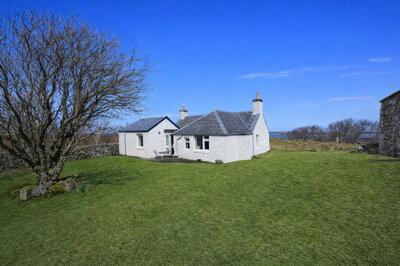
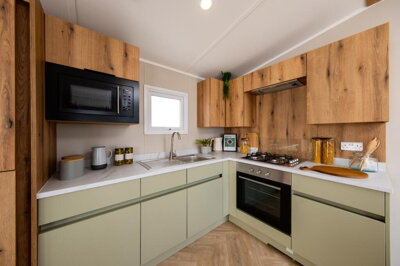
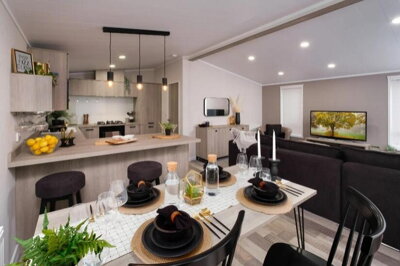
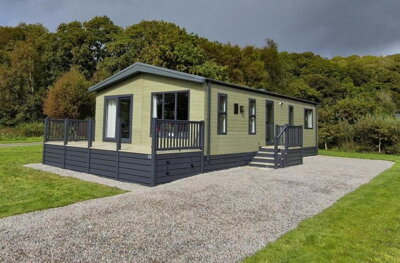
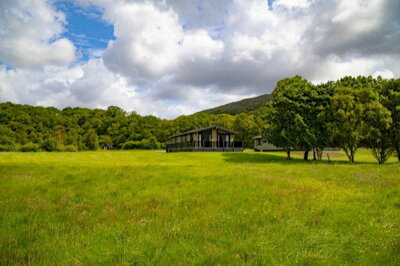
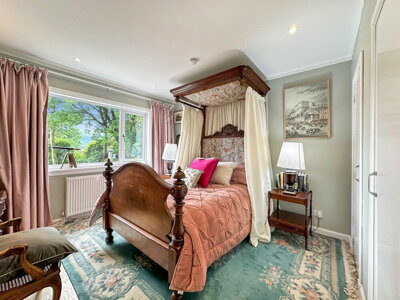
Browse 6 homes for sale in PH36 from local estate agents.
The 2 bed house market features detached, semi-detached, and terraced properties with two separate bedrooms plus living spaces. Properties in PH36 range from Victorian and Edwardian period homes to modern new builds, with pricing varying across different neighbourhoods.
£330k
1
0
494
Source: home.co.uk
Showing 1 results for 2 Bedroom Houses for sale in PH36. The median asking price is £330,000.
Source: home.co.uk
Detached
1 listings
Avg £330,000
Source: home.co.uk
Source: home.co.uk
The PH36 property market presents a distinctive picture of rural Scottish living, with prices that remain accessible compared to many other parts of the UK. Our data shows the average house price of £210,000 reflects the area's relative remoteness while acknowledging the exceptional quality of life on offer. Detached properties command the highest prices at around £230,000, typically offering generous gardens, stunning views, and the space that buyers seeking this area particularly value. Semi-detached homes average £190,000, while terraced properties and cottages can be found from approximately £170,000.
New build activity in PH36 is limited, with the area characterised by traditional properties rather than modern housing estates. Individual self-builds and small bespoke developments are more common than large-scale projects, meaning buyers often find character properties with histories stretching back generations. The housing stock includes traditional croft houses, Victorian and Edwardian cottages, mid-century modern homes, and more recent constructions built to high specifications. Approximately 45 property sales have completed in the postcode area over the past twelve months, indicating a healthy level of market activity for a rural location with a population of around 1,500 to 2,000 residents.
The geology of the PH36 area is dominated by metamorphic rocks of the Moine Supergroup, including schists and gneisses, with some igneous intrusions. Superficial deposits include glacial till, peat, and alluvial deposits along river valleys. This geology generally presents low shrink-swell risk for properties built on bedrock, though localised areas with significant clay content in superficial deposits, particularly alluvial plains near watercourses, may require foundation consideration. Properties near rivers should always be assessed for potential flood risk and ground stability.

Life in PH36 revolves around the extraordinary natural landscape that defines this corner of the Scottish Highlands. The area sits within the Ardnamurchan peninsula, widely regarded as one of the most beautiful and unspoiled regions in Scotland. The population of approximately 1,500 to 2,000 residents across 600 to 800 households creates a close-knit community atmosphere where neighbours know one another and newcomers are genuinely welcomed. The villages of Acharacle and Salen serve as local service centres, offering essential shops, pubs, and community facilities that sustain daily life in this rural setting.
The local economy centres on tourism, agriculture, and forestry, with these sectors providing the majority of employment opportunities. The area attracts visitors drawn to outstanding natural beauty, walking opportunities along the Ardnamurchan coastline, wildlife watching including red deer and sea eagles, and outdoor activities such as kayaking and fishing. Holiday homes and second residences are a notable feature of the local housing market, reflecting the popularity of the area as a retreat for those seeking a Highland escape. This demand influences property values and availability, which prospective buyers should factor into their search criteria.
Community life is enriched by local events throughout the year, the traditional Highland hospitality that remains genuine rather than performative, and the chance to experience authentic Scottish culture away from the tourist crowds found in more accessible locations. The sense of belonging that develops in communities like Acharacle, where village events bring residents together, is often cited by long-term residents as one of the most rewarding aspects of rural Highland living. This community spirit is particularly valuable for families with children, who benefit from the safe environment and outdoor lifestyle that the peninsula provides.
Properties in PH36 span multiple eras of construction, each with characteristic features and maintenance requirements. Traditional croft houses and Victorian or Edwardian cottages dating pre-1919 feature solid stone walls constructed from local granite or schist, often finished with traditional harling. These properties typically have timber floor structures, slate roofs, and single-glazed windows. The solid-wall construction that defines these historic properties requires different maintenance approaches compared to modern buildings, with damp prevention and roof maintenance being particularly important considerations.
Mid-century properties built between 1919 and 1980 generally feature cavity wall construction using brick or blockwork with render finishes and timber roof structures. Tile or slate roofs are common on these properties. While cavity wall construction handles moisture differently from solid walls, the timber elements in these buildings may be susceptible to rot where moisture has penetrated. Many mid-century properties in the area have had some modernisation, though original heating systems, electrical wiring, and insulation standards may require updating to meet modern expectations.
Newer properties constructed after 1980 typically use timber frame or modern blockwork construction with various external finishes including render, timber cladding, and brick. These properties generally feature improved insulation standards, double glazing, and more efficient heating systems. The variety of construction types across PH36 means that buyers benefit from understanding the specific characteristics of the property type they are considering, as maintenance requirements, energy performance, and potential defect patterns vary significantly between traditional and modern construction.

Education provision in PH36 reflects the area's rural character, with primary school education available locally at schools serving the scattered communities of the Ardnamurchan peninsula and Moidart. Acharacle Primary School serves as the main primary school for the village and surrounding area, providing education for children from the local crofting communities. The small scale of rural primary schools often creates excellent pupil-to-teacher ratios and individual attention that may not be available in larger urban schools.
Children typically attend their local primary school before progressing to secondary education at schools in the wider Lochaber area. The journey to secondary school involves longer distances than urban families might experience, with Highland Council providing school transport adapted to the rural geography. The secondary school serving the PH36 area is typically Lochaber High School in Fort William, which offers standard Scottish curriculum provision with students able to progress to further education and university through the Scottish education system.
Parents considering a move to PH36 should verify current school transport arrangements and any changes to catchment area boundaries that might affect their children. The Scottish education system allows parents to express preferences for schools, though placement depends on availability and catchment area policies. Early engagement with Highland Council's education department is advisable to confirm current arrangements and any planned changes to local school provision. For families seeking specialist subjects, extracurricular programmes, or private schooling options, travel to Fort William or beyond may be necessary, and this practical consideration should form part of any property search criteria.
Transport connectivity from PH36 requires the practical mindset of someone comfortable with rural living, as journey times to major centres reflect the area's remote location. The main road access is via the A861 which follows the coast around the Ardnamurchan peninsula, with the journey from Fort William taking approximately one to one and a half hours depending on your exact destination. The nearest railway stations are located at Glasgow Queen Street (reachable via Fort William) and Oban, with these stations connecting to the broader Scottish rail network. The nearest airports are at Inverness and Glasgow, both offering connections across the UK and beyond.
Daily commuting from PH36 to major employment centres is not practical for most workers, which means residents typically work locally, operate businesses from home, or have arrangements that allow for periodic travel rather than daily commuting. Many residents embrace this aspect of rural living, valuing the lack of a conventional commute as a significant quality of life benefit. Local employment opportunities centre on tourism, agriculture, forestry, and local services, with some residents maintaining employment in Fort William or other centres through remote working arrangements.
Public transport options from PH36 are limited due to the rural nature of the area, with bus services operating infrequent schedules that reflect the sparse population. Most residents rely on private vehicles for daily travel, and this practical reality should be factored into any decision to purchase property in the area. Local services include fuel stations, convenience shops, and mobile services that have improved considerably in recent years, though some areas may still experience limited mobile phone reception. Planning for deliveries and larger shopping trips to Fort William or Oban is a practical necessity for most households.
Begin by exploring the PH36 property market thoroughly using online property portals and local agent listings. Understanding the different villages and their characteristics helps narrow your search effectively. Check current listings, recent sales data, and build a picture of what properties are available at various price points in this distinctive rural market.
Before viewing properties, secure a mortgage agreement in principle from a lender. This strengthens your position when making offers and demonstrates to sellers that you are a serious buyer with funding in place. In Scotland, mortgage offers can take longer than in England due to the different transaction process, so obtaining your agreement early is advisable.
Travel to PH36 to view properties that match your requirements in person. The reality of living in a remote Highland location differs from brief visits, so experiencing the journey times, local amenities, and community atmosphere is essential. Consider whether the lifestyle suits your needs both now and in the future, including access to services, school transport, and mobile connectivity.
Once you have had an offer accepted, book a RICS Level 2 Survey to assess the property condition thoroughly. Many properties in PH36 are older constructions with solid walls, slate roofs, and traditional finishes that require specialist assessment. Our inspectors are experienced with Highland properties and understand the common defect patterns in this area, from damp in solid-walled buildings to roof condition issues.
Choose a conveyancing solicitor with experience of Scottish property transactions to handle the legal work. The Scottish system of offers and conclude missives differs from the English process, requiring specialist knowledge. Your solicitor will conduct searches, manage the transfer of funds, and ensure registration with the Land Register of Scotland.
Complete your purchase through the Scottish system where offers are made and concluded, with a settlement date agreed between parties. Your solicitor will coordinate with all parties to ensure a smooth transfer of ownership and keys. The Land Register of Scotland records all property ownership, and your solicitor will manage the final registration.
Property buyers in PH36 should pay particular attention to the potential for damp, which is common in older properties throughout the Scottish Highlands. The wet Atlantic climate and the age of many buildings mean that penetrating damp, rising damp, and condensation issues frequently affect traditional stone cottages and farmhouses with solid walls. The traditional harling finishes on many properties can deteriorate over time, allowing moisture to penetrate solid stone walls. A thorough survey will identify any existing problems and their causes, allowing you to budget for necessary repairs or use the findings to negotiate on price.
Roof condition deserves careful inspection given the exposure to Atlantic weather systems that properties in PH36 experience. Older slate roofs commonly show signs of wear including slipped slates, deteriorating lead flashing, and moss growth that can trap moisture against the tiles. Properties throughout the area with slate roofing require regular maintenance to prevent water ingress, and this should be reflected in your assessment of ongoing ownership costs. Timber elements throughout older properties may show evidence of woodworm or rot where moisture has penetrated over the years.
Electrical wiring, plumbing, and heating systems in older homes frequently require updating to meet modern safety and efficiency standards, and buyers should budget for these potential costs when evaluating the true cost of purchase. Properties with solid walls often lack wall insulation, resulting in poor thermal performance that increases heating costs and can contribute to condensation-related damp issues. The construction materials used locally, including local stone, schist, and traditional harling, require specific maintenance approaches that differ from modern building standards, and understanding these requirements helps buyers plan for future maintenance.
The average house price in PH36 is currently £210,000 as of early 2026, according to Land Registry and Rightmove analysis. Detached properties average £230,000, semi-detached homes around £190,000, terraced properties approximately £170,000, and flats from £150,000. House prices have increased by 3.5% over the past twelve months, indicating steady demand for properties in this picturesque Highland location. Approximately 45 property sales have completed in the postcode area over the past twelve months, reflecting healthy market activity for a rural area.
Properties in PH36 fall under Highland Council's jurisdiction and are assigned council tax bands based on their value as assessed by the Scottish Assessors. Most properties in this rural area will be in bands A through D, with traditional cottages and smaller homes typically in lower bands. Properties are revalued periodically under the Scottish Assessors' scheme, so the band assigned reflects current valuation methodology. Prospective buyers should check the specific band for any property they are considering through the Scottish Assessors' portal or request this information from the selling agent.
Education in PH36 is provided through local primary schools serving the scattered communities, with secondary education available at Lochaber High School in Fort William. The small scale of rural primary schools often results in excellent pupil-to-teacher ratios and individual attention that benefits children's learning. Parents should contact Highland Council's education department directly to confirm current catchment areas, transport arrangements, and any planned changes to local school provision. The Scottish curriculum followed by all schools in the area allows students to progress to further education and university through the established Scottish education system.
Public transport options from PH36 are limited due to the rural nature of the area, with bus services operating infrequent schedules that reflect the sparse population. The nearest railway stations are at Fort William, Oban, and Corrour, with connections to Glasgow and the broader rail network. Most residents rely on private vehicles for daily travel, and this practical reality should be factored into any decision to purchase property in the area. Mobile phone coverage has improved in recent years but some areas may still experience limited reception, and planning for deliveries and larger shopping trips to Fort William or Oban is advisable.
Property investment in PH36 should be considered in the context of lifestyle rather than rental yield. The area's appeal as a holiday destination means some buyers purchase for holiday let potential or future retirement, while others seek the peaceful Highland lifestyle. Values have shown steady appreciation at 3.5% annually, and demand for quality properties in this beautiful location remains consistent, though the market is smaller than urban areas with fewer opportunities for quick resale. The influence of holiday homes and second residences on the local market means that rental demand exists, particularly for properties that could serve tourists visiting the Ardnamurchan peninsula.
Scotland uses Land and Buildings Transaction Tax (LBTT) rather than Stamp Duty. For residential purchases, you pay nothing on the first £145,000, then 2% on the portion from £145,001 to £250,000, and 5% on amounts above £250,000. First-time buyers in Scotland may qualify for relief on the portion up to £175,000. At the PH36 average price of £210,000, a typical LBTT bill for a main residence would be approximately £1,300. Your solicitor will calculate the exact amount based on your specific circumstances and the property details.
Properties in PH36 may be subject to flood risk, particularly those located near watercourses or lochs. Areas along the River Shiel, River Moidart, and around Loch Shiel and Loch Moidart are susceptible to fluvial flooding during periods of heavy rainfall or snowmelt. Coastal areas around Loch Moidart may experience tidal flooding, and surface water flooding can occur in low-lying areas during heavy rainfall due to the hilly terrain and often saturated ground. A thorough survey should assess proximity to watercourses, existing flood defences, any history of flooding, and adequate drainage provision.
Understanding the full costs of buying property in PH36 is essential for budgeting effectively. Beyond the purchase price, buyers should factor in Land and Buildings Transaction Tax (LBTT), which is Scotland's equivalent of stamp duty. For a property at the PH36 average price of £210,000, the LBTT would be approximately £1,300 for a standard residential purchase. First-time buyers may benefit from relief on the first £175,000 of the purchase price, reducing this cost further. Properties priced above £250,000 incur higher rates, with 5% charged on the portion between £250,001 and £925,000.
Additional purchase costs include solicitor fees for conveyancing, which typically range from £500 to £1,500 depending on complexity and whether the property is leasehold or involves a chain. Survey costs for a RICS Level 2 Survey in the PH36 area typically range from £450 to £750, reflecting the property size, type, and the travel costs for surveyors visiting this remote area. An Energy Performance Certificate costs from £85 and is a legal requirement for any property sale.
Buyers should also budget for moving costs, potential repairs identified in surveys, and the ongoing costs of maintaining traditional Highland properties, which often exceed those for modern urban homes. Properties with solid stone walls, slate roofs, and traditional finishes require specific maintenance knowledge and can incur higher heating costs due to poorer insulation performance. Factor in the cost of potential upgrades to electrical systems, heating, and insulation when evaluating the true cost of owning a traditional Highland property.
Properties for Sale In London

Properties for Sale In Plymouth

Properties for Sale In Liverpool

Properties for Sale In Glasgow

Properties for Sale In Sheffield

Properties for Sale In Edinburgh

Properties for Sale In Coventry

Properties for Sale In Bradford

Properties for Sale In Manchester

Properties for Sale In Birmingham

Properties for Sale In Bristol

Properties for Sale In Oxford

Properties for Sale In Leicester

Properties for Sale In Newcastle

Properties for Sale In Leeds

Properties for Sale In Southampton

Properties for Sale In Cardiff

Properties for Sale In Nottingham

Properties for Sale In Norwich

Properties for Sale In Brighton

Properties for Sale In Derby

Properties for Sale In Portsmouth

Properties for Sale In Northampton

Properties for Sale In Milton Keynes

Properties for Sale In Bournemouth

Properties for Sale In Bolton

Properties for Sale In Swansea

Properties for Sale In Swindon

Properties for Sale In Peterborough

Properties for Sale In Wolverhampton

Enter your details to see if this property is within your budget.
Loans, cards, car finance
Estimated property budget
Borrowing + deposit
You could borrow between
Typical borrowing
Monthly repayment
Est. at 4.5%
Loan-to-value
This is an estimate only. Your actual budget may vary depending on interest rates, credit history, and personal circumstances. For an accurate affordability assessment, speak to one of our free mortgage advisors.
This calculator provides estimates for illustrative purposes only and does not constitute financial advice. Your home may be repossessed if you do not keep up repayments on your mortgage. Estimates based on 4.5% interest rate, repayment mortgage. Actual rates depend on your circumstances.
Homemove is a trading name of HM Haus Group Ltd (Company No. 13873779, registered in England & Wales). Homemove Mortgages Ltd (Company No. 15947693) is an Appointed Representative of TMG Direct Limited, trading as TMG Mortgage Network, which is authorised and regulated by the Financial Conduct Authority (FRN 786245). Homemove Mortgages Ltd is entered on the FCA Register as an Appointed Representative (FRN 1022429). You can check registrations at NewRegister or by calling 0800 111 6768.

We use cookies to show you personalised content and improve your experience of our website. Find out more in our Privacy policy and Cookie policy.