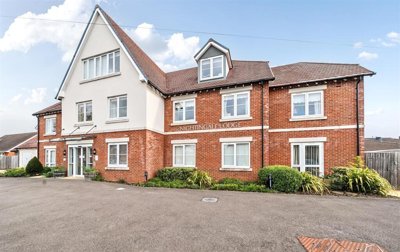
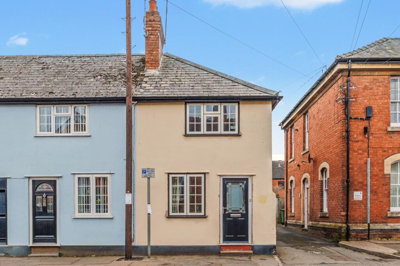
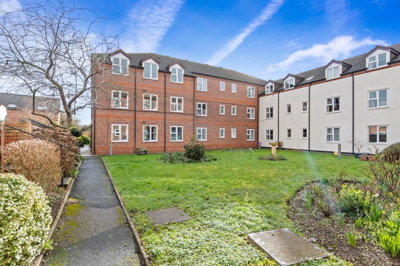
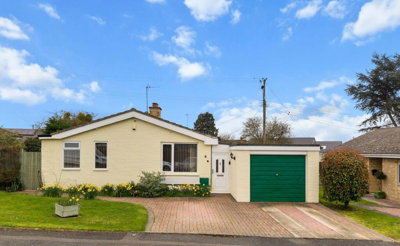
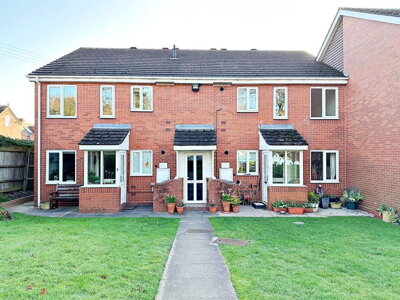
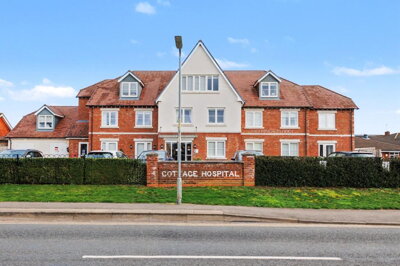
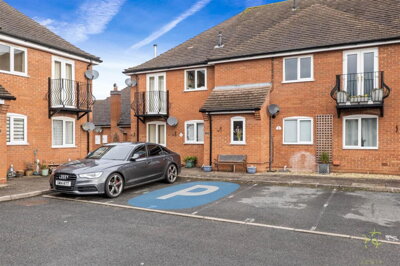
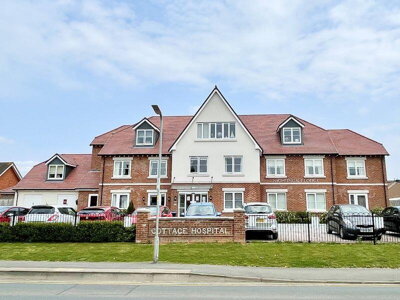
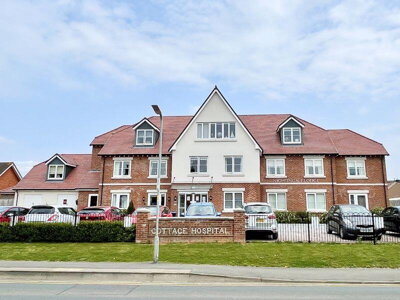
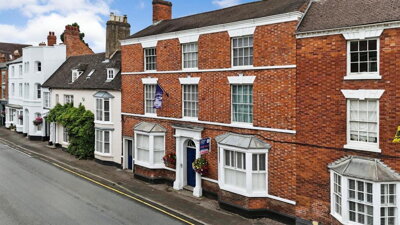
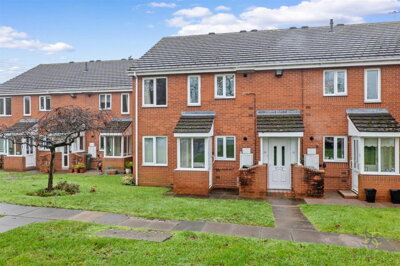
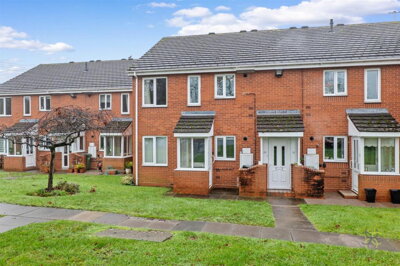
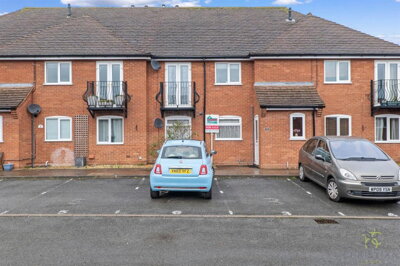
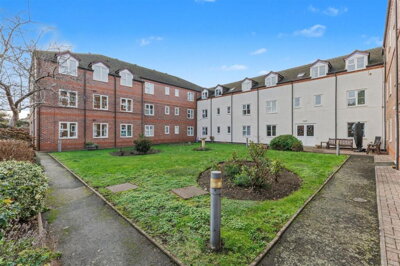
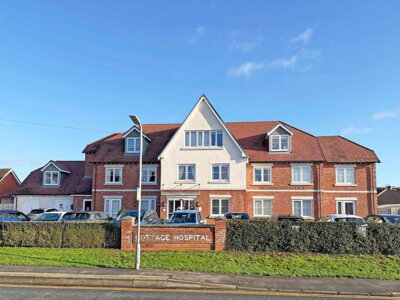
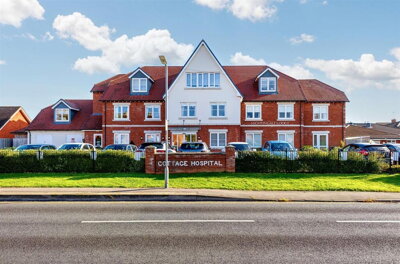
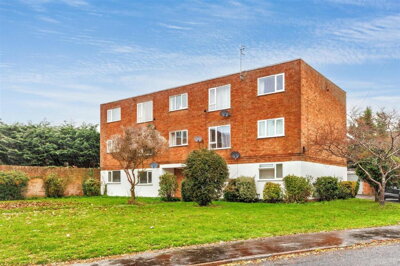
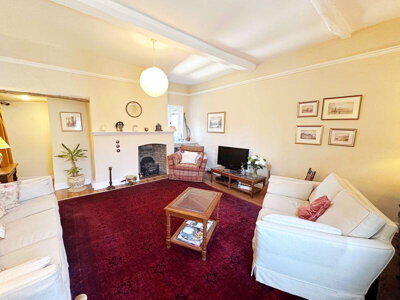
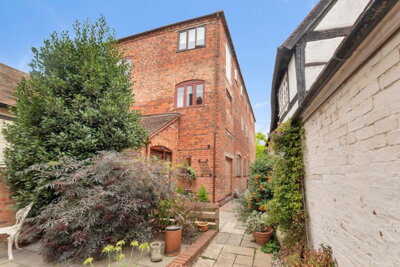
Browse 19 homes for sale in Pershore, Wychavon from local estate agents.
Studio apartments feature open-plan living spaces without separate bedrooms, incorporating sleeping, living, kitchen, and bathroom facilities. The Pershore studio market includes properties in modern apartment complexes, converted Victorian and Georgian buildings, and purpose-built developments.
£245k
3
0
121
Source: home.co.uk
Showing 3 results for Studio Flats for sale in Pershore, Wychavon. The median asking price is £245,000.
Source: home.co.uk
Flat
3 listings
Avg £245,000
Source: home.co.uk
Source: home.co.uk
The Pershore property market presents a diverse range of options for buyers, with overall average prices sitting at £345,717 as of February 2026. Detached properties command the highest premiums, averaging £511,623, reflecting the demand for family homes with generous gardens and living spaces. Semi-detached homes average £304,364, while terraced properties offer more accessible entry points at around £250,551. Flats in Pershore average £171,857, making them suitable for first-time buyers or those seeking a low-maintenance lifestyle in the town centre. With 188 property sales recorded in the past year, Pershore maintains good market liquidity, meaning sellers can typically find buyers within reasonable timeframes.
The housing stock in Pershore reflects its historical character, with detached properties comprising 35.2% of homes, semi-detached at 30.1%, terraced houses at 22.4%, and flats accounting for 11.8%. This mix provides options across all buyer categories, from young families seeking semi-detached homes to retirees looking for manageable terraced properties near local amenities. New build opportunities are available at Orchard Walk and The Aspens developments off Station Road, where 2, 3, 4, and 5 bedroom homes from Bovis Homes and Linden Homes (both part of Vistry Group) are available from £279,995 to £519,995. These modern developments offer contemporary construction with energy-efficient designs, 10-year warranties, and specification levels that meet current building regulations.
Property values in Pershore have shown consistent growth, with all property types experiencing increases of around 2% over the past twelve months. Detached properties saw the strongest growth at 2.07%, followed by semi-detached at 2.10%, terraced at 2.05%, and flats at 2.03%. This steady appreciation suggests a healthy market with sustained demand, driven partly by the town's appeal as a commuter location. The Pershore property market attracts buyers from across the Midlands seeking character homes within easy reach of major employment centres, while first-time buyers are drawn to the terraced properties and flats that offer more accessible price points in this attractive market town.

Pershore's character is deeply rooted in its agricultural heritage, particularly its historical reputation as a centre for fruit growing and market gardening in the Vale of Evesham. The town developed around the River Avon, which continues to shape the landscape and provides scenic walking routes along its banks. The local economy benefits from agriculture and horticulture, with related businesses still present today, alongside tourism generated by the town's historic abbey ruins, independent shops, and weekly markets. This blend of economic activities creates a resilient community that maintains its traditional market town atmosphere while adapting to modern needs.
The town centre features a good selection of independent retailers, cafes, and pubs clustered around the historic High Street and the Victorian arcade. A Co-operative supermarket and a Boots pharmacy provide everyday essentials, while the Pershore Bridge over the River Avon offers picturesque views, particularly during summer evenings when locals and visitors gather by the water. The town's Georgian architecture is particularly evident along Broad Street and Church Street, where period properties house antique shops, art galleries, and specialist food stores. The Pershore Enterprise Centre on the Station Road industrial estate provides workspace for local businesses, supporting the commercial vitality of the community.
Demographically, Pershore attracts a mix of residents, including families drawn by the local schools, professionals who commute to nearby cities, and retirees seeking a peaceful location with good amenities. The town benefits from a doctors surgery on Queen Elizabeth Drive, dental practices on the High Street, and a pharmacy near the town centre. For more complex healthcare needs, the Worcestershire Royal Hospital in Worcester is accessible within 20 minutes by car. The Pershore Local History Society maintains archives and provides cultural events that celebrate the town's heritage, while the Riverside Garden Centre and nearby Upton Snodsbury offer leisure activities for visitors and residents alike.

Education provision in Pershore serves families with children of all ages, with several primary schools located within the town and surrounding villages. The Pinvin Federation includes Pinvin Primary School and Inkberrow Primary School, providing local primary education for younger children. Parents in Pershore benefit from a choice of educational settings, with the ability to consider both state and independent options depending on their preferences and children's needs. The Pershore Nursery and Preschool provides early years care, while childminders throughout the town offer flexible childcare arrangements for working parents.
Secondary education options in Pershore include the Sir Johncateur Academy, formerly known as Pershore High School, which serves students from the surrounding rural area. For families seeking grammar school education, the nearby towns of Worcester and Evesham offer selective schooling options accessible via school transport. The Royal Grammar School Worcester and Kings School Worcester are popular choices for private education within commuting distance. Sixth form provision is available at the Sir Johncateur Academy sixth form, while older students may also consider Worcester Sixth Form College or the Abbey Sixth Form in Evesham for A-level studies.
For families considering private education, several independent schools in Worcestershire and Gloucestershire are accessible from Pershore. These include The King's School Worcester, which dates back to 1292 and is one of the oldest schools in the country, as well as Kings School Gloucester and Dean Close School in Cheltenham. The availability of quality educational options makes Pershore an attractive location for families at various stages of their educational journey. Parents should note that school catchment areas can influence property values and demand in specific postcodes, so researching local school admissions criteria before purchasing is advisable.

Pershore railway station provides the town with direct connections to major destinations, making it particularly attractive to commuters. Direct trains run to Worcester Foregate Street in approximately 15 minutes, while Birmingham New Street is accessible in around 45 minutes to an hour with one change at Worcester Shrub Hill. The station also offers services to Oxford and London Paddington via Worcester, with journey times to the capital taking around two and a half hours. This connectivity makes Pershore practical for professionals working in larger cities while maintaining a relaxed lifestyle in the countryside. The station has parking facilities with around 100 spaces, though these can fill quickly during peak commuting hours.
Road connections from Pershore are equally good, with the A44 providing access to Worcester to the north and Evesham to the south. The M5 motorway is accessible via the A44 through Worcester, connecting the town to Birmingham, Bristol, and the wider motorway network. For air travel, Birmingham Airport is approximately 45 minutes away by car, offering domestic and international flights. The town also has bus services connecting it to surrounding villages and nearby towns, with the 382 service providing regular links to Worcester and Evesham. Local bus services are operated by First Group and Diamond Bus Midlands.
Cycling infrastructure in Pershore has improved in recent years, with signed routes connecting the town to surrounding countryside and neighbouring villages including Eckington, Bishampton, and Fladbury. The flat terrain of the Vale of Evesham makes cycling relatively easy, while dedicated cycle storage at the railway station supports commuters who combine cycling with train travel. National Cycle Route 45 passes through Pershore, connecting the town to the wider cycle network. For drivers, parking in the town centre is generally adequate, with public car parks available near the high street on Bridge Street and theQVista car park. These varied transport options mean that residents can choose commuting methods that suit their circumstances and lifestyle preferences.

Start by exploring listings on Homemove to understand what is available within your budget. Given Pershore's mix of period properties, modern developments, and new builds, consider what property type suits your needs. The area offers everything from Victorian terraces around Broad Street and the High Street to Edwardian semis on residential roads like Station Road and Wyre Road, as well as contemporary homes at Orchard Walk and The Aspens off Station Road.
Before viewing properties, arrange a mortgage agreement in principle with a lender. This demonstrates to estate agents and sellers that you are a serious buyer with financing arranged. Our mortgage partners can help you compare rates and find competitive deals suited to your circumstances, including specialist lenders familiar with properties in conservation areas where additional considerations like listed building status may affect lending criteria.
Contact local estate agents in Pershore to arrange viewings of properties that match your criteria. Take time to explore different neighbourhoods within the town, from the conservation area around the abbey with its period properties to the newer residential areas near the station. Properties in Pershore range from Georgian townhouses to 1970s semis and modern new builds, each with distinct characteristics and considerations.
Before proceeding with your purchase, book a RICS Level 2 Survey to assess the property condition. Given Pershore's geology with underlying Lower Lias Clay and the prevalence of older properties with traditional construction, a professional survey can identify issues such as potential subsidence, damp, or roof defects that may not be visible during a standard viewing. Our surveyors understand local construction methods including solid wall brick and limestone properties common in the conservation area.
Appoint a solicitor to handle the legal aspects of your purchase, including searches, contracts, and land registry matters. Local solicitors familiar with Wychavon district will understand specific considerations such as flood risk areas near the River Avon and conservation area restrictions that may affect your purchase. Search fees specific to Pershore include drainage searches for the Severn Trent Water area and environmental searches for the Vale of Evesham.
Once all searches are satisfactory and financing is confirmed, you will exchange contracts and pay your deposit. Completion typically follows within a few weeks, after which you will receive the keys to your new Pershore home. Our team can recommend local removal companies and tradespeople to help you settle into your new property.
Properties in Pershore present some unique considerations due to the town's geology and geography. The underlying Lower Lias Clay creates a moderate to high shrink-swell risk, which can affect foundations, particularly for older properties with shallow foundations or those near mature trees. Many properties in Pershore have mature trees in their gardens or neighbouring properties, which can exacerbate ground movement during dry spells. When viewing properties, look for signs of subsidence such as cracking in walls (especially diagonal cracks around door frames), doors that stick, or uneven floors. A RICS Level 2 Survey is particularly valuable for properties in Pershore, as the surveyor will assess foundation conditions and flag any concerns related to ground movement.
Flood risk is another important consideration for Pershore property buyers. The River Avon runs through the town, and certain areas are susceptible to flooding, especially during periods of heavy rainfall. Properties near the river or in low-lying areas downstream from the town centre may face higher flood risk, which can affect insurance premiums and mortgage availability. The Environment Agency flood risk maps show that areas around the river and low-lying parts of the town have significant flood risk, including surface water flooding during heavy rainfall due to the flat topography. Properties on higher ground near the town centre or the newer developments off Station Road may offer lower flood risk. Always ask the seller or estate agent about any history of flooding at the property.
The Conservation Area covering much of Pershore's historic centre brings planning restrictions that affect what you can do with a property. External alterations, including window replacements, roof changes, and extensions, may require planning permission from Wychavon District Council. Many Georgian and earlier properties in the conservation area have solid walls constructed from local red brick or lias limestone, which require different treatment for insulation and damp proofing compared to modern cavity wall construction. If you are considering a listed building, additional consents may be needed for more substantial works, and listed building consent requires adherence to strict guidelines regarding materials and methods. For new builds at developments like Orchard Walk, you will benefit from modern construction methods, energy-efficient designs, and warranties, but you may face different considerations such as service charges and leasehold arrangements.
Common defects in Pershore properties relate to the age and construction of the housing stock. Over 50% of properties in Pershore are likely more than 50 years old, meaning many homes exhibit typical issues found in period properties. These include rising damp due to failed or absent damp-proof courses, particularly in solid wall constructions with no cavity. Timber defects such as woodworm or wet rot can affect floor joists and roof timbers, especially where ventilation is poor or damp has penetrated. Roof condition is a common concern, with older properties often featuring slate or clay tile roofs that may have slipped tiles, deteriorating leadwork, or failed flashings. Electrical wiring in pre-1980s properties may not meet current safety standards, and many homes still have original plumbing with galvanised pipes that may be corroded or nearing the end of their lifespan.

The average house price in Pershore was £345,717 as of February 2026. Detached properties average £511,623, semi-detached homes around £304,364, terraced houses approximately £250,551, and flats average £171,857. Property prices have increased by approximately 2.06% over the past year, with semi-detached properties showing the strongest growth at 2.10% and detached homes at 2.07%. With 188 property sales recorded in the past twelve months, Pershore maintains good market activity for buyers and sellers alike. This steady growth reflects the town's enduring appeal as a commuter location within the Vale of Evesham.
Council tax in Pershore is managed by Wychavon District Council. Properties typically fall into bands A through G, with the specific band depending on the property's valuation as of April 1991. Most terraced houses and smaller semi-detached properties in Pershore fall into bands A to D, while larger detached homes and properties in the conservation area with higher valuations may be in bands E to G. You can check the specific council tax band for any property via the Valuation Office Agency website using the property address. Current rates for a band D property in Wychavon are approximately £1,800 per year.
Pershore offers good educational options including primary schools within the Pinvin Federation and secondary education at the Sir Johncateur Academy. The town also benefits from proximity to grammar schools in Worcester and Evesham for families seeking selective education, with the Royal Grammar School Worcester and Pershore High School's sixth form being popular choices. Early years provision includes several nurseries and preschools operating in the town and surrounding villages. For sixth form and further education, students can access provision locally or travel to Worcester Sixth Form College or Abbotsholme School for A-level studies. Research catchment areas and admissions criteria, as these can influence property desirability in specific streets and postcodes throughout Pershore.
Pershore railway station provides direct services to Worcester in 15 minutes and connections to Birmingham, Oxford, and London Paddington. The town is also served by bus routes including the 382 connecting to Worcester and Evesham, operated by Diamond Bus Midlands and First Group. Road access via the A44 connects to the M5 motorway at Worcester junction 7, making car travel to Birmingham and Bristol straightforward. Birmingham Airport is approximately 45 minutes away by car, providing international travel options. The combination of rail and road connections makes Pershore practical for commuters working in Worcester, Cheltenham, or Birmingham while maintaining its rural character.
Pershore offers several factors that make it attractive for property investment. The steady price growth of around 2% annually indicates a stable market, while the limited new housing supply in the historic town centre helps maintain property values. The town's appeal as a commuter location ensures consistent demand from buyers working in Worcester and beyond. The presence of new developments at Orchard Walk and The Aspens provides modern options for buyers seeking new builds, while period properties in the conservation area appeal to those seeking character homes. Rental demand may be driven by professionals commuting to larger cities, though the private rental sector in Pershore is smaller than in major urban areas. Always research specific locations within Pershore and consider factors such as flood risk near the River Avon and conservation restrictions when evaluating investment potential.
Stamp duty land tax rates for standard buyers start at 0% on the first £250,000 of property value, rising to 5% on values between £250,001 and £925,000. For properties above £925,000, rates increase to 10% up to £1.5 million, then 12% above that. First-time buyers benefit from relief on the first £425,000, with 5% charged between £425,001 and £625,000. Given Pershore's average property price of £345,717, many buyers may qualify for first-time buyer relief or benefit from the standard nil-rate threshold, significantly reducing purchase costs. For a first-time buyer purchasing at the average price, no stamp duty would be payable.
Given Pershore's geology with underlying Lower Lias Clay, subsidence and heave are important considerations, particularly for properties with mature trees nearby or those with shallow foundations. Look for diagonal cracking in walls, sticking doors, and uneven floors as potential signs of ground movement. Damp is common in older properties, especially those with solid wall construction lacking modern damp-proof courses. Roof condition requires careful inspection, as many period properties have original slate or clay tile roofs nearing the end of their lifespan. Timber defects including woodworm and wet rot can affect floor joists and roof structures, particularly where damp has been present. Properties with original electrical wiring from before the 1980s may require rewiring, and galvanised plumbing may need replacement. Our RICS Level 2 Survey will identify these issues and more, providing you with a detailed assessment of the property condition.
From 4.5%
Find competitive mortgage deals with our trusted partners
From £499
Expert legal services for your property purchase
From £400
Professional property surveys by qualified inspectors
From £80
Energy performance certificate for your new home
Understanding the total costs of buying a property in Pershore is essential for budgeting effectively. Beyond the property price, buyers need to account for stamp duty land tax, solicitor fees, survey costs, and moving expenses. For a property priced at the Pershore average of £345,717, standard buyers would not owe any stamp duty on the first £250,000, with 5% charged on the remaining £95,717, resulting in approximately £4,786 in stamp duty. First-time buyers purchasing properties up to £425,000 would pay no stamp duty at all, making Pershore an accessible market for those taking their first step onto the property ladder.
Solicitor fees for conveyancing in Pershore typically range from £500 to £1,500 depending on the complexity of the transaction and whether the property is freehold or leasehold. Search fees, which cover local authority, drainage, and environmental searches specific to Wychavon district, usually add around £200 to £400. Our conveyancing partners understand local considerations including flood risk assessments for properties near the River Avon and conservation area requirements for properties in Pershore's historic centre. Survey costs vary by property type, with a RICS Level 2 Survey for an average 3-bedroom Pershore home costing between £400 and £700. These surveys are particularly valuable given the prevalence of older properties with potential issues related to the local clay geology and traditional construction methods.
Additional costs to budget for include mortgage arrangement fees, which can range from nothing to around £2,000 depending on the lender and product chosen. Some lenders offer fee-free mortgages but may have higher interest rates, so comparing the total cost over the initial deal period is important. Buildings insurance must be in place from completion, and costs vary significantly based on property type, value, and flood risk assessment for properties near the River Avon. Removals and decorator costs for your new home should also be factored in. For buyers purchasing flats at developments like those off Station Road, service charges and ground rent should be reviewed carefully, as these ongoing costs vary significantly between developments. Our mortgage and conveyancing partners can provide detailed quotes tailored to your specific purchase, helping you understand the full financial commitment of buying in Pershore.

Properties for Sale In London

Properties for Sale In Plymouth

Properties for Sale In Liverpool

Properties for Sale In Glasgow

Properties for Sale In Sheffield

Properties for Sale In Edinburgh

Properties for Sale In Coventry

Properties for Sale In Bradford

Properties for Sale In Manchester

Properties for Sale In Birmingham

Properties for Sale In Bristol

Properties for Sale In Oxford

Properties for Sale In Leicester

Properties for Sale In Newcastle

Properties for Sale In Leeds

Properties for Sale In Southampton

Properties for Sale In Cardiff

Properties for Sale In Nottingham

Properties for Sale In Norwich

Properties for Sale In Brighton

Properties for Sale In Derby

Properties for Sale In Portsmouth

Properties for Sale In Northampton

Properties for Sale In Milton Keynes

Properties for Sale In Bournemouth

Properties for Sale In Bolton

Properties for Sale In Swansea

Properties for Sale In Swindon

Properties for Sale In Peterborough

Properties for Sale In Wolverhampton

Enter your details to see if this property is within your budget.
Loans, cards, car finance
Estimated property budget
Borrowing + deposit
You could borrow between
Typical borrowing
Monthly repayment
Est. at 4.5%
Loan-to-value
This is an estimate only. Your actual budget may vary depending on interest rates, credit history, and personal circumstances. For an accurate affordability assessment, speak to one of our free mortgage advisors.
This calculator provides estimates for illustrative purposes only and does not constitute financial advice. Your home may be repossessed if you do not keep up repayments on your mortgage. Estimates based on 4.5% interest rate, repayment mortgage. Actual rates depend on your circumstances.
Homemove is a trading name of HM Haus Group Ltd (Company No. 13873779, registered in England & Wales). Homemove Mortgages Ltd (Company No. 15947693) is an Appointed Representative of TMG Direct Limited, trading as TMG Mortgage Network, which is authorised and regulated by the Financial Conduct Authority (FRN 786245). Homemove Mortgages Ltd is entered on the FCA Register as an Appointed Representative (FRN 1022429). You can check registrations at NewRegister or by calling 0800 111 6768.

We use cookies to show you personalised content and improve your experience of our website. Find out more in our Privacy policy and Cookie policy.