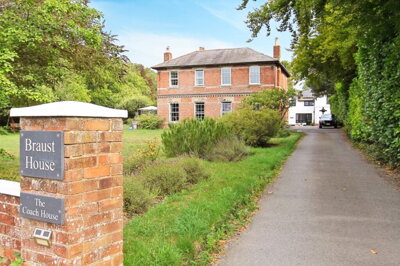
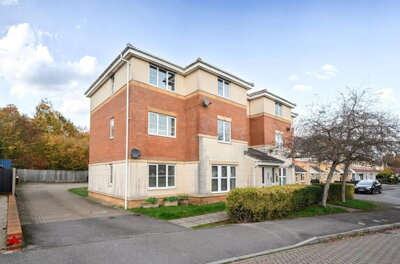
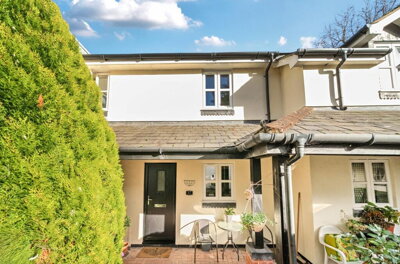
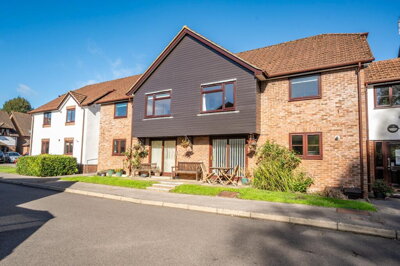
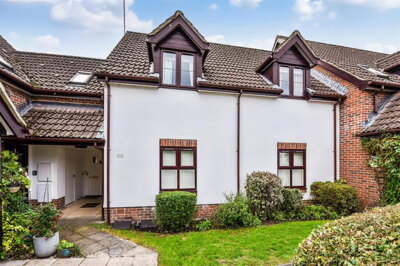
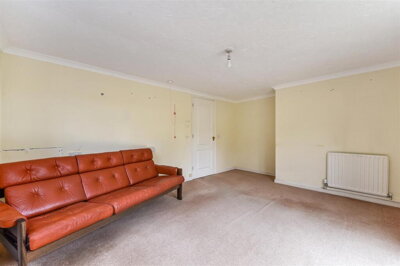
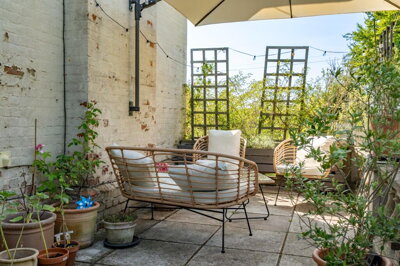
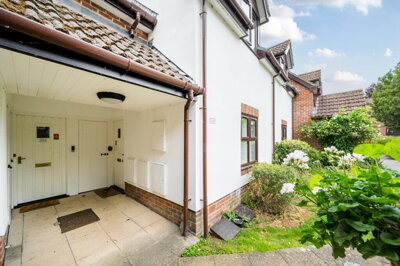
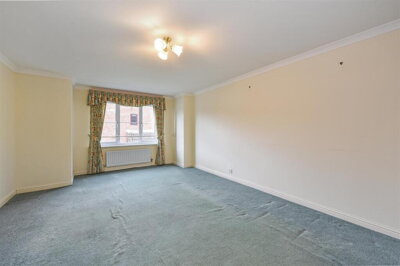
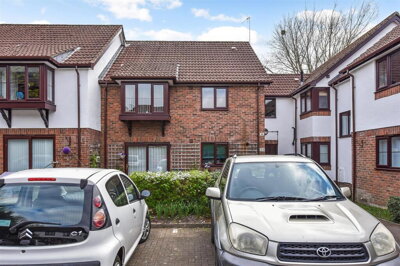
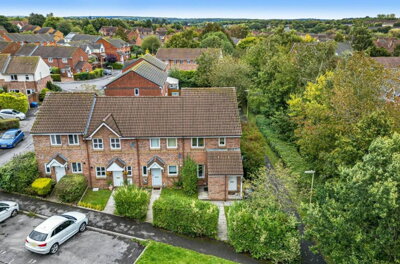
Browse 11 homes for sale in Penton Mewsey from local estate agents.
Studio apartments feature open-plan living spaces without separate bedrooms, incorporating sleeping, living, kitchen, and bathroom facilities. The Penton Mewsey studio market includes properties in modern apartment complexes, converted Victorian and Georgian buildings, and purpose-built developments.
The Chastleton property market operates as a boutique segment of the wider Cotswolds housing market, characterised by limited supply and sustained demand from buyers seeking prestigious rural addresses. Available data indicates average sold prices of £1,441,000 over recent months, with individual transactions ranging significantly depending on property type and condition. Detached family homes represent the predominant higher-value segment, with recent sales including a substantial property achieving £1,441,000 in March 2025 and another reaching £1,700,000 in late 2022, reflecting the premium commanded by well-presented period houses with land and gardens.
Semi-detached properties in Chastleton demonstrate similarly strong values, with median prices around £1,750,000 recorded in 2023, indicating that buyers pay substantial premiums for the village's unique combination of period character and village setting. The limited volume of transactions typical for villages of this size means that each property coming to market attracts considerable attention from buyers who have been waiting for an opportunity to enter this selective market. PropertyResearch.uk records approximately 29 total sales across the Chastleton area, while Zoopla data suggests around 65 properties feature in the historical sales record for the GL56 postcode, underscoring the scarcity that defines local market conditions.
No active new-build developments exist specifically within the Chastleton postcode area, as the village's conservation character and AONB designation severely limit opportunities for contemporary construction. Prospective buyers should therefore focus on the established period housing stock, which ranges from traditional Cotswold stone cottages to substantial detached residences, all requiring careful inspection given their age and construction methods. The absence of new supply continues to support values in this sought-after village, where demand from London and Birmingham commuters seeking rural retreats has intensified significantly since the pandemic shifted working patterns.

Chastleton embodies the timeless appeal of the classic English village, offering residents a lifestyle that prioritises natural beauty, community connection, and architectural heritage over urban convenience. The village sits within the Cotswolds, Britain's largest designated Area of Outstanding Natural Beauty, spanning 790 square miles of rolling hills, limestone escarpments, and honey-coloured villages that have attracted artists, writers, and affluent weekend visitors for generations. The surrounding landscape features classic Cotswold geology, with Jurassic limestone underlying much of the area and creating the distinctive golden stone that gives local buildings their warm, inviting appearance.
The village itself centres around St Mary's Church, a Norman-period structure that anchors the community and serves as a focal point for village events throughout the year. Chastleton House, the National Trust property occupying the village's edge, provides residents and visitors with access to one of England's finest Jacobean mansions, complete with original contents, formal gardens, and a fascinating history reflecting the turbulent political past of the English gentry. The estate's presence has helped preserve the village's architectural heritage, ensuring that planning controls maintain the high standards expected in this designated landscape.
Daily life in Chastleton reflects the practical realities of rural village living, with essential shopping and services accessed in nearby market towns such as Moreton-in-Marsh and Chipping Campden, both within a short drive along scenic lanes. The village pub provides a welcoming gathering place for locals, while the extensive footpath network radiating from the village offers excellent opportunities for walking, with the Cotswold Way passing nearby and providing connections to neighbouring villages. The demographic profile of villages like Chastleton typically includes professionals who have embraced remote working, retirees drawn by the quality of life, and families seeking to escape urban pressures.

Families considering a move to Chastleton will find educational options concentrated in the nearby market towns of West Oxfordshire, with primary school provision within reasonable driving distance and secondary education available in the surrounding towns. The rural nature of Chastleton means that school transport arrangements require careful consideration, with many families factoring catchment areas and journey times into their property search criteria. Local primary schools in surrounding villages and towns typically serve the Chastleton community, with Ofsted ratings and reputation playing significant roles in parental decision-making.
Secondary education options include well-regarded comprehensive schools in towns such as Chipping Campden and Bicester, alongside grammar school provision accessible in nearby larger settlements where selective education remains available. Parents seeking independent schooling will discover several prestigious options within driving distance, including schools in Oxford and Stratford-upon-Avon, reflecting the aspirational demographic that typically gravitates toward Cotswold villages. Daily transport arrangements or weekly boarding are common for families living in more rural locations who choose independent schooling for their children.
Transport connectivity from Chastleton reflects its rural village status, with residents typically relying on private vehicles for daily commuting and accessing essential services. The village sits within reasonable distance of major road routes including the A44 linking Oxford to Evesham, providing connections to the wider motorway network via the A40 and M40 motorway that serve Oxfordshire. Journey times by car to Oxford city centre typically range from 40 to 50 minutes under normal traffic conditions, while Birmingham can be reached in approximately 90 minutes via the M40.
Rail services from nearby stations at Moreton-in-Marsh and Kingham provide access to the national rail network, with direct services to Oxford, Worcester, and London Paddington available depending on the station and time of day. Moreton-in-Marsh station sits approximately 7 miles from Chastleton and offers regular connections to Oxford (journey time around 35 minutes) and London Paddington (approximately 90 minutes), making it practical for commuters willing to drive to the station. The Cotswold Line rail service that serves these stations has seen improved frequency in recent years, enhancing the viability of rural living for those who need to commute periodically to London or other major centres.
Local bus services provide limited but useful connectivity between Chastleton and neighbouring villages and towns, serving residents who prefer not to drive or who wish to reduce their environmental footprint. However, service frequencies are typically modest, making them practical for social journeys and occasional shopping trips rather than regular daily commuting. Parking at home presents no issues in Chastleton, with most properties offering generous off-road parking or garaging reflecting the village's generous plot sizes.
Begin by exploring the Chastleton property market thoroughly, understanding price ranges for different property types and the premium that period Cotswold stone properties command. Set up automated alerts for new listings using Homemove, as properties in this sought-after village sell quickly when they become available. Consider engaging a local estate agent with specific experience in the Chastleton and Cotswolds market, as their knowledge of available stock and vendor circumstances proves invaluable.
Before viewing properties, obtain a mortgage agreement in principle from a lender, demonstrating your purchasing capacity to estate agents and vendors. Given average prices around £1,441,000, most buyers will require substantial mortgage facilities, so ensure your financial documentation is complete and your credit history is clear. Consider consulting a whole-of-market mortgage broker who can access competitive rates and advise on suitable products for a high-value rural property purchase.
View selected properties with your agent, paying particular attention to construction quality, maintenance history, and any signs of common issues affecting period properties in the Cotswolds. Ask vendors about the age of heating systems, recent improvements, and any planning permissions or listed building consents obtained for alterations. Take notes and photographs to help compare properties later, as the village's limited supply means viewings may be spread across different occasions.
Once your offer is accepted, instruct a RICS Level 2 Survey to assess property condition, particularly important for older Cotswold stone buildings where damp, roof condition, and timber defects are common concerns. Properties in conservation areas or those that are listed buildings may require the more detailed RICS Level 3 Building Survey to fully assess condition and identify issues requiring specialist attention. The survey report provides negotiating leverage if significant defects are identified, allowing you to request repairs or price adjustments before proceeding.
Instruct a solicitor experienced in Cotswold property transactions to handle your purchase, ensuring they understand conservation area requirements and listed building implications. Your conveyancer will conduct searches with West Oxfordshire District Council, investigate title matters, and ensure all planning documentation is in order. Given the period properties typical of Chastleton, searches may reveal matters requiring further investigation, such as historical planning decisions or compliance with listing requirements.
Once all legal work is satisfactory and your mortgage offer is confirmed, proceed to exchange contracts and pay your deposit, typically 10% of the purchase price. Completion dates are agreed between parties, and on the day your funds are transferred, you will receive the keys to your new Chastleton home. Register your ownership with the Land Registry and update your address with banks, employers, and utility suppliers.
Properties in Chastleton are predominantly constructed from local Cotswold limestone using traditional methods that differ significantly from modern building standards, requiring specific considerations during the purchase process. The majority of village properties are likely to pre-date 1919, with construction featuring solid walls without cavity insulation, traditional lime-based mortars, and handcrafted architectural details that require ongoing maintenance. When viewing period properties, examine external stonework for signs of weathering, erosion, or inappropriate repairs using modern cementitious materials that can trap moisture and accelerate deterioration.
Damp represents one of the most common issues affecting older Cotswold properties, manifesting as rising damp where original damp-proof courses have failed, penetrating damp where stonework or pointing has deteriorated, or condensation resulting from inadequate ventilation in solid-walled buildings. Check basement areas and cellars for water ingress, examine skirting boards and wall coverings for staining or peeling, and assess whether the property's current ventilation arrangements are appropriate for its construction type. Properties that have been sympathetically updated with proper breathable materials and appropriate ventilation systems will typically command premiums but offer better long-term value.
Roof conditions warrant careful inspection on any Chastleton property, as traditional slate and stone tile roofs on period buildings frequently require ongoing maintenance and eventual replacement. Look for slipped, broken, or missing tiles, check pointing condition on ridge tiles, and examine leadwork around chimneys and valleys for signs of deterioration. Timber defects including woodworm and both wet and dry rot commonly affect roof structures and floor joists in older properties, so a thorough RICS Level 2 Survey is essential before completing your purchase.
The average sold house price in Chastleton over recent months stands at £1,441,000, reflecting the premium nature of this sought-after Cotswolds village. Detached properties have sold for between £910,000 and £1,700,000 depending on size, condition, and grounds, while semi-detached homes have achieved prices around £1,750,000 in recent transactions. The limited supply of properties in this designated village ensures that well-presented homes command strong prices from buyers seeking access to this prestigious rural location.
Properties in Chastleton fall under West Oxfordshire District Council's council tax banding system, with most period properties likely to be in bands D through H depending on their assessed value. Council tax bands for specific properties can be verified through the Valuation Office Agency's online search facility using the property address or council tax reference number. The district council's website also provides details of current council tax charges for each band, enabling buyers to budget for ongoing costs alongside their mortgage payments.
Primary education near Chastleton is provided through village schools in surrounding communities and larger primaries in nearby towns such as Moreton-in-Marsh, with good Ofsted-rated options available within reasonable driving distance. Secondary education options include comprehensives in Chipping Campden and other market towns, with grammar school provision accessible in Oxfordshire where selective education is available. Parents seeking independent schooling will find several highly-regarded options within the region, including schools in Oxford and Stratford-upon-Avon.
Public transport connectivity from Chastleton is limited, reflecting its status as a small rural village, with residents primarily relying on private vehicles for daily transport needs. The nearest railway stations at Moreton-in-Marsh and Kingham offer rail services to Oxford and London Paddington, with Moreton-in-Marsh approximately 7 miles from the village and accessible by car. Local bus services operate between Chastleton and surrounding villages, though service frequencies are modest and primarily serve social and occasional shopping journeys rather than daily commuting.
Property in Chastleton has historically demonstrated strong capital values, supported by the village's location within the Cotswolds Area of Outstanding Natural Beauty and the enduring demand for prestige rural addresses from buyers across the UK. The village's conservation character, combined with the National Trust presence at Chastleton House, helps maintain property values by limiting new development and preserving the area's distinctive appearance. Investment returns are typically derived from capital appreciation rather than rental income, as the village's small size and limited tenant demand make buy-to-let investments less attractive than owner-occupier purchases.
Stamp Duty Land Tax on a Chastleton property priced at the current market average of £1,441,000 would be calculated as follows under standard 2024-25 thresholds: zero percent on the first £250,000, five percent on the next £675,000 (from £250,001 to £925,000), and ten percent on the remaining balance from £925,001 to £1,441,000, resulting in total SDLT of approximately £36,800. First-time buyers purchasing residential property may qualify for relief on the first £425,000 of a purchase, reducing the SDLT liability, though this relief is not available for properties purchased above £625,000.
Properties in Chastleton are predominantly period constructions using traditional Cotswold stone methods, so buyers should pay particular attention to damp issues, roof condition, timber defects including woodworm and rot, and the condition of traditional lime mortar pointing. Conservation area and listed building status will restrict what alterations are permitted, so understanding these implications before purchase is essential for any planned improvements. A thorough RICS Level 2 or Level 3 Survey is strongly recommended to identify any structural or maintenance issues that might require significant investment following purchase.
From £400
Professional survey assessing property condition for Chastleton's period properties
From £600
Detailed building survey for older or listed properties
From 4.5%
Finance arranged for your Chastleton purchase
From £499
Legal services for your property purchase
Purchasing a property in Chastleton involves several costs beyond the purchase price itself, with Stamp Duty Land Tax representing the most significant additional expense for most buyers. At current threshold levels for 2024-25, buyers pay no SDLT on the first £250,000 of a purchase price, five percent on amounts between £250,001 and £925,000, and ten percent on the balance up to £1.5 million. For a typical Chastleton property at the recent average price of £1,441,000, this calculation results in SDLT of approximately £36,800, a substantial sum that should be factored into your overall budget alongside deposit, mortgage arrangement fees, and legal costs.
First-time buyers purchasing residential property may benefit from SDLT relief that increases the zero-rate threshold to £425,000, with five percent applying between £425,001 and £625,000, though this relief phases out completely for purchases exceeding £625,000. Given the price levels in Chastleton, most buyers purchasing at typical market prices will exceed the first-time buyer relief threshold and therefore pay standard SDLT rates. However, first-time buyers purchasing lower-priced cottages or smaller properties within the village may still qualify for some relief.
Professional costs for a Chastleton property purchase include solicitor fees for conveyancing work, typically ranging from £500 to £1,500 depending on the complexity of the transaction. Survey costs for a RICS Level 2 Survey on a period property typically range from £400 to £900 depending on property size, with larger or more complex homes potentially requiring the more detailed RICS Level 3 Building Survey. Buildings insurance should be arranged before completion, with specialist insurers for listed buildings or period properties using traditional construction methods offering appropriate coverage that reflects the higher reinstatement costs associated with Cotswold stone buildings.
Properties for Sale In London

Properties for Sale In Plymouth

Properties for Sale In Liverpool

Properties for Sale In Glasgow

Properties for Sale In Sheffield

Properties for Sale In Edinburgh

Properties for Sale In Coventry

Properties for Sale In Bradford

Properties for Sale In Manchester

Properties for Sale In Birmingham

Properties for Sale In Bristol

Properties for Sale In Oxford

Properties for Sale In Leicester

Properties for Sale In Newcastle

Properties for Sale In Leeds

Properties for Sale In Southampton

Properties for Sale In Cardiff

Properties for Sale In Nottingham

Properties for Sale In Norwich

Properties for Sale In Brighton

Properties for Sale In Derby

Properties for Sale In Portsmouth

Properties for Sale In Northampton

Properties for Sale In Milton Keynes

Properties for Sale In Bournemouth

Properties for Sale In Bolton

Properties for Sale In Swansea

Properties for Sale In Swindon

Properties for Sale In Peterborough

Properties for Sale In Wolverhampton

Enter your details to see if this property is within your budget.
Loans, cards, car finance
Estimated property budget
Borrowing + deposit
You could borrow between
Typical borrowing
Monthly repayment
Est. at 4.5%
Loan-to-value
This is an estimate only. Your actual budget may vary depending on interest rates, credit history, and personal circumstances. For an accurate affordability assessment, speak to one of our free mortgage advisors.
This calculator provides estimates for illustrative purposes only and does not constitute financial advice. Your home may be repossessed if you do not keep up repayments on your mortgage. Estimates based on 4.5% interest rate, repayment mortgage. Actual rates depend on your circumstances.
Homemove is a trading name of HM Haus Group Ltd (Company No. 13873779, registered in England & Wales). Homemove Mortgages Ltd (Company No. 15947693) is an Appointed Representative of TMG Direct Limited, trading as TMG Mortgage Network, which is authorised and regulated by the Financial Conduct Authority (FRN 786245). Homemove Mortgages Ltd is entered on the FCA Register as an Appointed Representative (FRN 1022429). You can check registrations at NewRegister or by calling 0800 111 6768.

We use cookies to show you personalised content and improve your experience of our website. Find out more in our Privacy policy and Cookie policy.