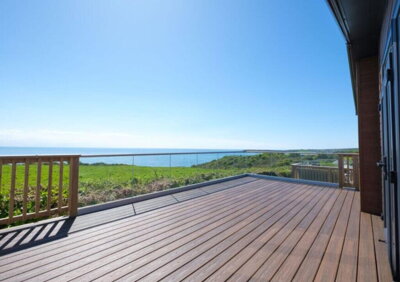
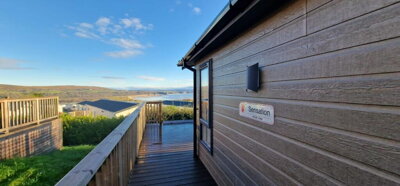
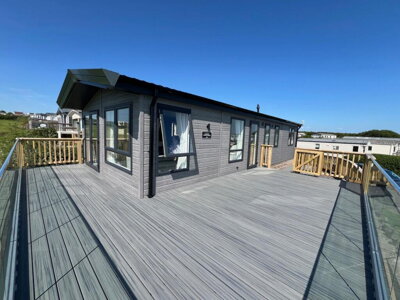
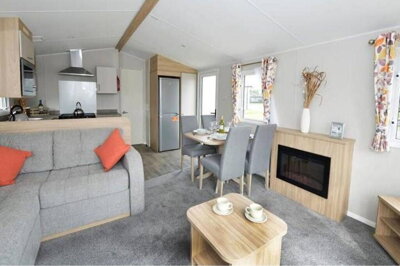
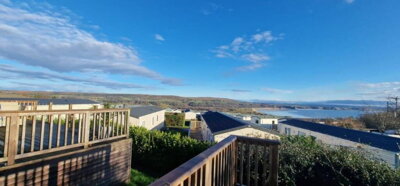
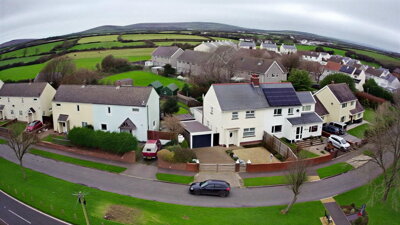
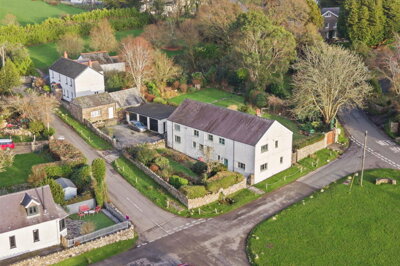
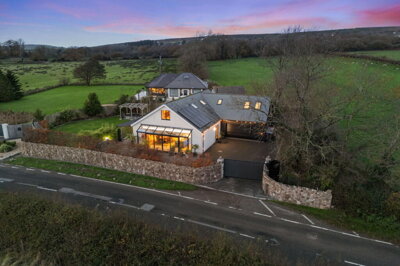
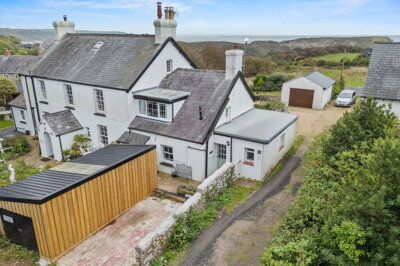
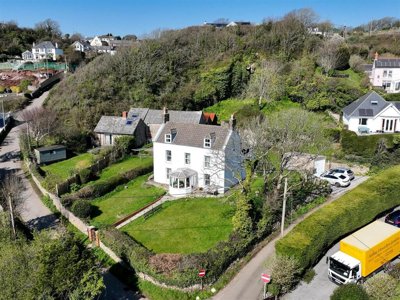
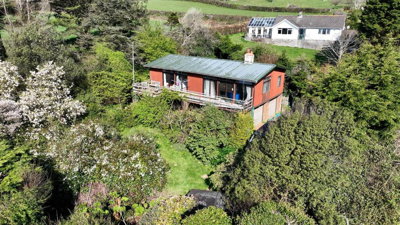
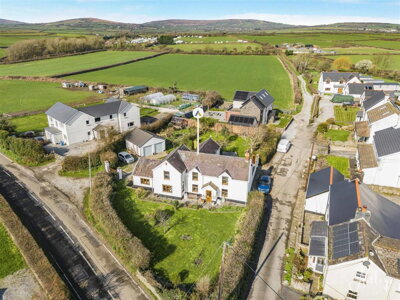
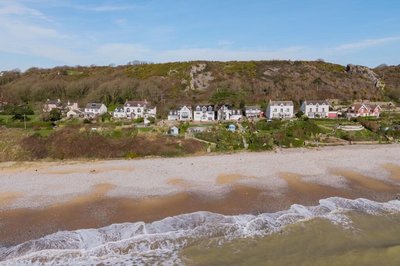
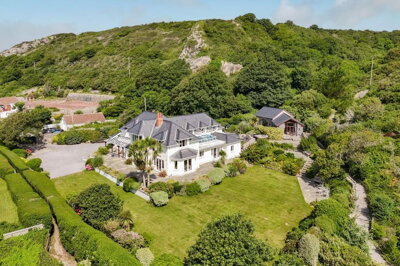
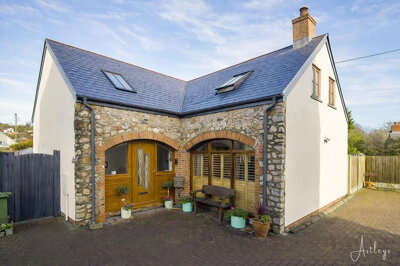
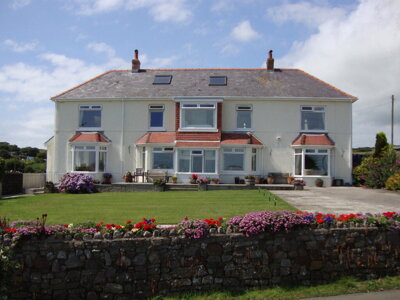
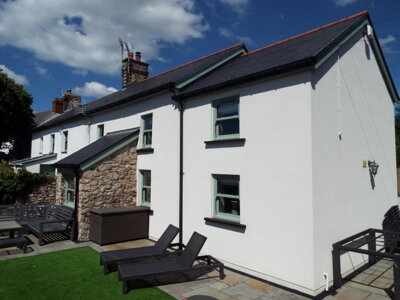
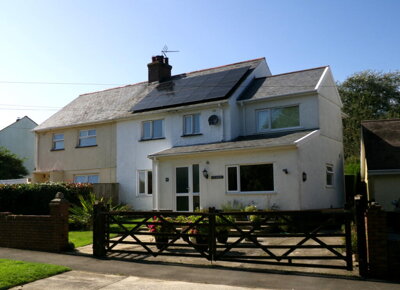
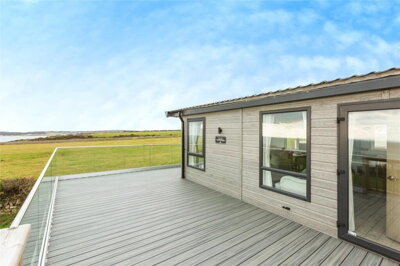
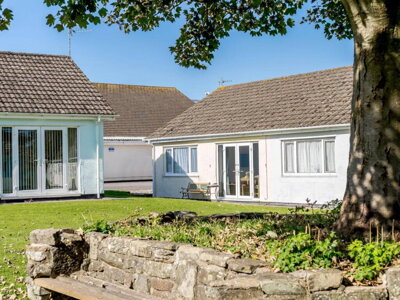
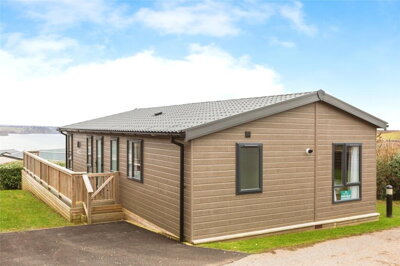
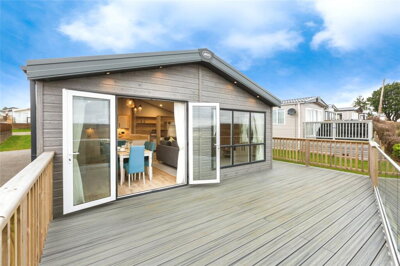
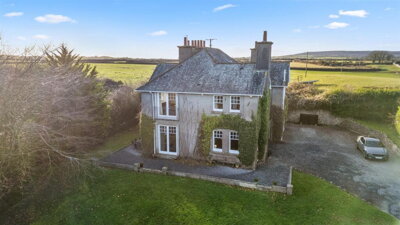
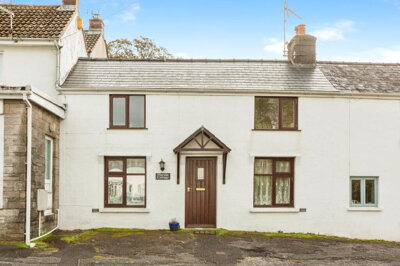
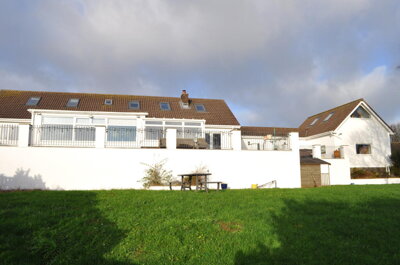
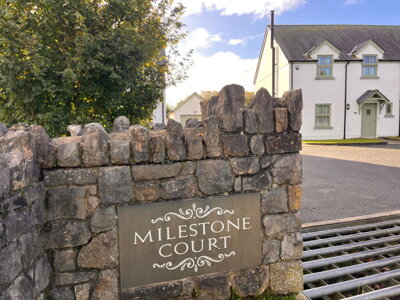
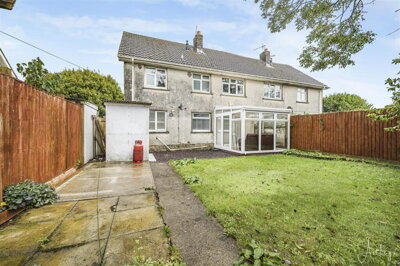
Browse 36 homes for sale in Penrice, Swansea from local estate agents.
£246k
15
0
117
Source: home.co.uk
Source: home.co.uk
Lodge
5 listings
Avg £231,095
Detached
4 listings
Avg £1.39M
Mobile Home
3 listings
Avg £242,328
Caravan
2 listings
Avg £60,473
Detached Bungalow
1 listings
Avg £489,950
Source: home.co.uk
Source: home.co.uk
The property market in Penrice reflects the unique characteristics of the Gower Peninsula, where limited supply meets consistently strong demand from buyers seeking a rural coastal lifestyle. As a conservation area within an AONB, development opportunities are naturally constrained, which helps maintain property values over time. The village predominantly features detached and semi-detached properties, with terraced houses and flats remaining relatively uncommon in this rural setting. Property ages in Penrice range from historic cottages predating 1919 to more recent additions, though new build activity in such a protected area is typically limited to small-scale conversions and infill projects rather than large residential developments.
Building materials throughout Penrice reflect the local geology, with properties commonly constructed using Carboniferous Limestone sourced from the peninsula and finished with traditional render. Roofing materials typically feature slate, which has been the standard covering for generations given the areas exposed coastal position. Prospective buyers should note that many properties will have solid walls rather than cavity insulation, and older properties may require upgrading of electrical systems and plumbing to meet modern standards. The Penrice Castle Estate itself offers holiday cottages and farm properties, some of which occasionally become available on the open market, presenting rare opportunities to acquire properties with significant historical connections.
The SA3 postcode area covering the Gower Peninsula commands premium prices reflecting the areas AONB status, limited supply, and strong demand from buyers seeking coastal and rural lifestyles. Detached properties and historic homes in conservation areas typically achieve higher prices than comparable properties elsewhere in Swansea. Data for Penrice village itself is not published separately, as property information is typically aggregated at the broader SA3 postcode level. However, the pattern of sales across the peninsula suggests that period properties with land or historical connections command the strongest premiums, while more modest cottages represent the entry point to the local market.

Properties in Penrice and across the Gower Peninsula were traditionally built using local materials that reflected both the available geology and the practical requirements of the exposed coastal environment. The Carboniferous Limestone that forms the dramatic cliffs and rocky outcrops along the coastline was naturally adopted as the primary building stone, with quarries throughout the peninsula providing material for walls, boundary walls, and farm buildings. This limestone is relatively soft when freshly quarried but hardens over time, creating the warm, honey-coloured stone walls that define the villages character. Traditional construction used lime-based mortars and renders that allow the structure to breathe, unlike modern cement products that can trap moisture and cause deterioration in historic fabric.
The solid-wall construction method used in most pre-1919 properties differs significantly from modern cavity wall building techniques, requiring different approaches to insulation, damp proofing, and maintenance. Properties with solid walls lack the cavity that modern builds use to manage moisture penetration, meaning that damp issues require attention through other means such as improved ventilation, revised ground levels, and the application of breathable lime renders. The application of inappropriate cement render or non-breathable paints to traditional stone walls can cause serious deterioration by trapping moisture within the fabric, leading to spalling stone, crumbling mortar joints, and internal damp problems that may not become apparent until significant damage has occurred.
Roofing throughout Penrice typically features natural slate, sourced originally from Welsh quarries and providing durable weatherproofing that has protected these buildings for generations. The pitched roof construction using timber rafters and battens supports the slate covering, though the condition of these timber elements should be assessed carefully during any property inspection. Leadwork around chimneys, valleys, and parapets represents a common area of concern in older properties, as lead can develop cracks and splits over time, allowing water penetration into the roof structure below. Flashing details at junctions between roofs and walls also require careful inspection, as deterioration in these critical areas represents one of the most common sources of penetrating damp in period properties.
The character of Penrice is shaped fundamentally by its relationship with the surrounding natural landscape and the historic Penrice Castle Estate. The village sits on the southern coast of the Gower Peninsula, overlooking Oxwich Bay, with views across to the limestone cliffs and sandy beaches that have made this coastline famous among outdoor enthusiasts and nature lovers. The Carboniferous Limestone geology creates the distinctive white cliffs and rocky outcrops visible throughout the area, while the villages position elevated above the bay provides stunning vistas that change with the seasons and weather. Morning walks along the coastal path offer opportunities to observe seabirds and, during the correct seasons, grey seals hauled out on rocky ledges below.
The local economy revolves primarily around agriculture and tourism, with the Penrice Castle Estate serving as a significant landowner and employer within the community. Farming operations continue on the estate and surrounding lands, maintaining the agricultural traditions that have shaped the landscape for centuries. The nearby village of Penrice itself contains limited but essential amenities, with residents typically travelling to surrounding villages or into Swansea for broader shopping requirements. The community spirit in such a small village remains strong, with local events and gatherings reflecting the close-knit nature of rural Welsh village life. Annual events often draw visitors from across the region, celebrating the areas heritage, agricultural traditions, and natural environment.
Amenities within Penrice itself are limited to essential services, with residents generally travelling to surrounding villages for everyday requirements. The neighbouring village of Ilston offers a public house and basic provisions, while the village of Killay provides access to a wider range of local shops and services. For comprehensive shopping, entertainment, and healthcare facilities, Swansea city centre is approximately 30 minutes away by car. The seasonal influx of visitors to the Gower Peninsula during summer months brings additional activity to the area, with many local businesses benefiting from the tourist trade while residents also enjoy access to coastal cafes, visitor attractions, and seasonal events that animate the community calendar throughout the warmer seasons.

Families considering a move to Penrice will find educational provision available at both primary and secondary levels within reasonable travelling distance. The local primary school serving the village and surrounding area provides education for younger children, with the Gower Peninsula maintaining several village primary schools that serve their local communities. For secondary education, pupils typically travel to schools in the surrounding towns, with transport arrangements in place for families living in more remote villages. The journey time to secondary schools should be factored into any decision regarding family relocation, particularly for those considering properties further from the main village centres.
The broader Swansea area offers comprehensive educational options including well-regarded secondary schools, sixth form colleges, and further education institutions. Parents should research specific school catchments and admissions criteria when considering properties in Penrice, as entry to popular schools can be competitive. Independent schooling options are also available in the Swansea area for families seeking alternatives to the state system. Given the rural nature of the Gower Peninsula, home education is also practiced by some families who appreciate the flexibility to incorporate the outstanding natural environment into their childrens learning experiences. Transport arrangements to schools beyond the immediate village will require careful planning, particularly for working parents managing school runs alongside other commitments.
Bishop Gore School in Swansea serves secondary age pupils from across the Gower Peninsula, offering a comprehensive curriculum and range of extracurricular activities. The school, located in the Sketty area of Swansea, is accessible via the A4118 road that connects Penrice to the city, though parents should verify catchment arrangements and consider transport logistics carefully when choosing a property. Private education options in Swansea include Ffynone House School, St Johns School, and the well-established independent schools serving pupils from nursery through sixth form. For families seeking an alternative to daily commuting, some choose to board pupils during the week, particularly as children progress to GCSE and A-level years when academic demands increase.

Transport connections from Penrice reflect its position as a rural village on a peninsula, requiring thoughtful planning for commuting and daily travel requirements. The primary route connecting the Gower Peninsula to Swansea city centre is the A4118, which provides access to the M4 motorway at junction 47 for those travelling further afield. Journey times to Swansea city centre average approximately 30 minutes by car under normal traffic conditions, though this can extend significantly during peak hours or summer weekends when tourist traffic increases substantially. The villages position at the southern end of the peninsula means that some services and employment centres in northern Swansea are more accessible than others, and prospective residents should consider typical commute patterns carefully.
Public transport options serving Penrice include bus services that connect the Gower Peninsula villages to Swansea, though frequencies are reduced compared to urban routes and service patterns may not suit all working patterns. The nearest railway stations are located in Swansea and Gowerton, requiring car travel to reach them from Penrice. For those working in Swansea, park and ride facilities at certain locations can offer an alternative to driving into the city centre. Many residents of the Gower Peninsula choose to work remotely where possible, taking advantage of the improved broadband connectivity that now reaches most of the area. Cycling is popular for recreational purposes along the coastal paths and minor roads, though commuting by bicycle to Swansea would be challenging given the distance and terrain involved.
Daily commuting logistics require careful consideration when purchasing property in Penrice, as the distance to employment centres means that most residents will rely on private vehicles for the foreseeable future. Parking provision at properties should be assessed during viewings, as garage space and driveway availability varies considerably across the village. For those working in Swansea but seeking to reduce car dependency, the option of combining train travel with cycling represents a possibility for those based reasonably close to Gowerton station, though this would still require a substantial journey. The villages position means that residents typically accept a car-dependent lifestyle in exchange for the quality of life benefits that rural coastal living provides.

Before viewing properties, spend time exploring Penrice at different times of day and week to understand what living there actually involves. Visit the village, walk the local footpaths, and speak to residents about their experiences. The limited local amenities mean understanding your practical requirements for shopping, healthcare, and social activities is essential. Consider visiting at different seasons, as the character of the peninsula changes considerably between the quiet winter months and the busy summer period when tourist traffic increases substantially.
Obtain a mortgage agreement in principle before viewing properties, as this demonstrates your position to sellers and helps accelerate the purchasing process once you find your ideal home. Penrice properties can attract competitive interest, so being financially prepared gives you an advantage in negotiations. Contact lenders experienced with rural and coastal properties, as some mortgage products may have specific requirements for properties in conservation areas or those with unusual construction methods.
Work with estate agents familiar with the Gower Peninsula market to arrange viewings of suitable properties. Many properties in Penrice have historical significance or specific condition issues, so attending viewings with an open mind and appropriate questions is advisable. Consider viewing properties both occupied and vacant, as occupied properties may conceal defects behind furniture and fixtures while vacant properties allow unrestricted inspection of the full structure.
Given the age of many properties in Penrice and the presence of conservation areas and listed buildings, a comprehensive RICS Level 2 survey is particularly important. This will identify any structural issues, timber defects, damp problems, or other concerns common to older rural properties. For properties of significant historical interest or those adjacent to listed structures, consider whether additional specialist surveys may be warranted to assess heritage considerations.
Choose a solicitor with experience in rural and heritage properties to handle your purchase. They will manage local authority searches, check planning permissions for any alterations, and ensure compliance with conservation area requirements where applicable. Additional searches specific to the Gower Peninsula may include environmental searches related to flooding, ground conditions, and the presence of protected habitats or species.
Once surveys are satisfactory and legal checks are complete, your solicitor will coordinate the final arrangements for exchange and completion. On completion day, you will receive the keys to your new Penrice home and can begin your life in this remarkable corner of Wales. Allow time for the practical transition, including registering with local services, arranging internet connection, and familiarising yourself with the community networks that support daily life in this rural village.
Properties in Penrice require careful assessment due to their age, construction methods, and the areas environmental considerations. The prevalence of traditional building materials means that damp issues can affect both historic and period properties, particularly those with solid walls lacking modern damp-proof courses. When viewing properties, pay close attention to the condition of render and stonework, looking for signs of cracking, bulging, or water staining that might indicate underlying structural concerns. The presence of inappropriate modern materials, such as cement render applied to breathable limestone walls, can cause long-term damage that may not be immediately apparent. A thorough RICS Level 2 survey will identify these issues and provide cost estimates for any necessary remedial work.
Flood risk represents an important consideration for properties on the Gower Peninsula, with coastal areas naturally susceptible to tidal flooding and surface water issues during heavy rainfall. While Penrice village itself sits elevated above the immediate coastline at Oxwich Bay, prospective buyers should consult detailed flood risk maps and request any relevant documentation regarding flood history from sellers. Properties in conservation areas may be subject to planning restrictions affecting external alterations, so understanding what permissions would be required for any proposed changes is essential before committing to a purchase. The concentration of listed buildings and protected structures means that specialist advice may be needed when purchasing properties with historical significance or those neighbouring heritage assets.
Structural concerns specific to the Gower Peninsula include the potential for clay soil shrink-swell movement in areas where such soils are present, particularly near mature trees whose root systems extract moisture from the ground during dry periods. While the peninsula is not a significant coal mining area, and mining-related subsidence is generally not a primary concern for Penrice, localised ground conditions should still be assessed as part of any property survey. Timber defects including rot and woodworm activity require careful inspection in properties where wooden elements have been exposed to moisture over extended periods. Electrical systems in older properties frequently require updating to meet current safety standards, with particular attention needed to consumer units, wiring condition, and the presence of adequate earthing arrangements.

Specific average price data for Penrice village itself is not published separately, as property information is typically aggregated at the broader SA3 postcode level covering the Gower Peninsula. The Gower market generally commands premium prices reflecting the areas AONB status, limited supply, and strong demand from buyers seeking coastal and rural lifestyles. Detached properties and historic homes in conservation areas typically achieve higher prices than comparable properties elsewhere in Swansea. For current listings, browse our property search which shows properties actually available for sale in Penrice and surrounding villages on the Gower Peninsula. Entry-level properties in the village typically comprise historic stone cottages, while substantial detached farmhouses and period properties with land command the highest prices in the local market.
Council tax bands in Penrice are set by Swansea Council, with individual properties assigned to bands A through H based on their assessed value. Given the mix of property types in the village, from historic cottages to substantial farmhouses and manor houses, council tax bands will vary accordingly. Properties with historical significance or larger floor areas may fall into higher bands. Prospective buyers can check specific bandings on the Swansea Council website or through the property listing details provided by estate agents. Properties on the Penrice Castle Estate may attract premium council tax assessments reflecting their substantial nature and the extensive grounds associated with such holdings.
Primary education in Penrice is served by local village schools serving their immediate communities, with pupils typically progressing to secondary schools in surrounding towns. The Gower Peninsula maintains several primary schools with good reputations, though families should check current performance data and admissions criteria. For secondary education, options include schools in Swansea and the Gower, with transport arrangements available for pupils travelling from Penrice. Independent schooling options exist in Swansea for families seeking alternatives. Given the rural location, home education is also practiced by some families who value incorporating the natural environment into learning. School transport provision is coordinated by Swansea Council, with routes serving the main secondary schools accessible to pupils resident in Penrice and the surrounding villages.
Public transport connections from Penrice reflect its rural peninsular location, with bus services providing the main public transport option for accessing Swansea and surrounding villages. Service frequencies are lower than urban areas and may not suit all working patterns, so residents typically rely on private vehicles for daily commuting and activities. The nearest railway stations are in Swansea and Gowerton, requiring car travel to reach them. Many Penrice residents work remotely where their employment allows, taking advantage of the improved broadband connectivity now available in the area. Summer weekend services may experience additional demand from visitors travelling to Gower beaches, which can affect reliability for resident commuters.
Penrice and the wider Gower Peninsula represent a stable property market driven by consistent demand rather than speculative investment. The AONB designation and conservation area status limit supply by restricting new development, which helps support property values over time. Rental demand exists from those seeking the Gower lifestyle without purchasing property, and holiday let potential exists for properties meeting relevant criteria. However, prospective investors should consider the relatively small local tenant pool and the practical challenges of managing property in a remote rural location. Capital growth expectations should be moderate rather than exceptional, reflecting the niche but steady appeal of this beautiful part of Wales. Properties suitable for holiday letting would benefit from the significant visitor numbers drawn to the peninsula throughout the year, though planning permission may be required for certain rental arrangements.
Stamp duty land tax applies to all property purchases in England and Wales, including Penrice in Swansea. For standard purchases, there is no tax on the first 250,000 pounds of the purchase price. The rate increases to 5 percent on the portion between 250,001 and 925,000 pounds. First-time buyers may qualify for relief on the first 425,000 pounds, with 5 percent applying between 425,001 and 625,000 pounds. Properties above 925,000 pounds attract higher rates, and additional 3 percent surcharge applies to second homes and investment properties. Your solicitor will calculate the exact amount due based on your specific circumstances and purchase price. Properties in Penrice typically command prices within the middle stamp duty bands, though the premium nature of period properties with historical connections may push some transactions into higher rate categories.
Properties in Penrice are subject to planning restrictions associated with both the Area of Outstanding Natural Beauty designation and the conservation area status that covers the village. These designations limit permitted development rights and impose additional requirements for external alterations, extensions, and outbuilding construction. Any works affecting the external appearance of properties in the conservation area will require planning permission from Swansea Council, and applications are assessed against policies designed to preserve the villages character. Properties adjacent to or visible from listed buildings face additional scrutiny, with Historic Environment Wales guidance applying to any works that might affect the setting of heritage assets. Prospective buyers should obtain pre-application advice from Swansea Council planning department before committing to purchases where they have significant alteration plans.
Older properties in Penrice require particular attention to construction type, building fabric condition, and the presence of traditional materials that may perform differently from modern equivalents. Solid wall construction lacks the moisture management properties of cavity walls, meaning that damp issues must be addressed through appropriate means rather than standard modern treatments. The condition of lime-based renders and mortars should be assessed carefully, as inappropriate repair using cement products can cause accelerated deterioration of historic stonework. Roof structures require inspection for timber defects, while electrical and plumbing systems in properties over 50 years old frequently require updating to meet current safety standards and practical requirements.
From £400
A detailed inspection of the property condition, ideal for older homes with potential defects
From £600
A comprehensive survey for complex properties, conversions, or major works
From £85
Energy Performance Certificate required for all property sales
From £499
Specialist legal services for your property purchase
Understanding the full costs of purchasing property in Penrice is essential for budgeting effectively, as the purchase price represents only part of your financial commitment. Stamp duty land tax rates for 2024-25 apply no charge on the first 250,000 pounds of residential property purchases, rising to 5 percent on amounts between 250,001 and 925,000 pounds. For properties priced between 925,001 and 1.5 million pounds, the rate increases to 10 percent, with 12 percent applying to amounts exceeding 1.5 million pounds. First-time buyers purchasing properties up to 625,000 pounds can benefit from increased thresholds, paying no stamp duty on the first 425,000 pounds and 5 percent on amounts between 425,001 and 625,000 pounds.
Beyond stamp duty, additional buying costs include solicitor conveyancing fees typically starting from 499 pounds for standard transactions, though costs may increase for properties with complex title issues or those in conservation areas requiring additional searches. Survey costs for a RICS Level 2 homebuyer report generally range from 400 to 1,000 pounds depending on property value and size, with larger or more complex properties attracting higher fees. For properties in Penrice, where many homes are older and may have historic defects, investing in a comprehensive survey before purchase is particularly advisable. Land registry fees, local authority search fees, and mortgage arrangement fees should also be factored into your budget, along with moving costs and any immediate maintenance or renovation requirements once you take ownership of your new home.
Environmental searches specific to the Gower Peninsula may include flood risk assessments, which are particularly relevant for properties near the coastline or in areas susceptible to surface water flooding. These additional searches add to the overall purchase cost but provide important information about potential risks affecting the property. Buildings insurance costs may be higher for period properties with historic fabric, particularly those constructed with traditional materials that require specialist repair contractors. The proximity to the sea and the exposed position of the peninsula can also influence insurance premiums, so obtaining quotes before purchase completion is advisable. Survey and valuation fees are typically payable upfront, while solicitor fees and stamp duty are due upon completion of the transaction.

Properties for Sale In London

Properties for Sale In Plymouth

Properties for Sale In Liverpool

Properties for Sale In Glasgow

Properties for Sale In Sheffield

Properties for Sale In Edinburgh

Properties for Sale In Coventry

Properties for Sale In Bradford

Properties for Sale In Manchester

Properties for Sale In Birmingham

Properties for Sale In Bristol

Properties for Sale In Oxford

Properties for Sale In Leicester

Properties for Sale In Newcastle

Properties for Sale In Leeds

Properties for Sale In Southampton

Properties for Sale In Cardiff

Properties for Sale In Nottingham

Properties for Sale In Norwich

Properties for Sale In Brighton

Properties for Sale In Derby

Properties for Sale In Portsmouth

Properties for Sale In Northampton

Properties for Sale In Milton Keynes

Properties for Sale In Bournemouth

Properties for Sale In Bolton

Properties for Sale In Swansea

Properties for Sale In Swindon

Properties for Sale In Peterborough

Properties for Sale In Wolverhampton

Enter your details to see if this property is within your budget.
Loans, cards, car finance
Estimated property budget
Borrowing + deposit
You could borrow between
Typical borrowing
Monthly repayment
Est. at 4.5%
Loan-to-value
This is an estimate only. Your actual budget may vary depending on interest rates, credit history, and personal circumstances. For an accurate affordability assessment, speak to one of our free mortgage advisors.
This calculator provides estimates for illustrative purposes only and does not constitute financial advice. Your home may be repossessed if you do not keep up repayments on your mortgage. Estimates based on 4.5% interest rate, repayment mortgage. Actual rates depend on your circumstances.
Homemove is a trading name of HM Haus Group Ltd (Company No. 13873779, registered in England & Wales). Homemove Mortgages Ltd (Company No. 15947693) is an Appointed Representative of TMG Direct Limited, trading as TMG Mortgage Network, which is authorised and regulated by the Financial Conduct Authority (FRN 786245). Homemove Mortgages Ltd is entered on the FCA Register as an Appointed Representative (FRN 1022429). You can check registrations at NewRegister or by calling 0800 111 6768.

We use cookies to show you personalised content and improve your experience of our website. Find out more in our Privacy policy and Cookie policy.