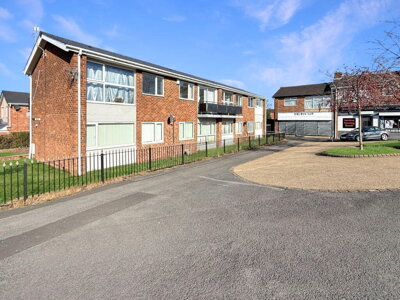
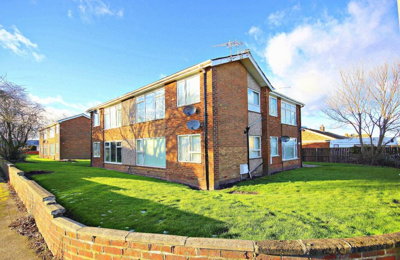
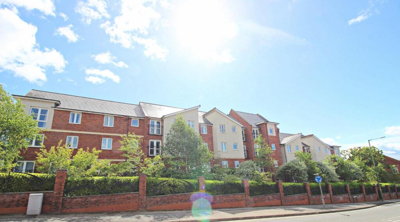
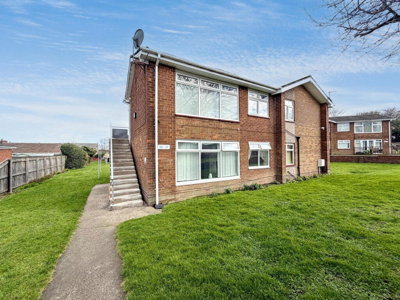
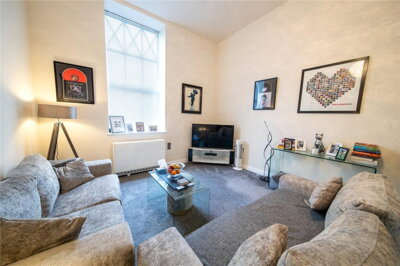
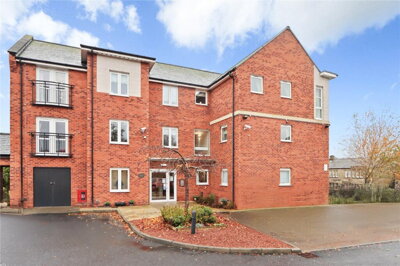
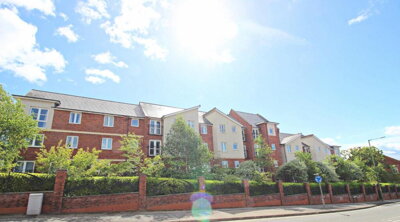
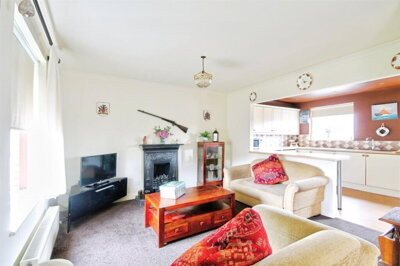
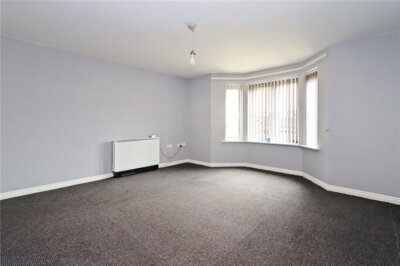
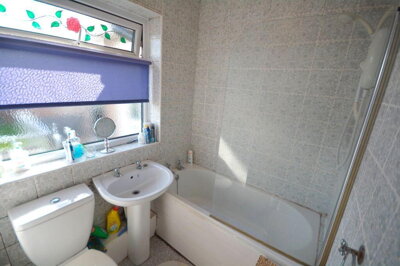
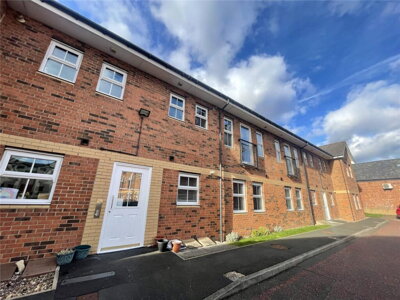
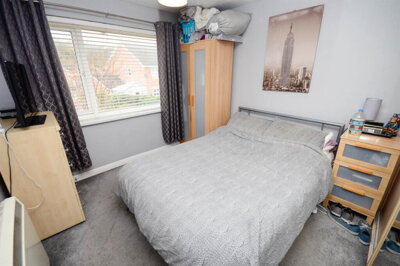
Browse 12 homes for sale in Pelton, County Durham from local estate agents.
One bed apartments provide a separate bedroom alongside distinct living space, bathroom, and kitchen areas. Properties in Pelton are available in various building types including mansion blocks, contemporary developments, and house conversions.
£55k
1
0
399
Source: home.co.uk
Showing 1 results for 1 Bedroom Flats for sale in Pelton, County Durham. The median asking price is £55,000.
Source: home.co.uk
Flat
1 listings
Avg £55,000
Source: home.co.uk
Source: home.co.uk
The Pelton property market presents compelling opportunities for buyers seeking quality homes at accessible price points. Detached properties command the highest prices, averaging £259,500, while semi-detached homes fetch around £158,527. For buyers working with tighter budgets, terraced properties averaging £120,000 and flats at approximately £75,000 offer excellent entry points to homeownership in this desirable village location. Over the past twelve months, the market has seen a modest cooling of 2.59%, creating potential negotiation opportunities for informed purchasers. This price adjustment affects all property types, with detached homes decreasing by 1.9%, semi-detached by 2.6%, terraced by 2.5%, and flats by 2.6% over the same period.
New build activity in Pelton remains healthy, with two significant developments currently active. The Meadows on Pelton Lane (DH2 1NX) offers 2, 3, and 4-bedroom homes from Ascent Homes, priced between £189,995 and £309,995. Miller Homes presents The Meadows at Pelton Lane (DH2 1NN) with 3 and 4-bedroom properties ranging from £209,995 to £309,995. These new builds provide modern specifications and energy efficiency benefits that appeal to buyers seeking low-maintenance living. Our listings encompass both new build and traditional properties, with 55 property sales completing in the area over the past year, indicating a steady market with good liquidity for sellers. The new build developments along Pelton Lane represent significant investment in the area, attracting buyers who appreciate the convenience of brand-new construction with NHBC warranties.
Investment in Pelton properties can take various forms, from purchasing a characterful mid-century semi-detached home for renovation to buying a modern new build with contemporary fixtures and fittings. The absence of conservation area restrictions in Pelton gives property owners greater flexibility with renovation projects compared to neighbouring villages. This freedom, combined with relatively affordable purchase prices, makes Pelton particularly attractive to investors and owner-occupiers alike who want to put their own stamp on a property without the constraints of listed building regulations or conservation guidelines.

Understanding the housing stock in Pelton helps buyers identify properties that match their needs and budget. The village predominantly features semi-detached homes at 42.1% of the housing stock, followed by terraced properties at 36.0%, with detached houses comprising 15.6% and flats or maisonettes accounting for 6.3%. This mix provides options across all price ranges, from affordable terraced starter homes to substantial detached family residences. The semi-detached properties, many built during the post-war expansion period between 1945 and 1980, typically offer generous gardens and practical family living spaces that remain highly sought after by buyers.
Property age distribution reveals that 75.2% of homes in Pelton were built before 1980, with the largest proportion (42.0%) constructed during the 1945-1980 period. These mid-century properties often feature solid brick construction, slate or tile roofs, and traditional layouts that appeal to buyers seeking character at accessible prices. The 24.8% of homes built since 1980 includes various styles from 1980s brick-built semis to contemporary new builds, providing options for those preferring modern construction methods and layouts. A smaller proportion of 13.9% pre-1919 properties adds historical character to the village, with features such as thicker walls, higher ceilings, and period details that newer properties cannot replicate.
Pelton offers residents a strong sense of community combined with practical amenities for everyday living. The village has evolved from its coal mining heritage into a thriving residential area where neighbours know each other and local events bring the community together. The housing stock reflects this history, with 42.1% semi-detached homes, 36% terraced properties, and 15.6% detached houses creating a predominantly family-oriented neighbourhood character. The remaining 6.3% comprises flats and maisonettes, providing options for first-time buyers and those seeking lower-maintenance accommodation. The 3,465 households that call Pelton home enjoy a balanced demographic mix of working families, young couples, and older residents who have lived in the area for decades.
Local amenities include convenience shops, pubs, and recreational facilities serving the local community. The area benefits from several parks and open spaces where families can enjoy outdoor activities, with the surrounding County Durham countryside providing additional recreational opportunities for walkers and nature enthusiasts. With 75.2% of properties built before 1980, the village retains much of its traditional character through solid brick construction and period features. The demographic mix includes working families, young couples, and older residents who have lived in the area for decades, creating a balanced community with good social infrastructure. Proximity to Chester-le-Street provides access to larger retail centres, restaurants, and leisure facilities while maintaining Pelton's distinctive village atmosphere.
The former coal mining heritage of Pelton has shaped the community into what it is today. While the mines have long since closed, the infrastructure and community spirit they fostered remain evident in the tight-knit neighbourhoods and local pride residents take in their area. Local pubs serve as community hubs, and village events bring residents together throughout the year. The transition from mining to a commuter village has brought new families into the area while retaining those who have roots stretching back generations, creating a rich social fabric that newer developments sometimes lack.

Families considering a move to Pelton will find educational provision adequate for primary-age children, with local primary schools serving the village and surrounding area. The community benefits from several primary schools within easy walking distance of residential neighbourhoods, reducing the need for school transport and allowing younger children to walk to school safely. Primary schools in the Pelton area typically serve catchment zones spanning the village itself, and parents are advised to verify current catchment boundaries with Durham County Council before purchasing property if school placement is a priority consideration. The 2021 Census data shows Pelton's population of 7,955 includes a significant proportion of families with children, indicating strong demand for educational services and a community geared towards family living.
Secondary education is available at schools in nearby Chester-le-Street and Durham, accessible via school bus services and regular public transport connections. The proximity to Durham city provides additional options including grammar schools for academically selective families. For higher education, Durham University and Newcastle University are both within reasonable commuting distance, making Pelton suitable for families with older children pursuing undergraduate or postgraduate studies. The strong transport links via the A1(M) and regular bus services make commuting to these universities feasible for students who prefer to live at home while studying, potentially saving significantly on accommodation costs compared to university towns.
Pelton enjoys excellent road connectivity through its proximity to the A1(M) motorway, providing direct access to Newcastle upon Tyne to the north and Durham to the south. This strategic position makes the village particularly attractive to commuters working in these major employment centres. Journey times by car to Newcastle city centre typically take around 25-30 minutes outside peak hours, while Durham is accessible in approximately 15 minutes. The A19 trunk road is also within easy reach, offering connections to Sunderland and Teesside for those working in these areas. For air travel, Newcastle International Airport provides domestic and international flights, reachable by road in around 35 minutes.
Public transport options include bus services connecting Pelton with Chester-le-Street, Durham, and Newcastle, providing viable alternatives to car travel for daily commuters. Durham railway station offers regular services to major cities including London, Edinburgh, and Birmingham, with journey times to London Kings Cross of approximately three hours making day trips to the capital feasible. Cyclists benefit from local roads and connections to the wider County Durham cycling network, though the hilly terrain may require varying fitness levels. Parking provision varies by property, with newer developments typically including allocated spaces while older terraced properties may rely on on-street parking arrangements.
Obtain a mortgage agreement in principle before beginning your property search. This strengthens your position when making offers and demonstrates to sellers that you are a serious buyer. Contact multiple lenders or use an independent mortgage broker to compare rates and find the best deal for your circumstances. With mortgage rates typically ranging from 3.85% to 5.5% depending on your deposit and credit history, speaking to a specialist broker can help you find competitive deals.
Explore current listings on Homemove to understand what is available within your budget. With average prices around £156,793, research whether detached homes averaging £259,500 or terraced properties at approximately £120,000 better suit your needs. Consider property age and construction type, as 75% of homes predate 1980 and may require different considerations than newer properties.
Schedule viewings for properties matching your criteria. Take notes on property condition, noting that older properties may require surveying for potential defects common to properties built before 1980, including damp, roof issues, or outdated electrics. When viewing, pay particular attention to signs of damp on ground floor walls, the condition of roof coverings, and the age of visible wiring.
Commission a RICS Level 2 Survey (homebuyers report) before completing your purchase. Given the local geology involving clay soils and potential mining legacy, this survey will identify structural concerns and provide for your investment. Survey costs in the DH2 area typically range from £400-600 for a standard property, with larger detached homes attracting higher fees.
Choose a solicitor experienced in County Durham property transactions to handle the legal aspects of your purchase. They will conduct searches, review contracts, and coordinate with the seller's legal team through to completion. For properties in Pelton, your solicitor will typically include local authority searches, drainage searches, and an environmental search to identify any potential issues with the land.
Once all searches are satisfactory and financing is confirmed, you will exchange contracts and pay your deposit. Completion typically follows within 2-4 weeks, after which you will receive the keys to your new Pelton home. At this point, you should arrange buildings insurance if not already in place and coordinate with removal companies for your move.
Purchasing property in Pelton requires attention to several local-specific factors that could affect your investment. The geology of the area involves Carboniferous coal measures and glacial till, meaning clay-rich soils that present a moderate to high shrink-swell risk during extreme weather conditions. This makes it important to check foundation condition on older properties, particularly those with large trees nearby whose roots can exacerbate ground movement. A thorough survey will identify any signs of subsidence or heave that might require remediation. Properties in the DH2 postcode area should be assessed by a qualified surveyor who understands the local ground conditions and mining history.
As a former coal mining area, Pelton carries a historical mining legacy that buyers should be aware of. While modern properties and recent developments are constructed to current building regulations, older properties may sit above former mine workings. A mining search is typically included in standard conveyancing enquiries and can reveal any historical mining activity that might affect ground stability. Properties built before 2000 may contain asbestos in textured coatings, insulation, or roofing materials, and this should be assessed during any survey. If asbestos is identified, removal costs can be significant and should be factored into your offer or renovation budget.
The predominance of older construction in Pelton means many properties feature solid wall builds rather than modern cavity wall insulation. This affects both thermal performance and potential damp penetration, making rising damp checks essential when viewing properties. Original damp-proof courses in older homes may have deteriorated over decades, and ventilation improvements may be needed to address condensation issues. The good news is that conservation area restrictions do not apply in Pelton, giving buyers more flexibility with renovation projects compared to properties in more restricted locations. Properties built with solid brick walls can be insulated internally or externally, though this represents an additional cost to consider.
Electrical and plumbing systems in older properties often require updating to meet current standards. Properties built before the 1970s may still have original wiring that would need replacement, while those built before the 1990s may have plumbing that is approaching the end of its lifespan. Budget accordingly for these potential upgrades when making your purchase decision. The solid brick construction of many Pelton homes does offer good thermal mass, helping to regulate indoor temperatures and potentially reducing heating costs compared to poorly insulated modern properties.
The average house price in Pelton stands at £156,793 as of early 2026. Detached properties average £259,500, semi-detached homes fetch around £158,527, terraced properties are priced at approximately £120,000, and flats average £75,000. The market has seen a modest 2.59% decrease over the past twelve months, potentially creating opportunities for buyers with negotiation room on asking prices. All property types have experienced slight price reductions, with detached homes down 1.9%, semi-detached down 2.6%, terraced down 2.5%, and flats down 2.6% over the same period.
Properties in Pelton fall under Durham County Council's jurisdiction. Council tax bands range from A to H depending on property value, with most terraced and semi-detached homes in the area falling into bands A through C. Band A properties typically pay around £1,400-1,500 annually, while higher-value detached homes may be in bands D or E. Exact bands can be verified through the Durham County Council valuation office website or your solicitor during conveyancing.
Pelton has local primary schools serving the immediate community, with children typically attending schools within the village catchment area. Secondary school options include schools in nearby Chester-le-Street, accessible via school transport and taking approximately 15-20 minutes depending on the specific school. Durham city provides access to grammar schools for academically selective families, including Durham School and other established institutions. Parents should verify current catchment boundaries with Durham County Council and check individual school Ofsted ratings when making relocation decisions.
Pelton has bus services connecting to Chester-le-Street, Durham, and Newcastle, providing regular public transport options for commuters. Durham railway station offers mainline services to London, Edinburgh, and other major cities, with London Kings Cross reachable in approximately three hours. The A1(M) motorway is easily accessible, making road travel to Newcastle and Sunderland straightforward. Journey times to Durham city centre are approximately 15 minutes by car, with Newcastle reachable in around 25-30 minutes outside peak traffic.
Pelton offers several investment advantages including affordable average prices around £156,793 compared to nearby Newcastle and Durham where average prices are significantly higher. The area's status as a commuter village for major employment centres helps maintain demand from working professionals. With 55 property sales in the past year, the market shows healthy liquidity for sellers. The presence of new build developments from Ascent Homes and Miller Homes indicates ongoing investment in the area, though modest price decreases suggest a stable rather than rapidly appreciating market. First-time buyers and families seeking affordable housing will find Pelton particularly attractive.
Standard SDLT rates for 2024-25 apply to purchases in Pelton: 0% on the first £250,000, 5% on the portion from £250,001 to £925,000, 10% on £925,001 to £1.5 million, and 12% above £1.5 million. First-time buyers benefit from relief on the first £425,000 (0% rate), with 5% applying between £425,001 and £625,000. At Pelton's average price of £156,793, most buyers would pay no stamp duty, while first-time buyers purchasing above £625,000 would lose relief on amounts exceeding that threshold.
The local geology involves Carboniferous coal measures with glacial till (boulder clay) deposits, which present a moderate to high shrink-swell risk during periods of extreme wet or dry weather. This affects properties across Pelton, particularly those built before 1980 on traditional strip foundations. Large trees close to properties can exacerbate ground movement as roots absorb moisture from clay soils. A RICS Level 2 Survey will assess foundation condition and identify any signs of subsidence or heave, while your solicitor should include an environmental search that flags potential ground stability concerns.
Yes, two significant new build developments are active in Pelton. The Meadows on Pelton Lane (DH2 1NX) by Ascent Homes offers 2, 3, and 4-bedroom semi-detached and detached homes priced from £189,995 to £309,995. The Meadows at Pelton Lane (DH2 1NN) by Miller Homes presents 3 and 4-bedroom properties ranging from £209,995 to £309,995. Both developments are located along Pelton Lane and offer modern specifications with energy efficiency benefits, NHBC warranties, and allocated parking typical of contemporary new build standards.
From 3.85%
Finding the right mortgage is essential for your Pelton purchase. Compare rates from leading lenders to secure the best deal for your circumstances.
From £499
Our panel solicitors handle property transactions throughout County Durham, including mining searches and local authority enquiries specific to the DH2 area.
From £400
A professional survey is essential for older properties. Our RICS Level 2 Survey identifies defects common to Pelton's housing stock, including damp and potential mining-related issues.
From £85
An Energy Performance Certificate is legally required when selling your property. Our assessors cover the DH2 area and surrounding County Durham.
Understanding the full costs of purchasing property in Pelton helps you budget accurately for your move. Stamp Duty Land Tax (SDLT) rates for 2024-25 set the zero-rate threshold at £250,000 for standard purchases, meaning buyers purchasing at or near Pelton's average price of £156,793 would typically pay no SDLT whatsoever. First-time buyers benefit from an enhanced relief with a zero-rate band up to £425,000, making Pelton particularly attractive for those taking their first step onto the property ladder. The relief phases out between £425,001 and £625,000, after which standard rates apply.
Beyond stamp duty, budget for solicitor fees averaging £800-1,500 for conveyancing work in the County Durham area, including local searches, title registration, and land registry fees. A RICS Level 2 Survey costs between £400 and £600 for a typical 3-bedroom semi-detached property in the DH2 postcode area, with larger detached homes attracting higher fees of £600-800. An Energy Performance Certificate is legally required and typically costs £85-150 depending on property size. If you require a mortgage, arrangement fees typically range from 0-2% of the loan amount, though some lenders offer fee-free deals with slightly higher interest rates.
Removal costs vary based on distance and volume of belongings, typically ranging from £300 to £1,500 for local moves within County Durham. Buildings insurance must be in place from exchange of contracts, usually costing £200-500 annually for a standard family home. Surveyors recommend budgeting an additional 5-10% of the purchase price for unexpected repairs, particularly given that 75% of Pelton's housing stock predates 1980 and may require maintenance work identified during survey inspections. Properties with solid wall construction may benefit from insulation improvements that qualify for government grants, potentially offsetting some upgrade costs. Planning these costs upfront ensures a smooth path to completion without financial surprises derailing your purchase.
Properties for Sale In London

Properties for Sale In Plymouth

Properties for Sale In Liverpool

Properties for Sale In Glasgow

Properties for Sale In Sheffield

Properties for Sale In Edinburgh

Properties for Sale In Coventry

Properties for Sale In Bradford

Properties for Sale In Manchester

Properties for Sale In Birmingham

Properties for Sale In Bristol

Properties for Sale In Oxford

Properties for Sale In Leicester

Properties for Sale In Newcastle

Properties for Sale In Leeds

Properties for Sale In Southampton

Properties for Sale In Cardiff

Properties for Sale In Nottingham

Properties for Sale In Norwich

Properties for Sale In Brighton

Properties for Sale In Derby

Properties for Sale In Portsmouth

Properties for Sale In Northampton

Properties for Sale In Milton Keynes

Properties for Sale In Bournemouth

Properties for Sale In Bolton

Properties for Sale In Swansea

Properties for Sale In Swindon

Properties for Sale In Peterborough

Properties for Sale In Wolverhampton

Enter your details to see if this property is within your budget.
Loans, cards, car finance
Estimated property budget
Borrowing + deposit
You could borrow between
Typical borrowing
Monthly repayment
Est. at 4.5%
Loan-to-value
This is an estimate only. Your actual budget may vary depending on interest rates, credit history, and personal circumstances. For an accurate affordability assessment, speak to one of our free mortgage advisors.
This calculator provides estimates for illustrative purposes only and does not constitute financial advice. Your home may be repossessed if you do not keep up repayments on your mortgage. Estimates based on 4.5% interest rate, repayment mortgage. Actual rates depend on your circumstances.
Homemove is a trading name of HM Haus Group Ltd (Company No. 13873779, registered in England & Wales). Homemove Mortgages Ltd (Company No. 15947693) is an Appointed Representative of TMG Direct Limited, trading as TMG Mortgage Network, which is authorised and regulated by the Financial Conduct Authority (FRN 786245). Homemove Mortgages Ltd is entered on the FCA Register as an Appointed Representative (FRN 1022429). You can check registrations at NewRegister or by calling 0800 111 6768.

We use cookies to show you personalised content and improve your experience of our website. Find out more in our Privacy policy and Cookie policy.