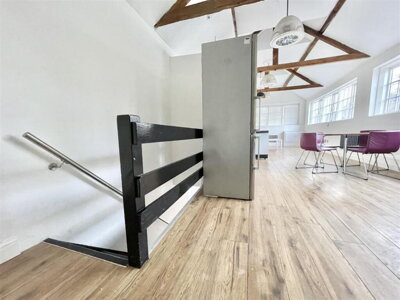
Browse 1 home for sale in Peatling Magna from local estate agents.
Studio apartments feature open-plan living spaces without separate bedrooms, incorporating sleeping, living, kitchen, and bathroom facilities. The Peatling Magna studio market includes properties in modern apartment complexes, converted Victorian and Georgian buildings, and purpose-built developments.
£400,000
Average Property Price
25
Properties Sold (12 months)
157
Population
19
Listed Buildings
The Burnsall property market reflects the character of this small Yorkshire Dales village, with limited but quality stock attracting buyers seeking authentic rural living. Our data shows 25 property sales completed in Burnsall over the past year, indicating a low-volume market where individual properties can command strong prices when positioned correctly. The overall average house price of £400,000 demonstrates solid value for buyers entering the Yorkshire Dales property market, though prices vary considerably based on property type, condition, and location within the village.
Recent sales data reveals the diversity within Burnsall's housing stock. A terraced property sold for £400,000 in March 2025, while detached homes have fetched between £396,000 and £1,250,000 depending on size and position. Semi-detached properties have achieved prices up to £775,000, with the market showing a 1% increase compared to the previous year. Historical prices peaked at £775,000 in 2022 before settling to current levels, suggesting a stabilising market after previous growth.
New build activity in Burnsall remains virtually non-existent, as planning restrictions within the Yorkshire Dales National Park limit large-scale development. Any new residential construction typically takes the form of barn conversions rather than new-build developments. One recent planning application for Dowgill Barn near the B6160 Linton road proposed conversion to a two-bedroom dwelling with local occupancy restrictions, illustrating the limited opportunities for brand-new homes in this postcode area.
The Burnsall property market presents both opportunities and challenges for buyers. Limited stock means competition for desirable properties can be strong, making early registration with local agents and setting up property alerts worthwhile strategies. Properties within easy walking distance of Burnsall Bridge and the village centre typically command premiums, while those on the village outskirts offer more space but require car travel for daily necessities.

Life in Burnsall revolves around the rhythms of the Yorkshire Dales, where farming traditions continue alongside growing tourism that draws visitors to Upper Wharfedale throughout the year. The village describes itself as a working landscape shaped and sustained by agriculture, while also serving as a recreational destination for millions of visitors exploring the dales. This dual character creates a community that values its heritage while welcoming those drawn to the area's natural beauty and outdoor pursuits.
The village centre features essential amenities including a village shop, church, and primary school, while the Red Lion Hotel provides traditional pub fare and accommodation for visitors. Burnsall Bridge, a Grade II listed structure, spans the River Wharfe and serves as a focal point for the community. The surrounding landscape offers excellent walking opportunities, with footpaths crossing through meadows and along the river bank, connecting Burnsall to neighbouring villages including Appletreewick and Thorpe.
The Yorkshire Dales National Park Authority recognises the challenge of maintaining sustainable communities in villages like Burnsall. Housing availability for permanent residents has been affected by the high proportion of second homes and holiday lets in the wider National Park. Estimates suggest around 21% of housing stock served as second homes or holiday accommodation by 2017, with this figure likely higher in prime village locations like Burnsall. Prospective buyers should be aware that property purchases may be subject to local occupancy conditions on some properties.
The village's position within the Yorkshire Dales National Park shapes almost every aspect of daily life in Burnsall. Planning restrictions preserve the village's traditional character but limit opportunities for new development and can affect what homeowners can do with their properties. The National Park Authority works to balance conservation with sustainable communities, recognising that villages like Burnsall need residents who contribute to community life, not just visitors enjoying the scenery.

Traditional Yorkshire Dales architecture defines Burnsall's built environment, with local stone being the predominant building material throughout the village. Properties here typically feature thick solid stone walls constructed using local limestone and gritstone, reflecting centuries of building tradition in Upper Wharfedale. This traditional construction provides excellent thermal mass but differs significantly from modern cavity wall construction, requiring different approaches to insulation, dampness management, and renovation work.
Stone slate roofing is another hallmark of traditional Burnsall properties, using flat limestone or gritstone tiles that weather naturally over time. Repairing or replacing stone slate roofs requires specialist contractors who understand traditional materials, and finding matching slate can be challenging. The older properties in Burnsall also typically feature lime mortar pointing rather than modern cement, which allows the stonework to breathe and prevents moisture from being trapped within the wall structure. Using cement-based mortars on traditional stone buildings can cause deterioration of the stone itself, making appropriate specification essential for any renovation work.
Many Burnsall properties were built without modern damp-proof courses, meaning moisture can rise through solid walls by capillary action. Understanding how traditional buildings manage moisture is crucial for anyone considering purchasing an older Burnsall home. Properties may show signs of dampness at low levels, which in older buildings is often managed through ventilation rather than the physical barrier approach used in modern construction. A thorough survey can identify any moisture issues and assess whether they reflect genuine problems or simply the normal behaviour of traditional construction.
Education provision in Burnsall centres on Burnsall Primary School, housed in a remarkable building that was originally The Old Grammar School constructed in 1601. This historic school continues to serve the village and surrounding rural community, providing primary education for children from Burnsall and nearby settlements in Upper Wharfedale. The building's heritage adds a unique dimension to the educational experience, connecting students directly with centuries of local learning tradition.
For secondary education, children from Burnsall typically travel to Skipton, approximately 8 miles away, where several secondary schools serve the wider Craven district. The journey involves either school transport arrangements or family logistics to manage the commute, which is a common consideration for families moving to rural villages. Parents should research current school transport policies and catchment area arrangements when considering a move to Burnsall with school-age children.
The presence of a primary school within the village itself is a significant factor for families, as many small rural settlements have seen school closures in recent decades. Burnsall Primary School's continuation in its historic building represents a community asset that helps sustain village life and attracts families to the area. The school also serves a social function, providing a focal point for community activities and events that bring residents together throughout the year.
Secondary school options in Skipton include both selective and non-selective schools, giving families various educational pathways to consider. Ermysted's Grammar School and Skipton Girls' High School are notable options within the district, though admission depends on catchment areas and, for selective schools, entrance assessment results. Planning for school transport arrangements well in advance of any move helps families understand the practical implications of secondary education from Burnsall.
Transport connections from Burnsall reflect its rural Yorkshire Dales location, with the village situated on the B6160 road that winds through Upper Wharfedale connecting the dales communities. The nearest mainline railway station is in Skipton, approximately 8 miles distant, offering connections to Leeds, Bradford, and the wider northern rail network. For residents working in regional cities, commuting involves planning around these limited public transport options, making car ownership essential for most households.
Bus services operate in the Wharfedale area, providing connections to Skipton and other market towns in the Craven district, though frequency is limited compared to urban areas. Visitors to Burnsall often rely on the bus services that serve the dales during peak tourist season, while residents typically use private vehicles for daily necessities. The scenic rural roads are popular with cyclists, though the hilly terrain presents challenges for less experienced riders.
For those travelling to Leeds or Manchester for work, the journey from Burnsall involves approximately 45 minutes to an hour to reach Leeds city centre by car, depending on traffic conditions on the A59 and A65 roads. Manchester is approximately 90 minutes away by car. Air travel connections are available at Leeds Bradford Airport, roughly 35 miles from Burnsall, offering domestic and European flights. The combination of rural tranquility and reasonable access to major cities makes Burnsall attractive to those who can work remotely or commute occasionally.
The nearest railway station is in Skipton, providing connections to Leeds and the broader northern rail network, with Manchester also accessible via changes. Daily commuting by public transport from Burnsall is impractical for most workers, making car ownership a necessity rather than a luxury in this rural location.
Properties in Burnsall require careful inspection due to their age and traditional construction methods. The predominant use of local stone for walls and roofs, while providing the beautiful character the village is known for, also brings specific challenges. Look carefully for signs of dampness in stone walls, as older properties were built before modern damp-proof courses. Pay attention to the condition of stone slate roofs, which can be expensive to repair or replace using appropriate materials that maintain the property's character.
Flood risk is a significant consideration for Burnsall properties, particularly those situated near the River Wharfe and Burnsall Bridge. The Environment Agency has designated flood warning areas covering properties by Burnsall Green and riverside locations including The Red Lion pub and holiday homes on the river bank. When viewing properties, ask about flood history and consider the implications for insurance, while also enjoying the benefits of living alongside this beautiful river.
The high concentration of listed buildings in Burnsall, with 19 structures recorded in the National Heritage List for England, means that many properties carry restrictions on alterations and improvements. If you are considering any changes to a listed property, you will need to obtain Listed Building Consent from the Yorkshire Dales National Park Authority before commencing work. This includes external changes such as window replacements, as well as internal modifications that might affect the building's character.
Properties within the Yorkshire Dales National Park also face restrictions on permitted development rights, meaning certain works that would normally be allowed without planning permission in other areas require formal approval. The National Park Authority's conservation area policies require that any development preserves or enhances the area's character. Understanding these planning constraints before purchase ensures you can realistically plan any future improvements to your Burnsall home.
The geology of Upper Wharfedale, where Burnsall sits, primarily consists of Carboniferous limestone of the Yoredale series, with characteristic limestone outcrops visible across the surrounding landscape. The Yoredale sequence comprises alternating layers of soft shale and mudstone alongside harder sandstones and limestones, creating the distinctive stepped hillside profiles familiar throughout Wharfedale. While the limestone geology creates the beautiful scenery that draws visitors to the area, it also influences local construction methods and ground conditions that affect property owners.
Clay present in the local shale and mudstone formations can create shrink-swell ground movement when moisture levels change, potentially affecting property foundations over time. While Burnsall itself does not have a history of mining activity, the underlying geology means that foundations for older properties were designed for the ground conditions of their era rather than modern standards. Any property showing signs of movement, such as cracking or uneven floors, should be professionally assessed before purchase to determine the cause and any necessary remedial work.
Flood risk from the River Wharfe requires specific consideration when buying in Burnsall. The Environment Agency designates flood warning areas covering properties near Burnsall Bridge and Burnsall Green, including The Red Lion pub and holiday homes on the river bank. Properties in these locations have experienced flooding during periods of heavy rainfall when river levels rise significantly. Flood risk reports are available from the Environment Agency, and prospective buyers should factor potential insurance implications into their decision-making alongside the benefits of living beside this beautiful river.
Start by exploring current listings on Homemove to understand available properties, price ranges, and what your budget can buy in this Yorkshire Dales village. Given the limited stock, register with local estate agents in Skipton who cover the Upper Wharfedale area, and set up property alerts to be notified quickly when new homes come to market. Building relationships with agents who know Burnsall can give you early access to properties before they appear on major portals.
Once you identify properties of interest, arrange viewings through the listing agent. In Burnsall, viewing appointments may require advance booking given the small number of properties and rural locations. Take time to assess the property condition, garden aspects, and proximity to the River Wharfe, noting any features specific to this conservation area. Viewing properties multiple times, including at different times of day, helps build a complete picture of each home.
Before making an offer, obtain a mortgage agreement in principle from a lender. This demonstrates your financial readiness to sellers and strengthens your negotiating position. For properties in Burnsall, remember that rural and listed properties may have specific mortgage considerations that your lender should assess. Getting your financing arranged early puts you in a strong position when you find the right property in this competitive small village market.
Given Burnsall's age profile with many historic properties predating modern construction standards, we strongly recommend a RICS Level 2 Survey before purchase. This inspection identifies defects common to older stone buildings, including dampness, roof condition, and structural issues that may not be visible during viewings. For listed buildings or complex historic properties, a more comprehensive RICS Level 3 Survey may be more appropriate.
Appoint a conveyancing solicitor experienced with Yorkshire Dales properties, including those within National Park boundaries. They will handle local authority searches, check any planning conditions or occupancy restrictions, and ensure the legal transfer proceeds smoothly through to completion. Specialised local knowledge helps avoid delays and ensures all National Park requirements are properly addressed.
Burnsall stands apart as one of the most picturesque villages in Upper Wharfedale, positioned alongside the River Wharfe with 19 listed buildings including the Grade I listed St Wilfrid's Church and the historic Old Grammar School dating from 1601. The village maintains a tight-knit community of around 157 residents within the Yorkshire Dales National Park, offering a genuine rural lifestyle that increasingly attracts buyers seeking authentic dales living. The combination of heritage architecture, stunning riverside location, and access to excellent walking routes makes Burnsall a distinctive village with strong appeal.
Properties situated closest to the River Wharfe face the greatest flood risk, particularly those near Burnsall Bridge and Burnsall Green. The Red Lion Hotel and adjacent holiday homes on the river bank fall within the designated flood warning area, and flooding has historically affected properties, roads, and land during periods of heavy rainfall. When purchasing a riverside property in Burnsall, obtaining a detailed flood risk report and checking insurance implications is essential.
Burnsall contains 19 listed structures, a remarkably high concentration for such a small village. This includes one Grade I listed building (St Wilfrid's Church), with the remainder Grade II listed, encompassing Burnsall Bridge, The Old Grammar School (home to Burnsall Primary School), the Red Lion Hotel, and numerous traditional stone cottages and farmhouses. The extensive listed building stock reflects the village's architectural heritage and brings specific responsibilities and restrictions for owners.
The Burnsall market has shown a 1% increase in values over the past year, with average prices settling around £400,000. Prices are currently 48% below the 2022 peak of £775,000, suggesting improved affordability for buyers entering the market. Individual sales have ranged from £396,000 for a detached property to £1,250,000 for a larger detached home, demonstrating the diverse property values within this small village.
All properties within Burnsall fall under the Yorkshire Dales National Park Authority jurisdiction, which has strict planning policies designed to preserve the area's character. Properties in conservation areas face reduced permitted development rights, meaning works that would normally be permitted elsewhere require formal planning approval. Listed buildings require Listed Building Consent for any alterations affecting their character, inside or out, with unauthorised works constituting a criminal offence.
A RICS Level 2 Survey suits most Burnsall properties, providing detailed inspection of accessible areas and flagging defects common to traditional stone construction. A RICS Level 3 Survey offers more comprehensive examination of structural integrity, materials, and construction methods, making it better suited to older listed buildings or complex historic properties. Given that most Burnsall homes predate modern building standards, either survey provides valuable protection against unexpected repair costs after purchase.
Stamp Duty Land Tax applies at 0% on the first £250,000, 5% between £250,001 and £925,000, 10% from £925,001 to £1.5 million, and 12% above £1.5 million. First-time buyers receive relief on the first £425,000, with 5% between £425,001 and £625,000. For a typical Burnsall property at £400,000, a first-time buyer would pay no SDLT while an additional purchaser would pay £7,500.
Approximately 21% of housing in the wider Yorkshire Dales National Park served as second homes or holiday lets by 2017, with this proportion likely higher in prime villages like Burnsall. Some properties carry local occupancy conditions restricting occupation to those with local connections. Prospective buyers should clarify any occupancy restrictions with the vendor and understand that high levels of holiday accommodation affect the character of the village year-round.
From £350
Thorough inspection for traditional stone properties with defects common to older construction
From £500
Comprehensive building survey ideal for listed buildings and historic properties
From £60
Energy performance certificate required for property sales
From £499
Solicitors experienced in Yorkshire Dales National Park property transactions
Understanding the costs involved in purchasing property in Burnsall helps you budget accurately for your Yorkshire Dales move. Stamp Duty Land Tax applies to all purchases above £250,000 at standard rates, though first-time buyers receive relief on the first £425,000 of their purchase. For a typical Burnsall property at the village average of £400,000, a first-time buyer would pay no stamp duty, while an additional purchaser would expect to pay £7,500 in SDLT.
Survey costs require particular attention in Burnsall given the age and character of most properties. A RICS Level 2 Survey typically costs between £400 and £800 depending on property size and accessibility, with larger or older properties commanding higher fees. For the substantial stone-built homes and listed buildings common in Burnsall, you should budget at the upper end of this range to ensure thorough inspection of construction elements that may reveal defects requiring attention.
Conveyancing fees for Burnsall property purchases usually start from £499 for standard transactions, rising for leasehold properties or those with complex titles. Additional costs include local authority searches through North Yorkshire Council, environmental searches for flood risk and ground conditions, and Land Registry fees. For properties within the Yorkshire Dales National Park, your solicitor should conduct specific planning searches to identify any conditions affecting the property's use or future development potential.
When calculating your total budget, remember to factor in removals costs, potential renovation work for older properties, and ongoing costs including council tax and building insurance. Properties near the River Wharfe may face higher insurance premiums due to flood risk, and traditional stone construction can affect both insurance and maintenance costs compared to modern properties. Obtaining quotes for these costs before committing to your purchase ensures no unexpected financial surprises after moving to Burnsall.
Properties for Sale In London

Properties for Sale In Plymouth

Properties for Sale In Liverpool

Properties for Sale In Glasgow

Properties for Sale In Sheffield

Properties for Sale In Edinburgh

Properties for Sale In Coventry

Properties for Sale In Bradford

Properties for Sale In Manchester

Properties for Sale In Birmingham

Properties for Sale In Bristol

Properties for Sale In Oxford

Properties for Sale In Leicester

Properties for Sale In Newcastle

Properties for Sale In Leeds

Properties for Sale In Southampton

Properties for Sale In Cardiff

Properties for Sale In Nottingham

Properties for Sale In Norwich

Properties for Sale In Brighton

Properties for Sale In Derby

Properties for Sale In Portsmouth

Properties for Sale In Northampton

Properties for Sale In Milton Keynes

Properties for Sale In Bournemouth

Properties for Sale In Bolton

Properties for Sale In Swansea

Properties for Sale In Swindon

Properties for Sale In Peterborough

Properties for Sale In Wolverhampton

Enter your details to see if this property is within your budget.
Loans, cards, car finance
Estimated property budget
Borrowing + deposit
You could borrow between
Typical borrowing
Monthly repayment
Est. at 4.5%
Loan-to-value
This is an estimate only. Your actual budget may vary depending on interest rates, credit history, and personal circumstances. For an accurate affordability assessment, speak to one of our free mortgage advisors.
This calculator provides estimates for illustrative purposes only and does not constitute financial advice. Your home may be repossessed if you do not keep up repayments on your mortgage. Estimates based on 4.5% interest rate, repayment mortgage. Actual rates depend on your circumstances.
Homemove is a trading name of HM Haus Group Ltd (Company No. 13873779, registered in England & Wales). Homemove Mortgages Ltd (Company No. 15947693) is an Appointed Representative of TMG Direct Limited, trading as TMG Mortgage Network, which is authorised and regulated by the Financial Conduct Authority (FRN 786245). Homemove Mortgages Ltd is entered on the FCA Register as an Appointed Representative (FRN 1022429). You can check registrations at NewRegister or by calling 0800 111 6768.

We use cookies to show you personalised content and improve your experience of our website. Find out more in our Privacy policy and Cookie policy.