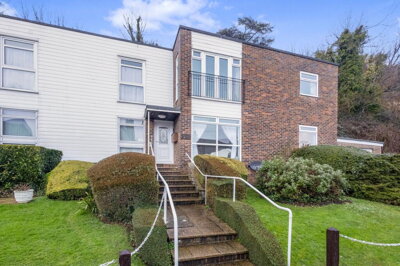
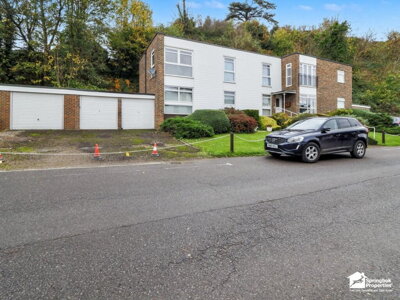
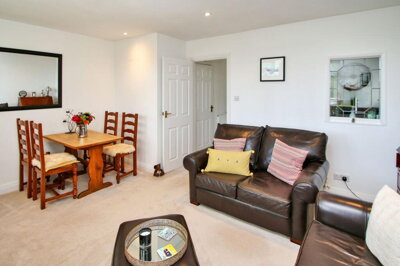
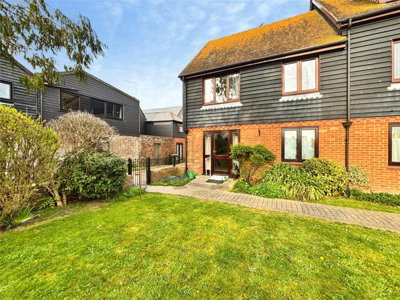
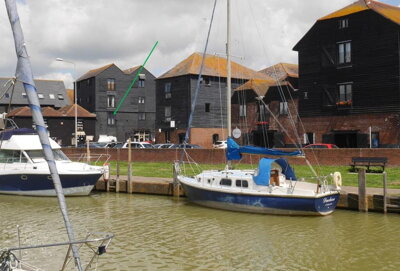
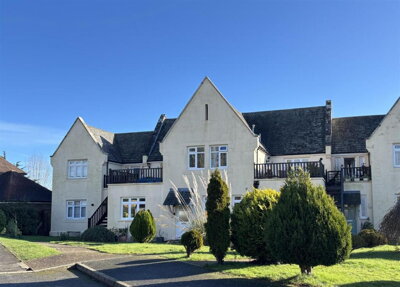
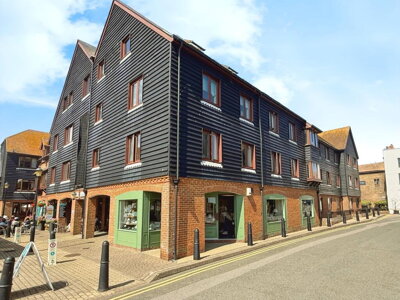
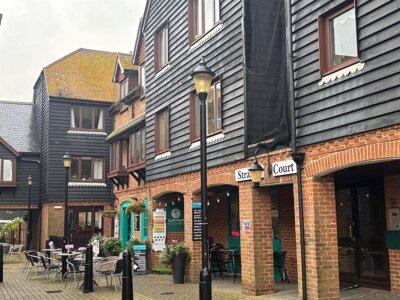
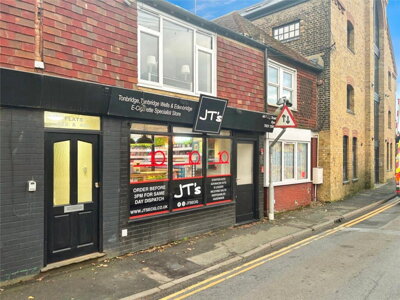
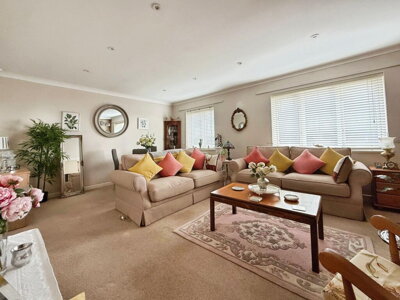
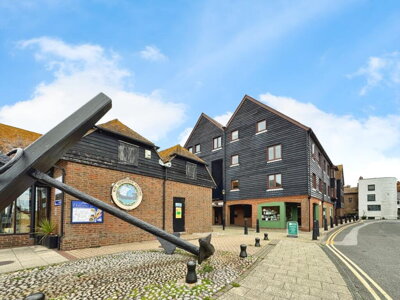
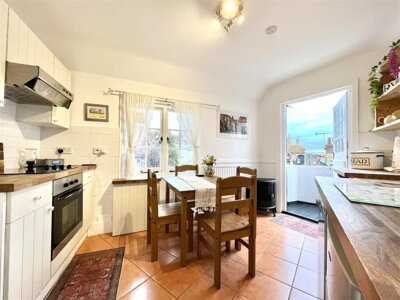
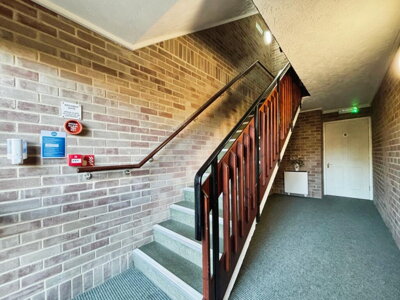
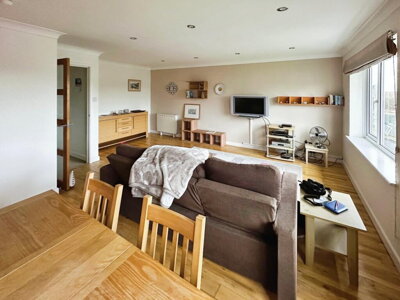
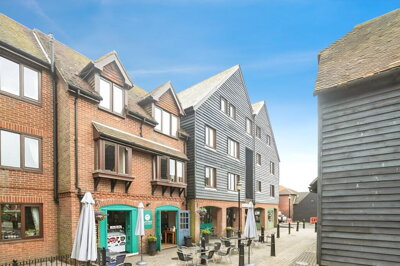
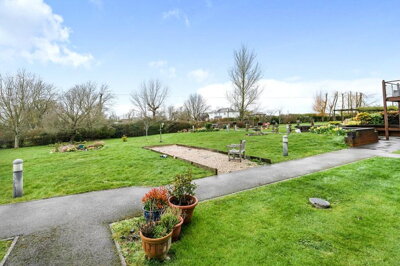
Browse 22 homes for sale in Peasmarsh, Rother from local estate agents.
Studio apartments feature open-plan living spaces without separate bedrooms, incorporating sleeping, living, kitchen, and bathroom facilities. The Peasmarsh studio market includes properties in modern apartment complexes, converted Victorian and Georgian buildings, and purpose-built developments.
£0k
0
0
0
Source: home.co.uk
Showing 0 results for Studio Flats for sale in Peasmarsh, Rother.
The Peasmarsh property market presents a compelling mix of traditional English homes against the backdrop of East Sussex countryside. Rightmove reports an overall average property price of £410,833 over the past year, while Zoopla's data suggests an average sold price of £619,500 in the same period, with OnTheMarket placing the figure at £587,000 as of early 2026. This variation across platforms reflects the diversity of property types available, from modest terraced cottages to substantial detached residences commanding premium prices. Recent sales data reveals detached properties fetching between £370,000 for properties on Farleys Way up to £1,116,000 for distinctive homes like Oast Cottage on Barnets Hill, demonstrating the wide price range within this compact village.
Peasmarsh's housing stock skews heavily towards larger, less dense properties compared to national averages. The Peasmarsh Neighbourhood Development Plan indicates that semi-detached homes form a higher proportion of the housing mix than typically seen across the country, with approximately 20% of properties falling into terraced houses and flats categories. Property ages across the village span several centuries, from modest cottages dating to the 15th and 16th centuries through to mid-century homes built between 1936 and 1979 in areas like TN31 6YG. This architectural diversity means buyers should expect varied construction methods and materials, from traditional red brick with stone dressings seen at Peasmarsh Place to the thatched roofs adorning several historic properties. The presence of 54 listed buildings in the parish, including the Grade I listed Parish Church of St Peter and St Paul, underscores the area's heritage character.
Price trends in Peasmarsh show some variation depending on the data source. Rightmove indicates that historical sold prices in Peasmarsh over the last year were 14% down on the previous year and 11% down on the 2020 peak of £463,464. However, OnTheMarket reports a rise of 12.2% over the last 12 months for sold prices, suggesting the market may be recovering from recent corrections. For buyers considering properties in this village, these mixed signals indicate that individual property circumstances and condition play a significant role in actual sale prices achieved.

Peasmarsh sits within the High Weald Area of Outstanding Natural Beauty, offering residents daily encounters with some of England's most cherished landscapes. The parish covers an area stretching from the River Rother to the River Tillingham, which forms its southern boundary, creating a landscape of rolling farmland, woodland, and pastoral meadows. The village itself centres around Main Street, with the nucleus of community life revolving around the primary school, local shops, and traditional pubs that provide focal points for social interaction. According to the 2011 Census, Peasmarsh had 1,191 residents across 504 households, with more recent estimates suggesting a population hovering around 1,200, making it a genuinely intimate community where neighbours often know one another by name.
The character of Peasmarsh reflects its farming heritage and position within a landscape valued for its natural beauty. Many properties retain original features that speak to centuries of local building tradition, with the Neighbourhood Development Plan specifically highlighting the importance of preserving locally distinctive vernacular building forms and their settings, features, fabric and materials. The village has been designated as an Archaeological Notification Area by East Sussex County Council, meaning much of the built environment carries historical significance that residents help protect. Community life centres on local institutions including the three pubs, each offering their own atmosphere from traditional locals' bar to more refined dining, while the country hotel provides accommodation for visitors drawn to the area's attractions. The independent supermarket ensures daily necessities remain accessible, though the rural setting means most residents maintain cars for broader shopping and travel requirements.
The High Weald AONB designation provides more than just scenic views - it shapes planning policy in ways that protect the village's character for generations to come. Development within the parish is carefully controlled to preserve the rural landscape, which helps maintain property values by preventing inappropriate building. For buyers, this means that Peasmarsh is unlikely to see the kind of large-scale development that transforms more urban villages, preserving the peaceful atmosphere that makes the location so appealing in the first place.

Families considering a move to Peasmarsh will find educational provision centred on the village's primary school, which serves the local community and surrounding countryside. The presence of a school within walking distance of most residential areas represents a significant advantage for families with young children, removing the need for lengthy school runs before and after work. For secondary education, pupils typically travel to nearby towns including Rye, where schools serve the wider Rother district, or potentially further afield depending on individual catchment areas and preferences. The village's position within East Sussex means schools follow the local authority admissions process, and parents should verify current catchment arrangements and any transport provision offered by the council for secondary-age children.
Beyond statutory education, Peasmarsh's location provides access to various learning opportunities throughout East Sussex and Kent. The historic town of Rye offers additional educational facilities and is home to institutions serving further education needs, while the proximity to larger towns ensures access to specialist tuition and extracurricular activities. The village's rural character provides natural learning environments, with the surrounding High Weald AONB offering outdoor education possibilities that urban schools simply cannot match. Families moving to Peasmarsh should contact East Sussex County Council's education department for the most current information on school admissions, catchment areas, and any relevant policies affecting school place allocations.
Primary school performance data and Ofsted ratings can be checked through the government website, though parents often value the community atmosphere and individual attention that smaller village schools can provide. The intimate scale of Peasmarsh's primary school means teachers can offer more personalised support to each pupil, something that larger urban schools may struggle to replicate. For families prioritising community integration and a supportive educational environment over raw academic league table positions, Peasmarsh's village school often proves an attractive proposition.
Transport connections from Peasmarsh reflect its rural village character, with residents dependent primarily on private vehicles for daily travel. The A268 runs through the village, providing connections to the A259 coast road and onward links to larger towns including Rye, Hastings, and Folkestone. The nearest mainline railway stations are located in Rye and Appledore, offering services connecting to various destinations across Kent and East Sussex, though frequency and journey times vary depending on the specific line and time of day. For commuters working in Brighton, London, or other major centres, the journey requires careful planning, with drive times to the M20 motorway taking approximately 30-40 minutes depending on traffic conditions and destination.
Public transport options in Peasmarsh remain limited, with the Neighbourhood Development Plan noting that the population is reliant on cars due to limited bus services and the absence of cycleways connecting the village to neighbouring communities. Bus services, where available, typically operate on a reduced timetable compared to urban routes, making them more suitable for occasional trips to market towns than daily commuting. Residents working in nearby towns often appreciate the relative quiet of village life and the opportunity to enjoy scenic drives through the High Weald, though this lifestyle choice does require accepting greater car dependency than many buyers might experience in more urban locations.
For those considering Peasmarsh as a base, factoring transport requirements into the decision-making process ensures realistic expectations about daily life in this attractive rural community. The nearest railway station at Rye offers connections to Ashford International, where faster services to London St Pancras are available, though the journey involves a change and total travel times can exceed two hours. Prospective buyers without access to a vehicle should thoroughly investigate public transport options before committing to a purchase in Peasmarsh.
Properties in Peasmarsh frequently include historic buildings with significant heritage value, and understanding the implications of listed building status forms an essential part of the buying process. With 54 listed buildings across the parish, including the Grade I Parish Church of St Peter and St Paul and two Grade II* properties, buyers may encounter homes subject to various heritage protections. Listed building consent may be required for alterations, and maintaining original features becomes a legal requirement, adding both charm and responsibility to property ownership. Before purchasing a listed property, budget for potential specialist surveys and ensure you understand what works require consent from the local planning authority.
The age of many properties in Peasmarsh means buyers should pay particular attention to potential construction issues common in older buildings. Traditional materials such as timber framing, traditional brickwork, and original plaster can develop problems including damp penetration, woodworm, and structural movement over time. Thatched roofs, while visually appealing, require specialist maintenance and insurance considerations that differ from standard properties. The oldest houses in Peasmarsh date from the 15th or 16th centuries, meaning that construction methods and materials may differ significantly from modern standards. Properties in certain postcode areas like TN31 6YG were built during the mid-century period between 1936 and 1979, which brings its own set of common issues including potential asbestos in older extensions and original wiring that may need updating.
A thorough RICS Level 2 Survey becomes particularly valuable in this context, identifying issues that might not be apparent during viewings and providing negotiating leverage if significant defects are discovered. Properties within the Archaeological Notification Area may also face additional planning considerations, though this designation primarily affects groundworks rather than day-to-day living. Given that Peasmarsh contains properties spanning several centuries of construction, from late medieval cottages to mid-century family homes, understanding the specific construction era of any property you are considering becomes essential information for assessing potential maintenance requirements and associated costs.
Start by exploring property listings in Peasmarsh on Homemove to understand current prices, available property types, and market trends. With average prices ranging from £410,000 to over £600,000 depending on property type and condition, setting a realistic budget before viewings helps streamline the search process. Consider the variation between platforms - Rightmove showing £410,833 average while Zoopla suggests £619,500 - and focus on comparable properties rather than headline averages.
Before arranging viewings, obtain a mortgage agreement in principle from a lender to confirm your borrowing capacity. This strengthens your position when making offers and demonstrates to sellers that you are a serious, financially prepared buyer with financing already arranged. Given the higher property values in Peasmarsh, with some detached homes reaching well over £1 million, securing appropriate financing is particularly important.
Visit properties that match your requirements, paying attention to construction materials, age of the property, and any signs of maintenance needs. Given Peasmarsh's heritage properties and listed buildings, consider whether the property will require renovation work and factor potential costs into your decision. Look beyond cosmetic presentations to assess structural integrity and the condition of key elements like roofs, foundations, and original features.
Once your offer is accepted, arrange a RICS Level 2 Survey to assess the property's condition thoroughly. With many homes in Peasmarsh dating from earlier periods, this survey identifies structural issues, damp problems, and roof condition concerns that may not be visible during viewings. For older properties or those with thatched roofs, consider whether additional specialist surveys might be warranted.
Appoint a solicitor to handle the legal aspects of your purchase, including searches, contracts, and registration of ownership. Your solicitor will liaise with the seller's representatives and manage the complex paperwork involved in transferring property ownership. For listed buildings, ensure your solicitor has experience with heritage property transactions.
Finalise the transaction by signing contracts, paying deposit funds, and coordinating with all parties to arrange a completion date. On completion day, you receive the keys to your new Peasmarsh home and can begin settling into this charming East Sussex village.
Average house prices in Peasmarsh range from approximately £410,833 according to Rightmove to £619,500 based on Zoopla sold price data over the past twelve months. OnTheMarket reports an average of £587,000 as of February 2026. Individual property prices vary significantly depending on type, size, and condition, with detached homes ranging from around £370,000 for properties on Farleys Way to over £1 million for distinctive properties like Oast Cottage on Barnets Hill.
Properties in Peasmarsh fall under Rother District Council for council tax purposes. Bands range from A through to H, with most traditional village properties likely to fall in bands B to E depending on their valuation. Prospective buyers should verify the specific band for any property through the Valuation Office Agency website, as this affects ongoing annual costs that form part of the overall household budget. Council tax payments fund local services including education, waste collection, and local authority services.
Peasmarsh has a primary school serving the local community, with secondary schools located in nearby towns including Rye and surrounding areas in East Sussex. Parents should check current performance data through government websites and consider admissions criteria when selecting properties, as school catchment areas do not always align perfectly with parish boundaries and can affect which schools children attend. East Sussex County Council handles school admissions for the area, with transport provision varying depending on distance and specific circumstances.
Public transport connections from Peasmarsh are limited, reflecting its rural village character. The nearest railway stations are in Rye and Appledore, with Rye offering connections to Ashford International for services to London. Bus services operate on reduced timetables compared to urban areas, and the Neighbourhood Development Plan notes the absence of dedicated cycleways connecting the village to neighbouring communities. Most residents rely on private vehicles for daily travel, so car ownership is effectively essential for life in Peasmarsh.
Peasmarsh offers appeal for buyers prioritising lifestyle and natural beauty over investment returns. The village sits within the High Weald AONB, providing planning protections that help maintain property values by preventing inappropriate development. Properties near the historic town of Rye and within easy reach of the coast tend to attract consistent interest, though the limited transport connections and rural amenities mean growth may be more modest than in commuter-belt locations closer to major cities. The village's heritage character and 54 listed buildings contribute to its enduring appeal.
Stamp duty rates from April 2025 start at zero for properties up to £250,000, rising to 5% on the portion between £250,001 and £925,000. Properties priced above £925,000 pay 10% up to £1.5 million, with 12% above that threshold. First-time buyers may qualify for relief on properties up to £625,000, paying zero on the first £425,000 and 5% on the remainder up to that limit, though relief does not apply above £625,000. Given Peasmarsh's average prices exceed £400,000, most buyers should budget for at least some stamp duty liability.
With properties ranging from 15th-century cottages to mid-century homes, a RICS Level 2 Survey provides essential protection for buyers in Peasmarsh. Older properties commonly develop issues including damp penetration, timber defects, roof deterioration, and outdated electrical systems that may not be visible during viewings. The presence of thatched roofs on some properties requires specialist assessment, while listed buildings may have maintenance obligations that affect running costs. A thorough survey can identify these issues before completion, potentially saving thousands in unexpected repairs.
From 3.99%
Finding the right mortgage helps you secure financing for your Peasmarsh purchase
From £499
Expert solicitors handle the legal work for your property purchase
From £450
Comprehensive condition report essential for Peasmarsh's older properties
From £85
Energy performance certificate required for all property sales
Purchasing a property in Peasmarsh involves various costs beyond the sale price, with stamp duty land tax representing one of the most significant expenses for buyers. For properties purchased from April 2025, standard rates apply zero percent duty on the first £250,000 of the purchase price, five percent on the portion between £250,001 and £925,000, ten percent on amounts between £925,001 and £1.5 million, and twelve percent on anything above £1.5 million. Given that average properties in Peasmarsh typically exceed £400,000, most buyers should anticipate stamp duty costs on at least the portion above £250,000.
Beyond stamp duty, buyers should budget for solicitor fees typically ranging from £500 to £1,500 depending on complexity and property value, plus disbursements including local authority searches, land registry fees, and bankruptcy searches. A RICS Level 2 Survey costs between £450 and £1,000 depending on property size and location, with larger or higher-value homes attracting higher fees that reflect the additional work involved in surveying more complex properties. For Peasmarsh properties valued above £500,000, survey costs average around £586 compared to £384 for properties under £200,000.
Removal costs vary according to distance and volume of belongings, while mortgage arrangement fees, where applicable, typically range from zero to two percent of the loan amount. Factor in these additional costs when setting your overall budget to ensure your financial planning remains realistic throughout the buying process. Buildings insurance should also be arranged from completion day, with specialist insurers potentially required for thatched properties. First-time buyers should also account for potential land transaction tax implications, though purchasing as a first-time buyer does provide relief on stamp duty thresholds as outlined above.
Properties for Sale In London

Properties for Sale In Plymouth

Properties for Sale In Liverpool

Properties for Sale In Glasgow

Properties for Sale In Sheffield

Properties for Sale In Edinburgh

Properties for Sale In Coventry

Properties for Sale In Bradford

Properties for Sale In Manchester

Properties for Sale In Birmingham

Properties for Sale In Bristol

Properties for Sale In Oxford

Properties for Sale In Leicester

Properties for Sale In Newcastle

Properties for Sale In Leeds

Properties for Sale In Southampton

Properties for Sale In Cardiff

Properties for Sale In Nottingham

Properties for Sale In Norwich

Properties for Sale In Brighton

Properties for Sale In Derby

Properties for Sale In Portsmouth

Properties for Sale In Northampton

Properties for Sale In Milton Keynes

Properties for Sale In Bournemouth

Properties for Sale In Bolton

Properties for Sale In Swansea

Properties for Sale In Swindon

Properties for Sale In Peterborough

Properties for Sale In Wolverhampton

Enter your details to see if this property is within your budget.
Loans, cards, car finance
Estimated property budget
Borrowing + deposit
You could borrow between
Typical borrowing
Monthly repayment
Est. at 4.5%
Loan-to-value
This is an estimate only. Your actual budget may vary depending on interest rates, credit history, and personal circumstances. For an accurate affordability assessment, speak to one of our free mortgage advisors.
This calculator provides estimates for illustrative purposes only and does not constitute financial advice. Your home may be repossessed if you do not keep up repayments on your mortgage. Estimates based on 4.5% interest rate, repayment mortgage. Actual rates depend on your circumstances.
Homemove is a trading name of HM Haus Group Ltd (Company No. 13873779, registered in England & Wales). Homemove Mortgages Ltd (Company No. 15947693) is an Appointed Representative of TMG Direct Limited, trading as TMG Mortgage Network, which is authorised and regulated by the Financial Conduct Authority (FRN 786245). Homemove Mortgages Ltd is entered on the FCA Register as an Appointed Representative (FRN 1022429). You can check registrations at NewRegister or by calling 0800 111 6768.

We use cookies to show you personalised content and improve your experience of our website. Find out more in our Privacy policy and Cookie policy.