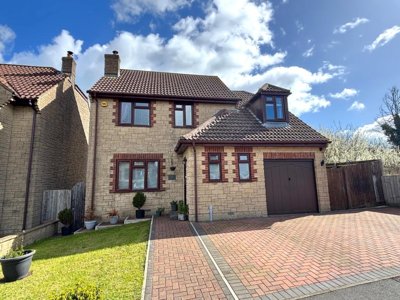
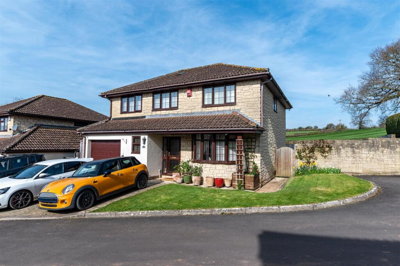
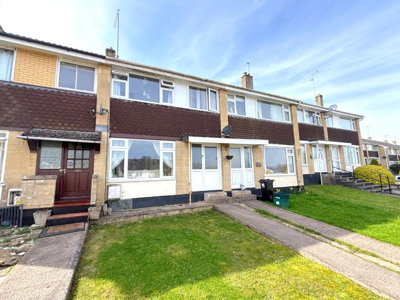
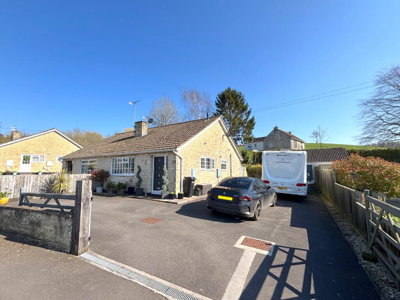
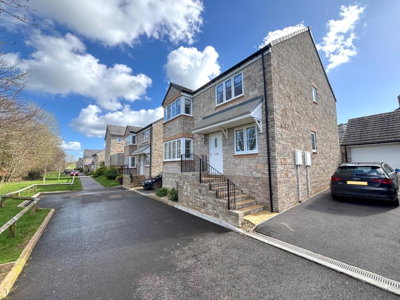
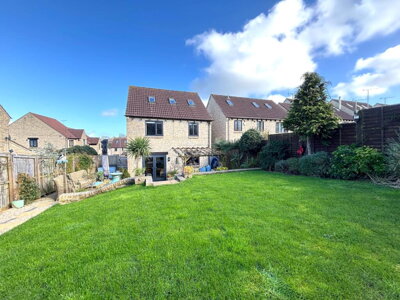
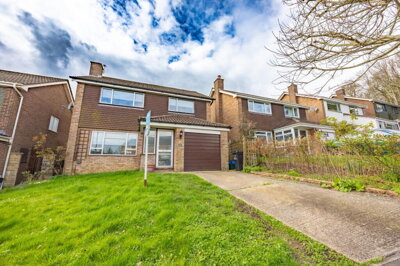
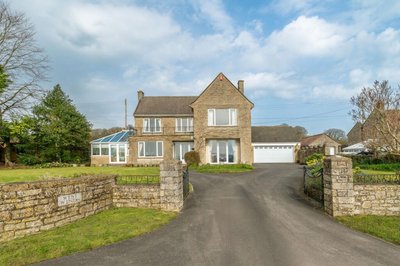
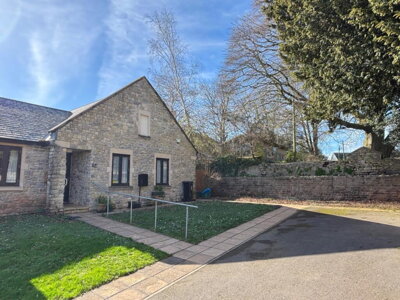
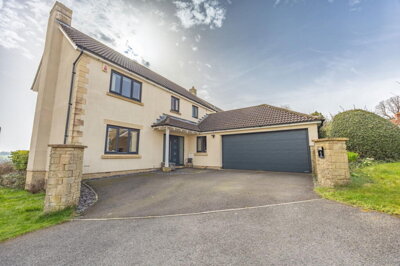
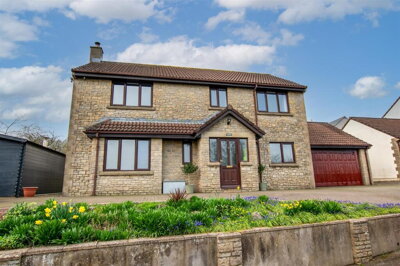
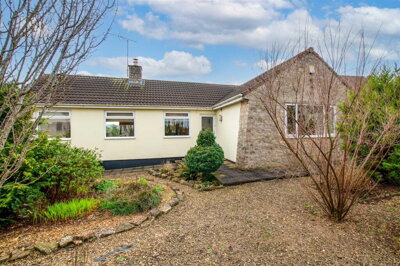
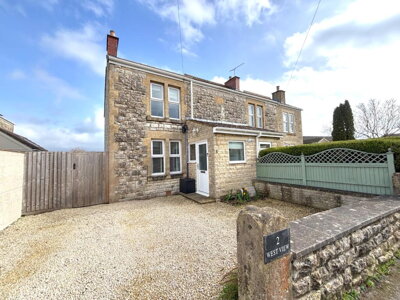
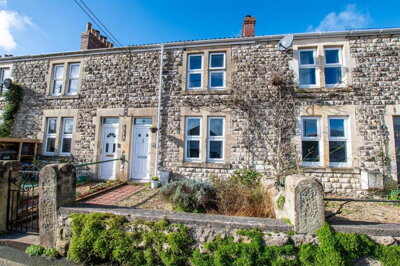
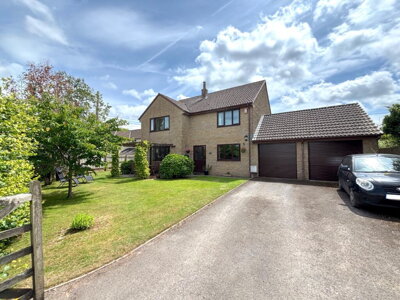
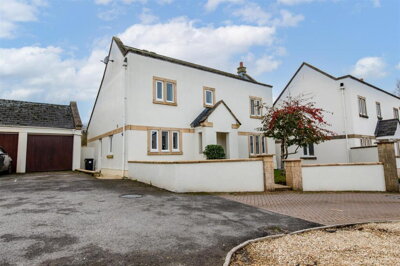
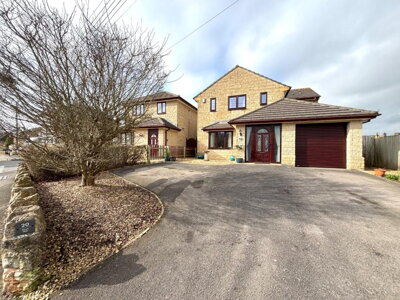
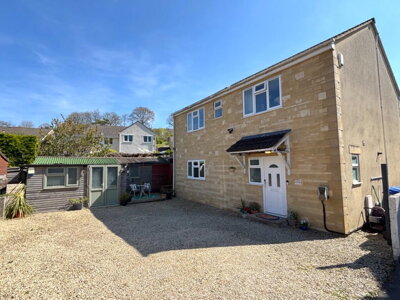
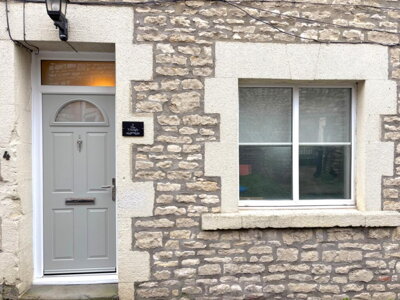
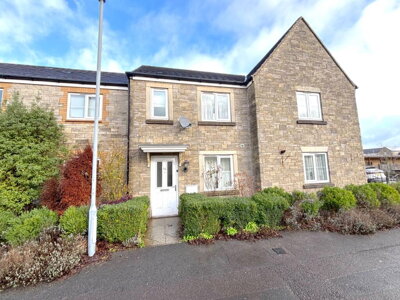
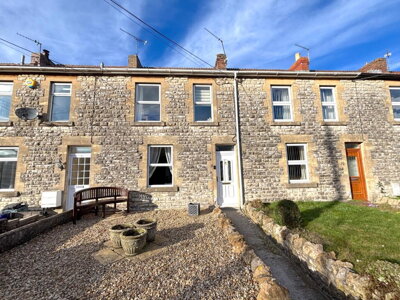
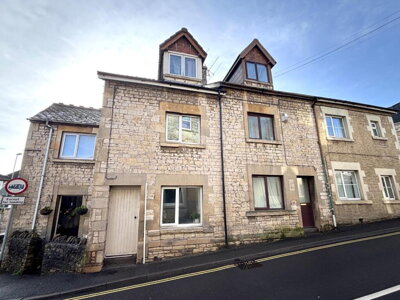
Browse 316 homes for sale in Paulton, Bath and North East Somerset from local estate agents.
£310k
56
2
119
Source: home.co.uk
Source: home.co.uk
Detached
10 listings
Avg £478,500
Detached Bungalow
8 listings
Avg £367,231
Terraced
7 listings
Avg £252,693
End of Terrace
6 listings
Avg £308,242
Flat
5 listings
Avg £143,159
Semi-Detached Bungalow
5 listings
Avg £313,980
Bungalow
4 listings
Avg £296,250
Semi-Detached
4 listings
Avg £331,238
Apartment
2 listings
Avg £192,975
Cottage
2 listings
Avg £312,475
Source: home.co.uk
Source: home.co.uk
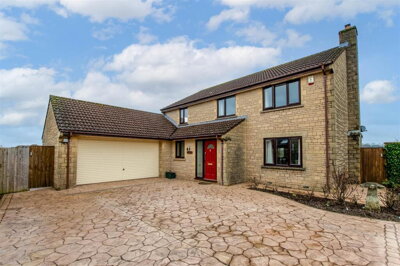
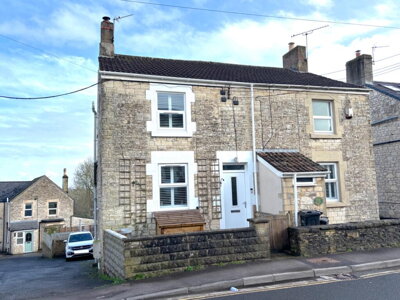
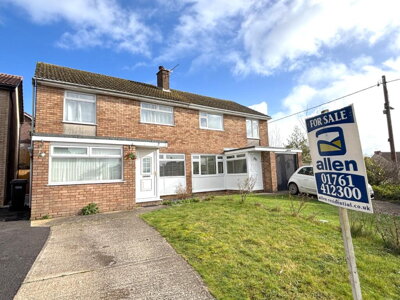
The Paulton property market offers a balanced mix of housing types to suit various buyer requirements. Detached properties average £485,739 and represent the premium end of the market, typically offering generous gardens, multiple reception rooms, and off-street parking. These homes are often found on the village outskirts and within small private cul-de-sacs, appealing to families requiring more space and privacy. Semi-detached homes, averaging £324,500, form the backbone of the village's residential stock and represent excellent value for families seeking comfortable accommodation without the higher costs associated with detached properties. These homes often feature the traditional layout beloved by families, with separate living spaces and enclosed rear gardens ideal for children and pets.
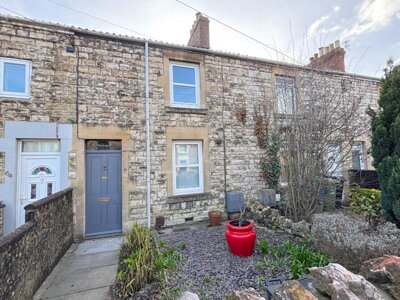
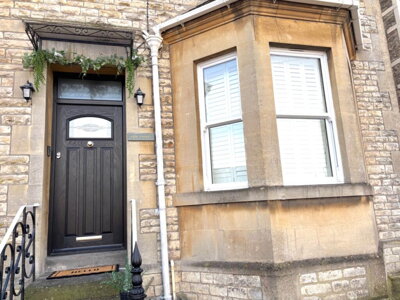
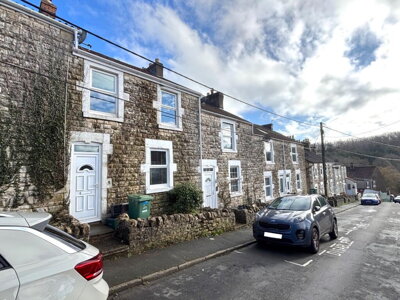
Terraced properties in Paulton average £275,000 and provide an accessible entry point to the local market, making them particularly appealing to first-time buyers and young couples. The village centre features several charming period terraced cottages, many constructed from the distinctive local Bath stone that characterises the conservation area. The Paulton Fields development by Barratt Homes offers 3 and 4-bedroom new build properties priced from £349,995 to £469,995, representing the modern end of the market for buyers seeking brand-new construction with contemporary layouts and energy-efficient specifications. Flats in Paulton start from around £175,000, offering low-maintenance living options for those seeking a simpler lifestyle or looking to invest in the local rental market. The recent 3% price reduction on terraced properties and 2% adjustment across most other types has created a favourable window for buyers to secure properties at more competitive prices than 12 months ago.
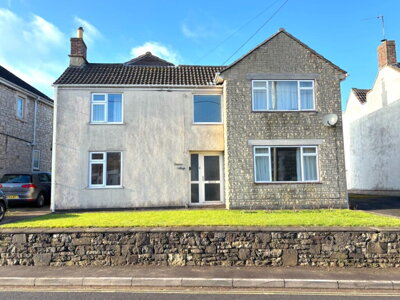
Housing stock in Paulton spans several distinct periods of construction, each with characteristic features and potential maintenance considerations. Victorian and Edwardian terraces along Old Church Street and in the Conservation Area around High Street and Church Street typically feature solid-wall construction using traditional Bath stone, with original sash windows and period fireplaces that require ongoing maintenance. Semi-detached properties from the 1950s to 1970s, common on estates such as Sommerville, generally feature cavity wall construction with tile roofs. The newest additions to the village include modern developments built since 2000, using contemporary building methods including brick, render, and improved insulation standards that meet current building regulations.

Paulton is a village with deep historical roots, once known for its coal mining industry that has long since ceased operation. Today, the village serves primarily as a residential community for those working in nearby Bath and Bristol, while retaining its own distinct identity and community spirit. With a population of approximately 5,302 residents across 2,267 households, Paulton strikes a pleasant balance between being large enough to support good local amenities yet small enough to retain a tight-knit village atmosphere. The historic core, designated as a Conservation Area, features attractive period properties along High Street, Church Street, and The Street, many constructed from the beautiful local Bath stone and oolitic limestone that give the village its distinctive Somerset character.
The village centre offers practical everyday amenities including a convenience store, post office, pharmacy, and several local businesses serving the community. Paulton Memorial Hospital provides essential healthcare services locally, reducing the need for residents to travel to larger towns for routine medical care. The surrounding Somerset countryside provides excellent walking opportunities, with the Wellow Brook and its tributaries creating attractive green corridors through the village. The Local Nature Reserve at Hollow Marsh provides habitat for wildlife and peaceful walking routes accessible from the village centre, while footpaths across farmland connect Paulton to neighbouring villages including Farrington Gurney and Chilcompton.
Community life in Paulton remains active throughout the year, with events organised by the Parish Council and local groups. The village hall hosts regular activities including craft markets, quiz nights, and seasonal celebrations that bring residents together. Sports facilities include a football club and playing fields used by local teams, while the recreation ground provides space for informal play and outdoor activities. This community focus makes Paulton particularly appealing to families and those seeking a slower pace of life while maintaining access to urban conveniences in Bath and Bristol.

Education facilities in Paulton serve families with children of all ages, with Paulton Infant School and Paulton Junior School providing primary education within the village itself. The infant school welcomes children from Reception through to Year 2, offering a nurturing environment for young learners beginning their educational journey in purpose-built accommodation near the village centre. The junior school continues the educational progression from Year 3 through to Year 6, preparing pupils for the transition to secondary education in well-equipped facilities that include outdoor learning spaces and sports facilities. Both schools are within easy walking distance of most residential areas in the village, making the school run straightforward for local families.
Secondary education options in the wider Bath and North East Somerset area include several well-regarded schools accessible from Paulton, with many families choosing to pursue places at schools in nearby towns including Midsomer Norton, Radstock, and Bath. Parents should research current admission arrangements carefully, as schools often operate catchment area policies that give priority to pupils living within specific distances. The nearest secondary schools include some that require daily transport, so families should factor school location into their property search considerations. Sixth form provision is available at secondary schools in surrounding areas, including Bath and Midsomer Norton, offering A-level and vocational courses for older students progressing from GCSE.
For families requiring early years childcare, Paulton has several nurseries and preschool options supporting working parents, with settings offering both full-time and part-time places for children from birth upwards. When purchasing property in Paulton, parents should verify current school performance data through the government Ofsted website and admission policies, as popularity can mean demand exceeds places available at certain schools. Primary school reception applications are coordinated through Bath and North East Somerset Council, with national offer day typically in April for September admissions. The school year runs from early September to late July, with term dates available from the local authority website.
Paulton enjoys strategic positioning between Bath and Bristol, making it an attractive location for commuters who work in either city while enjoying village living. The village sits within easy reach of major road connections, including the A37 providing routes to Bristol and the surrounding Mendip area, passing through towns such as Pensford and Keynsham on the journey to the city. Commuters travelling to Bath can access the city via the A39 through the beautiful Somerset countryside, with journey times typically taking around 30 minutes depending on traffic conditions. The proximity to the A4 and M4 motorway junction at Bath provides additional connectivity for those travelling further afield for work, with the M4 offering direct access to Wales, Swindon, and London.
Public transport options from Paulton include bus services connecting the village to nearby towns and cities, though services may be less frequent than in urban areas. The X39 bus route provides connections to Bristol via Keynsham, while services to Bath may require changing at intermediate points. Residents working in Bristol often find that driving to Bristol Temple Meads railway station and completing the commute by train offers the most reliable journey time, combining the benefits of village living with access to major employment centres. Bristol Temple Meads provides excellent national rail connections including direct services to London Paddington taking around 90 minutes, while Bath Spa station offers additional rail access for residents preferring to travel from the Bath direction.
Many Paulton residents choose to drive to nearby railway stations, parking their vehicles and completing their commute by train, a popular approach known as park and ride commuting. Bristol Parkway station, accessible via the M4, offers additional options for residents working in London or South Wales. For local travel within Somerset, the village is well-placed for exploring the Mendip Hills and the Somerset countryside, with routes to Cheddar, Wells, and Frome all accessible by car. Bristol Airport, located to the west of the city, provides international travel options within approximately 45 minutes drive of Paulton for residents travelling abroad for business or leisure.
Before viewing properties, spend time exploring Paulton at different times of day and week. Visit local shops, the village centre, and surrounding countryside to understand what daily life would be like. Check current listings to understand price ranges for your preferred property type, noting that terraced properties start around £275,000 while detached homes can exceed £485,000. Consider how commute times to your workplace would affect your routine, and explore local schools if you have children.
Contact lenders or use Homemove's mortgage comparison tools to obtain an Agreement in Principle before viewing properties. This strengthens your offer when you find the right home and demonstrates serious intent to sellers in what can be a competitive market. With average property prices at £345,984, most buyers will require a mortgage, and having finance arranged upfront puts you in a stronger position when making offers.
View multiple properties in Paulton, taking time to assess each one carefully. Consider factors like natural light, storage space, garden orientation, and proximity to neighbours. For period properties in the Conservation Area, assess the condition of original features and any signs of maintenance needs. Take notes and photographs to help compare properties later, and don't hesitate to return for second viewings of properties you particularly like.
Given Paulton's mix of older properties and local geology, we strongly recommend booking a RICS Level 2 Survey before proceeding. This typically costs £450-£700 for a 3-bedroom semi-detached and will identify any structural issues, damp problems, or needed repairs. Properties on clay soils near mature trees, common throughout the village, may be susceptible to subsidence and should be thoroughly assessed.
Once your offer is accepted, instruct a conveyancing solicitor to handle the legal aspects of your purchase. They will conduct searches including local authority, drainage, and mining searches where applicable, handle contracts, and manage the transfer of ownership through to completion. For properties in the Conservation Area, additional planning searches may be required to identify any restrictions on alterations.
Your solicitor will coordinate with the seller's legal team to exchange contracts, at which point the sale becomes legally binding. Completion typically follows within 2-4 weeks, when you will receive the keys to your new Paulton home. Most property transactions in the village complete within 8-12 weeks from acceptance of offer to legal completion, though chain-free purchases can sometimes move more quickly.
Properties in Paulton span several eras of construction, from charming period cottages in the conservation area to modern developments like Paulton Fields. Understanding the construction materials and methods used in different property types is essential for assessing maintenance requirements and potential issues. Older stone and brick properties, common along High Street and Church Street, often feature traditional solid wall construction that may require different insulation approaches compared to modern cavity-walled properties. These older properties may also have original features such as sash windows, fireplaces, and flagstone floors that require ongoing maintenance but add significant character to the property. Newer properties, including those on modern estates built from the 1980s onwards, typically feature cavity wall construction with uPVC windows and modern roofing materials that generally require less maintenance.
The local geology presents a moderate to high shrink-swell clay hazard, meaning buyers should pay particular attention to the condition of foundations, any signs of cracking in walls, and the presence of mature trees near properties. Properties built on clay soils can experience movement during dry spells when the clay contracts, or during wet periods when it expands, particularly where trees draw moisture from the soil. Our inspectors commonly find minor cracking in older properties that reflects normal seasonal movement, but more significant cracks exceeding 5mm width or following a diagonal pattern may indicate more serious structural issues requiring further investigation by a structural engineer.
Flood risk should be considered when evaluating properties in Paulton, particularly those near the Wellow Brook where surface water flooding represents a low to medium risk. Properties in lower-lying areas or those with nearby watercourses should be carefully assessed, and buildings insurance should be checked to ensure adequate coverage for flood risk if applicable. The village's position above valley floors generally provides protection from significant flooding, but the impact of climate change has increased the importance of assessing flood risk for properties near watercourses. Given the village's coal mining history, a mining search is advisable for properties in areas where historical mining activity may have occurred, as abandoned workings can occasionally cause ground movement years after operations ceased.
Properties within the Conservation Area may be subject to additional planning restrictions affecting permitted development rights, so buyers should consult with Bath and North East Somerset planning department regarding any proposed alterations or extensions. Planning permission may be required for extensions, dormer conversions, or other works that would normally fall within permitted development rights outside conservation areas. Listed buildings within the village have additional protections and any works affecting their character or fabric require Listed Building Consent from the local authority. When viewing older properties, look for signs of damp in walls and basements, condition of roofing materials and leadwork, and any timber defects such as rot or woodworm that are common in properties of this age.
The average house price in Paulton is currently £345,984 according to Rightmove data from February 2026. Detached properties average £485,739, semi-detached homes £324,500, terraced properties £275,000, and flats around £175,000. Prices have decreased by approximately 2% over the past 12 months, with terraced properties seeing the largest reduction at 3%, creating potential opportunities for first-time buyers looking to enter the market. Approximately 66 properties have sold in Paulton over the past 12 months, indicating a reasonably active local market for buyers seeking properties in this desirable Somerset village.
Properties in Paulton fall under Bath and North East Somerset Council (BANES), which sets council tax rates annually. Council tax bands range from A to H depending on the property's assessed value, with most residential properties in the village falling within bands A through D given the property price range. Band A properties pay the lowest rates while Band D properties typically pay around £1,800-£2,000 annually for a property assessed at the band D threshold. You can check the specific band for any property through the Valuation Office Agency website using the property address, which also provides details of any exemptions or discounts that may apply.
Paulton Infant School and Paulton Junior School serve primary-age children within the village itself, providing education from Reception through to Year 6 within walking distance of most residential areas. Parents should verify current Ofsted ratings and admission catchment areas with Bath and North East Somerset Council, as these can vary and change over time based on school capacity and demand. Secondary school options in the surrounding area include schools in Bath, Midsomer Norton, and Radstock, with some families pursuing places at popular schools that may require transport arrangements. For families considering secondary education at grammar schools, preparation for entrance assessments should begin well in advance of Year 6 to maximise chances of securing places.
Paulton has bus services connecting to nearby towns and cities, though frequency may be limited compared to urban areas, with some routes operating only hourly on weekdays. The village sits conveniently between Bath and Bristol, with road access via the A37 and connections to the A4 and M4 motorway making car commuting straightforward for those working in either city. Many residents drive to railway stations in Bristol or Bath for national rail services, with Bristol Temple Meads offering direct trains to London Paddington in approximately 90 minutes and Bath Spa providing connections towards the South West. For local journeys within Somerset, the village is well-positioned for exploring the Mendip Hills and surrounding countryside by car.
Paulton's position as a popular commuter village for Bath and Bristol supports demand from buyers seeking to escape higher city prices while maintaining employment connections. The village benefits from its own amenities, good primary schools, and attractive Somerset countryside setting that appeals to families and professionals alike. The presence of new developments like Paulton Fields by Barratt Homes, with 3 and 4-bedroom homes from £349,995 to £469,995, demonstrates continued developer interest in the area and suggests confidence in future demand. Rental demand is likely supported by commuters and families seeking village living at more accessible price points, with rental yields potentially attractive for buy-to-let investors given the gap between rental values and purchase prices in the area.
For standard purchases, stamp duty rates are 0% on the first £250,000, 5% on £250,001 to £925,000, 10% on £925,001 to £1.5 million, and 12% above £1.5 million. First-time buyers benefit from relief on purchases up to £625,000, paying 0% on the first £425,000 and 5% between £425,001 and £625,000. Given Paulton's average property price of £345,984, many purchases by first-time buyers would attract minimal or no stamp duty, making this an attractive entry point to the property market compared to neighbouring Bath where average prices are significantly higher. Properties priced above £625,000 do not qualify for first-time buyer relief, so higher-value detached homes would attract standard rates.
Buyers should be aware of several area-specific factors when purchasing property in Paulton. The local geology presents a moderate to high shrink-swell clay hazard, potentially affecting properties built on clay soils with mature trees nearby, so a thorough survey checking foundation condition is essential. Surface water flood risk exists in areas near the Wellow Brook, and buildings insurance should be checked to confirm adequate coverage for flood events. Properties in the historic mining area should consider a mining search to identify any potential risks from abandoned workings. Conservation Area properties may face planning restrictions on alterations and extensions, and any works to listed buildings require special consent. A RICS Level 2 Survey is strongly recommended to identify any property-specific issues before purchase, particularly for older properties where defects may not be immediately apparent during viewings.
From 3.89%
Compare deals from leading lenders to find the right mortgage for your Paulton purchase
From £499
Expert solicitors handling your property purchase from offer to completion
From £450
Professional survey identifying defects in Paulton properties
From £60
Energy performance certificate required for all property sales
Understanding the total costs of purchasing property in Paulton extends beyond the listing price to include stamp duty land tax, solicitor fees, survey costs, and other associated expenses. For a typical property at the current average price of £345,984, a standard buyer would pay no stamp duty on the first £250,000 and 5% on the remaining £95,984, totalling approximately £4,799 in stamp duty. First-time buyers purchasing properties up to £425,000 would benefit from full relief, paying nothing in stamp duty, which represents significant savings for those entering the property market and makes Paulton particularly accessible for first-time buyers compared to more expensive nearby areas like Bath.
Additional purchasing costs include conveyancing fees, typically ranging from £499 to over £1,500 depending on complexity and property value, with more expensive properties or those with complications such as leasehold elements or planning issues generally incurring higher fees. A RICS Level 2 Survey for a 3-bedroom semi-detached property in Paulton typically costs between £450 and £700, while larger detached homes may require surveys costing £600 to £900 or more, with the investment justified by the identification of any defects that might affect your decision or require remediation. An Energy Performance Certificate is mandatory for all sales and costs from £60, though this is typically arranged by the seller rather than the buyer.
Land Registry fees, local authority search fees, drainage searches, and bank transfer charges add further modest costs to the transaction. A mining search, advisable for properties in Paulton given the historical mining activity, typically costs around £50-£100 depending on the search provider. We recommend budgeting approximately 3-5% of the property price to cover these additional expenses, meaning a £345,984 property would require around £10,380 to £17,300 in buying costs beyond the deposit and mortgage. First-time buyers should also factor in moving costs, potential furniture purchases for larger properties, and an emergency fund for any immediate repairs identified after purchase.
Properties for Sale In London

Properties for Sale In Plymouth

Properties for Sale In Liverpool

Properties for Sale In Glasgow

Properties for Sale In Sheffield

Properties for Sale In Edinburgh

Properties for Sale In Coventry

Properties for Sale In Bradford

Properties for Sale In Manchester

Properties for Sale In Birmingham

Properties for Sale In Bristol

Properties for Sale In Oxford

Properties for Sale In Leicester

Properties for Sale In Newcastle

Properties for Sale In Leeds

Properties for Sale In Southampton

Properties for Sale In Cardiff

Properties for Sale In Nottingham

Properties for Sale In Norwich

Properties for Sale In Brighton

Properties for Sale In Derby

Properties for Sale In Portsmouth

Properties for Sale In Northampton

Properties for Sale In Milton Keynes

Properties for Sale In Bournemouth

Properties for Sale In Bolton

Properties for Sale In Swansea

Properties for Sale In Swindon

Properties for Sale In Peterborough

Properties for Sale In Wolverhampton

Enter your details to see if this property is within your budget.
Loans, cards, car finance
Estimated property budget
Borrowing + deposit
You could borrow between
Typical borrowing
Monthly repayment
Est. at 4.5%
Loan-to-value
This is an estimate only. Your actual budget may vary depending on interest rates, credit history, and personal circumstances. For an accurate affordability assessment, speak to one of our free mortgage advisors.
This calculator provides estimates for illustrative purposes only and does not constitute financial advice. Your home may be repossessed if you do not keep up repayments on your mortgage. Estimates based on 4.5% interest rate, repayment mortgage. Actual rates depend on your circumstances.
Homemove is a trading name of HM Haus Group Ltd (Company No. 13873779, registered in England & Wales). Homemove Mortgages Ltd (Company No. 15947693) is an Appointed Representative of TMG Direct Limited, trading as TMG Mortgage Network, which is authorised and regulated by the Financial Conduct Authority (FRN 786245). Homemove Mortgages Ltd is entered on the FCA Register as an Appointed Representative (FRN 1022429). You can check registrations at NewRegister or by calling 0800 111 6768.

We use cookies to show you personalised content and improve your experience of our website. Find out more in our Privacy policy and Cookie policy.