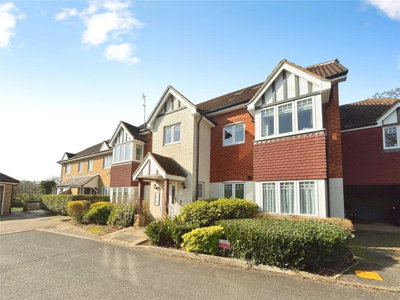
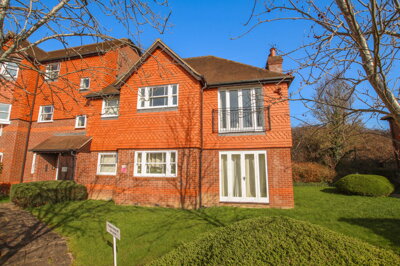
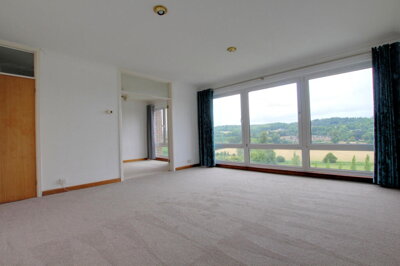
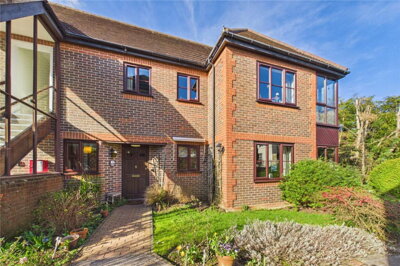
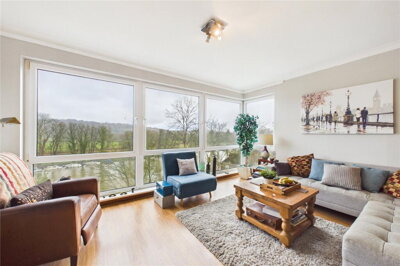
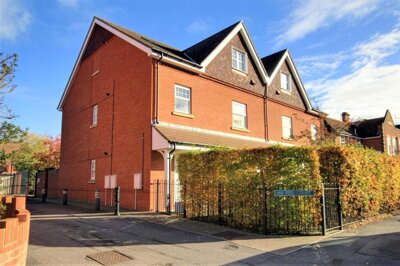
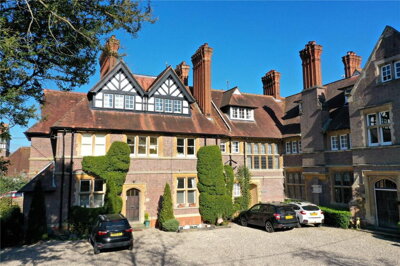
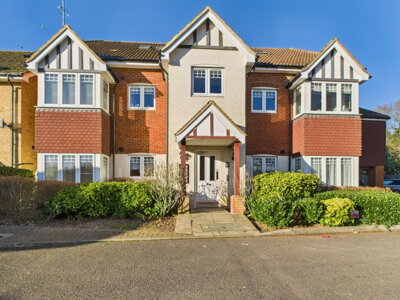
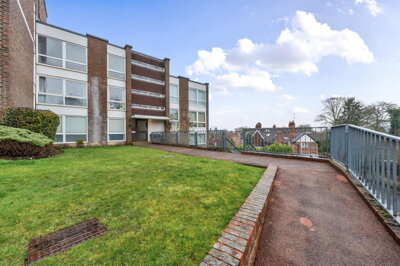
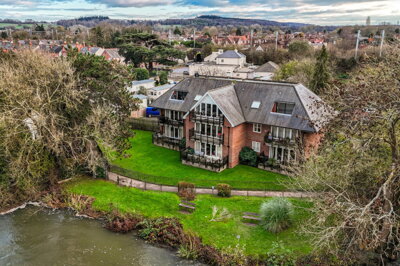
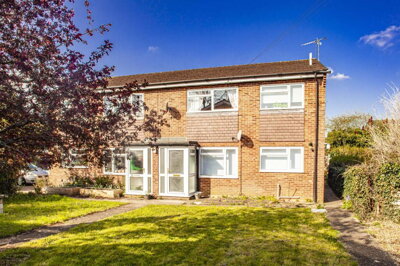
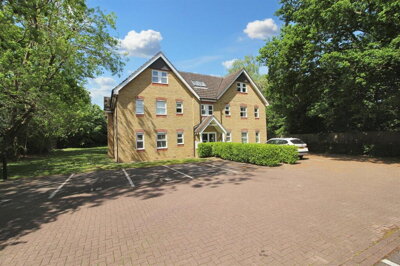
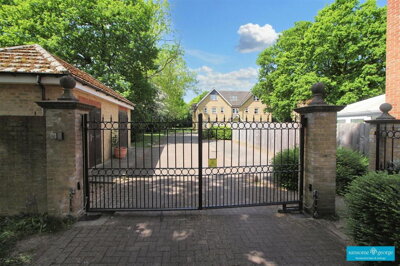
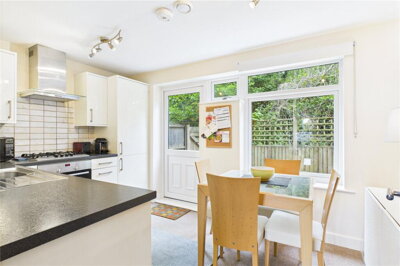
Browse 15 homes for sale in Pangbourne, West Berkshire from local estate agents.
The 2 bed flat sector typically includes two separate bedrooms, dedicated living areas, and bathroom facilities. Properties in Pangbourne span purpose-built blocks, converted period houses, and modern apartment complexes on various floors.
£0k
0
0
0
Source: home.co.uk
Showing 0 results for 2 Bedroom Flats for sale in Pangbourne, West Berkshire.
£352,000
Average Sold Price
£615,000
Detached Average
£276,000
Semi-Detached Average
9 properties
Recent Sales (2025)
17.8%
10-Year Price Growth
IP31 2JU
Postcode
The Pakenham property market presents a compelling opportunity for buyers seeking Suffolk village life at realistic price points. Our research indicates an average house price of £352,000 based on recent Land Registry data, with Rightmove reporting £456,661 and Zoopla showing £445,619 over the last twelve months. The variation between sources reflects the small number of transactions in this village setting, where each sale can significantly influence average figures. PropertyResearch.uk recorded just 9 sales in 2025, underscoring that Pakenham is a tight-knit village market rather than a high-volume suburban area.
Property types available in Pakenham span traditional village housing stock. Detached homes command the highest prices, with averages around £615,000 according to Rightmove data and a median of £482,500 from recent sales. Semi-detached properties offer more accessible entry points at approximately £276,000 to £277,000, while terraced homes have achieved median prices of £355,000 in recent transactions. Flats remain scarce in the village, with limited availability reflected in higher per-unit averages of around £545,000 where they do appear on the market.
Price trends over the past year show a cooling market following the post-pandemic peak. Rightmove indicates sold prices were 6% down on the previous year and 8% down from the 2022 peak of £494,417. PropertyResearch.uk reports a 13.6% fall over twelve months, while OnTheMarket shows a more significant 26.2% adjustment. For the specific postcode IP31 2JU, prices have decreased by an average of 4.9% since February 2025, though long-term growth of 17.8% over ten years demonstrates the enduring appeal of village locations near Bury St Edmunds.
The dominant property type in the IP31 2JU postcode area consists of mid-century houses built between 1936 and 1979, accounting for 35 of the 46 total properties in that section of the village. This mid-century housing stock joins older period properties to create a diverse village character that reflects different eras of Suffolk residential development. Buyers should understand this mix when evaluating properties, as construction methods and potential defects vary considerably between a 1930s semi-detached home and an 18th century cottage.

Pakenham embodies the essence of rural Suffolk, offering residents a village atmosphere that has remained largely unchanged over generations. The village takes its name from the Old English for "Pacca's homestead" and has roots dating back to at least the Saxon period. Historic properties including the celebrated Pakenham Watermill, a Grade II listed building, stand as testament to the village's heritage and provide a visual focal point for the community. The presence of an 18th century former farmhouse and numerous period cottages creates an architectural character that new residents inherit and help preserve.
The village sits on boulder clay deposits, characteristic of the Suffolk landscape, which contributes to the productive agricultural land surrounding the settlement. This geology requires consideration when purchasing older properties, as clay soils can present shrink-swell risks during periods of extreme weather conditions. New residents should factor this into property surveys and maintenance plans, particularly for homes with mature trees or established gardens where root systems may interact with soil moisture levels. Properties with inadequate foundations on clay ground can experience movement during wet winters or prolonged dry spells.
Conservation area status is highly probable given Pakenham's historic character and concentration of listed buildings. This designation brings planning restrictions that affect permitted development rights, meaning future renovations or extensions may require consent from West Suffolk Council. Prospective buyers should investigate specific conservation area boundaries through the local planning portal before committing to a purchase, as this influences what changes can be made to a property and may affect costs.
Community life in Pakenham revolves around traditional village amenities and the strong social fabric that characterises Suffolk settlements of this size. The village falls within the West Suffolk local authority area, providing residents with access to council services while maintaining the intimate scale that makes village living distinctive. Nearby Bury St Edmunds, just a short drive away, offers comprehensive retail, healthcare, and cultural amenities that complement village life without requiring daily travel for essential services.
Education provision for Pakenham residents centres on nearby primary schools serving the village and surrounding countryside. Children from Pakenham typically access primary schools in surrounding villages such as Stanton or Ixworth, where small village schools provide intimate learning environments with strong community connections. Parents should research current catchment areas and admission arrangements through Suffolk County Council's education portal, as village schools typically have defined catchment zones that prioritise local children. Schools in the wider area include those rated Good or Outstanding by Ofsted, providing reassurance for families prioritising educational quality.
Secondary education options expand considerably given Pakenham's proximity to Bury St Edmunds, which hosts several well-regarded secondary schools and sixth form colleges. Families should consider transportation arrangements when evaluating school options, as daily commutes to secondary schools will influence family routines and logistics. The presence of grammar schools in the wider area provides academic pathways for students who pass selection examinations, while comprehensive schools offer broader curricula for diverse learner needs. Parents often visit potential schools during open days to assess suitability before finalising property decisions.
Further and higher education opportunities in Bury St Edmunds and the wider Suffolk region provide progression routes for older students. The town hosts further education colleges offering vocational qualifications and A-levels, while university cities including Cambridge and Norwich are accessible for degree-level study. For families prioritising educational provision, the proximity of Pakenham to Bury St Edmunds's school network represents a significant advantage of village location with town-level educational choice. Many families find this combination of primary schooling in surrounding villages with secondary options in Bury St Edmunds strikes an ideal balance for their children's education.
Pakenham enjoys strategic positioning within Suffolk that balances rural tranquility with practical transport connectivity. The village sits near the A14 trunk road, which provides the primary arterial route connecting East Anglia to Cambridge and the national motorway network beyond. This road link proves essential for residents commuting to larger employment centres, with Bury St Edmunds itself accessible within approximately fifteen minutes by car. The A14 connects to the M11 near Cambridge, opening up London commuting territory for those willing to accommodate longer journeys. Regular commuters should note that traffic conditions on the A14 can vary significantly during peak hours.
Rail connectivity centres on Bury St Edmunds station, offering direct services to Cambridge, Ipswich, and connections to London's Liverpool Street via the Greater Anglia network. The station sits approximately six miles from Pakenham village, making it accessible by car for daily commuters or those using the station intermittently. Journey times to Cambridge typically range from forty minutes to an hour, while London Liverpool Street can be reached in approximately ninety minutes, positioning Pakenham within reasonable commuting range for flexible workers or those in location-flexible employment. Advance booking often secures better rail fares for regular commuters.
Local bus services connect Pakenham to surrounding villages and Bury St Edmunds, providing essential connectivity for residents without private vehicles. The Suffolk public transport network operates bus routes serving rural communities, though frequency may be limited compared to urban services. Residents without cars should factor bus timetables into daily routines, as services may operate on hourly or half-daily patterns rather than the frequent departures found in towns. Cycling infrastructure in the area includes rural lanes that suit experienced cyclists, though the lack of dedicated cycle lanes on faster roads means cycling is primarily a recreational rather than commuting option for most residents.
Explore Pakenham thoroughly before committing to a purchase. Visit at different times of day and week to understand noise levels, traffic patterns, and community atmosphere. Check broadband speeds and mobile signal coverage, as rural connectivity varies significantly between properties. Walking the village lanes and visiting the local pub if available helps build a picture of daily life in the community.
Speak to a mortgage broker about your borrowing capacity before viewing properties. An agreement in principle strengthens your position when making offers and demonstrates seriousness to sellers. Factor in the village location when considering stamp duty costs and other purchase expenses. Having finance sorted before making offers gives you a competitive edge in a village market where sellers may receive multiple enquiries.
View multiple properties in Pakenham to understand the range of housing stock available. Pay attention to construction age, materials, and maintenance history. Older properties may require more extensive surveys given the village's heritage and potential for period defects. Take photographs and notes during viewings to help compare properties later in the decision-making process.
Given Pakenham's mix of period and mid-century properties, a Level 2 home survey provides essential condition assessment. The survey will identify defects common to traditional construction including timber framing, thatched elements where present, and any signs of movement related to clay soil conditions. For properties in the IP31 2JU postcode, the survey should specifically address mid-century construction issues including original window styles, solid floor construction, and any wiring or plumbing from the 1960s and 1970s era.
Choose a conveyancing specialist familiar with Suffolk property transactions to handle your purchase. They will conduct local authority searches through West Suffolk Council, investigate title matters, and manage the legal transfer process from offer through completion. Local knowledge helps identify any village-specific issues that may arise during conveyancing, such as rights of way across agricultural land or shared maintenance responsibilities for village lanes.
Once surveys are satisfactory and legal queries resolved, your solicitor will exchange contracts and agree a completion date. On completion day, funds transfer and you receive the keys to your new Pakenham home. Build in buffer time around completion day for any last-minute logistics, particularly if you are moving from a distance or coordinating with removal firms.
Purchasing property in a Suffolk village requires attention to considerations beyond standard buyer checks. Conservation area status is highly probable given Pakenham's historic character and listed buildings, meaning planning restrictions may affect permitted development rights. Before purchasing, investigate whether the property lies within a designated conservation area through West Suffolk Council's planning portal, as this influences future renovation possibilities and potential costs. Properties near the Pakenham Watermill may benefit from additional protections due to their proximity to listed structures.
Building materials and construction methods in Pakenham reflect the village's traditional Suffolk character. Older properties featuring brick, render, and timber framing require understanding of traditional building techniques and maintenance needs. Signs of damp in period properties warrant particular attention, as older construction may lack modern damp-proof courses. Properties in the IP31 2JU postcode area include significant mid-century housing stock built between 1936 and 1979, which presents its own set of considerations including potential for solid floor construction and original window styles.
Environmental factors deserve investigation before committing to a purchase in the village. The clay geology underlying Pakenham creates potential for shrink-swell ground movement, particularly relevant for properties with large nearby trees or those constructed with shallow foundations. Request historical ground condition information from your solicitor and ensure surveys address foundation integrity. Flood risk should be verified through Environment Agency maps, though Pakenham's inland position means flood risk from rivers is generally lower than in coastal or riverside locations.
The average sold house price in Pakenham is approximately £352,000 according to recent Land Registry data, though this figure varies between sources with Rightmove reporting £456,661 and Zoopla showing £445,619 over the past year. The variation reflects the small number of annual transactions in this village market, where each sale significantly impacts average figures. Detached properties command higher prices around £615,000, while semi-detached homes offer more accessible entry points at approximately £276,000 to £277,000.
Properties in Pakenham fall under West Suffolk Council's council tax scheme. Specific band allocations depend on property value assessments made by the Valuation Office Agency. You can check individual property council tax bands through the government council tax portal using the property address or postcode IP31. West Suffolk Council sets annual charges based on these government-determined bands, with most village properties falling in bands B through E depending on their assessed value.
Pakenham itself is a small village, so families primarily access primary education in surrounding villages and Bury St Edmunds, approximately fifteen minutes away by car. Parents should research current catchment areas through Suffolk County Council's admissions portal and consider school transport arrangements when evaluating options. Secondary school options in Bury St Edmunds include several well-regarded establishments with good Ofsted ratings, making the town's educational provision a significant advantage of Pakenham's location for family buyers.
Public transport connectivity from Pakenham centres on bus services linking the village to Bury St Edmunds and surrounding communities. Rail services are accessed via Bury St Edmunds station, approximately six miles away, offering direct trains to Cambridge and connections to London Liverpool Street. The A14 trunk road provides excellent road connectivity, positioning Pakenham well for residents with access to private vehicles while accepting that rural public transport requires more planning than urban alternatives.
Pakenham offers moderate investment potential rooted in the enduring appeal of Suffolk village life and proximity to Bury St Edmunds. Long-term price data shows 17.8% growth over ten years for the IP31 2JU postcode, though recent years have seen price adjustments following the national post-pandemic peak. The village's limited transaction volume means capital growth opportunities depend heavily on broader market conditions and any local developments that might increase village desirability. Buyers purchasing for their own occupation generally find the village's quality of life and location benefits outweigh considerations of rapid appreciation.
Stamp Duty Land Tax rates for standard purchases are 0% on the first £250,000, 5% on £250,001 to £925,000, and 10% on £925,001 to £1.5 million, with 12% above £1.5 million. First-time buyers benefit from relief on the first £425,000, with 5% charged between £425,001 and £625,000. Given Pakenham's average price around £352,000, most residential purchases would attract zero or minimal stamp duty under current thresholds, though this depends on your buyer status and whether you own other properties.
Given Pakenham's mix of period properties and mid-century housing, several defect types warrant attention during survey and viewing. Older properties may exhibit rising damp, penetrating damp, or condensation issues due to inadequate damp-proof courses or poor ventilation. Timber defects including woodworm and both wet and dry rot can affect period properties with traditional construction. Properties on clay ground may show signs of subsidence or heave during periods of extreme weather. Mid-century properties from the 1960s and 1970s often have original electrical wiring and plumbing that requires upgrading to meet current standards.
New build activity within Pakenham village itself remains limited, with most new homes in the broader IP31 postcode area located in neighbouring villages. Property listings for new homes near Pakenham sometimes offer incentives such as upgraded kitchens and flooring, though these developments fall outside the village boundary. Buyers seeking new build property may need to consider the wider Bury St Edmunds area or accept that purchasing in Pakenham means acquiring an established village property rather than a brand-new home.
From 4.5%
Expert mortgage advice and competitive rates for Pakenham buyers
From £499
Local property solicitors familiar with West Suffolk transactions
From £350
Essential condition report for Pakenham's period and mid-century properties
From £60
Energy performance certificate for your new Pakenham home
Understanding the full cost of purchasing property in Pakenham extends beyond the sale price to include stamp duty, legal fees, survey costs, and moving expenses. The current Stamp Duty Land Tax thresholds for 2024-25 set the zero-rate band at £250,000 for standard purchases, with 5% charged between £250,001 and £925,000. Given that the village's average house price of £352,000 falls primarily within the nil-rate band, most residential purchases attract minimal or zero stamp duty, significantly reducing acquisition costs compared to metropolitan markets.
First-time buyers purchasing in Pakenham benefit from enhanced relief, with the nil-rate band extended to £425,000 and the 5% rate applying between £425,001 and £625,000. This relief applies to buyers who do not own other residential property worldwide, providing meaningful savings for those entering the property market for the first time. Those purchasing above £625,000 do not qualify for first-time buyer relief, so standard SDLT rates apply for the portion above this threshold.
Additional purchase costs include conveyancing fees typically ranging from £500 to £2,000 depending on complexity and property value, survey costs of £350 to £1,500 depending on property type and survey level chosen, and removal expenses that vary based on distance and volume of belongings. Mortgage arrangement fees, typically 0-2% of the loan amount, may be added to the mortgage or paid upfront depending on your chosen deal. Budgeting for these costs alongside your deposit and purchase price ensures a realistic understanding of total expenditure when buying in Pakenham.

Properties for Sale In London

Properties for Sale In Plymouth

Properties for Sale In Liverpool

Properties for Sale In Glasgow

Properties for Sale In Sheffield

Properties for Sale In Edinburgh

Properties for Sale In Coventry

Properties for Sale In Bradford

Properties for Sale In Manchester

Properties for Sale In Birmingham

Properties for Sale In Bristol

Properties for Sale In Oxford

Properties for Sale In Leicester

Properties for Sale In Newcastle

Properties for Sale In Leeds

Properties for Sale In Southampton

Properties for Sale In Cardiff

Properties for Sale In Nottingham

Properties for Sale In Norwich

Properties for Sale In Brighton

Properties for Sale In Derby

Properties for Sale In Portsmouth

Properties for Sale In Northampton

Properties for Sale In Milton Keynes

Properties for Sale In Bournemouth

Properties for Sale In Bolton

Properties for Sale In Swansea

Properties for Sale In Swindon

Properties for Sale In Peterborough

Properties for Sale In Wolverhampton

Enter your details to see if this property is within your budget.
Loans, cards, car finance
Estimated property budget
Borrowing + deposit
You could borrow between
Typical borrowing
Monthly repayment
Est. at 4.5%
Loan-to-value
This is an estimate only. Your actual budget may vary depending on interest rates, credit history, and personal circumstances. For an accurate affordability assessment, speak to one of our free mortgage advisors.
This calculator provides estimates for illustrative purposes only and does not constitute financial advice. Your home may be repossessed if you do not keep up repayments on your mortgage. Estimates based on 4.5% interest rate, repayment mortgage. Actual rates depend on your circumstances.
Homemove is a trading name of HM Haus Group Ltd (Company No. 13873779, registered in England & Wales). Homemove Mortgages Ltd (Company No. 15947693) is an Appointed Representative of TMG Direct Limited, trading as TMG Mortgage Network, which is authorised and regulated by the Financial Conduct Authority (FRN 786245). Homemove Mortgages Ltd is entered on the FCA Register as an Appointed Representative (FRN 1022429). You can check registrations at NewRegister or by calling 0800 111 6768.

We use cookies to show you personalised content and improve your experience of our website. Find out more in our Privacy policy and Cookie policy.