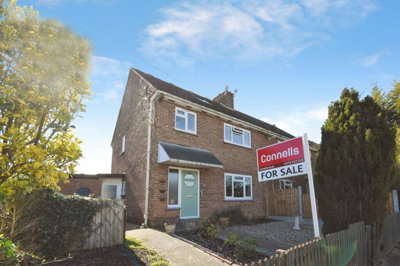
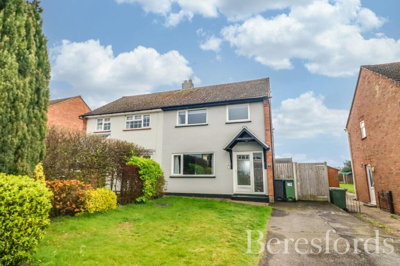
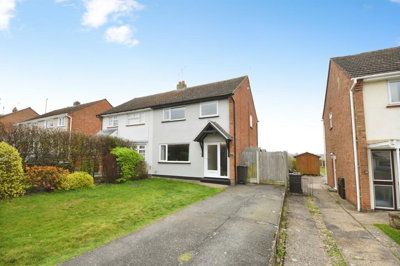
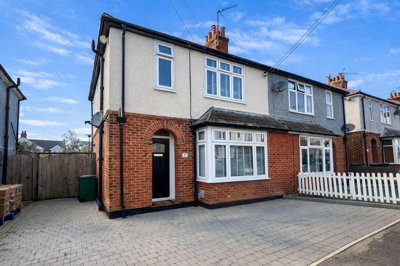
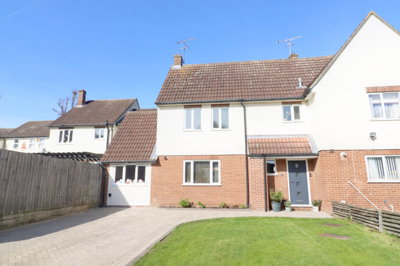
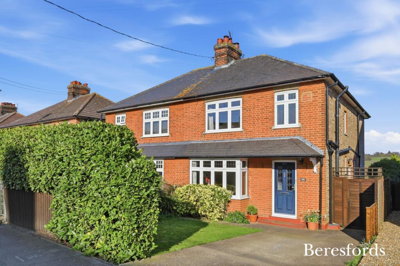
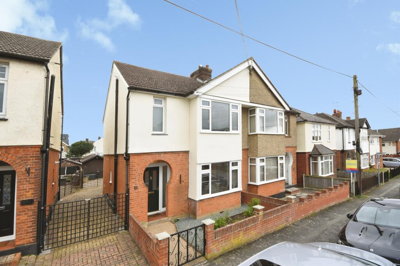
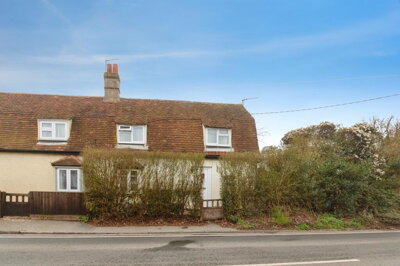
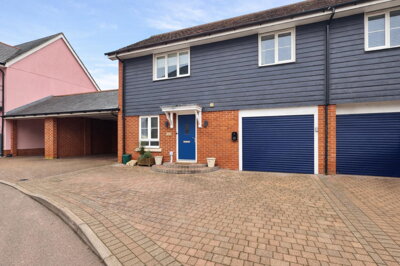
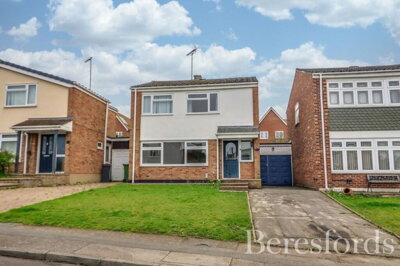
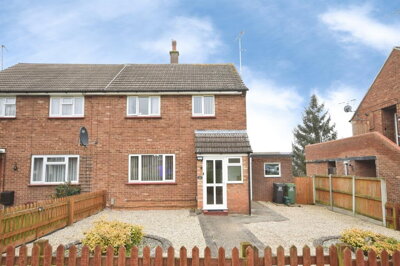
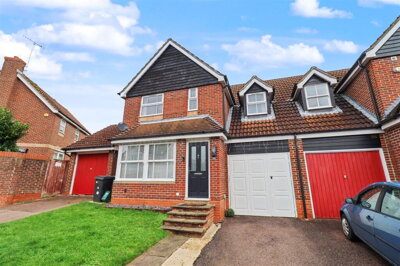
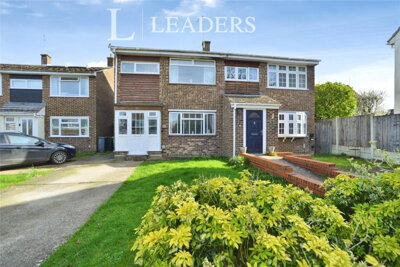
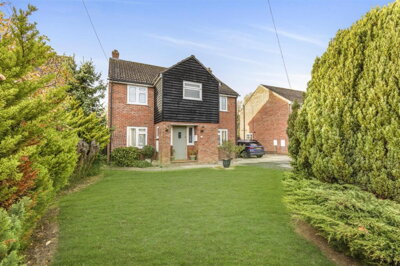
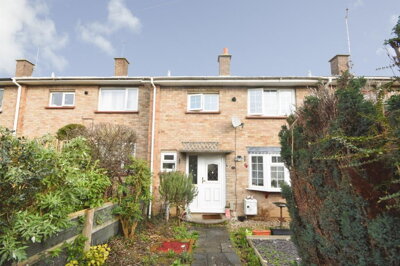
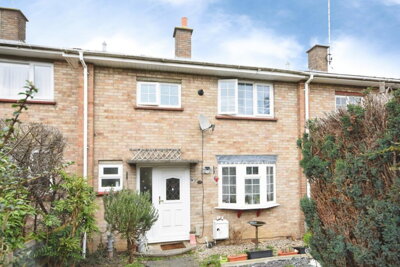
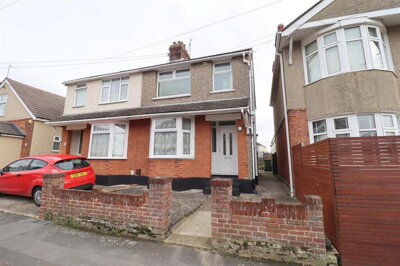
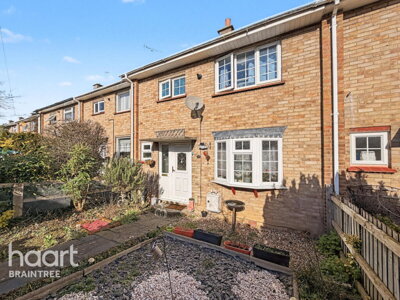
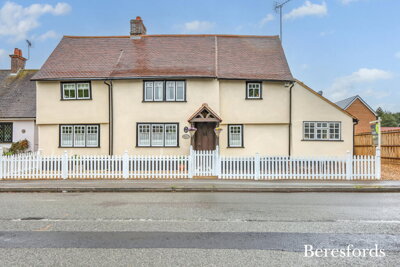
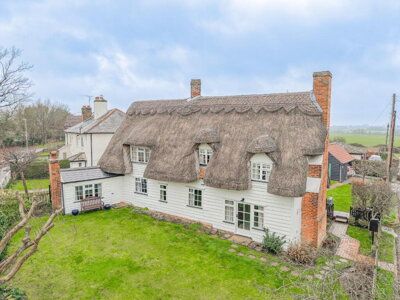
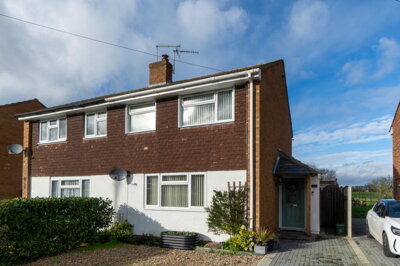
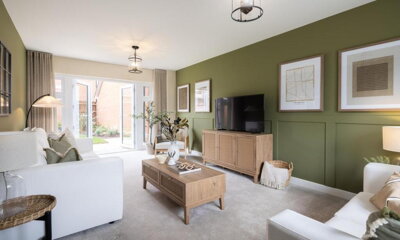
Browse 88 homes for sale in Panfield, Braintree from local estate agents.
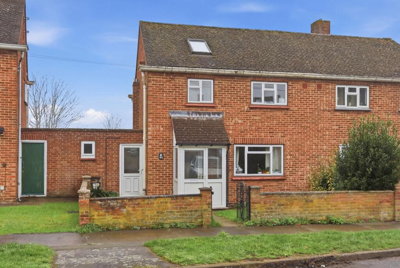
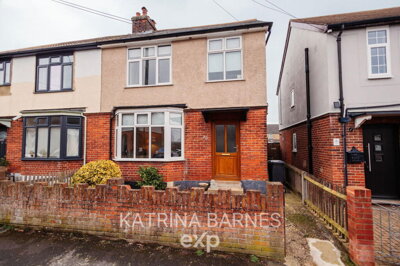
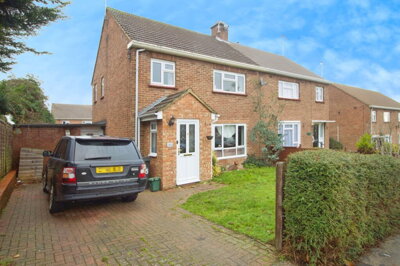
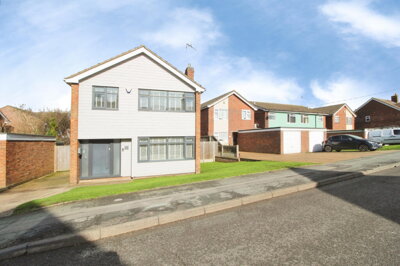
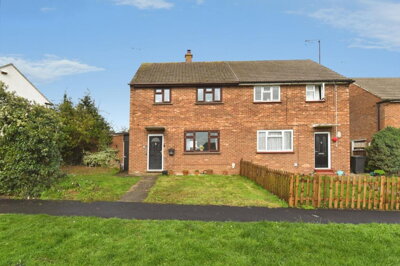
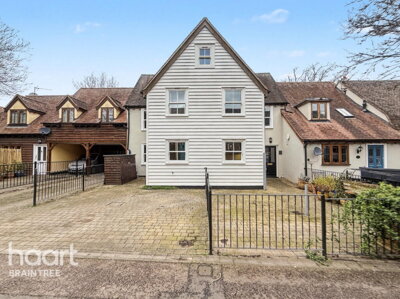
Three bedroom properties represent a significant portion of the Panfield housing market, offering space for families with multiple reception rooms and gardens in many cases. Browse detached, semi-detached, and terraced options ranging from period character homes to contemporary developments.
£563k
2
0
120
Source: home.co.uk
Showing 2 results for 3 Bedroom Houses for sale in Panfield, Braintree. The median asking price is £562,500.
Source: home.co.uk
Detached
2 listings
Avg £562,500
Source: home.co.uk
Source: home.co.uk
The Panfield property market reflects the character of a small Essex village, offering primarily detached and semi-detached homes at prices that provide value compared to commuter towns further into London. Detached properties command an average price of £675,000, while semi-detached homes average around £425,000. Terraced properties in the village typically sell for approximately £350,000, with flats averaging £250,000 for the rare apartments available. These price points position Panfield as an accessible option for buyers seeking village life without the premium charged by more established commuter locations.
The market has experienced a modest contraction over the past twelve months, with property prices decreasing by 1.0% according to Rightmove data from February 2026. This adjustment comes after sustained interest in rural Essex properties following the shift toward flexible working patterns. Buyers entering the market now may find opportunities to secure properties at more competitive prices than in previous years. The limited number of transactions, just 8 sales in the past year, indicates a tight-knit market where properties can move quickly when correctly priced and marketed.
No active new-build developments exist specifically within the Panfield postcode area, meaning most buyers purchase existing properties with history and character. This scarcity of new supply contrasts with larger nearby towns like Braintree, where modern housing developments continue to emerge. For buyers prioritising character and village atmosphere over brand-new fixtures, Panfield's established housing stock offers genuine period properties including cottages, farmhouses, and homes dating from the pre-1919 era through to more recent decades.
Property types in the village reflect its rural character and agricultural heritage. The housing stock includes traditional Essex red brick cottages clustered near the historic core along Panfield Lane, substantial detached farmhouses set back from the main road, and semi-detached pairs that form the backbone of residential streets. Larger detached family homes, some built during the inter-war period, occupy generous plots with mature gardens. This variety means buyers can choose between compact period properties requiring modernisation and more recent constructions offering contemporary layouts and fixtures.

Life in Panfield revolves around the rhythms of a traditional English village, where the sense of community runs deep despite the small population. The village features a Conservation Area protecting the historic core around Panfield Lane and the parish church, ensuring that new development respects the existing character. Several listed buildings including Panfield Hall and historic farmhouses punctuate the landscape, providing architectural interest and connecting residents to centuries of local history. The absence of large retail developments keeps the village peaceful, though everyday amenities remain accessible in nearby towns.
The local economy of Panfield and its surrounding area draws from agriculture and small businesses, with many residents maintaining connections to the farming heritage of north Essex. Village life includes access to local footpaths and countryside walks, with the surrounding farmland offering opportunities for outdoor recreation. The Panfield Brook flows through the parish, creating a natural feature that residents enjoy, though potential buyers should be aware of the medium to high surface water flood risk in areas adjacent to the watercourse. The wider Braintree district offers additional amenities including supermarkets, restaurants, and leisure facilities within a short drive.
The demographics of Panfield reflect a balanced community with families, professionals, and longer-term residents calling the village home. Many working residents commute to larger employment centres, taking advantage of the flexible working arrangements that have become more common since the pandemic. The proximity to Braintree, Chelmsford, and good transport links toward London makes Panfield practical for those who need to travel for work while preferring village living. Community events and local traditions help maintain the social fabric, making Panfield particularly appealing to buyers seeking a close-knit environment.
Local amenities in the immediate area include the village hall which hosts community gatherings and events throughout the year. The nearby town of Braintree, approximately 4 miles away, provides comprehensive shopping facilities including the Braintree Shopping Park with major retailers and familiar high street names. For dining and leisure, residents travel to Braintree or the historic market town of Saffron Walden, which offers restaurants, cafes, and cultural attractions in an attractive Tudor-era setting.

Families considering a move to Panfield will find educational options both within the village and in the surrounding area. The village itself is served by primary schools in nearby villages and towns, with several good and outstanding primary schools within reasonable commuting distance by car or school transport. Parents should research current catchment areas and admissions policies, as these can vary and change annually based on demand and capacity. Early registration for school places is advisable when securing a property purchase in this popular area.
Several primary schools in the surrounding villages serve Panfield families well. Schools in towns like Thaxted and Great Dunmow have built strong reputations for academic achievement and nurturing environments. Great Dunmow Primary School, located approximately 6 miles from Panfield, offers education for children through to age 11, while similar village schools in the wider area provide additional options. The journey times from Panfield to these schools range from 10 to 20 minutes by car, making school runs manageable for families choosing this village location.
Secondary education in the area includes schools in Braintree and surrounding towns, with several institutions offering strong academic programmes and good Ofsted ratings. Notley High School and St John Payne Catholic School serve the Braintree area, both offering comprehensive secondary education with good facilities and extracurricular programmes. Admissions are typically based on catchment areas and distance from the school, making the location of your property relevant to educational options. Grammar schools in Essex operate a selective admissions process, and families interested in this educational path should research options and entry requirements well in advance of their move.
For sixth form and further education, students typically travel to Braintree, Chelmsford, or other nearby towns where colleges and school sixth forms offer a wider range of A-level and vocational courses. Chelmsford College and Braintree College both provide comprehensive further education options, while the Grammar School for Girls in Chelmsford and King Edward VI Grammar School offer sixth form provision. The proximity of these educational centres from Panfield makes them accessible for older students, though families should factor travel time into their planning.
Panfield benefits from its position in Essex that balances rural tranquility with practical connectivity to major employment centres. The village sits near the A120, providing road access to Braintree to the east and toward Colchester and the A12 to the north. For commuters heading toward London, the M11 motorway is accessible via the A120, offering routes toward Stansted Airport and Cambridge. Braintree itself provides regular rail services, with journey times to London Liverpool Street taking approximately 60-70 minutes depending on connections and service.
Rail connections from Braintree and nearby stations offer reasonable commuting options for those working in the capital or other regional centres. Greater Anglia operates services from Braintree Town and Braintree Freeport stations, connecting passengers to London Liverpool Street via Chelmsford and Stratford. The station at Braintree Freeport is particularly convenient for those combining shopping with travel, while Braintree Town station sits closer to the town centre. Those working in Chelmsford find the drive or train journey straightforward, with the city offering additional employment opportunities and comprehensive retail and leisure amenities.
Local bus services connect Panfield with surrounding villages and Braintree town centre, providing options for those without private vehicles. However, service frequency may be limited compared to urban areas, so residents often find a car essential for daily logistics. The 16A bus route serves nearby villages, providing a lifeline for those without private transport and connecting residents to essential services in Braintree. Cycling is popular on local roads for shorter journeys, though the rural road network requires appropriate caution given narrow lanes and limited dedicated cycle infrastructure. Parking in the village is generally straightforward due to the low density of development, avoiding the congestion issues common in larger towns.
London Stansted Airport, located approximately 20 miles from Panfield, provides international connectivity accessible via the M11 or A120 routes. The airport offers flights across Europe and beyond, making international travel practical from this rural base. For domestic travel, Southend Airport provides alternative options via the A127 and M25 corridor. The strategic position of Panfield between multiple transport options gives residents flexibility for both business and leisure travel requirements.
Begin by exploring current listings in Panfield and understanding price trends. With an average property price of £468,750 and 8 recent sales, the market is relatively small. Research comparable properties, understand what drives value in this village location, and set realistic expectations for your budget. Consider registering with local estate agents who serve the Panfield area, as off-market opportunities occasionally arise.
Before viewing properties, obtain a mortgage agreement in principle from a lender. This confirms your borrowing capacity and strengthens your position when making offers. With detached properties averaging £675,000, ensure your finances are aligned with the properties available in Panfield. Having this documentation ready demonstrates seriousness to sellers in a village market where properties can attract multiple interested parties.
Visit properties that match your criteria, paying attention to construction type, age of property, and any signs of issues. Given the prevalence of London Clay geology, look for any cracking or subsidence indicators. Older properties with solid walls and timber frames may need more maintenance. Take photographs and notes during viewings to help compare properties later in the decision-making process.
Once your offer is accepted, arrange a RICS Level 2 Survey before proceeding. For a typical 3-bedroom property in Panfield, expect to pay between £450 and £700. This survey identifies defects specific to older village properties, including damp, roof condition, and timber issues common in pre-1919 construction. Our surveyors understand the common issues affecting properties in rural Essex, from clay-related subsidence to period property maintenance requirements.
Appoint a conveyancing solicitor to handle the legal work. They will conduct searches specific to Panfield and the Braintree district, including flood risk assessments for properties near the Panfield Brook and checks on the Conservation Area status. Local knowledge is valuable here, as solicitors familiar with village transactions can anticipate potential complications related to listed buildings or shared boundaries.
After satisfactory surveys and searches, your solicitor will coordinate the final paperwork and land registry checks. On completion day, you will receive the keys to your new Panfield home. We recommend arranging buildings insurance to take effect from the completion date, as village properties may require specialist policies given their age or listing status.
Properties in Panfield present unique considerations that buyers should evaluate carefully before committing to a purchase. The London Clay geology underlying the village creates shrink-swell risks for foundations, particularly in properties with large trees or inadequate drainage. Signs of subsidence or heave damage may appear as cracking in walls or doors that stick seasonally. A thorough RICS Level 2 Survey becomes especially valuable in this geological context, helping buyers understand any foundation concerns before purchase.
The Conservation Area designation affecting parts of Panfield, particularly around Panfield Lane and the church, carries planning implications for any future modifications or extensions. Buyers considering renovations should consult with Braintree District Council planning department before committing to a purchase. Restrictions may apply to exterior alterations, roof replacements, and even matters like window replacement or painting. Listed buildings in the village, including Panfield Hall and various historic farmhouses, carry additional statutory protections that require Listed Building Consent for most changes.
Flood risk requires specific attention in Panfield, with areas near the Panfield Brook showing medium to high surface water flooding potential. While river and sea flooding risk remains low, the historical presence of surface water flooding during heavy rainfall events should influence property selection and insurance considerations. Properties in lower-lying parts of the village warrant particular scrutiny, and buyers should request flood risk searches as part of their conveyancing process. Building materials vary significantly across the village, from traditional red brick and timber framing in older properties to modern brick and block construction in more recent additions, each with their own maintenance requirements.
Older properties in Panfield commonly exhibit characteristics that require ongoing maintenance investment. Solid wall construction, prevalent in pre-1930s buildings, lacks the cavity insulation found in modern properties, potentially affecting energy efficiency and heating costs. Original timber windows, while architecturally appealing, may require restoration rather than replacement to comply with Conservation Area requirements. Electrical and plumbing systems in period properties often require updating to meet current standards, with wiring predating the 1980s particularly warranting investigation. Our surveyors check these systems thoroughly, identifying work that may be required before or shortly after purchase.
Understanding the full cost of purchasing property in Panfield requires careful consideration of stamp duty and associated fees. For a typical home priced at the village average of £468,750, standard Stamp Duty Land Tax rates apply from 1st October 2021 onwards. The first £250,000 of any purchase is exempt from stamp duty, meaning only the remaining £218,750 incurs the 5% rate, resulting in a stamp duty bill of £10,937.50 for most buyers. This represents a significant cost that should be factored into your overall budget alongside deposit, legal fees, and moving expenses.
First-time buyers purchasing residential properties benefit from increased thresholds under current regulations. Relief applies to the first £425,000 of purchase price, with 5% charged between £425,001 and £625,000. For a first-time buyer purchasing at the Panfield average price of £468,750, stamp duty would be calculated only on the £43,750 above £425,000, resulting in a reduced bill of £2,187.50. This relief provides meaningful savings for buyers entering the property market in this Essex village, though the relief does not extend to properties valued above £625,000.
Beyond stamp duty, buyers should budget for solicitor conveyancing fees, which typically range from £500 to £2,000 depending on complexity. Searches specific to Panfield and Braintree District Council will add several hundred pounds, covering matters like flooding, planning history, and local authority information. A RICS Level 2 Survey costs between £450 and £700 for a typical 3-bedroom village property, while a more comprehensive Level 3 Building Survey for older or listed properties may cost £650 to £1,200 or more. Mortgage arrangement fees, valuation fees, and broker charges should also be considered, along with removals costs and any immediate repairs or furnishing required for your new home.
Additional costs specific to period village properties may include specialist surveys for listed buildings, typically £800 to £1,500 depending on property size and complexity. Listed properties may also require separate Listed Building Consent applications, each incurring planning fees. Buildings insurance for older or listed properties can be higher than standard policies, so obtaining quotes before purchase completion is advisable. Factor in potential renovation costs if purchasing a property that requires updating, as older village homes frequently need investment in insulation, heating systems, or structural repairs.
As of February 2026, the average property price in Panfield stands at £468,750 according to Rightmove data. Detached properties average £675,000, semi-detached homes cost around £425,000, terraced properties sell for approximately £350,000, and flats average £250,000. Prices have decreased by 1.0% over the past twelve months, creating potential opportunities for buyers in this Essex village market. With only 8 property sales recorded in the past year, the village maintains a relatively stable but thin market where properties can move quickly when correctly priced.
Properties in Panfield fall under Braintree District Council's jurisdiction for council tax purposes. Bands range from A through H depending on property value and size. Most village properties, given their character and age, tend toward bands C through E. A typical 3-bedroom period property in the village would likely fall into band D or E, while smaller cottages might be categorised as band C. Prospective buyers should verify the specific band for any property they are considering, as council tax forms part of the ongoing cost of homeownership.
Panfield itself has limited schooling facilities, with primary-aged children typically attending schools in surrounding villages or travelling to schools in Braintree. Several primary schools in the wider area have good and outstanding Ofsted ratings, though catchment areas and admissions criteria vary. Primary schools in Great Dunmow, approximately 6 miles away, and Thaxted serve village families with good reputations. Secondary education is primarily provided by schools in Braintree, accessible by school transport or car, with Notley High School and St John Payne Catholic School among the options.
Public transport options from Panfield include local bus services connecting to Braintree and surrounding villages, though frequencies may be limited compared to urban areas. Rail services are accessible from Braintree stations, with Greater Anglia trains running to London Liverpool Street via Chelmsford in around 60-70 minutes. The village sits conveniently near the A120 for road travel, with the M11 accessible for journeys toward London, Cambridge, and Stansted Airport. Most residents find a car essential for daily logistics, though commuting by train to London remains practical for those working in the city two or three days per week.
Panfield offers appeal for buyers prioritising lifestyle over high returns, with village character and rural location driving demand from families and those seeking countryside living. The modest price decrease of 1.0% over the past year indicates market stability rather than volatility. Proximity to growing employment centres like Braintree and Chelmsford, combined with improved flexible working options, supports demand for village properties. The absence of new-build development in the postcode area means supply remains constrained, which can support values over time. Investors should consider rental demand from commuting professionals and the potential for capital growth through sympathetic property improvements.
Stamp Duty Land Tax applies to property purchases in England, including Panfield. Standard rates are 0% on the first £250,000 of purchase price, 5% on the portion from £250,001 to £925,000, 10% from £925,001 to £1.5 million, and 12% above £1.5 million. With the average Panfield property at £468,750, most buyers would pay stamp duty only on the amount above £250,000, equating to £10,937.50. First-time buyers benefit from relief on the first £425,000, with 5% due between £425,001 and £625,000, reducing the bill to £2,187.50 for properties at the average price point.
Flood risk in Panfield varies by location within the village. River and sea flooding risk is low across most of the parish. However, areas adjacent to the Panfield Brook show medium to high risk of surface water flooding, particularly during periods of heavy rainfall. Properties situated along the brook corridor, including some along lower Panfield Lane, warrant particular attention during conveyancing. Buyers should request flood risk searches during conveyancing and verify insurance availability for properties in affected areas. Properties on lower ground near watercourses warrant additional investigation, and flood resilience measures may be relevant for vulnerable properties.
The Panfield Conservation Area covers the historic core of the village, including properties along Panfield Lane and surrounding the parish church of St Mary and St Christopher's. This designation means that any external alterations, extensions, or significant changes to properties within the area require consideration from Braintree District Council conservation officers. Restrictions typically apply to window replacement, roof material changes, and exterior painting in colours that would harm the historic character. Buyers planning renovations should budget for the time and cost of obtaining necessary consents, and should factor planning conditions into any purchase decision.
Given the prevalence of older properties and London Clay geology, common defects in Panfield properties include subsidence and heave damage caused by clay movement, particularly in properties with large trees nearby or inadequate foundations. Rising damp and penetrating damp frequently affect older buildings with solid walls, especially where original ventilation has been compromised by modern improvements. Roof condition requires careful inspection, as older slate and clay tile roofs may have slipped tiles or degraded felt underlay. Electrical wiring in properties pre-dating the 1980s often requires updating, and timber defects including woodworm or rot can affect structural elements in period construction.
Panfield contains several listed buildings that form part of the village's heritage and character. These include St Mary and St Christopher's Church, which dates from various periods and features notable architectural details. Panfield Hall stands as a significant historic property, along with various farmhouses and cottages that carry listed status due to their age and architectural interest. Listed Building status brings additional responsibilities and opportunities for buyers, as any alterations affecting the building's character require Listed Building Consent from Braintree District Council. While these properties require careful maintenance and adherence to heritage guidelines, they offer unique character that cannot be replicated in modern construction.
Properties for Sale In London

Properties for Sale In Plymouth

Properties for Sale In Liverpool

Properties for Sale In Glasgow

Properties for Sale In Sheffield

Properties for Sale In Edinburgh

Properties for Sale In Coventry

Properties for Sale In Bradford

Properties for Sale In Manchester

Properties for Sale In Birmingham

Properties for Sale In Bristol

Properties for Sale In Oxford

Properties for Sale In Leicester

Properties for Sale In Newcastle

Properties for Sale In Leeds

Properties for Sale In Southampton

Properties for Sale In Cardiff

Properties for Sale In Nottingham

Properties for Sale In Norwich

Properties for Sale In Brighton

Properties for Sale In Derby

Properties for Sale In Portsmouth

Properties for Sale In Northampton

Properties for Sale In Milton Keynes

Properties for Sale In Bournemouth

Properties for Sale In Bolton

Properties for Sale In Swansea

Properties for Sale In Swindon

Properties for Sale In Peterborough

Properties for Sale In Wolverhampton

Enter your details to see if this property is within your budget.
Loans, cards, car finance
Estimated property budget
Borrowing + deposit
You could borrow between
Typical borrowing
Monthly repayment
Est. at 4.5%
Loan-to-value
This is an estimate only. Your actual budget may vary depending on interest rates, credit history, and personal circumstances. For an accurate affordability assessment, speak to one of our free mortgage advisors.
This calculator provides estimates for illustrative purposes only and does not constitute financial advice. Your home may be repossessed if you do not keep up repayments on your mortgage. Estimates based on 4.5% interest rate, repayment mortgage. Actual rates depend on your circumstances.
Homemove is a trading name of HM Haus Group Ltd (Company No. 13873779, registered in England & Wales). Homemove Mortgages Ltd (Company No. 15947693) is an Appointed Representative of TMG Direct Limited, trading as TMG Mortgage Network, which is authorised and regulated by the Financial Conduct Authority (FRN 786245). Homemove Mortgages Ltd is entered on the FCA Register as an Appointed Representative (FRN 1022429). You can check registrations at NewRegister or by calling 0800 111 6768.

We use cookies to show you personalised content and improve your experience of our website. Find out more in our Privacy policy and Cookie policy.