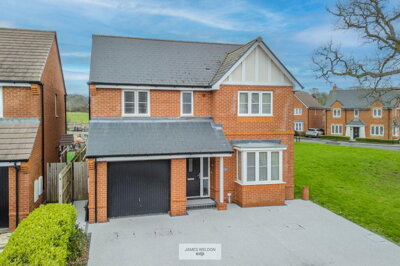
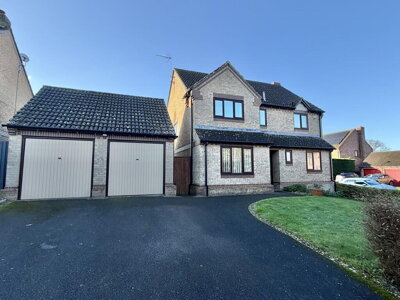
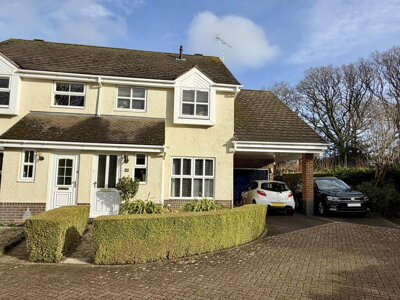
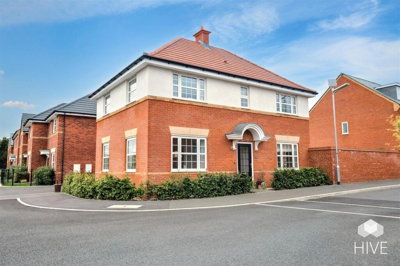
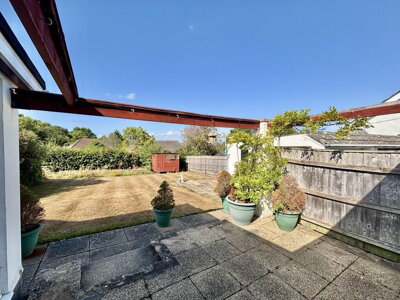
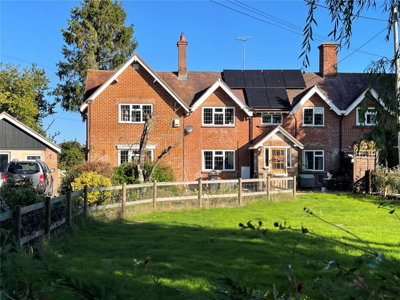
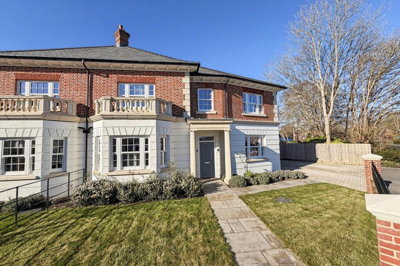
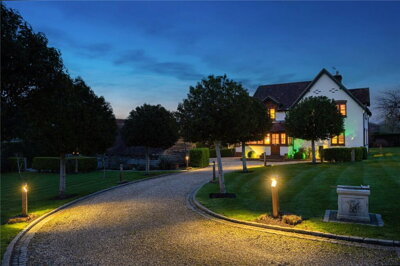
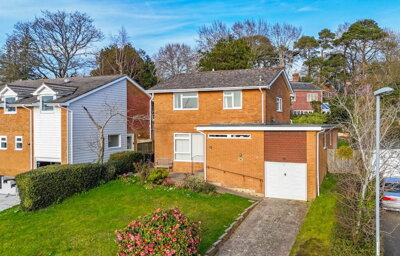
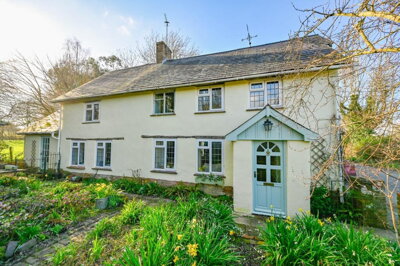
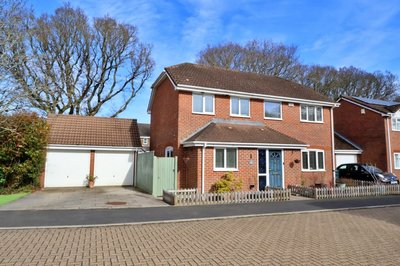
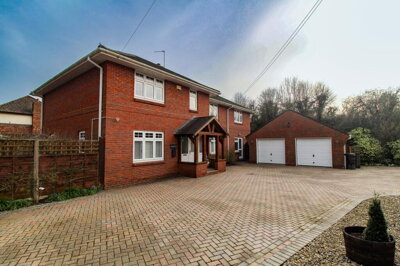
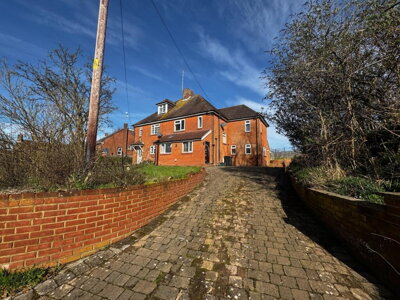
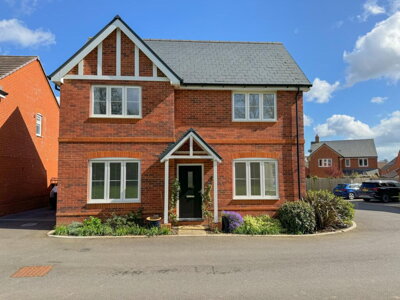
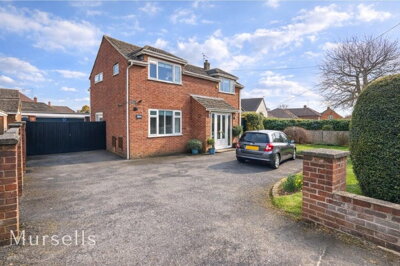
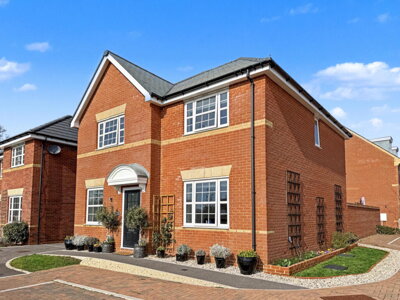
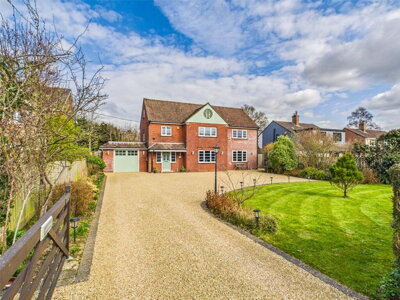
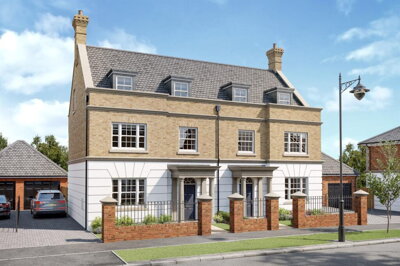
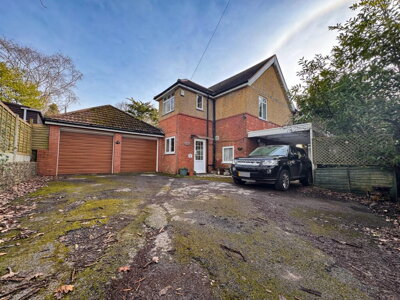
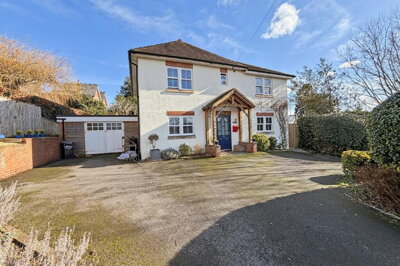
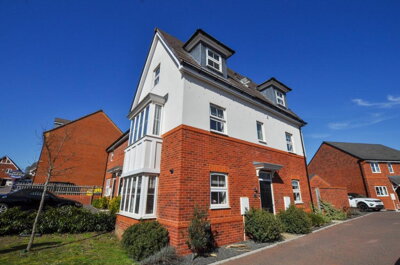
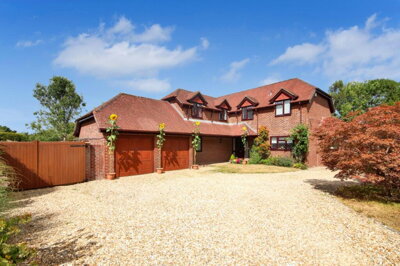
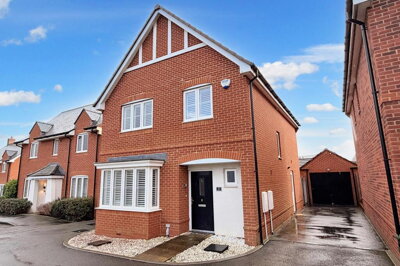
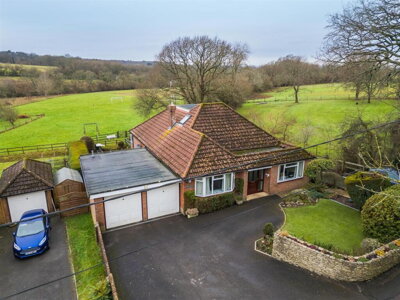
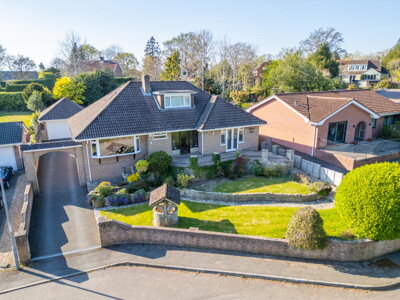
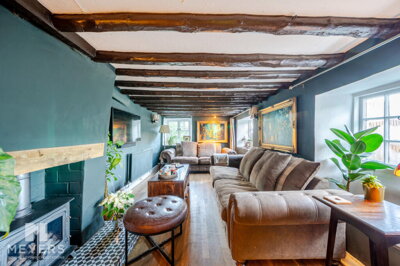
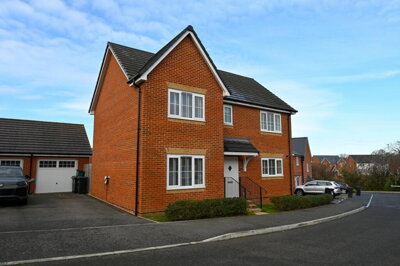
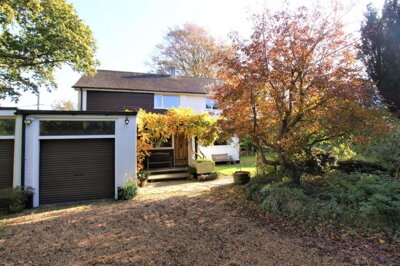
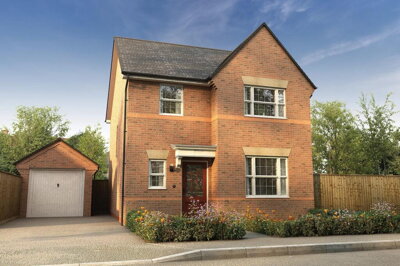
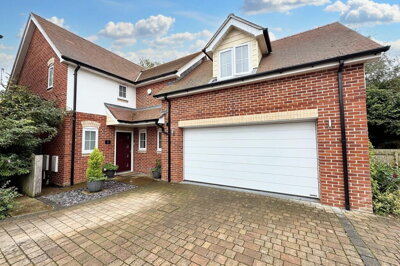
Browse 63 homes for sale in Pamphill, Dorset from local estate agents.
The larger property sector typically features multiple bathrooms, substantial reception space, and private gardens or off-street parking. Four bedroom houses in Pamphill span detached, semi-detached, and occasionally terraced configurations, with styles ranging from period properties to modern executive homes.
£1.10M
1
0
104
Source: home.co.uk
Showing 1 results for 4 Bedroom Houses for sale in Pamphill, Dorset. The median asking price is £1,100,000.
Source: home.co.uk
Detached
1 listings
Avg £1.10M
Source: home.co.uk
Source: home.co.uk
The Pamphill property market benefits from its position within the broader BH21 postcode area, which recorded house price growth of 6.1% over the past year. This steady appreciation reflects sustained demand for homes in this part of East Dorset, where limited new development and the village's conservation character help maintain property values. The BH21 area, encompassing Wimborne and surrounding villages like Pamphill, continues to attract buyers from Bournemouth and Poole seeking more space and a village lifestyle. Properties in the wider area around The Broads have seen different patterns, with average prices around £218,000 over the last year, though this reflects smaller property types in that specific neighbourhood rather than the village centre itself where period homes predominate.
Properties available in the Pamphill area include characterful 3 and 4-bedroom semi-detached houses, spacious 4-bedroom detached bungalows with generous gardens, and charming 2-bedroom apartments and flats suitable for first-time buyers or investors. Many homes in the village feature traditional construction with mellow brick elevations, original sash windows, and timber-framed structures that reflect the area's historic building heritage. Period properties requiring modernisation may present opportunities for buyers seeking renovation projects in this desirable location, though any works must respect the village's conservation area status and potential listed building requirements. The mix of property types ensures options across various budget ranges, from more affordable apartments through to substantial family homes exceeding £750,000.
For buyers considering investment in the Pamphill market, the fundamental dynamics remain positive. Limited new development within the hamlet protects existing property values by preventing oversupply, while the strong school catchment continues to attract families willing to pay premiums for the right home. Our team regularly monitors market activity across Pamphill and can provide current data on listings, sales, and pricing trends to inform your purchasing decisions. Registering for property alerts ensures you receive immediate notification when homes matching your criteria come to market, given that properties in this sought-after village location typically sell quickly once listed.

Pamphill embodies the classic English countryside village, with a tight-knit community centred around St Stephen's Church and the village green. The hamlet takes its name from the medieval legend of Pamphile, a French noblewoman whose garden was said to have covered the hillsides above the village. Today, Pamphill retains much of this pastoral charm, with footpaths crossing gentle farmland, deer frequently spotted in the surrounding countryside, and a pace of life that feels a world away from urban pressures. The village is bounded by the River Stour to the east, offering scenic riverside walks and access to water meadows that attract walkers and wildlife enthusiasts throughout the year. The river also provides a natural boundary to the hamlet's eastern edge, defining the village's intimate scale and reinforcing its separate identity from neighbouring settlements.
Residents of Pamphill enjoy access to an excellent range of local amenities within walking or cycling distance. The Vine public house provides a welcoming village pub serving quality food and local ales, while Pamphill Dairy Farm Shop offers fresh milk, butter, and cream direct from the farm, along with local meat from the farm's butchers and a charming tea room. The nearby market town of Wimborne Minster, just 1.5 miles away, expands these offerings considerably with a Waitrose supermarket, independent shops, cafes, restaurants, and the popular Tivoli theatre and cinema complex. This combination of village tranquility and town convenience makes Pamphill particularly appealing to families and retirees alike, with daily necessities easily accessible without requiring car journeys.
The community spirit in Pamphill manifests through various village events and activities throughout the year. The local pub serves as a natural gathering point for residents, while the village school creates connections between families with children. Weekend markets in nearby Wimborne offer opportunities to purchase local produce and artisan goods, complementing the farm shop's offerings. For cultural activities, the Tivoli theatre and cinema provides a full programme of live performances, films, and community events, ensuring that Pamphill residents need never travel far for entertainment. The village's position also provides easy access to Dorset's outstanding countryside, with the New Forest National Park reachable within a short drive for days out exploring forest walks and village pubs.

Education is a major draw for families considering Pamphill, with the village sitting within reach of some of Dorset's most respected schools. Pamphill's own village school, housed in a charming building that was formerly alms houses dating from 1698, provides primary education within the community. This historic building, with its connection to the village's charitable past, offers young children an intimate start to their education while remaining firmly embedded in Pamphill's community fabric. For secondary education, nearby schools include Queen Elizabeth's School in Wimborne, a well-regarded comprehensive option, alongside several prestigious independent schools that draw families to the area. The village school consistently achieves good results and benefits from its small class sizes and strong community connections.
The surrounding area boasts an exceptional concentration of independent schools, with Canford School, Bryanston School, Clayesmore School, Dumpton School, and Castle Court School all within easy reach of Pamphill. Canford School, set in a magnificent country house near Wimborne, is particularly notable, regularly featuring in national league tables for academic results and producing excellent outcomes for its pupils. Bryanston School, located near Blandford Forum, and Clayesmore School in Iwerne Minster represent further options for families seeking independent education, each offering distinctive approaches to learning within stunning Dorset settings. Dumpton School provides preparatory education, while Castle Court School serves younger children, ensuring continuous educational pathways exist from nursery through to A-levels.
This educational draw significantly influences the Pamphill property market, with many buyers specifically choosing the area to access these schooling options. Properties within the catchment areas of sought-after schools command premium values, and families should factor school admissions criteria into their property search. Canford School attracts families from across the region and internationally, creating sustained demand for homes within reasonable commuting distance. The proximity to multiple excellent schools means Pamphill properties appeal to a broad range of buyers, supporting both the rental market and resale values. When viewing properties, we recommend discussing school catchments with your agent to ensure homes align with your family's educational priorities.
Despite its rural character, Pamphill offers excellent transport connections that make commuting practical for residents working in major centres. The village is well-connected by road, with the A31 providing direct access to Southampton and the M27 motorway beyond, while the A348 offers routes towards Poole and Bournemouth. For rail travel, the mainline station at Bournemouth provides regular services to London Waterloo, with journey times of approximately two hours. The nearby town of Poole also offers South Western Railway services, giving Pamphill residents access to multiple rail options for commuting or leisure travel. The road network surrounding Pamphill has benefited from ongoing improvements, making car travel increasingly convenient for those working further afield.
Local bus services connect Pamphill with Wimborne Minster, from where further bus routes radiate to surrounding towns and villages. The Dolphin bus service provides regular connections to Poole and Bournemouth, enabling residents without cars to access these larger centres for work and leisure. For air travel, Bournemouth Airport is easily accessible, offering scheduled flights to European destinations and a growing range of holiday routes. The airport has expanded significantly in recent years, providing increasingly diverse travel options for Pamphill residents without requiring a journey to London airports.
Cyclists will appreciate the country lanes surrounding Pamphill, popular with recreational riders, while the National Cycle Network provides routes towards Wimborne and the Dorset coastline. The gentle Dorset countryside provides excellent cycling for all abilities, with designated routes avoiding busy roads where possible. For longer-distance travel, the port facilities at Poole provide ferry connections to the Channel Islands, adding to the area's connectivity and making Pamphill surprisingly well-connected for a small village. The combination of road, rail, and air options ensures residents can reach major employment centres, airports, and ferry ports without excessive journey times.
Understanding local construction methods proves essential when buying property in Pamphill, where historic buildings dominate the village streetscape. The hamlet's heritage is immediately apparent in buildings like Pamphill Manor, a Grade II* listed 17th-century manor house featuring mellow brick elevations under tiled and stone slated roofs, enhanced by stone detailing and many fine sash or leaded windows. This construction palette of brick, tile, stone, and traditional timber windows characterises much of the village's older housing stock, representing centuries of building tradition specific to this part of Dorset. Properties built in this style benefit from the thermal mass of solid brick walls and the character of original features, though they require appropriate maintenance and may need specialist tradespeople for any restoration work.
The solid brick construction prevalent throughout Pamphill differs significantly from modern cavity wall build methods, with implications for insulation, damp resistance, and renovation possibilities. Unlike modern properties with standard cavity wall insulation, period brick buildings require different approaches to energy efficiency, often involving internal wall insulation or traditional lime-based mortars and renders that allow the walls to breathe. The stone slated roofs found on premium properties like the manor house require specialist roofing knowledge, as these materials differ from standard concrete or clay tiles. When viewing properties, we recommend noting construction materials and discussing maintenance implications with your surveyor, as period construction often involves higher ongoing maintenance costs than modern equivalents.
Many Pamphill properties also feature timber-framed elements, particularly in buildings dating from the 18th and 19th centuries when this construction method remained common for larger houses. Timber-framed structures can suffer from issues including woodworm, rot in structural members, and movement as the timber adjusts to moisture levels over decades. The combination of traditional brick, stone, and timber construction means that buyers should anticipate the need for appropriate surveys that examine these specific elements. Our recommended RICS Level 2 HomeBuyer Report includes detailed assessments of construction type, identifying defects common to period properties and providing cost estimates for any remedial work required.
Buyers considering properties in Pamphill should be aware of the village's conservation character and the implications this has for property ownership. The presence of Pamphill Manor, a Grade II* listed 17th-century manor house, indicates that the hamlet contains buildings of significant historic interest, and other properties may carry listed building status or fall within designated conservation areas. This designation means that exterior alterations, extensions, and certain renovation works may require Listed Building Consent or planning permission from Dorset Council, adding complexity and cost to any proposed changes. Before proceeding with any purchase, we strongly recommend establishing whether the property carries listed status and understanding what restrictions this places on future modifications. The council's planning portal provides information on designation status for specific properties.
The age of many Pamphill properties means that traditional construction methods are prevalent throughout the village, with solid brick walls rather than cavity construction, older electrical systems requiring updating, and heating systems that would benefit from upgrading to modern standards. Properties may show signs of past renovation work that was carried out before current standards existed, including potentially inadequate electrical installations or plumbing that does not meet modern requirements. A thorough RICS Level 2 HomeBuyer Report is strongly recommended for any property purchase in Pamphill, as the survey will identify defects common to period properties, including potential issues with damp penetration, roof condition, and the condition of timber-framed structures. Given the prevalence of historic buildings, specialist surveys may be required for properties with significant heritage status, and we can arrange these additional inspections alongside the standard survey.
When viewing properties in Pamphill, pay particular attention to the condition of original features including windows, doors, fireplaces, and exposed timber beams. These features contribute significantly to the character and value of period properties, but they also require ongoing maintenance to preserve their condition. Evidence of damp staining, woodworm exit holes, or structural movement should prompt further investigation before proceeding with an offer. The village's proximity to the River Stour means that flood risk, while generally low for the village centre, should be verified for properties closer to water meadows and lower-lying ground. Your solicitor will typically arrange an environmental search that includes flood risk assessment as part of the conveyancing process, providing additional security for your investment.
Spend time exploring Pamphill and surrounding villages to understand the local property market, visit amenities, and get a feel for the community before committing to a purchase. The village's small scale means properties are limited, so registering with local estate agents and monitoring listings regularly helps identify opportunities quickly when homes become available.
View multiple properties in Pamphill to compare condition, character, and value. Take notes on property features, ask about recent renovations, and note any potential issues requiring investigation. Properties in conservation areas may have restrictions worth understanding before making an offer, so discuss these openly with the selling agent.
Speak to a mortgage broker to obtain an Agreement in Principle, strengthening your position when making offers and demonstrating your financial credibility to sellers. Given Pamphill's competitive market, having mortgage finance already arranged can make the difference when multiple buyers are interested in the same property.
Book a RICS Level 2 HomeBuyer Report to identify any structural issues, defects, or renovation requirements before proceeding with your purchase. For period properties in Pamphill, the survey should specifically examine construction type, listed building status implications, and any heritage considerations that affect the property.
Appoint a conveyancing solicitor to handle the legal aspects of your purchase, including searches, contracts, and registration of the title. Your solicitor should conduct planning searches to verify conservation area status and confirm there are no outstanding issues affecting the property.
Once all surveys, searches, and legal work are satisfactory, exchange contracts and set a completion date to receive your keys and move into your new Pamphill home. Our team can recommend local solicitors experienced with rural property transactions in the Dorset area.
The average house price for properties in Pamphill is approximately £496,951 according to recent market data. The broader BH21 postcode area, which includes Wimborne and surrounding villages, has seen house prices grow by 6.1% over the past year, indicating a healthy and active local market. Properties in Pamphill itself tend to command premium prices due to the village's desirable location, historic character, and proximity to excellent schools, with larger detached homes and period properties commanding the highest values. Some neighbourhoods within the wider BH21 area, such as The Broads, show different price patterns averaging around £218,000, reflecting the mix of property types available across the region.
Pamphill contains a significant concentration of historic buildings, including Pamphill Manor, a Grade II* listed 17th-century manor house with mellow brick elevations and stone detailing. The village also features St Stephen's Church and the former alms houses dating from 1698, now serving as the village school. The hamlet's conservation character means that many properties fall within protected areas where exterior alterations require consent. Properties in conservation areas or with listed status require specialist consideration during purchase, including potential restrictions on alterations and the need for specialist surveys that assess heritage elements.
Pamphill benefits from access to several excellent schools, including the village school for primary education and Queen Elizabeth's School in nearby Wimborne for secondary education. The area is particularly noted for its concentration of prestigious independent schools, with Canford School, Bryanston School, Clayesmore School, Dumpton School, and Castle Court School all within easy reach. These schools regularly feature in national academic rankings and draw families to the Pamphill area from across the region and beyond. Canford School, set within a magnificent country house near Wimborne, consistently achieves outstanding examination results and attracts families specifically seeking its educational approach.
While Pamphill is a rural village, it benefits from good connectivity through nearby Wimborne Minster, which provides bus services to surrounding towns and villages including regular connections to Poole and Bournemouth. The mainline railway station at Bournemouth offers regular services to London Waterloo in approximately two hours, making day commuting to the capital feasible for some residents. For drivers, the A31 provides access to Southampton and the M27 motorway, while routes connect to Poole and Bournemouth. Bournemouth Airport is also within easy reach for air travel to European destinations and holiday routes.
Pamphill offers strong fundamentals for property investment, with the village benefiting from limited new development that helps maintain property values and high demand driven by the local school catchment. The 6.1% annual price growth in the wider BH21 area demonstrates sustained appreciation over recent years. Properties in conservation areas and period homes tend to hold their value well, particularly those with intact original features and appropriate maintenance records. Investors should factor in potential restrictions on alterations under conservation area rules and the maintenance costs associated with older properties, as these affect both the flexibility of the investment and ongoing costs.
Stamp Duty Land Tax rates in England start at 0% for properties up to £250,000, rising to 5% on the portion between £250,001 and £925,000. For a typical Pamphill property at around £496,951, this would result in SDLT of approximately £12,348 at standard rates. First-time buyers may benefit from relief on properties up to £425,000, reducing costs significantly for eligible purchasers. Always verify current thresholds with your solicitor as these can change with Budget announcements, and factor SDLT into your overall purchase budget alongside other buying costs.
Properties in Pamphill fall under Dorset Council, formed from the merger of the former East Dorset District Council and other local authorities. Council tax bands vary by property depending on value, ranging from Band A for lower-value properties through to Band H for the most expensive homes. Most period properties and family homes in Pamphill typically fall within Bands D to F, reflecting the character and value of the village's historic housing stock. You can check specific bands on the Valuation Office Agency website using a property address, and your solicitor will confirm the band during conveyancing.
When viewing period properties in Pamphill, examine the condition of original features including sash windows, brickwork, and timber elements. Look for signs of damp staining, particularly near ground floor levels and in basements or cellars where they exist. Check that original fireplaces remain intact and unobstructed, as these contribute to property value and character. The condition of roofing materials should be assessed carefully, especially for stone slated roofs that require specialist repair knowledge. Any evidence of past flooding or water damage should prompt a detailed survey before proceeding with an offer, as properties near the River Stour require particular attention to drainage and flood risk.
Beyond the property purchase price, buyers should budget for a range of additional costs when buying in Pamphill. Solicitor fees for conveyancing typically start from around £499 for standard purchases, rising for leasehold properties or those with complex titles involving listed buildings or conservation area restrictions. A RICS Level 2 HomeBuyer Report is strongly recommended for properties in Pamphill given the prevalence of period construction, with costs starting from approximately £350 depending on property size and complexity. An Energy Performance Certificate is legally required before marketing a property, costing from around £80, though this is typically the seller's responsibility rather than the buyer's.
For mortgage costs, interest rates start from approximately 4.5% APR depending on your deposit, loan amount, and credit history, though the actual rate offered will depend on your individual circumstances and the lender's assessment of your application. For a property at the average price of £496,951 with a 15% deposit, you would need a mortgage of approximately £422,408. Stamp Duty Land Tax on this purchase would amount to approximately £12,348 for standard purchases, or around £7,348 for first-time buyers claiming relief under current thresholds. These figures demonstrate why budgeting for additional costs alongside your mortgage and deposit proves essential before committing to a purchase.
Moving costs, including removals, furnishings, and potential immediate repairs, should also be factored into your overall budget. Period properties in Pamphill may require maintenance work that reveals additional costs, so maintaining a contingency fund above your initial budget proves prudent. Our team can provide guidance on typical costs associated with buying in the Pamphill area, including recommendations for local solicitors experienced with rural Dorset property transactions and surveyors familiar with period construction methods. Planning these costs carefully before you begin your property search ensures a smoother transaction when you find your ideal Pamphill home.
Properties for Sale In London

Properties for Sale In Plymouth

Properties for Sale In Liverpool

Properties for Sale In Glasgow

Properties for Sale In Sheffield

Properties for Sale In Edinburgh

Properties for Sale In Coventry

Properties for Sale In Bradford

Properties for Sale In Manchester

Properties for Sale In Birmingham

Properties for Sale In Bristol

Properties for Sale In Oxford

Properties for Sale In Leicester

Properties for Sale In Newcastle

Properties for Sale In Leeds

Properties for Sale In Southampton

Properties for Sale In Cardiff

Properties for Sale In Nottingham

Properties for Sale In Norwich

Properties for Sale In Brighton

Properties for Sale In Derby

Properties for Sale In Portsmouth

Properties for Sale In Northampton

Properties for Sale In Milton Keynes

Properties for Sale In Bournemouth

Properties for Sale In Bolton

Properties for Sale In Swansea

Properties for Sale In Swindon

Properties for Sale In Peterborough

Properties for Sale In Wolverhampton

Enter your details to see if this property is within your budget.
Loans, cards, car finance
Estimated property budget
Borrowing + deposit
You could borrow between
Typical borrowing
Monthly repayment
Est. at 4.5%
Loan-to-value
This is an estimate only. Your actual budget may vary depending on interest rates, credit history, and personal circumstances. For an accurate affordability assessment, speak to one of our free mortgage advisors.
This calculator provides estimates for illustrative purposes only and does not constitute financial advice. Your home may be repossessed if you do not keep up repayments on your mortgage. Estimates based on 4.5% interest rate, repayment mortgage. Actual rates depend on your circumstances.
Homemove is a trading name of HM Haus Group Ltd (Company No. 13873779, registered in England & Wales). Homemove Mortgages Ltd (Company No. 15947693) is an Appointed Representative of TMG Direct Limited, trading as TMG Mortgage Network, which is authorised and regulated by the Financial Conduct Authority (FRN 786245). Homemove Mortgages Ltd is entered on the FCA Register as an Appointed Representative (FRN 1022429). You can check registrations at NewRegister or by calling 0800 111 6768.

We use cookies to show you personalised content and improve your experience of our website. Find out more in our Privacy policy and Cookie policy.