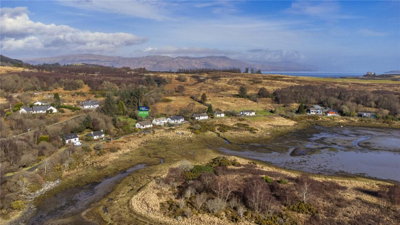
Browse 1 home for sale in PA65 from local estate agents.
Three bedroom properties represent a significant portion of the PA65 housing market, offering space for families with multiple reception rooms and gardens in many cases. Browse detached, semi-detached, and terraced options ranging from period character homes to contemporary developments.
£0k
0
0
0
Source: home.co.uk
Showing 0 results for 3 Bedroom Houses for sale in PA65.
The property market in PA65 reflects the unique character of island living in Scotland. Scottish island regions have seen property prices increase by approximately 30% since 2018, outpacing the mainland's 23% rise over the same period. This growth demonstrates the increasing appeal of island communities for buyers seeking escape from urban congestion, lower living costs, and a stronger connection to nature. The median property price of £182,000 for Scottish islands positions Gigha as accessible to first-time buyers and those seeking retirement retreats alike.
The Isle of Gigha Heritage Trust has been instrumental in shaping the local housing landscape since acquiring the island in 2002. Their programme of renovation and new build has delivered 18 new social housing units through Fyne Homes, with further development adding five new affordable homes adjacent to the playpark in Ardminish. These new properties, built to Silver Building Standard for energy efficiency, include wheelchair-accessible homes for elderly residents and one-bedroom properties for young people seeking to remain on the island. This focus on affordable housing demonstrates the community's commitment to maintaining a diverse population.

Life on the Isle of Gigha centres on the village of Ardminish, the island's main settlement where residents find their daily needs met within a tight-knit community. The island's population of 187 people represents remarkable growth from the 98 residents recorded in 2002, testament to the success of the community buy-out model that has transformed this Hebridean outpost. Local amenities include the historic Gigha Hotel, a vital hub for socialising and dining, while the island's shop provides essential supplies. The community-owned windfarm generates approximately two-thirds of the island's electricity, with profits reinvested into local facilities and infrastructure.
The island's fertile landscape supports livestock farming and fishing, traditional industries that continue alongside the growing tourism sector. Achamore Gardens remains a major visitor attraction, drawing visitors to its remarkable horticultural collections and woodland walks. The community hosts various events throughout the year, fostering the strong sense of belonging that distinguishes Gigha from many other remote Scottish communities. For buyers, the lifestyle offers genuine tranquility, spectacular coastal scenery, and the opportunity to participate in community decision-making through the Heritage Trust structure.

Education on the Isle of Gigha is served by Gigha Primary School, providing primary education for children within the PA65 postcode. The school serves the small but dedicated community of young families who have chosen island life for their children. For secondary education, children typically travel by ferry to the mainland to attend schools in the Campbeltown area or further afield in Argyll. Parents considering a move to Gigha should factor in the logistics and time involved in secondary school commutes, which require ferry crossings as part of the daily routine.
Further and higher education options require travel to the mainland, with colleges and universities accessible via the ferry service to Tayinloan on the Kintyre peninsula. The Argyll College network provides some further education opportunities within the region. For families prioritising education provision, the island's small school offers an intimate learning environment with strong community ties, though the secondary school commute requires careful consideration. Young families moving to Gigha often cite the benefits of their children growing up within such a supportive, close community.
Accessing the Isle of Gigha requires crossing the Sound of Gigha via the ferry service connecting the island to Tayinloan on the Kintyre peninsula. This ferry provides the essential link between island and mainland, and residents quickly adapt to planning around ferry timetables. The crossing takes approximately 20 minutes, but visitors and new residents must factor in waiting times and the possibility of service disruption during adverse weather. For those working on the mainland, commuting requires a significant time commitment, making Gigha most suitable for those who can work remotely, run island businesses, or embrace a self-sufficient lifestyle.
Once on the island, the main settlement of Ardminish is accessible on foot or by bicycle, with the island's compact size meaning most daily destinations can be reached without a vehicle. A car remains useful for trips to the mainland, carrying supplies, and accessing services not available on Gigha. The nearest major towns are Campbeltown on the Kintyre peninsula and Oban on the west coast mainland, both requiring ferry crossings and road travel to reach. Glasgow is approximately four to five hours away by car and ferry, making occasional city visits manageable but requiring planning.
Consider what life on a remote Scottish island means for your daily routine, work arrangements, and access to services. Visit the island at different times of year to experience ferry crossings and understand how weather affects travel plans. The lifestyle suits those seeking community connection and natural beauty above urban conveniences.
Obtain a mortgage agreement in principle before viewing properties. Given the unique nature of island properties, some lenders have specific criteria for mortgages on islands. Budget for additional costs including ferry travel for property viewings, surveys, and legal work. Factor in the cost of a RICS Level 2 survey, typically £400-800 depending on property location and construction.
Work with estate agents familiar with the PA65 area and understand the limited property stock available at any given time. Viewings typically require planning ferry travel in advance. Pay particular attention to property condition, age of construction, and any signs of damp or structural issues common in older island properties.
Given that many properties on Gigha are older, often pre-1919 construction, a RICS Level 2 survey is essential. The remote location may add £100-300 to survey costs, but the investment identifies issues before purchase. For listed buildings such as Achamore House, Gigha Hotel, or Kilchattan Chapel, a more detailed RICS Level 3 survey may be required.
Choose a solicitor with experience in Scottish property transactions. They will handle the title deeds, local search requirements, and any specific considerations for island property including common grazings rights and community ownership structures. The Isle of Gigha Heritage Trust may have a say in certain transactions depending on property ownership.
Scottish property transactions proceed differently from those in England and Wales, with offers legally binding once accepted. Your solicitor will guide you through the process, arrange the Land Register entry, and ensure all transfer documentation is properly executed before you receive the keys to your new island home.
Properties on the Isle of Gigha present unique considerations that buyers should carefully evaluate before purchase. The island's housing stock includes a significant proportion of older properties, many of which were assessed as below tolerable standard in 2002 when the community buy-out occurred. A housing conditions survey at that time found that 75% of the 42 houses were below tolerable standard and 23% were in serious disrepair. This history means potential buyers should pay close attention to the quality of renovations undertaken since 2002, the condition of traditional construction materials including stone walls, lime mortar, and slate roofing, and any signs of damp penetration common in older Hebridean properties.
Our team frequently identifies issues in older island properties during surveys, including damp and moisture problems arising from inadequate waterproofing or failed damp-proof courses, roof defects from degradation of traditional slate roofing materials, and structural concerns related to shallow foundations on the island's geology. The local quarry on Gigha has provided materials for various renovation projects, and we check whether original construction aligns with these local materials or whether non-standard repairs have been carried out. Properties built pre-1900 often require particular attention, with survey costs potentially increasing by 20-40% due to their complex construction and potential hidden defects.
Flood risk requires consideration given the island's coastal location. While specific flood risk maps for PA65 are limited, the Sound of Gigha designation as a Special Protection Area indicates the importance of coastal environmental factors. Properties near the shoreline should be assessed for coastal flooding potential and surface water drainage. Listed buildings on the island require special attention regarding permitted development rights and requirements for listed building consent for any alterations. Achamore House, dating from 1868 and now a Category B listed building, the Gigha Hotel, Kilchattan Chapel, The Manse, and the Old Watermill at Port An Duin all represent historic properties where specialist surveys may be necessary.
Understanding local construction methods helps buyers appreciate both the character and potential challenges of properties in PA65. Traditional properties on Gigha typically feature solid stone walls constructed with local stone and lime mortar, which requires different maintenance approaches compared to modern brickwork. The use of lime mortar rather than cement is essential for breathability in older structures, and we always note whether previous owners have used inappropriate cement repairs that can trap moisture and cause deterioration.
Slate roofing predominates on older island properties, with the traditional materials requiring replacement every 60-80 years depending on exposure to coastal weather. We check whether roofs have been re-slated using salvaged materials or modern alternatives, and assess the condition of sarking and roof structure for signs of rot or insect damage. Many properties have been renovated since 2002, with the Isle of Gigha Heritage Trust programme bringing properties up to more modern standards while retaining traditional character. Newer additions to the housing stock, including the affordable homes built by Fyne Homes, incorporate contemporary construction methods designed to Silver Building Standards for improved energy efficiency.
External walls on traditional cottages typically feature harling (render), often in the distinctive white finish that characterises much of the island's built environment. We examine harling condition carefully for cracking, delamination, or signs of underlying moisture penetration. The island's exposure to Atlantic weather systems means that properties require regular maintenance of external joinery, including windows and doors, which may have been replaced with double-glazed units during renovation works. Drainage arrangements on Gigha can differ from mainland properties, with some homes relying on private water supplies or shared systems that buyers should investigate thoroughly.
Buying property in Scotland involves different costs to England and Wales, with the Land and Buildings Transaction Tax (LBTT) replacing stamp duty north of the border. For a typical island property around the Scottish island median of £182,000, no LBTT would be payable as the threshold begins at £145,000. This makes purchasing in PA65 particularly attractive for first-time buyers who may also qualify for first-time buyer relief, extending the zero-LBTT threshold to £175,000. The Scottish system therefore offers meaningful savings compared to equivalent purchases in England, where stamp duty thresholds begin at lower values.
Beyond LBTT, buyers should budget for additional costs including legal fees for conveyancing, typically starting from £499 for a straightforward transaction but potentially higher given the remote nature of island purchases. Survey costs for a RICS Level 2 survey typically range from £400-800, with the remote location of PA65 potentially adding £100-300 to standard mainland prices. Given the prevalence of older properties on Gigha, particularly those predating the extensive renovation work undertaken since 2002, a thorough survey is money well spent to identify any outstanding maintenance issues or structural concerns before commitment.
Additional costs to factor in include the cost of travelling to the island for viewings and meetings with solicitors, moving costs which on an island require ferry transport or specialist marine moving services, and buildings insurance from providers familiar with island locations. Utility connection costs for newly renovated or new-build properties should also be clarified, as some remote island properties may have different arrangements for water, electricity, and drainage than mainland homes. The community windfarm's involvement in electricity generation may offer favourable terms for residents, and this is worth exploring with the Isle of Gigha Heritage Trust.
Specific price data for the PA65 postcode is limited due to the small number of transactions, but Scottish island regions show a median house price of £182,000 as of August 2024. Remote rural island properties typically sit around £195,000 median. The market has seen approximately 30% price growth since 2018, reflecting increased interest in island living. Buyers should expect prices to vary significantly based on property condition, location within the island, sea views, and whether renovations have been undertaken since the 2002 community buy-out.
Properties in PA65 fall under Argyll and Bute Council's jurisdiction. Council tax bands in Scotland range from A to H, with the band assigned based on the property's valuation as of April 1991. Specific band distributions for PA65 properties are not publicly aggregated, but buyers can obtain the specific band for any property through the Scottish Assessors website or during the conveyancing process. Newer properties and those recently renovated may have been rebanded.
Gigha Primary School serves the island's children, offering intimate class sizes and strong community involvement in education. For secondary education, pupils typically travel to mainland schools in the Campbeltown area, requiring ferry crossings as part of the daily commute. Parents should consider the time commitment involved in secondary school transport when evaluating the island for family living. Further education options are available at colleges in Oban and across Argyll, accessible via the mainland ferry connection.
The ferry service connecting Gigha to Tayinloan on the Kintyre peninsula provides the essential public transport link for the island. The 20-minute crossing operates to a published timetable, but passengers should expect waiting times and potential disruptions during adverse weather conditions. There is no public bus service on the island itself, though community transport initiatives may exist. For travel beyond Kintyre, Campbeltown Airport provides limited regional flights, with more frequent services available from Glasgow and other Scottish hubs.
Island properties in PA65 can offer good value compared to mainland locations, though the market is small and illiquid, meaning capital growth may be slower to realise. The Isle of Gigha Heritage Trust's ongoing investment in affordable housing demonstrates continued community commitment to the island's future. Properties with tourism potential, such as those near Achamore Gardens or with holiday let possibilities, may offer rental income opportunities. However, buyers should be aware that island properties can be harder to sell, and the unique nature of island living limits the pool of potential buyers.
Scotland's Land and Buildings Transaction Tax (LBTT) applies to property purchases rather than UK stamp duty. As of 2024-25, no LBTT is payable on properties up to £145,000. For properties between £145,001 and £250,000, the rate is 1%. Above £250,000, rates increase progressively up to 12% for properties over £750,000. First-time buyers in Scotland may qualify for relief on properties up to £175,000. Your solicitor will calculate the exact LBTT liability based on the purchase price and your circumstances.
Our surveyors frequently identify damp and moisture issues in older Gigha properties, particularly rising damp where original damp-proof courses have failed or were never installed. Roof condition requires careful assessment on island properties given exposure to Atlantic weather, with original slate roofing often showing signs of wear after 60-80 years of service. Stone walls built with lime mortar may show deterioration where inappropriate cement repairs have been carried out, trapping moisture and causing spalling. We also check for signs of structural movement in properties with shallow foundations, and assess electrical installations in older homes that may fall short of modern safety standards.
Several properties in PA65 have listed status, requiring special consideration during purchase. Achamore House, dating from 1868, is a Category B listed building and represents significant heritage value. The Gigha Hotel in Ardminish, Kilchattan Chapel, The Manse, and the Old Watermill at Port An Duin are all listed buildings. Purchasing a listed property requires careful budgeting for any works requiring listed building consent, and survey requirements may be more complex. A RICS Level 3 Building Survey is often recommended for historic properties to fully assess their condition and any preservation considerations.
From £400
A detailed inspection of the property condition, essential for older island properties
From £600
Comprehensive survey recommended for listed buildings or older properties
From £60
Energy performance certificate required for all property sales
From 4.5%
Specialist island mortgage advice available
From £499
Scottish property solicitors familiar with island transactions
Properties for Sale In London

Properties for Sale In Plymouth

Properties for Sale In Liverpool

Properties for Sale In Glasgow

Properties for Sale In Sheffield

Properties for Sale In Edinburgh

Properties for Sale In Coventry

Properties for Sale In Bradford

Properties for Sale In Manchester

Properties for Sale In Birmingham

Properties for Sale In Bristol

Properties for Sale In Oxford

Properties for Sale In Leicester

Properties for Sale In Newcastle

Properties for Sale In Leeds

Properties for Sale In Southampton

Properties for Sale In Cardiff

Properties for Sale In Nottingham

Properties for Sale In Norwich

Properties for Sale In Brighton

Properties for Sale In Derby

Properties for Sale In Portsmouth

Properties for Sale In Northampton

Properties for Sale In Milton Keynes

Properties for Sale In Bournemouth

Properties for Sale In Bolton

Properties for Sale In Swansea

Properties for Sale In Swindon

Properties for Sale In Peterborough

Properties for Sale In Wolverhampton

Enter your details to see if this property is within your budget.
Loans, cards, car finance
Estimated property budget
Borrowing + deposit
You could borrow between
Typical borrowing
Monthly repayment
Est. at 4.5%
Loan-to-value
This is an estimate only. Your actual budget may vary depending on interest rates, credit history, and personal circumstances. For an accurate affordability assessment, speak to one of our free mortgage advisors.
This calculator provides estimates for illustrative purposes only and does not constitute financial advice. Your home may be repossessed if you do not keep up repayments on your mortgage. Estimates based on 4.5% interest rate, repayment mortgage. Actual rates depend on your circumstances.
Homemove is a trading name of HM Haus Group Ltd (Company No. 13873779, registered in England & Wales). Homemove Mortgages Ltd (Company No. 15947693) is an Appointed Representative of TMG Direct Limited, trading as TMG Mortgage Network, which is authorised and regulated by the Financial Conduct Authority (FRN 786245). Homemove Mortgages Ltd is entered on the FCA Register as an Appointed Representative (FRN 1022429). You can check registrations at NewRegister or by calling 0800 111 6768.

We use cookies to show you personalised content and improve your experience of our website. Find out more in our Privacy policy and Cookie policy.