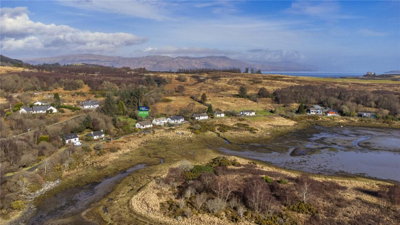
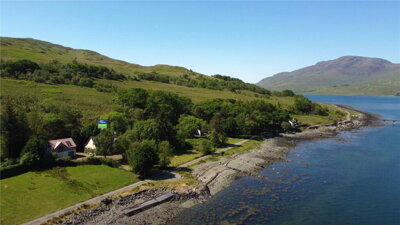
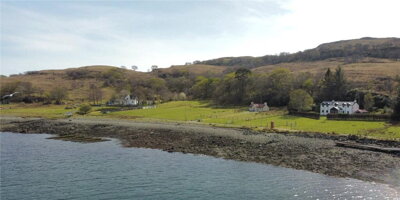
Browse 3 homes for sale in PA64 from local estate agents.
The PA64 property market offers detached, semi-detached, and terraced houses spanning various price ranges and neighbourhoods. Each listing includes detailed property information, photographs, and direct contact with the marketing agent.
£225k
1
1
6
Source: home.co.uk
Showing 1 results for Houses for sale in PA64. 1 new listing added this week. The median asking price is £225,000.
Source: home.co.uk
Detached
1 listings
Avg £225,000
Source: home.co.uk
Source: home.co.uk
The property market in PA64 operates quite differently from mainland Scotland, with transaction volumes remaining low due to the island's small population and limited housing supply. While specific average price data for PA64 is not publicly available due to the minimal number of annual transactions, the Scottish property market provides useful context, with national average prices standing at £191,000 as of December 2025 following a 4.9% annual increase. Detached properties across Scotland averaged £358,000 with a particularly strong 9.3% annual rise, while flats and maisonettes averaged £136,000. Given the limited supply of homes for sale in PA64, properties that do come to market often attract interest from buyers seeking the Gigha lifestyle.
Traditional island properties on Gigha include whitewashed cottages constructed from local materials, often featuring thick stone walls and slate or metal roofing designed to withstand Atlantic weather conditions. A local quarry on the island has historically provided building materials, and traditional construction methods used lime mortar pointing that allows buildings to breathe while dealing with the damp coastal environment. Many properties date from the 19th century when the island supported a larger population engaged in crofting and fishing. We frequently encounter traditional Hebridean construction when surveying properties in PA64, and understanding these building methods is essential for identifying potential defects.
The Isle of Gigha Heritage Trust has been instrumental in developing new housing, with five affordable homes currently under construction at Ardminish representing a £1.8 million investment in the island's future. These new properties, built to a Silver Building Standard with enhanced energy efficiency measures, demonstrate the ongoing commitment to sustainable island living. The development, which received planning permission in June 2022 (reference 21/01102/PP), includes infrastructure costs totalling approximately £368,330 per unit due to the unique challenges of island construction. The trust has worked with partners including Fyne Homes to deliver properties designed for intergenerational living, including accessible homes for older residents and suitable accommodation for young people seeking to remain on Gigha.

The main village of Ardminish serves as the island's commercial and social centre, home to the community-owned Gigha Hotel, the island's only shop, and the primary ferry terminal. The Gigha Hotel itself holds Category B listed status, recognising its historical significance as a gathering place for the island community across generations. Visitors arriving by ferry are typically struck immediately by the peaceful atmosphere and the warmth of the welcome from residents who take pride in their island home.
The island's geology features Dalradian metamorphic rock forming a rocky central spine, with epidiorite intrusions and basalt throughout the central areas, and Erins Quartzite along the eastern coastline. This geology creates the distinctive landscape of Gigha, with a rocky ridge running through the island's centre and more sheltered areas along the coasts where sandy soils support agriculture and grazing. For property buyers, understanding local geology helps explain why certain areas may be more suitable for particular construction types or land use.
Life on Gigha revolves around the community's strong connection to the sea, with fishing, boat trips to nearby islets, and coastal walking forming central activities for residents and visitors alike. The island supports a diverse community including families, retired individuals drawn by the peaceful lifestyle, and those seeking a complete change from urban living. The close-knit nature of island society means that new residents are quickly welcomed into community life, with informal gatherings at the hotel and shop providing regular opportunities for social connection.

Education on the Isle of Gigha is served by Gigha Primary School, a small rural school providing education for children from nursery age through to P7 in the heart of Ardminish. The school offers a close-knit learning environment where class sizes remain small, allowing teachers to provide individual attention and a tailored curriculum that reflects island life. Parents frequently tell us that the intimate scale of the school creates a nurturing environment that children thrive in, with strong relationships between staff, pupils, and the wider community.
For secondary education, children typically travel via ferry to the mainland to attend schools in the Campbeltown or Kintyre area, with school transport arrangements coordinated through Argyll and Bute Council. The daily ferry crossing of approximately 20 minutes to Tayinloan makes mainland schooling accessible, though it does require careful coordination with ferry timetables and an acceptance of the travel involved. Many families find that the benefits of island life more than compensate for the logistics of secondary education arrangements.
The presence of a local primary school is often a key consideration for families moving to Gigha, and the school maintains strong links with the wider community through various events and activities. Parents considering a move to the island should contact Argyll and Bute Council's education department to discuss specific arrangements, catchments, and any additional support services available for school-age children. The small scale of education provision on Gigha creates an intimate learning environment that many families find particularly appealing compared to larger urban schools, with children benefiting from direct access to outdoor learning opportunities that island life naturally provides.
Access to the Isle of Gigha is via the CalMac ferry service operating between Tayinloan on the Kintyre peninsula and Ardminish, with the crossing taking approximately 20 minutes. This short crossing makes the island remarkably accessible despite its remote appearance, with the ferry serving as a lifeline for residents, visitors, and freight alike. We have helped many buyers understand that this ferry connection is the essential link that makes island life practical for those who need to commute or access mainland services regularly.
Residents can apply for a Ferries Community Card offering reduced fares for regular travel, which is essential for those commuting to mainland work or services. The card significantly reduces the cost of ferry travel for island residents, making regular trips to the mainland more affordable. For daily commuting or accessing services not available on the island, residents typically travel to Campbeltown, approximately 40 miles from Tayinloan, which offers a full range of amenities including supermarkets, medical facilities, and secondary schools.
Glasgow is reachable via a combination of ferry and road travel, typically requiring around three to four hours for the complete journey from Ardminish. The island itself is small enough to navigate on foot or by bicycle, with a single-track road running the length of Gigha connecting the main settlements and points of interest. Most properties on Gigha are within easy walking distance of the ferry terminal, shop, and hotel, meaning that daily car use is less essential than in mainland rural areas.
Contact the Isle of Gigha Heritage Trust to understand the community, visit the island at different seasons, and speak with current residents about what daily life involves. Consider practical factors such as ferry schedules and how they affect daily routines, supply logistics for groceries and goods, and how healthcare access works for island residents. Many buyers find it helpful to stay on Gigha for a week or more to experience what year-round living is really like before committing to a purchase.
Obtain a mortgage agreement in principle before viewing properties, considering that island properties may have different lending considerations from mainland homes. Speak with a broker experienced in Scottish island mortgages to understand any specific requirements for PA64 properties. The unique economics of island property, including potentially higher maintenance costs for traditional construction and the logistics of any necessary repairs, should be factored into your budget calculations.
Search available homes for sale in PA64 through Homemove, arranging viewings coordinated with ferry timetables to make the most of each island visit. Be prepared to act quickly when suitable properties become available given the limited supply, and understand that the island market moves at its own pace rather than the frantic speed of mainland urban property markets. Our team can help you set up alerts for new properties matching your criteria.
Commission a RICS Level 2 Survey before purchasing any property on Gigha, as the island's coastal location, traditional construction methods, and potential for coastal flooding require professional assessment of the property's condition and risks. Our inspectors have experience with traditional Hebridean properties and understand the specific challenges that Atlantic weather and coastal exposure can bring. A thorough survey is particularly important for older properties where traditional construction methods may require specialised maintenance knowledge.
Appoint a Scottish solicitor experienced in island property transactions to handle legal requirements, searches specific to Argyll and Bute Council, and any unique considerations for island property including access rights and shared facilities. Island transactions may involve specific arrangements for shared infrastructure, common areas, or facilities that differ from standard mainland property purchases.
Finalise your mortgage, exchange contracts through your solicitor, and arrange for completion on a date that works with ferry services. Plan your move carefully, considering freight capacity and timing around ferry schedules. Moving household goods to Gigha requires advance planning, as ferry space for vehicles can be limited and should be booked ahead, particularly during busy periods.
Properties on the Isle of Gigha reflect the traditional building practices of Scotland's western seaboard, with construction methods developed over generations to cope with Atlantic weather conditions. Traditional cottages on Gigha were typically built using locally quarried stone, often with thick walls designed to provide thermal mass and protection from strong winds and rain. Lime mortar was used for pointing and bedding, allowing moisture to evaporate from the structure rather than becoming trapped, which is essential in the damp coastal environment.
Roof construction on traditional Gigha properties typically uses slate or in some cases metal sheeting, with traditional methods incorporating significant roof pitches to shed rain quickly and withstand wind uplift. Many older properties were built without the level of damp proofing considered standard in modern construction, which means that experienced surveyors know to pay close attention to floor joists, wall bases, and any timber in contact with stonework. We often find that traditional island properties require different maintenance approaches from modern houses, with lime-based products preferred for repairs over cement-based alternatives.
The coastal exposure that defines Gigha's landscape also brings specific challenges for property condition, with salt-laden winds accelerating the weathering of external surfaces and metalwork compared to inland locations. Traditional joinery and ironwork on Gigha properties often show the effects of this exposure, and our inspectors are experienced in distinguishing between cosmetic weathering and more serious structural concerns. Properties that have been well-maintained by their previous owners typically show evidence of regular repainting, treatment of timber, and attention to the condition of lime mortar pointing.
Properties on the Isle of Gigha present unique considerations that buyers should carefully evaluate before committing to a purchase. The island's coastal exposure means that properties may be subject to coastal flooding risk, with the surrounding seas and rising sea levels presenting ongoing considerations for coastal properties. A thorough survey conducted by a qualified professional can identify any previous flooding, moisture ingress, or structural concerns related to the marine environment. The Flood Risk Study Area around Gigha identifies the island as being at risk from coastal flooding, making professional assessment particularly important.
Many traditional properties on Gigha were constructed using local materials and traditional techniques, including lime mortar pointing that allows buildings to breathe but requires specific maintenance approaches. When purchasing, consider whether previous owners have maintained the property using appropriate traditional methods or whether modern alternatives have been applied that could trap moisture within the structure. Our inspectors check for signs of inappropriate repairs, moisture damage in wall structures, and the condition of timber that may have been affected by damp over time.
The Gigha Hotel's Category B listed status indicates the presence of historically significant buildings within the community, and any property alterations in such areas may be subject to planning restrictions through Argyll and Bute Council. When purchasing flats or shared properties, review the tenure arrangements carefully, as some island properties may involve shared ownership of common areas or facilities. Island living often involves community arrangements for shared infrastructure that differ from standard mainland property ownership, and understanding these arrangements is important before completing a purchase.
Specific average price data for the PA64 postcode is not publicly available due to the small number of property transactions recorded each year. National Scottish averages provide context, with the overall average standing at £191,000 in December 2025 following a 4.9% annual increase, while detached properties averaged £358,000 and flats and maisonettes averaged £136,000. Given the island's limited supply and unique character, prices for traditional island cottages and period properties in Ardminish can vary considerably depending on condition, location, views over the Sound of Gigha, and proximity to the ferry terminal. Properties in need of renovation may be priced below Scottish averages, while well-presented homes with desirable locations command premiums reflecting the desirability of the Gigha lifestyle.
Properties on the Isle of Gigha fall under Argyll and Bute Council's jurisdiction, with council tax bands in this area following the standard Scottish banding system from Band A through to Band H. Valuations are based on the property's market value as of 1991, and properties should be individually assessed to determine their correct band. Prospective buyers can verify the council tax band through the Scottish Assessors Association portal or by contacting Argyll and Bute Council directly. Given the range of property types on Gigha, from traditional stone cottages to newer affordable housing, council tax bands can vary significantly between properties.
The island is served by Gigha Primary School, a small rural school located in Ardminish providing education from nursery through to P7 for children across the island community. The school benefits from small class sizes that allow teachers to provide individual attention and a curriculum enriched by the unique island environment. Children requiring secondary education travel to mainland schools in the Campbeltown or Kintyre area via the CalMac ferry service, with school transport arranged through Argyll and Bute Council. The journey involves a 20-minute ferry crossing from Ardminish to Tayinloan, followed by road transport to the school, requiring families to plan around ferry timetables.
The CalMac ferry service connecting Tayinloan on the Kintyre peninsula to Ardminish provides the island's essential lifeline link to the mainland, with a crossing time of approximately 20 minutes. The ferry runs multiple services daily, and residents with a Ferries Community Card benefit from significantly reduced fares that make regular travel more affordable. For onward travel beyond Gigha, Campbeltown offers bus connections and is approximately 40 miles from the ferry terminal via the A83. Glasgow is reachable in approximately three to four hours via ferry and road, making day trips to the city possible though requiring early departure from the island.
The Isle of Gigha offers a distinctive investment proposition centred on its unique island community and very limited housing supply that rarely sees properties come to market. The Isle of Gigha Heritage Trust's ongoing investment in affordable housing, including the current £1.8 million development at Ardminish, demonstrates continued commitment to the island's future. However, prospective investors should consider the limited rental market due to the small population, seasonal tourism fluctuations affecting any holiday let potential, and the practical challenges of managing property from the mainland including coordinating any maintenance or repairs. The island's small population and managed community approach create both opportunities and constraints for property investment.
Stamp Duty Land Tax does not apply in Scotland, where residential property purchases are subject to the Scottish Land and Buildings Transaction Tax (LBTT) system instead. As of 2024-25, residential LBTT rates start at 0% for properties up to £145,000, rising to 2% on the portion between £145,001 and £250,000, 5% between £250,001 and £325,000, 10% between £325,001 and £750,000, and 12% above £750,000. First-time buyers in Scotland benefit from an additional nil rate band up to £175,000, meaning a first-time buyer purchasing a property at the Scottish average price of £191,000 would pay no LBTT at all.
The Isle of Gigha is identified as being at risk of coastal flooding, with the Flood Risk Study Area recognising that rising sea levels and coastal erosion present ongoing considerations for the island. The island's low-lying coastal areas are most vulnerable, particularly during high tides and storm events when wave action can reach further inland than normal. Properties located near the coastline or in low-lying areas should be carefully assessed for flood history and any resilience measures that may have been implemented. A RICS Level 2 Survey can help identify signs of previous water ingress, dampness related to the marine environment, or property condition issues that may require attention before purchase.
Properties on the Isle of Gigha are subject to planning controls through Argyll and Bute Council, and certain areas may have restrictions related to the island's heritage and landscape character. The Gigha Hotel in Ardminish holds Category B listed status, and any properties in its vicinity may be subject to special considerations for alterations or extensions. Traditional buildings constructed with traditional methods and materials may be subject to policies that encourage appropriate maintenance and repair using lime-based products rather than modern alternatives. Prospective buyers should consult with Argyll and Bute Council's planning department and review any relevant planning guidance for the PA64 area before committing to significant alterations or renovations.
Understanding the full costs of purchasing property on the Isle of Gigha requires consideration of both standard Scottish transaction taxes and the specific logistics of island property purchases. The Scottish Land and Buildings Transaction Tax applies to all residential property purchases in Scotland, with the current rates offering nil tax on purchases up to £145,000. For a typical property priced around the Scottish average of £191,000, LBTT would amount to approximately £920, calculated on the portion between £145,001 and £191,000 at 2%.
First-time buyers benefit from an enhanced nil rate threshold under LBTT, with no tax applying to the first £175,000 of a purchase, meaning many first-time buyers purchasing at average Scottish prices would pay no LBTT at all. This first-time buyer relief can make a significant difference to the overall purchase costs for younger buyers or families looking to establish themselves on Gigha. Beyond the transaction tax, buyers should budget for mortgage arrangement fees, survey costs, solicitor fees, and search fees that together can add several thousand pounds to the purchase price.
For island purchases specifically, additional considerations include ferry costs for property viewings during the buying process, potential costs for shipping furniture and belongings to the island once you complete, and the need to establish connections for utilities and services. Our team can help you understand the full range of costs involved in purchasing property in PA64 and ensure you have a complete picture of what your move to Gigha will involve.
Properties for Sale In London

Properties for Sale In Plymouth

Properties for Sale In Liverpool

Properties for Sale In Glasgow

Properties for Sale In Sheffield

Properties for Sale In Edinburgh

Properties for Sale In Coventry

Properties for Sale In Bradford

Properties for Sale In Manchester

Properties for Sale In Birmingham

Properties for Sale In Bristol

Properties for Sale In Oxford

Properties for Sale In Leicester

Properties for Sale In Newcastle

Properties for Sale In Leeds

Properties for Sale In Southampton

Properties for Sale In Cardiff

Properties for Sale In Nottingham

Properties for Sale In Norwich

Properties for Sale In Brighton

Properties for Sale In Derby

Properties for Sale In Portsmouth

Properties for Sale In Northampton

Properties for Sale In Milton Keynes

Properties for Sale In Bournemouth

Properties for Sale In Bolton

Properties for Sale In Swansea

Properties for Sale In Swindon

Properties for Sale In Peterborough

Properties for Sale In Wolverhampton

Enter your details to see if this property is within your budget.
Loans, cards, car finance
Estimated property budget
Borrowing + deposit
You could borrow between
Typical borrowing
Monthly repayment
Est. at 4.5%
Loan-to-value
This is an estimate only. Your actual budget may vary depending on interest rates, credit history, and personal circumstances. For an accurate affordability assessment, speak to one of our free mortgage advisors.
This calculator provides estimates for illustrative purposes only and does not constitute financial advice. Your home may be repossessed if you do not keep up repayments on your mortgage. Estimates based on 4.5% interest rate, repayment mortgage. Actual rates depend on your circumstances.
Homemove is a trading name of HM Haus Group Ltd (Company No. 13873779, registered in England & Wales). Homemove Mortgages Ltd (Company No. 15947693) is an Appointed Representative of TMG Direct Limited, trading as TMG Mortgage Network, which is authorised and regulated by the Financial Conduct Authority (FRN 786245). Homemove Mortgages Ltd is entered on the FCA Register as an Appointed Representative (FRN 1022429). You can check registrations at NewRegister or by calling 0800 111 6768.

We use cookies to show you personalised content and improve your experience of our website. Find out more in our Privacy policy and Cookie policy.