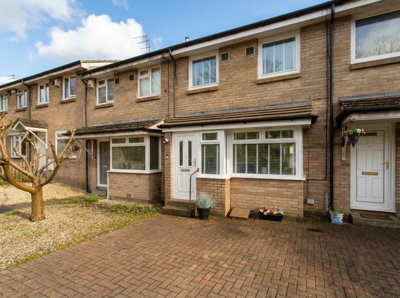
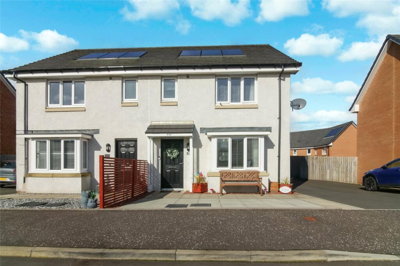
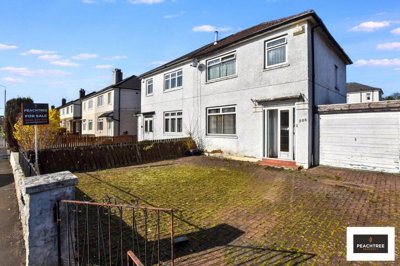
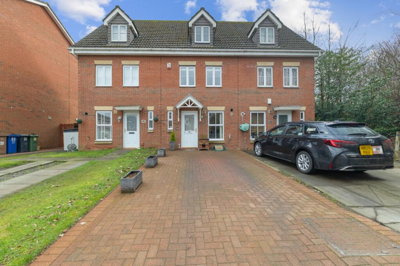
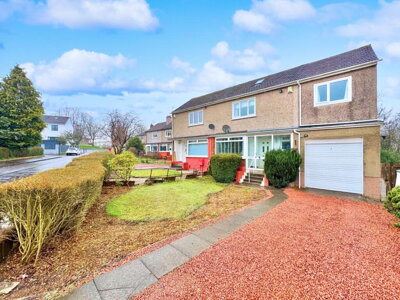
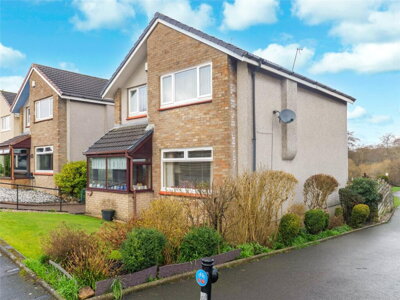
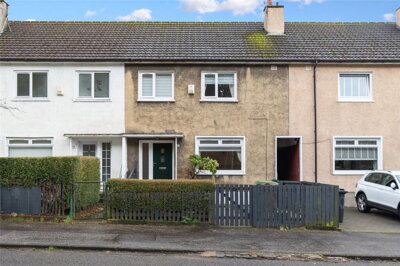
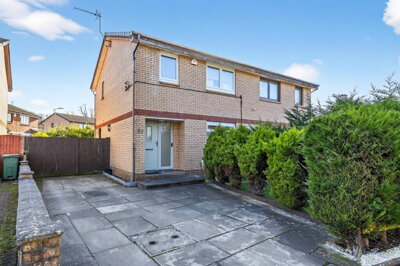
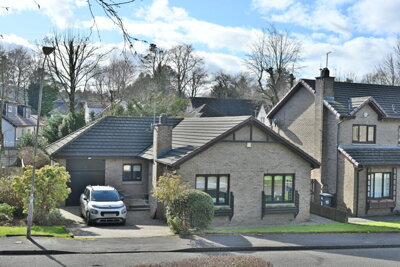
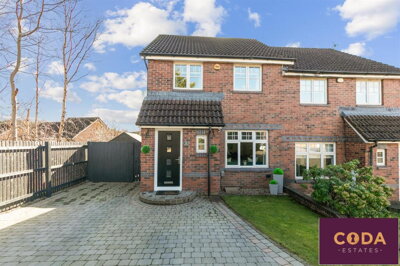
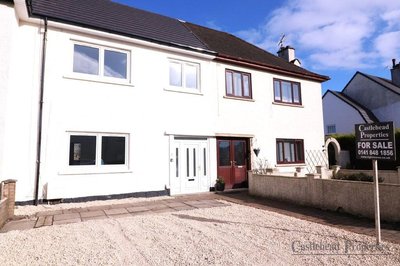
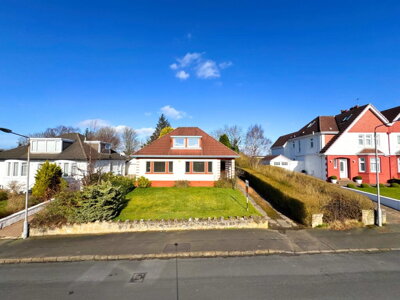
Browse 102 homes for sale in PA1 from local estate agents.
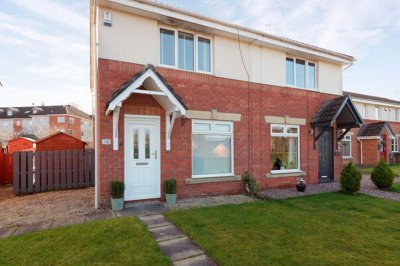
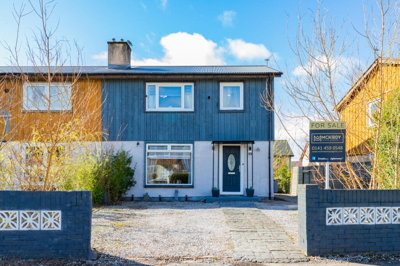
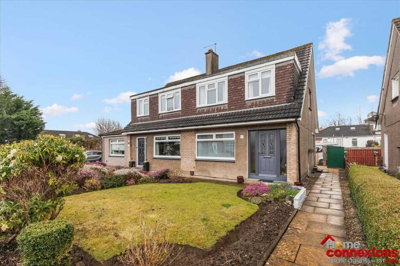
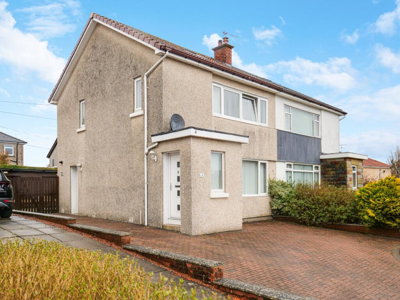
Three bedroom properties represent a significant portion of the PA1 housing market, offering space for families with multiple reception rooms and gardens in many cases. Browse detached, semi-detached, and terraced options ranging from period character homes to contemporary developments.
£180k
2
1
6
Source: home.co.uk
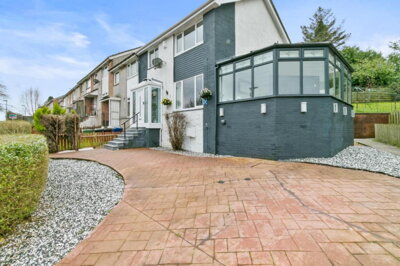
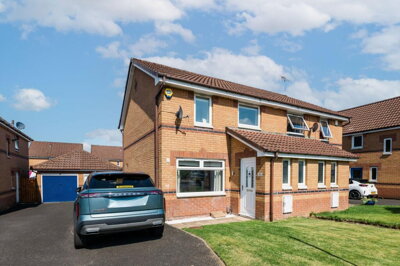
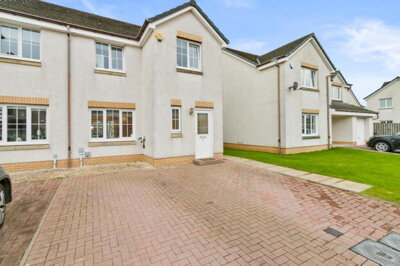
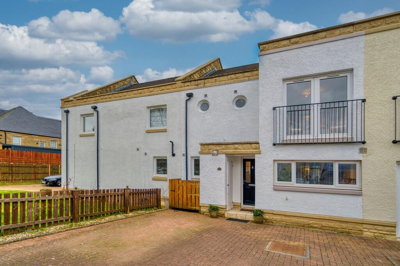
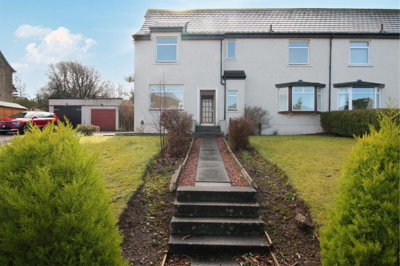
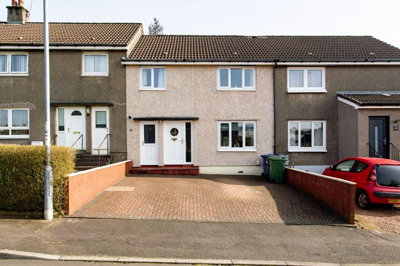
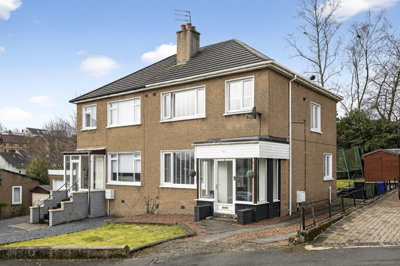
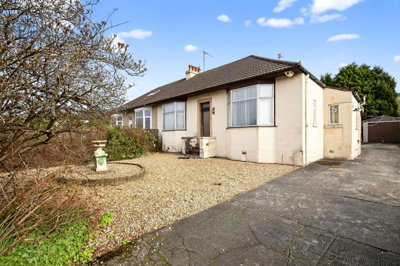
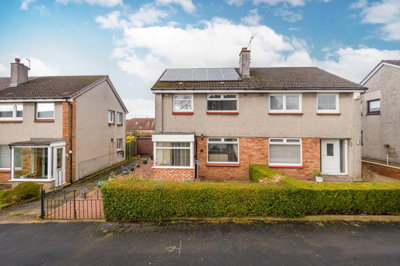
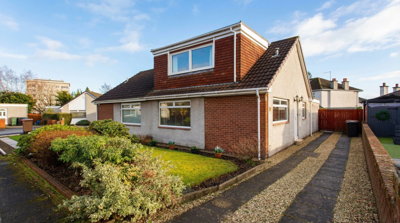
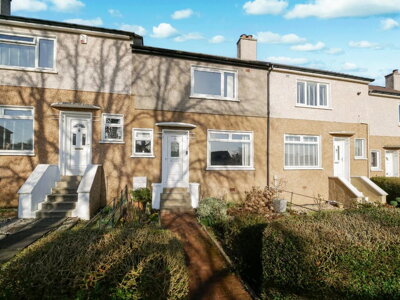
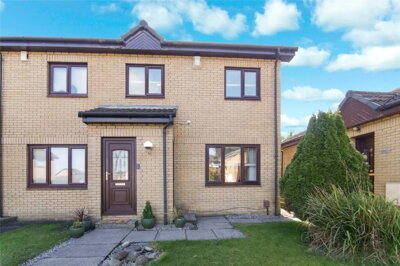
Showing 2 results for 3 Bedroom Houses for sale in PA1. 1 new listing added this week. The median asking price is £180,000.
Source: home.co.uk
Semi-Detached
1 listings
Avg £180,000
Terraced
1 listings
Avg £180,000
Source: home.co.uk
Source: home.co.uk
The PA1 property market reflects Paisley's position as one of the most accessible town centre locations in the Glasgow region. Our data shows an overall average house price of £136,357, with property types ranging from traditional tenement flats to substantial Victorian terraces. Detached properties command the highest prices at an average of £258,286, while flats offer the most accessible entry point at around £84,500. The market has seen modest adjustments over the past twelve months, with overall prices declining by approximately 2.0%, creating opportunities for buyers who are ready to negotiate.
Semi-detached homes in PA1 average £165,833, making them popular choices for families seeking more space without the premium of detached living. Terraced properties, averaging £116,929, remain sought after by first-time buyers and investors alike, particularly those Victorian and Edwardian homes that characterise much of the housing stock. The 224 sales completed in the past year demonstrate active market participation, and with new build developments limited within PA1 itself, the secondary market remains the primary source of homes for most buyers. Those interested in new construction will find developments in neighbouring postcodes like PA2, PA3, and PA7, offering modern alternatives at various price points.
Price trends across property types show varying market conditions. Detached homes have proven most resilient with just a 0.2% annual decline, while flats have seen the steepest adjustment at 3.4%. Terraced properties and semi-detached homes have both experienced around 2.0% to 2.3% reductions. These variations reflect different buyer demographics and the relative demand for each property category within the local market. For buyers with flexibility on property type, this data suggests opportunities exist across multiple segments, particularly for those willing to consider flats that have seen the most significant price softening.

Life in PA1 centres on a perfect balance of urban convenience and community warmth. The town centre hosts the Piazza Shopping Centre along with independent retailers, cafes, and restaurants lining the historic High Street and New Street. The weekly farmers market and regular events animate the town square, while the recently regenerated Thread Street area has brought new dining and cultural venues to the heart of Paisley. Residents enjoy easy access to supermarkets, healthcare facilities including the Royal Alexandra Hospital, and a wide range of leisure facilities.
The area's character is defined by its distinctive sandstone architecture, with many buildings constructed from the characteristic red and blonde sandstone that gives Paisley its unique visual identity. The town centre falls within conservation areas, protecting the architectural heritage that includes the magnificent Paisley Abbey, Town Hall, and numerous Victorian and Edwardian commercial premises. Green spaces are well distributed throughout the postcode, with Brodie Park and Fountain Gardens providing popular spots for recreation. The population of around 77,270 in the wider Paisley area creates a lively but manageable town atmosphere, with strong community spirit evident in local events and active neighbourhood associations.
Major employers within and around PA1 contribute significantly to the local economy and housing demand. The University of the West of Scotland campus draws students and staff to the area, while the Royal Alexandra Hospital on Glasgow Road represents one of the largest employers in Renfrewshire. Glasgow Airport's proximity brings additional employment opportunities and international connectivity, making the area attractive to workers in aviation, logistics, and hospitality sectors. These economic drivers support both owner-occupier and rental demand across the postcode.

Education provision in PA1 serves families at every level, from primary through to higher education. The postcode contains numerous primary schools including well-established options with good reputations for pupil achievement and community involvement. For secondary education, pupils typically attend schools within Renfrewshire, with several options accessible from the PA1 area. Parents should research individual school catchments, as admission policies can influence which schools serve specific addresses within the postcode.
Higher education is well represented by the University of the West of Scotland (UWS), whose Paisley campus is a major employer and educational provider in the area. The university attracts students from across Scotland and beyond, contributing to the local rental market and bringing youthful energy to the town centre. Further education options are available through colleges in the surrounding area, while Glasgow's extensive university offerings are easily accessible via the excellent rail connections from Paisley Gilmour Street station. The presence of quality educational institutions at all levels makes PA1 attractive to families and those pursuing further study alike.
Beyond state schools, PA1 offers access to independent educational options within reasonable travelling distance. Parents considering private education will find several options in the wider Glasgow area, with the independent school sector offering alternatives for those seeking different educational approaches. The availability of nursery and early years provision within PA1 itself supports families with young children, with several options operating across the town centre and surrounding areas. When evaluating properties for family purchase, verifying current school catchments through Renfrewshire Council's education department remains essential, as boundaries can change and affect which school serves a specific address.
Transport links from PA1 rank among the strongest in the wider Glasgow region, making the postcode particularly attractive to commuters. Paisley Gilmour Street station provides regular rail services to Glasgow Central, with journey times of approximately 25 minutes making daily commuting highly practical. The station also offers direct connections to other destinations including Ayrshire and the south-west of Scotland. For air travel, Glasgow Airport is located just a short drive or bus ride away, placing international destinations within easy reach.
Road connectivity is equally impressive, with the M8 motorway passing close to Paisley, providing direct access to Glasgow city centre and the wider motorway network. Bus services operated by McGill's and Stagecoach provide comprehensive coverage throughout the town and connect to surrounding areas including Glasgow, Greenock, and Ayrshire. For cyclists, ongoing improvements to cycle infrastructure are making active travel more accessible, though the hilly terrain in some areas requires consideration. Parking availability varies across PA1, with town centre areas offering public car parks while residential streets may have limited on-street options.
The practical implications of these transport links for property buyers are significant. Commuters working in Glasgow city centre can realistically maintain a daily rail commute from PA1, arriving at central offices in under 30 minutes. This accessibility factor underpins much of the demand for PA1 properties from city workers seeking more affordable housing options than Glasgow itself provides. For those who drive, the M8 connects to the wider motorway network serving Edinburgh to the east and Greenock to the west, while the A737 provides routes towards Irvine and North Ayrshire. Understanding your typical commute and preferred transport mode helps when evaluating different neighbourhoods within PA1, as accessibility to stations, bus routes, and motorway junctions varies across the postcode.
Understanding the construction methods used in PA1 properties helps buyers appreciate both the character and potential maintenance needs of homes in this postcode. The majority of older properties in Paisley feature traditional solid wall construction, built from the local sandstone or brick that characterises the town's Victorian and Edwardian housing stock. These solid walls, typically 300-450mm thick, provide excellent thermal mass but lack the cavity insulation found in modern properties, meaning heating systems and insulation levels warrant careful assessment during survey.
Roofing across PA1 predominantly uses pitched roofs covered with slate or clay tile, reflecting the traditional Scottish building methods of the Victorian and Edwardian eras. Many properties still feature their original timber sash and case windows, which contribute significantly to the architectural character of the area but may require ongoing maintenance. The timber frames, typically constructed from softwood with single glazing, can suffer from rot if not adequately maintained, and draughts through original window seals represent a common source of heat loss in older properties.
Timber suspended floors are prevalent in older PA1 properties, constructed with floorboards supported by timber joists spanning between walls or supported on brick piers. These floors can suffer from damp penetration, particularly in properties with limited sub-floor ventilation, leading to timber decay issues that a thorough survey should investigate. More modern properties in the postcode feature concrete ground floors and cavity wall construction, offering different maintenance considerations including potential issues with cavity wall insulation and concrete shrinkage. The variety of construction ages and methods across PA1 means that no two properties are identical, making individual survey assessment essential rather than relying on general assumptions about property condition.
Contact a mortgage broker or lender to obtain an agreement in principle before viewing properties. This strengthens your position when making offers and demonstrates to sellers that you are a finance-ready buyer. In the current market, having your mortgage capacity confirmed can make the difference between securing a property and losing out to another buyer.
Explore property listings on Homemove and understand the local market dynamics. Consider property types, average prices by category, and the character of different neighbourhoods within the postcode. Pay particular attention to price trends in your preferred property category, as the 2.0% overall market adjustment may present different opportunities depending on what you are looking for.
Schedule viewings of properties that match your criteria. Take time to assess the condition of properties, noting features like parking, garden space, and any signs of maintenance issues common to older stock. In PA1, look specifically for signs of damp, condition of sandstone masonry, roof covering condition, and the state of original windows and doors.
Commission a RICS Level 2 Survey before purchasing, particularly for older properties. In PA1, with its significant Victorian and Edwardian housing stock, a thorough survey can identify issues like damp, roof condition, and structural concerns. Survey costs for a standard property in the area typically range from £400 to £700, depending on size and complexity.
Choose a conveyancing solicitor to handle the legal aspects of your purchase. They will conduct searches including local authority, environmental, and drainage searches specific to Renfrewshire, handle contracts, and coordinate with the seller's solicitor through to completion. Solicitors in the Paisley area often have experience with local property characteristics and can advise on issues specific to the postcode.
Once all searches are satisfactory and finance is confirmed, your solicitor will exchange contracts and set a completion date. On completion day, you receive the keys and take ownership of your new PA1 home. Ensure you have arranged buildings insurance from this point, as liability for the property transfers to you upon completion.
Properties in PA1 present specific considerations that buyers should understand before committing to a purchase. The geological conditions beneath Paisley include areas of boulder clay, which can cause shrink-swell movement affecting foundations over time. If you are viewing older properties, look for signs of subsidence such as diagonal cracks in walls, doors that stick, or uneven floors. A thorough survey will investigate these concerns, but being alert during viewings helps you prioritise which properties warrant closer examination.
Damp represents one of the most common defect categories identified in PA1 surveys, particularly in the older sandstone and solid-wall construction that dominates the housing stock. Rising damp occurs when moisture from the ground travels up through porous masonry, often visible as tide marks on ground-floor walls or skirting boards showing signs of decay. Penetrating damp results from water ingress through defective roof coverings, damaged flashing, or cracked render, and can manifest as staining or mould growth on walls and ceilings. Properties with solid walls and no cavity require particular attention to ventilation, as condensation can form more readily than in modern properties.
Roof condition requires careful assessment on any PA1 property with pitched roofing. Original slate roofs on Victorian and Edwardian properties may have worn significantly over decades of service, with slipped or missing slates allowing water penetration into the roof structure. Lead flashing around chimneys, valleys, and roof junctions can deteriorate and crack over time, requiring renewal. The timber roof structure itself may show signs of rot if prolonged leakage has occurred, with rafters, battens, and sarking potentially affected. Our inspectors regularly find roof defects on older PA1 properties, making this one of the most important areas for potential buyers to assess before purchase.
Flood risk affects certain areas of PA1, particularly those close to the River Cart and its tributaries. The Scottish Environment Protection Agency (SEPA) provides detailed flood mapping that your solicitor should check during conveyancing. Surface water flooding can also occur in urban areas during heavy rainfall due to the volume of impermeable surfaces. Properties in affected zones may face higher insurance premiums or mortgage conditions, so understanding the flood risk for any specific address is essential.
The average house price in PA1 is currently £136,357 according to recent market data. Property prices vary significantly by type, with flats averaging around £84,500, terraced homes at approximately £116,929, semi-detached properties at £165,833, and detached homes reaching £258,286 on average. The market has seen modest price reductions of around 2.0% over the past twelve months, creating buying opportunities across all property categories. Detached properties have shown the greatest price resilience with just a 0.2% decline, while flats have softened by approximately 3.4%, offering particularly accessible entry points for first-time buyers.
Properties in PA1 fall under Renfrewshire Council's jurisdiction. Council tax bands in the area range from A through to H, with the majority of standard residential properties falling in bands A through D. The specific band depends on the property's assessed value, and you can check the current council tax rates on Renfrewshire Council's website. Bands are typically lower in PA1 compared to central Glasgow, reflecting the generally more affordable property values in the town. First-time buyers and those on certain benefits may qualify for council tax reduction schemes, and Band D properties in Renfrewshire currently pay less than equivalent bands in Glasgow.
PA1 and the wider Paisley area offer a range of educational options at all levels. Primary schools in the area include several with positive reputations, while secondary schools such as those in the surrounding Renfrewshire catchment areas serve local pupils. The University of the West of Scotland maintains a campus in Paisley, providing higher education opportunities locally. School performance data and Ofsted-equivalent ratings are available through Education Scotland, and parents should verify current admission arrangements and catchments before purchasing. Properties in different streets within PA1 can fall into different school catchments, making it essential to confirm which schools serve any address you are considering.
PA1 enjoys excellent public transport connections that make it one of the most accessible postcodes in the Glasgow region. Paisley Gilmour Street station provides regular services to Glasgow Central in approximately 25 minutes, with additional destinations across the south-west of Scotland reachable by rail. Bus services operated by McGill's and Stagecoach offer comprehensive local and regional coverage. Glasgow Airport is located nearby, providing international connections via bus or taxi from the town centre. For commuters working in Glasgow city centre, the rail journey time compares favourably with many Glasgow suburbs while offering more affordable property prices.
PA1 offers several attractions for property investors. The presence of the University of the West of Scotland supports a consistent rental market for student accommodation and related housing. Commuter appeal draws tenants who work in Glasgow but seek more affordable housing than city centre prices. The average property price of £136,357 provides an accessible entry point, and rental yields can be competitive given local demand. However, investors should research specific postcodes within PA1 and consider factors like flood risk areas and property condition when evaluating rental potential. Properties requiring renovation may offer additional value opportunities but carry higher maintenance costs, particularly for older sandstone construction.
Scotland operates Land and Buildings Transaction Tax (LBTT) rather than UK stamp duty. For residential purchases, there is no LBTT on the first £145,000 of the purchase price, with rates then applying on the portion between £145,001 and £250,000, and higher rates above that threshold. First-time buyers in Scotland may qualify for relief on the first £175,000. Your solicitor will calculate the exact amount due based on your purchase price and circumstances, and this cost should be factored into your overall buying budget alongside survey fees, legal costs, and moving expenses.
Yes, Paisley town centre including parts of PA1 falls within conservation areas, with significant concentrations of listed buildings reflecting the town's architectural heritage. Properties that are listed buildings, either Category A, B, or C, are subject to strict planning controls that affect what alterations and extensions are permitted. Buying a listed property in PA1 requires careful consideration of future plans, as works that might be straightforward on an unlisted property may require consent from Renfrewshire Council. Our team can advise on survey approaches for historic properties, and you should factor additional costs for specialist surveys when evaluating listed buildings.
Understanding the full costs of buying property in PA1 helps you budget accurately and avoid surprises. Beyond the purchase price, buyers should account for Land and Buildings Transaction Tax (LBTT), which applies to Scottish property purchases rather than UK stamp duty. The nil-rate threshold begins at £145,000 for residential properties, meaning no tax is due on the first portion of your purchase. The rates then increase on the balance, with a standard rate applying to any portion above £250,000. Your solicitor will calculate the exact amount and include it in their overall cost estimate.
Additional buying costs include survey fees, which are particularly important given the age of much PA1 housing stock. A RICS Level 2 Survey typically costs between £400 and £700 for a standard property in the Paisley area, depending on size and complexity. This investment is money well spent for older properties where common issues include damp, roof defects, and timber decay. Conveyancing fees typically start from around £499 for standard transactions, though complex cases involving listed buildings or properties with unusual tenure arrangements may cost more.
Other costs to budget for include lender arrangement fees if applicable, valuations required by your mortgage provider, and removals expenses for your move. Buildings insurance should be arranged from the point of contract exchange, and your solicitor can recommend insurers familiar with PA1 property types. For properties in flood-risk areas, insurance costs may be higher and should be factored into ongoing affordability assessments. Land registry fees in Scotland are typically lower than in England and Wales, and your solicitor will handle registration of your title after completion. Totalling these costs together with your deposit and mortgage arrangement provides a complete picture of the capital required to purchase your PA1 home.
Properties for Sale In London

Properties for Sale In Plymouth

Properties for Sale In Liverpool

Properties for Sale In Glasgow

Properties for Sale In Sheffield

Properties for Sale In Edinburgh

Properties for Sale In Coventry

Properties for Sale In Bradford

Properties for Sale In Manchester

Properties for Sale In Birmingham

Properties for Sale In Bristol

Properties for Sale In Oxford

Properties for Sale In Leicester

Properties for Sale In Newcastle

Properties for Sale In Leeds

Properties for Sale In Southampton

Properties for Sale In Cardiff

Properties for Sale In Nottingham

Properties for Sale In Norwich

Properties for Sale In Brighton

Properties for Sale In Derby

Properties for Sale In Portsmouth

Properties for Sale In Northampton

Properties for Sale In Milton Keynes

Properties for Sale In Bournemouth

Properties for Sale In Bolton

Properties for Sale In Swansea

Properties for Sale In Swindon

Properties for Sale In Peterborough

Properties for Sale In Wolverhampton

Enter your details to see if this property is within your budget.
Loans, cards, car finance
Estimated property budget
Borrowing + deposit
You could borrow between
Typical borrowing
Monthly repayment
Est. at 4.5%
Loan-to-value
This is an estimate only. Your actual budget may vary depending on interest rates, credit history, and personal circumstances. For an accurate affordability assessment, speak to one of our free mortgage advisors.
This calculator provides estimates for illustrative purposes only and does not constitute financial advice. Your home may be repossessed if you do not keep up repayments on your mortgage. Estimates based on 4.5% interest rate, repayment mortgage. Actual rates depend on your circumstances.
Homemove is a trading name of HM Haus Group Ltd (Company No. 13873779, registered in England & Wales). Homemove Mortgages Ltd (Company No. 15947693) is an Appointed Representative of TMG Direct Limited, trading as TMG Mortgage Network, which is authorised and regulated by the Financial Conduct Authority (FRN 786245). Homemove Mortgages Ltd is entered on the FCA Register as an Appointed Representative (FRN 1022429). You can check registrations at NewRegister or by calling 0800 111 6768.

We use cookies to show you personalised content and improve your experience of our website. Find out more in our Privacy policy and Cookie policy.