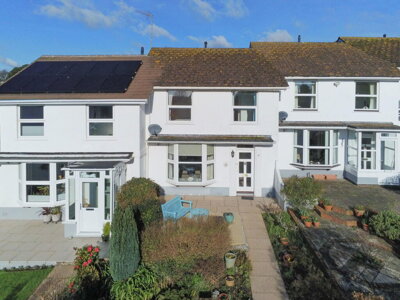
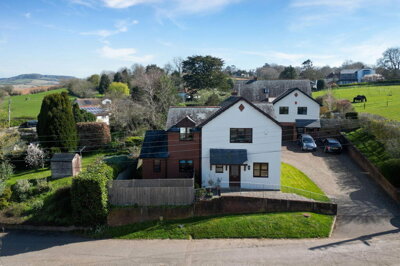
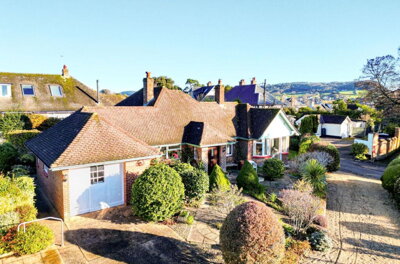
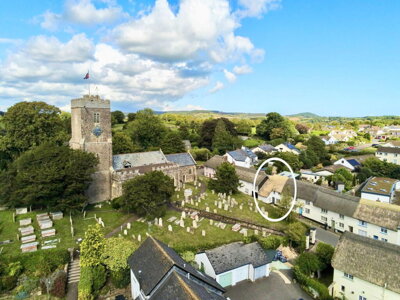
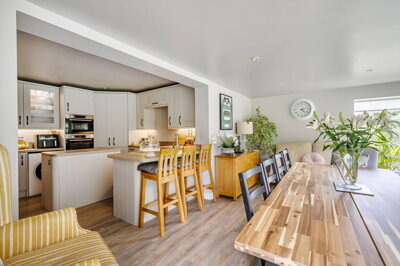
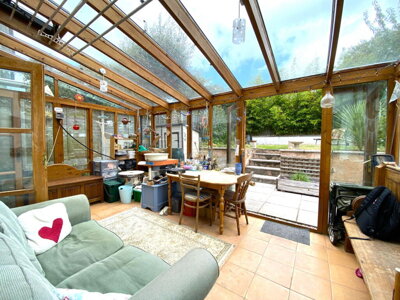
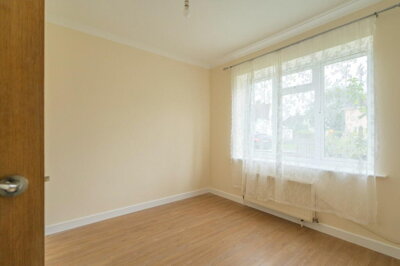
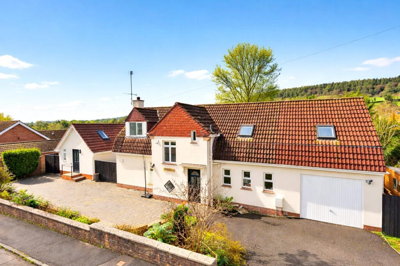
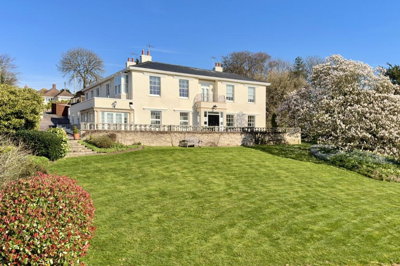
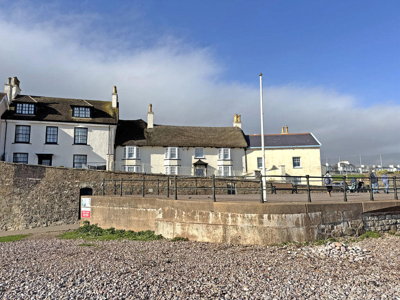
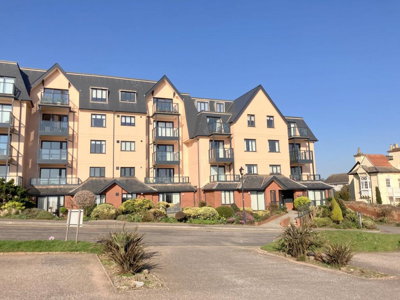
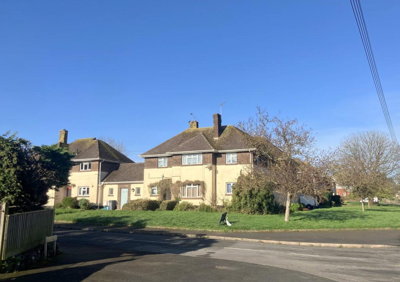
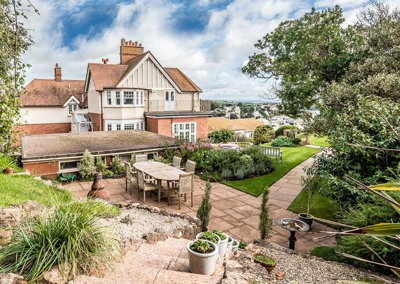
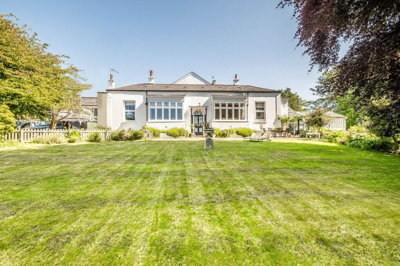
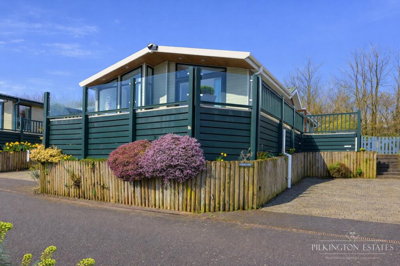
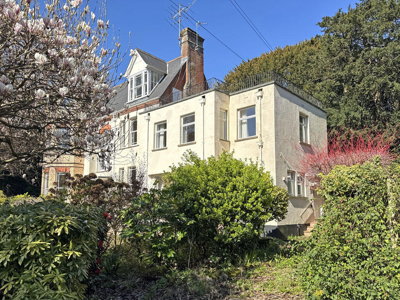
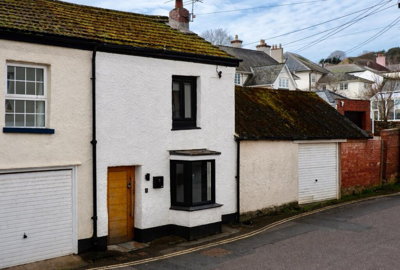
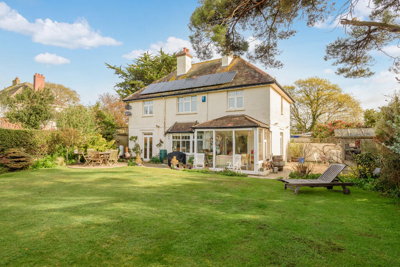
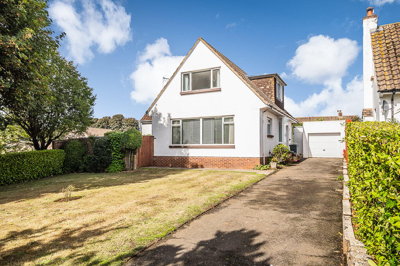
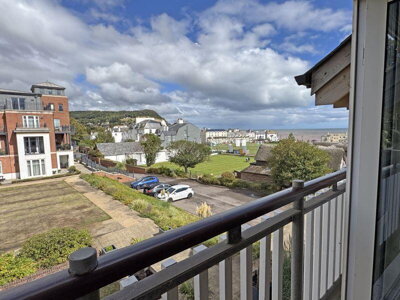
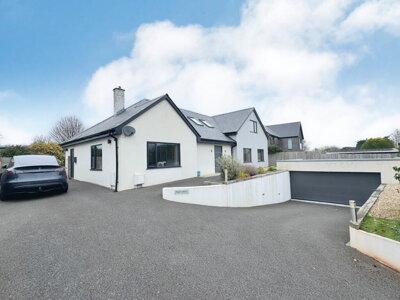
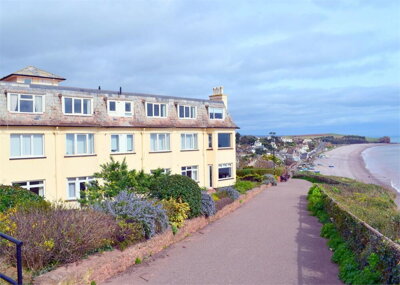
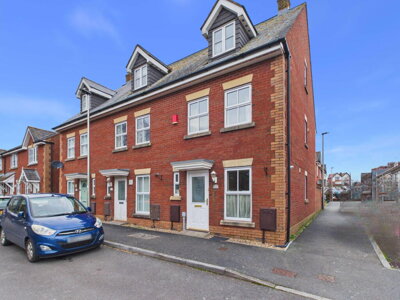
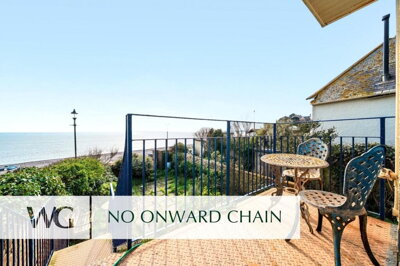
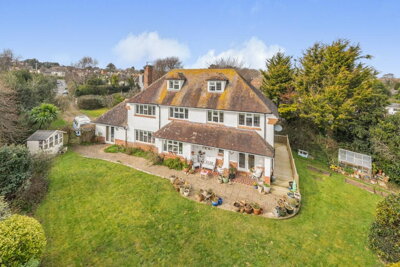
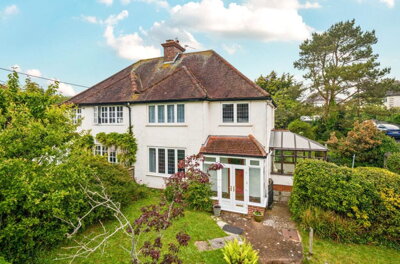
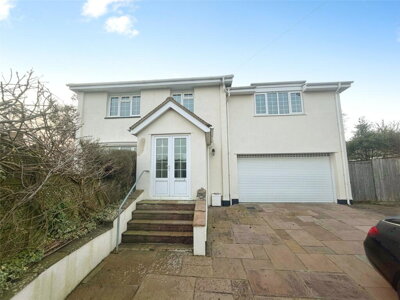
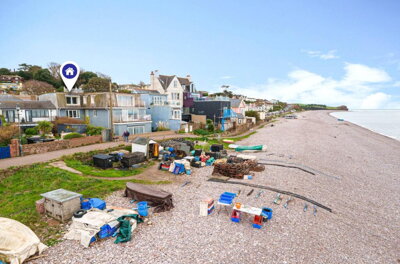
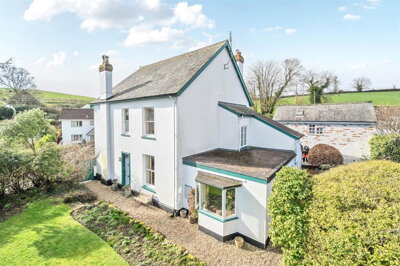
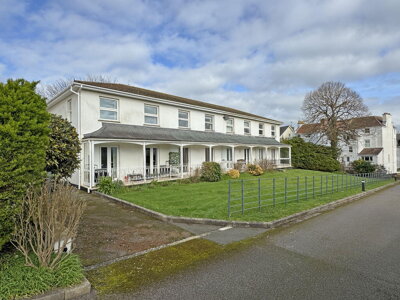
Browse 205 homes for sale in Otterton, East Devon from local estate agents.
£275k
10
1
140
Source: home.co.uk
Source: home.co.uk
Semi-Detached
3 listings
Avg £540,833
Chalet
2 listings
Avg £212,475
Park Home
2 listings
Avg £169,995
Detached
1 listings
Avg £535,000
End of Terrace
1 listings
Avg £275,000
Terraced
1 listings
Avg £235,000
Source: home.co.uk
Source: home.co.uk
The property market in the Royal Borough of Kensington and Chelsea has experienced a notable correction in recent years, with average sold prices falling approximately 14% compared to the previous year and sitting 29% below the 2022 peak of £2.57 million. This adjustment has created interesting opportunities for buyers who may have previously found the borough beyond their reach, with flat prices in particular showing significant reductions of up to 17%, now averaging under £950,000 compared to nearly £1.15 million a year ago. Despite these corrections, values remain firmly in the ultra-prime category, reflecting the borough's enduring appeal to high-net-worth individuals, international investors, and those seeking the very best that London has to offer. Our listings database captures this dynamic market, showing properties across all price brackets from studio apartments to grand family houses worth tens of millions.
Property types in the borough reflect its Victorian and Edwardian heritage, with terraced houses commanding average prices of around £2.27 million and semi-detached properties reaching approximately £2.87 million. Detached houses remain relatively rare but achieve the highest average values at over £4.2 million. The market is characterised by an excellent variety of period properties, from elegant stucco-fronted townhouses in desirable Conservation Areas to spacious mansion flats in landmark buildings. Many properties have been thoughtfully modernised to meet contemporary expectations while retaining original features such as high ceilings, ornate fireplaces, and timber sash windows. New build development is limited within the borough due to its stringent conservation controls, which helps preserve the architectural character that makes this area so desirable.
Transaction volumes in the borough remain relatively modest compared to other London boroughs, with approximately 55 property sales recorded in recent monthly data periods. This limited supply naturally constrains market activity, creating conditions where well-priced properties can attract multiple interested parties. The high value of individual transactions means that market statistics can fluctuate significantly based on the mix of properties sold in any given period, making longer-term trend analysis more reliable than monthly figures for understanding true market conditions.

The character of the Royal Borough of Kensington and Chelsea is defined by its extraordinary architectural heritage, with red brick and white stucco facades creating streetscapes of remarkable uniformity and elegance. The borough's Victorian and Edwardian buildings represent some of the finest domestic architecture of those periods, many of them now protected by Conservation Area status that maintains the visual coherence that makes walking through these neighbourhoods so pleasurable. Portland stone and slate tiles are the predominant materials for grander buildings and roofing respectively, while the classic sash window remains a defining feature throughout the residential streets. This consistency of materials and design creates a sense of place that is immediately recognisable and deeply appealing to those who value architectural quality and historical significance in their living environment.
The borough's population is characterised by its exceptional affluence, with property prices standing at 25.2 times the typical local salary of £46,690, making it statistically the least affordable area in the entire United Kingdom. However, this affordability ratio reflects the borough's attraction to high-net-worth individuals rather than average working residents. The area supports a sophisticated local economy centred on high-end retail along King Street and Fulham Road in Chelsea, and the vibrant cafe culture around Notting Hill Gate and Portobello Road. The famous Portobello Market brings colour and energy to the western part of the borough on weekends, while the quieter residential streets offer peaceful escapes from London's busy thoroughfares. Garden squares, many of them gated and privately maintained, provide precious green space and a sense of community that is highly prized by residents.
Beyond the well-known attractions, the borough offers an exceptional quality of life through its cultural institutions and recreational facilities. The Natural History Museum, Victoria and Albert Museum, and Science Museum draw visitors from around the world to Exhibition Road, while the Royal Albert Hall hosts world-class performances throughout the year. Hyde Park and Kensington Gardens provide extensive green space along the borough's northern boundary, offering boating, swimming, and sporting facilities within walking distance of most properties. The borough's compact size means that residents can walk between many destinations that would require transport in other parts of London, contributing to thearea's distinctive village-like atmosphere.

Education provision in the Royal Borough of Kensington and Chelsea is exceptional, with a concentration of outstanding schools that attracts families from across London and beyond. The borough maintains a selective admissions policy for its secondary schools, with several highly regarded grammar schools that consistently achieve excellent examination results. Primary schools in the area are predominantly rated Outstanding or Good by Ofsted, with institutions such as St Mary Bourne Street CofE Primary School and Holland Park School serving their communities with distinction. The presence of the Chelsea College of Arts and proximity to world-renowned universities including Imperial College London and the Royal College of Art ensures that families can plan for education at every level without leaving the borough or compromising on quality.
Private education is a significant feature of the local landscape, with prestigious preparatory and senior schools catering to families who opt for independent education. Schools such as Wetherby Preparatory School, Pembroke9, and the Knightsbridge School prepare pupils for entry to the most selective senior schools in the capital. The educational ecosystem extends to nurseries and early years provision, with many families establishing themselves in the borough specifically to access these educational advantages. For property buyers with school-age children, understanding catchment areas and admissions criteria is essential, as competition for places at popular schools can be intense given the borough's high population density and strong parental aspiration.
The proximity to Imperial College London, consistently ranked among the world's top universities, adds to the borough's appeal for families planning long-term educational journeys. Students at Imperial can access world-class facilities in South Kensington, just across the borough boundary, while younger children benefit from the cluster of exceptional state and independent schools within walking distance of most residences. This concentration of educational excellence at all levels makes Kensington and Chelsea particularly attractive to families who view schooling as a primary factor in their property decisions.

The Royal Borough of Kensington and Chelsea benefits from excellent transport connections despite its central location, with multiple Underground stations providing access to the Piccadilly, Circle, District, Central, and Hammersmith and City lines. Key stations including High Street Kensington, Notting Hill Gate, Earls Court, and South Kensington place residents within easy reach of destinations across the capital and beyond. Journey times to central London locations such as Oxford Circus and Bank are typically under twenty minutes, making the borough ideal for professionals who need to commute to the City, Westminster, or Canary Wharf. The recent improvement in Crossrail services has further enhanced connectivity, with stations at Bond Street and Tottenham Court Road offering faster links to Heathrow Airport and the eastern destinations.
Bus services throughout the borough are frequent and comprehensive, providing an essential alternative for journeys where the Underground network is less convenient. The iconic red London buses connect Kensington and Chelsea to destinations across the capital, with routes serving Victoria, Piccadilly, and the West End running throughout the day and evening. For those who prefer cycling, the borough's flat terrain and improving cycle infrastructure make bike travel a viable option for shorter journeys, while the cycle hire scheme operated by Transport for London provides additional flexibility. Road access is equally good, with the A4 flyover connecting to the M4 motorway for journeys to the West of England, although parking remains challenging given the borough's density and Controlled Parking Zones.
Heathrow Airport is accessible via the Piccadilly line from Earls Court or High Street Kensington stations, with journey times of approximately 45 minutes to an hour depending on the terminal. This direct airport connection adds to the borough's appeal for international buyers and frequent travellers, many of whom are drawn to the area precisely because of its connectivity to both central London and global destinations. Gatwick Airport is reachable via Victoria with a change of line, while London City Airport provides additional options for business travellers heading to European destinations.

Spend time exploring different areas within the borough, from the grand terraces of Chelsea to the colourful streets of Notting Hill. Understanding the character of each neighbourhood will help you identify where you feel most at home. Consider factors such as proximity to your workplace, access to green space, and the vibe of local shops and restaurants when narrowing down your search.
Before viewing properties, obtain a mortgage agreement in principle from a lender. This demonstrates your seriousness to sellers and agents, and helps you understand your true budget in this premium market where prices range from £500,000 to over £10 million. Given the high property values in the borough, many buyers require substantial mortgages or private banking facilities.
Work with local estate agents to arrange viewings of suitable properties. Pay attention to the condition of the building, the orientation of rooms, and the quality of any recent renovations or extensions. In conservation areas, check whether any works have the necessary planning permissions and Listed Building Consents.
Given the age of most properties in the borough, a thorough survey is essential. The RICS Level 2 Survey will identify defects common to Victorian and Edwardian buildings, including damp, roof condition, and potential subsidence issues related to London Clay. Our team works with experienced surveyors who understand the specific construction methods used in Kensington and Chelsea properties.
Appoint a conveyancing solicitor with experience in dealing with properties in conservation areas and listed buildings. They will handle searches, contracts, and ensure all planning permissions are in order. Given the complexity of leasehold properties in the borough, your solicitor should review lease terms, service charges, and any planned major works carefully.
Once all surveys and searches are satisfactory, you will exchange contracts and pay your deposit. Completion typically follows within two to four weeks, when you will receive your keys and take ownership of your new home. Budget for stamp duty, which on a typical flat in the borough can exceed £25,000.
Buying property in the Royal Borough of Kensington and Chelsea requires careful attention to several area-specific factors that are less relevant in other parts of the country. The prevalence of Conservation Areas means that many properties are subject to strict planning controls regarding external alterations, extensions, and even internal works that affect the external appearance of the building. If you are purchasing a leasehold flat, it is essential to understand the remaining lease term, the service charge amount, and any planned major works or reserve fund contributions. Ground rent clauses in older leases can sometimes be onerous and may affect mortgageability or resale value, so professional advice is strongly recommended before committing to a purchase.
The underlying London Clay geology creates specific challenges that buyers should understand before completing a purchase. Properties with mature trees in gardens or nearby are particularly susceptible to subsidence and heave as tree roots extract moisture from the shrinkable clay subsoil, causing ground movement that can lead to structural damage. A thorough RICS Level 2 Survey is essential for identifying any existing movement, cracking, or signs of subsidence, and may recommend further investigation by a structural engineer. Properties with basements should be checked for damp and water ingress, while the original sash windows in period properties may require upgrading to improve thermal performance and reduce heating costs. Asbestos may be present in properties that were refurbished before the year 2000, and electrical and plumbing systems in older homes frequently require updating to meet current safety standards.
Properties in the borough's numerous Conservation Areas are subject to additional planning controls that can affect future renovation plans. Any proposals to extend, alter the exterior, or even replace windows may require both planning permission and Conservation Area Consent or Listed Building Consent. Your surveyor should identify any conservation area designations and flag properties that are listed, as owning such buildings brings both responsibilities and restrictions. The borough's conservation officers take an active interest in maintaining the architectural character of these areas, and works carried out without proper consent can result in enforcement action.

The average sold price for properties in the Royal Borough of Kensington and Chelsea over the last year is approximately £1.9 million, according to recent market data. This makes it one of the most expensive boroughs in London and the UK. Property prices vary significantly by type, with flats averaging around £934,000, terraced houses at approximately £2.27 million, and detached properties reaching over £4.2 million. The market has experienced a correction of approximately 14% over the past year, creating more accessible entry points for buyers, particularly in the flat segment where prices have fallen by up to 17%.
Properties in the Royal Borough of Kensington and Chelsea are placed in council tax bands A through H, with the majority of period terraced houses and mansion flats falling into bands D through F. Band A properties, typically lower-value flats, attract a charge of around £700-800 per year, while band H properties can pay over £2,000 annually. The borough's council operates under the London Borough of Kensington and Chelsea designation, and residents can check their specific band and current charges through the local authority website or their property listing details. These annual charges are payable over ten months in most cases, with the remaining two months constituting a discount period.
The borough is exceptionally well served by education, with several primary schools rated Outstanding by Ofsted including St Mary Bourne Street CofE Primary School and many others across the borough. Secondary education includes selective grammar schools and highly regarded comprehensives such as Holland Park School, which serves students from across the borough and consistently achieves strong academic results. For private education, the area hosts prestigious preparatory and senior schools including Wetherby Preparatory School and Pembroke9, which prepare pupils for entry to the most selective senior schools in the capital. The proximity to excellent universities including Imperial College London makes the area ideal for families planning for tertiary education.
The borough is excellently served by public transport with multiple Underground stations providing access to five tube lines including the Piccadilly, Circle, District, Central, and Hammersmith and City lines. Key stations at High Street Kensington, Notting Hill Gate, Earls Court, and South Kensington offer convenient access to central London and beyond, with journey times to Oxford Circus typically under fifteen minutes. Crossrail services at nearby Bond Street and Tottenham Court Road enhance connectivity to Heathrow Airport and destinations across the capital, with Heathrow reachable in under an hour via the Piccadilly line. Bus services are frequent and comprehensive, connecting the borough to Victoria, Piccadilly, and the West End throughout the day and evening.
Despite recent price corrections, property in Kensington and Chelsea remains a strong long-term investment given the borough's unique position in London's property market. The combination of limited supply due to conservation controls, enduring demand from wealthy buyers, and the prestige associated with the address ensures that values tend to perform well over extended periods. The rental market is equally robust, with strong demand from professionals seeking to live in one of London's most desirable postcodes. However, buyers should be aware of the costs associated with maintaining period properties, including potential service charges, maintenance reserves, and the need for ongoing renovation work that can exceed expectations in older buildings.
Stamp Duty Land Tax rates for 2024-25 are 0% on the first £250,000 of property value, 5% on £250,001 to £925,000, 10% on £925,001 to £1.5 million, and 12% on any value above £1.5 million. For a typical flat at £934,000, this would result in SDLT of approximately £26,750, while a terraced house at £2.27 million would attract SDLT of around £114,750. First-time buyers may qualify for relief on the first £425,000, reducing costs significantly for eligible purchasers, though this relief phases out completely above £625,000. Given the high property values in the borough, SDLT represents a substantial addition to purchase costs that buyers should factor into their budget alongside survey fees, solicitor costs, and moving expenses.
Purchasing property in the Royal Borough of Kensington and Chelsea involves costs significantly above the purchase price itself, and understanding these expenses is essential for budgeting effectively. Stamp Duty Land Tax represents the largest additional cost, and given the borough's high property values, SDLT charges can easily reach £50,000 to £100,000 or more on typical purchases. The standard rates apply from the first pound above the threshold, meaning that a terraced house at £2.27 million would attract SDLT of approximately £114,750, while a mansion flat at £5 million would incur charges approaching £500,000. First-time buyers may benefit from relief on the first £425,000 of value, but this relief phases out completely above £625,000, meaning most properties in this borough would not qualify.
Solicitor fees for conveyancing in the borough typically range from £1,500 to £3,000 or more depending on the complexity of the transaction, with additional costs for local searches, Land Registry fees, and disbursements. Survey costs are higher than average given the complexity of period properties, with RICS Level 2 Surveys ranging from £600 for a small flat to over £2,500 for larger terraced houses. The condition of older properties means that surveys frequently identify defects requiring attention, and buyers should budget for potential renovation costs that may arise from survey findings. Removal costs, furniture storage if needed, and potential redecoration or modernisation work should also be factored into the overall budget when calculating the true cost of purchasing your new home in this prestigious borough.
Beyond the immediate purchase costs, ongoing expenses in the borough can be substantial compared to other areas. Service charges for leasehold properties in mansion blocks commonly range from £3,000 to £10,000 per year or more, while ground rents on older leases may require negotiation or deed variations. Buildings insurance premiums reflect the high rebuild costs of period properties, and residents should budget for annual increases in line with property values. Those purchasing in conservation areas should also factor in the potential costs of obtaining permissions for any future works, which may require specialist surveys and heritage consultant fees.

Properties for Sale In London

Properties for Sale In Plymouth

Properties for Sale In Liverpool

Properties for Sale In Glasgow

Properties for Sale In Sheffield

Properties for Sale In Edinburgh

Properties for Sale In Coventry

Properties for Sale In Bradford

Properties for Sale In Manchester

Properties for Sale In Birmingham

Properties for Sale In Bristol

Properties for Sale In Oxford

Properties for Sale In Leicester

Properties for Sale In Newcastle

Properties for Sale In Leeds

Properties for Sale In Southampton

Properties for Sale In Cardiff

Properties for Sale In Nottingham

Properties for Sale In Norwich

Properties for Sale In Brighton

Properties for Sale In Derby

Properties for Sale In Portsmouth

Properties for Sale In Northampton

Properties for Sale In Milton Keynes

Properties for Sale In Bournemouth

Properties for Sale In Bolton

Properties for Sale In Swansea

Properties for Sale In Swindon

Properties for Sale In Peterborough

Properties for Sale In Wolverhampton

Enter your details to see if this property is within your budget.
Loans, cards, car finance
Estimated property budget
Borrowing + deposit
You could borrow between
Typical borrowing
Monthly repayment
Est. at 4.5%
Loan-to-value
This is an estimate only. Your actual budget may vary depending on interest rates, credit history, and personal circumstances. For an accurate affordability assessment, speak to one of our free mortgage advisors.
This calculator provides estimates for illustrative purposes only and does not constitute financial advice. Your home may be repossessed if you do not keep up repayments on your mortgage. Estimates based on 4.5% interest rate, repayment mortgage. Actual rates depend on your circumstances.
Homemove is a trading name of HM Haus Group Ltd (Company No. 13873779, registered in England & Wales). Homemove Mortgages Ltd (Company No. 15947693) is an Appointed Representative of TMG Direct Limited, trading as TMG Mortgage Network, which is authorised and regulated by the Financial Conduct Authority (FRN 786245). Homemove Mortgages Ltd is entered on the FCA Register as an Appointed Representative (FRN 1022429). You can check registrations at NewRegister or by calling 0800 111 6768.

We use cookies to show you personalised content and improve your experience of our website. Find out more in our Privacy policy and Cookie policy.