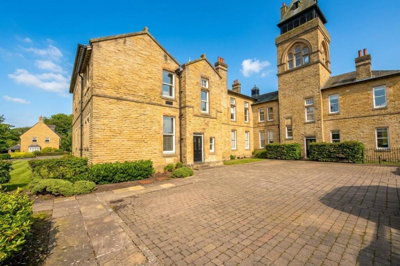
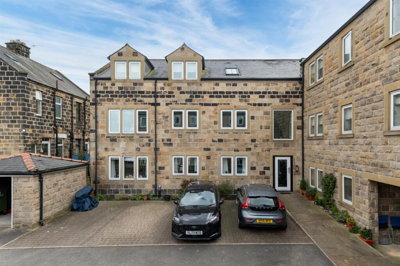
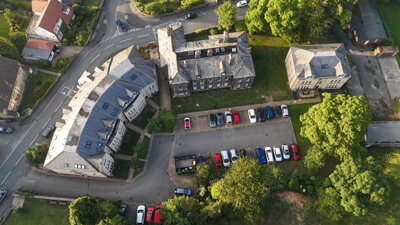
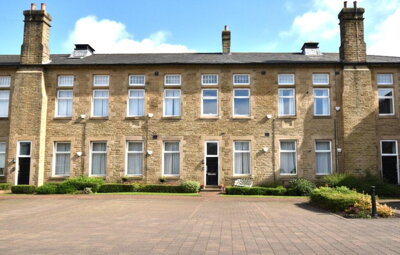
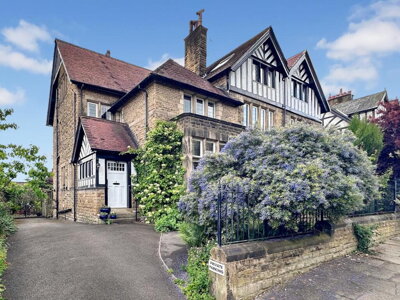
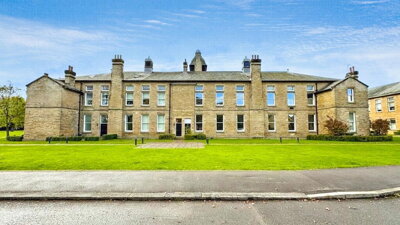
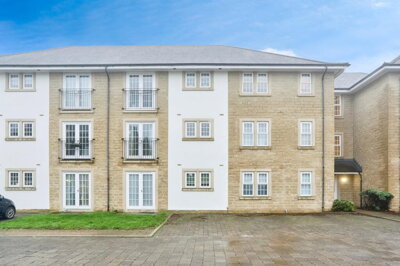
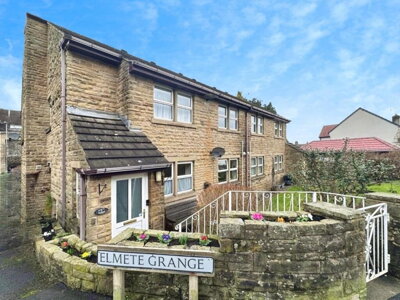
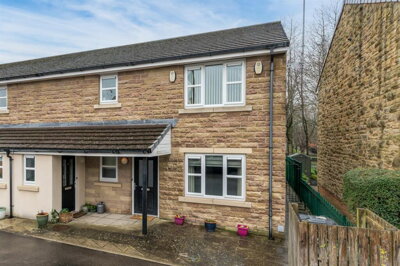
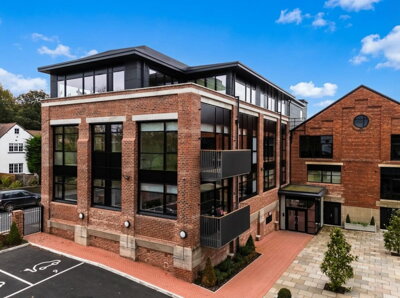
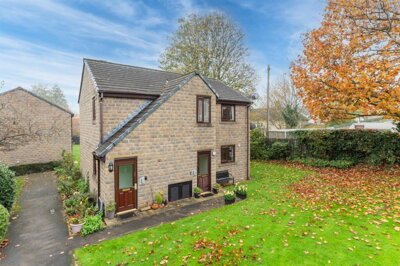
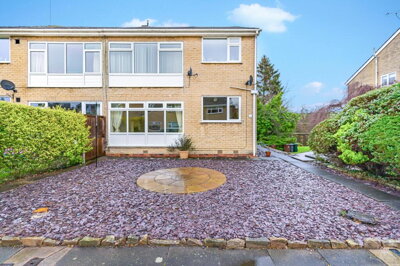
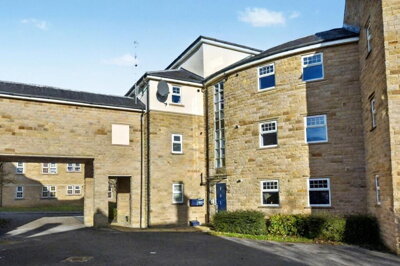
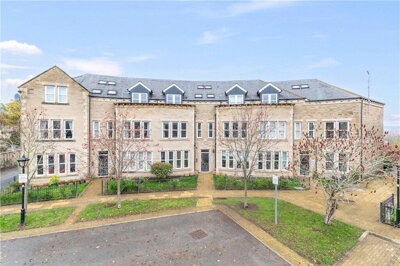
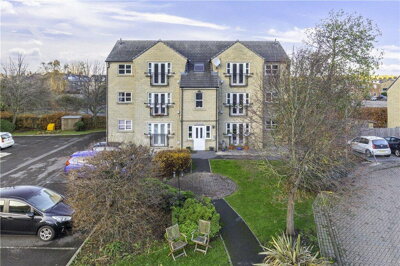
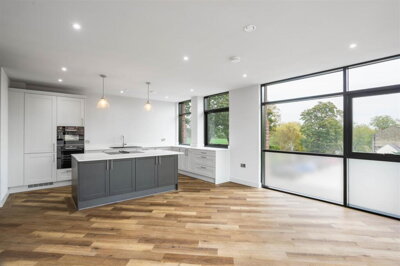
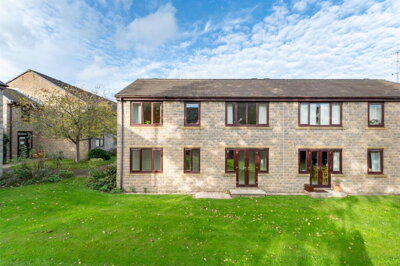
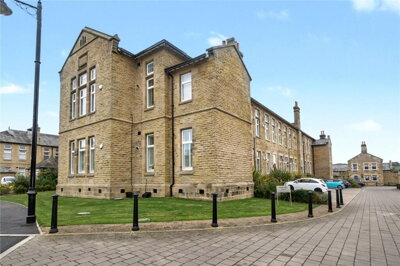
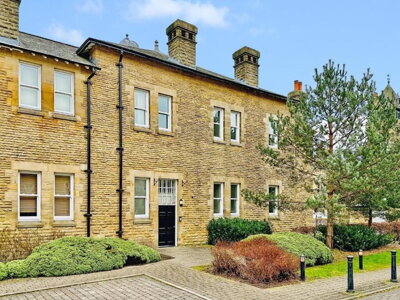
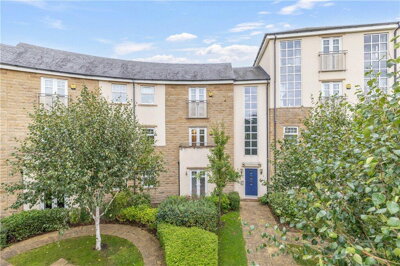
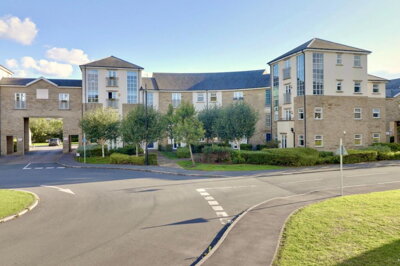
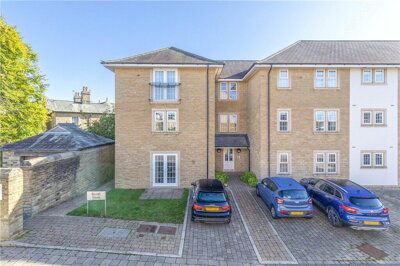
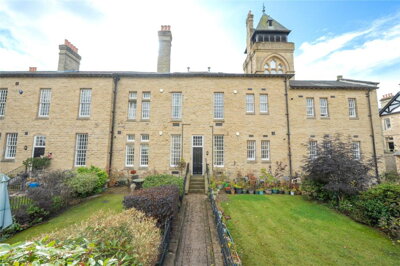
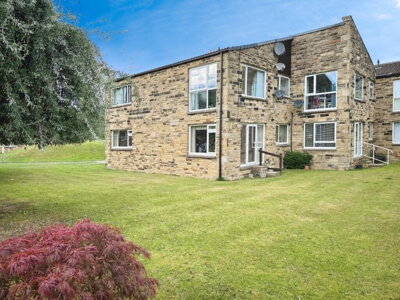
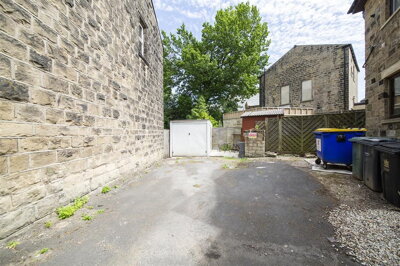
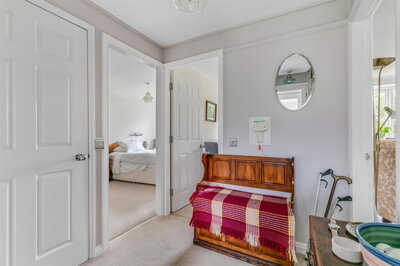
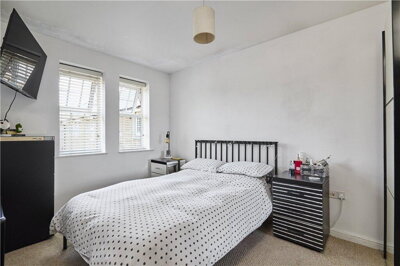
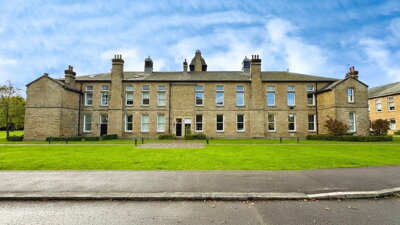
Browse 45 homes for sale in Otley, Leeds from local estate agents.
The 2 bed flat sector typically includes two separate bedrooms, dedicated living areas, and bathroom facilities. Properties in Otley span purpose-built blocks, converted period houses, and modern apartment complexes on various floors.
£0k
0
0
0
Source: home.co.uk
Showing 0 results for 2 Bedroom Flats for sale in Otley, Leeds.
The Lacock property market reflects its status as one of Wiltshire's most desirable villages, with current average sold prices standing at approximately £492,375 according to recent data. Property types available in the village span traditional stone-built detached homes averaging around £620,000, semi-detached properties at approximately £447,300, and terraced cottages starting from £252,000. The village's housing stock is predominantly pre-1919 construction, with many properties featuring the characteristic honey-coloured limestone that defines the local architecture and contributes to premium valuations.
Recent market activity has shown a notable correction, with house prices in Lacock approximately 34% lower than the previous year and 36% below the 2022 peak of £788,389. This adjustment follows broader national trends but also reflects the limited transaction volumes in this village market, where typically only a handful of properties change hands each year. Despite the price moderation, demand for Lacock properties remains steady, driven by the village's conservation status, National Trust heritage, and proximity to excellent transport links connecting to Bath, Bristol, and Swindon.
Looking at longer-term data since 2018, detached properties in Lacock Parish have achieved an average price of £919,553 across 38 recorded sales, while semi-detached homes have averaged £418,285 from 29 transactions. Terraced properties show an average of £341,188 over 16 sales, with a single flat sale recorded at £109,000. These figures illustrate the premium that larger detached properties command in this village setting, where the combination of traditional construction, plot size, and conservation constraints limits supply of family-sized homes.

Lacock village sits in the Avon Valley, surrounded by rolling Wiltshire countryside that has remained largely unchanged for centuries. The village is famous for its remarkably preserved medieval architecture, with narrow streets lined by timber-framed and stone cottages that create an atmosphere of timelessness unique to National Trust villages. Residents enjoy access to Lacock Abbey and its grounds, the Fox Talbot Museum celebrating early photography, and the village's selection of traditional pubs and artisan shops that cater to both visitors and the local community throughout the year.
The local economy benefits significantly from tourism, with the village's appearance in productions such as Harry Potter and Pride and Prejudice drawing visitors to its cobbled streets and historic buildings. This heritage status means the village has excellent preservation of its character, though it also brings planning considerations for property owners. The community spirit in Lacock remains strong, with village events, the local primary school, and parish council activities providing regular opportunities for residents to connect. Daily amenities are complemented by easy access to the larger towns of Chippenham and Melksham, where comprehensive shopping, healthcare, and leisure facilities are available within a short drive.
The village hosts regular farmers markets and craft fairs that showcase local producers and artisans, while the Kingley Vale Nature Reserve lies within easy reach for countryside walks. The local cricket club plays on the village green during summer months, and the community hall hosts various events throughout the year. For families, the village provides a supportive environment where neighbours know each other and children can explore safely in the surrounding countryside. The annual Lacock Carnival and Christmas lights switch-on bring the community together, fostering the strong social connections that make village life in Wiltshire so appealing to those seeking a quieter pace of life.

Education provision in Lacock centres on Lacock Primary School, a village school serving young children from the local community and surrounding rural areas. The school maintains traditional values appropriate to its village setting while delivering the national curriculum to primary-aged pupils. For secondary education, families in Lacock typically access schools in nearby Chippenham and Melksham, with several options available including grammar school provision in Chippenham for those meeting academic selection criteria.
The presence of Wiltshire College in nearby towns provides further education opportunities, while the proximity to Bath and its renowned universities makes Lacock an attractive base for families with older children pursuing higher education. The village's peaceful environment and strong community atmosphere make it particularly appealing for families with children of all ages, offering a countryside upbringing without sacrificing access to quality educational institutions. Parents considering relocation will find the educational landscape well-supported by the county, with school transport arrangements typically available for pupils attending schools outside the village.
Sheldon School in Chippenham serves as a popular non-selective option for secondary-aged children, while Chippenham Grammar School and Hardenhuish School provide alternative pathways. The Wiltshire music service offers instrumental lessons through the county's schools, and various after-school clubs and sports teams operate throughout the local area. For families with SEND requirements, Wiltshire Council maintains specialist provision in nearby towns, with assessments and statements arranged through the local authority during school transitions. The relatively short journey times from Lacock to schools in Chippenham, typically 15-20 minutes by car, make daily commuting feasible for families willing to travel for their preferred educational provision.
Lacock benefits from its position between the market towns of Chippenham and Melksham, both of which offer direct rail connections to major cities. Chippenham station provides regular services to Bath (approximately 20 minutes), Bristol (approximately 35 minutes), and London Paddington (approximately 90 minutes), making it practical for professionals commuting to the Southwest or the capital. The village sits near the A350 corridor, providing road access to the M4 motorway at Chippenham and connecting to the broader Wiltshire road network.
Local bus services operated by Wiltshire Council connect Lacock with surrounding villages and towns, though residents without private vehicles should consider timetables carefully when assessing daily travel requirements. For cyclists, the surrounding Wiltshire countryside offers scenic routes, though the rural lanes require appropriate caution during busy periods. Parking within the village can be limited during peak tourist seasons when visitors flock to see the National Trust properties, though this generally does not impact residential parking arrangements significantly.
For air travel, Bristol Airport lies approximately 45 minutes drive from Lacock, offering domestic and international flights. Southampton Airport is accessible within approximately 90 minutes for additional flight options. Cyclists benefit from the Wiltshire Cycle Route which passes through the village, connecting to broader national cycling networks. The village's position also provides access to scenic drives through the Wiltshire countryside, with the Longleat Estate, Castle Combe, and the Cotswolds accessible within an hour's drive for weekend exploration.
Start by exploring current listings in Lacock on Homemove to understand available properties, price ranges, and the village's property types. Given the limited number of sales each year, patience and persistence are essential when searching for properties in this historic village. Sign up for alerts from local estate agents and monitor Rightmove and Zoopla regularly, as properties in conservation villages like Lacock can move quickly when they appear on the market.
Contact local estate agents to arrange viewings of properties that match your requirements. Viewing traditional stone properties throughout the year helps you understand how they perform across different seasons, particularly regarding heating costs and daylight levels. Take time to explore the village at different times of day and week, assessing noise levels from tourists during peak seasons and evaluating the practical aspects of village living before committing to a purchase.
Obtain a mortgage agreement in principle before making any offer. This demonstrates your purchasing capability to sellers and positions you favourably in what can be a competitive village market where multiple enquiries are common. Given the age and construction type of many Lacock properties, some lenders may have specific requirements or restrictions, so discussing your mortgage options with a broker familiar with traditional stone properties is advisable before proceeding.
For traditional stone properties in Lacock, a RICS Level 2 Survey is strongly recommended to assess the condition of older construction. Given the prevalence of listed buildings and conservation area properties, a thorough survey identifies issues common to historic buildings such as damp, timber defects, and traditional construction methods. Our team includes qualified surveyors experienced in assessing Wiltshire's traditional stone properties, and we can arrange a survey that specifically addresses the construction methods and potential defects common in Cotswold stone buildings.
Choose a conveyancing solicitor with experience of historic and listed properties in Wiltshire. They will manage legal searches, check planning restrictions affecting conservation areas, and ensure smooth transaction progression through to completion. Your solicitor should investigate any rights of way affecting the property, verify compliance with planning conditions on listed buildings, and flag any environmental concerns related to the River Avon floodplain.
Once all searches are satisfactory and finance is confirmed, your solicitor will arrange contract exchange and set a completion date. On completion day, the property becomes yours and you can collect your keys to your new Lacock home. Allow time for transferring utilities and updating electoral roll records, and consider arranging a buildings insurance quote before completion since traditional stone properties may have specific requirements that affect coverage terms and premiums.
Properties in Lacock predominantly feature traditional Cotswold stone construction, a honey-coloured limestone quarried locally that has defined the village's architectural character for centuries. This particular limestone is relatively soft and workable when first extracted but hardens over time, creating the distinctive weathered appearance visible throughout the conservation area. Understanding the characteristics of this building material is essential for anyone considering purchasing a traditional property, as maintenance approaches differ significantly from those used on modern brick or concrete construction.
Most properties in the village employ solid wall construction rather than the cavity wall insulation used in post-war housing. Solid walls lack the thermal performance of modern constructions, resulting in higher heating costs and different condensation patterns that require adjusted ventilation strategies. Timber floors on upper levels, often supported by traditional beams and joists, require inspection for woodworm and dry rot, particularly in properties where sub-floor ventilation may be restricted. The original windows in listed buildings may feature single glazing with traditional sash or casement mechanisms that require specialist repair rather than replacement to maintain their listed status.
Roofing throughout Lacock typically features traditional pitched roofs clad with stone tiles or Welsh slate, materials that carry different weight loads and maintenance requirements compared to modern concrete tiles. Leadwork around chimneys, valleys, and junctions represents a common source of defects in older properties, as lead can develop cracks and splits over time. The traditional construction methods used in these buildings mean that any structural movement or settlement may manifest differently than in modern properties, and understanding the building's construction type helps interpret survey findings accurately.
Properties in Lacock present unique considerations for buyers due to the village's extensive conservation area status and high concentration of listed buildings. Many homes will be constructed from traditional Cotswold stone with solid walls rather than modern cavity wall insulation, which affects both thermal performance and mortgage lending considerations. Before purchasing, establish whether the property is listed (Grade I, Grade II*, or Grade II) as this significantly impacts what alterations and renovations are permitted under planning consent.
The proximity of certain Lacock properties to the River Avon warrants investigation of flood risk, with properties in lower-lying areas potentially subject to river flooding during periods of heavy rainfall. Standard property searches will reveal any historic flooding incidents and Environment Agency flood mapping helps assess future risk. Given the age of the housing stock, buyers should pay particular attention to the condition of traditional roofing using stone tiles or slate, the integrity of timber elements including floor joists and roof structures, and the effectiveness of any damp-proof measures in properties that may be several centuries old.
Service charges and maintenance arrangements for any shared elements should be clarified, though flats remain uncommon in Lacock compared to terraced and detached properties. Properties with gardens or land should be assessed for boundaries, rights of way, and any common land arrangements that may affect usage. Engaging a solicitor experienced in Wiltshire rural properties ensures these village-specific factors are properly investigated during the conveyancing process. Properties on the edge of the village may benefit from larger plots but could be subject to agricultural rights of way or future development considerations that affect long-term value and enjoyment.
Average sold prices in Lacock currently stand at approximately £492,375 according to recent market data, though Rightmove reports a slightly higher overall average of £508,045. Detached properties average around £620,000, semi-detached homes approximately £447,300, and terraced cottages from £252,000. Prices have moderated by approximately 34% from the previous year following a broader market adjustment from the 2022 peak of £788,389. The village's historic character and conservation status maintain strong underlying demand despite price volatility in this smaller market where transaction volumes remain very low, typically fewer than 15 properties changing hands annually.
Properties in Lacock fall under Wiltshire Council administration, which sets council tax rates for properties across the county. Specific council tax bands vary by property depending on valuation banding carried out by the Valuation Office Agency, though traditional stone cottages and historic homes typically span bands C through F. Banding information is available through the Valuation Office Agency website, and prospective buyers can verify specific bandings for listed properties during the conveyancing process when searches are conducted. The current Wiltshire Council tax rates for 2025-26 should be confirmed closer to purchase completion as these are subject to annual revision by the local authority.
Lacock Primary School serves the village and immediate surrounding area for primary education, providing a community-focused learning environment appropriate to its village setting. Secondary school options in nearby Chippenham include the grammar schools Chippenham Grammar School for Boys and Sheldon School, along with non-selective options at Hardenhuish School and The Chippenham Academy, all accessible via school transport arrangements or private vehicle. Wiltshire College provides further education opportunities at campuses in Chippenham and Trowbridge, with the universities of Bath and Bristol accessible for higher education. Parents should verify current admissions policies and catchment areas directly with schools, as these can change and may affect placement availability for families relocating to the village.
Lacock has bus services connecting to Chippenham and Melksham, with Chippenham offering the most frequent connections and the wider range of rail services. Chippenham railway station provides regular trains to Bath (20 minutes), Bristol (35 minutes), Swindon (25 minutes), and London Paddington (90 minutes), making it practical for commuters working in these cities. The M4 motorway is accessible via Chippenham at junction 17, providing road connections to the Southwest and towards London. Daily commuters should check local bus timetables carefully as rural services may be less frequent than urban alternatives, and weekend services may operate on reduced timetables that affect travel flexibility for those without private vehicles.
Lacock offers compelling investment characteristics through its National Trust heritage, conservation village status, and limited property supply that restricts market availability. The village's popularity as a filming location for Harry Potter, Pride and Prejudice, and other productions maintains high public awareness and creates rental demand for holiday lets and short-term accommodations. Properties in conservation areas with National Trust neighbours tend to hold their value well over the longer term, though the village market moves slowly with very few annual transactions that can make short-term capital gains difficult to realise. Capital growth potential exists, particularly as price corrections from the 2022 peak may create buying opportunities for long-term investors seeking exposure to Wiltshire's premium village sector.
Standard SDLT rates for 2025-26 apply 0% on the first £250,000, 5% on £250,001 to £925,000, and 10% on £925,001 to £1,500,000. For example, a terraced property at £252,000 would attract no SDLT, while a detached home at £620,000 would incur SDLT of approximately £18,500. First-time buyers purchasing residential property under £625,000 qualify for relief on the first £425,000 at 0% and 5% between £425,001 and £625,000, with no relief available above this threshold. Properties priced above £1,500,000 incur the 12% rate on amounts exceeding this threshold, and the additional 3% surcharge applies for second homes and investment properties purchased alongside existing residential ownership.
Purchasing a property in Lacock involves several costs beyond the purchase price, with SDLT (Stamp Duty Land Tax) being a significant consideration for most buyers. The standard rate structure for 2025-26 applies 0% on the first £250,000, 5% between £250,001 and £925,000, and 10% on the portion between £925,001 and £1,500,000. Given the average detached property price of around £620,000, most buyers in this category would expect to pay approximately £18,500 in SDLT. Properties priced above £1,500,000 incur a 12% rate on any amount exceeding this threshold, making the cost difference substantial for higher-value historic properties.
First-time buyers benefit from increased thresholds, with SDLT relief applying at 0% on the first £425,000 and 5% on the portion from £425,001 to £625,000. No relief is available for purchases exceeding £625,000, meaning first-time buyers purchasing typical Lacock detached or semi-detached properties would pay standard rates above this threshold. Additional buying costs include solicitor fees typically ranging from £500 to £2,000 depending on complexity, survey costs of £400 to £1,000+ for a Level 2 Survey on traditional stone properties, and mortgage arrangement fees which vary by lender but are often 0.5% to 1.5% of the loan amount.
Budgeting for ongoing costs is equally important when purchasing in Lacock. Properties in conservation areas may require more maintenance than modern homes due to their age and traditional construction methods. Listed buildings often require specialist materials and tradespeople for any works, which can increase maintenance costs compared to non-listed properties. Buildings insurance costs may be higher for traditional stone properties, and prospective buyers should obtain insurance quotes before completing their purchase to ensure comprehensive understanding of all ownership costs. Land registry fees, searches, and mortgage valuation fees typically add another £500-£1,000 to the total purchase cost.
Competitive mortgage rates for Lacock property purchases
From 4.5% APRC
Specialist conveyancing for historic Wiltshire properties
From £499
Recommended for traditional stone properties in Lacock
From £400
Energy performance certificate for your new home
From £80
Properties for Sale In London

Properties for Sale In Plymouth

Properties for Sale In Liverpool

Properties for Sale In Glasgow

Properties for Sale In Sheffield

Properties for Sale In Edinburgh

Properties for Sale In Coventry

Properties for Sale In Bradford

Properties for Sale In Manchester

Properties for Sale In Birmingham

Properties for Sale In Bristol

Properties for Sale In Oxford

Properties for Sale In Leicester

Properties for Sale In Newcastle

Properties for Sale In Leeds

Properties for Sale In Southampton

Properties for Sale In Cardiff

Properties for Sale In Nottingham

Properties for Sale In Norwich

Properties for Sale In Brighton

Properties for Sale In Derby

Properties for Sale In Portsmouth

Properties for Sale In Northampton

Properties for Sale In Milton Keynes

Properties for Sale In Bournemouth

Properties for Sale In Bolton

Properties for Sale In Swansea

Properties for Sale In Swindon

Properties for Sale In Peterborough

Properties for Sale In Wolverhampton

Enter your details to see if this property is within your budget.
Loans, cards, car finance
Estimated property budget
Borrowing + deposit
You could borrow between
Typical borrowing
Monthly repayment
Est. at 4.5%
Loan-to-value
This is an estimate only. Your actual budget may vary depending on interest rates, credit history, and personal circumstances. For an accurate affordability assessment, speak to one of our free mortgage advisors.
This calculator provides estimates for illustrative purposes only and does not constitute financial advice. Your home may be repossessed if you do not keep up repayments on your mortgage. Estimates based on 4.5% interest rate, repayment mortgage. Actual rates depend on your circumstances.
Homemove is a trading name of HM Haus Group Ltd (Company No. 13873779, registered in England & Wales). Homemove Mortgages Ltd (Company No. 15947693) is an Appointed Representative of TMG Direct Limited, trading as TMG Mortgage Network, which is authorised and regulated by the Financial Conduct Authority (FRN 786245). Homemove Mortgages Ltd is entered on the FCA Register as an Appointed Representative (FRN 1022429). You can check registrations at NewRegister or by calling 0800 111 6768.

We use cookies to show you personalised content and improve your experience of our website. Find out more in our Privacy policy and Cookie policy.