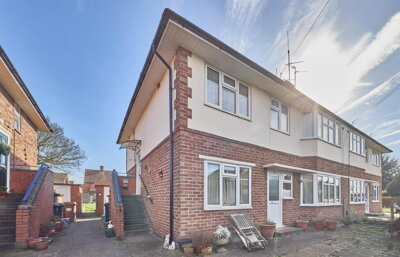
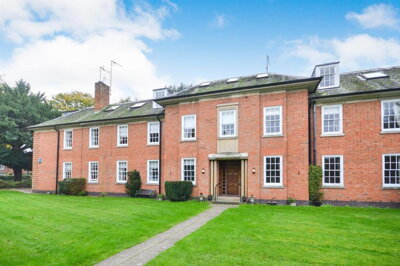
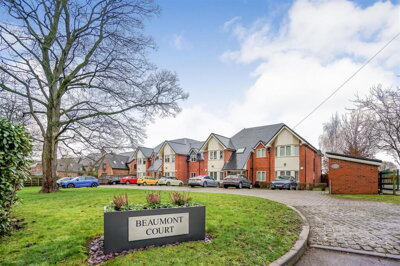
Browse 3 homes for sale in Osbaston, Hinckley and Bosworth from local estate agents.
Studio apartments feature open-plan living spaces without separate bedrooms, incorporating sleeping, living, kitchen, and bathroom facilities. The Osbaston studio market includes properties in modern apartment complexes, converted Victorian and Georgian buildings, and purpose-built developments.
£0k
0
0
0
Source: home.co.uk
Showing 0 results for Studio Flats for sale in Osbaston, Hinckley and Bosworth.
The Skelton property market reflects its status as a sought-after York village, with detached properties averaging £478,803 and commanding the highest prices due to their generous proportions and often larger plots. Semi-detached properties average £194,250, offering excellent value for families seeking more affordable accommodation while remaining within this desirable postcode. Terraced properties average £237,200, representing character homes that often feature the traditional construction methods and materials typical of the village's historic core.
Recent market data shows house prices in Skelton fell by approximately 15% over the last year, with the average price paid reaching £357,000 as of January 2026. This follows a broader trend across the YO30 postcode area, where prices have adjusted 12% from the 2022 peak of £399,181. Despite these short-term corrections, the underlying demand for Skelton property remains robust, supported by the village's proximity to York city centre, strong local schools, and excellent transport connections. There were 57 property sales recorded in the YO30 1 area over the past 24 months, indicating a steady flow of transactions in this established residential market.
The property type breakdown in the YO30 postcode area shows semi-detached homes dominating at 32.7% of sales, followed by detached properties at 30.5%. Terraced properties account for 25% of transactions, while flats represent 11.8% of the market. This mix provides options across various budgets and preferences, from compact apartments suitable for first-time buyers to spacious family homes with gardens. The presence of historic cottages alongside post-war developments and more recent residential schemes creates a diverse housing landscape within the village boundaries.
The village has seen significant expansion since the 1950s, with developments like Brecksfield from 1957 and Grange Park in the 1970s adding substantial housing stock to the original historic core. Later developments including The Meadows, The Vale, and The Dell have continued to shape the village's character, creating a blend of architectural styles that reflects changing construction practices over the decades. This varied housing stock means buyers can choose between characterful period properties in the Conservation Area around The Green or more modern accommodation in established residential streets.

Skelton village maintains a strong sense of community and rural character despite its proximity to York city centre, which lies approximately three miles to the south. The village centre revolves around The Green, a focal point that has defined village life for centuries and remains central to the community's identity. Local amenities include a post office and general store, a traditional public house, a social club, and a doctor's surgery, providing everyday necessities without requiring a journey into the city. These facilities serve both residents and the surrounding rural community, reinforcing Skelton's role as a local service centre within the wider area.
The village's heritage is evident throughout its built environment, with the Church of St Giles dating from around 1240 standing as Skelton's medieval origins. The Skelton Conservation Area, designated in 1973, protects the special character of the historic core, encompassing The Green, Skelton Hall, and Skelton Manor alongside traditional cottages and open spaces. The Village Trust actively preserves the area's character, maintaining buildings, trees, and open spaces that contribute to Skelton's distinctive atmosphere. This careful stewardship has ensured that modern development has enhanced rather than diminished the village's historic appeal.
The surrounding North Yorkshire landscape offers excellent walking opportunities and recreational space, with the River Ouse providing scenic routes along its eastern bank. The village's position between York and the Howardian Hills Area of Outstanding Natural Beauty gives residents access to diverse countryside, from the city walls and museums to rolling farmland and historic estates. The population of 1,670 creates an intimate community atmosphere where neighbours know each other, yet the village remains connected to the broader social and cultural offerings of York through regular bus services and cycle paths.
Skelton was historically an agricultural community but has evolved into primarily a residential area with a small commercial district to the south-west. The broader York economy supports village residents through diverse employment sectors including the thriving tourism industry, growing digital and creative sectors, and major employers like Aviva, Hiscox, and NFU Mutual based in the city. The presence of the University of York and York St John University contributes to a steady influx of residents and maintains demand for rental properties throughout the wider area.

Families considering Skelton benefit from access to a range of educational establishments within easy reach, supporting the village's appeal to buyers with children of all ages. The broader York area offers numerous primary and secondary schools, with several achieving excellent Ofsted ratings and strong academic results. Skelton's position within the York local authority area means residents have access to the city's comprehensive school admission process, with catchment areas and oversubscription criteria applying to each establishment. Parents should research specific school catchments and admission policies when considering property purchases, as these factors significantly influence both educational outcomes and property values.
Secondary education options in the surrounding area include both comprehensive schools and grammar schools, providing families with choices that align with their children's academic abilities and personal development needs. York has several well-established secondary schools that regularly feature in regional performance tables, attracting students from across the wider area. For families seeking faith-based education, Catholic and Church of England secondary schools operate within the city, maintaining their own admission criteria and often strong academic reputations. Sixth form provision is available at secondary schools and colleges throughout York, with the universities of York and York St John offering higher education opportunities locally.
Primary education within Skelton and nearby villages provides local schooling for younger children, reducing daily journey times and supporting family routines. Several primary schools in the surrounding area have achieved good or outstanding Ofsted ratings, offering quality early education that prepares children for secondary transfer. The presence of good schools significantly influences property values in Skelton, with homes in desirable catchment areas commanding premium prices. Families should verify current school capacities and admission policies, as local demand often exceeds available places in popular schools throughout the York area.
Higher education opportunities in York include the University of York, consistently ranked among the UK's top universities, and York St John University, which offers a range of undergraduate and postgraduate programmes. These institutions attract students from across the UK and internationally, contributing to the city's vibrant atmosphere and supporting the local economy. The presence of universities also provides employment opportunities for residents and helps maintain demand for rental properties in the wider area.
Skelton enjoys excellent transport connections that make it ideal for commuters working in York or beyond, with the city centre accessible via multiple transport options. Regular bus services operate between Skelton and York city centre, providing a convenient alternative to car travel for daily commuters and reducing the need for parking in the city. The journey time by bus typically takes 20-30 minutes depending on traffic conditions, making it practical for those working regular office hours. Cycling is also popular, with dedicated routes and relatively flat terrain making bike commuting feasible for many residents throughout the year.
York railway station provides direct connections to major cities including London, Edinburgh, Leeds, Manchester, and Birmingham, with London Kings Cross reachable in approximately two hours via the East Coast Main Line. This excellent rail connectivity positions Skelton as attractive to professionals who need occasional access to capital cities while preferring village living for day-to-day life. The station has undergone significant investment through the York Station Gateway project, a £25 million regeneration that has improved facilities and passenger experience. Those working in Leeds or other Yorkshire cities will find Skelton well-positioned for motorway access via the A59 and connections to the A64.
For car travel, Skelton benefits from proximity to the A59, which provides direct access to York city centre and connections to the A64 heading towards the A1(M) and Leeds. The village's position on the eastern bank of the River Ouse means traffic levels remain manageable compared to more centrally located York suburbs. Parking provision in the village accommodates resident needs, with most properties offering off-street parking or garage provision. Weekend and evening travel to the countryside, coast, or moors is straightforward from Skelton's location, with the North York Moors and Yorkshire coast within reasonable driving distance for day trips.
York's strong railway heritage has created a dynamic cluster of rail companies, engineering consultancies, and digital innovation firms in the city. This railway industry presence provides skilled employment opportunities for residents while reinforcing York's importance as a transport hub. The city also hosts the National Railway Museum, attracting visitors and contributing to the local economy throughout the year.
Before viewing properties in Skelton, research comparable sold prices, local amenities, and future development plans. Obtain a mortgage agreement in principle to understand your borrowing capacity and demonstrate your seriousness to sellers. Consider the full cost of ownership including council tax, utility bills, and potential maintenance costs for period properties. Given Skelton's mix of historic buildings and clay geology, factor in potential costs for specialist surveys on older properties.
Contact local estate agents listing properties in Skelton to arrange viewings at times that suit your schedule. View multiple properties to compare accommodation, condition, and character before making offers. Pay attention to the property's position within the Conservation Area, flood risk considerations near the River Ouse, and any planning restrictions that might affect your intended use. For listed buildings, check what works require consent before viewing properties that may need modernisation.
Commission a RICS Level 2 Home Survey before proceeding with your purchase, particularly given Skelton's mix of historic and modern properties. A Level 2 survey typically costs £400-600 for properties in the York area and identifies defects that may not be visible during viewings. For older or listed properties, consider whether a more comprehensive Level 3 survey would be appropriate given the construction methods and potential defects in older buildings. Properties in Skelton often feature traditional construction including solid walls and timber framing that benefit from specialist inspection.
Choose a conveyancing solicitor to handle the legal aspects of your purchase, including searches, contracts, and registration at the Land Registry. Your solicitor will conduct local authority searches including the Strategic Flood Risk Assessment and check for any planning constraints affecting the property. The conveyancing process typically takes 8-12 weeks for a standard transaction in the York area, though leasehold properties or complex sales may take longer. Properties within the Conservation Area may require additional checks regarding planning conditions.
Once all searches are satisfactory and mortgage offers are in place, your solicitor will exchange contracts with the seller's legal team, committing both parties to the transaction. A deposit of typically 10% of the purchase price is paid at exchange, with the remaining balance paid on completion day. On completion, you will receive the keys to your new Skelton home and can begin moving in and settling into the village community.
Properties in Skelton require careful inspection for signs of damp, which is particularly relevant given the village's mix of historic buildings and clay geology. Solid-walled properties without modern damp-proof courses are susceptible to penetrating damp and rising damp, especially where inappropriate modern materials have been used in repairs. Look for signs of damp including watermarked walls, peeling paint, musty odours, and salt deposits on wall surfaces. The shrink-swell behaviour of the local clay soils can also affect foundations, so check for cracking to walls and door frames that may indicate subsidence movement.
The old village centre of Skelton stands on a deposit of boulder clay reaching about 25 metres above sea level, with the remainder of the village on strong clay resting on gravel and sand. These geological conditions mean properties may be affected by ground movement, particularly where trees are present close to buildings. Look for signs of subsidence including diagonal cracking through walls, doors and windows that stick, or gaps where walls meet floors. A RICS Level 2 survey will assess foundation conditions and identify any movement that may require remedial work.
Flood risk is an important consideration for properties in Skelton, which sits on the east bank of the River Ouse with recorded flood levels reaching 6.79 metres. The Environment Agency monitors river levels at the Skelton station, with property flooding possible above 6.40 metres based on historical events. Check the property's flood risk classification, consider any flood mitigation measures installed, and verify insurance availability before proceeding. Properties in lower-lying areas near the river require particular scrutiny, while those on higher ground within the village may offer reduced flood risk.
If purchasing a listed building or property within the Conservation Area, be aware that special planning conditions apply to alterations and improvements. Skelton has numerous listed buildings including the Grade I Church of St Giles, Grade II* Skelton Manor, and various Grade II properties including Skelton Hall, Grange Farmhouse, and Church View. The Village Trust takes an interest in preserving Skelton's special character, and works affecting the exterior appearance may require consent. Properties with unusual construction such as timber framing or traditional materials may require specialist surveys and ongoing maintenance provisions. For leasehold properties, review the service charges, ground rent terms, and any planned major works that could result in unexpected costs following purchase.
The village's historic buildings feature traditional materials that require understanding and appropriate maintenance. The Church of St Giles is built of magnesium limestone with Westmorland slate, while Skelton Manor was originally timber-framed and later cased in brick with a plain tile roof. Skelton Hall features distinctive white brick with Welsh slate. Creamy white Pease bricks, a distinctive Victorian material seen on Skelton Methodist Church, indicate period properties built in the late 19th century. Understanding these materials helps buyers appreciate the maintenance requirements and heritage value of traditional buildings in the village.
The average house price in Skelton is approximately £351,866, though this varies significantly by property type. Detached properties average £478,803, while semi-detached homes average around £194,250. Terraced properties average £237,200. Recent market data shows prices have adjusted by approximately 15% over the past year, with the 2022 peak standing at £399,181. Despite short-term fluctuations, Skelton property maintains its appeal due to the village's proximity to York and strong local demand from commuters seeking village life with city access.
Council tax bands in Skelton, York are set by City of York Council and range from Band A for lower-value properties through to Band H for the most expensive homes. The village's mix of historic cottages, post-war houses from developments like Brecksfield and Grange Park, and modern homes means properties across all bands are available. Prospective buyers should check the specific band for any property they are considering, as this affects ongoing annual costs and forms part of the total cost of ownership alongside utility bills and maintenance expenses.
Skelton benefits from access to primary schools in the village and surrounding area, with several achieving good Ofsted ratings. Secondary education options in York include both comprehensive and grammar schools, with families able to apply to establishments across the city based on admission criteria. School catchment areas should be verified before purchasing, as they significantly influence access to popular schools and can affect property values in specific streets. The University of York and York St John University provide higher education options within the city, contributing to the area's strong educational reputation and attracting students from across the UK.
Skelton has regular bus services connecting to York city centre, with journey times of 20-30 minutes depending on traffic. York railway station provides excellent national connections, with direct trains to London Kings Cross taking approximately two hours via the East Coast Main Line. The station serves destinations including Edinburgh, Leeds, Manchester, and Birmingham, making Skelton attractive to commuters who need occasional access to major cities while preferring village living for daily life. The recent £25 million York Station Gateway regeneration has improved facilities and passenger experience at the city hub.
Skelton offers several investment advantages including its proximity to York, strong transport connections, and desirable village character. The presence of the University of York, growing digital sector, and tourism industry supports steady demand for rental properties in the wider area. Property values have shown long-term resilience despite recent short-term corrections, with the 2022 peak of £399,181 demonstrating historical strength. The Conservation Area designation helps protect the village's character, which contributes to sustained desirability and property values over time. Falling mortgage rates are expected to support the housing market and increase purchasing activity in the area.
Stamp Duty Land Tax applies to purchases in England at standard rates: 0% on the first £250,000, 5% on £250,001 to £925,000, 10% on £925,001 to £1.5 million, and 12% above £1.5 million. First-time buyers receive relief on the first £425,000, with 5% charged between £425,001 and £625,000. Given Skelton's average price of £351,866, most properties fall entirely within the 0% band for first-time buyers, making the village particularly accessible for those taking their first step on the property ladder. Standard rate buyers purchasing at the average price would pay approximately £5,093 in SDLT.
Understanding the full cost of purchasing property in Skelton is essential for budgeting effectively, with Stamp Duty Land Tax forming a significant part of the upfront expenditure. For properties priced at the village average of £351,866, standard rate buyers pay nothing on the first £250,000 and 5% on the remaining £101,866, resulting in a SDLT liability of £5,093.30. First-time buyers purchasing properties up to £425,000 qualify for full relief, meaning most Skelton properties fall entirely within the relief threshold and no SDLT is payable. Above £625,000, first-time buyer relief does not apply and standard rates must be paid on the full purchase price.
Beyond Stamp Duty, buyers should budget for solicitor fees which typically range from £500 to £1,500 for a standard freehold purchase, covering conveyancing, local authority searches, and Land Registry registration. A RICS Level 2 Home Survey costs approximately £400-600 depending on property size and value, with more comprehensive Level 3 surveys for historic or complex properties potentially reaching £1,000 or more. Survey costs reflect the property's size, age, construction type, and location, with Skelton's mix of period properties often requiring more detailed inspection than modern homes. Lender arrangement fees, valuation fees, and broker costs may also apply depending on your mortgage arrangement.
Ongoing costs following purchase include council tax, utility bills, buildings insurance, and potential service charges if buying a leasehold property or a home within a managed development. The village location means some properties may have larger gardens requiring maintenance provision, while older properties should include contingency funds for inevitable repairs and renewals. Buildings insurance is mandatory if you have a mortgage, while contents insurance is strongly recommended for protecting your belongings. Setting aside funds for the first year of ownership, including any immediate repairs or furnishings, helps ensure a smooth transition to life in your new Skelton home.
For properties in Skelton's Conservation Area or listed buildings, additional costs may arise from planning consent requirements and specialist building work. Traditional materials like the magnesium limestone, Westmorland slate, and handmade bricks used in historic properties require specialist contractors who may charge premium rates. Flood insurance should be verified for properties near the River Ouse, as some insurance providers apply surcharges or conditions for properties in flood risk areas. The overall cost of ownership in Skelton reflects the village's desirable character and the quality of life it offers, with many buyers viewing these expenses as worthwhile investments in their future home.
Properties for Sale In London

Properties for Sale In Plymouth

Properties for Sale In Liverpool

Properties for Sale In Glasgow

Properties for Sale In Sheffield

Properties for Sale In Edinburgh

Properties for Sale In Coventry

Properties for Sale In Bradford

Properties for Sale In Manchester

Properties for Sale In Birmingham

Properties for Sale In Bristol

Properties for Sale In Oxford

Properties for Sale In Leicester

Properties for Sale In Newcastle

Properties for Sale In Leeds

Properties for Sale In Southampton

Properties for Sale In Cardiff

Properties for Sale In Nottingham

Properties for Sale In Norwich

Properties for Sale In Brighton

Properties for Sale In Derby

Properties for Sale In Portsmouth

Properties for Sale In Northampton

Properties for Sale In Milton Keynes

Properties for Sale In Bournemouth

Properties for Sale In Bolton

Properties for Sale In Swansea

Properties for Sale In Swindon

Properties for Sale In Peterborough

Properties for Sale In Wolverhampton

Enter your details to see if this property is within your budget.
Loans, cards, car finance
Estimated property budget
Borrowing + deposit
You could borrow between
Typical borrowing
Monthly repayment
Est. at 4.5%
Loan-to-value
This is an estimate only. Your actual budget may vary depending on interest rates, credit history, and personal circumstances. For an accurate affordability assessment, speak to one of our free mortgage advisors.
This calculator provides estimates for illustrative purposes only and does not constitute financial advice. Your home may be repossessed if you do not keep up repayments on your mortgage. Estimates based on 4.5% interest rate, repayment mortgage. Actual rates depend on your circumstances.
Homemove is a trading name of HM Haus Group Ltd (Company No. 13873779, registered in England & Wales). Homemove Mortgages Ltd (Company No. 15947693) is an Appointed Representative of TMG Direct Limited, trading as TMG Mortgage Network, which is authorised and regulated by the Financial Conduct Authority (FRN 786245). Homemove Mortgages Ltd is entered on the FCA Register as an Appointed Representative (FRN 1022429). You can check registrations at NewRegister or by calling 0800 111 6768.

We use cookies to show you personalised content and improve your experience of our website. Find out more in our Privacy policy and Cookie policy.