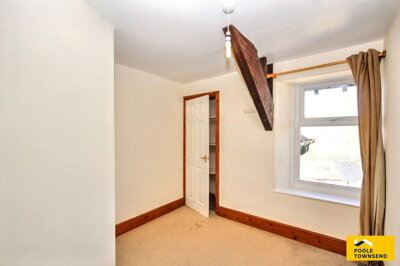
Browse 1 home for sale in Orton, Westmorland and Furness from local estate agents.
The 2 bed flat sector typically includes two separate bedrooms, dedicated living areas, and bathroom facilities. Properties in Orton span purpose-built blocks, converted period houses, and modern apartment complexes on various floors.
£0k
0
0
0
Source: home.co.uk
Showing 0 results for 2 Bedroom Flats for sale in Orton, Westmorland and Furness.
The Orton property market reflects the character of the village itself, offering a distinctive mix of traditional homes that appeal to buyers seeking authenticity and charm. Detached properties command an average price of £282,000, while terraced properties average around £253,000, demonstrating the premium placed on space and privacy in this desirable rural setting. The market has shown considerable resilience, with prices climbing 14% year-on-year despite having retreated 34% from the 2021 peak of £402,312, suggesting renewed confidence among buyers drawn to National Park living.
Properties available in Orton typically include charming barn conversions, historic cottages, and converted farm buildings that showcase traditional Cumbrian construction techniques. Local stone walls constructed from grey limestone and sandstone, slate roofs, and feature fireplaces remain characteristic features of homes in this area, appealing to buyers who appreciate craftsmanship and heritage. The absence of large-scale new-build developments means that properties coming to market tend to offer genuine character rather than modern uniformity, making each home unique in its own right.
While specific new-build developments are limited within the CA10 postcode area, individual new-build opportunities occasionally arise through barn conversions and smaller renovation projects. Properties such as barn conversions offer buyers the chance to acquire homes that blend original architectural features with contemporary living requirements, often featuring open-plan layouts, modern insulation, and high-specification kitchens and bathrooms while retaining exposed stone walls and beams. These conversions represent excellent value for buyers who want modern comforts without sacrificing the character that makes Orton properties so desirable.

Understanding the construction methods used in Orton properties helps buyers appreciate the character and potential maintenance considerations of homes in this Yorkshire Dales village. The predominant building material is local stone, typically grey limestone or sandstone quarried from the Eden Valley, which gives Orton buildings their distinctive appearance and excellent durability. Traditional properties feature thick solid walls, often 450mm or more in depth, which provide excellent thermal mass but may require different insulation approaches compared to modern cavity wall construction.
Slate roofing predominates throughout Orton, sourced originally from West Cumbrian quarries and now replaced with Welsh slate or modern alternatives when repairs are needed. The steep pitches common to traditional Cumbrian roofs reflect the need to shed heavy rainfall quickly, and buyers should pay attention to the condition of ridge tiles, flashings, and valleys where water ingress most commonly occurs. Many properties also feature dormer windows, turrets, and complex rooflines that add visual interest but require regular maintenance to prevent leaks.
Internal features typical of Orton homes include flagstone floors on ground levels, exposed beam ceilings, and inglenook fireplaces that reflect the agricultural heritage of the buildings. These features contribute significantly to the charm and value of properties in the village but may require specialist cleaning, repair, or restoration work over time. Properties converted from agricultural buildings often retain original barn doors,hayloft beams, and cattle byres that serve as distinctive interior design elements, blending working-farm heritage with comfortable contemporary living.
Properties in Orton are predominantly older constructions, with much of the housing stock dating from the 18th and 19th centuries when traditional building methods were standard practice. One of the most common issues affecting these older properties is damp, which can manifest as rising damp through solid floors lacking modern damp proof courses, penetrating damp through weathered stone walls or deteriorated pointing, or condensation dampness resulting from inadequate ventilation in converted buildings. The limestone construction common in Orton is generally durable, but mortar pointing between stones can deteriorate over decades, allowing water ingress that leads to structural concerns and timber decay.
Roof defects represent another significant category of issues found in Orton properties, with slipped or broken slates, deteriorated lead flashings around chimneys and valleys, and timber decay in roof structures all commonly encountered during surveys. The age of many properties means that original timber rafters and purlins may show signs of woodworm activity or fungal decay, particularly where roof coverings have allowed water penetration over extended periods. Buyers should ensure that any survey includes thorough inspection of roof spaces, paying particular attention to the condition of felt underlay, insulation levels, and the integrity of mortar bedded ridge tiles.
Electrical and plumbing systems in older Orton properties frequently require updating to meet modern standards and accommodate contemporary lifestyle requirements. Rewiring may be necessary where properties retain old rubber or fabric-covered cabling that poses safety risks, and plumbing upgrades may be needed where lead or galvanised steel pipes remain in service. The cost of such upgrades should be factored into any purchase budget, as full rewire and replumb projects can represent significant expenditure even in properties that appear well-maintained at first inspection.
Life in Orton offers residents a pace of living that feels worlds away from the hustle and bustle of city life, yet remains connected to essential amenities and transport links. The village sits within the Eden Valley, an area renowned for its rolling farmland, limestone outcrops, and spectacular walking routes that attract visitors throughout the year. The Pennine Way long-distance footpath passes nearby, offering exceptional hiking opportunities for residents who value outdoor recreation on their doorstep, while the Howgill Fells and Lake District fells are accessible for longer adventures.
The local economy of Orton and its surrounding area is rooted in agriculture and tourism, two industries that have shaped the village for generations. Family farms continue to operate in the surrounding countryside, producing livestock and crops that contribute to the regional food economy, with farm shops selling local produce including Cumbrian cheese, Preseli lamb, and artisan preserves. The tourism sector brings visitors to enjoy the National Park's beauty, supporting local businesses, pubs, and farm shops that form the backbone of community life, with the nearbyntown of Kirkby Stephen providing additional retail and hospitality options.
Community spirit runs deep in Orton, with residents gathering for village events, seasonal celebrations, and local fundraisers that maintain the social fabric of this tight-knit settlement. The village benefits from a post office, local shop, and traditional pub where neighbours gather for evening drinks and Sunday lunches, while the nearby market towns of Kirkby Stephen and Appleby provide access to supermarkets, banks, and additional retail options for those seeking greater variety. The sense of belonging that develops in communities like Orton is often cited by long-term residents as one of the greatest benefits of rural village life, with new arrivals frequently commenting on how quickly they feel welcomed into the local community.

Families considering a move to Orton will find a selection of educational options within reasonable driving distance, though the rural nature of the village means that school transport arrangements are an important consideration. Primary education is typically accessed through local village schools in the surrounding Eden Valley area, with several small rural schools serving communities within a ten-mile radius of Orton. Many of these schools serve small, rural communities with dedicated teachers who know each pupil individually, creating supportive learning environments that contrast with larger urban schools.
Secondary education options in the region include excellent grammar schools in nearby towns such as Appleby and Kirkby Stephen, which serve as educational hubs for the wider Eden Valley area. Appleby Grammar School, founded in 1524, maintains a strong academic reputation and attracts students from across South Cumbria, while Kirkby Stephen Grammar School provides comprehensive secondary education with strong results at GCSE and A-level. Parents should research specific catchment areas and admissions criteria, as these can vary significantly depending on the school and the local education authority, and early application is advisable given the limited school places available in some year groups.
For families prioritising academic excellence, the presence of strong secondary schools within a commutable distance makes Orton an attractive proposition despite its rural location. Sixth form and further education provision is available in the nearby market towns, with bus services connecting students to colleges and sixth forms that offer a broad range of A-level and vocational qualifications. The peaceful environment of Orton can provide an ideal backdrop for study, particularly for older students who benefit from reduced distractions and easy access to outdoor recreational activities, though families should carefully consider the practical logistics of school transport before committing to a property purchase.
Despite its rural setting, Orton benefits from surprisingly good transport connections that link the village to regional centres and beyond. The nearest railway station is located in Kirkby Stephen, approximately 8 miles from Orton village, providing access to the Settle-Carlisle line which offers scenic rail journeys through the Yorkshire Dales and onwards to major cities including Leeds, Carlisle, and Manchester via connecting services. This historic railway line has seen significant investment in recent years, with improved stations, better passenger facilities, and increased service frequency making commuting a more viable option for those who work in urban areas but wish to enjoy rural living.
Road connections from Orton are centred on the A685, which provides a direct route to the M6 motorway at Tebay, approximately 15 miles away. This junction offers straightforward access to the Lake District to the west, Lancashire to the south, and the wider motorway network connecting to Manchester, Liverpool, Leeds, and beyond. For commuters working in Carlisle, the city is accessible within approximately one hour by car via the A7 or M6 corridors, making Orton a feasible base for professionals who require occasional access to larger employment centres without the stress of daily long-distance commuting.
Local bus services operate in the area, providing essential connections for residents without private vehicles to nearby towns for shopping, medical appointments, and social activities. The 562 service connects Orton with Kirkby Stephen and Appleby, running several times daily on weekdays with limited weekend services, though residents should check current timetables as rural bus provision can change seasonally. These services are particularly valued by older residents and families with children, offering a lifeline to community services and reducing reliance on car travel for everyday needs, while cycling on quiet country lanes provides a pleasant alternative for shorter journeys during the warmer months.
Start by exploring the Orton property market through Homemove, reviewing available listings, recent sale prices, and property types in the CA10 postcode area. Understanding the average price of £267,500 for the area and comparing detached versus terraced property values will help you establish realistic expectations and identify properties that represent genuine value within the local market.
Before arranging viewings, contact a mortgage broker to secure an agreement in principle, which provides a clear indication of how much you can borrow based on your financial circumstances. This demonstrates your purchasing credibility to sellers and estate agents, which is particularly important in a competitive rural market where properties can attract multiple interested buyers looking for character homes in this desirable National Park village.
Visit properties that match your criteria, paying particular attention to the construction materials and age of properties typical in this area. Older stone-built homes and barn conversions may require different considerations than modern properties, so assess each home's condition carefully, examine the roof from ground level, check for signs of damp or subsidence, and ask questions about recent renovations or maintenance work undertaken by current owners.
Given that many properties in Orton are older constructions featuring traditional stonework, slate roofs, and historic features, a RICS Level 2 HomeBuyer Report is strongly recommended before proceeding with a purchase. This survey will identify common issues such as damp, roof condition, timber defects, and any concerns related to the age of the property's construction, providing you with negotiating leverage or an opportunity to withdraw if serious defects are discovered.
Once your offer is accepted, instruct a solicitor with experience in rural and Listed property transactions to handle the legal work efficiently and professionally. Properties within or near conservation areas, or those converted from historic buildings like Orton Hall, may involve additional searches, planning considerations, and specialist requirements that require expertise in National Park property transactions.
Work with your solicitor to complete all necessary searches, agree on contract terms, and arrange for your mortgage lender's valuation if you are borrowing money to fund the purchase. On completion day, the property becomes yours, and you can begin enjoying your new home in this beautiful Yorkshire Dales village surrounded by stunning countryside and a welcoming community.
Purchasing a property in Orton requires careful consideration of several factors that are particularly relevant to this rural National Park location. Properties close to the River Lune and its tributaries may be subject to fluvial flood risk, especially those situated in low-lying fields or meadows that form natural flood plains during periods of heavy rainfall. Prospective buyers should investigate the flood history of any property and consider the potential implications for insurance premiums and future resale value, as flood risk can significantly impact both the cost and ease of obtaining buildings insurance.
Given that much of the housing stock in Orton consists of older properties built using traditional methods, buyers should pay close attention to the condition of stone walls, roofs, and foundations during any viewing or survey. The underlying limestone geology of the Eden Valley generally contributes to the stability of many properties, but older homes may lack modern damp proof courses or have experienced minor settlement over their lifetimes that results in cracked plaster or uneven floors. A RICS Level 2 survey is particularly valuable for identifying issues such as penetrating damp through deteriorated pointing, slipped slates, timber decay in roof structures, and signs of subsidence that are common in properties of this age and construction type.
The presence of listed buildings and potential conservation area status in parts of Orton means that planning restrictions may apply to certain properties throughout the village. Any modifications, extensions, or renovations to listed buildings require Listed Building Consent from the Yorkshire Dales National Park Authority, which can restrict future changes and add complexity to any improvement works you may wish to undertake. Buyers should verify the listing status of any property through the local authority or Land Registry records and understand the implications before proceeding with a purchase, as compliance with listing requirements can add both time and cost to renovation projects.
Understanding the additional costs of purchasing property in Orton is essential for budgeting effectively, with stamp duty land tax forming a significant part of the upfront expenses that buyers must prepare for. For a property at the current average price of £267,500, a standard buyer would incur SDLT of approximately £875, calculated at 5% on the amount above the £250,000 threshold that applies to residential purchases. First-time buyers purchasing properties up to £425,000 would benefit from relief, paying zero stamp duty on the first £425,000 of their purchase, making Orton an attractive option for those taking their first steps onto the property ladder.
Beyond stamp duty, buyers should budget for solicitor conveyancing costs, which typically start from £499 for standard transactions but may be higher for properties involving more complex title issues or Listed Building status that requires additional specialist work. Survey costs should also be factored in, with a RICS Level 2 HomeBuyer Report recommended for the older properties common in Orton, typically priced between £400 and £800 depending on property size and value, with larger detached homes at the upper end of this range and smaller cottages at the lower end.
For buyers purchasing with a mortgage, the average property price of £267,500 would require a deposit of typically 5% to 15%, equating to £13,375 to £40,125 depending on the deal arranged with your lender and your financial circumstances. Mortgage arrangement fees vary between lenders but often range from £500 to £2,000, and can sometimes be added to the mortgage amount rather than paid upfront to preserve cash reserves for furnishing your new home. Buildings insurance is another ongoing cost to consider, with premiums potentially higher for older properties or those near watercourses due to flood risk considerations that affect insurers' assessments of potential claims.
The average house price in Orton, Cumbria is currently £267,500 based on transactions over the past year, with detached properties averaging around £282,000 and terraced properties approximately £253,000. House prices have risen 14% year-on-year, demonstrating renewed buyer interest in this Yorkshire Dales National Park village despite a 34% reduction from the 2021 peak of £402,312. This price recovery suggests that the local market is returning to stability after the correction that followed the pandemic property boom, making Orton an attractive option for buyers seeking value in a National Park location.
Properties in Orton fall under Westmorland and Furness Council jurisdiction, with most homes likely to fall within council tax bands A to D given the mix of traditional cottages and modest family homes in the village that dominate the CA10 postcode area. Band A properties typically pay around £1,200 to £1,400 per year, while band D properties are approximately £1,600 to £1,800 annually, though prospective buyers should verify the specific band with the local council or check the Valuation Office Agency website for accurate information on individual properties.
Orton itself has a small primary school serving the immediate village community, with additional primary schools located in surrounding villages including Crosby Ravensworth and Maulds Meaburn that serve the wider Eden Valley area. Secondary education options include excellent schools in nearby Kirkby Stephen and Appleby, with Appleby Grammar School particularly noted for its academic record and selective admissions policy serving students from across South Cumbria. The small class sizes typical of rural schools often provide individual attention that supports strong educational outcomes, though families should research specific Ofsted ratings and admission criteria for their preferred schools before committing to a property purchase.
Orton is connected to surrounding towns via local bus services, though private transport remains essential for many daily activities given the rural nature of the village and limited service frequency. The nearest railway station at Kirkby Stephen provides access to the Settle-Carlisle line with connections to Leeds, Carlisle, and the national rail network, offering scenic journeys through the Yorkshire Dales for both commuting and leisure purposes. Road access is good, with the A685 linking to the M6 motorway at Tebay within approximately 15 miles, making car travel the primary transport option for most residents who commute to larger employment centres or access services not available locally.
Orton offers several factors that make it attractive to property investors, including its location within the Yorkshire Dales National Park, which limits new housing supply through strict planning controls and helps support long-term property values. The average price of £267,500 is considerably lower than many other National Park locations such as the Lake District or parts of the Yorkshire Dales proper, potentially offering better value for money for buyers who want to enter the premium National Park market at a more accessible price point. Tourism and the enduring appeal of rural living continue to drive demand from buyers seeking character properties, though investors should consider the limited rental market and any planning restrictions on holiday letting before committing to a purchase.
For a property purchased at the Orton average price of £267,500, a standard buyer would pay no stamp duty on the first £250,000 and 5% on the remaining £17,500, totalling approximately £875 in SDLT. First-time buyers purchasing properties up to £425,000 would pay no stamp duty at all under current first-time buyer relief provisions, making Orton an increasingly attractive option for younger buyers seeking to establish themselves in a desirable rural location. Properties above £625,000 do not qualify for first-time buyer relief, so additional SDLT rates would apply at the higher rates for additional properties.
Properties near the River Lune and its tributaries in Orton may be subject to fluvial flood risk, particularly those located in low-lying areas close to watercourses that form natural drainage channels during periods of heavy rainfall. The Eden Valley geology means that surface water can also collect in certain locations, so prospective buyers should request flood risk reports and check with the Environment Agency for specific property flood history before proceeding with a purchase. A RICS Level 2 survey can identify any signs of previous flooding or water damage, and buildings insurance costs may be higher for properties with a known flood risk that affects insurers' assessment of potential claims.
When viewing properties in Orton, pay close attention to the condition of traditional stone walls, checking for signs of bulging, cracking, or vegetation growth that might indicate structural issues requiring attention. Examine roof coverings from ground level for missing, slipped, or damaged slates, and look for damp stains on ceiling surfaces or walls that might suggest water ingress from above. The condition of pointing between stones is critical in traditional buildings, as deteriorated mortar allows water penetration that can lead to more serious structural problems over time, so look closely at the state of the mortar joints and consider commissioning a survey to assess the overall condition of the property before making an offer.
From 4.5%
Expert mortgage advice from whole-of-market lenders
From £499
Specialist solicitors handling Orton property transactions
From £400
Professional survey for Orton properties
From £80
Energy performance certificate for your new home
Properties for Sale In London

Properties for Sale In Plymouth

Properties for Sale In Liverpool

Properties for Sale In Glasgow

Properties for Sale In Sheffield

Properties for Sale In Edinburgh

Properties for Sale In Coventry

Properties for Sale In Bradford

Properties for Sale In Manchester

Properties for Sale In Birmingham

Properties for Sale In Bristol

Properties for Sale In Oxford

Properties for Sale In Leicester

Properties for Sale In Newcastle

Properties for Sale In Leeds

Properties for Sale In Southampton

Properties for Sale In Cardiff

Properties for Sale In Nottingham

Properties for Sale In Norwich

Properties for Sale In Brighton

Properties for Sale In Derby

Properties for Sale In Portsmouth

Properties for Sale In Northampton

Properties for Sale In Milton Keynes

Properties for Sale In Bournemouth

Properties for Sale In Bolton

Properties for Sale In Swansea

Properties for Sale In Swindon

Properties for Sale In Peterborough

Properties for Sale In Wolverhampton

Enter your details to see if this property is within your budget.
Loans, cards, car finance
Estimated property budget
Borrowing + deposit
You could borrow between
Typical borrowing
Monthly repayment
Est. at 4.5%
Loan-to-value
This is an estimate only. Your actual budget may vary depending on interest rates, credit history, and personal circumstances. For an accurate affordability assessment, speak to one of our free mortgage advisors.
This calculator provides estimates for illustrative purposes only and does not constitute financial advice. Your home may be repossessed if you do not keep up repayments on your mortgage. Estimates based on 4.5% interest rate, repayment mortgage. Actual rates depend on your circumstances.
Homemove is a trading name of HM Haus Group Ltd (Company No. 13873779, registered in England & Wales). Homemove Mortgages Ltd (Company No. 15947693) is an Appointed Representative of TMG Direct Limited, trading as TMG Mortgage Network, which is authorised and regulated by the Financial Conduct Authority (FRN 786245). Homemove Mortgages Ltd is entered on the FCA Register as an Appointed Representative (FRN 1022429). You can check registrations at NewRegister or by calling 0800 111 6768.

We use cookies to show you personalised content and improve your experience of our website. Find out more in our Privacy policy and Cookie policy.