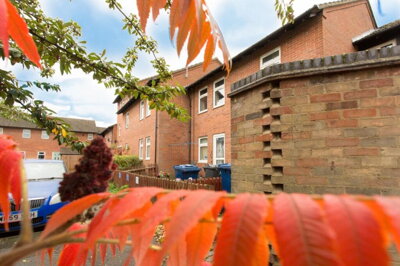
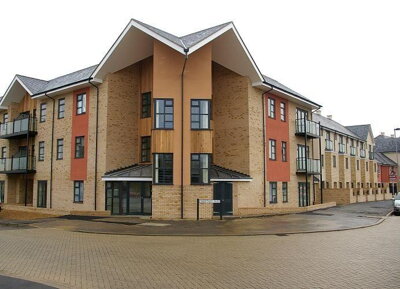
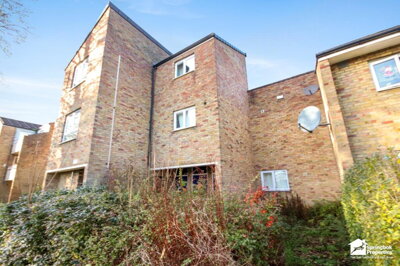
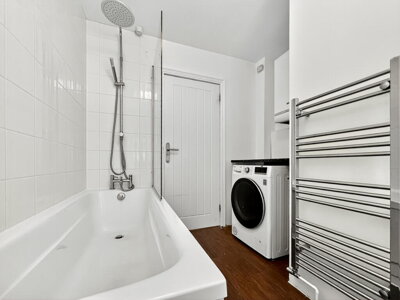
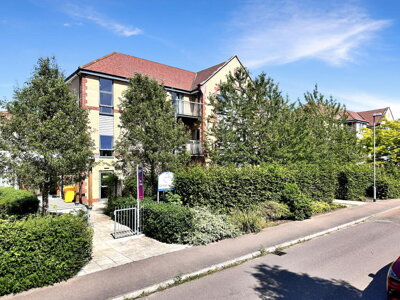
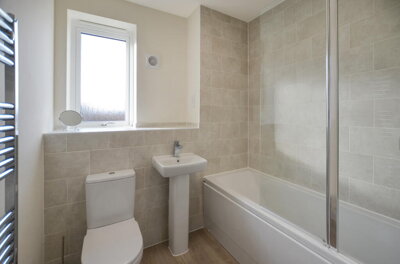
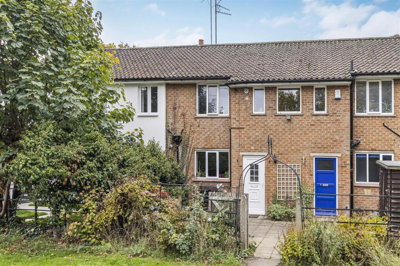
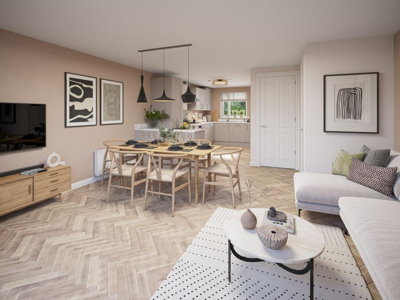
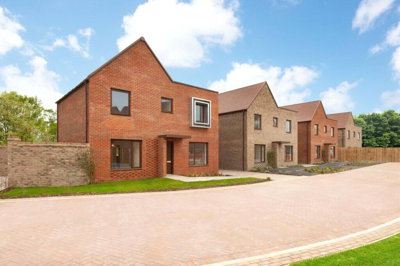
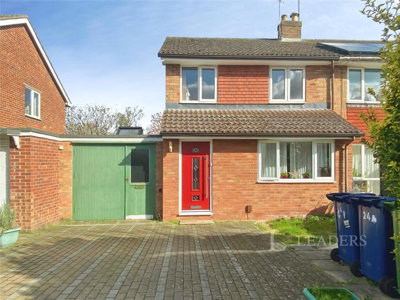
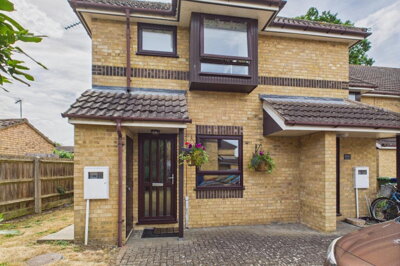
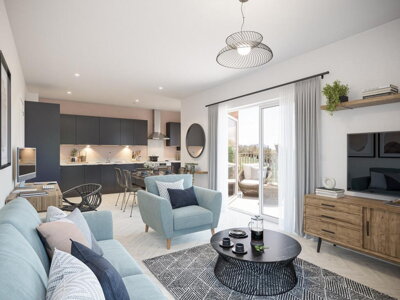
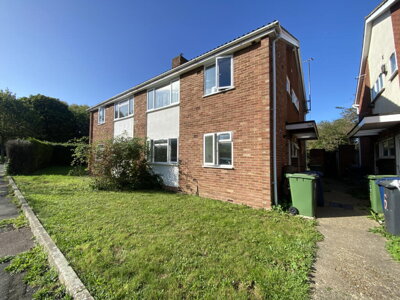
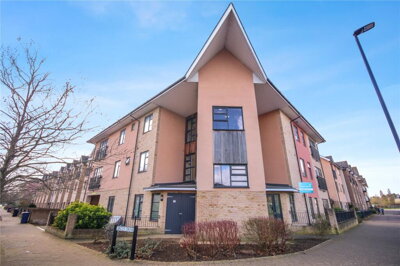
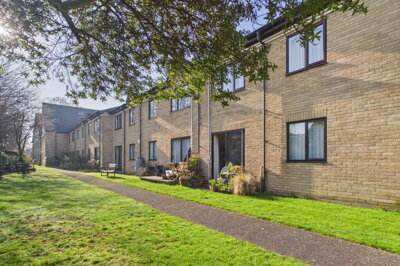
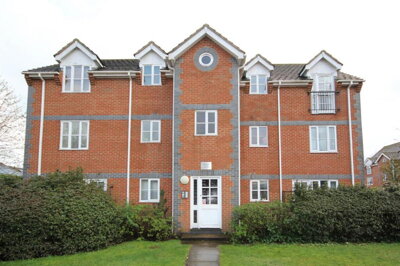
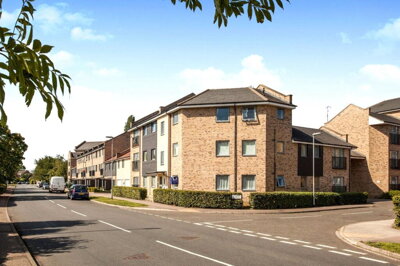
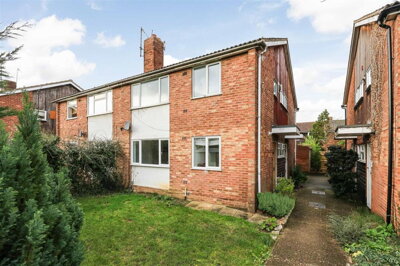
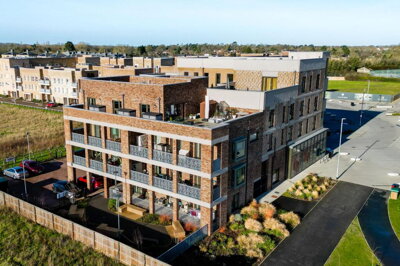
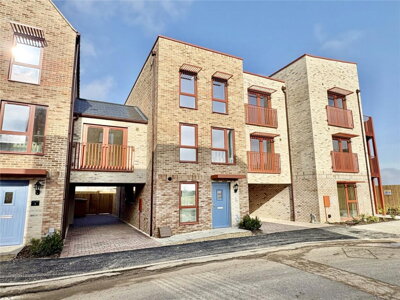
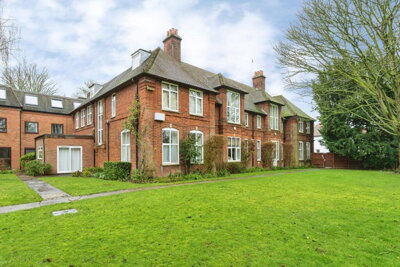
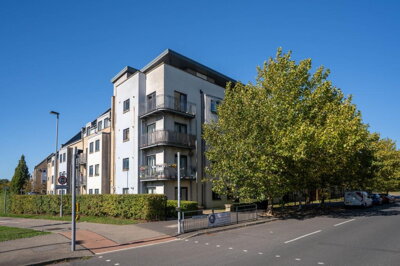
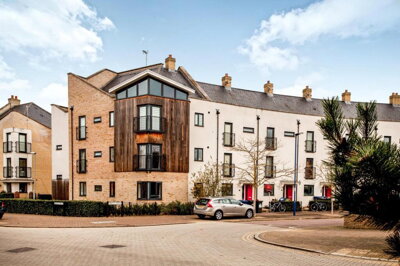
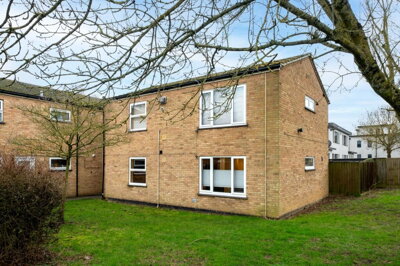
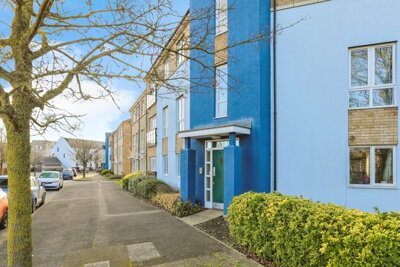
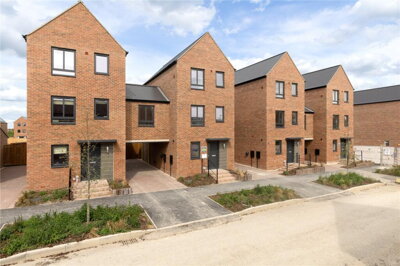
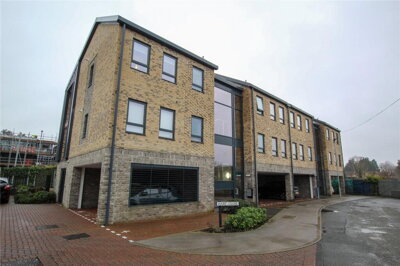
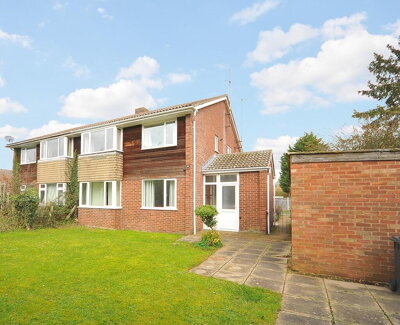
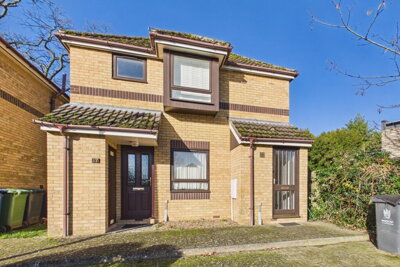
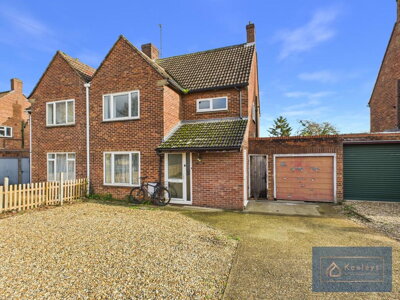
Browse 106 homes for sale in Orchard Park from local estate agents.
Studio apartments feature open-plan living spaces without separate bedrooms, incorporating sleeping, living, kitchen, and bathroom facilities. The Orchard Park studio market includes properties in modern apartment complexes, converted Victorian and Georgian buildings, and purpose-built developments.
The Malham property market operates within a framework of exceptional scarcity and high demand, characteristics that define residential transactions in this Yorkshire Dales village. With an average house price of £500,000 to £550,000, property values remain robust despite the limited number of annual sales, which reflects the village's desirability and its status within the protected National Park landscape. Detached properties command the highest prices, typically ranging from £550,000 to over £600,000, while semi-detached stone cottages generally fetch between £350,000 and £450,000.
Terraced properties in Malham are less prevalent but offer more accessible entry points to the local market, with prices ranging from £300,000 to £400,000 depending on condition and location within the village. Flats are exceptionally rare in Malham due to the predominantly rural and agricultural character of the housing stock, with most residential buildings being traditional cottages, farmhouses, and barn conversions. The broader Craven district has shown relative price stability over the past year, and while specific Malham transaction data is limited due to the village's small size, the overall market remains active among buyers seeking National Park living.
New build development in Malham is effectively non-existent, as the Yorkshire Dales National Park Authority maintains strict controls over new construction to preserve the landscape's natural character. Any new residential properties typically arise from barn conversions, sympathetic renovations, or the subdivision of existing traditional buildings, which themselves are subject to stringent planning requirements. This scarcity of new supply ensures that existing traditional properties, particularly those of historic character, maintain their value as unique opportunities in one of Yorkshire's most prestigious village locations.

Life in Malham revolves around the extraordinary natural landscape that surrounds the village on all sides, with limestone pavements, dramatic scars, and the iconic Malham Cove drawing visitors throughout the year. The village sits within a parish of approximately 198 residents, creating an intimate community atmosphere where neighbours know one another and local events bring the community together throughout the seasons. The village centre includes a traditional pub, a welcoming cafe, a village shop, and several bed and breakfast establishments that serve the steady flow of walkers and tourists who discover Malham's beauty.
The local economy is driven primarily by tourism and outdoor recreation, with numerous walking routes, cycling paths, and climbing opportunities attracting visitors from across the UK and beyond. Malham Tarn, one of England's highest inland bodies of water, lies a short distance from the village and offers excellent birdwatching and peaceful walks in a moorland setting. Agriculture continues to play a role in the local economy, with traditional dry stone walls, sheep farming, and countryside management maintaining the landscape that makes Malham so distinctive. The village's position within the Yorkshire Dales National Park means that any modifications to properties or land require careful consideration of the protected environment.
Community life in Malham benefits from an active village hall that hosts events, a thriving local newsletter, and the traditional social fabric that smaller rural communities maintain. The limestone architecture dominates the built environment, with traditional buildings constructed using local Malham Grit that has been quarried and used in the area for centuries, creating a visual coherence that is increasingly rare in modern England. Buildings of particular note include Malham Tarn House and St. Helen's Church, both Grade II listed, alongside numerous traditional farmhouses and cottages that contribute to the village's protected character. The pace of life in Malham reflects its rural setting, offering residents genuine tranquility while maintaining reasonable access to larger market towns for everyday necessities and services.

Families considering a move to Malham will find educational options available within reasonable travelling distance, though the village's small size means that primary education facilities are located in nearby villages and market towns. The nearest primary school is typically found in Grassington, approximately seven miles from Malham, which serves the wider Littondale and Wharfedale areas with a caring educational environment for younger children. Secondary education options include schools in Skipton, Settle, and the market town of Settle, each offering comprehensive curricula and sixth form provision for older students.
Parents should note that school transport arrangements are essential considerations when living in rural Malham, with dedicated school bus services operating to transport children to schools beyond the immediate village. Catchment area boundaries for both primary and secondary schools should be verified with North Yorkshire Council before purchasing property, as these boundaries can affect enrollment eligibility for specific schools. Several primary schools in the surrounding area have received positive Ofsted ratings, providing reassurance for families seeking quality education options within a reasonable commute.
For families requiring additional educational support or specialized services, the larger town of Skipton offers a broader range of educational choices, including independent schools and further education colleges. The remote nature of Malham means that school runs will inevitably involve countryside driving, and prospective residents should factor this into their daily routines when considering the practicalities of family life in the village. Many families are drawn to the educational benefits of rural living, including smaller class sizes at village schools and strong community connections between students, parents, and teachers.
Transport connections from Malham reflect its position as a small rural village within the Yorkshire Dales National Park, with private vehicle travel being the primary means of accessing the village and its surrounding amenities. The nearest railway station is located in Settle, approximately twelve miles from Malham, which provides connections on the Settle to Carlisle line, offering scenic journeys through the Ribblesdale valley. Skipton railway station, situated about fifteen miles away, provides more frequent services and direct connections to Leeds, Bradford, and the wider Northern Rail network, making it the most practical station for regular commuters.
Bus services operate in the Malham area, though the frequency is limited compared to urban routes, with services primarily oriented around school transport and market day connections to larger towns. The X84 bus route connects Malham with Skipton and Leeds, providing a valuable public transport option for those without private vehicles, though journey times are lengthy due to the rural road network. For daily commuting to major employment centres, most residents rely on private cars, with typical journey times to Leeds taking approximately one hour and fifteen minutes by car under normal traffic conditions.
Road access to Malham is via the B6480, which connects to the A65 and subsequently the M65 motorway network, providing reasonable connectivity to Lancaster, Preston, and the national motorway system beyond. The scenic nature of the routes surrounding Malham means that journeys can be slower than equivalent distances in flatter terrain, and winter weather conditions can affect accessibility during periods of snow or ice on higher ground. Cycling is popular in the Malham area, with experienced cyclists enjoying the challenging terrain, though the steep gradients and narrow rural lanes require careful consideration for those planning regular cycling commutes or recreational rides.
Begin by exploring current listings in Malham and understanding the Yorkshire Dales National Park planning requirements that affect all property transactions in the area. Our platform provides comprehensive access to available properties, while the National Park Authority website offers guidance on permitted development rights and restrictions.
Once you have identified properties of interest, contact the listing estate agents to arrange viewings at convenient times. Given the limited availability in Malham, be prepared to act quickly when suitable properties become available, and consider viewing multiple properties to understand the range of options and price points.
Before making offers, secure a mortgage agreement in principle from a qualified lender to demonstrate your financial standing to sellers. Given Malham's premium property values, ensure your borrowing capacity aligns with the local market, and consider consulting with a mortgage broker who understands National Park property valuations.
For older stone properties in Malham, we strongly recommend commissioning a RICS Level 2 Survey to assess the condition of traditional construction, identify any structural concerns, and evaluate the property's compliance with modern standards. Properties in Malham are predominantly pre-1919 construction, making professional surveys particularly valuable. Survey costs for properties in the Malham area typically range from £450 to £800 or more depending on property size and complexity.
Choose a conveyancing solicitor with experience in rural and National Park property transactions to handle the legal aspects of your purchase. They will conduct searches specific to the Yorkshire Dales area, verify planning permissions for any alterations, and ensure smooth transfer of ownership.
Once all surveys, searches, and legal work are satisfactory, your solicitor will coordinate the exchange of contracts and set a completion date that suits both parties. Completion funds are transferred, and you will receive the keys to your new Malham home.
Properties in Malham require careful inspection due to the village's age and the traditional construction methods that define the local housing stock, with the overwhelming majority of buildings dating from the 17th, 18th, and 19th centuries. The local limestone construction using Malham Grit, while durable and characterful, can present specific challenges including penetrating damp in exposed locations, potential issues with traditional lime mortar pointing, and the need for ongoing maintenance of solid stone walls. Prospective buyers should pay particular attention to roof conditions, as traditional slate and stone flag roofs on older properties often require periodic attention and can show signs of wear or degradation.
Flood risk assessment is essential for any property in Malham, particularly those located close to Malham Beck or in low-lying areas that may be susceptible to surface water flooding during periods of heavy rainfall. The village falls within the River Aire catchment area, and Environment Agency flood maps should be consulted, with any property having a history of flooding being carefully evaluated regarding flood defences, insurance implications, and any works that may have been undertaken to mitigate future risk. Properties in flood-prone areas may face higher insurance premiums, and this should be factored into the overall cost of purchasing and maintaining the property.
The conservation area designation and National Park status of Malham mean that planning restrictions significantly affect what owners can do with their properties, including restrictions on extensions, alterations, outbuildings, and even changes to windows or doors that might affect the village's character. Listed buildings in Malham require Listed Building Consent for any works that might affect their character or fabric, adding complexity to renovation projects but also protecting the architectural heritage that makes the village so attractive. Service charges and maintenance arrangements for shared facilities should be verified, as these can vary significantly between properties and affect ongoing costs.
Given that over 90% of properties in Malham are pre-1919 construction, a RICS Level 2 Survey is strongly recommended before purchase. These surveys are particularly valuable for identifying common issues in traditional stone properties, including damp, roof condition, structural movement, and outdated electrics. For larger or more complex historic properties, a RICS Level 3 Building Survey may be more appropriate.
Average house prices in Malham typically range from £500,000 to £550,000, though this reflects the broader BD23 postcode area and limited specific Malham transaction data due to the village's small size and low sales volumes. Detached properties command the highest prices, generally from £550,000 to over £600,000, while semi-detached stone cottages typically sell between £350,000 and £450,000. The premium nature of National Park property, combined with the village's exceptional location and restricted supply, ensures that Malham property values remain robust and competitive within the regional market.
Properties in Malham fall under North Yorkshire Council's jurisdiction for council tax purposes, with bands ranging from A to G depending on the property's assessed value. Due to the age and character of Malham's housing stock, many traditional stone properties fall into bands B through E, though individual assessments vary. Prospective buyers should verify the specific council tax band of any property they are considering, as this affects annual running costs and should be factored into budget planning alongside mortgage payments and other expenses.
The nearest primary schools to Malham are located in surrounding villages, with schools in Grassington approximately seven miles away serving younger children with good reputations for educational quality. Secondary education is available in Skipton and Settle, with several schools offering strong academic records and sixth form provision. Parents should verify current school admission arrangements with North Yorkshire Council, as catchment area boundaries and enrollment criteria can affect placements, and school transport arrangements require careful planning for families relocating to this rural village.
Public transport connections from Malham are limited but functional, with the X84 bus service providing connections to Skipton and Leeds, though journey times reflect the rural nature of the route. The nearest railway stations at Settle and Skipton provide access to regional rail networks, with Skipton offering more frequent services to Leeds and beyond. Most residents rely primarily on private vehicles for daily transport needs, and the village's rural position means that car ownership is practically essential for full participation in community life and access to services.
Malham offers strong investment potential due to the fundamental dynamics of restricted supply within a National Park and persistent demand from buyers seeking rural lifestyle properties in one of Yorkshire's most desirable locations. Property values have demonstrated resilience over time, and the scarcity of available listings suggests that prices are unlikely to soften significantly. However, prospective investors should consider that rental demand in Malham may be limited compared to urban areas, rental voids could be longer between tenants, and the high maintenance costs associated with older traditional properties should be factored into investment calculations.
Stamp Duty Land Tax applies to all property purchases in Malham at standard England rates, with the current thresholds being 0% on the first £250,000, 5% on £250,001 to £925,000, and 10% on £925,001 to £1.5 million. Given Malham's average property prices, most buyers will pay stamp duty in the 5% bracket on the portion of price above £250,000. First-time buyers may benefit from relief on purchases up to £625,000, with 5% applying between £425,001 and £625,000, though this relief does not extend above £625,000. Your solicitor will calculate the exact SDLT liability based on your circumstances and the purchase price.
Malham has a high concentration of listed buildings, with notable examples including Malham Tarn House and St. Helen's Church, both Grade II listed, alongside numerous traditional farmhouses and cottages that contribute to the village's protected character. The entire village falls within a Conservation Area and the Yorkshire Dales National Park, meaning strict planning controls preserve its historic architecture. Any works to listed buildings require Listed Building Consent from the National Park Authority, which can add complexity and time to renovation projects but protects the character that makes Malham so desirable.
Purchasing a property in Malham involves Stamp Duty Land Tax that reflects the property's purchase price, with rates designed to create a progressive taxation system across different price bands. For a typical Malham property priced at £500,000, a buyer who is not a first-time buyer would pay no SDLT on the first £250,000 and 5% on the remaining £250,000, resulting in a total SDLT liability of £12,500. First-time buyers purchasing at this price point would benefit from relief on the first £425,000, meaning they would only pay 5% on the £75,000 above the £425,000 threshold, resulting in SDLT of £3,750.
Beyond stamp duty, buyers should budget for solicitor conveyancing costs that typically range from £500 to £2,000 depending on the complexity of the transaction and the property's history. Searches specific to the Yorkshire Dales National Park area will be required, including drainage and water searches, local authority searches with North Yorkshire Council, and environmental searches to assess flood risk and ground conditions. Survey costs should also be factored in, with RICS Level 2 Surveys for traditional stone properties in Malham typically ranging from £450 to £800 or more depending on property size and complexity.
Ongoing costs after purchase include council tax, which will depend on the property's band under North Yorkshire Council's assessment, along with building and contents insurance that may carry higher premiums due to the property's age, location, or flood risk. Maintenance costs for traditional stone properties can be higher than modern homes, as building materials and specialist contractors may be required for repairs using appropriate traditional methods, particularly for listed buildings. Energy costs may also be elevated in older properties with solid walls and limited insulation, though improvements can be made subject to planning consent within the National Park.
Properties for Sale In London

Properties for Sale In Plymouth

Properties for Sale In Liverpool

Properties for Sale In Glasgow

Properties for Sale In Sheffield

Properties for Sale In Edinburgh

Properties for Sale In Coventry

Properties for Sale In Bradford

Properties for Sale In Manchester

Properties for Sale In Birmingham

Properties for Sale In Bristol

Properties for Sale In Oxford

Properties for Sale In Leicester

Properties for Sale In Newcastle

Properties for Sale In Leeds

Properties for Sale In Southampton

Properties for Sale In Cardiff

Properties for Sale In Nottingham

Properties for Sale In Norwich

Properties for Sale In Brighton

Properties for Sale In Derby

Properties for Sale In Portsmouth

Properties for Sale In Northampton

Properties for Sale In Milton Keynes

Properties for Sale In Bournemouth

Properties for Sale In Bolton

Properties for Sale In Swansea

Properties for Sale In Swindon

Properties for Sale In Peterborough

Properties for Sale In Wolverhampton

Enter your details to see if this property is within your budget.
Loans, cards, car finance
Estimated property budget
Borrowing + deposit
You could borrow between
Typical borrowing
Monthly repayment
Est. at 4.5%
Loan-to-value
This is an estimate only. Your actual budget may vary depending on interest rates, credit history, and personal circumstances. For an accurate affordability assessment, speak to one of our free mortgage advisors.
This calculator provides estimates for illustrative purposes only and does not constitute financial advice. Your home may be repossessed if you do not keep up repayments on your mortgage. Estimates based on 4.5% interest rate, repayment mortgage. Actual rates depend on your circumstances.
Homemove is a trading name of HM Haus Group Ltd (Company No. 13873779, registered in England & Wales). Homemove Mortgages Ltd (Company No. 15947693) is an Appointed Representative of TMG Direct Limited, trading as TMG Mortgage Network, which is authorised and regulated by the Financial Conduct Authority (FRN 786245). Homemove Mortgages Ltd is entered on the FCA Register as an Appointed Representative (FRN 1022429). You can check registrations at NewRegister or by calling 0800 111 6768.

We use cookies to show you personalised content and improve your experience of our website. Find out more in our Privacy policy and Cookie policy.