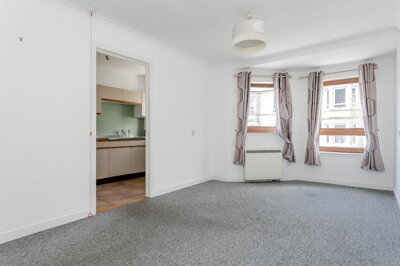
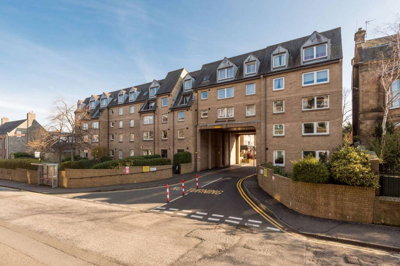
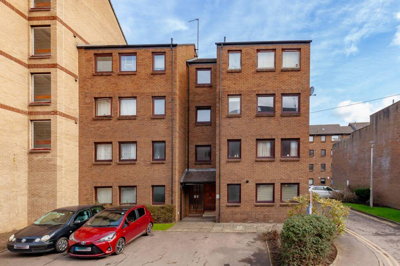
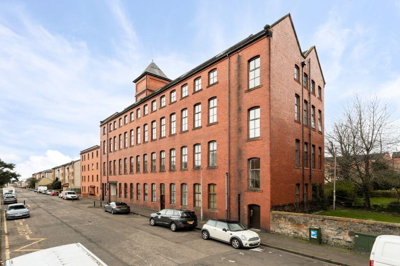
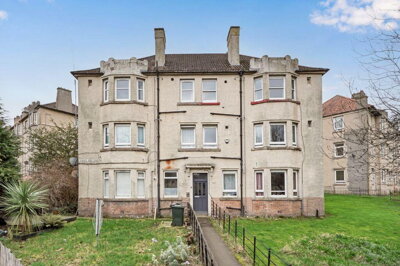
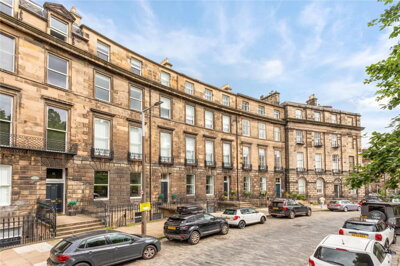
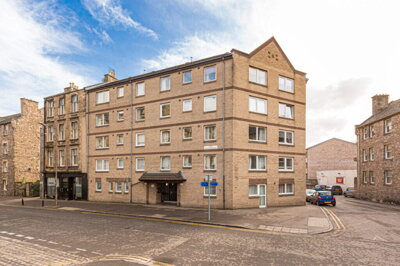
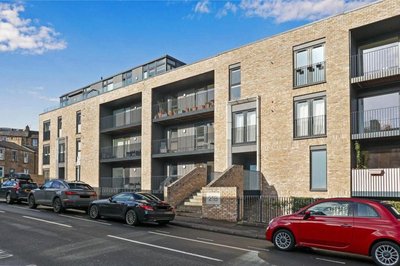
Browse 93 homes for sale in Old Town from local estate agents.
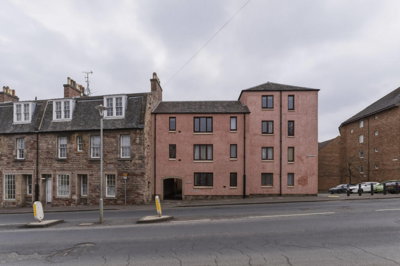
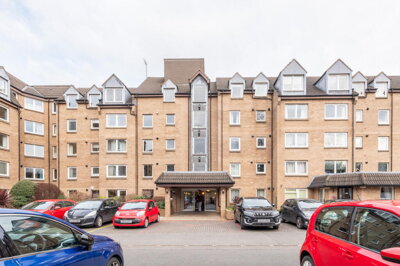
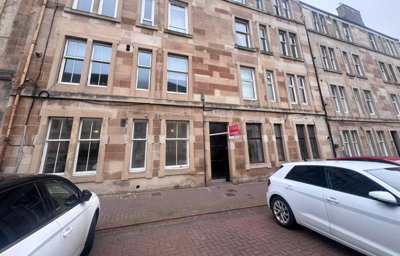
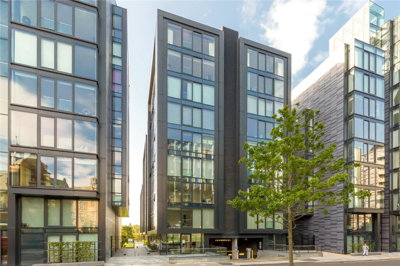
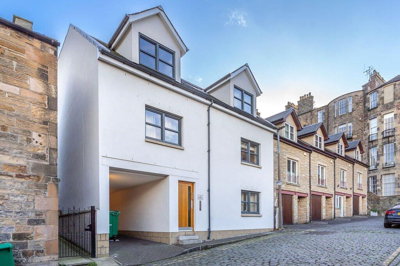
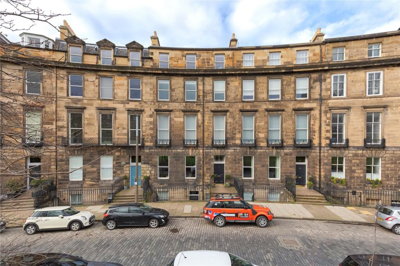
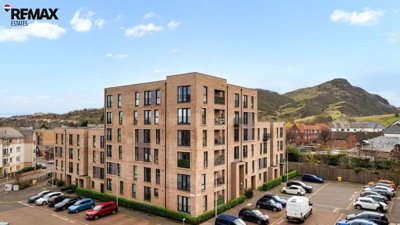
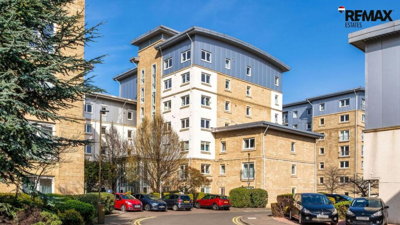
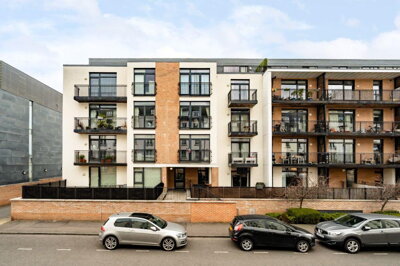
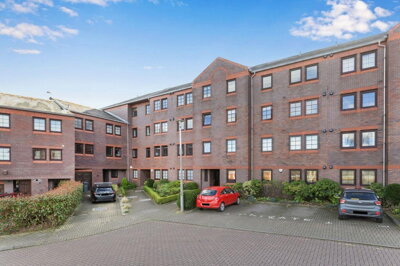
One bed apartments provide a separate bedroom alongside distinct living space, bathroom, and kitchen areas. Properties in Old Town are available in various building types including mansion blocks, contemporary developments, and house conversions.
The Old Town property market operates within Edinburgh's broader premium segment, with prices reflecting the neighbourhood's unique combination of historical significance and central convenience. Average property values in this area typically exceed the Edinburgh citywide average, with one-bedroom flats starting from around £200,000 for a smaller tenement flat in less prominent locations, rising to £400,000 or more for larger apartments with period features. Two-bedroom properties in converted historic buildings commonly range from £350,000 to £600,000 depending on condition, outlook, and available amenities. Detached houses in Old Town are exceptionally rare given the medieval street pattern and lack of traditional family housing stock, though mews properties and converted warehouses occasionally appear on the market at premium price points.
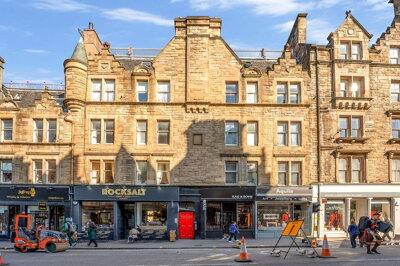
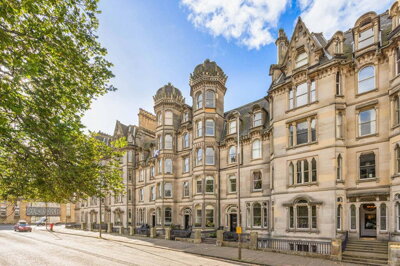
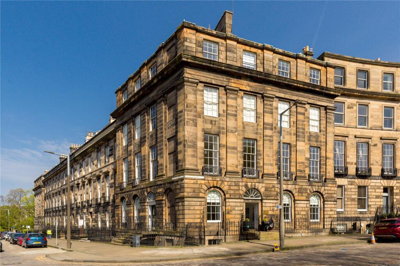
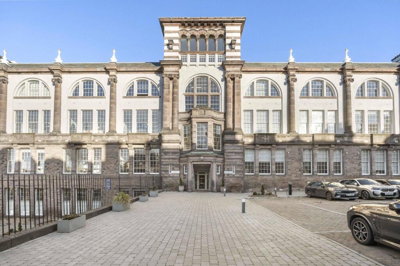
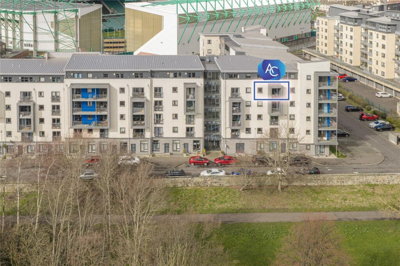
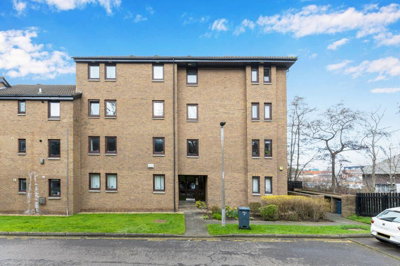
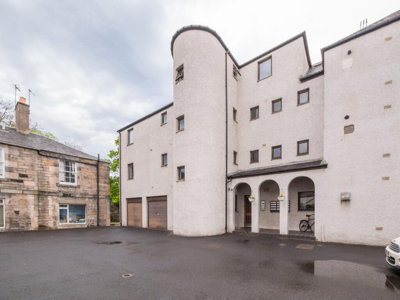
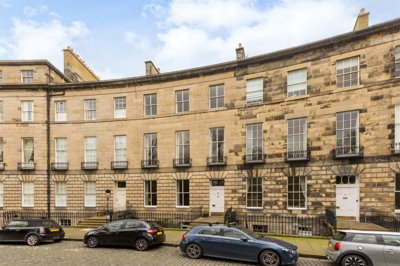
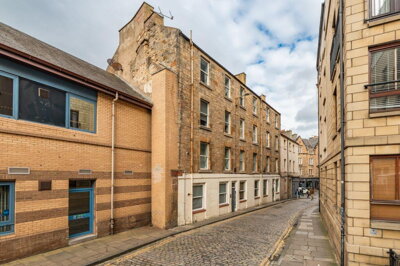
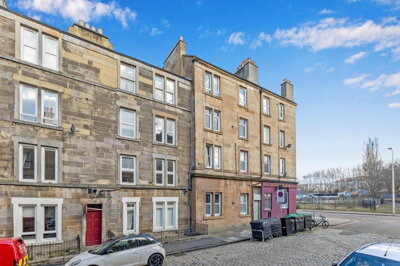
Property types in Old Town Edinburgh are dominated by tenement buildings, those classic grey-stone residential blocks that define Edinburgh's architectural character. These typically contain four to six floors of flats served by communal stairwells, with ground-floor apartments sometimes offering access to basement areas. Many properties retain original features such as cornicing, fireplaces, and timber floorboards, though comprehensive renovation may be needed for properties that have not been updated in decades. Conversion flats in historic buildings, former hotels, and commercial premises offer alternative configurations including open-plan layouts rarely found in traditional tenements. New build development is extremely limited within the UNESCO World Heritage Site boundary due to strict planning controls, meaning most transactions involve second-hand properties requiring varying degrees of modernisation.
The Edinburgh tenement culture shapes daily life in the Old Town, with shared responsibilities for stairwell maintenance, common insurance arrangements, and collective decision-making on major works projects. Our platform connects buyers with estate agents who understand these communal ownership structures and can explain the implications of factors such as factoring arrangements, stair lighting contracts, and historic maintenance funds. Properties within factoring arrangements typically pay monthly contributions ranging from £50-150 depending on the scope of common area management, and prospective buyers should request details of any outstanding works or planned major expenditure before committing to a purchase.

Edinburgh Old Town sits atop a volcanic ridge running from Edinburgh Castle west to Holyrood Palace east, creating the dramatic topography that has shaped the city for over a thousand years. The area is characterised by its medieval street pattern of closes, wynds, and courts that branch off the main thoroughfares, creating unexpected discoveries around every corner. This labyrinthine quality gives the neighbourhood its distinctive atmosphere, with residents navigating ancient alleyways that connect the grand public streets to quiet residential enclaves hidden from casual visitors. The underlying geology of the area, with its volcanic rock and Craiglockhart Puddingstone formations, has influenced everything from building foundations to the distinctive colour palette of local stone used in construction throughout the centuries.
The demographic composition of Old Town reflects its appeal to diverse residents. Student populations associated with the University of Edinburgh and Heriot-Watt University create a youthful energy, while professional couples, artists, and cultural workers are drawn by the creative atmosphere and proximity to major venues including the Festival Theatre, The Stand comedy club, and numerous galleries. The area transforms dramatically during August when the Edinburgh Festival Fringe takes over virtually every available space, filling the streets with performers and visitors from around the world. The surrounding New Town, a Georgian masterpiece and also UNESCO-listed, provides easy access to extensive shopping on Princes Street and the tranquil gardens of the West End, while Leith and Ocean Terminal lie within easy reach to the north. The population density is high compared to Edinburgh suburbs, supporting a remarkable concentration of independent shops, bars, and restaurants within walking distance.
The Old Town lifestyle offers exceptional walkability, with the city centre's main attractions, shopping districts, and entertainment venues all accessible within minutes from most residential addresses. Victoria Street, often cited as one of the most photographed streets in Edinburgh, hosts artisan shops and cafes in buildings that descend the hillside towards the Grassmarket area. The Grassmarket itself provides a focal point for evening entertainment, with numerous pubs and restaurants occupying historic buildings that once served as trading posts and merchant houses. Our platform allows you to explore the different micro-neighbourhoods within the Old Town, from the formal grandeur of the Royal Mile to the intimate character of the Cowgate and the literary associations of the Lawnmarket.

Families considering Old Town Edinburgh benefit from proximity to several well-regarded educational establishments across all levels. Primary education in the immediate area includes the Royal Mile Primary School, which serves families living between the Castle and Holyrood, offering a central location that minimises morning commute stress for both children and parents. Several other primaries in the broader Old Town catchment area, including Tollcross and Bruntsfield primaries, consistently achieve positive inspection reports from Education Scotland. For secondary education, James Gillespie's High School and Castlebrae Community High School serve different portions of the Old Town catchment, with James Gillespie's in particular maintaining a strong reputation for academic achievement and a broad curriculum.
The University of Edinburgh dominates the higher education landscape in this area, with its central campus extending across much of the southern Old Town from the Old College complex down to the Medical School on Lauriston Place. This presence brings significant cultural and economic benefits to the neighbourhood, with university facilities including museums, libraries, and sporting amenities available to local residents in various capacities. Private schooling options in Edinburgh include some of Scotland's most prestigious institutions such as Fettes College in the west of the city and Stewart's Melville College in the east, with school bus services making these accessible to Old Town families willing to invest in private education. Parents should verify current catchment boundaries with the City of Edinburgh Council before purchasing property, as school admissions policies can affect access to specific establishments.
The academic calendar significantly influences the Old Town property market, with rental demand peaking in September when students and university staff seek accommodation near campus facilities. Buy-to-let investors often target properties suitable for student rental, though Edinburgh City Council regulations on short-term lets and Houses in Multiple Occupation (HMO) licensing require careful navigation. Properties within HMO license areas may command premium rents but require compliance with specific safety and management standards. Our team can connect you with local letting agents who understand the regulatory landscape and can advise on properties best suited to different rental strategies.
Old Town Edinburgh enjoys exceptional connectivity despite its medieval street pattern, with comprehensive public transport options making car-free living entirely feasible for most residents. Edinburgh Waverley station, the city's main railway hub, sits at the eastern end of the Old Town with frequent services to Glasgow (around 50 minutes), London King's Cross (approximately 4.5 hours via East Coast Main Line), and destinations across Scotland including Aberdeen, Inverness, and Stirling. The station provides access to the wider rail network for commuting or leisure travel, with Edinburgh Airport accessible via the Edinburgh Tram line connecting the city centre to the terminal at Ingliston in around 35 minutes from the nearby St Andrew Square stop.
Local bus services throughout Old Town are operated by Lothian Buses, whose bright orange fleet provides extensive coverage across Edinburgh including night bus services for those enjoying the area's vibrant nightlife. The Edinburgh Tram extension through the city centre provides additional options for reaching areas west of the centre including the financial district at Haymarket and the business parks at Edinburgh Park. For cyclists, the hilly terrain presents both challenges and opportunities, though electric bikes have become increasingly popular as a practical solution. Walking scores in Old Town are exceptional, with virtually all amenities reachable on foot within minutes, and the extensive path network of Holyrood Park providing immediate access to outdoor recreation at the foot of Arthur's Seat, the iconic extinct volcano that forms the eastern boundary of the Old Town.
Parking in the Old Town presents practical challenges for residents, with most streets subject to permit parking schemes administered by the City of Edinburgh Council. Annual resident parking permits cost around £200-400 per year depending on the specific zone, and availability can be limited in popular areas. Properties with private parking, such as those in converted mews buildings or underground car parks associated with newer conversions, command significant premiums in the current market. For commuters working outside the city centre, the proximity of Edinburgh Waverley and Haymarket stations provides access to suburban train services and the M8 motorway connection to Glasgow and the west. Our platform includes information on parking availability and permit requirements for specific streets and closes.
Spend time exploring Old Town Edinburgh at different times of day and week to understand noise levels from tourism, festival activity, and nightlife. Visit estate agent offices in the area for market intelligence and speak to current residents about their experience of living in specific closes or streets. Consider attending local community meetings where residents discuss issues affecting the neighbourhood.
Obtain a mortgage Agreement in Principle before viewing properties, as competitive sales in Old Town often favour buyers with financing already arranged. Scottish mortgage lenders understand the heritage property market and can advise on lending criteria for tenement buildings and listed properties. Contact multiple lenders to compare rates, as specialty heritage properties may require specialist mortgage products.
Arrange viewings through our platform connecting you to local estate agents. Pay attention to the condition of communal stairwells, any ongoing maintenance issues, and whether the property has been recently updated. Consider scheduling a second viewing to assess afternoon light levels and street activity. Ask about upcoming common repairs and the state of the factoring arrangements.
Always obtain an RICS Level 2 Survey for older properties in Old Town, where common issues include damp, dated electrics, and the condition of traditional timber sash windows. Listed buildings may require a more comprehensive Level 3 Building Survey. Our survey partners offer competitive rates for Edinburgh properties and understand the specific challenges of heritage construction.
Scottish conveyancing involves a separate legal process from the rest of the UK. Your solicitor will handle searches, obtain the property report, and manage the transaction through the Keeper of the Records of Scotland. Conveyancing costs in Edinburgh typically range from £500-1500 depending on property value and complexity. Choose a solicitor experienced specifically in Edinburgh Old Town transactions.
Once your offer is accepted and all conditions are satisfied, your solicitor will handle the completion process. As Scotland operates on a nonlinear offers system rather than sealed bids, negotiation can continue throughout the process, often resulting in more transparent pricing than other UK markets. Factor in the LBTT tax liability and register your ownership with Registers of Scotland after settlement.
Purchasing property in Old Town Edinburgh requires awareness of several area-specific factors that rarely apply elsewhere in the UK. Conservation area status applies throughout virtually all of the Old Town, imposing restrictions on external alterations, window replacements, and exterior painting that homeowners must respect. Listed building consent from Historic Environment Scotland may be required for changes to properties with Category A, B, or C listings, adding complexity and potential costs to any renovation project. Before purchasing, verify the listing status of any property and factor the associated responsibilities into your decision. The City of Edinburgh Council planning portal provides accessible information on heritage designations and any enforcement actions affecting specific addresses.
Tenement maintenance presents unique considerations in Old Town, where communal stairwells and roof spaces are shared between multiple flats. Factor service charges and any upcoming major works into your budget, as historic buildings often require significant investment in stone repair, roof replacement, or communal heating systems. Properties with private entrances or direct access may offer advantages in terms of privacy and noise separation from neighbours. Flood risk in Old Town is generally low due to the elevated ridge position, though some lower-lying areas near the Cowgate should be verified. Ground conditions vary across the volcanic geology, and properties on steep slopes may require specialist foundations. Our platform provides access to detailed property information to help you make informed decisions about these local factors.
Energy efficiency represents a significant consideration for Old Town properties, many of which were constructed before modern insulation standards. Victorian and Georgian tenements commonly feature single-glazed sash windows, solid walls without cavity insulation, and shared heating systems that can result in high energy costs. The Scottish Government has introduced various schemes to support energy efficiency improvements in historic properties, though specialist advice is often needed to balance heritage preservation with thermal performance. Properties that have undergone sympathetic upgrading may command premiums but offer lower ongoing costs and improved comfort levels throughout the year.
Average property prices in Old Town Edinburgh typically exceed the Edinburgh citywide average due to the area's prestige and limited supply. One-bedroom flats start from around £200,000, with two-bedroom tenement flats commonly ranging from £350,000 to £600,000 depending on condition and location. Prices have shown consistent growth over recent years, supported by strong demand from buyers seeking the Old Town lifestyle. Contact local estate agents for current listings matching your budget and requirements.
Council tax in the City of Edinburgh is managed by the local authority and bands range from A through H based on property valuation. Historic properties in Old Town can fall across various bands depending on their assessed value, with many tenement flats in Band C through E. The City of Edinburgh Council website provides a searchable database where you can verify the council tax band for any specific property address before making an offer. Properties in Band E typically pay around £1,500-2,000 annually, though exact amounts depend on the property's location within the council area.
Primary schools serving Old Town include Royal Mile Primary School within the immediate area, with James Gillespie's High School providing secondary education for most of the catchment. Education Scotland inspection reports are available online for all maintained schools, helping parents assess quality. Private schooling options in Edinburgh include Fettes College and Stewart's Melville College, both accessible by school transport from the Old Town area. The University of Edinburgh's central campus means higher education options are literally on the doorstep for older children.
Old Town Edinburgh offers excellent public transport connectivity with Edinburgh Waverley station at its eastern edge providing national rail services to Glasgow, London, and destinations across Scotland. Lothian Buses operate extensive routes throughout the area, while Edinburgh Trams run along nearby Princes Street connecting to the airport and western suburbs. The compact, walkable nature of the neighbourhood means most residents find private vehicles unnecessary for daily travel within the city, though parking permits are available for those who wish to keep cars.
Old Town Edinburgh demonstrates strong fundamentals for property investment, with the UNESCO World Heritage status ensuring ongoing demand from buyers and tenants who value the unique character and central location. Limited new build supply within the protected area supports price stability, while the steady stream of professionals, students, and short-term visitors creates consistent rental demand. Properties suitable for holiday letting may require licensing under Edinburgh City Council regulations, which have tightened in recent years. The annual Festival period typically commands premium rental rates, making the Old Town particularly attractive for short-term let investments.
Scotland operates Land and Buildings Transaction Tax (LBTT) rather than UK Stamp Duty. Rates start at 0% on the first £145,000 of purchase price, rising to 2% on the portion from £145,001 to £250,000, 5% from £250,001 to £325,000, 10% from £325,001 to £750,000, and 12% on amounts exceeding £750,000. First-time buyers in Scotland receive additional relief on the portion up to £175,000. Your solicitor will calculate the precise liability and deduct it from your mortgage funds at settlement.
While there are no restrictions on who can purchase property in the Old Town based on nationality or residency status, all buyers must comply with standard Scottish conveyancing requirements and pay the applicable LBTT. The UNESCO World Heritage Site status affects what owners can do with their properties externally, requiring planning permission or listed building consent for various alterations. Our team can connect you with heritage specialists who understand the consent requirements for different types of work on historic properties.
When viewing tenement flats, examine the condition of the communal stairwell, the age and condition of the boiler and heating system, the state of the roof and any skylights, and evidence of damp or condensation on external walls. Check whether the property has double or single glazing, as window replacement in listed buildings requires consent. Enquire about any upcoming major works voted on by the owners, outstanding service charges, and the reputation of the factoring company if one is appointed. Our survey partners can identify these issues during a professional inspection.
From 4.5%
Expert mortgage advice for Old Town properties including heritage buildings
From £499
Scottish conveyancing specialists familiar with Old Town transactions
From £450
Professional survey for Edinburgh tenements and period properties
From £80
Energy performance certificate for Old Town properties
Understanding the full cost of purchasing property in Old Town Edinburgh requires budgeting beyond the purchase price itself. The primary tax consideration is Scotland's Land and Buildings Transaction Tax (LBTT), which uses a progressive banding system rather than the simple percentage rates applied in the rest of the UK. For a typical £400,000 flat in Old Town, LBTT would be calculated as £0 on the first £145,000, £2,100 on the £105,000 between £145,001 and £250,000, and £7,500 on the remaining £150,000 between £250,001 and £400,000, totaling £9,600. First-time buyers receive relief reducing this liability, while higher-value properties attract additional bands reaching 12% on amounts above £750,000. Your solicitor will provide a precise calculation based on your specific purchase price and circumstances.
Additional purchase costs include solicitor fees typically ranging from £800 to £2,000 depending on property value and complexity of the transaction. Survey costs for an RICS Level 2 HomeBuyer Report range from £450 to £800 for properties in Edinburgh, with larger or listed properties at the higher end. Lenders arrangement fees may apply if choosing a product with such charges, though many borrowers opt to add these to their mortgage rather than pay upfront. Factor in around £300-500 for searches, Land Register fees, and miscellaneous costs associated with Scottish conveyancing. The total buying costs for a £400,000 property typically amount to £15,000-20,000 including deposit, taxes, and professional fees. Obtaining quotes from multiple solicitors and surveyors ensures competitive pricing for your Old Town purchase.
When calculating your mortgage requirements, remember that most lenders will lend a maximum of 4-4.5 times your annual income, though specialist heritage mortgage products may have different criteria for listed properties. Deposit requirements typically start at 5% for first-time buyers with strong credit profiles, rising to 15-25% for buy-to-let investments or properties with unusual characteristics. Our mortgage partners understand the Edinburgh property market and can advise on products suitable for tenement flats, conversion properties, and buildings with historic designations.
Properties for Sale In London

Properties for Sale In Plymouth

Properties for Sale In Liverpool

Properties for Sale In Glasgow

Properties for Sale In Sheffield

Properties for Sale In Edinburgh

Properties for Sale In Coventry

Properties for Sale In Bradford

Properties for Sale In Manchester

Properties for Sale In Birmingham

Properties for Sale In Bristol

Properties for Sale In Oxford

Properties for Sale In Leicester

Properties for Sale In Newcastle

Properties for Sale In Leeds

Properties for Sale In Southampton

Properties for Sale In Cardiff

Properties for Sale In Nottingham

Properties for Sale In Norwich

Properties for Sale In Brighton

Properties for Sale In Derby

Properties for Sale In Portsmouth

Properties for Sale In Northampton

Properties for Sale In Milton Keynes

Properties for Sale In Bournemouth

Properties for Sale In Bolton

Properties for Sale In Swansea

Properties for Sale In Swindon

Properties for Sale In Peterborough

Properties for Sale In Wolverhampton

Enter your details to see if this property is within your budget.
Loans, cards, car finance
Estimated property budget
Borrowing + deposit
You could borrow between
Typical borrowing
Monthly repayment
Est. at 4.5%
Loan-to-value
This is an estimate only. Your actual budget may vary depending on interest rates, credit history, and personal circumstances. For an accurate affordability assessment, speak to one of our free mortgage advisors.
This calculator provides estimates for illustrative purposes only and does not constitute financial advice. Your home may be repossessed if you do not keep up repayments on your mortgage. Estimates based on 4.5% interest rate, repayment mortgage. Actual rates depend on your circumstances.
Homemove is a trading name of HM Haus Group Ltd (Company No. 13873779, registered in England & Wales). Homemove Mortgages Ltd (Company No. 15947693) is an Appointed Representative of TMG Direct Limited, trading as TMG Mortgage Network, which is authorised and regulated by the Financial Conduct Authority (FRN 786245). Homemove Mortgages Ltd is entered on the FCA Register as an Appointed Representative (FRN 1022429). You can check registrations at NewRegister or by calling 0800 111 6768.

We use cookies to show you personalised content and improve your experience of our website. Find out more in our Privacy policy and Cookie policy.