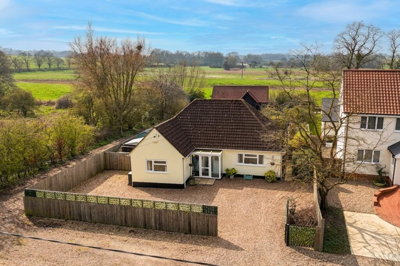
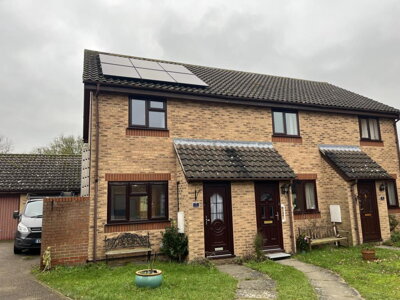
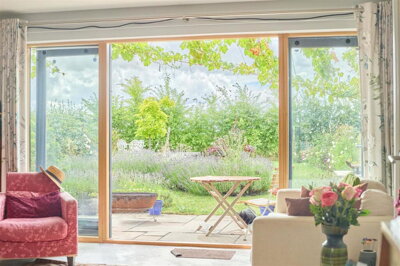
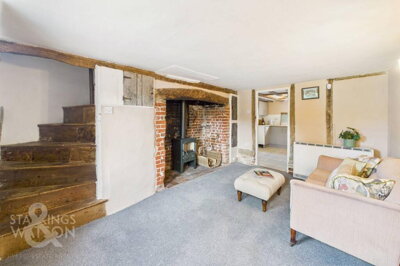
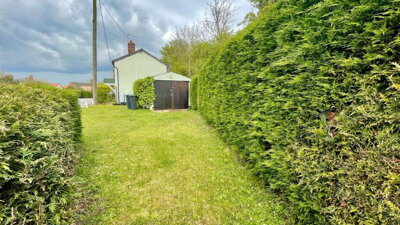
Browse 6 homes for sale in Occold, Mid Suffolk from local estate agents.
The 2 bed house market features detached, semi-detached, and terraced properties with two separate bedrooms plus living spaces. Properties in Occold range from Victorian and Edwardian period homes to modern new builds, with pricing varying across different neighbourhoods.
£190k
3
0
132
Source: home.co.uk
Showing 3 results for 2 Bedroom Houses for sale in Occold, Mid Suffolk. The median asking price is £190,000.
Source: home.co.uk
Terraced
3 listings
Avg £203,333
Source: home.co.uk
Source: home.co.uk
The Occold property market reflects the broader trends of rural Suffolk, with the village recording an average sold price of £294,667 over the past twelve months. Prices have shown a modest adjustment of 0.5% downward over the last year, suggesting a market that remains stable despite wider economic pressures. Detached properties in the surrounding East Suffolk district average around £412,000, while semi-detached homes typically command prices in the £271,000 range, providing useful benchmarks for understanding value in this village setting where comparable sales data may be more limited due to low transaction volumes.
Property types in Occold predominantly feature traditional detached and semi-detached homes built using Suffolk's characteristic methods of timber-framing with plaster or render finishes. The village hosts several distinctive properties including Three Bottles, an early C17 Grade II listed house featuring the original timber-framed construction and charming thatched roof that defines the local vernacular. Church Farmhouse, The Beeches, and Occold Hall represent additional examples of the period architecture that characterises this village, each contributing to the heritage-rich streetscape that makes Occold so appealing to buyers seeking authentic Suffolk character.
For buyers seeking modern accommodation, a rare new development at Elm Tree Farm offers three barn-style homes set within approximately 5 acres of private grounds, featuring vaulted ceilings and landscaped gardens with field views. Such new build opportunities are uncommon in villages of this size, making them particularly attractive to buyers wanting contemporary comfort within a traditional setting. In the wider East Suffolk market, terraced properties average £210,000 and flats around £145,000, though these property types are less prevalent within Occold itself where detached and semi-detached houses dominate the housing stock.

With a population of approximately 519 residents according to 2024 estimates, Occold embodies the intimate scale of a traditional Suffolk village where community ties run deep. The population has remained relatively stable over the past decade, indicating that those who settle here tend to remain, creating a settled community atmosphere that appeals to families and retirees alike. Local amenities include the primary school, the Beaconsfield Arms village pub where neighbours gather, and several historic churches serving the community. The village maintains a largely residential character, with residents drawn to the area for its peaceful environment, scenic countryside walks, and strong sense of local identity.
The surrounding landscape consists of the gentle, flat terrain typical of mid-Suffolk, with agricultural fields stretching to the horizon and the occasional watercourse cutting through the low-lying ground. Occold's local geology features soils susceptible to high run-off, which contributes to drainage challenges that buyers should understand when evaluating properties. The flat nature of the terrain, while contributing to the scenic character of the area, creates particular drainage challenges as water run-off from fields accumulates in low-lying areas with limited natural drainage. The village's elevation profile means that considerable overland flowpaths converge in basin-like low points during periods of heavy rainfall.
Church Street, Mill Road, The Street, and The Causeway have been identified as areas with elevated surface water flood risk where the chance of flooding ranges from medium to high during intense rainfall events. The village was notably affected during Storm Babet in October 2023 when approximately six properties suffered internal flooding, highlighting the real impact of pluvial flooding in this area. While the Environment Agency rates river flood risk as low for Occold since the village is not situated on a flood plain, the susceptibility to surface water flooding from heavy and persistent rain remains a significant consideration for prospective buyers when assessing different properties and their drainage history.

Education provision in Occold centres on Occold Primary School, which serves the immediate village and surrounding rural catchment area. The school provides Key Stage 1 and Key Stage 2 education for families considering relocation to the area, with younger children able to walk or cycle to school from properties throughout the village. The presence of a village primary school remains a significant factor for families, and properties within the school catchment area often maintain strong appeal among buyers with children. Parents should verify current catchment boundaries with the school directly, as these can be subject to change based on intake numbers and catchment configurations.
For secondary education, pupils typically travel to nearby towns, with several options within reasonable daily commuting distance by school transport or car. Schools in Debenham, Eye, and Diss serve the broader catchment area, with many pupils progressing to sixth form colleges in larger settlements for their post-16 education. The nearest secondary schools include St Peter's School in Harleston and Stradbroke Business and Enterprise College, both serving pupils from the surrounding villages. Parents researching school performance should consult current Ofsted reports and recent exam results to inform their property search, as school quality significantly influences property values in specific catchment areas.
Beyond state education, the wider Mid Suffolk area offers various options including faith schools and independent schools for families seeking alternative educational paths. The rural location means that school transport arrangements and journey times form an important consideration for families budgeting their daily schedules. Many families factor in the availability and reliability of school bus services when choosing properties, particularly those requiring dual-income household logistics. Properties with good access to main road routes heading toward nearby towns can offer practical advantages for families managing school runs alongside work commitments.
Transport connectivity from Occold relies primarily on road networks, with the village situated approximately 8 miles from Diss where the nearest railway station provides access to the national rail network. Diss station offers regular services to Norwich with connections to London Liverpool Street achievable in approximately two hours, making Occold viable for commuters who can accommodate regional journey times. The A140 provides the main north-south route through the area, connecting to Norwich and Ipswich, while minor roads serve local destinations throughout mid-Suffolk. Driving remains the dominant transport mode for most residents, with nearest major road links accessed via the surrounding town road networks.
Bus services connecting Occold to nearby towns operate on limited timetables typical of rural Suffolk, providing essential access for those without private vehicles, particularly school children and retired residents. The nearest bus stops are within the village itself, with services connecting to Eye, Diss, and surrounding villages on routes that may operate two or three times weekly rather than daily. This limited public transport provision makes private vehicle ownership effectively essential for most residents, and properties with off-street parking, garages, or driveways represent practical advantages in this village context.
Cycle routes in the area consist mainly of quieter country lanes suitable for confident cyclists, though the flat terrain does make cycling viable for shorter journeys when weather permits. The landscape offers pleasant cycling opportunities along minor roads with relatively low traffic volumes, though cyclists should be prepared for the lack of dedicated cycle lanes on country routes. For international travel, Norwich Airport offers domestic and European flights, while London Stansted provides broader international connections within approximately 90 minutes drive of the village. Cambridge Airport is also accessible within similar timeframe for additional flight options.
Begin by exploring the Occold property market on Homemove, understanding price ranges and what your budget buys in this rural Suffolk village. Factor in costs like Stamp Duty, solicitor fees, and survey costs when setting your maximum offer. Given Occold's susceptibility to surface water flooding, factor in potential insurance costs and any flood resilience measures you may wish to install. Getting a mortgage agreement in principle before viewing properties strengthens your position when making offers.
Contact local estate agents to arrange viewings of properties that match your criteria. Take time to explore the village during different times of day, checking the areas of surface water flood risk around Church Street and Mill Road. Consider how the limited local amenities compare with your daily requirements and factor in journey times to nearby towns for shopping and services. Visit the village at weekends and weekday evenings to gauge the atmosphere and community spirit.
Commission a RICS Level 2 survey for any property you plan to purchase, particularly given the age of many Occold properties and their timber-framed construction. A Level 3 survey may be advisable for listed buildings such as Three Bottles, Church Farmhouse, or other period properties due to their specialist construction and potential maintenance requirements. Survey costs typically range from £400 to £600 depending on property value and size, with more complex or larger properties costing toward the upper end of this range.
Choose a conveyancing solicitor experienced in Suffolk rural property transactions to handle the legal work. They will conduct local searches checking planning history, environmental risks including surface water flood susceptibility, and any rights of way affecting the property. Special attention should be paid to listed building status for properties like those along The Street where many period homes carry heritage designations. Budget approximately £500 to £1,500 for conveyancing costs depending on transaction complexity.
Once your mortgage offer is confirmed and searches returned satisfactory results, you will exchange contracts and pay your deposit. Completion typically follows within two to four weeks, after which you will receive your keys and can move into your new Occold home. Arrange buildings insurance from exchange of contracts, as lenders require proof of insurance before completing, and this is particularly important for older properties with period features that may require specialist cover.
Properties in Occold require careful inspection given the village's specific environmental characteristics and housing stock profile. The significant risk of surface water flooding warrants particular attention during property surveys, with buyers advised to check how previous owners have addressed drainage concerns and whether any flood resilience measures have been installed. Properties along Church Street, Mill Road, The Street, and The Causeway fall within identified surface water flood risk zones where additional due diligence regarding drainage history and insurance implications becomes essential. Understanding the difference between river flood risk, which the Environment Agency rates as low for Occold, and the more prevalent pluvial flooding from heavy rainfall will help you assess properties accurately.
The prevalence of listed buildings in Occold means many properties carry specific considerations regarding permitted development rights and maintenance obligations. Grade II listed properties require Listed Building Consent for alterations affecting their character, and buyers should factor in potentially higher maintenance costs for period features and traditional construction. Timber-framed properties, while charming, may harbour concealed issues relating to timber condition and previous damp treatment, making professional surveys particularly valuable. Common issues in older properties include damp penetration, roof condition deterioration, outdated electrical systems, and the potential for timber decay in structural members that may not be visible without specialist inspection.
Properties with thatched roofs require specialist insurance and maintenance knowledge, with costs typically higher than standard pitched roof coverings. The clay-rich geology of the area, which contributes to the high surface water run-off, can also present shrink-swell risks for foundations in some locations, though this is not considered a widespread issue in Occold. Freehold versus leasehold status should be confirmed for any property, though leasehold is less common in this village setting where most homes are likely to be freehold. Off-street parking provision and property exposure to identified flood risk areas should feature prominently in your property evaluation, as these factors significantly influence long-term value and livability in this specific village context.
The average price paid for properties in Occold stands at £324,000 as of January 2026, according to recent sold price data. Over the past twelve months, the average sold price was approximately £294,667, with prices showing a modest 0.5% decrease. Detached properties in the wider East Suffolk district average around £412,000, providing context for the village market where larger detached homes command prices toward the upper end of local values. Buyers should note that low transaction volumes in small villages can cause average prices to fluctuate meaningfully between periods, so it is worth examining individual comparable sales when assessing specific properties.
Properties in Occold fall under Mid Suffolk District Council for council tax purposes. Banding depends on the property valuation as of April 1991, with bands ranging from A through H. Most traditional cottages and smaller properties typically fall into bands A to C, while larger detached homes and period farmhouses such as Church Farmhouse or Occold Hall may occupy bands D through F. Prospective buyers should check the specific band with the estate agent or during conveyancing, as council tax costs form part of the ongoing cost of homeownership in the village and can vary significantly between bands.
The main educational establishment within the village is Occold Primary School, serving Key Stage 1 and Key Stage 2 pupils from the local catchment area. For secondary education, pupils typically travel to schools in nearby towns including options in Eye, Diss, and Debenham, with catchment areas and admission criteria varying by institution. Schools serving the broader Occold catchment include Stradbroke Business and Enterprise College and St Peter's School in Harleston, with many pupils progressing to sixth form colleges in larger settlements for their post-16 education.
Public transport options from Occold are limited, reflecting the rural nature of the village and Suffolk more broadly. The nearest railway station at Diss, approximately 8 miles away, provides access to Norwich and onward connections to London Liverpool Street in around two hours. Bus services operate on reduced timetables typical of rural villages, with services to Eye and Diss running several times weekly rather than daily. Most residents rely on private vehicles as their primary transport, making off-street parking and garage provision valuable property features when evaluating homes.
Property investment in Occold should be considered within the context of a small rural village where transaction volumes are naturally low and capital growth tends to track broader Suffolk rural markets rather than outperforming. The village benefits from stable population figures suggesting sustained demand for housing, while the limited supply of properties coming to market can support values when demand is present. Properties in lower surface water flood risk areas and those with good off-road parking will likely retain stronger appeal and resale value compared to more vulnerable alternatives. The heritage-rich character of the village, with its 17 listed buildings and historic architecture, provides a degree of inherent value for period properties in good condition.
Stamp Duty Land Tax on a £324,000 average property in Occold costs £1,620 for standard buyers, calculated on the portion between £250,000 and £324,000 at 5%. First-time buyers purchasing residential property up to £625,000 benefit from increased thresholds, paying no SDLT on the first £425,000 and 5% only on the portion between £425,001 and £625,000, meaning properties at or below £425,000 could qualify for full first-time buyer relief. Properties priced above £925,000 incur higher rates, with the percentage rising to 10% on the portion between £925,001 and £1.5 million. Always verify your personal circumstances with a financial adviser, as relief provisions and thresholds change.
When viewing properties in identified surface water flood risk zones around Church Street, Mill Road, The Street, and The Causeway, look for evidence of previous flood damage such as water marks on walls, warped floorboards, or recently replaced skirting boards. Ask vendors about their experience during Storm Babet in October 2023 when approximately six properties suffered internal flooding. Check whether flood resilience measures such as raised electric sockets, non-return valves in drainage, or pump systems have been installed. Properties with solid brick construction rather than timber framing may offer better long-term durability in flood-prone locations.
Occold has 17 listed buildings, representing a significant proportion of the village's property stock and indicating strict heritage controls on many properties. Structures include St Michael's Church (Grade II*), Three Bottles, Church Farmhouse, The Beeches, Occold Hall, Gosling Hall, Park Lodge, and the Occold War Memorial (all Grade II listed). The historic moated site northeast of Occold Hall is a Scheduled Monument. Any works to these properties that affect their character or structure require Listed Building Consent from Mid Suffolk District Council, which can extend timelines and add costs to renovation projects. Buyers should factor this into their plans when considering period properties in the village.
From 4.5% APR
Finding the right mortgage for your Occold property purchase
From £499
Expert legal services for your property transaction
From £350
Comprehensive survey for standard properties
From £600
Detailed survey for older or complex properties
Understanding the full cost of purchasing property in Occold extends beyond the advertised asking price to encompass Stamp Duty, legal fees, survey costs, and moving expenses. For a typical property priced at the village average of £324,000, a standard buyer would pay Stamp Duty Land Tax of £1,620, calculated on the portion between the nil rate threshold of £250,000 and the purchase price. First-time buyers purchasing residential property up to £625,000 benefit from increased thresholds, paying no SDLT on the first £425,000 and 5% only on the portion between £425,001 and £625,000, meaning properties at or below £425,000 could qualify for full first-time buyer relief.
Beyond Stamp Duty, buyers should budget for solicitor conveyancing costs typically ranging from £500 to £1,500 depending on transaction complexity and whether the property is freehold or leasehold. Local searches conducted by your solicitor will include drainage and water authority checks, environmental searches covering flood risk and land contamination, and planning searches examining nearby permissions. Given the prevalence of listed buildings and heritage properties in Occold, additional searches may be required to verify any planning conditions or conservation area restrictions affecting the property. Survey costs vary according to property type and value, with RICS Level 2 surveys typically ranging between £416 and £639 nationally, rising for larger or more complex period properties.
Given that many Occold properties are older with timber-framed construction and period features, a thorough survey provides valuable protection against hidden defects that can prove costly to remedy. Properties with thatched roofs may require specialist surveys from contractors experienced in traditional building methods, while listed buildings benefit from the more comprehensive RICS Level 3 survey that examines construction and condition in greater detail. Removal costs, mortgage arrangement fees, and buildings insurance should also be factored into your complete moving budget, with specialist insurance potentially required for period or thatched properties. Buildings insurance must be arranged from exchange of contracts, as mortgage lenders require proof of insurance before completing on any property purchase.
Properties for Sale In London

Properties for Sale In Plymouth

Properties for Sale In Liverpool

Properties for Sale In Glasgow

Properties for Sale In Sheffield

Properties for Sale In Edinburgh

Properties for Sale In Coventry

Properties for Sale In Bradford

Properties for Sale In Manchester

Properties for Sale In Birmingham

Properties for Sale In Bristol

Properties for Sale In Oxford

Properties for Sale In Leicester

Properties for Sale In Newcastle

Properties for Sale In Leeds

Properties for Sale In Southampton

Properties for Sale In Cardiff

Properties for Sale In Nottingham

Properties for Sale In Norwich

Properties for Sale In Brighton

Properties for Sale In Derby

Properties for Sale In Portsmouth

Properties for Sale In Northampton

Properties for Sale In Milton Keynes

Properties for Sale In Bournemouth

Properties for Sale In Bolton

Properties for Sale In Swansea

Properties for Sale In Swindon

Properties for Sale In Peterborough

Properties for Sale In Wolverhampton

Enter your details to see if this property is within your budget.
Loans, cards, car finance
Estimated property budget
Borrowing + deposit
You could borrow between
Typical borrowing
Monthly repayment
Est. at 4.5%
Loan-to-value
This is an estimate only. Your actual budget may vary depending on interest rates, credit history, and personal circumstances. For an accurate affordability assessment, speak to one of our free mortgage advisors.
This calculator provides estimates for illustrative purposes only and does not constitute financial advice. Your home may be repossessed if you do not keep up repayments on your mortgage. Estimates based on 4.5% interest rate, repayment mortgage. Actual rates depend on your circumstances.
Homemove is a trading name of HM Haus Group Ltd (Company No. 13873779, registered in England & Wales). Homemove Mortgages Ltd (Company No. 15947693) is an Appointed Representative of TMG Direct Limited, trading as TMG Mortgage Network, which is authorised and regulated by the Financial Conduct Authority (FRN 786245). Homemove Mortgages Ltd is entered on the FCA Register as an Appointed Representative (FRN 1022429). You can check registrations at NewRegister or by calling 0800 111 6768.

We use cookies to show you personalised content and improve your experience of our website. Find out more in our Privacy policy and Cookie policy.