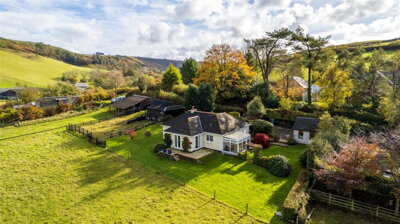
Browse 1 home for sale in Oare, Somerset from local estate agents.
£0k
0
0
0
Source: home.co.uk
The Starston property market has demonstrated strong growth, with house prices rising 18% over the past year and now sitting 6% above the 2020 peak of £617,500. Detached properties command an average of £695,000, reflecting strong demand for spacious family homes with countryside views and the generous plot sizes that characterise this predominantly rural village. Semi-detached properties average £610,000, offering excellent value for buyers seeking traditional village living with easy access to nearby market towns including Harleston just 3 miles away. The village attracts buyers drawn to its heritage status, Conservation Area protections, and peaceful rural setting, creating consistent demand for quality homes that consistently outpaces the limited supply of available properties.
The housing stock in Starston reflects its historic character, with 62.2% detached houses and bungalows, significantly higher than the Norfolk average of 39%. Semi-detached properties account for 33.6% of the housing stock, while terraced properties and flats make up just 4.2% combined. This predominantly detached and semi-detached character means buyers can expect generous plot sizes and mature gardens, with many properties dating from the 16th to 19th centuries featuring traditional construction methods including flint and brick masonry, timber framing, and lime mortar pointing. The limited supply of smaller properties means demand consistently outstrips availability in this desirable village location, particularly for first-time buyers or those seeking more affordable entry points to the Starston market.
Property values in Starston benefit from the constraints placed on new development by both the Conservation Area designation and the Starston Neighbourhood Plan, adopted in December 2022 to guide development within the parish until 2042. The neighbourhood plan clusters Starston with neighbouring settlements including Needham, Brockdish, and Wortwell for housing allocations, limiting speculative development within the village itself. This planning framework helps preserve the character of the area and supports long-term property values, making Starston an attractive proposition for buyers prioritising investment security alongside quality of life in rural South Norfolk.

Starston sits in South Norfolk, approximately 3 miles from the market town of Harleston, and is situated at a bridge over a stream known as The Beck that flows through the village centre. The village has a population of around 366 residents, having grown from 328 recorded in the 2021 Census, creating an intimate community atmosphere where neighbours know one another and local events bring the community together throughout the year. Farming remains the principal land use within the parish, with rolling farmland surrounding the village and The Beck flowing through its centre before joining the broader River Waveney catchment system. The landscape around Starston is characterised by productive agricultural land, with the village positioned in a valley setting that influences local drainage patterns and contributes to the area's traditional building methods.
The Conservation Area encompasses the historic village centre, preserving its character with traditional flint and brick buildings featuring finely coursed masonry, weatherboard finishes on agricultural buildings, thatched roofs where they survive, and narrow lanes that reflect centuries of gradual development. Building materials typical of the area include locally sourced flint combined with handmade bricks, weatherboard timber cladding, slate roofing from historic quarries, and clay pantiles on lower-pitched agricultural and domestic structures. The village is clustered with neighbouring settlements including Needham, Brockdish, and Wortwell for local plan housing allocations, ensuring the community maintains its village character while having access to shared local services. Annual community events and the historic Church of St Margaret create focal points for village life throughout the year, with the church remaining the community for over 700 years.
The village pub, The Gate Inn, closed in the 1950s, but the nearby town of Harleston provides essential services including supermarkets, independent shops, cafes, and a pharmacy within easy reach. Harleston itself offers a traditional market town experience with regular markets, local businesses, and community facilities serving the surrounding villages of the IP20 area. The rural economy of Starston and its surroundings is supported by farming, construction, and service sectors, with residents often commuting to nearby towns for employment while enjoying the tranquil village environment that characterises daily life in this part of South Norfolk.
Families considering a move to Starston will find primary education options available in nearby villages and the market town of Harleston. The village school, originally built in 1839 and extended in 1877 to accommodate growing pupil numbers during the village's 19th-century expansion, closed in 1969, so local primary-aged children typically attend schools in surrounding villages such as Brockdish Primary School or Harleston Primary Academy. Parents should research current catchment areas and admissions policies, as these can vary and affect which school children are allocated based on residence within the South Norfolk district.
Secondary education options in the area include Diss High School and Long Stratton High School, both serving the South Norfolk district with good reputations for academic achievement and strong examination results. For families requiring grammar school provision, the nearby towns offer selective education opportunities, though entrance is based on the 11-plus examination and specific catchment areas that may require travel arrangements. Sixth form and further education provision is available at colleges in Diss, Norwich, and other larger towns, accessible via public transport or daily commuting from Starston via the A143 corridor that connects the village to surrounding employment centres and educational institutions.
The presence of quality educational options within reasonable driving distance makes Starston suitable for families at various stages of their education journey, from those with young children requiring primary school places to those with teenagers progressing to GCSE and A-level studies. School transport arrangements should be factored into family relocation decisions, as some secondary schools may require bus journeys of 20-30 minutes from Starston depending on specific catchment boundaries and available transport links. The village's rural character and proximity to good schools in surrounding towns makes it particularly attractive to families seeking a countryside lifestyle without sacrificing educational quality.
Starston is well positioned for commuters seeking access to employment centres while enjoying rural village living, with road connections providing links to the wider Norfolk economy and beyond. The village sits approximately 4 miles from Harleston, where the A143 runs through the town connecting to the A140 for Norwich and the wider Norfolk road network providing routes to Cambridge, Ipswich, and the Midlands. Norwich city centre is approximately 30 minutes by car, offering access to major employers, shopping, healthcare, and cultural amenities including the Norfolk and Norwich University Hospital, one of the largest employers in the region. Daily commuting to Norwich or Ipswich is practical with a car, while the village location offers scenic country lanes for cycling and walking as alternatives for local journeys.
Harleston railway station provides connections on the Bittern Line running between Norwich, Cromer, and Sheringham, offering scenic routes along the North Norfolk coast for leisure travel as well as daily commuting options. Norwich railway station offers faster services to London Liverpool Street, with journey times of approximately 2 hours making day commuting to the capital feasible for those working from home most days with occasional office requirements. The station also provides connections to Cambridge and Stansted Airport for international travel, expanding the accessibility of Starston for those with business or personal travel requirements beyond the region.
Bus services operated by Konectbus and other local operators connect Starston with Harleston, Diss, and surrounding villages, providing options for those without private vehicles to access local services and amenities. The bus routes serving the village operate on a relatively limited timetable typical of rural South Norfolk, so private transport remains advantageous for daily commuting and family logistics. Transport considerations should form part of any relocation decision, particularly for families with school-age children or those requiring regular access to employment, healthcare, and shopping facilities not available within the village itself.
Explore current listings and recently sold prices to understand what your budget buys in this South Norfolk village. With detached properties averaging £695,000 and limited availability in the Conservation Area, knowing your price range helps narrow your search effectively. Use our platform to compare properties currently on the market against recent sale prices to identify realistic expectations for different property types in the village.
Contact local mortgage brokers or use online comparison tools to secure a mortgage agreement in principle before viewing properties. Given the higher property values in Starston, with many period properties exceeding £500,000, understanding your borrowing capacity early helps focus your search on realistic options. This strengthens your position when making offers on desirable village homes in Starston where competition from other buyers may be a factor.
Visit multiple properties to compare the condition of older buildings, noting any signs of damp, structural movement, or maintenance needs that are common in period properties. Starston's historic housing stock, with many buildings dating from the 16th to 19th centuries, may require more careful inspection than modern properties, and viewing in daylight allows better assessment of internal conditions. Take photographs and notes during viewings to help compare properties after the initial excitement of viewing.
Commission a thorough survey before proceeding, particularly for period properties in the Conservation Area where traditional construction methods require specialist assessment. Given Starston's older building stock featuring flint and brick structures, lime mortar pointing, and potentially thatched or slate roofing, a Level 2 Homebuyers Survey helps identify issues common to traditional construction. For listed buildings, consider a more detailed RICS Level 3 Building Survey that specifically addresses heritage property considerations and consent requirements.
Choose a conveyancing solicitor experienced with Norfolk property transactions to handle legal work including local searches, title checks, and Stamp Duty calculations for your purchase. South Norfolk Council local searches will reveal any planning constraints, conservation area requirements, or flood risk information relevant to your chosen property. Your solicitor will coordinate with your mortgage lender and the seller's legal team to progress the transaction through to completion.
Once surveys and legal work are satisfactory, your solicitor will coordinate the exchange of contracts and final completion, typically allowing 4-6 weeks between acceptance and moving day. Buildings insurance must be in place from exchange of contracts to protect your investment, and your solicitor will arrange final funds transfer and registration with HM Land Registry. Coordinate with removal firms early, particularly if moving from outside the region, to ensure a smooth transition to your new Starston home.
Properties in Starston require careful inspection due to the age and traditional construction methods prevalent throughout the village, with many homes dating from the 16th to 19th centuries when different building standards and materials were used. The historic use of flint and brick masonry, lime mortar, and traditional timber frame construction means older properties may show signs of wear that differ from modern buildings constructed with Portland cement and contemporary materials. Look for evidence of damp particularly in ground floor areas where original damp-proof courses may have failed over time, a common issue in period properties where the protective barriers have deteriorated or were never installed to modern standards. Roof condition is crucial, with many older properties featuring slate or clay pantile tiles that can be fragile and may require specialist repair by craftsmen familiar with traditional roofing methods.
The predominant building materials in Starston reflect the local geology and resources available when the village was established, including finely coursed flint and brick walls, weatherboard finishes on agricultural buildings and extensions, and lime mortar pointing throughout the Conservation Area. Properties featuring render, such as The Lodge on Low Road dating from around 1840, require inspection for cracking or debonding that could indicate underlying structural movement or moisture penetration. Timber frame construction, common in East Anglia including Norfolk, may be hidden behind plaster or brick infill panels and should be assessed by a qualified surveyor for signs of rot, woodworm, or previous structural alterations. The use of traditional lime mortar rather than modern cement is important for breathability in historic structures, and inappropriate repairs using Portland cement can trap moisture and cause accelerated deterioration of softer historic bricks.
Flood risk is a consideration for properties near The Beck, which has a history of bursting its banks, notably in December 2020 when roads were blocked and meadows flooded including Water/Beck Meadow and Glebe Meadow. Railway Hill was identified as a main conduit for rainfall runoff from agricultural land during the December 2020 event, demonstrating how surface water can accumulate on highways during heavy rainfall. A flood alleviation project is planned to start in February 2025 to enhance the river habitat and locally increase channel and floodplain storage capacity to help manage flood risk for this watercourse. Check property history for any flood damage claims and consider the proximity to watercourses when evaluating properties, and factor in potential insurance implications for properties in flood risk areas.
Listed buildings require special attention, as any alterations or renovations require consent from South Norfolk Council, and maintenance obligations may be more demanding than for unlisted properties. Starston has one Grade I listed building, the Church of St Margaret, and at least 28 Grade II listed buildings including cottages, farmhouses, and agricultural buildings throughout the village. Conservation Area restrictions apply to exterior alterations, meaning changes to windows, doors, roofing materials, and extensions all require consideration before purchase, and inappropriate alterations may result in enforcement action. Service charges and maintenance costs for converted properties or estate management arrangements should be investigated thoroughly, and freehold properties with substantial gardens carry ongoing maintenance responsibilities and costs that should be factored into your budget calculations.

The average house price in Starston over the past year is £652,500, with detached properties averaging £695,000 and semi-detached properties averaging £610,000 reflecting the village's predominantly spacious character. Property prices have risen 18% year-on-year and are now 6% above the 2020 peak of £617,500, demonstrating strong demand for village properties in this part of South Norfolk. The predominantly detached character of the village, with 62.2% of housing stock being detached or bungalows compared to the Norfolk average of 39%, and the Conservation Area status limiting new development contribute to these premium price levels. Properties near The Beck or with extensive gardens may command additional premiums, while cottages in the Conservation Area attract particular interest from buyers seeking period character.
Properties in Starston fall under South Norfolk Council tax jurisdiction, with most period properties in the village including traditional cottages and converted farm buildings typically falling within bands C to E depending on their assessed value. The council tax bands are based on property values as assessed by the Valuation Office Agency using 1991 property values as a baseline, and band charges can be confirmed by searching the council tax band for any specific property address. Newer properties or those that have been significantly extended may fall into higher bands, while smaller period cottages might attract lower council tax classifications. Annual council tax charges for South Norfolk can be verified through the local authority website or by contacting the council directly for specific properties.
Primary education in the Starston area is served by schools including Brockdish Primary School and Harleston Primary Academy, with parents advised to check current catchment areas as these can affect allocations and may change over time. The village's original school building from 1839, extended in 1877, closed in 1969 and now serves as a private residence, reflecting the consolidation of educational provision to larger centres serving multiple villages. Secondary options include Diss High School and Long Stratton High School, both serving the South Norfolk district with good reputations for academic achievement and broad curriculum offerings. Grammar school options are available in nearby towns for those meeting 11-plus entry requirements, with transport arrangements typically needed for secondary-aged children from Starston.
Starston has reasonable connectivity via the A143 road running through nearby Harleston, approximately 4 miles away, where Harleston railway station provides access to the Bittern Line connecting Norwich, Cromer, and Sheringham for coastal excursions and daily commuting. Bus services operated by Konectbus connect Starston with surrounding villages and towns including Harleston and Diss, though private transport remains advantageous for daily commuting and family logistics due to rural timetables. Norwich city centre is approximately 30 minutes by car, with regular train services to London Liverpool Street taking around 2 hours making day commuting to the capital feasible for flexible workers. The village benefits from scenic country lanes popular with cyclists and walkers, though practical transport planning should account for the rural nature of Starston and the need to travel to access many services and amenities.
Starston offers strong investment potential due to its Conservation Area status limiting new development and the Starston Neighbourhood Plan constraining growth to designated sites within the village settlement boundary. The 18% annual price increase demonstrates sustained demand for village properties with historic character, and the limited housing stock with just 78 properties sold in the past year means demand consistently outpaces availability. Properties in the village appeal to buyers seeking rural lifestyles within commuting distance of Norwich, supporting long-term rental demand from professionals working hybrid arrangements and capital growth prospects for owner-occupiers. The planning framework protecting the village character helps preserve property values by maintaining the very qualities that make Starston attractive to buyers in the first place.
Stamp Duty Land Tax rates for standard buyers start at 0% on the first £250,000 of purchase price, 5% on £250,001 to £925,000, 10% on £925,001 to £1.5 million, and 12% on amounts exceeding £1.5 million. On an average-priced Starston property of £652,500, a standard buyer would pay £20,125 in stamp duty after the nil-rate threshold, with this figure calculated on the portion between £250,001 and £652,500 at the 5% rate. First-time buyers enjoy enhanced relief, paying 0% on the first £425,000 and 5% on the amount between £425,001 and £625,000, with no relief above that threshold, meaning those buying at Starston's average price point of £652,500 would receive partial relief on the first £625,000 only.
A RICS Level 2 Survey is strongly recommended for any property purchase in Starston given the age of the housing stock and prevalence of traditional construction methods including flint and brick masonry, timber framing, and lime mortar pointing. Common defects in older Norfolk properties include failed damp-proof courses, deteriorating lime mortar requiring repointing, roof tile damage on slate and clay pantile roofs, and potential timber decay including woodworm activity in structural and non-structural elements. For listed buildings, a more detailed RICS Level 3 Building Survey provides specialist assessment of heritage construction and advice on maintenance obligations. Survey costs for properties in Starston typically range from £375 for smaller properties under £200,000 up to £800 or more for larger homes exceeding £500,000 in value.
Traditional buildings in Starston were constructed using methods typical of South Norfolk including flint and brick masonry walls with finely coursed courses, timber frame structures with wattle and daub or brick infill panels, and weatherboard finishes on agricultural buildings and some domestic properties. Roofs traditionally feature clay pantiles on lower-pitched structures or slate on more prestigious buildings, with thatch now extremely rare following the loss of most surviving thatched properties over the decades. Lime mortar was used throughout the historic period before Portland cement became common in the late 19th and early 20th centuries, and inappropriate use of cement mortar on historic structures can cause accelerated deterioration of softer bricks and flint. Modern renovations and new builds may incorporate UPVC windows, doors, and contemporary insulation, though Conservation Area properties may face restrictions on exterior alterations.
From 4.5% APR
Expert mortgage advice for Starston buyers with access to 100+ lenders
From £499
Specialist property solicitors for Norfolk transactions
From £375
Thorough homebuyer survey for Starston properties
From £85
Energy performance certificate for your new home
Purchasing a property in Starston involves several costs beyond the purchase price itself, and budgeting accurately ensures a smooth transaction without unexpected shortfalls at completion. Stamp Duty Land Tax is calculated on a tiered basis, starting at 0% for the first £250,000 of any residential property purchase, with the nil-rate threshold having been temporarily increased from £125,000 in recent years. For the portion between £250,001 and £925,000, the rate is 5%, while purchases between £925,001 and £1.5 million incur 10% duty, with 12% applying to any amount exceeding £1.5 million. On an average-priced Starston property of £652,500, a standard buyer would pay £20,125 in stamp duty after the nil-rate threshold, representing a significant cost that should be factored into your overall budget.
First-time buyers enjoy enhanced relief, paying 0% on the first £425,000 and 5% on the amount between £425,001 and £625,000, providing meaningful savings for those entering the property market and reducing the stamp duty burden for properties at lower price points. This relief applies only to first-time buyers who do not already own property anywhere in the world, and the property must be your main residence with no other residential ownership. For purchases above £625,000, first-time buyer relief tapers off completely, meaning those buying at Starston's average price point of £652,500 would receive partial relief on the first £625,000 only, with the remainder subject to standard rates.
Additional buying costs include mortgage arrangement fees typically ranging from £500 to £2,000 depending on the lender and product chosen, with some deals offering fee-free mortgages in exchange for slightly higher interest rates. Valuation fees range from £200 to £500 depending on property value, with lenders requiring confirmation of property adequacy as security for the mortgage loan. Solicitor conveyancing fees start from around £499 for standard transactions plus disbursements for local searches, with complexity increasing for listed buildings or properties with unusual title arrangements. Local searches through South Norfolk Council typically cost between £200 and £300, while survey costs for a RICS Level 2 Homebuyers Survey range from £375 to £800 depending on property size, value, and whether specialist heritage assessment is required. Buildings insurance must be in place from exchange of contracts to protect the property against damage or loss, and removals costs vary based on distance and volume of belongings being transported to your new Starston home.
Properties for Sale In London

Properties for Sale In Plymouth

Properties for Sale In Liverpool

Properties for Sale In Glasgow

Properties for Sale In Sheffield

Properties for Sale In Edinburgh

Properties for Sale In Coventry

Properties for Sale In Bradford

Properties for Sale In Manchester

Properties for Sale In Birmingham

Properties for Sale In Bristol

Properties for Sale In Oxford

Properties for Sale In Leicester

Properties for Sale In Newcastle

Properties for Sale In Leeds

Properties for Sale In Southampton

Properties for Sale In Cardiff

Properties for Sale In Nottingham

Properties for Sale In Norwich

Properties for Sale In Brighton

Properties for Sale In Derby

Properties for Sale In Portsmouth

Properties for Sale In Northampton

Properties for Sale In Milton Keynes

Properties for Sale In Bournemouth

Properties for Sale In Bolton

Properties for Sale In Swansea

Properties for Sale In Swindon

Properties for Sale In Peterborough

Properties for Sale In Wolverhampton

Enter your details to see if this property is within your budget.
Loans, cards, car finance
Estimated property budget
Borrowing + deposit
You could borrow between
Typical borrowing
Monthly repayment
Est. at 4.5%
Loan-to-value
This is an estimate only. Your actual budget may vary depending on interest rates, credit history, and personal circumstances. For an accurate affordability assessment, speak to one of our free mortgage advisors.
This calculator provides estimates for illustrative purposes only and does not constitute financial advice. Your home may be repossessed if you do not keep up repayments on your mortgage. Estimates based on 4.5% interest rate, repayment mortgage. Actual rates depend on your circumstances.
Homemove is a trading name of HM Haus Group Ltd (Company No. 13873779, registered in England & Wales). Homemove Mortgages Ltd (Company No. 15947693) is an Appointed Representative of TMG Direct Limited, trading as TMG Mortgage Network, which is authorised and regulated by the Financial Conduct Authority (FRN 786245). Homemove Mortgages Ltd is entered on the FCA Register as an Appointed Representative (FRN 1022429). You can check registrations at NewRegister or by calling 0800 111 6768.

We use cookies to show you personalised content and improve your experience of our website. Find out more in our Privacy policy and Cookie policy.