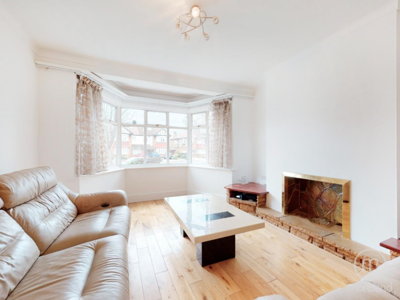
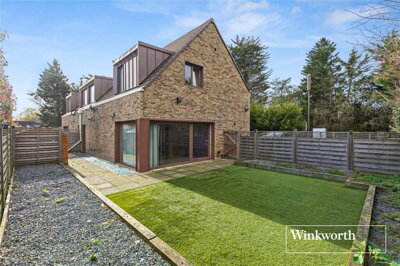
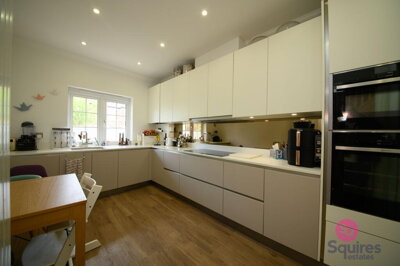
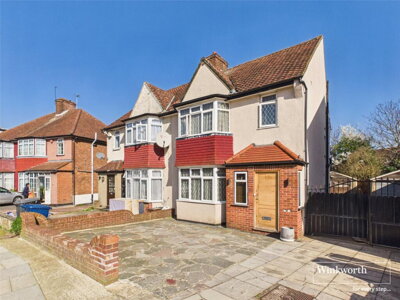
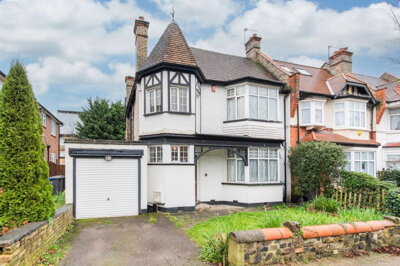
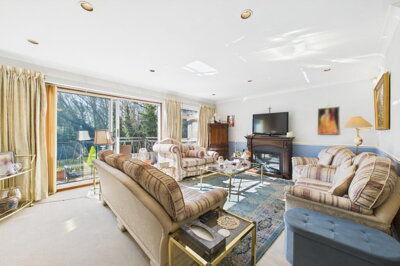
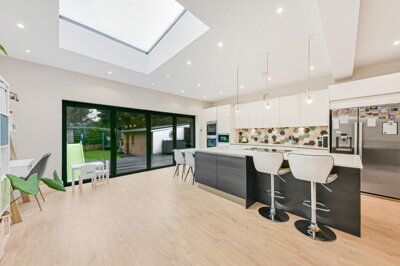
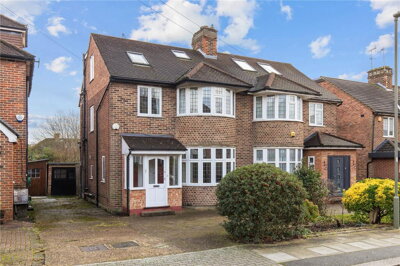
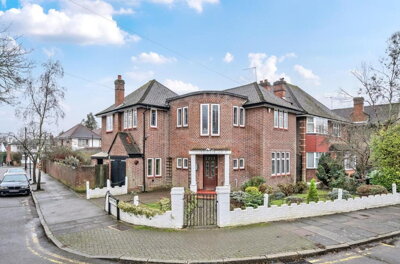
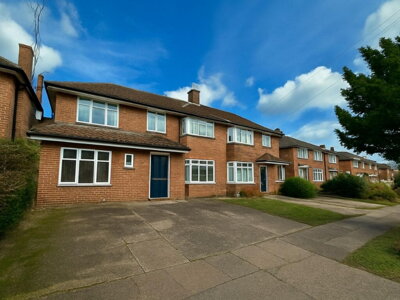
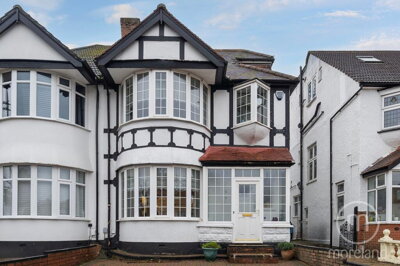
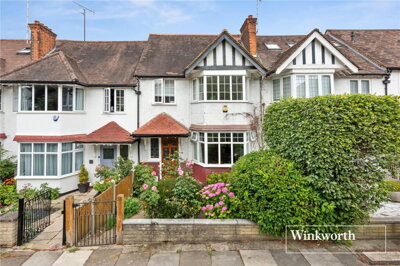
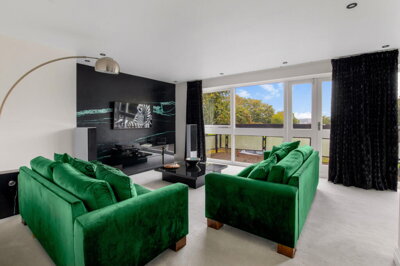
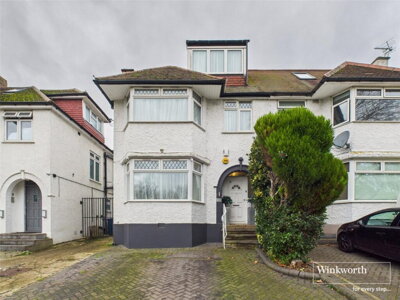
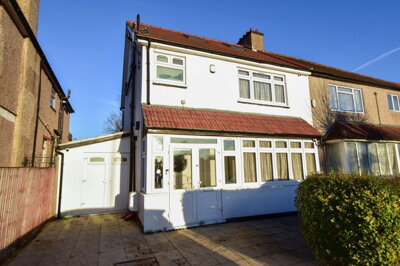
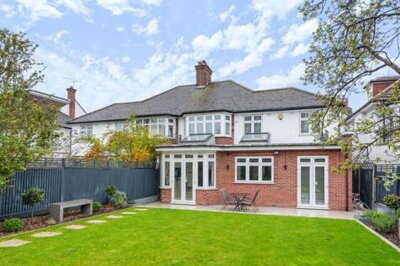
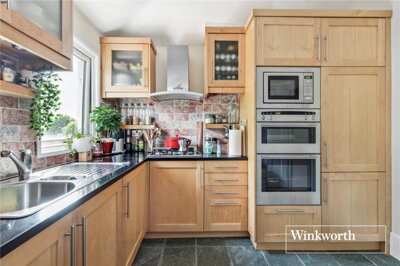
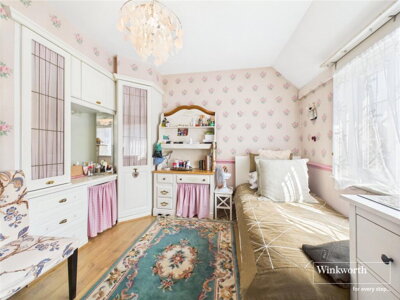
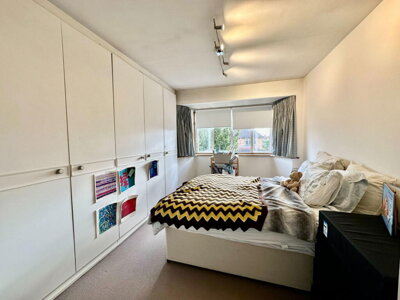
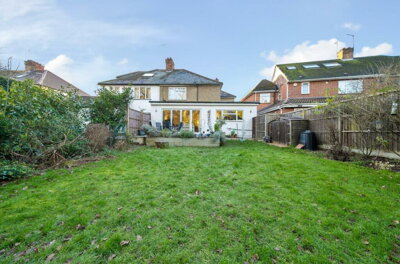
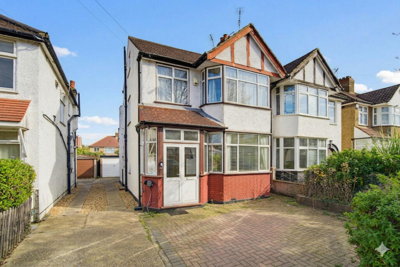
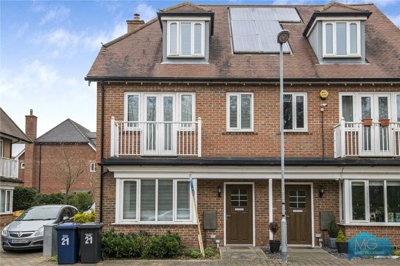
Browse 312 homes for sale in NW7 from local estate agents.
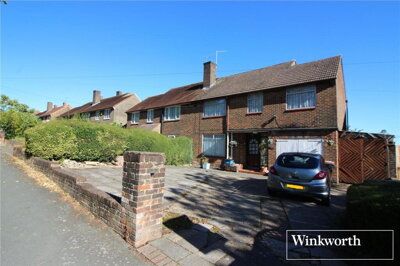
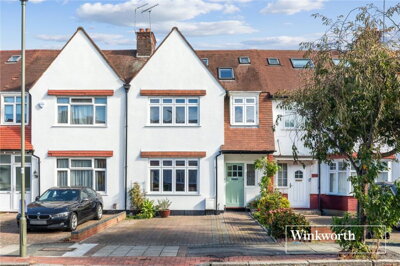
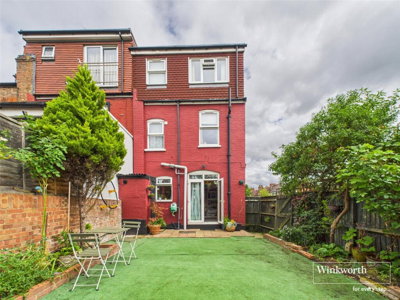
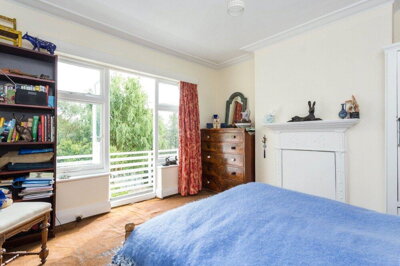
The larger property sector typically features multiple bathrooms, substantial reception space, and private gardens or off-street parking. Four bedroom houses in NW7 span detached, semi-detached, and occasionally terraced configurations, with styles ranging from period properties to modern executive homes.
£1,000k
43
5
100
Source: home.co.uk
Showing 43 results for 4 Bedroom Houses for sale in NW7. 5 new listings added this week. The median asking price is £999,950.
Source: home.co.uk
Semi-Detached
28 listings
Avg £1.17M
Detached
10 listings
Avg £1.26M
Terraced
5 listings
Avg £1.05M
Source: home.co.uk
Source: home.co.uk
The Mill Hill property market offers impressive variety, with detached properties averaging £1,438,719 as of February 2026, reflecting the premium nature of larger family homes in this established suburb. Semi-detached houses, which form a significant portion of the local housing stock, average £814,606, providing excellent value for families seeking generous living space without the higher costs associated with detached properties. The area saw 208 property sales in the 12 months to February 2026, demonstrating consistent market activity despite broader national trends. Terraced properties in NW7 average £619,103, offering an accessible entry point to this desirable postcode for first-time buyers and investors looking for solid rental yields.
Flat prices in Mill Hill average £437,288, with the market benefiting from several new build developments that have expanded the apartment offering in the area. Millbrook Park at Mill Hill East features apartments from approximately £400,000, developed by major builders including Barratt London and Taylor Wimpey, offering modern living with access to excellent transport links. The Ridgeway Views development by Barratt London provides 1, 2, and 3-bedroom apartments alongside 3, 4, and 5-bedroom houses, with apartments starting from £450,000 and houses exceeding £1,000,000. Property prices across all types have shown slight decreases of around 0.92-0.99% over the past year, creating a stable market environment where buyers can negotiate with confidence and make informed decisions based on comprehensive market data.

Mill Hill NW7 is home to approximately 23,200 residents across roughly 8,500 households, creating a vibrant residential community with a strong local identity. The area encompasses several distinct neighbourhoods, from the historic Mill Hill Village with its conservation area designation, to the more contemporary Mill Hill East around the tube station. The Ridgeway Conservation Area features elegant detached and semi-detached properties set within spacious gardens, reflecting the area's established character and architectural heritage. Local residents enjoy access to Mill Hill Broadway for everyday shopping and dining, while the broader area offers an array of independent cafes, restaurants, and pubs that contribute to the village atmosphere that makes Mill Hill distinctive within Greater London.
Green spaces define much of the Mill Hill character, with Moat Mount Open Space providing 39 hectares of countryside within the London Borough of Barnet, complete with nature reserves, ponds, and scenic walking trails. The area's position on the northern edge of London means residents benefit from cleaner air and more spacious surroundings than many central neighbourhoods can offer, while still maintaining excellent connectivity to the capital's amenities. Mill Hill has historically attracted professionals working in healthcare, education, and those commuting to Central London, creating a diverse and established community. Local employment opportunities include Edgware Community Hospital, numerous private medical practices, and the strong educational establishments that draw families to the area specifically for schooling. The combination of period properties, modern developments, and abundant green space creates a living environment that appeals across generations.
Mill Hill has earned a reputation as an education-focused neighbourhood, with Mill Hill School being one of the most notable independent schools in north London, attracting families to the area from across the capital and beyond. The school, founded in 1807, occupies a spacious campus in Mill Hill Village and offers both day and boarding options. Several primary schools in the NW7 postcode and surrounding areas hold good or outstanding Ofsted ratings, including institutions within walking distance of family housing in Mill Hill Village and The Ridgeway. Parents moving to Mill Hill frequently cite the concentration of quality schools as a primary motivation, making properties near good schools particularly sought after in the local market.
Secondary education options include both local state schools and selective grammar schools accessible through the Barnet entrance exam, giving families flexibility in their educational choices. The Henrietta Barnett School in nearby NW11 is a highly selective grammar school that regularly appears in national rankings, and the Dame Alice Owen's School in Potters Bar attracts students from across the wider area. Further education options are well-served in the surrounding area, with colleges and sixth form centres accessible for families remaining in the area through secondary school and beyond. Independent schools in the vicinity include religious and non-denominational options, providing diverse educational philosophies to match different family preferences.
Mill Hill East tube station sits on the Northern line, providing direct access to Central London with journey times to Bank taking approximately 35-40 minutes. The station serves the Millbrook Park development and surrounding areas, making it particularly relevant for residents of newer properties in Mill Hill East. The Mill Hill Broadway railway station offers Thameslink services, connecting residents to London St Pancras International in around 30 minutes and to destinations beyond including Luton Airport and Brighton. These dual transport options make Mill Hill NW7 particularly attractive to commuters who work in the City, Canary Wharf, or across the broader south east.
The A1 road and M1 motorway are easily accessible from the area, providing road connections to central London and the north, while Luton Airport is reachable within approximately 40 minutes by car or public transport. Local bus services connect Mill Hill to surrounding areas including Edgware, Barnet, and Borehamwood, providing practical options for those working locally or needing to access amenities without driving. Cycling infrastructure has improved in recent years, with National Cycle Route 12 passing through parts of the area and connecting to wider networks across north London. Parking availability varies across the neighbourhood, with older streets offering permit parking schemes while newer developments typically provide allocated parking spaces, an important consideration for buyers with vehicles. The combination of tube, rail, and road options positions Mill Hill as one of the better-connected north London suburbs, reducing average commute times compared to many similar residential areas.
Before viewing properties in Mill Hill, obtain a mortgage agreement in principle from a lender to understand your budget. With the average property in NW7 costing £836,651, knowing your exact borrowing limit helps you focus your search on properties you can realistically afford. Our mortgage comparison tool at /mortgages/ helps you find competitive rates from leading lenders.
Study current listings and recent sales data for Mill Hill NW7 to understand what your money buys in different parts of the area. The difference between a flat at £437,288 and a detached house at £1,438,719 reflects significant variation in space, condition, and location. Visit the area at different times of day and explore local amenities to ensure the neighbourhood suits your lifestyle. Our platform provides up-to-date listings and market data to support your research.
Once you have identified properties matching your criteria, work with local estate agents to arrange viewings. Our platform connects you directly to agents listing properties in Mill Hill, streamlining the process of booking and attending viewings. Consider viewing multiple properties before making an offer, as the local market offers diverse options across all property types.
Commission a RICS Level 2 Survey before purchasing, particularly for older properties where the London Clay geology may cause subsidence or heave issues. Survey costs for a typical 3-bedroom semi-detached in NW7 range from £500-£800. Our survey booking service at /surveys/rics-level-2/nw7/ connects you with local RICS surveyors familiar with the area's common property defects.
Appoint a conveyancing solicitor to handle the legal aspects of your purchase, including local searches, contracts, and registration with the Land Registry. Our conveyancing service at /conveyancing/ provides access to experienced property solicitors who handle transactions in the Mill Hill and Barnet area regularly.
Once your mortgage is approved, surveys complete, and legal checks satisfactory, you will exchange contracts and pay your deposit. Completion typically follows within 2-4 weeks, at which point you will receive your keys and can move into your new Mill Hill home.
The London Clay geology prevalent throughout NW7 means buyers should pay particular attention to signs of subsidence or heave, especially in properties with mature trees in the garden or foundations that may have been affected by drought conditions. Look for diagonal cracks around door frames, sticking doors or windows, and any evidence of previous underpinning or structural repairs. A thorough RICS Level 2 Survey is particularly valuable in this area given the shrink-swell risk associated with clay soils, with survey costs typically ranging from £500 for flats to over £1,200 for larger detached properties. Properties with established trees close to the building should be viewed with extra caution and professional assessment. While the risk is manageable, properties that have been properly maintained with modern drainage systems and sound foundations typically perform well despite the underlying geology.
Mill Hill contains several conservation areas including Mill Hill Village, The Ridgeway, and Burtonhole Lane, each with their own planning restrictions that affect what you can and cannot do to a property. If you are considering a period property within one of these designations, research the specific Article 4 directions that may limit permitted development rights. Listed buildings scattered throughout the area, particularly around Mill Hill Village, come with additional obligations regarding maintenance and alterations. These restrictions are part of what preserves the character and value of the area, but they require understanding before purchase. The Mill Hill Village Conservation Area, for example, protects the historic character of properties dating back to the 18th and 19th centuries, many featuring yellow stock brick construction and original architectural details.
The mix of property ages in NW7 means electrical and plumbing systems vary significantly, with pre-1980s properties potentially requiring updates to wiring, consumer units, and water systems. Victorian and Edwardian properties in Mill Hill often feature original timber sash windows and slate roofs that, while charming, may need specialist restoration or replacement. Inter-war properties commonly feature cavity brick construction introduced in the 1920s, which generally performs well, though rendered finishes can be prone to cracking and penetrating damp if not maintained. Asbestos was used in building materials until 2000 and may be present in textured coatings, floor tiles, and insulation in properties from that era. Check the condition of render on inter-war properties, as cracked or damaged render can lead to penetrating damp problems. Service charges and leasehold terms should be carefully examined for flats, particularly in new developments like Millbrook Park where annual charges and ground rent provisions can vary considerably between phases and management companies.
Parts of Mill Hill NW7 are susceptible to surface water flooding during heavy rainfall, particularly in lower-lying areas where drainage systems may be overwhelmed. The Environment Agency's flood maps indicate potential surface water flood risk in certain roads and properties, so checking these before purchasing is advisable. Properties with good surface drainage, modern rainwater systems, and elevated positioning generally present lower risk, but this is worth investigating for any property in a dip or near watercourses. River flooding risk is low given the area's inland, elevated position, but surface water remains the primary flood concern for buyers to assess.

The average house price in Mill Hill NW7 is £836,651 as of February 2026, according to property sales data. Detached properties average £1,438,719, semi-detached houses average £814,606, terraced properties average £619,103, and flats average £437,288. Prices have decreased slightly by approximately 0.96% over the past 12 months, creating opportunities for buyers looking to enter this desirable north London market at a more favourable point in the cycle.
Properties in Mill Hill NW7 fall within the London Borough of Barnet council tax system. Bands range from A through H depending on property value and size, with most residential properties in the area falling within bands C through E. A typical 3-bedroom semi-detached house in Mill Hill Village or The Ridgeway would likely be in band D or E, while larger detached properties can reach bands F, G, or H. You can verify the specific band for any property through the Barnet Council website or the Valuation Office Agency, and council tax bills typically include charges for waste collection, libraries, and local services.
Mill Hill offers excellent educational options including the well-regarded Mill Hill School independent school, founded in 1807 and occupying a spacious campus in Mill Hill Village. State primary schools in the NW7 postcode include several with good or outstanding Ofsted ratings, situated within walking distance of family housing in Mill Hill Village and surrounding areas. Secondary education is served by local state schools and selective grammar schools accessible through the Barnet entrance exam, including the highly selective Henrietta Barnett School in nearby NW11. Families should research specific catchment areas as admission policies can vary, and several nurseries and primary schools are within walking distance of the main residential areas, making the area particularly suitable for families with children of all ages.
Mill Hill East tube station provides Northern line services to Central London in approximately 35-40 minutes, making it practical for daily commuters working in the City or West End. Mill Hill Broadway railway station offers Thameslink connections to St Pancras in about 30 minutes, with direct services to Luton Airport and Brighton beyond London. Bus services connect the area to Edgware, Barnet, and Borehamwood, and the A1 and M1 are easily accessible by car for those preferring road travel. This combination of transport options makes Mill Hill particularly attractive to commuters working across the south east, with Luton Airport reachable in approximately 40 minutes for business or leisure travel.
Mill Hill NW7 offers several factors that make it attractive for property investment, including strong transport links that support rental demand from commuters, reputable schools that draw families to the area, and a stable property market with 208 sales in the past 12 months. Rental demand is supported by professionals working in Central London, healthcare workers at Edgware Community Hospital, and families associated with the area's schools. The mix of period properties and modern developments provides options across different investment strategies, from Victorian houses requiring some modernisation to new build flats in Millbrook Park offering modern specifications. The area benefits from ongoing new build development, which can affect comparative values in different segments of the market, and rental yields in NW7 typically range from 3.5% to 5% depending on property type and condition.
For standard purchases in 2024-25, stamp duty land tax is charged at 0% on the first £250,000 of property value, 5% on £250,001 to £925,000, 10% on £925,001 to £1.5 million, and 12% above £1.5 million. First-time buyers benefit from relief on properties up to £625,000, paying 0% on the first £425,000 and 5% on the remainder. For an average property in Mill Hill at £836,651, a first-time buyer would pay approximately £20,583 in stamp duty, while a home mover would pay around £31,833. Properties above £925,000 face the higher 10% rate, so accurate cost calculations are essential for budget planning. Our stamp duty calculator can provide a precise figure for your specific purchase.
The primary risk factor specific to Mill Hill is the London Clay geology, which creates subsidence and heave risk for properties with foundations affected by moisture changes, particularly those with mature trees nearby. A thorough RICS Level 2 Survey will identify any existing structural movement, crack patterns, or signs of previous underpinning work before you commit to purchase. Surface water flooding can occur during heavy rainfall in certain areas, so checking the Environment Agency flood maps is advisable before purchasing. Properties in conservation areas may have restrictions on alterations, and the age of much of the housing stock means buyers should budget for potential updates to electrical systems, plumbing, and roofing. Flats in newer developments like Millbrook Park require careful examination of service charges, ground rent provisions, and management company performance before committing.
From 4.5% APR
Compare rates from leading lenders
From £499
Expert property solicitors
From £500
Detailed property inspection
From £800
Full structural survey for older properties
From £80
Energy performance certificate
Understanding the full cost of purchasing property in Mill Hill NW7 extends beyond the asking price, with stamp duty land tax representing one of the largest additional expenses for buyers. For a property at the NW7 average price of £836,651, a buyer who has previously owned property would pay stamp duty of approximately £31,833, calculated at 0% on the first £250,000, 5% on £500,001 to £836,651. First-time buyers benefit significantly, with the same property costing only £20,583 in stamp duty due to the increased threshold of £425,000 at 0% and 5% on the amount between £425,000 and £625,000. Properties above £925,000 face the higher 10% rate on the portion above this threshold, making accurate cost calculations essential for budget planning.
Beyond stamp duty, buyers should budget for solicitor fees averaging £800-£1,500 for conveyancing in the Barnet area, plus local search fees of approximately £200-£400 covering Barnet planning records and environmental searches. A RICS Level 2 Survey for a typical 3-bedroom semi-detached in Mill Hill costs between £500 and £800, with larger detached properties potentially requiring £700-£1,200 for comprehensive inspection. A RICS Level 3 Structural Survey, recommended for older Victorian and Edwardian properties or those with visible structural concerns, typically costs £800-£1,500 depending on property size and complexity. Mortgage arrangement fees typically range from 0-2% of the loan amount, and borrowers should factor in valuation fees charged by the lender. Buildings insurance must be in place from completion, and removals costs vary based on distance and volume of belongings. Setting aside 3-5% of the property price for these additional costs ensures buyers are not surprised by expenses when completing their Mill Hill purchase.
Properties for Sale In London

Properties for Sale In Plymouth

Properties for Sale In Liverpool

Properties for Sale In Glasgow

Properties for Sale In Sheffield

Properties for Sale In Edinburgh

Properties for Sale In Coventry

Properties for Sale In Bradford

Properties for Sale In Manchester

Properties for Sale In Birmingham

Properties for Sale In Bristol

Properties for Sale In Oxford

Properties for Sale In Leicester

Properties for Sale In Newcastle

Properties for Sale In Leeds

Properties for Sale In Southampton

Properties for Sale In Cardiff

Properties for Sale In Nottingham

Properties for Sale In Norwich

Properties for Sale In Brighton

Properties for Sale In Derby

Properties for Sale In Portsmouth

Properties for Sale In Northampton

Properties for Sale In Milton Keynes

Properties for Sale In Bournemouth

Properties for Sale In Bolton

Properties for Sale In Swansea

Properties for Sale In Swindon

Properties for Sale In Peterborough

Properties for Sale In Wolverhampton

Enter your details to see if this property is within your budget.
Loans, cards, car finance
Estimated property budget
Borrowing + deposit
You could borrow between
Typical borrowing
Monthly repayment
Est. at 4.5%
Loan-to-value
This is an estimate only. Your actual budget may vary depending on interest rates, credit history, and personal circumstances. For an accurate affordability assessment, speak to one of our free mortgage advisors.
This calculator provides estimates for illustrative purposes only and does not constitute financial advice. Your home may be repossessed if you do not keep up repayments on your mortgage. Estimates based on 4.5% interest rate, repayment mortgage. Actual rates depend on your circumstances.
Homemove is a trading name of HM Haus Group Ltd (Company No. 13873779, registered in England & Wales). Homemove Mortgages Ltd (Company No. 15947693) is an Appointed Representative of TMG Direct Limited, trading as TMG Mortgage Network, which is authorised and regulated by the Financial Conduct Authority (FRN 786245). Homemove Mortgages Ltd is entered on the FCA Register as an Appointed Representative (FRN 1022429). You can check registrations at NewRegister or by calling 0800 111 6768.

We use cookies to show you personalised content and improve your experience of our website. Find out more in our Privacy policy and Cookie policy.