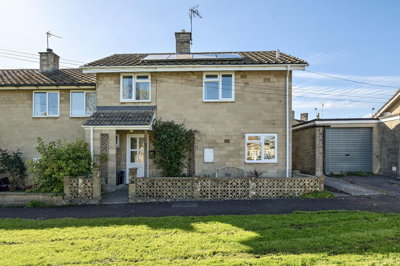
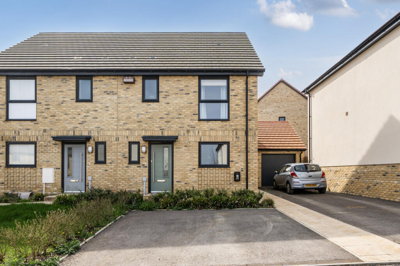
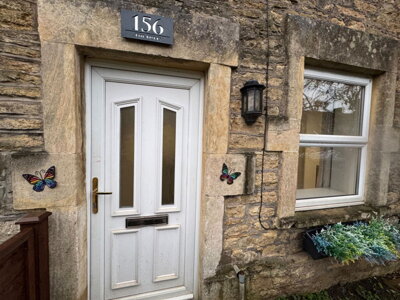
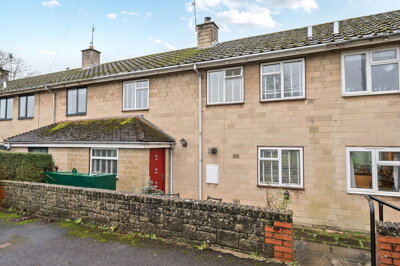
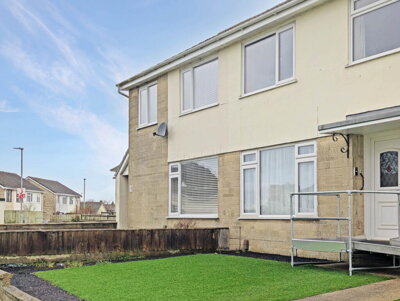
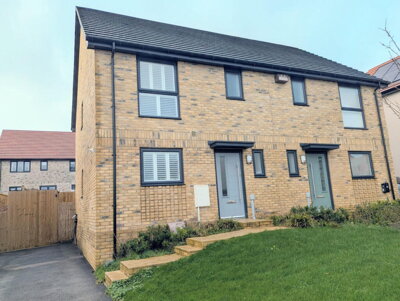
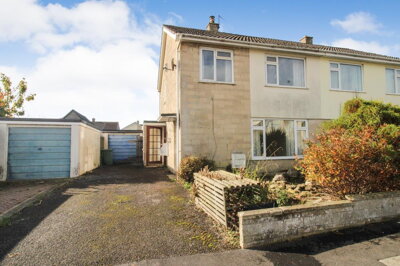
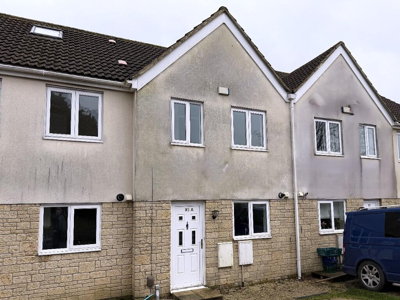
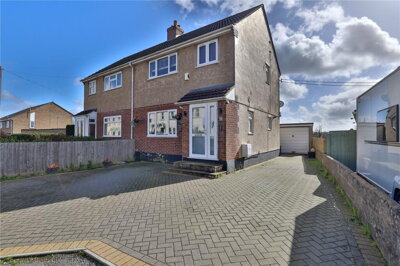
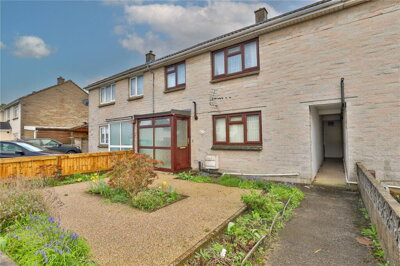
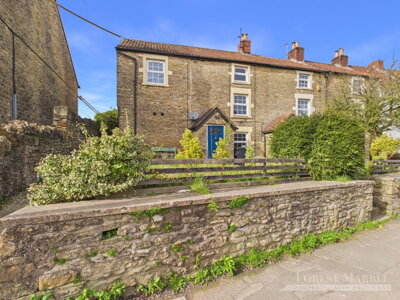
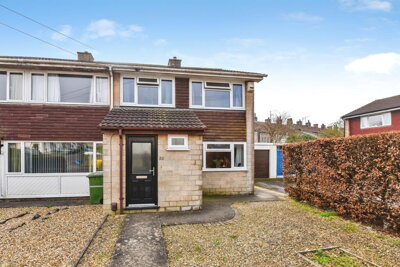
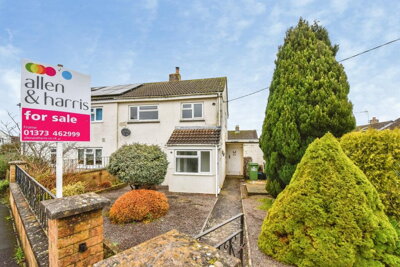
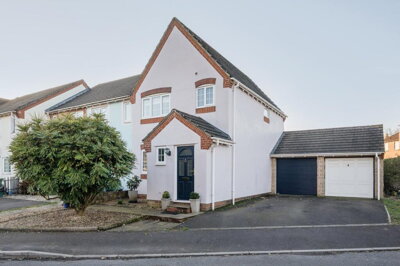
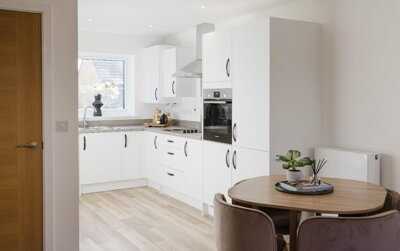
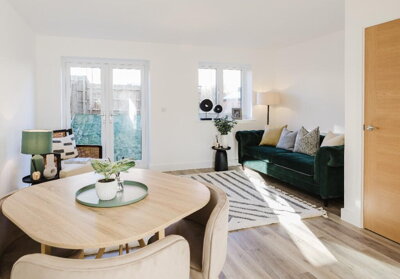
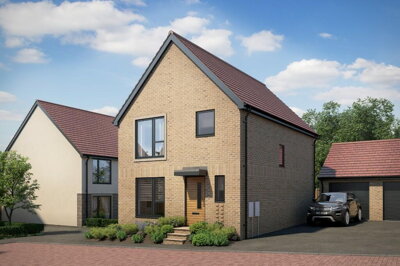
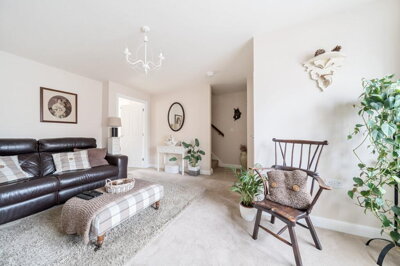
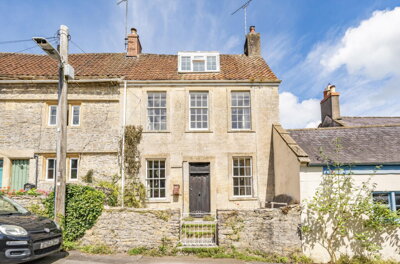
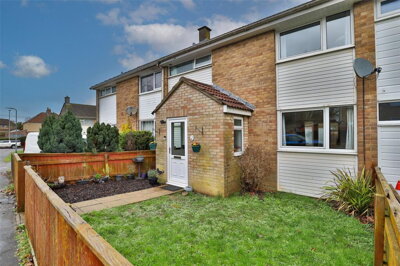
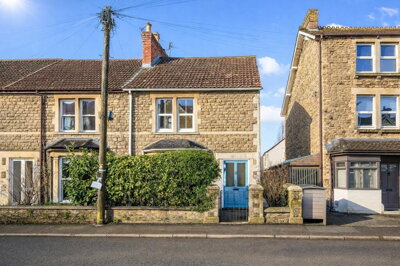
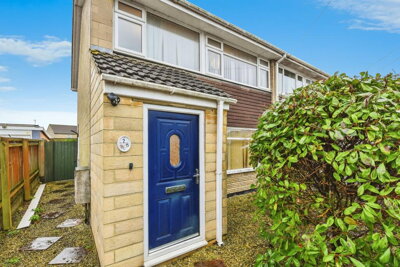
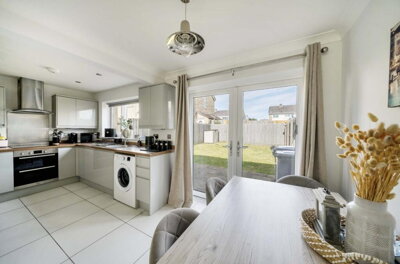
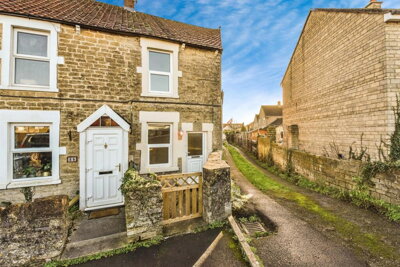
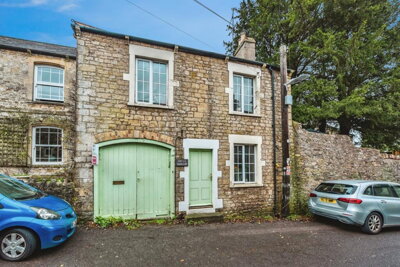
Browse 41 homes for sale in Nunney, Somerset from local estate agents.
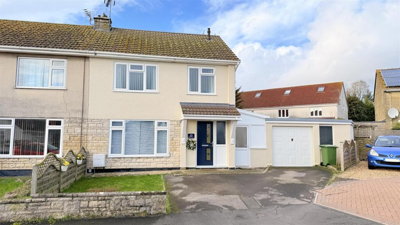
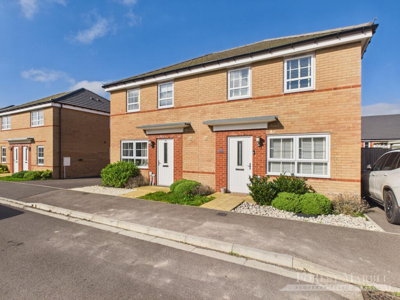
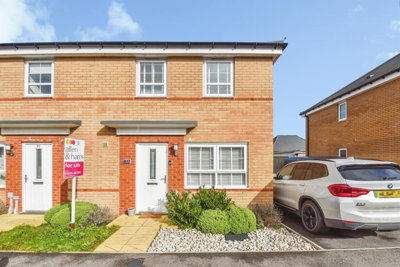
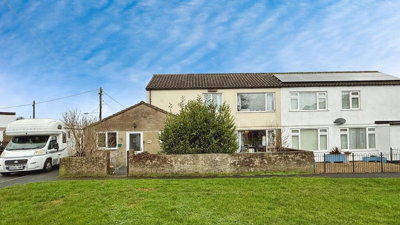
Three bedroom properties represent a significant portion of the Nunney housing market, offering space for families with multiple reception rooms and gardens in many cases. Browse detached, semi-detached, and terraced options ranging from period character homes to contemporary developments.
£300k
5
0
56
Source: home.co.uk
Showing 5 results for 3 Bedroom Houses for sale in Nunney, Somerset. The median asking price is £300,000.
Source: home.co.uk
Semi-Detached
4 listings
Avg £297,500
Detached
1 listings
Avg £475,000
Source: home.co.uk
Source: home.co.uk
The Nunney property market reflects the character of this historic village, offering predominantly traditional stone-built homes that showcase the best of Somerset architecture. Our data shows an overall average house price of £408,000, with detached properties commanding premium prices averaging £530,000 due to their generous size and sought-after rural positioning. Semi-detached homes in the village typically sell for around £340,000, while terraced properties offer a more accessible entry point at approximately £295,000. The market has shown resilience over the past twelve months, with overall prices increasing by 1% across all property types.
Within the detached segment, prices have risen by 2% year-on-year, indicating strong demand for family homes with gardens and countryside views. Semi-detached properties have performed particularly well, climbing by 3% as buyers recognise their value proposition between terraced and detached homes. Terraced properties saw a slight contraction of 1%, potentially offering opportunities for buyers seeking character cottages at a more modest price point. Over the last twelve months, there have been 10 property sales recorded in Nunney, consistent with the village's status as a small, tight-knit community where properties change hands less frequently than in urban areas.
New build activity within Nunney village itself is limited, with no large-scale developments currently active within the village boundaries. Most new-build opportunities in the wider Frome area are located in neighbouring postcodes, meaning buyers seeking brand new properties may need to expand their search radius. The scarcity of new supply within Nunney itself contributes to the village's appeal and supports existing property values, as buyers compete for a limited pool of available homes that match the character they seek.

Life in Nunney revolves around community, history, and the natural beauty of the Somerset countryside. The village centre is designated a Conservation Area, preserving its historic character and ensuring that new developments complement rather than detract from the architectural heritage. Traditional limestone construction dominates the built environment, with natural stone walls, stone tile roofs, and charming period features that define the village's aesthetic appeal. Properties in Nunney span several eras, from historic cottages predating 1900 to inter-war and post-war additions, alongside more recent infill developments that respect the established character.
The population of approximately 1,362 residents across 570 households creates a friendly, close community where local events and village life bring people together. Nunney Brook flows through the village, adding to its picturesque setting while also serving as a natural feature that residents should be aware of regarding flood risk in properties close to its banks. The local economy is supported by agriculture, tourism centred on Nunney Castle, and small local businesses that serve both residents and visitors. The village pub provides a focal point for socialising, while nearby towns offer broader shopping, dining, and employment opportunities for those who commute.
The village primary school serves as a community hub, while the parish church of All Saints provides both spiritual and social focal points for residents. The surrounding countryside offers extensive footpaths and bridleways, making Nunney particularly attractive to dog owners, walkers, and outdoor enthusiasts who appreciate direct access to Somerset's rolling hills and valleys. The village's position between Frome and Shepton Mallet means essential amenities are within easy reach, while the A361 provides straightforward connections to the larger centres of Bath and Bristol for those requiring more extensive retail, healthcare, or entertainment facilities.

Families considering a move to Nunney will find educational options within the village and the surrounding area that cater to children of all ages. Nunney Primary School serves the local community, providing education for children from reception through to Year 6. The school benefits from its rural setting and strong community ties, offering smaller class sizes that allow for personalised attention and a nurturing learning environment. For secondary education, pupils typically travel to schools in nearby towns such as Frome, Shepton Mallet, or Bruton, where a range of secondary schools and academies are available.
The wider Somerset area offers several well-regarded secondary schools, including grammar schools in nearby towns for those who meet the entrance criteria. Parents should research specific school catchments and admission arrangements, as these can significantly impact property values and demand in particular areas. For families prioritising independent education, several private schools operate in the region, including establishments in Bath and the surrounding Somerset towns. Higher education facilities are accessible in Bath, Bristol, and Yeovil, offering universities and further education colleges for older students pursuing undergraduate or vocational qualifications.
The quality of local schools often influences property values in surrounding streets, with homes within good school catchments typically commanding a premium in the Nunney area. Parents are advised to verify current catchment boundaries with Somerset County Council, as these can change annually based on school capacity and demand. Many families relocating to Nunney specifically choose the area for its combination of village character and access to reputable schools in nearby towns, making educational considerations a key factor in the property search process.
Nunney enjoys a strategic position within Somerset, offering residents a peaceful rural lifestyle while remaining well-connected to major urban centres. The village sits within easy reach of the A361, a key road linking Frome to Taunton, providing straightforward access to the national motorway network via the M5 corridor. Journey times by car to Bath typically take around 45 minutes, while Bristol is accessible within approximately one hour. The A37 offers connections to Yeovil and the A303, further expanding travel options for residents who commute by car.
Public transport options include bus services connecting Nunney to nearby towns, though frequencies may be limited compared to urban areas. The nearest railway stations are located in Frome and Castle Cary, both offering regular services to major cities. Frome station provides connections to Bristol, Bath, and Southampton, while Castle Cary offers direct rail links to London Paddington via the Great Western Railway network. For residents working in Bath or Bristol, commuting from Nunney is feasible with a combination of car and rail, though those working exclusively in cities may find the daily journey requires careful planning and a flexible employer.
Many Nunney residents work in the professional and service sectors in Bath or Bristol, benefiting from the village's position that allows for a countryside lifestyle while maintaining city employment. The relatively short drive to major employers in the Frome area also provides local employment opportunities, reducing the need for long-distance commuting for those who prefer to work closer to home. The village's proximity to the A361 and A37 means that employment centres in Yeovil, Taunton, and along the M5 corridor are all accessible within reasonable journey times, offering diverse employment options for residents across various sectors.
Spend time exploring Nunney village, visiting local amenities, and understanding the community atmosphere. Walk around the Conservation Area, visit Nunney Castle, and speak to residents to gain genuine insight into what daily life is like in this historic Somerset village. We recommend attending village events and visiting at different times of day to understand the full rhythm of community life before committing to a purchase.
Before viewing properties, obtain a mortgage agreement in principle from a lender. This demonstrates your financial readiness to estate agents and sellers, strengthening your position when making an offer. Our platform connects you with mortgage brokers who can help secure the best rates for your circumstances. Having finance in place before viewing helps you act quickly when the right property becomes available.
View multiple properties in Nunney to compare the housing stock, condition, and pricing. Pay particular attention to the construction materials, as many properties are traditional stone buildings that may require specific maintenance considerations. Our platform allows you to book viewings directly through listed estate agents, streamlining the process of visiting multiple properties in a single trip to the village.
Given Nunney's abundance of older properties, a RICS Level 2 Survey is strongly recommended before proceeding. This detailed assessment will identify any structural issues, damp problems, or defects common in historic stone buildings. Survey costs in the area typically range from £500 to £800 for a standard 3-bedroom property. Our team can connect you with local surveyors who understand the specific construction methods used in Somerset stone properties.
Appoint a solicitor experienced in Somerset property transactions to handle the legal aspects of your purchase. They will conduct searches, handle contracts, and ensure a smooth transfer of ownership. Our conveyancing service connects you with solicitors who understand local property considerations including Conservation Area requirements and listed building implications.
Once all searches are satisfactory and finances are confirmed, you will exchange contracts and pay your deposit. Completion typically follows within 2-4 weeks, after which you will receive the keys to your new Nunney home. Our team will guide you through the final steps of the process, ensuring a smooth transition to homeownership in this charming Somerset village.
Understanding the local construction methods is essential when buying property in Nunney, as the predominant building materials require specific knowledge for proper maintenance and renovation. The village is characterised by traditional limestone construction, using local stone from the Inferior Oolite and Great Oolite geological formations that underlie the Somerset countryside. These solid-wall stone buildings were constructed without the cavity insulation found in modern properties, meaning they breathe differently and require careful consideration of ventilation and moisture management. Many properties feature natural stone walls that are load-bearing, making structural alterations more complex than in modern timber-framed construction.
Stone tile roofs are common throughout Nunney, alongside some slate coverings from the Victorian period onwards. Natural stone tiles are durable but can be susceptible to frost damage over time, and matching replacement tiles can be difficult to source. Leadwork around chimneys, valleys, and parapets requires regular inspection, as deterioration can lead to water ingress that affects ceiling timbers and structural elements below. The use of lime mortars historically in stone pointing and renders is important to understand, as inappropriate repair using cement-based mortars can trap moisture within the walls and cause deterioration of the stone itself.
Some properties in Nunney incorporate brick construction, particularly those from the Victorian era onwards, while post-war additions may include concrete tile or modern slate coverings. Understanding the specific construction type of any property you are considering is crucial, as this affects everything from maintenance costs to planning requirements. Properties constructed before 1919 will have been built under different building regulations and may not meet modern standards for insulation, wiring, or plumbing. Our local knowledge helps you understand the implications of each construction type before you commit to a purchase.
Purchasing a property in Nunney requires careful consideration of factors unique to this historic Somerset village. The predominant limestone construction means many properties are older, often pre-dating 1900, and may present challenges common to traditional solid-wall buildings. Damp issues can affect stone properties, particularly where lime mortars have been inappropriately replaced with cement, or where ventilation is inadequate. A thorough survey will identify any rising or penetrating damp that could require remediation costs.
The geology of the area, primarily limestone bedrock, generally provides stable foundations, though localised clay deposits in valley bottoms can create shrink-swell risks, particularly where mature trees are present. Properties near Nunney Brook should be assessed for flood risk, as the watercourse can pose a threat during periods of heavy rainfall. Surface water flooding can also occur in low-lying areas, so requesting information about any previous flooding incidents is advisable. The Conservation Area status brings planning restrictions that affect permitted development rights, so any plans for extensions or alterations should be discussed with Mendip District Council planning department.
Common defects our surveyors find in Nunney properties include timber issues such as woodworm and wet or dry rot affecting floor joists and roof structures, particularly in properties where ventilation has been reduced by modern alterations. Roof defects are frequently identified, including deterioration of natural stone tiles, slipped or broken coverings, and deteriorated leadwork around chimneys. Electrical systems in older properties may not meet current standards, and many stone buildings have inadequate insulation by modern requirements, meaning higher heating costs should be anticipated until improvements are made.
Nunney has a significant concentration of listed buildings, with properties ranging from Grade I to Grade II listed status. These buildings require specialist consideration and may need Listed Building Consent for alterations. Insurance costs for listed properties can be higher, and standard mortgage surveys may not capture the full complexity of historic construction. A RICS Level 3 Building Survey is often more appropriate for significant listed properties, providing detailed assessment and recommendations for any works required. Historic quarrying for local stone may have occurred in some areas, and while deep mining is not a significant concern in Nunney, specific properties may be affected by shallow ground conditions that a thorough survey would identify.
The average house price in Nunney is currently £408,000, according to the most recent property market data. Detached properties average £530,000, semi-detached homes around £340,000, and terraced properties approximately £295,000. Prices have increased by 1% overall over the past twelve months, with semi-detached properties showing the strongest growth at 3% year-on-year. The village's limited supply of properties combined with consistent demand from buyers seeking rural Somerset living supports these values.
Properties in Nunney fall under Mendip District Council and are subject to Somerset County Council tax. Most residential properties in the village will fall within council tax bands A through D, depending on the property's valuation. You can check the specific band for any property through the Valuation Office Agency website or by contacting Mendip District Council directly. Properties in higher bands will pay more, and band reassessments can occur following improvements or changes to the property.
Nunney Primary School serves the village and surrounding area for primary education. For secondary education, families typically access schools in nearby towns such as Frome, Shepton Mallet, or Bruton. Several grammar schools operate in Somerset, with admission based on entrance exam performance. Independent schools in Bath and the surrounding region provide additional options for families seeking private education. School catchment areas can affect property values significantly, so verifying current boundaries with Somerset County Council is advisable before purchasing.
Nunney is served by local bus routes connecting to nearby towns, though services are less frequent than in urban areas. The nearest railway stations are in Frome and Castle Cary, both offering regular services to Bristol, Bath, and London Paddington. The village is well-placed for road travel, with the A361 providing access to the M5 motorway at Junction 23. Residents working in Bath or Bristol commonly combine car travel with rail services from nearby stations, making commuting feasible for those with flexible working arrangements.
Nunney offers several attractions for property investors, including its Conservation Area status, limited supply of properties, and strong demand from buyers seeking rural Somerset living. The village's historic character and proximity to Bath and Bristol make it appealing to commuters and those seeking a countryside lifestyle. Property values have shown steady growth, with prices increasing by 1% year-on-year, suggesting a stable market with potential for long-term appreciation. The scarcity of new-build supply within the village itself helps protect existing property values.
Stamp Duty Land Tax rates from April 2024 are 0% on the first £250,000 of property value, 5% on the portion from £250,001 to £925,000, 10% on £925,001 to £1.5 million, and 12% on amounts exceeding £1.5 million. First-time buyers benefit from relief on the first £425,000, with 5% applied between £425,001 and £625,000. Given Nunney's average price of £408,000, most buyers would not exceed the basic threshold, though higher-value properties will incur additional charges.
Properties near Nunney Brook face potential river flood risk, particularly those in close proximity to the watercourse. Surface water flooding can also occur in low-lying areas during periods of heavy rainfall when drainage capacity is exceeded. A RICS Level 2 Survey will assess flood risk for any specific property, and you should also request information from the Environment Agency and local searches before completing a purchase. Properties in elevated positions within the village generally face lower flood risk than those in the valley bottom.
Nunney has a significant concentration of listed buildings, including Nunney Castle which is Grade I listed, the Church of All Saints which is also Grade I listed, and numerous Grade II listed residential and commercial properties throughout the village. The entire village centre is designated as a Conservation Area, meaning any works affecting the external appearance of properties may require consent from Mendip District Council. Listed buildings may require specialist surveys and insurance, and mortgage lenders often have additional requirements for these properties.
Given the age of many properties in Nunney, common defects include damp issues in traditional stone buildings where lime mortars have been replaced with cement, roof defects such as slipped stone tiles or deteriorated leadwork, and timber problems including woodworm and wet rot affecting roof structures and floor joists. Older electrical systems may not meet current standards, and solid-wall construction typically means poorer insulation than modern properties. Our surveyors understand these local construction methods and can identify issues specific to Somerset limestone buildings.
Living within Nunney's Conservation Area means any external alterations require planning consent from Mendip District Council, including changes to windows, doors, roof materials, and boundary treatments. Permitted development rights may be more restricted than in non-conservation areas, meaning extensions and outbuildings often require full planning applications. These restrictions help preserve the village's historic character but should be understood before purchasing if you have renovation plans. Our team can explain how Conservation Area status affects your specific property.
When purchasing a property in Nunney, understanding the additional costs beyond the purchase price is essential for budgeting effectively. Stamp Duty Land Tax applies to all property purchases above £250,000, with the standard rate being 0% on the first £250,000, 5% on the portion between £250,001 and £925,000, 10% on £925,001 to £1.5 million, and 12% on any amount exceeding £1.5 million. For a typical Nunney property at the village average of £408,000, a buyer would pay £7,900 in stamp duty under standard rates.
First-time buyers benefit from enhanced relief, paying 0% on the first £425,000 and 5% on the portion between £425,001 and £625,000. This means first-time buyers purchasing at or below £425,000 would pay no stamp duty at all. For a first-time buyer purchasing at the Nunney average of £408,000, no stamp duty would be due. Beyond stamp duty, buyers should budget for solicitor fees, which typically range from £500 to £2,000 depending on complexity, alongside search fees, land registry charges, and moving costs. A RICS Level 2 Survey for a standard 3-bedroom property in Nunney would cost approximately £500 to £800.
Additional ongoing costs include council tax, with most Nunney properties falling within bands A through D, and buildings insurance which may be higher for listed or stone properties. Energy Performance Certificates are mandatory and cost from £80 for a domestic property. For buyers purchasing flats or leasehold properties, understanding the service charges and ground rent obligations is crucial, as these ongoing costs can significantly impact affordability. We recommend obtaining a full breakdown of all costs from your solicitor before exchanging contracts to ensure there are no surprises.
Budgeting for property maintenance in Nunney should account for the specific requirements of traditional stone construction. Stone properties may require specialist tradespeople for pointing, render repairs, and roof work using traditional materials, which can be more expensive than standard building works. Listed buildings require materials and methods approved by conservation officers, adding to renovation costs. Planning for these ongoing costs helps ensure your Nunney property remains in good condition while protecting your investment in this historic village.
From 4.5%
Compare mortgage rates from leading lenders to find the best deal for your Nunney property purchase. Our panel includes specialists who understand rural property lending.
From £499
Expert property solicitors to handle your legal work, searches, and contracts for your Nunney purchase. Solvers experienced with Conservation Area and listed property transactions.
From £500
A detailed inspection of your chosen Nunney property, identifying defects common to traditional stone construction. Our RICS-qualified surveyors understand local building methods.
From £800
A comprehensive building survey recommended for older properties, listed buildings, and complex renovations. Provides detailed assessment of structural condition and repair requirements.
From £80
Energy Performance Certificate required for all property sales. Understand your property's energy efficiency and potential improvement measures.
Properties for Sale In London

Properties for Sale In Plymouth

Properties for Sale In Liverpool

Properties for Sale In Glasgow

Properties for Sale In Sheffield

Properties for Sale In Edinburgh

Properties for Sale In Coventry

Properties for Sale In Bradford

Properties for Sale In Manchester

Properties for Sale In Birmingham

Properties for Sale In Bristol

Properties for Sale In Oxford

Properties for Sale In Leicester

Properties for Sale In Newcastle

Properties for Sale In Leeds

Properties for Sale In Southampton

Properties for Sale In Cardiff

Properties for Sale In Nottingham

Properties for Sale In Norwich

Properties for Sale In Brighton

Properties for Sale In Derby

Properties for Sale In Portsmouth

Properties for Sale In Northampton

Properties for Sale In Milton Keynes

Properties for Sale In Bournemouth

Properties for Sale In Bolton

Properties for Sale In Swansea

Properties for Sale In Swindon

Properties for Sale In Peterborough

Properties for Sale In Wolverhampton

Enter your details to see if this property is within your budget.
Loans, cards, car finance
Estimated property budget
Borrowing + deposit
You could borrow between
Typical borrowing
Monthly repayment
Est. at 4.5%
Loan-to-value
This is an estimate only. Your actual budget may vary depending on interest rates, credit history, and personal circumstances. For an accurate affordability assessment, speak to one of our free mortgage advisors.
This calculator provides estimates for illustrative purposes only and does not constitute financial advice. Your home may be repossessed if you do not keep up repayments on your mortgage. Estimates based on 4.5% interest rate, repayment mortgage. Actual rates depend on your circumstances.
Homemove is a trading name of HM Haus Group Ltd (Company No. 13873779, registered in England & Wales). Homemove Mortgages Ltd (Company No. 15947693) is an Appointed Representative of TMG Direct Limited, trading as TMG Mortgage Network, which is authorised and regulated by the Financial Conduct Authority (FRN 786245). Homemove Mortgages Ltd is entered on the FCA Register as an Appointed Representative (FRN 1022429). You can check registrations at NewRegister or by calling 0800 111 6768.

We use cookies to show you personalised content and improve your experience of our website. Find out more in our Privacy policy and Cookie policy.