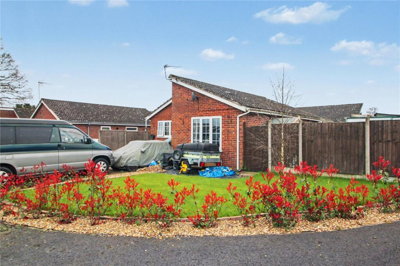
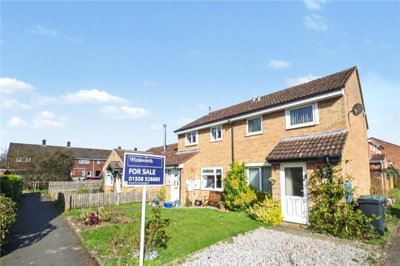
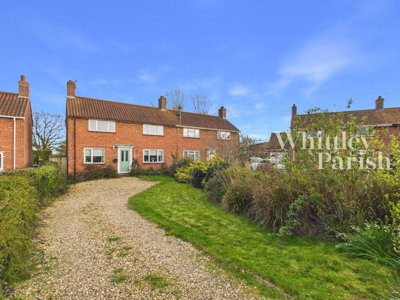
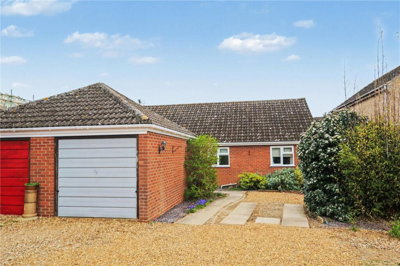
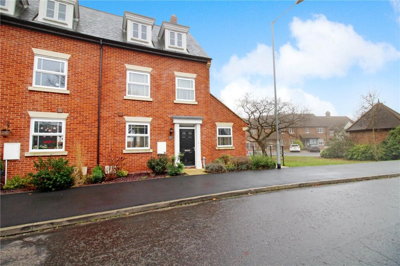
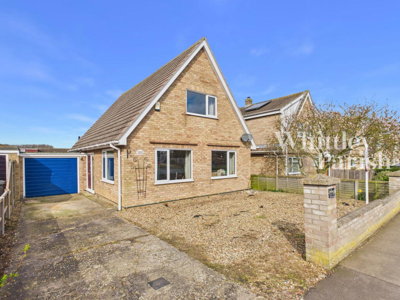
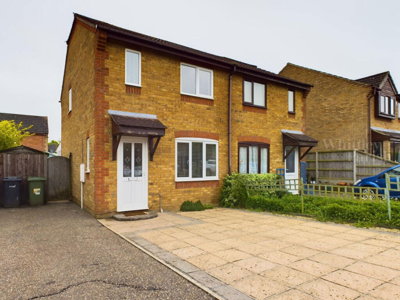
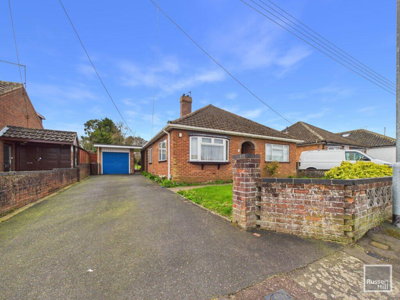
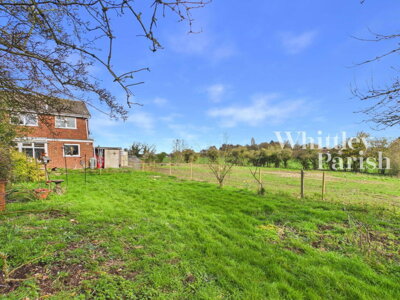
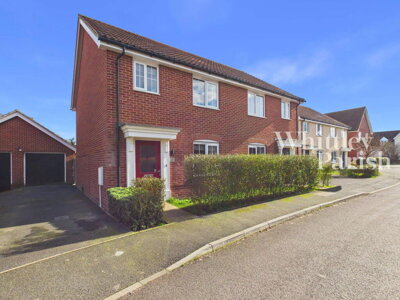
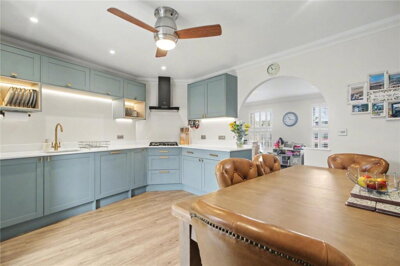
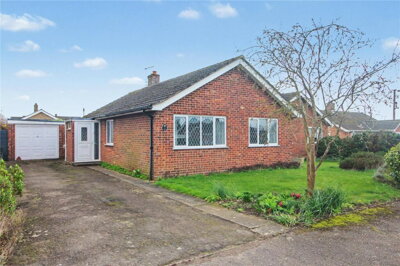
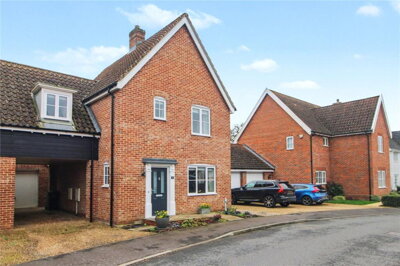
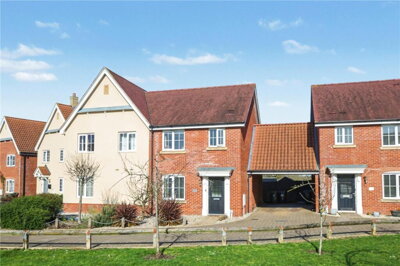
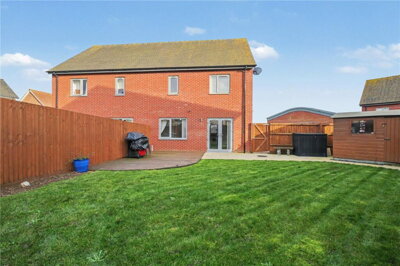
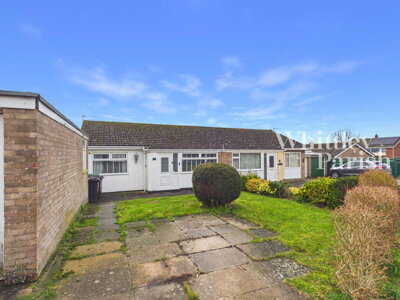
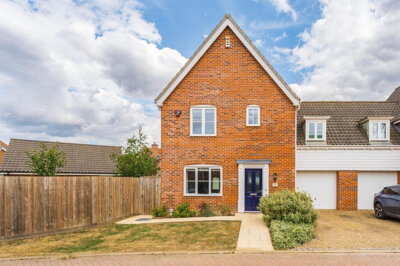
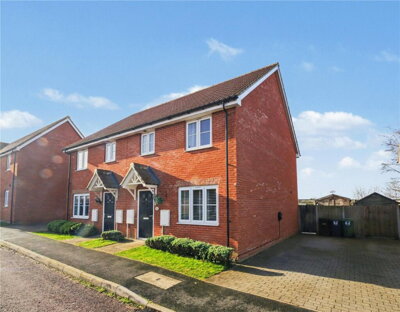
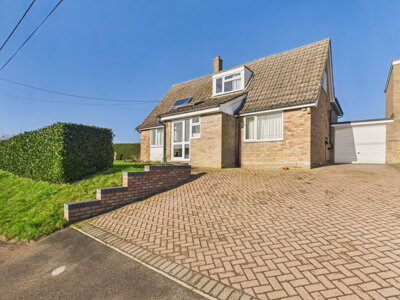
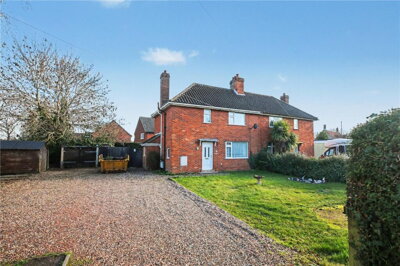
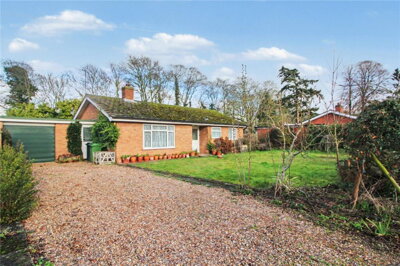
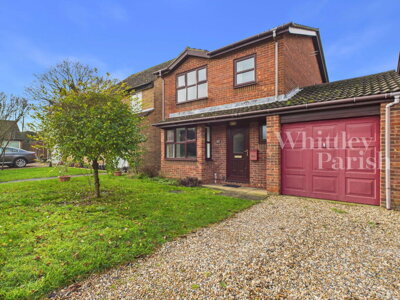
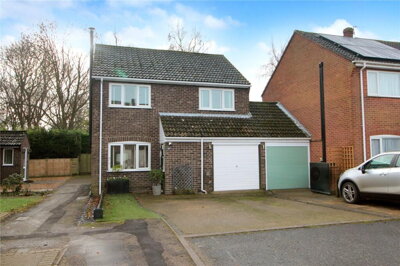
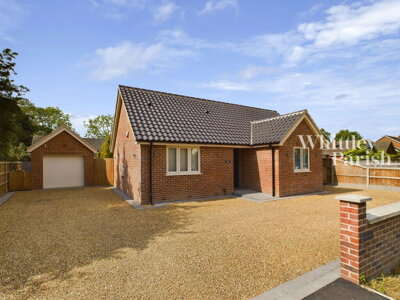
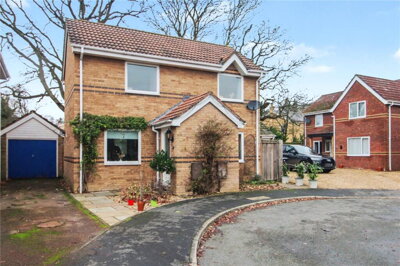
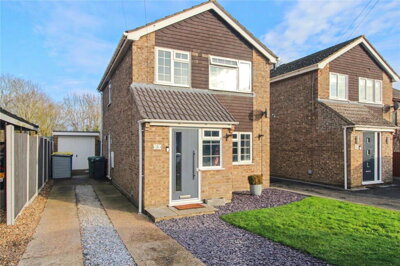
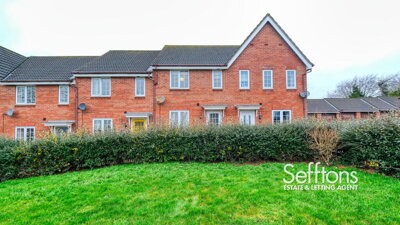
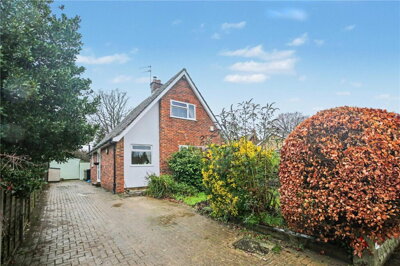
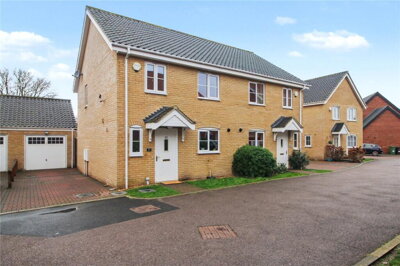
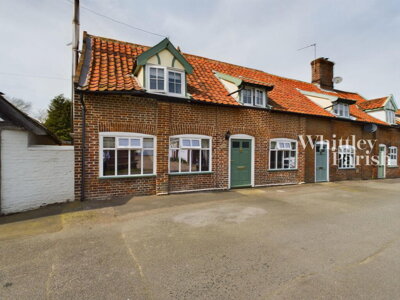
Browse 171 homes for sale in NR15 from local estate agents.
Three bedroom properties represent a significant portion of the NR15 housing market, offering space for families with multiple reception rooms and gardens in many cases. Browse detached, semi-detached, and terraced options ranging from period character homes to contemporary developments.
£295k
26
3
77
Source: home.co.uk
Showing 26 results for 3 Bedroom Houses for sale in NR15. 3 new listings added this week. The median asking price is £295,000.
Source: home.co.uk
Detached
13 listings
Avg £395,385
Semi-Detached
13 listings
Avg £266,154
Source: home.co.uk
Source: home.co.uk
Property prices in NR15 reflect the area's status as a premium South Norfolk postcode, with detached homes averaging £448,518 and semi-detached properties at £290,670. Terraced homes in the area typically command around £235,972, while flats remain relatively rare at approximately £147,750, reflecting the predominantly house-dominated housing stock of these rural villages. The 12-month price appreciation of 1.2% demonstrates consistent demand in this commuter-friendly location, with detached properties leading growth at 1.1%, followed by semi-detached at 1.2%, terraced at 1.3%, and flats at 1.1%. These figures indicate a stable market that continues to attract buyers seeking value beyond the busier urban centres of Norfolk.
The housing stock in NR15 is predominantly characterised by detached and semi-detached properties, with detached homes making up an estimated 40-50% of the local housing supply. Semi-detached properties account for approximately 30-40%, while terraced homes represent around 10-15% and flats less than 5% of the overall stock. This mix provides good options for families seeking larger homes with gardens, as well as downsizers looking for manageable properties in charming village settings. The age profile of properties is equally varied, with significant pre-1919 character homes in village centres alongside inter-war, post-war, and modern developments that cater to different preferences and budgets.
The property age distribution across NR15 shows a substantial proportion of homes built before 1919, particularly in village centres where period cottages and farmhouses remain prevalent. Properties constructed between 1945 and 1980 make up a significant portion of the stock, representing the post-war expansion of these villages. Modern developments from the 1980s onwards have added newer housing to the area, though large-scale new build activity within the core NR15 villages remains limited. For buyers specifically seeking new build properties, nearby developments in the NR18 postcode around Wymondham offer options including Taylor Wimpey's Beckets Grove and Orbit Homes' Wymondham Place, with prices starting from around £265,000 to £275,000 for two and three-bedroom homes.

The NR15 postcode area sits within South Norfolk, characterised by gently undulating countryside, farmland, and a network of picturesque villages that have been settled for centuries. The local geology features boulder clay over chalk bedrock, creating the fertile agricultural land that has shaped this landscape. Many villages retain their historic cores with period properties built from the distinctive red and gault brick traditional to East Anglia, often complemented by rendered finishes and, in some of the oldest homes, striking flint work. The presence of clay soils means careful consideration should be given to foundation depths and nearby trees when purchasing period properties in the area.
Village life in NR15 offers a diverse range of amenities and community activities that belies the rural setting. Mulbarton serves as a key local centre with shops, schools, and recreational facilities, while other villages maintain their own charming pubs, churches, and village halls. The population of the NR15 postcode area is estimated at 15,000-20,000 residents across approximately 6,000-8,000 households, creating close-knit communities where neighbours often know one another. Local employers include agricultural businesses, village schools, and services, though many residents commute to Norwich for work. The proximity to Norwich Research Park attracts professionals in science and research sectors to the wider area, contributing to the diverse demographic profile of NR15.
Several villages within NR15 are designated conservation areas, including Mulbarton, Stoke Holy Cross, and Shotesham, which protect the architectural heritage of these settlements. The area boasts numerous listed buildings, from historic churches such as St Mary Magdalene in Mulbarton to traditional farmhouses and cottages in village centres. Green spaces and public footpaths crisscross the countryside, offering residents ample opportunities for walking and cycling through the agricultural landscape. The area's appeal as a rural retreat with city access continues to drive demand from families, professionals, and retirees seeking a better quality of life away from urban congestion.

Education provision in the NR15 area serves families well, with primary schools located within several of the postcode's villages. Mulbarton Primary School is a key local institution serving the surrounding villages, while other settlements have their own primary schools or feed into neighbouring village schools. The presence of good primary education within the postcode reduces the need for younger families to travel long distances for daily school runs, enhancing the area's appeal for those with children. Parents should research individual school catchments and admissions criteria when considering properties, as catchment areas can vary and influence school placements.
For secondary education, students from NR15 typically attend schools in nearby towns including Wymondham, which hosts secondary options, or travel to Norwich for a wider selection of schools including grammar schools. The quality of local schools is a significant factor in property values and buyer interest throughout the postcode, with families often prioritising educational access when choosing where to live. Several schools in the wider South Norfolk area have achieved strong Ofsted ratings, though parents should consult the latest Ofsted reports for current information. Sixth form provision is available at secondary schools in nearby towns, with further education colleges in Norwich offering additional pathways for older students.
Transport connectivity is one of NR15's strongest attributes, with Norwich accessible via the A11 and A47 trunk roads that connect the villages to the city. The A11 provides a direct route to Norwich and onwards to the wider motorway network, while the A47 offers connections to Great Yarmouth and King's Lynn. For those working in Norwich city centre, the commute typically takes 20-30 minutes by car, depending on the specific village and traffic conditions. This relatively short journey time makes NR15 particularly attractive to commuters who wish to enjoy rural living without enduring excessively long daily travels.
Public transport options include bus services connecting the villages to Norwich and surrounding towns, though frequencies vary by route and village. The nearest railway stations are located in Norwich and Attleborough, offering connections to London Liverpool Street via Cambridge, with journey times to the capital typically around 2 hours. Norwich Airport provides domestic flights and some European connections, while Cambridge Airport offers additional international travel options. Cycling infrastructure has improved in recent years, with quieter country lanes popular among cyclists, though hilly terrain in some areas requires reasonable fitness for regular commuting by bike.
Beyond commuting to Norwich, residents of NR15 benefit from connections to other employment centres in Norfolk. The A47 provides eastward access to Great Yarmouth and the Norfolk coast, while westward routes connect to King's Lynn and the Fenlands. For those working in Cambridge or further afield, the A11 offers a relatively direct route, though journey times extend beyond the Norwich commute. The strategic position of NR15 between multiple employment hubs makes it particularly valuable for households where different family members work in different locations.
Begin by exploring the NR15 villages to find the one that matches your lifestyle preferences. Obtain a mortgage agreement in principle from a lender to understand your budget before viewing properties. Our data shows detached homes average £448,518 while terraced properties start around £235,972, helping you calibrate expectations. Consider factors such as school catchment areas, pub and shop proximity, and village community activities when narrowing down your preferred location within the postcode.
Browse listings on Homemove to see available homes across the NR15 postcode. Arrange viewings with estate agents and visit properties at different times of day to assess neighbourhood character, traffic, and noise levels. Take notes and photographs to help compare properties later. Pay particular attention to the condition of older properties, as many homes in these villages predate 1919 and may require significant maintenance investment.
Once you find your ideal home, submit a written offer through the selling agent. Be prepared to negotiate on price and conditions, particularly for properties that have been on the market for some time. Your mortgage broker can advise on competitive positioning. In a postcode where detached properties command significant premiums, be prepared for spirited competition for the most desirable village homes.
Commission a RICS Level 2 Survey before proceeding, especially for properties over 50 years old which make up a significant proportion of NR15 housing stock. Local survey costs for a 3-bedroom property typically range from £450 to £650. This detailed inspection identifies defects common to the area, including potential subsidence on clay soils, roof condition issues, and damp in period properties. Given the clay geology prevalent across NR15, properties with large nearby trees warrant particularly thorough investigation.
Choose a conveyancing solicitor to handle the legal transfer of ownership. They will conduct searches, review contracts, and liaise with your mortgage lender. Ensure your solicitor has experience with rural properties and any local issues such as conservation area restrictions. Local authority searches with South Norfolk District Council will reveal any planning applications nearby and highlight conservation area constraints.
Once all conditions are satisfied and surveys complete, you will exchange contracts and pay a deposit. Completion typically follows within weeks, after which you receive the keys and can move into your new NR15 home. Arrange buildings insurance well in advance, as mortgage lenders require this before completion. Notify utility providers of your moving date and consider arranging meter readings for the properties you are leaving and entering.
Properties in NR15 require careful inspection due to the area's geological characteristics and housing age profile. The predominant clay geology creates a shrink-swell risk that can affect foundations, particularly for older properties with shallow footings near trees. A RICS Level 2 Survey is strongly recommended to assess foundation condition and identify any signs of subsidence or heave movement. Look for cracking to walls, sticking doors and windows, and uneven floors as potential indicators of structural movement that may require further investigation or remedial works.
Building materials throughout NR15 vary by age, with traditional properties featuring solid brick or flint walls and more modern homes built with cavity wall construction. Properties built before the 1930s typically have solid walls lacking cavity insulation, resulting in higher heating costs compared to newer homes. Many older properties also feature handmade clay roof tiles that, while characterful, require more frequent maintenance than modern concrete tiles. Electrical and plumbing systems in pre-1980s properties often require updating to meet current standards, so factor potential rewiring or replumbing costs into your budget.
Flood risk in NR15 comes primarily from surface water and local watercourses including tributaries of the River Yare and River Tas. Properties in low-lying areas or near rivers should be checked for flood history and mitigation measures. Conservation area designations in villages such as Mulbarton, Stoke Holy Cross, and Shotesham mean certain external alterations may require planning permission from South Norfolk District Council. Listed buildings have additional restrictions on alterations and maintenance, so prospective buyers should verify the listing status of any period property of interest. Our surveyors are experienced in assessing properties with these designations and can advise on the implications for your purchase.
Energy efficiency varies significantly between older and newer properties in NR15, with many period homes lacking adequate insulation and facing higher heating costs as a result. Properties with solid walls cannot have standard cavity wall insulation fitted and may require more expensive solid wall insulation solutions. Our RICS Level 2 Survey reports include an assessment of the property's energy performance and can identify opportunities for improvements that may qualify for government grants or schemes.
The clay soil conditions throughout NR15 create specific structural challenges that our surveyors regularly encounter during inspections in this postcode. Ground movement caused by clay shrink-swell is particularly problematic for older properties with shallow traditional foundations, especially where large deciduous trees are present within the root zone. Our inspectors look for diagonal cracking radiating from door and window openings, floor unevenness, and gaps around skirting boards as indicators of potential foundation movement. Properties with existing subsidence history may have had underpinning work carried out, and documentation should be requested to verify the quality of any remedial works.
Damp issues are prevalent in NR15's older housing stock, with rising damp, penetrating damp, and condensation all commonly found during surveys. Properties built before 1919 often lack effective damp proof courses or have original ones that have failed over time. Rendered properties in the area can trap moisture within the wall structure, leading to hidden timber decay and deterioration of the brickwork behind the external finish. Our surveyors use moisture meters and thermal imaging equipment to identify damp issues that may not be immediately visible during a standard viewing.
Roof defects frequently appear in our NR15 survey reports, given the age profile of many properties in the area. slipped or broken tiles, deteriorating lead flashing around chimneys and valleys, and rot in timber rafters and battens are all common findings. Properties with original handmade clay tiles may have reached the end of their serviceable life and require re-roofing, which represents a significant expense. We also check for adequate ventilation to roof spaces, as poor ventilation can lead to condensation and timber decay even in otherwise sound structures.
Electrical and plumbing systems in properties built before the 1980s across NR15 frequently require updating to meet modern standards and regulations. Original wiring may be cross-linked polyethylene or even fabric-covered cable that poses safety risks and cannot support modern electrical demands. Similarly, lead or galvanised steel plumbing found in older properties corrodes over time and may restrict water flow or cause discolouration. A thorough RICS Level 2 Survey will identify these issues and allow you to budget for necessary upgrades before completing your purchase.
The overall average house price in NR15 is £357,939 based on recent market data. Detached properties average £448,518, semi-detached homes £290,670, terraced properties £235,972, and flats approximately £147,750. Over the past 12 months, prices have increased by an average of 1.2% across all property types, indicating steady demand in this South Norfolk postcode. The premium for detached properties over terraced homes in NR15 reflects the strong demand from families seeking larger homes with gardens in village settings.
Properties in NR15 fall under South Norfolk District Council's jurisdiction. Council tax bands range from A to H depending on property value, with most family homes in the area falling into bands B through E. The average property price of £357,939 typically places homes in bands C or D, though specific valuations vary according to the Valuation Office Agency. You should check the specific band with the Valuation Office Agency or on the council website using the property address. South Norfolk District Council's current band D charge is approximately £1,800-£1,900 per year.
Primary schools within or near NR15 include Mulbarton Primary School, which serves as a key local institution for surrounding villages including Stoke Holy Cross and Shotesham. For secondary education, students typically attend schools in nearby towns such as Wymondham College or travel to Norwich for a wider selection including the grammar school system. Research individual school catchments and consult the latest Ofsted reports to identify the best options for your family's needs. School quality significantly influences property values in NR15, with homes within strong catchment areas commanding premiums.
NR15 is primarily served by bus routes connecting villages to Norwich and surrounding towns, with frequencies varying by location and day of the week. The nearest railway stations are in Norwich and Attleborough, offering regular services to London Liverpool Street with journey times around 2 hours. The A11 and A47 roads provide good road connectivity to Norwich and the wider region, with the A11 also offering access to Cambridge and the M11 motorway for longer distance travel.
NR15 represents a solid investment opportunity due to its status as a desirable commuter belt for Norwich. The area offers consistent price growth of around 1.2% annually and benefits from limited new build supply within the postcode itself. Strong demand from families, professionals, and retirees seeking rural village living with city access supports long-term property values. The shortage of flats in the area means terraced and semi-detached properties with good access to village amenities tend to perform well for rental yields.
Stamp Duty Land Tax rates for 2024-25 are 0% on the first £250,000, 5% on £250,001 to £925,000, 10% on £925,001 to £1.5 million, and 12% above £1.5 million. First-time buyers benefit from relief on the first £425,000, with 5% charged between £425,001 and £625,000. Given the NR15 average of £357,939, most properties fall within the lower tax bands. First-time buyers purchasing at or near the average price would pay no stamp duty, while standard buyers would pay approximately £5,397 on an average property.
Key risks include clay soil shrink-swell affecting foundations, particularly for older properties with trees nearby, and potential surface water or river flooding in low-lying areas near the River Tas tributaries. Properties in conservation areas have restrictions on external alterations that can limit future improvements. Pre-1980s homes may have outdated electrics, plumbing, and insulation requiring significant upgrades. A thorough RICS Level 2 Survey is essential to identify these issues before purchase and allow you to negotiate repairs or price adjustments with the seller.
Large-scale new build developments within the core NR15 villages remain limited, with most new housing concentrated in the nearby NR18 postcode around Wymondham. Developments such as Beckets Grove by Taylor Wimpey and Wymondham Place by Orbit Homes offer new build options with prices starting from around £265,000 to £275,000. For buyers specifically seeking new construction within NR15 itself, opportunities are rarer and prices may command a premium. A RICS Level 2 Survey on a new build property can still identify snagging issues and construction quality concerns.
Stamp Duty Land Tax represents one of the significant costs when purchasing property in NR15, and understanding the current thresholds is essential for budgeting. For standard buyers, the first £250,000 of a property purchase attracts zero SDLT, with 5% charged on the portion between £250,001 and £925,000. Given that the NR15 average property price of £357,939 falls below the £250,000 threshold, many buyers will only pay the 5% rate on the amount above £250,000, which would be approximately £5,397 on an average property. Properties priced above £925,000 enter the higher rate bands of 10% and 12%.
First-time buyers purchasing in NR15 benefit from enhanced SDLT relief, with zero tax on the first £425,000 and 5% on the portion between £425,001 and £625,000. This relief is only available to buyers who have not previously owned property worldwide and who intend to occupy the home as their main residence. For first-time buyers purchasing at or near the NR15 average price of £357,939, no stamp duty would be payable, representing a significant financial advantage. However, this relief phases out completely for properties priced above £625,000.
Beyond stamp duty, buyers should budget for solicitor conveyancing costs typically starting from £499 for standard transactions, plus disbursements for searches, Land Registry fees, and mortgage arrangement fees. A RICS Level 2 Survey costs between £450 and £650 for a typical 3-bedroom home in NR15, rising to £550-800+ for larger detached properties. Factor in removal costs, potential repair or renovation expenses identified during survey, and the cost of any life and buildings insurance required by your mortgage lender. Getting a mortgage agreement in principle before property hunting strengthens your position when making offers on homes in this competitive postcode.
Properties for Sale In London

Properties for Sale In Plymouth

Properties for Sale In Liverpool

Properties for Sale In Glasgow

Properties for Sale In Sheffield

Properties for Sale In Edinburgh

Properties for Sale In Coventry

Properties for Sale In Bradford

Properties for Sale In Manchester

Properties for Sale In Birmingham

Properties for Sale In Bristol

Properties for Sale In Oxford

Properties for Sale In Leicester

Properties for Sale In Newcastle

Properties for Sale In Leeds

Properties for Sale In Southampton

Properties for Sale In Cardiff

Properties for Sale In Nottingham

Properties for Sale In Norwich

Properties for Sale In Brighton

Properties for Sale In Derby

Properties for Sale In Portsmouth

Properties for Sale In Northampton

Properties for Sale In Milton Keynes

Properties for Sale In Bournemouth

Properties for Sale In Bolton

Properties for Sale In Swansea

Properties for Sale In Swindon

Properties for Sale In Peterborough

Properties for Sale In Wolverhampton

Enter your details to see if this property is within your budget.
Loans, cards, car finance
Estimated property budget
Borrowing + deposit
You could borrow between
Typical borrowing
Monthly repayment
Est. at 4.5%
Loan-to-value
This is an estimate only. Your actual budget may vary depending on interest rates, credit history, and personal circumstances. For an accurate affordability assessment, speak to one of our free mortgage advisors.
This calculator provides estimates for illustrative purposes only and does not constitute financial advice. Your home may be repossessed if you do not keep up repayments on your mortgage. Estimates based on 4.5% interest rate, repayment mortgage. Actual rates depend on your circumstances.
Homemove is a trading name of HM Haus Group Ltd (Company No. 13873779, registered in England & Wales). Homemove Mortgages Ltd (Company No. 15947693) is an Appointed Representative of TMG Direct Limited, trading as TMG Mortgage Network, which is authorised and regulated by the Financial Conduct Authority (FRN 786245). Homemove Mortgages Ltd is entered on the FCA Register as an Appointed Representative (FRN 1022429). You can check registrations at NewRegister or by calling 0800 111 6768.

We use cookies to show you personalised content and improve your experience of our website. Find out more in our Privacy policy and Cookie policy.