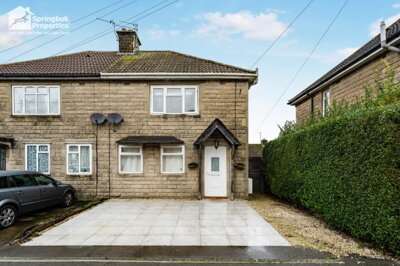
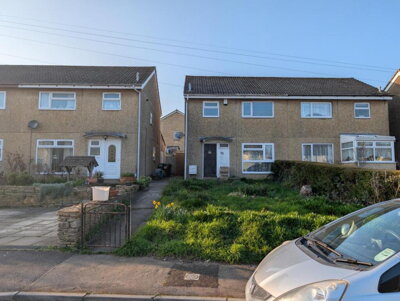
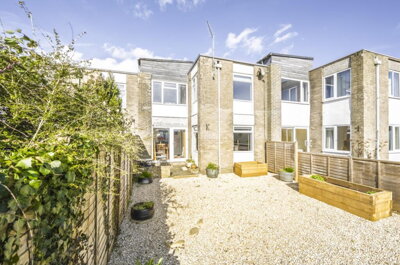
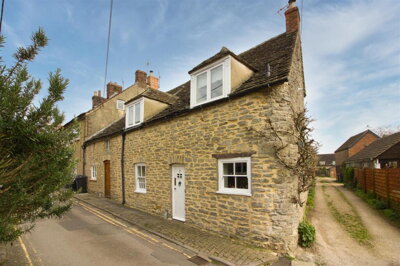
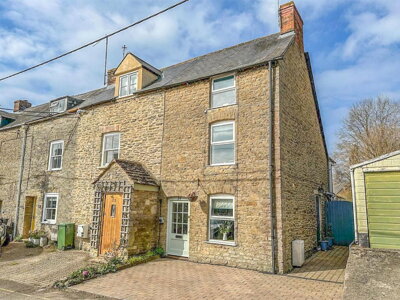
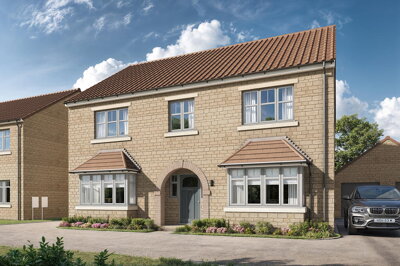
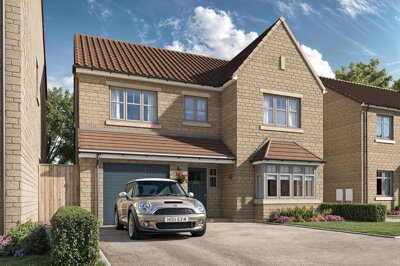
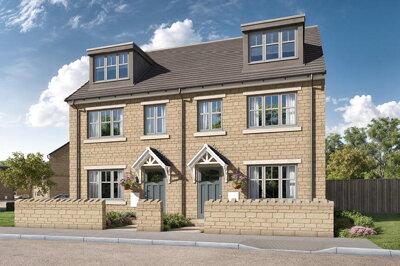
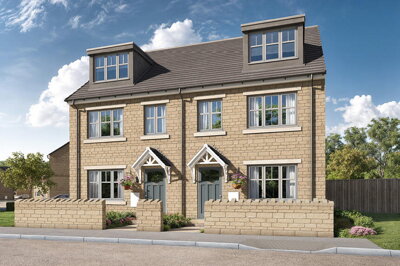
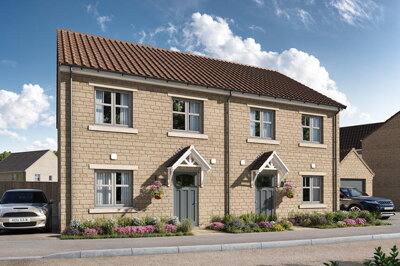
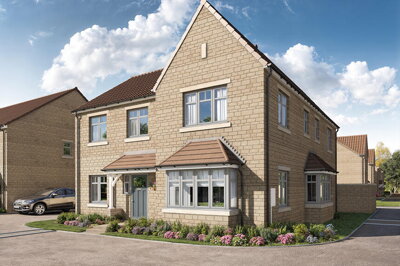
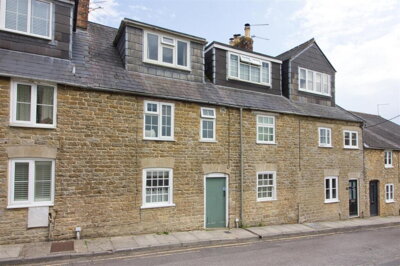
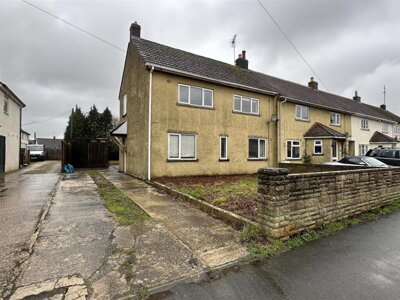
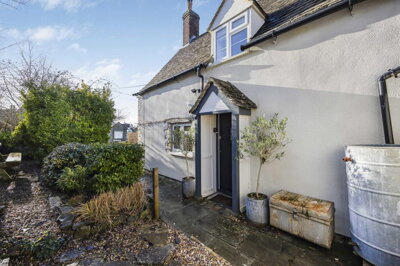
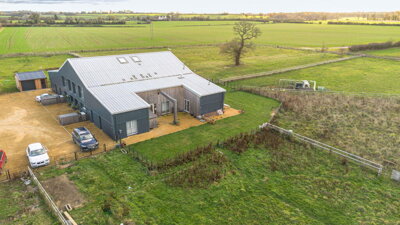
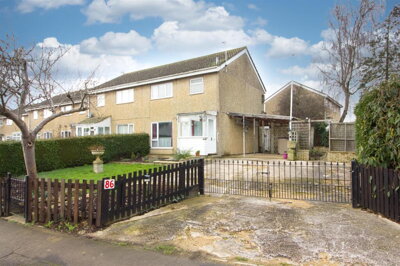
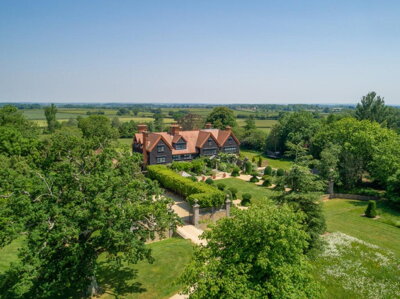
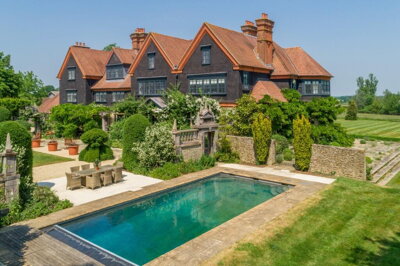
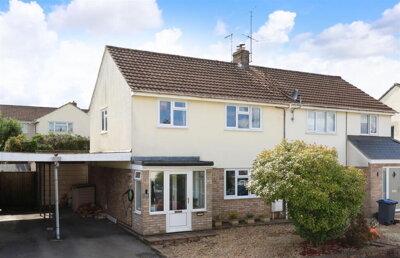
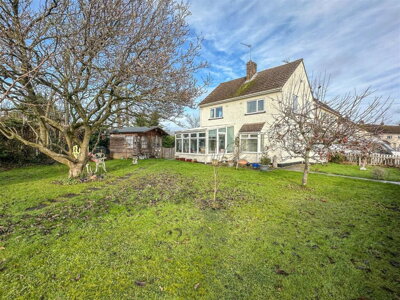
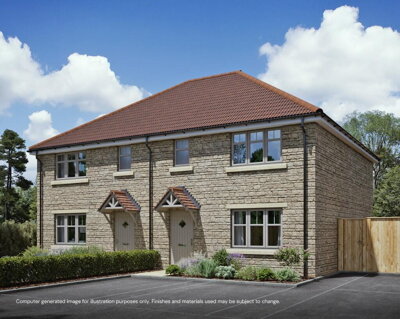
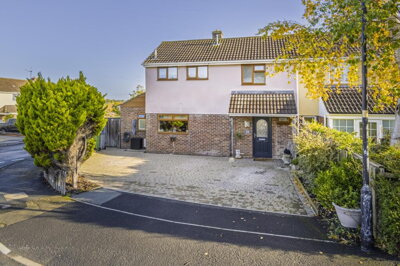
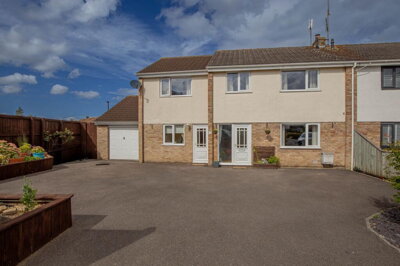
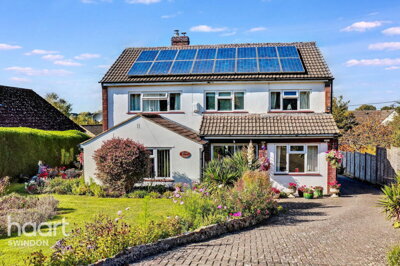
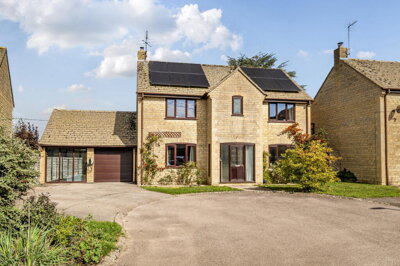
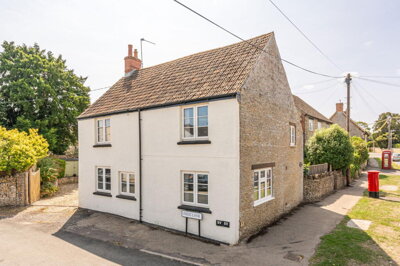
Browse 34 homes for sale in Norton from local estate agents.
The Camelford property market presents a diverse range of housing options across various price points and property types. Detached properties dominate the sales landscape, with recent transactions averaging around £368,250, reflecting buyer demand for family homes with generous gardens and off-street parking. Semi-detached homes in the town typically sell for approximately £233,812, offering an attractive option for first-time buyers seeking more space without the premium attached to detached accommodation. Terraced properties, averaging £209,071, represent the most affordable route onto the Camelford property ladder, with many Victorian and Edwardian terraces located within walking distance of the town centre. Flats in the area remain relatively scarce but can be found at average prices around £96,000, typically in conversions above commercial premises along the High Street.
Price trends in Camelford have shown some variation across different reporting sources over the past twelve months. Rightmove data indicates that sold prices are approximately 5% down on the previous year and 9% down on the 2021 peak of £299,790, suggesting a market adjusting after a period of elevated activity during the pandemic years. However, some sources report more modest declines, and the postcode area PL32 9TZ shows only a 1.1% fall over the past year. For buyers, this softer market may present opportunities to negotiate favorable terms, particularly on properties that have been on the market for some time. The local market has witnessed 715 property sales over the past decade, indicating consistent transaction volumes in this established Cornwall town.
Different property types have shown varying resilience to market conditions. Detached family homes with four or more bedrooms tend to hold their value well due to consistent demand from families seeking space and gardens. Semi-detached properties, particularly those with modern kitchens or bathrooms updated in recent years, have shown stronger pricing than those requiring modernisation. Terraced homes remain popular with first-time buyers, though those in need of significant renovation may offer purchase prices below the area average, providing scope for value-add investments.

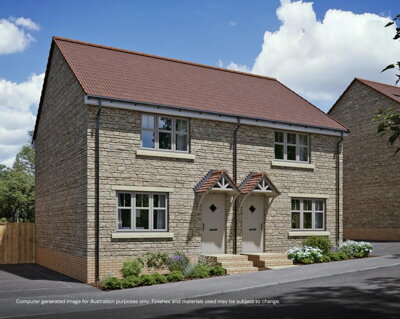
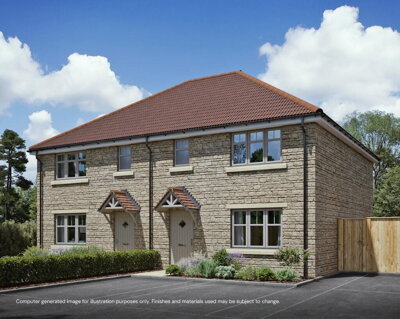
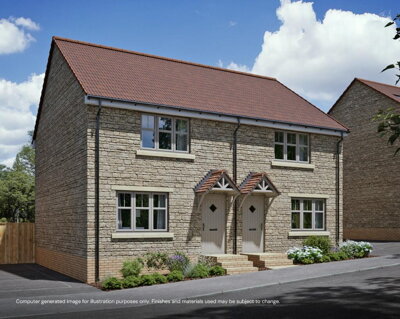
While Camelford has not seen major new-build developments in recent years, several significant planning permissions are bringing new housing to the area. The Tregoodwell development on the northeastern edge of town has received Reserved Matters planning approval for 37 houses from Bristol-based developer Woodsome Estates. This greenfield site will include a new village green, open spaces, and ecological mitigation measures, contributing positively to the community infrastructure. The scheme was developed through collaboration with Camelford Town Council and master planning input from Bazeley Partnership and Lavigne Lonsdale, ensuring the development integrates thoughtfully with the existing town character.
Additional development sites include land east of Higher Cross Lane (PL32 9PU), offering outline planning permission for up to 39 dwellings approximately half a mile from the town centre. This site, spanning approximately 2.75 hectares, sits on the north-eastern side of Camelford adjoining the built form of the town and adjacent to the A39 Atlantic Highway. Another site on the southern side of Camelford, accessed from the A39, has consent for around 40 new homes with 30% designated as affordable housing split between affordable rent and shared ownership. Financial contributions for education and open space are required under the planning consent, ensuring the development supports existing community infrastructure.
These developments, while modest in scale, will expand housing choice in the town and may attract new residents seeking modern, energy-efficient homes while maintaining Camelford's traditional market town character. New build properties typically offer lower maintenance costs and improved energy efficiency compared to older properties, though purchase prices may exceed those of comparable period homes. Buyers interested in new build properties should register with local estate agents to receive early notification as these sites progress through construction, as off-plan purchases can sometimes secure competitive pricing.

Camelford's location provides residents with an enviable balance between accessibility and Cornish charm. The town sits on the River Camel, from which it takes its name, with the river valley creating attractive scenery and walking routes through the surrounding countryside. The town centre retains much of its historic character, with the Conservation Area encompassing the Market Place and Fore Street where numerous Grade II listed buildings stand as testament to Camelford's heritage. The Methodist Church on Market Place, built in 1837, and properties along Fore Street reflect the architectural traditions that define this North Cornwall market town.
The local economy centers on traditional market town activities, tourism, and services, with the Bowood Park Hotel and golf course located approximately two miles southwest adding to local employment and leisure facilities. Camelford's population of around 3,378 in the parish and 2,926 in the built-up area creates a close-knit community atmosphere where neighbors often know one another. The town serves as a shopping and service hub for a wider rural catchment, with independent retailers, a bakery, butchers, and traditional pubs providing daily necessities without requiring travel to larger towns.
Weekend markets bring additional vibrancy to the town centre, while the proximity to Bodmin Moor offers immediate access to dramatic landscape for outdoor enthusiasts interested in walking, cycling, and horse riding. The North Cornish coast, including popular beaches at Polzeath and Bude, can be reached within 20-30 minutes by car via the A39. The town hosts several annual events including the Camelford Carnival and Christmas lights switch-on, fostering community spirit among residents. For those seeking cultural activities, the nearby towns of Wadebridge and Truro offer theatres, galleries, and broader entertainment options.
Education provision in Camelford includes both primary and secondary schools, making the town suitable for families with children of various ages. The primary school in Camelford serves the town itself and surrounding villages, providing early years and Key Stage 1-2 education within walking distance for many residents. Secondary education is available through Camelford's secondary school, which offers GCSE and A-Level courses, meaning families do not necessarily need to travel to Wadebridge or Bodmin for post-16 education. However, as with many rural areas, options for specialized subjects or vocational courses may require travel to larger towns, and parents should research specific curriculum offerings and any current capacity constraints.
Cornwall as a county does not operate a grammar school system, with all state secondary schools following comprehensive admissions arrangements. For parents seeking independent education, several options exist in the wider Cornwall area, including schools in Truro, Plymouth, and the north coast. The presence of good local schools significantly influences property values in Camelford, with homes within catchment areas of popular primary schools commanding premiums. Families moving to the area should verify current school Ofsted ratings and admission policies, as catchment boundaries can affect eligibility.
For higher education, Truro and Penwith College offers a wide range of A-Level and vocational courses, while the University of Exeter and University of Plymouth provide undergraduate programs accessible from Cornwall. The local college also provides adult education and community learning opportunities, from language classes to professional qualifications. Transport to secondary schools is provided through Cornwall Council's school transport service for those living beyond safe walking distances, though journey times from outlying villages can be lengthy.
Camelford's position on the A39 Atlantic Highway provides the primary transport artery connecting the town to the wider region. The A39 runs through the town centre and provides direct routes north towards Bude and south towards Wadebridge, Bodmin, and Truro. The road forms part of the main corridor linking Cornwall's north coast communities, meaning traffic volumes can increase significantly during summer months when holidaymakers travel to coastal destinations. For commuters working in Truro, the journey takes approximately 45 minutes by car under normal traffic conditions, while Bodmin can be reached in around 20 minutes.
Public transport options are more limited, reflecting Camelford's rural location. Bus services operated by Cornwall Council and private operators provide connections to Wadebridge, Bodmin, and Bude, though frequencies are geared toward market town access rather than daily commuting. The nearest railway stations are at Bodmin Parkway (approximately 18 miles) and Truro (approximately 30 miles), with both offering connections to London Paddington via Exeter and Plymouth respectively. For those working remotely, superfast broadband coverage has improved significantly in recent years, though rural speeds may still fall below urban averages in some areas.
Newquay Cornwall Airport provides seasonal international connections to various European destinations, making overseas travel accessible for Camelford residents without lengthy journeys to major airports. For daily commuting, the reality of rural transport means most residents rely on private vehicles, and this should be factored into location decisions when house-hunting. Those considering employment in Plymouth, Exeter, or Truro should carefully assess fuel costs and journey times, which can significantly impact work-life balance over time.
Explore different neighbourhoods within Camelford and surrounding villages, considering factors like school catchments, commute times, and proximity to amenities. Visit at different times of day and week to understand traffic patterns and local atmosphere. The Market Place area offers historic character with period properties, while newer residential areas on the town periphery provide modern family homes with off-street parking. Areas near the A39 may experience higher traffic noise, while properties in the river valley require consideration of flood risk.
Contact a mortgage broker or lender to obtain an agreement in principle before viewing properties. This strengthens your offer and demonstrates you are a serious buyer with confirmed borrowing capacity. With average Camelford prices around £267,000 to £295,000, most buyers will require mortgages within standard lending criteria. Local mortgage brokers familiar with Cornish property values can provide valuable guidance on available products and lending policies affecting older or non-standard construction properties.
Contact estate agents in Camelford to arrange viewings of properties matching your criteria. Take notes during viewings and ask about property history, recent renovations, and any known issues. Pay particular attention to signs of damp in older properties with solid walls, roof condition on slate-covered structures, and the condition of original timber windows. Properties in the Conservation Area may have restrictions on alterations that affect renovation plans.
Once your offer is accepted, instruct a RICS Level 2 survey to assess the property condition. This is particularly important for older properties in Camelford given the prevalence of traditional construction materials including granite, slate, and cob. Our chartered surveyors understand local construction methods and will check for common issues such as penetrating damp through aging stonework, deteriorating lime mortar pointing, and roof defects common in slate-covered structures. Survey costs typically range from £400-£800 depending on property size and value.
Choose a solicitor experienced in Cornish property transactions to handle legal work, searches, and contract exchanges. They will liaise with your mortgage lender and the seller's solicitor while conducting local searches including drainage and water searches specific to Cornwall. Our recommended conveyancers understand the local property market and can advise on issues such as conservation area restrictions and listed building requirements that affect many Camelford properties.
Once all searches are satisfactory and finances are arranged, your solicitor will exchange contracts and set a completion date. On completion day, the remaining funds are transferred and you receive the keys to your new Camelford home. Ensure you have buildings insurance in place from the point of contract exchange, as liability for the property passes to you at this stage. Our team can recommend local removal firms and connect you with tradespeople for any immediate work required after moving in.
Properties in Camelford span various ages and construction types, each with their own considerations for prospective buyers. The town's historic core features period properties built using traditional Cornish materials including granite, slate, and cob construction. These materials require specific maintenance approaches, and buyers should look for signs of penetrating damp, deteriorating lime mortar pointing, and roof condition on slate-covered structures. Properties with solid walls rather than cavity wall construction may have different insulation performance and heating costs compared to modern properties, which is worth factoring into your budget planning.
The River Camel flowing through Camelford creates flood risk for certain properties, particularly those in the valley floor, near Market Place, and along the A39 corridor. Flood risk should be investigated using Environment Agency maps and local knowledge before proceeding with any purchase in these locations. Properties within Camelford's Conservation Area may face restrictions on alterations, extensions, or even external paint colours, requiring planning permission from Cornwall Council for changes that would normally be permitted development elsewhere. Listed Buildings carry additional requirements under heritage protection legislation that affect what works can be carried out without consent.
Our inspectors frequently identify specific issues in Camelford properties that buyers should watch for during viewings. In older granite and slate properties, we commonly see deterioration of original lime mortar pointing that allows water penetration into wall cavities, leading to damp issues internally. Roof conditions on slate-covered properties require careful inspection, as original natural slate can be fragile and replacement costs significant. Timber windows in period properties may require renovation rather than replacement to comply with Conservation Area requirements. Service charges and leasehold arrangements should be verified for any flats, as these ongoing costs vary significantly and may affect affordability calculations.
Average house prices in Camelford currently range from approximately £267,000 to £295,000 depending on the data source consulted. Detached properties command higher prices averaging around £368,000, while semi-detached homes typically sell for about £234,000 and terraced properties for approximately £209,000. Flats in the area average around £96,000, though options are limited. The market has shown some softening over the past year, with Rightmove reporting prices around 5% below the previous year and 9% below the 2021 peak of £299,790. However, conditions vary by property type and condition, with well-presented homes in popular locations still achieving strong prices.
Properties in Camelford fall under Cornwall Council's jurisdiction for council tax purposes. Banding depends on the property's assessed value as of April 1991, with individual bands visible on any property listing or through the Cornwall Council website. Most terraced properties and smaller semi-detached homes in Camelford typically fall into bands A to C, while larger detached properties with more bedrooms and larger gardens may be in bands D to E. Prospective buyers should verify the specific band for any property they are considering, as council tax forms part of the ongoing cost of homeownership and can vary significantly between bands.
Camelford has both primary and secondary schools serving the local community, with a primary school for early years through Key Stage 2 and a secondary school providing GCSE and A-Level education. Parents should check current Ofsted inspection reports for the latest performance data, as ratings can change over time and reflect ongoing improvements or concerns. For families seeking independent schooling, options exist in the wider Cornwall area including schools in Truro, Wadebridge, and North Devon. School catchment boundaries determine eligibility for places, so buyers with children should verify their intended property falls within their preferred school's area before committing to a purchase.
Public transport connections from Camelford reflect its rural market town status, with bus services providing access to nearby towns including Wadebridge, Bodmin, and Bude. However, frequencies are limited compared to urban areas, making car ownership a practical necessity for most residents. The nearest railway stations are Bodmin Parkway (approximately 18 miles) and Truro (approximately 30 miles), both offering intercity connections to London and the broader rail network. Newquay Cornwall Airport provides seasonal international flights to European destinations. For commuting, the A39 provides road access to major employment centers in Cornwall, though journey times to Truro and Plymouth are substantial at 45 minutes and 90 minutes respectively.
Camelford offers certain investment considerations that differ from Cornish coastal hotspots. Property prices are relatively accessible compared to towns on the coast, and the local market has demonstrated consistent transaction volumes with 46 sales in the past year and 715 over the past decade. The town's role as a local service center for surrounding villages provides underlying demand, while planned new developments may increase population and demand for services. The Tregoodwell development bringing 37 new homes and other planned sites could influence future property values as the town grows. However, rental demand may be more limited than in larger towns, and investors should research typical rental yields, tenant demand, and void periods before committing.
Stamp Duty Land Tax rates for residential properties purchased in England are 0% on the first £250,000 of purchase price, 5% on £250,001 to £925,000, 10% on £925,001 to £1.5 million, and 12% on any amount above £1.5 million. First-time buyers relief raises the zero-rate threshold to £425,000, with 5% applying between £425,001 and £625,000. For most properties in Camelford averaging £267,000 to £295,000, standard buyers would pay no stamp duty on the first £250,000, with the remainder incurring 5% duty. A typical £270,000 purchase would incur approximately £1,000 in SDLT for a standard buyer, while a first-time buyer would pay nothing on properties up to £425,000.
The River Camel at Camelford is a designated flood warning area, with particular risk affecting properties in the valley floor, near Market Place, and along the A39 corridor. Properties within these areas should be checked against Environment Agency flood maps before purchase, and appropriate flood resilience measures may be required. Buildings insurance can be more expensive for properties with significant flood risk, and mortgage lenders may require flood risk assessments for properties in designated areas. Our surveyors will assess flood risk as part of the environmental considerations and advise on any visible signs of previous flooding during property inspections.
Camelford has a designated Conservation Area and numerous Listed Buildings throughout the town centre and surrounding parish. Properties along Fore Street and Market Place include several Grade II listed buildings, with the Methodist Church on Market Place being Grade II listed and built in 1837. Properties in the Conservation Area face restrictions on alterations, extensions, and even external paint colours, requiring planning permission from Cornwall Council for changes that would normally constitute permitted development elsewhere. Listed Buildings carry additional requirements under heritage protection legislation. These designations can affect renovation plans and mortgageability, so buyers should verify listed status and conservation area implications before proceeding.
Beyond the property purchase price, buyers should budget for several additional costs when purchasing in Camelford. Stamp Duty Land Tax (SDLT) represents the most significant upfront expense, with standard rates applying 0% on the first £250,000, then 5% on amounts between £250,001 and £925,000. For a typical Camelford property at the current average of around £270,000, a standard buyer would pay approximately £1,000 in SDLT. First-time buyers benefit from increased thresholds, paying nothing on the first £425,000 and 5% on the next £200,000, potentially reducing or eliminating SDLT liability on properties at average prices.
Conveyancing costs typically range from £500 to £1,500 depending on the complexity of the transaction and whether the property is leasehold or freehold. Our recommended conveyancers understand Cornish property transactions and will handle local searches including drainage and water authority searches specific to the area. Survey costs for a RICS Level 2 HomeBuyer Report generally fall between £400 and £800 depending on property size and value, with larger or older properties potentially costing more due to increased inspection time. Properties requiring particular attention, such as those with non-standard construction or listed buildings, may incur additional specialist survey costs.
Mortgage arrangement fees vary by lender but commonly range from £0 to £2,000, often added to the loan amount rather than paid upfront. Search fees, Land Registry fees, and other disbursements typically add another £300 to £500. Buyers should also factor in removal costs, potential renovation expenses, and a buffer for unexpected issues discovered during surveys. Obtaining a mortgage agreement in principle before viewing properties demonstrates financial readiness to estate agents and strengthens negotiating position in a competitive market. Our team can provide detailed cost breakdowns tailored to specific property types and purchase prices in Camelford.
Properties for Sale In London

Properties for Sale In Plymouth

Properties for Sale In Liverpool

Properties for Sale In Glasgow

Properties for Sale In Sheffield

Properties for Sale In Edinburgh

Properties for Sale In Coventry

Properties for Sale In Bradford

Properties for Sale In Manchester

Properties for Sale In Birmingham

Properties for Sale In Bristol

Properties for Sale In Oxford

Properties for Sale In Leicester

Properties for Sale In Newcastle

Properties for Sale In Leeds

Properties for Sale In Southampton

Properties for Sale In Cardiff

Properties for Sale In Nottingham

Properties for Sale In Norwich

Properties for Sale In Brighton

Properties for Sale In Derby

Properties for Sale In Portsmouth

Properties for Sale In Northampton

Properties for Sale In Milton Keynes

Properties for Sale In Bournemouth

Properties for Sale In Bolton

Properties for Sale In Swansea

Properties for Sale In Swindon

Properties for Sale In Peterborough

Properties for Sale In Wolverhampton

Enter your details to see if this property is within your budget.
Loans, cards, car finance
Estimated property budget
Borrowing + deposit
You could borrow between
Typical borrowing
Monthly repayment
Est. at 4.5%
Loan-to-value
This is an estimate only. Your actual budget may vary depending on interest rates, credit history, and personal circumstances. For an accurate affordability assessment, speak to one of our free mortgage advisors.
This calculator provides estimates for illustrative purposes only and does not constitute financial advice. Your home may be repossessed if you do not keep up repayments on your mortgage. Estimates based on 4.5% interest rate, repayment mortgage. Actual rates depend on your circumstances.
Homemove is a trading name of HM Haus Group Ltd (Company No. 13873779, registered in England & Wales). Homemove Mortgages Ltd (Company No. 15947693) is an Appointed Representative of TMG Direct Limited, trading as TMG Mortgage Network, which is authorised and regulated by the Financial Conduct Authority (FRN 786245). Homemove Mortgages Ltd is entered on the FCA Register as an Appointed Representative (FRN 1022429). You can check registrations at NewRegister or by calling 0800 111 6768.

We use cookies to show you personalised content and improve your experience of our website. Find out more in our Privacy policy and Cookie policy.