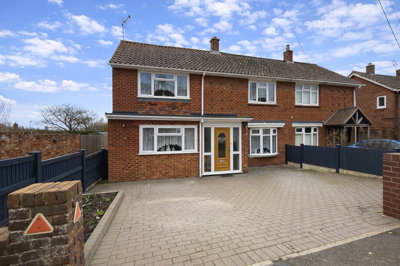
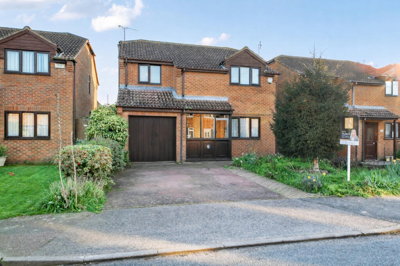
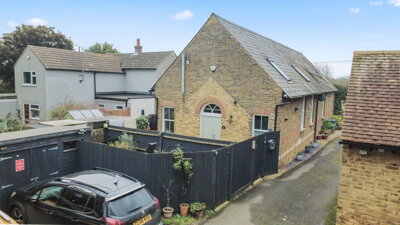
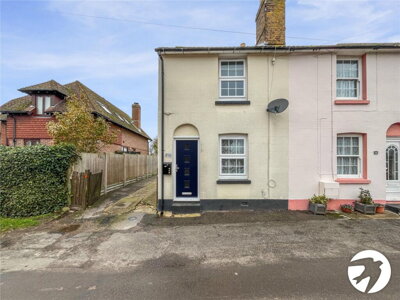
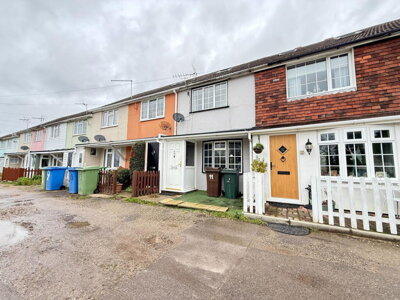
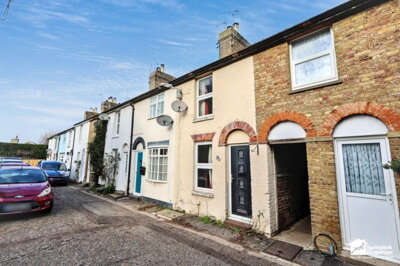
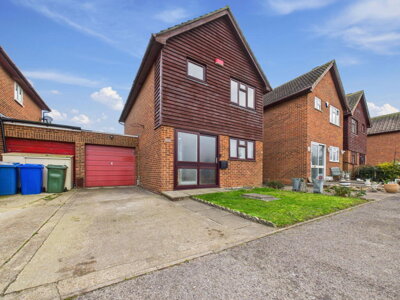
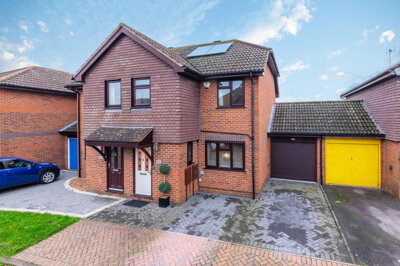
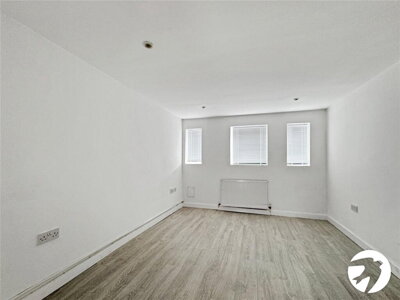
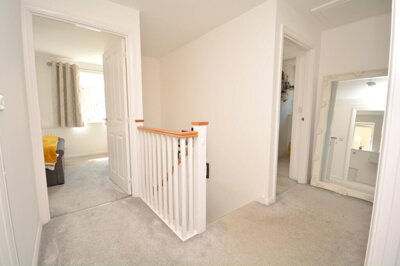
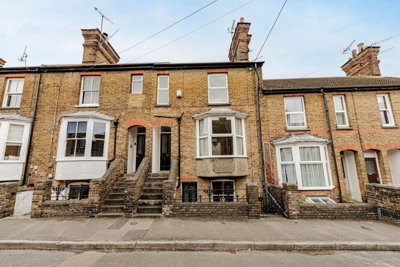
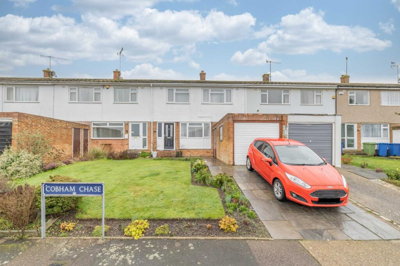
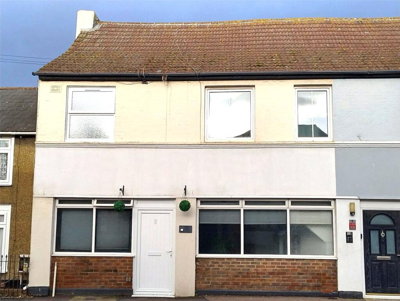
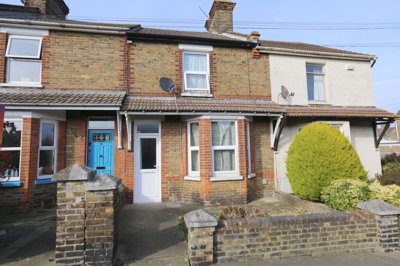
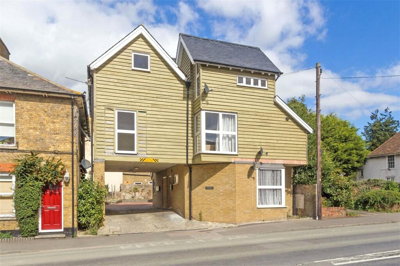
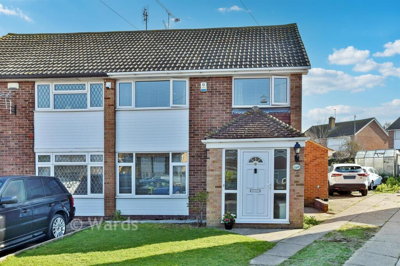
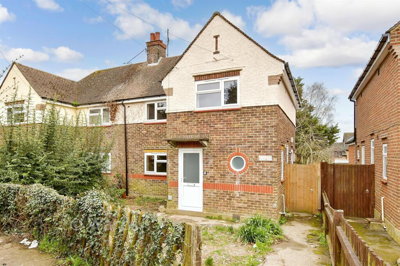
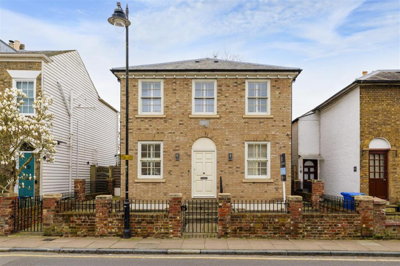
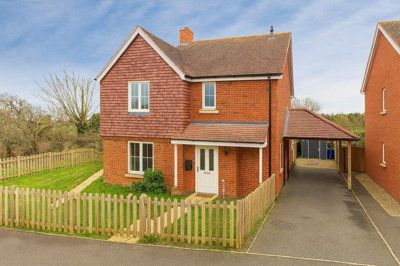
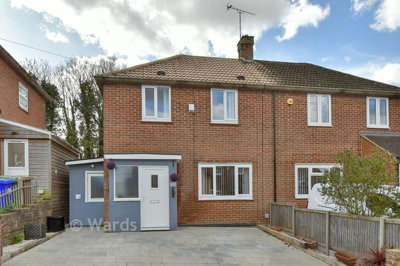
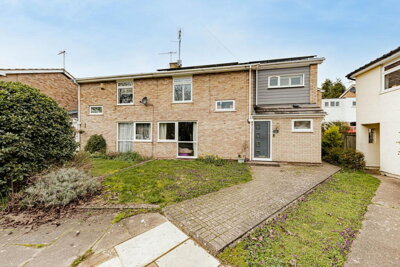
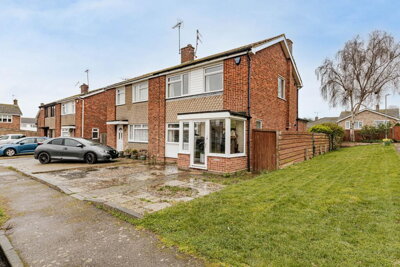
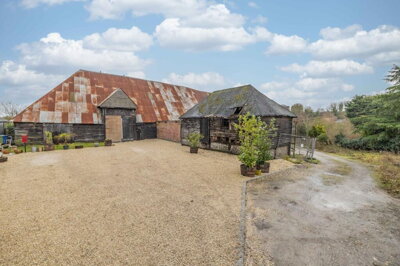
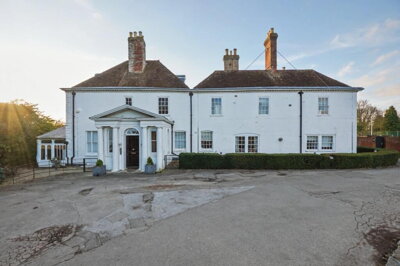
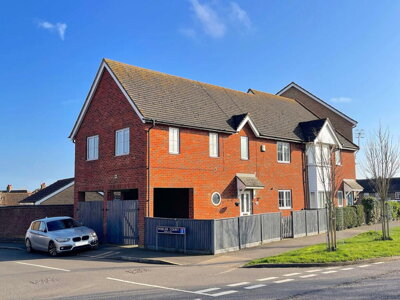
Browse 142 homes for sale in Norton, Buckland and Stone from local estate agents.
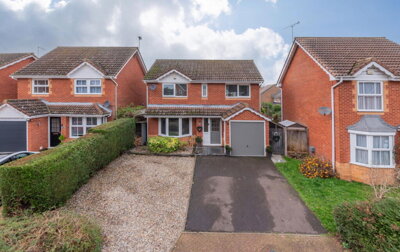
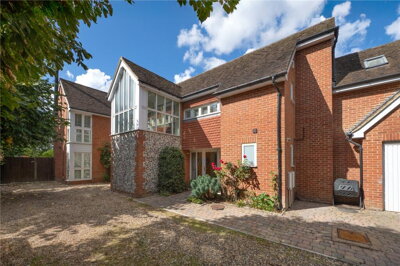
The property market in Norton, Buckland and Stone reflects its status as a heritage-rich rural parish where character properties command premium prices. Recent sales demonstrate the range of options available: a substantial detached property at 7 The Trefoil on Norton Road sold for £717,500 in December 2024, while semi-detached cottages in the area have sold for between £216,000 and £500,000 depending on size and condition. These transactions illustrate that buyers can access everything from charming period cottages to substantial family homes within this tight-knit community, though the absence of new build developments means stock is limited and competition for the best properties can be fierce.
House prices in Buckland have experienced a notable correction over the past year, declining 39% from previous levels and sitting 38% below the 2022 peak of £893,286. This adjustment brings properties more within reach for first-time buyers and growing families who may have been priced out during the post-pandemic property boom. The market here operates differently from urban areas, with longer transaction times and a greater emphasis on property condition, listed building status, and specific location within the parish. Properties along Lewson Street, with their thatched roofs and historic charm, tend to attract buyers seeking authentic Kentish countryside living, while those closer to the A2 may appeal to commuters prioritising transport connections.
We regularly advise buyers on the unique dynamics of purchasing in conservation-heavy parishes like this one. Our experience shows that properties in Norton, Buckland and Stone often take longer to sell than urban equivalents, creating opportunities for well-informed buyers who understand the local market rhythms. The 38 listed buildings throughout the parish contribute to a limited supply of available homes, as many owners are reluctant to sell properties with such distinctive character and heritage value. This scarcity factor, combined with the enduring appeal of Kentish village life, supports long-term property values even during broader market corrections.
Life in Norton, Buckland and Stone revolves around the rhythms of the Kentish countryside, where farming remains central to the local economy and community identity. The parish extends across a landscape characterised by scattered farmsteads, orchards, and hop gardens that have shaped the region for centuries. With a population density of just 60 people per square kilometre and a mean resident age of 43.9 years, the community attracts those seeking space, tranquility, and a slower pace of life away from urban pressures. The recent population growth from 467 in 2011 to 498 at the 2021 Census reflects growing interest in rural living, though the parish has maintained its intimate scale and village atmosphere.
The area boasts an extraordinary concentration of heritage assets, with 38 listed buildings recorded in the National Heritage List for England, including one Grade I building, one Grade II* building, and 36 Grade II listings. The flint church of St Mary's represents the parish's ecclesiastical heritage, while Norton Court, a Grade II* listed building originally built in 1625 and remodelled in the early 19th century, stands as the architectural history of the area. Stone, one of the hamlets within the parish, contains an Anglo-Saxon chapel that is a scheduled ancient monument, offering residents a tangible connection to the earliest chapters of English history. Lewson Street serves as the social heart of the community, where period cottages, farms, and the local pub create opportunities for neighbourly interaction and community spirit.
We find that buyers relocating to Norton, Buckland and Stone typically cite the area's unspoilt character and strong sense of community as primary motivations. The parish's proximity to Faversham provides access to weekly markets, independent shops, and railway services to London, while the surrounding Kentish countryside offers extensive walking routes through orchards and farmland. Residents benefit from the slower pace of rural life without sacrificing access to urban amenities, making this an attractive option for families, retirees, and remote workers seeking a balanced lifestyle.

Families considering a move to Norton, Buckland and Stone will find a selection of educational options within reasonable travelling distance across the Swale district. The nearest primary schools include those in the surrounding villages and nearby Faversham, with families typically travelling short distances by car to reach their preferred settings. For younger children, several primary schools in the Faversham area offer good reputations and strong community involvement, making the daily school run manageable from properties throughout the parish.
Secondary education in the area includes The Abbey School in Faversham, a popular choice for families across the wider parish and surrounding villages. Families seeking faith-based education may also consider options in Sittingbourne, which is approximately 15 minutes away by car. For parents considering independent education, Kent offers a range of established private schools including girls' and boys' grammar schools in Canterbury and Maidstone, with some offering transport arrangements for rural pupils from the Swale area.
We recommend that parents research specific catchment areas and admission policies before committing to a property purchase, as these can vary significantly between schools and may affect which properties are most suitable for their family's educational needs. Sixth form and further education opportunities are available in the larger towns of Sittingbourne and Maidstone, both accessible via regular bus services or car. The University of Kent in Canterbury is also within reasonable commuting distance for older students pursuing higher education.

Norton, Buckland and Stone benefits from its position relative to the A2 trunk road, which provides direct access to the historic city of Canterbury to the east and the Thames Gateway area to the west. This road corridor makes the parish accessible for commuters who require occasional travel to larger employment centres, though the rural nature of the local road network means that a car is virtually essential for day-to-day living. The proximity to the A2 offers a pragmatic balance between village tranquility and connectivity, with Sittingbourne approximately 15 minutes away by car and the Channel ports at Dover accessible within 40 minutes for those who travel internationally.
Public transport options are more limited in this rural parish, reflecting its low population density of 60 people per square kilometre. Bus services connect the hamlets with Faversham, where mainline railway stations provide access to London Victoria via the Kent Coast Line, with journey times of approximately 90 minutes to the capital. The nearest stations include Faversham and Teynham, both offering regular services to the Kent coast and connections to the High Speed rail link at Ashford International for faster access to London.
We often advise buyers to consider their commuting requirements carefully when choosing a property within the parish. Those working from home may find properties throughout the area equally suitable, while regular commuters might prefer homes closer to Lewson Street or the main road corridors for easier access to bus services. For cyclists, the Kent countryside offers scenic routes through orchards and farmland, though the narrow rural lanes require caution, particularly during harvest season when agricultural traffic increases substantially. The Kent Coast Line railway, accessible via Faversham, provides reliable services to London and connections to the wider rail network for longer journeys.
Spend time exploring the different hamlets within the parish, from the thatched cottages of Lewson Street to the historic buildings around Norton Road and Stone. Understanding which area best suits your lifestyle will help you focus your property search and identify homes that genuinely meet your needs. We recommend visiting at different times of day and week to get a authentic feel for the community atmosphere and noise levels from nearby farms.
Before viewing properties, obtain a mortgage agreement in principle from a lender. This strengthens your position when making offers and demonstrates to sellers that you are a serious buyer with financing already considered. Given the range of property values in the area, from cottages around £216,000 to substantial detached homes reaching £717,500, knowing your budget helps focus your search. Speak to a specialist broker who understands rural property valuations, as lenders may appraise heritage properties differently from standard residential homes.
View multiple properties across the parish to understand the local market. Pay attention to property condition, as many homes are centuries-old with listed status. A RICS Level 2 survey is particularly valuable for older properties in this area, where timber-framing, thatched roofs, and flint construction require specialist assessment. We recommend requesting information about previous survey reports and maintenance history from sellers where available.
Once you find your ideal home, submit a competitive offer through your estate agent. Given the limited stock in this rural parish, be prepared to negotiate on price and terms. Properties may have been on the market for some time, creating opportunities for buyers willing to engage constructively with sellers. Be aware that listed building status may affect what you can and cannot do with the property, so factor this into your negotiations and any price adjustments.
Appoint a conveyancing solicitor to handle the legal aspects of your purchase. They will conduct searches, review contracts, and liaise with the seller's representatives. Given the heritage status of many properties in Norton, Buckland and Stone, searches should include listed building status, conservation area restrictions, and any local planning conditions that may affect your use of the property. Flood risk searches are particularly important for properties extending toward the Swale levels in the northern areas of the parish.
Once all searches are satisfactory and finances are confirmed, you will exchange contracts and pay your deposit. Completion typically follows within days or weeks, depending on arrangements. At this point, you will receive your keys and can begin enjoying your new home in this historic Kent parish. We recommend arranging buildings insurance from the point of contract exchange, as the property becomes your responsibility at this stage.
Purchasing a property in Norton, Buckland and Stone requires particular attention to the age and status of homes, given the prevalence of historic buildings throughout the parish. With 38 listed buildings and numerous properties dating from the 16th and 17th centuries, buyers should understand that listed status imposes obligations regarding maintenance and alterations. Any works to a Grade I, Grade II*, or Grade II listed property may require Listed Building Consent from Swale Borough Council, adding complexity to renovation projects. Factor in the potential costs of maintaining period features such as thatched roofs, timber-framed walls, and flint construction when budgeting for your purchase.
The predominant construction materials in the parish reflect its Kentish heritage and include timber-framing, red brick cladding, plain tile roofs, and flint masonry. Little Rushett, a Grade II listed house dating from the 15th century, exemplifies the timber-framed construction common throughout the area, while the flint church of St Mary's demonstrates the traditional use of local stone materials. These construction methods, while highly characterful, require ongoing maintenance and specialist knowledge when repairs are needed. We recommend commissioning a thorough building survey for any property of significant age or non-standard construction.
The parish extends toward the low-lying Swale levels, which raises considerations regarding flood risk for properties in the northern areas. While specific flood risk data for individual properties may not be readily available, buyers should commission appropriate searches and consider the proximity of any prospective purchase to watercourses and low-lying land. The likely presence of clay soils in this part of Kent also suggests potential for shrink-swell subsidence, particularly during prolonged dry spells or where large trees are present near foundations. Clay shrinkage causes approximately 70% of all subsidence cases in the UK, and properties with mature vegetation should be carefully assessed.
Common defects in older Kentish properties include damp penetration through solid walls, deterioration of timber elements through woodworm or wet rot, and roof covering failures, particularly with traditional materials like thatch. We strongly recommend a RICS Level 3 Building Survey for older or more complex properties where standard inspections may not reveal all potential issues. Given that many properties in the parish are over 50 years old, the detailed assessment provided by a Level 3 survey often proves worthwhile, especially for listed buildings where specialist understanding of historic construction is essential.
The average house price in Buckland, which forms part of Norton, Buckland and Stone, was £555,000 over the last year. This represents a significant correction, with prices falling 39% from the previous year and sitting 38% below the 2022 peak of £893,286. Recent sales have ranged from cottages around £216,000, such as 2 Whinbourne Cottages on Provender Lane, to substantial detached properties reaching £717,500 at 7 The Trefoil on Norton Road, demonstrating the variety of properties available within the parish. First-time buyers and growing families may find the current market conditions particularly favourable for entering the local property market.
Properties in Norton, Buckland and Stone fall under Swale Borough Council, and council tax bands vary by property depending on valuation. Historic and period properties in the parish may be valued under different criteria due to their listed status and age. Properties in conservation-sensitive locations may also have unique valuation considerations. Prospective buyers should check specific bands with Swale Borough Council or via the local government valuation office website, as bands can significantly affect annual running costs. Current Swale Borough Council tax rates for 2024/25 range from Band A at approximately £1,500 to Band H at around £4,500 per year.
Primary schools in the surrounding villages and Faversham serve the parish, with families typically travelling short distances by car. The Faversham area hosts several well-regarded primary schools with good reputations for academic achievement and community involvement. Secondary schools in Faversham, including The Abbey School, serve the wider parish area. Parents should research specific admission catchment areas and any bus services offered by schools, as these can affect school placement and daily logistics. Further education options are available in Sittingbourne and Maidstone, both accessible by public transport or car, including the popular Sittingbourne Community College sixth form.
Public transport options reflect the rural nature of the parish, with limited bus services connecting the hamlets to Faversham. The 362 bus service provides connections between Faversham and the villages, though frequency is limited to several times daily rather than hourly. Faversham railway station offers services to London Victoria in approximately 90 minutes and connections to the Kent coast. The nearest stations are Faversham and Teynham, both offering regular services. A car is virtually essential for day-to-day living in this parish, though the A2 provides reasonable access to Canterbury, Sittingbourne, and the Channel ports within 15 to 40 minutes depending on destination.
Norton, Buckland and Stone offers appeal for investors seeking character properties in a historic rural setting. The limited supply of properties, combined with strong heritage designation and the enduring appeal of Kentish village life, suggests long-term value retention for quality homes. Recent price corrections have brought properties more within reach, though investors should consider the obligations of listed building ownership, the limited rental market in such a small community, and the potential for longer transaction times when buying and selling. Properties requiring renovation may offer particular value for investors willing to undertake restoration work, though consent requirements for listed buildings add complexity to such projects.
Stamp Duty Land Tax applies to purchases above £250,000 at 5% on the portion between £250,001 and £925,000, 10% on the portion between £925,001 and £1.5 million, and 12% above £1.5 million. First-time buyers pay no SDLT on properties up to £425,000, with 5% on the portion between £425,001 and £625,000. For a typical property at the parish average of £555,000, a non-first-time buyer would pay £15,250 in SDLT, while a first-time buyer purchasing at this price point would pay £6,500 after the first-time buyer relief threshold. AdditionalSDLT may apply for second homes or investment properties.
From £455
A detailed inspection of the property condition, ideal for standard modern homes and suitable for most properties in the parish
From £600
Our most comprehensive survey, recommended for older properties, listed buildings, and non-standard construction common in Norton, Buckland and Stone
From £499
Expert legal services for your property purchase, including local searches and listed building considerations
From 4.5%
Specialist mortgage advice tailored to rural properties and heritage homes in Kent
Understanding the full costs of purchasing property in Norton, Buckland and Stone is essential for budgeting effectively, particularly given the heritage status of many homes in the parish. Beyond the property price, buyers should budget for Stamp Duty Land Tax, which applies at standard rates to purchases above £250,000. For a typical property at the parish average of £555,000, a non-first-time buyer would pay £15,250 in SDLT, while a first-time buyer purchasing at this price point would pay £6,500 after the first-time buyer relief threshold. Properties above £925,000 incur the higher rate of 10% on the portion between £925,001 and £1.5 million.
Additional purchasing costs include conveyancing fees, which typically start from £499 for standard transactions but may increase for properties with complex titles, listed building status, or unusual features requiring specialist investigation. Survey costs warrant particular attention in this parish, where a RICS Level 2 survey costs around £455 to £639 on average nationally, rising for older properties, those with non-standard construction, or listed buildings where specialist assessment is required. For a property valued at £555,000 in this area, expect to pay toward the higher end of the typical range due to the prevalence of older and listed properties. A RICS Level 3 Building Survey may cost £600 or more but provides the detailed assessment that heritage properties often require.
Other costs include valuation fees charged by your mortgage lender, which are typically £150 to £300 depending on the lender and property value. Land Registry fees for registration start from £20 for most residential purchases. For properties extending toward the Swale levels, budget for thorough flood risk searches as part of your conveyancing, which may reveal issues requiring specialist advice or insurance considerations. Removal costs vary depending on distance and volume, while buildings insurance should be arranged from the point of contract exchange. For listed properties, consider setting aside a contingency fund for maintenance and repairs that may arise from survey findings or listed building consent requirements.
Properties for Sale In London

Properties for Sale In Plymouth

Properties for Sale In Liverpool

Properties for Sale In Glasgow

Properties for Sale In Sheffield

Properties for Sale In Edinburgh

Properties for Sale In Coventry

Properties for Sale In Bradford

Properties for Sale In Manchester

Properties for Sale In Birmingham

Properties for Sale In Bristol

Properties for Sale In Oxford

Properties for Sale In Leicester

Properties for Sale In Newcastle

Properties for Sale In Leeds

Properties for Sale In Southampton

Properties for Sale In Cardiff

Properties for Sale In Nottingham

Properties for Sale In Norwich

Properties for Sale In Brighton

Properties for Sale In Derby

Properties for Sale In Portsmouth

Properties for Sale In Northampton

Properties for Sale In Milton Keynes

Properties for Sale In Bournemouth

Properties for Sale In Bolton

Properties for Sale In Swansea

Properties for Sale In Swindon

Properties for Sale In Peterborough

Properties for Sale In Wolverhampton

Enter your details to see if this property is within your budget.
Loans, cards, car finance
Estimated property budget
Borrowing + deposit
You could borrow between
Typical borrowing
Monthly repayment
Est. at 4.5%
Loan-to-value
This is an estimate only. Your actual budget may vary depending on interest rates, credit history, and personal circumstances. For an accurate affordability assessment, speak to one of our free mortgage advisors.
This calculator provides estimates for illustrative purposes only and does not constitute financial advice. Your home may be repossessed if you do not keep up repayments on your mortgage. Estimates based on 4.5% interest rate, repayment mortgage. Actual rates depend on your circumstances.
Homemove is a trading name of HM Haus Group Ltd (Company No. 13873779, registered in England & Wales). Homemove Mortgages Ltd (Company No. 15947693) is an Appointed Representative of TMG Direct Limited, trading as TMG Mortgage Network, which is authorised and regulated by the Financial Conduct Authority (FRN 786245). Homemove Mortgages Ltd is entered on the FCA Register as an Appointed Representative (FRN 1022429). You can check registrations at NewRegister or by calling 0800 111 6768.

We use cookies to show you personalised content and improve your experience of our website. Find out more in our Privacy policy and Cookie policy.