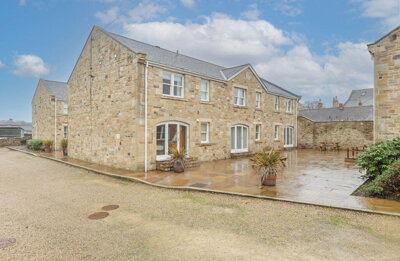
Browse 1 home for sale in North Sunderland from local estate agents.
One bed apartments provide a separate bedroom alongside distinct living space, bathroom, and kitchen areas. Properties in North Sunderland are available in various building types including mansion blocks, contemporary developments, and house conversions.
The North Sunderland property market offers a compelling mix of traditional coastal homes and period properties at competitive price points. Our current listings show detached properties averaging £387,500, reflecting the demand for spacious family homes with gardens in this sought-after coastal location. Semi-detached properties in the village command around £310,000, while terraced houses provide more accessible entry at approximately £240,000, making them particularly attractive to first-time buyers and those looking to downsize from larger properties elsewhere in the region.
Recent market data from Property Solvers indicates an average house price of £302,500 across the NE68 postcode area, with prices showing a modest 2.73% increase over the past twelve months. However, prices remain approximately 12% below the 2023 peak of £378,173, presenting potential opportunities for buyers who missed the previous market high. There were 30 residential sales recorded in the North Sunderland and Seahouses area over the past year, with the majority of transactions falling within the £190,000 to £248,000 price range, indicating active market conditions across multiple price points.
The market benefits from a diverse mix of property ages and styles, with the majority of homes built during the village's period of growth under Lord Crewe's estate in the 18th and 19th centuries. This historic building stock includes vernacular stone cottages, former farm buildings converted into residential properties, and more substantial polite architecture from the Georgian and Victorian periods. Notable historic structures include Prior Castells Tower (Grade I), the Chapel of St Cuthbert (Grade II*), and numerous listed buildings along Main Street, including numbers 132 and 157-159, that contribute to the village's distinctive character.
Buyers should note that no large-scale new-build developments have been identified within the village boundary, meaning character properties with original features remain the primary offering in this established community. The limited new supply, combined with growing interest from buyers seeking coastal lifestyles, continues to support demand for the village's traditional housing stock.

North Sunderland embodies the authentic character of a traditional Northumberland fishing village, where the rhythm of daily life is shaped by the nearby harbour and the stunning coastal landscape. The village has a population of approximately 1,959 residents across 858 households, creating an intimate community atmosphere where neighbours know one another and local events bring people together throughout the year. The population estimate for 2024 suggests slight changes, reflecting the broader trend of people discovering this coastal gem as a place to put down roots.
The village centre centres around Main Street, North Lane, and South Lane, where the designated Conservation Area preserves the special architectural and historic character that makes North Sunderland so distinctive. Properties along these historic lanes include fine examples of 18th and 19th-century stone buildings, many of which are listed structures contributing to the village's protected status. The Conservation Area designation, recommended in 2005, ensures that new development respects the traditional building styles and layout that define this coastal settlement. Brock Burn House and attached cottage, along with East and West Houses, exemplify the quality of historic architecture found throughout the village.
As a historic fishing village, North Sunderland maintains strong connections to the sea, with the working harbour providing fresh seafood to local establishments and supporting the area's tourism economy. The nearby limekilns at Seahouses Harbour stand as Grade II listed monuments to the area's industrial heritage, serving as reminders of the maritime trade that shaped this community. The proximity to Seahouses, just a short walk away, expands access to additional amenities including larger shops, cafes, and boat trips to the Farne Islands.
Bamburgh, home to the iconic castle that dominates the skyline for miles around, lies just a few miles north and draws visitors throughout the year to one of England's most spectacular Norman fortifications. The market town of Berwick-upon-Tweed provides comprehensive shopping and services to the north, while Alnwick to the south offers the famous castle and gardens that attract families from across the region. The wider area supports a mix of residential living, holiday accommodation, and tourism-related businesses, creating a diverse local economy that remains buoyant throughout the seasons.
Families considering a move to North Sunderland will find educational provision centred within the village and the surrounding area, with primary education available locally and secondary options within reasonable daily travelling distance. The village's historic school buildings reflect the community's long-standing commitment to education, with institutions established during the 19th-century period of growth when much of the village was constructed. Parents should research current Ofsted ratings and admission arrangements directly, as these are subject to regular review and can significantly impact schooling options for new residents.
Secondary education in the region is available at schools in the wider Northumberland area, with families typically choosing between schools in Berwick-upon-Tweed, Alnwick, or the coastal communities to the south. Berwick-upon-Tweed offers several secondary options including Berwick Academy, a long-established school serving the north Northumberland coast. The journey times from North Sunderland to these schools require careful consideration, with some families opting for school transport arrangements or car sharing to manage the daily commute.
Sixth form provision and further education facilities are concentrated in the larger towns, meaning that some families may need to consider boarding arrangements or longer daily commutes for older students pursuing specific A-level courses or vocational qualifications. Northumberland College provides further education opportunities in Alnwick, while the universities in Newcastle upon Tyne and Edinburgh are accessible for degree-level study. The proximity to these larger centres means that North Sunderland families can access a broader range of educational opportunities while enjoying the benefits of village life.
The quality of the local environment contributes significantly to educational outcomes, with coastal and rural settings providing valuable opportunities for outdoor learning, physical activity, and connection to natural landscapes. Schools in Northumberland benefit from the beautiful surrounding countryside and the educational resources provided by attractions such as the Farne Islands and Bamburgh Castle, offering enrichment opportunities that urban schools cannot easily replicate. The maritime heritage of North Sunderland itself provides unique learning experiences, with the harbour and fishing industry offering practical insights into traditional coastal livelihoods. Parents are advised to check current school performance data, admission catchment areas, and transport arrangements when planning a move, as these factors can influence which schools children can realistically attend from North Sunderland.
Transport connections from North Sunderland reflect its position as a coastal village, with road travel serving as the primary means of accessing the wider region and major employment centres. The A1 trunk road runs through the area, providing a direct route south to Newcastle upon Tyne and north to Edinburgh, making car travel the most practical option for most journeys beyond the immediate locality. Journey times to Newcastle are approximately 1 hour 15 minutes by car, while Edinburgh can be reached in around 1 hour 30 minutes, positioning North Sunderland within reasonable commuting range for those who work in the major cities but prefer coastal living.
Public transport options are more limited, with bus services connecting North Sunderland to nearby towns and villages including Bamburgh, Alnwick, and Berwick-upon-Tweed. The X18 service provides a useful link to Berwick railway station, which offers regular services to Edinburgh and Newcastle, connecting passengers to the wider national rail network. For daily commuting, the rail connections require careful consideration of journey times and service frequency, as they are designed primarily for regional rather than commuter traffic.
The geography of the area shapes travel patterns, with the underlying igneous rock formations of the Bamburgh area creating a landscape of rolling hills and dramatic coastline. To the south, deposits of alluvium from the glacial period create flatter terrain, while the coastal geology near Sunderland Point consists of loose, poorly sorted glacial stones and clay that reflects the ancient glacial history of this stretch of Northumberland coastline. These geological factors influence road routing and accessibility during extreme weather events.
For air travel, Newcastle International Airport is approximately 1 hour 30 minutes by car, offering domestic flights and international connections across Europe and beyond. Edinburgh Airport provides additional options and is similarly accessible for residents prepared to travel. Local cycling is popular given the relatively flat terrain surrounding the village and the scenic coastal routes available, while the harbour provides access to boat travel for those wishing to explore the coastline and offshore islands by sea. Daily parking provisions and facilities for electric vehicles are growing considerations for residents, particularly during the summer tourist season when visitor numbers increase significantly.
Begin your property search by exploring current listings in North Sunderland and the surrounding Seahouses area, comparing prices against recent sales data to understand true market value. With average prices around £331,250 and most sales falling between £190,000 and £248,000, you can quickly identify whether detached homes near the harbour, stone cottages in the Conservation Area, or modern properties on the village outskirts match your requirements and budget. Consider working with a local estate agent who knows the village intimately, as properties occasionally come to market off-portal and early knowledge can be advantageous.
Before viewing properties, obtain a mortgage agreement in principle from a lender to confirm your borrowing capacity and strengthen your position when making offers. This document demonstrates to estate agents and sellers that you are a serious buyer with verified finances, which is particularly valuable in a village market where properties can attract multiple interested parties. For those purchasing with smaller deposits, exploring specialist coastal mortgage products early can save time when you find the right property.
Schedule viewings of properties that meet your criteria, paying attention to the condition and maintenance history of older stone properties which may require maintenance or renovation work. Given the prevalence of 18th and 19th-century buildings in North Sunderland, consider which properties offer move-in ready conditions versus those requiring investment in updating outdated electrics, plumbing, or structural repairs. Pay particular attention to properties near the harbour, as these may show signs of salt exposure and coastal weathering that affect building materials over time.
For any property you seriously consider purchasing, commission a RICS Level 2 Homebuyer Report to assess the condition of the property and identify any defects that may affect value or require attention. Given the age of most properties in North Sunderland, this survey is particularly valuable for detecting issues common to historic coastal buildings, including damp penetration in solid stone walls, timber defects in floors and roof structures, and the condition of traditional slate or pantile roofs. A Level 2 survey typically costs around £455 but provides essential when purchasing period properties in this coastal location.
Choose a conveyancing solicitor with experience in Northumberland property transactions to handle the legal aspects of your purchase, including searches, contracts, and registration of title. Your solicitor will also advise on any planning restrictions, Conservation Area implications, or listed building considerations that may affect your intended use of the property. Given the number of listed buildings in North Sunderland, including Grade II properties on Main Street and the exceptional Grade II* Chapel of St Cuthbert, understanding permitted development rights is particularly important.
Once all searches are satisfactory and finance is confirmed, proceed to exchange contracts and set a completion date that allows time for removals arrangements and notification of relevant parties. On completion day, the property legally transfers to you and you can collect your keys and begin your new life in North Sunderland. Allow extra time for removals during the summer tourist season when additional traffic on local roads can slow journey times.
Property buyers in North Sunderland should pay particular attention to the condition and maintenance history of older stone-built properties, which form the majority of the village's housing stock. The historic construction methods used in 18th and 19th-century buildings, including solid stone walls, timber floors, and traditional slate or pantile roofs, require different maintenance approaches compared to modern properties. Finding evidence of regular upkeep, recent re-roofing, or damp-proof course installation can provide reassurance that the property has been well-maintained despite its age. Properties constructed using the vernacular building methods of this period often feature local sandstone, which can be susceptible to weathering and water penetration if not properly maintained.
The coastal location of North Sunderland means that buyers should investigate potential exposure to coastal erosion, flooding risks, and the effects of salt air on building materials. While specific flood risk data for the village was limited in available records, coastal properties inherently face some degree of exposure to storm surges and high tides, particularly those situated near the harbour or low-lying areas. The loose glacial geology found in some coastal areas of Northumberland, including unconsolidated stones and clay, can affect ground conditions and stability over time. Properties elevated above the harbour or set back from the immediate shoreline may offer reduced exposure while still benefiting from sea views and easy access to the coast.
The presence of listed buildings and the Conservation Area designation in North Sunderland brings additional considerations for prospective buyers. Properties carrying listed status are subject to planning restrictions that control alterations, extensions, and even external paint colours, requiring consent from the local planning authority for most changes. These designations protect the village's character but may limit your ability to modify a property in ways that might be permitted for non-listed homes elsewhere. Prior Castells Tower, a Grade I listed medieval tower house, stands as a reminder of the exceptional heritage assets in this area that contribute to planning considerations throughout the village.
For buyers considering holiday let investments, the tourism economy of North Sunderland and its proximity to the Farne Islands and Bamburgh Castle make this an attractive option. However, mortgage arrangements for holiday let properties differ from standard residential purchases, and planning permission may be required for change of use. The seasonal nature of coastal tourism should be factored into any investment calculations, with higher occupancy rates typically seen during summer months and quieter periods during winter. Properties along Main Street and near the harbour benefit from good foot traffic and visibility, though noise from seasonal visitors should be considered by those seeking quieter residential conditions.
The average property price in North Sunderland and the surrounding Seahouses area (NE68 postcode) was £331,250 over the past year according to Rightmove data. Zoopla reports a slightly lower average of £289,778, while Property Solvers indicates £302,500. Prices have shown modest growth of around 2.73% over twelve months but remain approximately 12% below the 2023 peak of £378,173. Detached properties average £387,500, semi-detached homes around £310,000, and terraced properties approximately £240,000. With 30 residential sales recorded in the past year and most transactions falling in the £190,000 to £248,000 range, the market shows steady activity at accessible price points for buyers entering the coastal property market.
Properties in North Sunderland fall under Northumberland County Council administration, which sets council tax bands based on property valuations. Specific band information varies by individual property, with older stone cottages and smaller terraced properties typically falling into bands A to C, while larger detached homes and properties with significant sea views may be placed in higher bands D or E. Prospective buyers should check the specific council tax band of any property through the Valuation Office Agency website or their solicitor during the conveyancing process, as bands can affect ongoing running costs significantly.
North Sunderland has primary education provision within the village itself, with the local school serving the immediate community and surrounding rural areas. Secondary education options include schools in Berwick-upon-Tweed, Alnwick, and other Northumberland towns, with Berwick Academy being a notable option for families in the north of the county. Specific schools and catchment areas depend on your precise location and the current admission arrangements, which can change annually. Parents should research current Ofsted ratings and consider travel arrangements when evaluating educational options, as school transport and journey times can significantly impact family decisions. The coastal setting provides excellent opportunities for outdoor education, with the Farne Islands and local beaches offering unique learning experiences.
Public transport connections from North Sunderland are limited compared to larger towns, with bus services providing the primary public option for local journeys to Bamburgh, Alnwick, and Berwick-upon-Tweed. The X18 bus route serves the village, connecting residents to Berwick railway station where regular services to Edinburgh and Newcastle upon Tyne provide access to the wider national rail network. Road travel via the A1 provides the most practical option for most journeys, with Newcastle approximately 1 hour 15 minutes away and Edinburgh around 1 hour 30 minutes by car. Daily commuters to either city should factor in the distance carefully, as the journey, while manageable, does not lend itself to five-day-per-week commuting.
North Sunderland offers several investment considerations for property buyers seeking coastal exposure in Northumberland. The strong tourism sector, driven by proximity to the Farne Islands and Bamburgh Castle, supports both holiday let opportunities and longer-term rental demand from seasonal workers and visiting professionals. Property prices remain below their 2023 peak of £378,173, potentially offering value for buyers entering the market at a favourable point in the cycle. However, the limited employment base, smaller population of around 1,959 residents, and seasonal nature of tourism income should be weighed against these factors. Properties in the Conservation Area with listed status may appreciate due to restricted supply and planning constraints on new development, while the coastal location introduces some exposure to environmental risks that affect insurance costs and resale potential in the long term.
Stamp duty rates for 2024-25 apply the standard thresholds to all purchases in England, with no additional regional supplements. For properties up to £250,000, no stamp duty is payable, which covers many terraced properties in North Sunderland at the current average of £240,000 for this type. Properties between £250,000 and £925,000 incur 5% on the amount above £250,000, meaning a typical £331,250 purchase attracts approximately £4,063 in SDLT. Properties between £925,000 and £1.5 million pay 10% above £925,000, while those over £1.5 million incur 12% on amounts above this threshold. First-time buyers benefit from relief on the first £425,000, with 5% charged between £425,000 and £625,000, and standard rates apply above this level.
North Sunderland contains a significant concentration of listed buildings reflecting its historic importance as a fishing village and part of Lord Crewe's estate during the 18th and 19th centuries. Notable Grade II listed properties include numbers 132, 157, and 159 on Main Street, along with Brock Burn House and its attached cottage. The Chapel of St Cuthbert holds Grade II* status, reflecting its exceptional architectural or historic interest, while Prior Castells Tower commands Grade I listing as a medieval tower house of national importance. Many cottages throughout the village carry individual listed status, meaning prospective buyers should verify the status of any property and understand the associated planning constraints before proceeding with a purchase.
As a coastal village, North Sunderland has inherent exposure to coastal flooding, particularly during storm surges and high tides that affect the North Sea coastline. Properties situated near the harbour or in low-lying areas face the greatest risk, while those elevated above the village centre or set back from the immediate shoreline generally benefit from reduced exposure. The glacial geology of the area, including deposits of alluvium and unconsolidated glacial materials, can affect surface water drainage patterns during extreme weather events. Prospective buyers should request a specific flood risk assessment from their solicitor during conveyancing and verify whether the property is in a flood zone through the government flood risk checking tool. Buildings insurance costs may reflect the coastal location, and lenders will require confirmation of flood risk status before completing on a mortgage.
From 4.5%
Finding the right mortgage for your North Sunderland property purchase
From £499
Conveyancing solicitors with Northumberland experience
From £455
Professional survey for period properties in North Sunderland
From £80
Energy performance certificate for your new property
Understanding the full costs of purchasing property in North Sunderland is essential for budgeting effectively, with stamp duty land tax (SDLT) representing one of the larger upfront expenses alongside deposit, valuation fees, and legal costs. For a typical property in North Sunderland at the current average price of £331,250, a standard buyer would pay approximately £4,063 in stamp duty, calculated at 5% on the amount above £250,000. This figure assumes no first-time buyer relief and standard SDLT thresholds for purchases in England, with the calculation working out as £81,250 (the sum above £250,000) multiplied by 5%.
First-time buyers purchasing property at the North Sunderland average price of £331,250 would qualify for first-time buyer relief, reducing their SDLT to £4,063 or potentially less depending on the purchase price. The relief applies to properties up to £625,000 for first-time buyers who have never owned property anywhere in the world, with the relief tapering above £425,000 where 5% applies on amounts between £425,000 and £625,000. For properties above £625,000, first-time buyer relief does not apply, and standard SDLT rates become payable, making this relief particularly valuable for buyers in the village's most affordable property sectors.
Beyond stamp duty, buyers should budget for solicitor fees averaging £500 to £1,500 for conveyancing, survey costs of around £455 for a RICS Level 2 Homebuyer Report, and removal expenses that vary depending on distance and volume of belongings. For older properties in North Sunderland, additional survey considerations may include specialist damp and timber assessments, which can add £200-400 to the overall survey costs but provide valuable information about the condition of historic stone construction. Mortgage arrangement fees typically range from £0 to £2,000 depending on the lender and product chosen, while valuation fees for the lender's assessment may add a further £300 to £700 to the costs.
Buildings insurance should be arranged from the point of exchange, and life cover or income protection may be advisable depending on individual circumstances. For listed properties, standard insurance policies may need specialist providers familiar with historic building requirements, and buyers should budget accordingly. A mortgage in principle, obtained before viewing properties, is essential for demonstrating serious intent to sellers and agents in this competitive village market where coastal properties with character can attract multiple interested parties. Factor in the cost of any immediate renovations or updates needed, as properties with historic fabric may require investment in outdated electrics, plumbing, or structural works that are not always visible during viewings.
Properties for Sale In London

Properties for Sale In Plymouth

Properties for Sale In Liverpool

Properties for Sale In Glasgow

Properties for Sale In Sheffield

Properties for Sale In Edinburgh

Properties for Sale In Coventry

Properties for Sale In Bradford

Properties for Sale In Manchester

Properties for Sale In Birmingham

Properties for Sale In Bristol

Properties for Sale In Oxford

Properties for Sale In Leicester

Properties for Sale In Newcastle

Properties for Sale In Leeds

Properties for Sale In Southampton

Properties for Sale In Cardiff

Properties for Sale In Nottingham

Properties for Sale In Norwich

Properties for Sale In Brighton

Properties for Sale In Derby

Properties for Sale In Portsmouth

Properties for Sale In Northampton

Properties for Sale In Milton Keynes

Properties for Sale In Bournemouth

Properties for Sale In Bolton

Properties for Sale In Swansea

Properties for Sale In Swindon

Properties for Sale In Peterborough

Properties for Sale In Wolverhampton

Enter your details to see if this property is within your budget.
Loans, cards, car finance
Estimated property budget
Borrowing + deposit
You could borrow between
Typical borrowing
Monthly repayment
Est. at 4.5%
Loan-to-value
This is an estimate only. Your actual budget may vary depending on interest rates, credit history, and personal circumstances. For an accurate affordability assessment, speak to one of our free mortgage advisors.
This calculator provides estimates for illustrative purposes only and does not constitute financial advice. Your home may be repossessed if you do not keep up repayments on your mortgage. Estimates based on 4.5% interest rate, repayment mortgage. Actual rates depend on your circumstances.
Homemove is a trading name of HM Haus Group Ltd (Company No. 13873779, registered in England & Wales). Homemove Mortgages Ltd (Company No. 15947693) is an Appointed Representative of TMG Direct Limited, trading as TMG Mortgage Network, which is authorised and regulated by the Financial Conduct Authority (FRN 786245). Homemove Mortgages Ltd is entered on the FCA Register as an Appointed Representative (FRN 1022429). You can check registrations at NewRegister or by calling 0800 111 6768.

We use cookies to show you personalised content and improve your experience of our website. Find out more in our Privacy policy and Cookie policy.