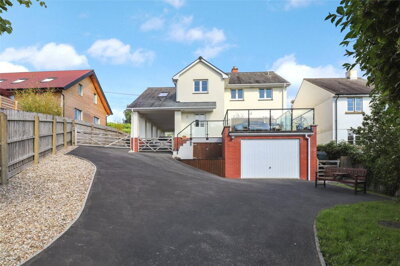
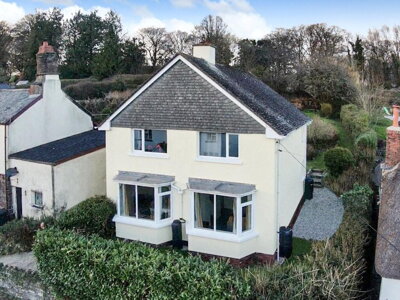
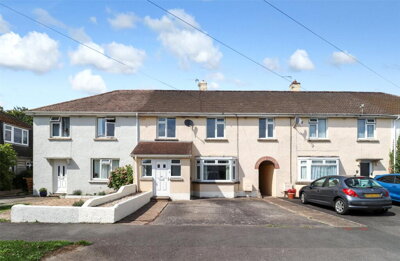
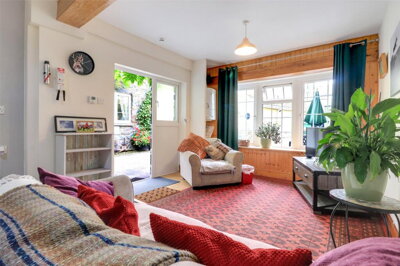
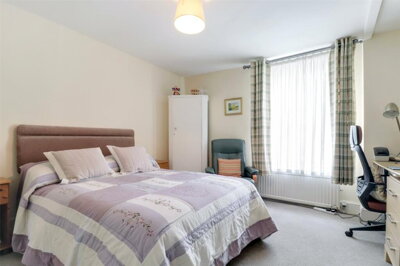
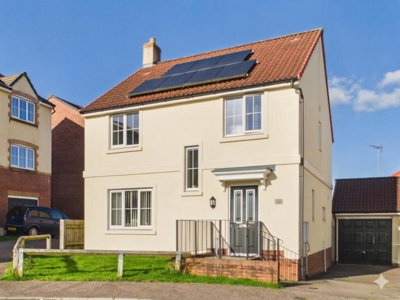
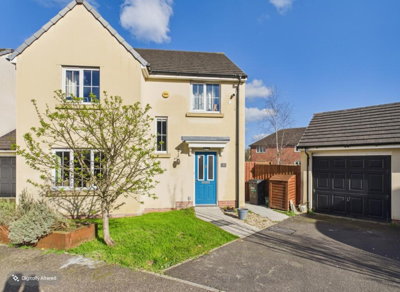
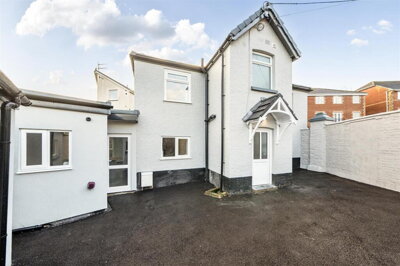
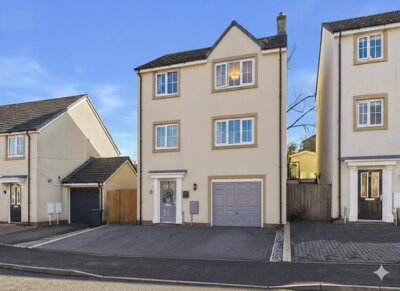
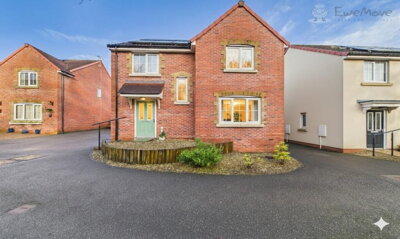
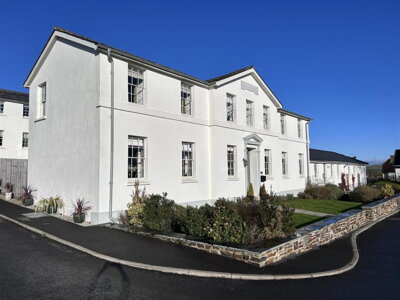
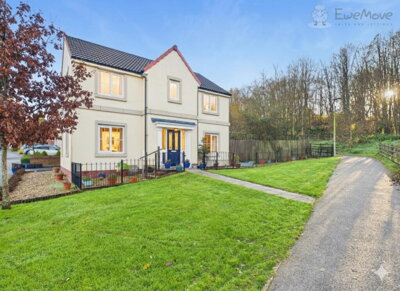
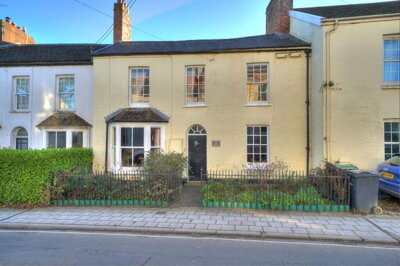
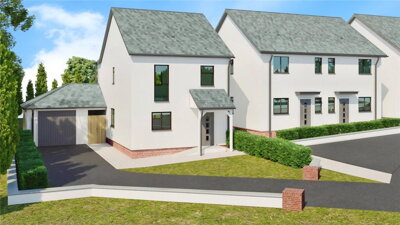
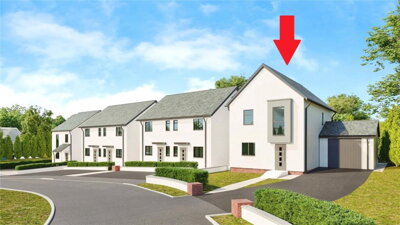
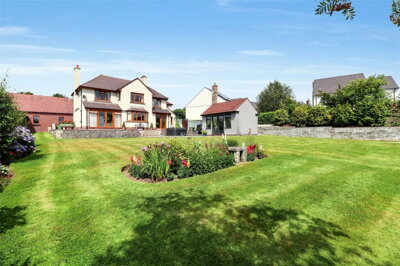
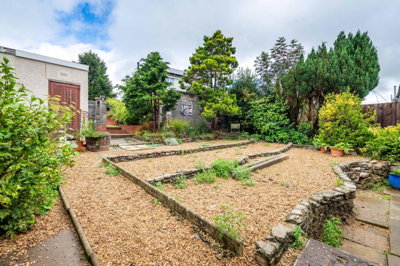
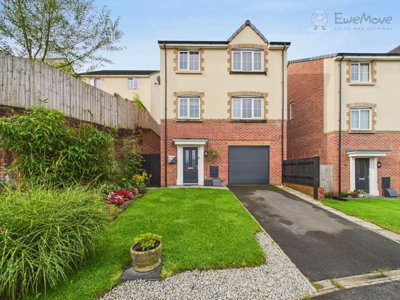
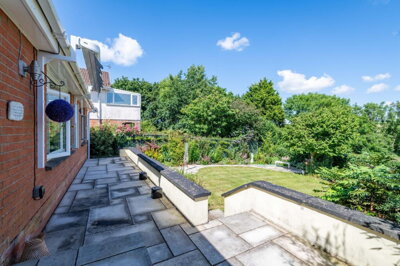
Browse 19 homes for sale in North Molton from local estate agents.
The larger property sector typically features multiple bathrooms, substantial reception space, and private gardens or off-street parking. Four bedroom houses in North Molton span detached, semi-detached, and occasionally terraced configurations, with styles ranging from period properties to modern executive homes.
The North Molton property market presents a compelling opportunity for buyers entering at the current moment. Property prices in the village have experienced a correction over the past year, with OnTheMarket reporting a 25.5% decline in sold prices over the last 12 months. Rightmove data confirms this trend, showing prices approximately 26% below the 2023 peak of £392,636. While this decline may initially seem concerning, it represents a normalisation following the pandemic-era surge in rural property values, creating realistic entry points for buyers who may have been priced out during the market's peak.
Detached properties dominate the North Molton market, reflecting the village's character as a predominantly rural settlement where larger homes with gardens command significant interest. These detached homes averaged £303,333 in recent transactions, offering generous accommodation suitable for families or those working from home. Terraced properties provide more affordable options at around £225,000 on average, typically offering charming period features and compact but functional layouts that appeal to first-time buyers or investors. Flats remain scarce in the village itself, with the nearest comparable data showing average prices of £119,950 for flats in nearby South Molton's North Street area.
The broader South Molton housing market, of which North Molton forms part, showed resilience with a 2.41% increase in property prices over the last 12 months. This suggests that while individual village transactions may fluctuate, the local housing market fundamentals remain stable. No active new-build developments specifically within the North Molton postcode area (EX36) have been identified, meaning buyers seeking modern specifications will need to consider properties with recent renovations or look to neighbouring settlements. The limited new supply in the village preserves its character and makes existing properties, particularly those with period features, increasingly desirable to buyers seeking authenticity over modernity.
We monitor listing activity across the village to help you identify appropriate properties as they become available. The mix of properties changes relatively slowly given the village's small population and limited turnover, making early engagement with the market advantageous for serious buyers who may face limited competition for well-priced homes.

North Molton embodies the essence of traditional North Devon village life, positioned on the southern boundary of Exmoor National Park where rolling moorland meets patchwork farmland. The village cluster around the River Mole creates an intimate community feel, with the parish encompassing the main settlement and surrounding agricultural land stretching toward the border with Somerset. The local economy centres primarily on agriculture, with farming and related industries providing employment for many residents, while the proximity to Exmoor supports a growing tourism sector including farm diversification ventures, holiday cottages, and rural tourism enterprises.
The character of housing in North Molton reflects its historical development as an agricultural settlement spanning several centuries. Traditional building materials typical of rural Devon predominate, including local stone and slate for construction, cob walls rendered for weather protection, and slate roofing on older properties. Many homes date from the pre-1919 period, featuring thick walls, original timber windows, and inglenook fireplaces that speak to a time when self-sufficiency and craftsmanship defined domestic architecture. Victorian and Edwardian extensions and terraced rows were added as the village developed, followed by post-war construction and more recent individual builds. This diversity of property ages and styles creates an interesting streetscape while requiring buyers to consider the specific maintenance implications of each property type.
Community life in North Molton centres on the village hall, local church, and the network of public footpaths crisscrossing the surrounding countryside. Residents enjoy access to some of Britain's finest walking territory, with immediate connections to moorland trails, wooded valleys, and coastal paths within easy reach. The village location between the streams feeding the River Mole system creates pleasant water features throughout the area, though buyers should be aware that proximity to watercourses carries potential flood considerations in lower-lying positions. Local small businesses, artisan producers, and traditional farms contribute to a vibrant if low-key commercial life, while the nearby town of South Molton provides everyday shopping, banking, and medical services within a short drive.

Families considering a move to North Molton will find educational provision primarily centred in the nearby town of South Molton, approximately three miles distant. South Molton Primary School serves younger children from the village and surrounding parishes, providing reception through to Year 6 education with a typically village-school atmosphere where staff know pupils individually. The school draws children from a wide catchment area spanning several villages, creating a small-community environment that many parents find appealing compared to larger urban primaries. Parents should verify current admission arrangements and any catchment restrictions that might apply to their specific property location.
Secondary education is available in South Molton at South Molton Community College, which offers comprehensive secondary education and holds a sixth form for post-16 studies. The college provides a practical option for most North Molton families, avoiding the need for boarding or lengthy daily commutes for secondary-age children. Parents seeking grammar school options will need to consider schools in Barnstaple or Exeter, both within reasonable commuting distance for older children, though this typically becomes practical from around Year 10 onwards when pupils can handle longer journeys more easily.
The broader North Devon area provides additional educational choices including independent schools for families seeking alternative educational approaches. Primary schools in surrounding villages serve their immediate communities, with school transport arrangements helping connect outlying settlements to the main educational centres. Parents should research specific catchment areas and admission arrangements, as rural school catchment boundaries can significantly affect which institutions children can access. School performance data, including Ofsted ratings, varies across the local provision, making direct research essential before committing to a property purchase when school placement is a priority consideration.
For higher education and further training, North Molton residents typically travel to Barnstaple, where North Devon College provides vocational courses and A-level equivalents, or continue to Exeter or Plymouth for university-level programmes. The village's excellent connectivity via the A361 makes these options accessible for older children commuting daily or attending weekly, while the growing provision of online and distance learning means many young adults can pursue further education without relocating away from the family home.
Transport connectivity defines the practical daily experience of living in North Molton, with the village positioned along roads connecting to the regional network. The A361 North Devon Link Road passes through South Molton, providing direct access to Barnstaple to the northwest and Junction 27 of the M5 motorway near Tiverton to the east. This road connection transforms the village from its apparent rural isolation, placing Exeter approximately 40 miles east with its international airport, rail connections, and extensive services within roughly an hour's drive. Barnstaple, the main town of North Devon, lies around 20 miles northwest and offers the widest range of employment, shopping, and entertainment options in the immediate region.
Public transport options from North Molton are limited, reflecting the village's small population and the challenges of maintaining viable bus services in rural areas. Bus routes connecting South Molton to surrounding villages provide occasional services, but families relying on public transport will need to carefully research current timetables and consider the implications for school runs, commuting, and social activities. Rail access requires travel to either Tiverton Parkway (on the main Paddington line), Barnstaple (with its branch line to Exeter), or Exeter St Davids and Exeter Central. Each station offers different advantages in terms of frequency, journey times, and parking availability, making car ownership effectively essential for most North Molton residents.
For those working from home, increasingly common in post-pandemic Britain, North Molton offers practical advantages including reliable broadband availability (though speeds vary by property), peaceful working environments, and the kind of work-life balance that urban living struggles to match. Cyclists appreciate the challenging but rewarding routes through surrounding farmland and into Exmoor, while walkers benefit from the extensive public footpath and bridleway network immediately accessible from the village. Daily commuting to Exeter or Barnstaple typically involves 45 minutes to an hour each way by car, manageable for those whose employers offer flexible or hybrid working arrangements but perhaps prohibitive for those required in office five days weekly.
Before making offers, spend time understanding North Molton's property market dynamics. We recommend reviewing sold prices, not just asking prices, to understand what similar properties have achieved. Consider how the 25.5% price reduction over the past year might affect your negotiating position and future appreciation potential. Speak with local estate agents in South Molton who cover the North Molton area to gain insight into current demand levels and vendor expectations.
Arrange a mortgage agreement in principle before viewing properties. This demonstrates your financial credibility to sellers and estate agents, and helps you understand exactly what budget you can work with. Several mortgage brokers specialise in rural properties and can advise on options for properties that might not meet standard lending criteria, including those with non-standard construction or unusual tenure arrangements common in older village properties.
View multiple properties in different conditions and price ranges. Pay attention to construction materials typical of the area, the condition of traditional features, and any signs of damp or structural movement common in older properties. A morning and afternoon visit will reveal different aspects of light and noise, and seasonal visits can show how properties perform in different weather conditions. We suggest viewing at least three or four properties before narrowing your search.
Once you have identified your preferred property, book a RICS Level 2 Homebuyer Report. This survey is particularly valuable for North Molton's older properties, identifying issues like damp, timber defects, roof condition, and potential problems with traditional construction methods that might not be visible during viewings. Given the prevalence of cob and stone construction in the village, a thorough survey helps you understand maintenance requirements and potential remediation costs.
Choose a solicitor experienced in rural property transactions to handle the legal work. They will conduct searches including local authority, drainage and water, and environmental searches relevant to North Molton's specific location near watercourses and within Exmoor National Park's sphere of influence. Rural properties sometimes involve additional legal considerations including rights of way, shared drainage arrangements, and unusual boundary definitions that require careful examination.
Once surveys are satisfactory and legal queries resolved, you will exchange contracts and pay your deposit. Completion typically follows within weeks, allowing you to collect keys and move into your new North Molton home. We recommend arranging buildings insurance from exchange onwards and confirming removal logistics well in advance, particularly if you are moving from a distance.
We help buyers identify the key considerations specific to North Molton's rural North Devon setting, where traditional construction methods and local environmental conditions shape the housing stock. The prevalence of older properties means buyers should carefully assess construction materials including cob, stone, and rendered walls. These traditional materials require different maintenance approaches compared to modern brick or block construction, and understanding their characteristics helps prevent expensive surprises after purchase. Properties with original features like timber windows, thatched roofs where present, or flagstone floors carry both charm and maintenance responsibilities that informed buyers will factor into their offer price.
Damp represents one of the most common defects in North Molton's older housing stock. Properties lacking modern damp-proof courses, or with solid walls that cannot accommodate standard treatment, may show signs of rising damp, penetrating damp, or condensation-related issues. Look for tell-tale indicators including tide marks on walls, peeling wallpaper at skirting board level, and musty odours in ground-floor rooms. Timber elements throughout these properties require inspection for woodworm activity and both wet and dry rot, which can compromise structural integrity if left unaddressed. The age of properties in the village means electrical wiring, plumbing, and heating systems frequently fall below current standards, necessitating either acceptance of upgrading works or negotiation of the purchase price to reflect necessary investment.
Structural considerations for North Molton properties include the potential for movement related to local clay soils, which can exhibit shrink-swell behaviour during dry and wet periods. Older properties with shallower foundations may show signs of settlement or movement, particularly those built on the clay subsoils common across parts of Devon. Look for diagonal cracking around window and door frames, doors that stick or fail to close properly, and uneven floor levels. Our survey recommendations emphasise these concerns given their prevalence in properties of traditional construction.
Environmental considerations for North Molton include flood risk from the River Mole and its tributaries, particularly for properties in lower-lying positions along watercourses. Potential subsidence issues relate to local clay soils common in parts of Devon, and the implications of the village's position near Exmoor National Park affect planning considerations for any future works. Conservation considerations may apply to properties within or near the historic village core, potentially affecting permitted development rights and requiring specialist approach to alterations. We advise buyers to investigate service charge arrangements for any shared facilities, boundary maintenance responsibilities, and the practical implications of living in an area with limited public transport provision. Given the village's reliance on septic systems or private drainage in some properties, the type and condition of wastewater management systems deserves specific attention during survey.
Understanding North Molton's building heritage helps buyers appreciate the properties they encounter and anticipate maintenance requirements. The village developed over several centuries with construction methods reflecting the available materials and building traditions of rural North Devon. Local stone, typically sandstone or slate depending on the specific quarry source, formed the walls of many early properties, often supplemented by cob construction using the local subsoil mixed with straw and water. These cob walls, usually rendered with lime-based plaster, provide excellent thermal mass but require regular maintenance to prevent water penetration that can cause structural deterioration.
Roof construction in North Molton predominantly uses slate, sourced historically from Welsh quarries or local Devonian slate. The weight of slate roofing requires robust roof timbers, and buyers should inspect for sagging rooflines, deteriorated ridge tiles, and damaged or missing slates. Lead flashing at junctions and around chimneys frequently requires renewal on older properties, and we recommend checking leadwork condition carefully during viewings. Some properties may feature clay tile roofing, particularly later constructions, which requires different maintenance approaches to slate.
Victorian and Edwardian additions to the village introduced brick construction alongside traditional methods, with properties from this period featuring cavity walls rather than solid construction. These brick-built elements often include bay windows, decorative features, and improved ceiling heights compared to earlier periods. Later twentieth-century construction incorporated cavity wall insulation and more standardised building materials, though these properties represent a minority of the village's housing stock. When assessing any North Molton property, we suggest identifying the construction period and materials as your first step in understanding potential defect risks and maintenance requirements.
The average house price in North Molton stands at approximately £292,143 according to Rightmove data, with similar figures from Zoopla (£303,333) and OnTheMarket (£292,000). Detached properties average around £303,333 while terraced properties average approximately £225,000. Prices have corrected by roughly 25-26% from the 2023 peak of £392,636, creating more accessible entry points for buyers compared to recent market highs. This price correction follows a period of pandemic-era growth in rural property values, and the current market offers opportunities for buyers who may have been priced out during peak conditions.
Properties in North Molton fall under North Devon District Council's council tax banding system. Specific bands depend on property value and characteristics, with most traditional cottages and terraced homes typically falling in bands A through C, while larger detached properties may be in bands D through F. Prospective buyers should verify the specific band for any property through the Valuation Office Agency website or the local authority's online records. Council tax bands affect not only the annual amount payable but also provide an indication of property value relative to others in the village.
North Molton does not have its own school, with primary education provided at South Molton Primary School approximately three miles away. The school serves children from Reception through Year 6, drawing pupils from North Molton and several surrounding villages. Secondary education is available at South Molton Community College, which includes a sixth form providing post-16 qualifications including A-levels and vocational courses. The nearby town of Barnstaple offers additional options including grammar schools and independent schools for families seeking alternatives. Parents should research current Ofsted ratings and admission catchment areas before purchasing, as school places in popular schools can be competitive.
Public transport connections from North Molton are limited, reflecting its status as a small rural village. Bus services connecting to South Molton operate occasionally but are not comprehensive enough to rely upon for daily commuting or school runs. Rail access requires travel to Tiverton Parkway (on the main Paddington line to London), Barnstaple (with its branch line connecting to Exeter), or Exeter St Davids and Exeter Central stations. Each offers different journey times and service frequencies, with Tiverton Parkway providing the fastest links to London but requiring a drive of approximately 30 minutes from North Molton. Car ownership is effectively essential for most residents, with the A361 providing road connections to Barnstaple (20 miles) and Exeter (40 miles).
North Molton offers potential for investors seeking long-term appreciation in a desirable rural location near Exmoor National Park. The village benefits from sustained demand for rural properties, particularly from buyers seeking space for home working following the shift away from city-centre living. Recent price corrections (25.5% decline over the past year) reflect broader market normalisation and create more accessible entry points. Rental demand may exist from local workers and incomers to the area, though the small village population limits tenant pool size. Properties requiring renovation and those with traditional features appeal to buyers seeking character homes at below-city prices, suggesting potential for value enhancement through sympathetic improvement.
Stamp duty rates from 1 April 2025 apply zero percent on the first £250,000 of residential property purchases, five percent on amounts between £250,001 and £925,000, ten percent between £925,001 and £1.5 million, and twelve percent above £1.5 million. First-time buyers relief raises the nil-rate threshold to £425,000 with five percent applying between £425,001 and £625,000. For most North Molton properties averaging £292,143, standard buyers would pay no stamp duty on the first £250,000 plus five percent on the remaining £42,143, totalling approximately £2,107. First-time buyers purchasing at the village average would typically incur no stamp duty liability due to the relief threshold extending to £425,000.
Many properties in North Molton rely on private drainage systems rather than mains sewerage, reflecting the village's rural location and older development pattern. These systems may include septic tanks, package treatment plants, or shared systems serving multiple properties. Buyers should establish the exact drainage arrangement for any property during conveyancing, as private systems require regular maintenance and may require upgrading to meet current environmental regulations. The Environment Agency regulates discharges from private sewage systems, and properties without connection to mains drainage may face constraints on occupancy or renovation.
Properties in lower-lying positions near the River Mole and its tributaries carry some flood risk, particularly during periods of sustained heavy rainfall common in the Exmoor area. We recommend checking the Environment Agency's flood risk maps for any specific property location before purchase. Surface water flooding can also occur in areas where drainage is overwhelmed during exceptional rainfall events. Properties on higher ground within the village generally face lower flood risk, though buyers should consider both fluvial and surface water flooding when assessing any property's long-term suitability and insurance implications.
From £400
A detailed inspection of your chosen property before purchase, essential for North Molton's older properties
From 4.5%
Finance arranged for your North Molton property purchase
From £499
Legal services for your property transaction
From £80
Energy performance certificate for your property
Understanding the full cost of purchasing property in North Molton requires consideration beyond the advertised price, with stamp duty land tax representing a significant element of the total investment. At current rates effective from April 2025, residential purchases incur no SDLT on the first £250,000, five percent on the portion between £250,001 and £925,000, ten percent from £925,001 to £1.5 million, and twelve percent above £1.5 million. For a typical North Molton property priced at the village average of £292,143, a standard buyer would pay stamp duty of approximately £2,107 (five percent on £42,143 above the nil-rate threshold). First-time buyers benefit from relief extending the nil-rate band to £425,000, meaning most first-time purchases in North Molton would incur no stamp duty at all.
Beyond stamp duty, buyers should budget for survey costs, solicitor fees, and various third-party charges that together can add several thousand pounds to the purchase total. A RICS Level 2 Homebuyer Report typically costs between £400 and £800 depending on property size and value, with more complex or larger homes attracting higher quotes. Conveyancing fees for a straightforward North Molton purchase usually start from around £499 for basic legal work, rising with transaction complexity. Search fees covering local authority, drainage and water, and environmental searches typically total £200-400 depending on which searches the local authority requires for the specific location.
Additional costs requiring provision include mortgage arrangement fees (often 0.5-1% of the loan amount), valuation fees charged by lenders, land registry fees for title registration, and searches related to chancel repair liability, flood risk, or planning history. Buildings insurance must be in place from exchange of contracts, and removals costs vary significantly based on distance and volume of belongings. For properties in North Molton specifically, buyers should consider whether the property relies on private drainage (septic tank or treatment plant) which may require specialist surveys and potential upgrade costs, or oil-fired heating which involves arranging tank installation and fuel supply alongside electricity and water connection arrangements typical of rural properties. We recommend budgeting an additional three to five percent of the purchase price to cover these ancillary costs.
Properties for Sale In London

Properties for Sale In Plymouth

Properties for Sale In Liverpool

Properties for Sale In Glasgow

Properties for Sale In Sheffield

Properties for Sale In Edinburgh

Properties for Sale In Coventry

Properties for Sale In Bradford

Properties for Sale In Manchester

Properties for Sale In Birmingham

Properties for Sale In Bristol

Properties for Sale In Oxford

Properties for Sale In Leicester

Properties for Sale In Newcastle

Properties for Sale In Leeds

Properties for Sale In Southampton

Properties for Sale In Cardiff

Properties for Sale In Nottingham

Properties for Sale In Norwich

Properties for Sale In Brighton

Properties for Sale In Derby

Properties for Sale In Portsmouth

Properties for Sale In Northampton

Properties for Sale In Milton Keynes

Properties for Sale In Bournemouth

Properties for Sale In Bolton

Properties for Sale In Swansea

Properties for Sale In Swindon

Properties for Sale In Peterborough

Properties for Sale In Wolverhampton

Enter your details to see if this property is within your budget.
Loans, cards, car finance
Estimated property budget
Borrowing + deposit
You could borrow between
Typical borrowing
Monthly repayment
Est. at 4.5%
Loan-to-value
This is an estimate only. Your actual budget may vary depending on interest rates, credit history, and personal circumstances. For an accurate affordability assessment, speak to one of our free mortgage advisors.
This calculator provides estimates for illustrative purposes only and does not constitute financial advice. Your home may be repossessed if you do not keep up repayments on your mortgage. Estimates based on 4.5% interest rate, repayment mortgage. Actual rates depend on your circumstances.
Homemove is a trading name of HM Haus Group Ltd (Company No. 13873779, registered in England & Wales). Homemove Mortgages Ltd (Company No. 15947693) is an Appointed Representative of TMG Direct Limited, trading as TMG Mortgage Network, which is authorised and regulated by the Financial Conduct Authority (FRN 786245). Homemove Mortgages Ltd is entered on the FCA Register as an Appointed Representative (FRN 1022429). You can check registrations at NewRegister or by calling 0800 111 6768.

We use cookies to show you personalised content and improve your experience of our website. Find out more in our Privacy policy and Cookie policy.