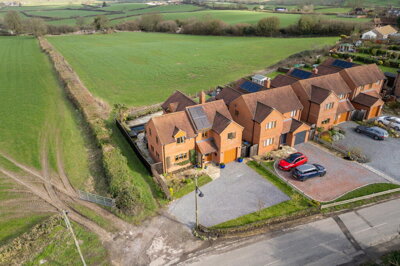
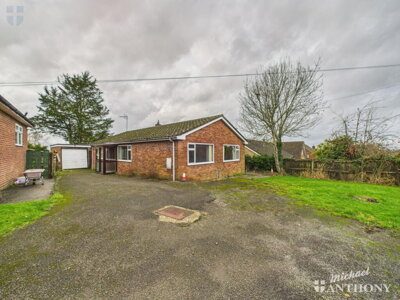
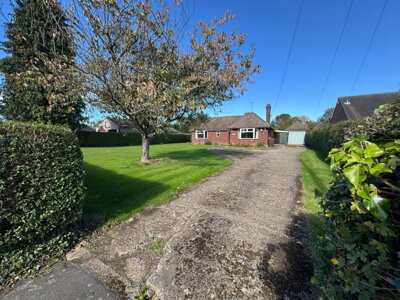
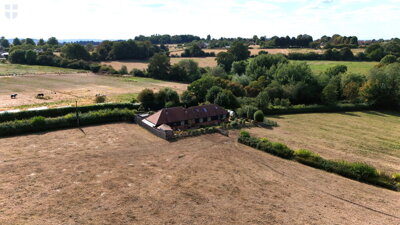
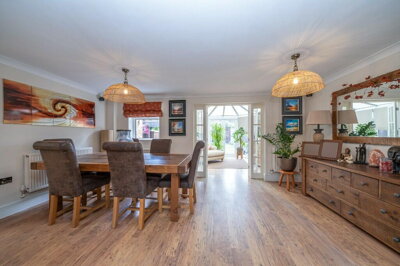
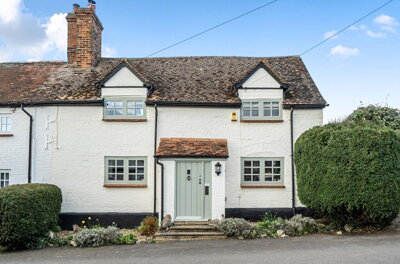
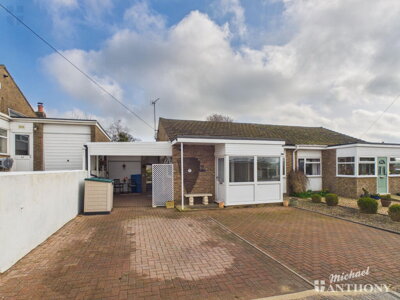
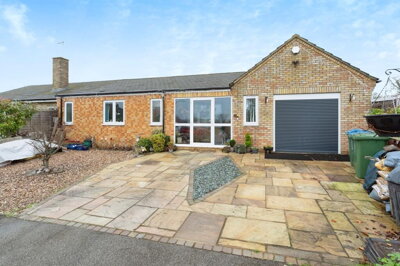
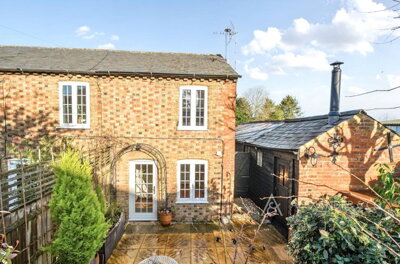
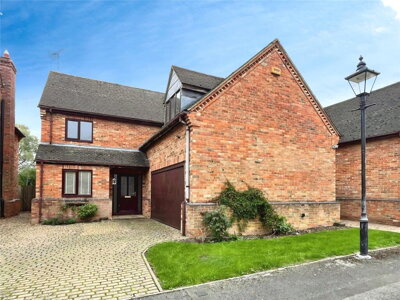
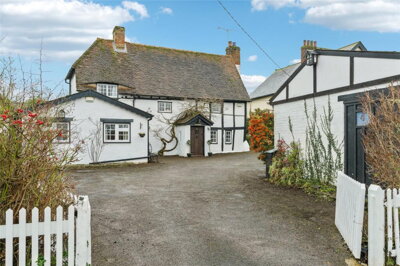
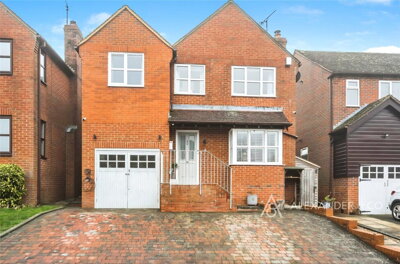
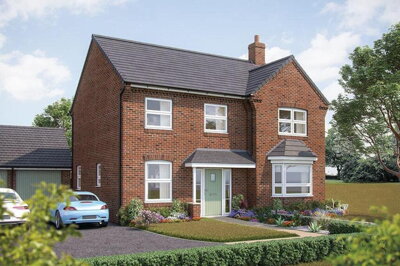
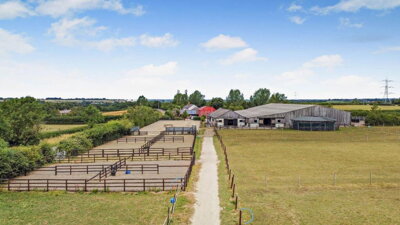
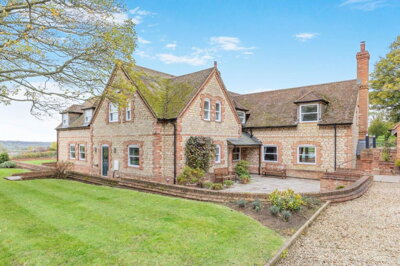
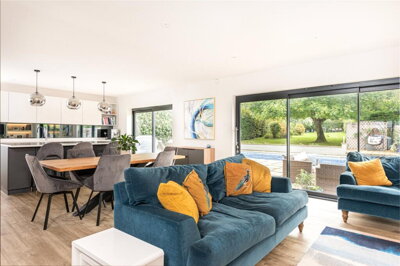
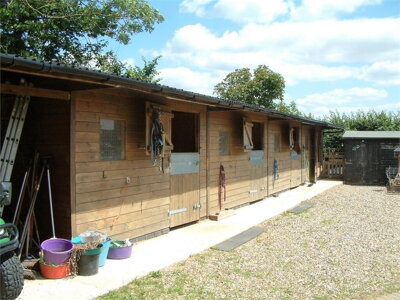
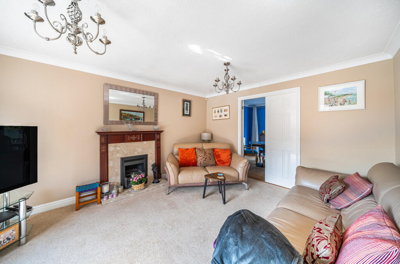
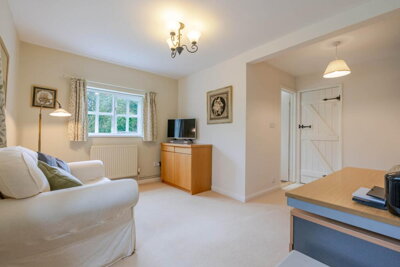
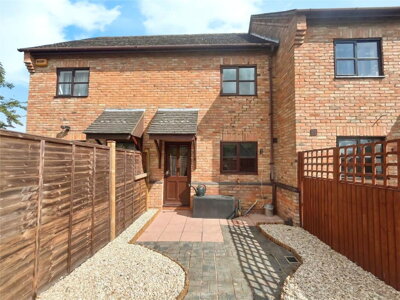
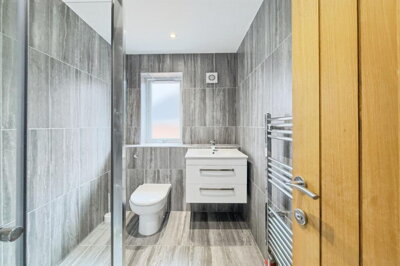
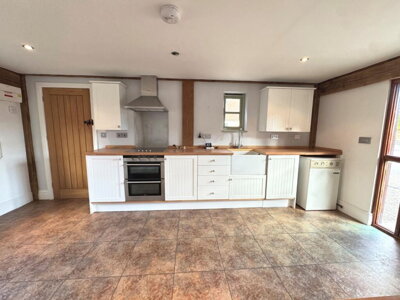
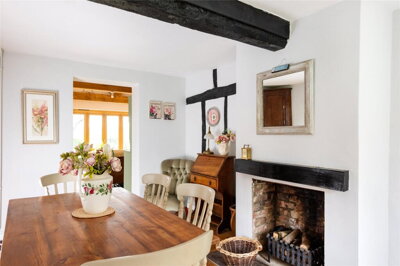
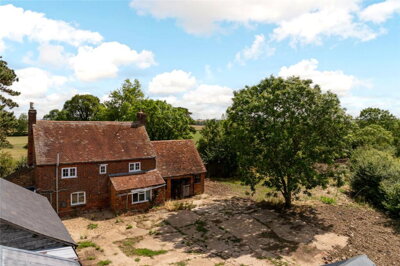
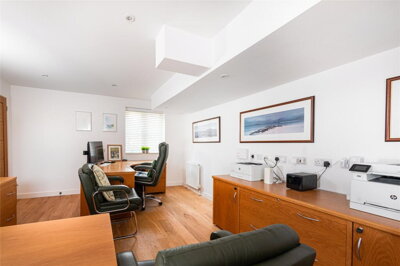
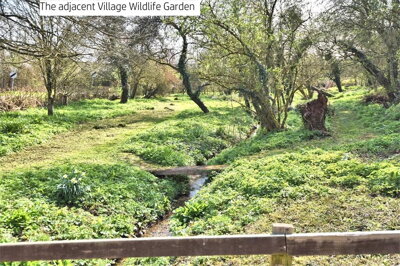
Browse 27 homes for sale in North Marston from local estate agents.
The Peters Marland property market operates as a niche segment of the wider Torridge housing landscape. With an average house price of £322,500 recorded over the past year, the village sits within a price range accessible to many buyers seeking rural Devon living. This figure represents a 31% reduction from the 2012 peak of £467,500, suggesting that properties in this area may offer better value than at any point in the past decade. The limited number of annual transactions reflects the village's small scale, with perhaps only a handful of properties changing hands in any given year.
Property types in Peters Marland overwhelmingly consist of detached and semi-detached houses, with bungalows also forming a significant portion of the local housing stock. Flats and maisonettes are virtually nonexistent in this genuinely rural village setting. Most homes were built before 1945, with some properties dating back centuries given the parish's ancient origins and the presence of former manors like Winscott and Twigbear. Traditional construction using local materials, including the distinctive cream-coloured bricks once produced at the Peters Marland brick and tile works, characterises much of the older housing stock. Modern buyers should expect to find properties requiring varying degrees of modernisation, particularly those that have remained in single family ownership for generations.
New build activity within the specific EX38 8QB postcode area remains minimal to nonexistent. Developments in the surrounding EX38 district, such as Lovering View in nearby Torrington offering shared ownership options from around £148,000, represent the closest new build opportunities. Peters Marland buyers generally purchase existing properties and often embrace renovation projects as part of their move to the countryside. This dynamic creates opportunities for buyers willing to undertake works, potentially adding significant value through sensitive restoration and improvement.
Peters Marland embodies the essence of rural Devon life, offering residents a pace of living that feels worlds away from urban pressures. The village takes its name from the parish church of St Peter, a building that was extensively restored in the 1860s and remains the spiritual centre of the community. Historical records indicate the parish supported 351 parishioners in 1850, with the population settling at 234 residents by 2001. This small, stable population creates a genuine sense of community where neighbours know one another and local events bring people together throughout the year.
The local economy of Peters Marland and its surrounding parish has traditionally centred on agriculture and the extraction industries that shaped the landscape. Ball clay quarrying occurred in the eastern part of the parish for many years, while a brick and tile works operated until 1940, producing the distinctive cream-coloured bricks that built many homes in nearby Great Torrington. Today, the village economy relies primarily on small-scale agriculture, local businesses, and residents who commute to larger towns for work. The transformation of the former railway line into the Tarka Trail has brought modest tourism activity, with walkers and cyclists passing through and occasionally discovering the village's considerable charms.
Community life in Peters Marland centres on the parish church, the village hall, and informal networks that characterise close-knit rural communities. Residents enjoy direct access to the Tarka Trail, one of Devon's most celebrated long-distance paths, which follows the route of the former railway line through spectacular countryside. The nearby town of Great Torrington provides access to supermarkets, medical services, and a wider range of shops, while the stunning North Devon coastline lies within easy driving distance for day trips to the beach. The combination of absolute countryside tranquility and reasonable access to amenities makes Peters Marland particularly appealing to buyers seeking the best of both worlds.

Families considering a move to Peters Marland will find educational provision centred primarily in the nearby market town of Great Torrington, approximately four miles from the village. Primary school education is available through several local schools in the surrounding area, with many small rural primaries serving villages across the Torridge district. Parents should research individual school performance data and catchment areas, as admission policies can be competitive for popular village schools. The small class sizes typical of rural primary schools often provide excellent individual attention and strong pastoral care.
Secondary education options include Great Torrington School, which serves as the main secondary provider for the area, offering GCSE courses and sixth form provision. For families seeking alternative educational approaches, independent schools in Exeter and North Devon provide additional options, though these require consideration of transport arrangements and associated costs. The limited public transport connectivity between Peters Marland and secondary schools means that families should carefully consider school run logistics before purchasing property in the village. Many parents choose to drive children to school or relocate temporarily as children approach secondary age.
Early years childcare provision in the Peters Marland area operates through a combination of village playgroups, childminders, and nursery settings in nearby towns. Rural childcare can present logistical challenges, and prospective parents are advised to investigate availability well in advance of any planned move. Further and higher education opportunities are accessed primarily through the further education colleges in Barnstaple and Exeter, with students typically commuting daily or relocating to these centres for advanced study programmes. The absence of local further education facilities means that older students require transport arrangements or residential solutions for continued education.
Transport connectivity from Peters Marland reflects its rural character, with residents relying primarily on private vehicles for most journeys. The village sits approximately four miles from Great Torrington, where the A386 road provides the main route connecting to the wider regional road network. From Great Torrington, drivers can reach Barnstaple in approximately 25 minutes and Exeter in around an hour, depending on traffic conditions. The journey to the M5 motorway at Exeter typically takes 50-60 minutes, making occasional business trips to Bristol or beyond feasible for remote workers and those with flexible employment arrangements.
Public transport options serving Peters Marland are limited, consistent with the experience of many small Devon villages. Bus services connecting to Great Torrington and Barnstaple operate but with frequencies that make car-free commuting impractical for most workers. The nearest railway stations are located in Barnstaple and Umberleigh, providing access to the Tarka Line running between Exeter and Barnstaple. Journey times from Barnstaple to Exeter take approximately one hour, offering commuters a realistic if time-intensive option for regular travel to the county capital.
The Tarka Trail, which follows the former railway line through Peters Marland, provides excellent opportunities for cycling and walking, with traffic-free paths connecting the village to surrounding communities. This converted railway corridor forms part of National Cycle Route 2 and offers a scenic alternative to road travel for local journeys and leisure. For residents willing to embrace cycling as a commuting option for shorter distances, the flat, well-surfaced Tarka Trail makes this genuinely practical. Those working from home will find Peters Marland particularly well-suited to their needs, with the peaceful environment and reliable broadband connections supporting productive remote work.
Start by exploring property listings in Peters Marland through Homemove and other portals. Given the limited number of properties available at any time, understanding what represents fair value is essential. The average price of £322,500 provides a baseline, but individual properties vary significantly based on condition, size, and character. Register with local estate agents in Great Torrington who handle Peters Marland properties and ask to be notified of new listings before they appear publicly.
Before viewing properties, obtain a mortgage agreement in principle from a lender or broker. This strengthens your position when making offers and demonstrates to sellers that you are a serious, financed buyer. Rural properties can sometimes take longer to sell, so having your financing arranged gives you flexibility when the right property becomes available. Homemove's mortgage comparison tool helps you explore current rates and find suitable products.
Visit properties in person to assess their true character and condition. The rural nature of Peters Marland means many homes will be older properties requiring varying levels of renovation. Pay particular attention to the condition of roofs, foundations, and any signs of damp or structural movement. A RICS Level 2 survey is strongly recommended before proceeding with any purchase.
Given that most Peters Marland properties predate 1945, a thorough building survey is essential. The average cost for a Level 2 survey ranges from £400-600 depending on property size, with larger or more complex homes commanding higher fees. The survey will identify defects including potential issues with clay soils, aging plumbing and electrical systems, and any historic building materials that require specialist consideration.
Once your offer is accepted, instruct a solicitor to handle the legal aspects of your purchase. Search your property's title register, conduct local authority searches, and investigate any planning constraints affecting the property. Your solicitor will also manage the transfer of funds and registration of your ownership with the Land Registry.
After all searches return satisfactorily and both parties are ready, contracts are exchanged and a completion date is agreed. On completion day, the remaining funds are transferred and you receive the keys to your new Peters Marland home. Plan your move carefully, as the limited local services mean booking removal companies and utility transfers well in advance is advisable.
Properties in Peters Marland require careful inspection given their typically advanced age and rural setting. The local geology presents particular considerations for prospective buyers, as the alluvial ball clay deposits that once supported the brick and tile works can create shrink-swell conditions in clay soils. These soils expand when wet and contract during dry periods, potentially causing foundation movement that manifests as cracks in walls, uneven floors, or doors that fail to close properly. The British Geological Survey GeoSure data rates shrink-swell hazard potential, and properties in areas with medium or higher plasticity clay may face increased insurance risks if foundations are not suitable for ground conditions.
The historical use of local building materials means many Peters Marland homes incorporate traditional construction techniques that differ significantly from modern standards. Solid walls rather than cavity walls, original timber framing, and locally produced cream-coloured bricks all require specialist understanding when assessing condition and planning renovations. Properties may also feature outdated electrical systems, lead pipework, or antiquated plumbing that will require updating to meet current safety standards. Budget accordingly for these essential upgrades when calculating the true cost of any property purchase.
Flood risk assessment deserves attention despite Peters Marland's inland position, as surface water flooding can occur in rural areas when rainfall overwhelms drainage systems. Review Environment Agency flood maps for the specific property location and ask the seller about any historical flooding incidents. The condition of gutters, downpipes, and surface water drainage around the property should be inspected carefully. Similarly, given the agricultural setting, potential radon issues merit consideration, and buyers should verify that the property has adequate broadband connectivity for modern working requirements.
Properties in the surrounding Torridge area may include listed buildings requiring specialist survey consideration. The Grade II listed country house in nearby Dolton demonstrates that heritage properties form part of the local housing landscape. Any property with listed status requires Listed Building Consent for alterations, and a RICS Level 3 Building Survey is generally more appropriate than a standard Level 2 for such properties due to the specialist expertise required for heritage construction assessment.
Understanding the full costs of purchasing property in Peters Marland requires careful budgeting beyond the advertised property price. Stamp duty Land Tax represents the most significant additional cost for most buyers, calculated on a tiered system that sees no duty applied to the first £250,000 of residential property purchases in England. At the Peters Marland average price of £322,500, a buyer purchasing with a mortgage would pay stamp duty of £3,625, calculated at 5% on the portion between £250,000 and the full purchase price. First-time buyers benefit from an elevated threshold of £425,000, meaning those purchasing at or below this level would pay no stamp duty at all.
Survey costs deserve particular attention for Peters Marland purchases, given the age and character of most local properties. A RICS Level 2 survey, often called a homebuyer report, typically costs between £400 and £600 depending on property size and complexity. For a typical Peters Marland property, budget approximately £420-450 for a standard three-bedroom home, rising to £500 or more for larger period properties. Properties with non-standard construction, thatched roofs, or listed status may require more specialist assessment, with costs rising accordingly. The investment in a thorough survey can identify issues that, if undetected, could cost many thousands to remedy.
Legal and conveyancing fees for purchasing in Peters Marland typically range from £500 to £1,500 depending on the complexity of the transaction and whether the property is freehold or leasehold. Searches specific to Torridge District Council and Devon County Council will be required, with local search fees generally between £200 and £300. Land Registry registration fees, telegraphic transfer charges, and bankruptcy checks add modest further costs. Factor in removal expenses, potential renovation costs identified during survey, and the time investment required for setting up utilities and services in a rural location. Building insurance must be in place from the point of contract exchange, making this an immediate priority upon accepting an offer.
The average property price in Peters Marland stands at £322,500 based on transactions over the past year. This figure represents a 20% decrease from the previous year and sits 31% below the 2012 peak of £467,500. Given the small number of annual sales in this rural village, individual property prices can vary considerably based on condition, size, and specific location within the parish. Buyers should note that the limited market means properties can sometimes exceed or fall below average expectations depending on their individual characteristics and the prevailing level of buyer interest at any given time.
Properties in Peters Marland fall under Torridge District Council's jurisdiction for council tax purposes. Most rural properties in the area occupy Bands A through D, with smaller cottages and bungalows typically assessed at Band A or B, and larger period homes potentially in Band C or D. Prospective buyers should verify the specific band with Torridge District Council before budgeting, as incorrect assumptions about council tax bands can affect the overall cost of homeownership. The council provides online tools for checking bands by property address.
Peters Marland itself does not have a primary school, with local primary education provided in surrounding villages and towns, primarily Great Torrington approximately four miles away. The nearest secondary school is Great Torrington School, which offers GCSE and A-Level programmes for students from the wider area. Families should research individual school Ofsted ratings and consider catchment areas, as admission policies can significantly affect school placement. Independent schooling options exist in North Devon and Exeter for those seeking alternatives to the local state provision.
Public transport connections from Peters Marland are limited, reflecting the village's small scale and rural location. Bus services operate between Peters Marland and Great Torrington, with connections to Barnstaple, though frequencies are low and commuting by bus alone is generally impractical for regular work journeys. The nearest railway stations are in Barnstaple and Umberleigh on the Tarka Line, providing services to Exeter with journey times of approximately one hour. Most residents rely on private vehicles for daily transport, making car ownership essential for comfortable living in Peters Marland.
Peters Marland offers a unique investment proposition focused on lifestyle rather than rental yields or rapid capital growth. The village's small scale and limited amenities make it unsuitable for buy-to-let investments targeting tenants requiring local services or employment. However, properties in good condition with character features may appeal to buyers seeking rural retreats, and the enduring appeal of North Devon countryside suggests long-term demand from downsizers and those escaping larger towns. The 31% reduction from the 2012 peak means properties may currently offer better value than at previous points in the market cycle.
Stamp duty Land Tax applies to all property purchases in England at standard rates. For properties up to £250,000, no stamp duty is payable. Between £250,000 and £925,000, the rate is 5%. Above £925,000 to £1.5 million, the rate rises to 10%, and properties over £1.5 million incur 12% on the portion above that threshold. First-time buyers benefit from relief on the first £425,000 of residential purchases, with 5% applying between £425,000 and £625,000. At the Peters Marland average price of £322,500, a typical buyer without first-time buyer status would pay stamp duty of £3,625.
From 4.5%
Compare mortgage deals and find the best rate for your Peters Marland purchase
From £499
Expert solicitors to handle your Peters Marland property purchase
From £350
Essential building survey for Peters Marland properties, most of which predate 1945
From £60
Energy performance certificate for your Peters Marland property
Properties for Sale In London

Properties for Sale In Plymouth

Properties for Sale In Liverpool

Properties for Sale In Glasgow

Properties for Sale In Sheffield

Properties for Sale In Edinburgh

Properties for Sale In Coventry

Properties for Sale In Bradford

Properties for Sale In Manchester

Properties for Sale In Birmingham

Properties for Sale In Bristol

Properties for Sale In Oxford

Properties for Sale In Leicester

Properties for Sale In Newcastle

Properties for Sale In Leeds

Properties for Sale In Southampton

Properties for Sale In Cardiff

Properties for Sale In Nottingham

Properties for Sale In Norwich

Properties for Sale In Brighton

Properties for Sale In Derby

Properties for Sale In Portsmouth

Properties for Sale In Northampton

Properties for Sale In Milton Keynes

Properties for Sale In Bournemouth

Properties for Sale In Bolton

Properties for Sale In Swansea

Properties for Sale In Swindon

Properties for Sale In Peterborough

Properties for Sale In Wolverhampton

Enter your details to see if this property is within your budget.
Loans, cards, car finance
Estimated property budget
Borrowing + deposit
You could borrow between
Typical borrowing
Monthly repayment
Est. at 4.5%
Loan-to-value
This is an estimate only. Your actual budget may vary depending on interest rates, credit history, and personal circumstances. For an accurate affordability assessment, speak to one of our free mortgage advisors.
This calculator provides estimates for illustrative purposes only and does not constitute financial advice. Your home may be repossessed if you do not keep up repayments on your mortgage. Estimates based on 4.5% interest rate, repayment mortgage. Actual rates depend on your circumstances.
Homemove is a trading name of HM Haus Group Ltd (Company No. 13873779, registered in England & Wales). Homemove Mortgages Ltd (Company No. 15947693) is an Appointed Representative of TMG Direct Limited, trading as TMG Mortgage Network, which is authorised and regulated by the Financial Conduct Authority (FRN 786245). Homemove Mortgages Ltd is entered on the FCA Register as an Appointed Representative (FRN 1022429). You can check registrations at NewRegister or by calling 0800 111 6768.

We use cookies to show you personalised content and improve your experience of our website. Find out more in our Privacy policy and Cookie policy.