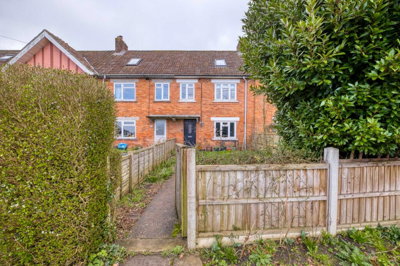
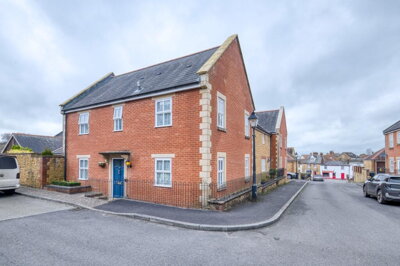
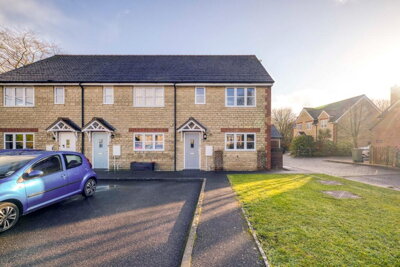
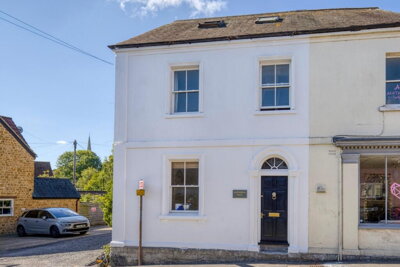
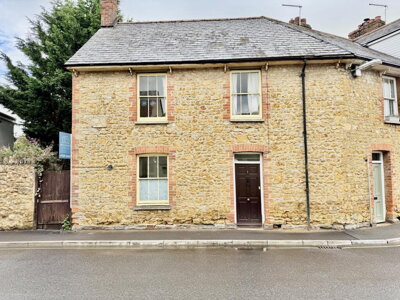
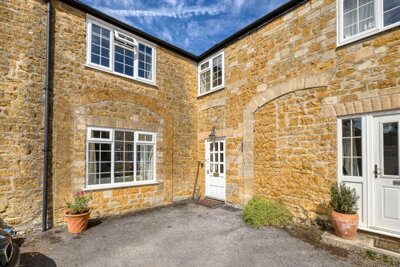
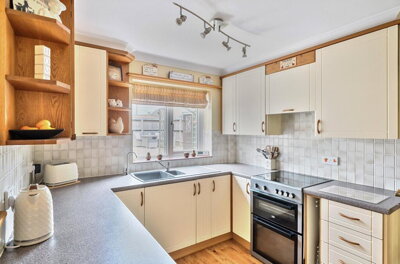
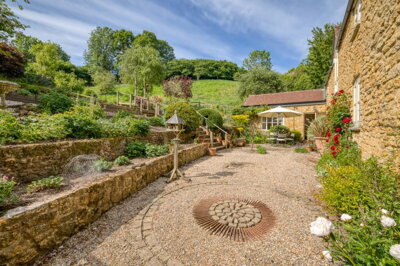
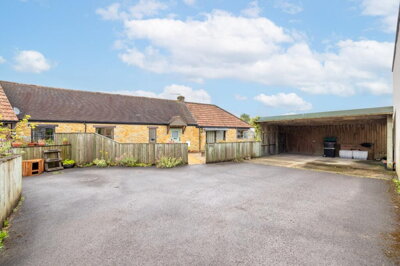
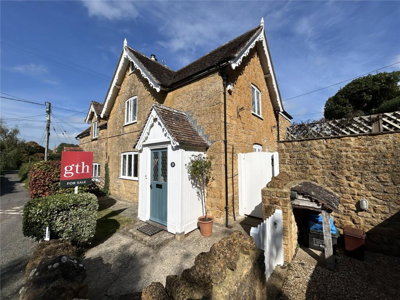
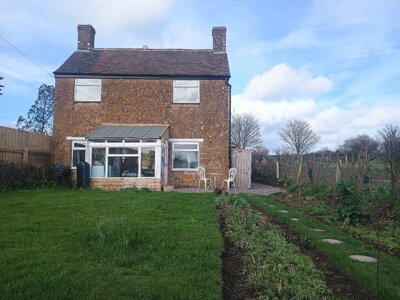
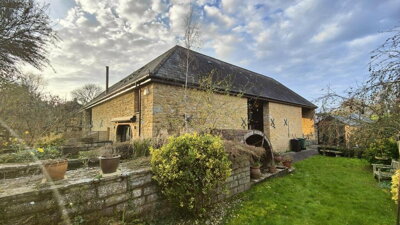
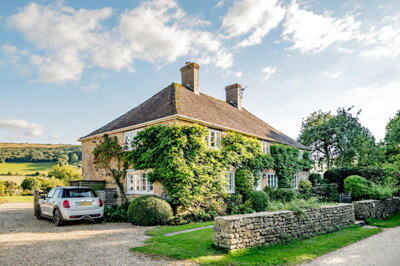
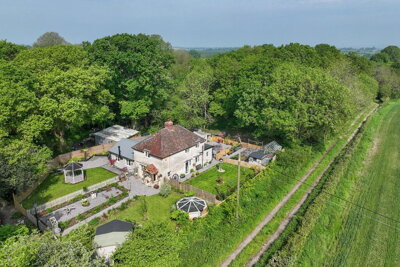
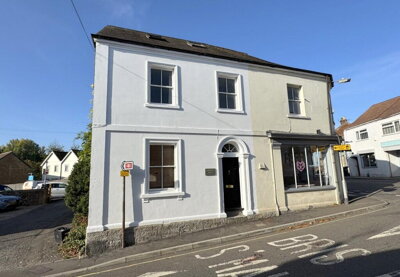
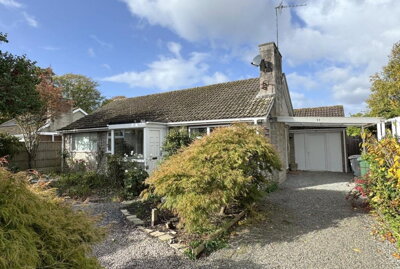
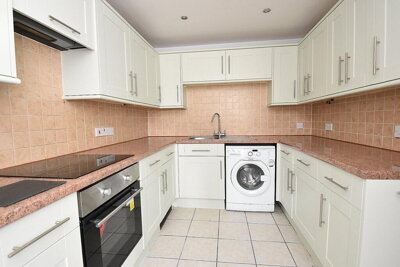
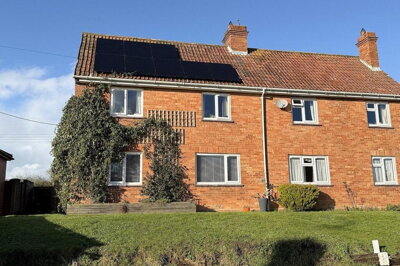
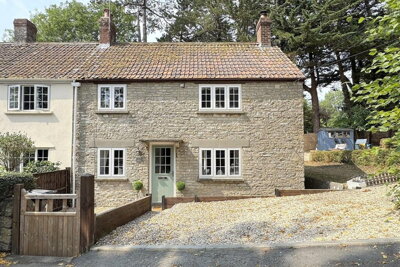
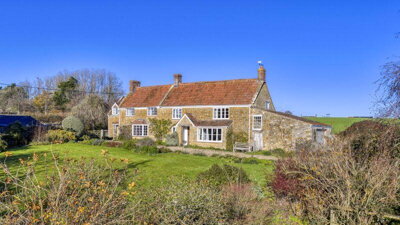
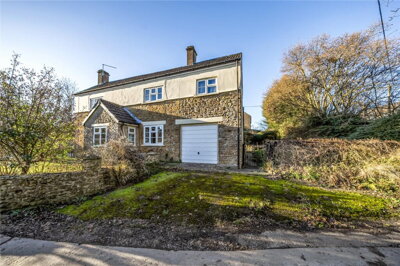
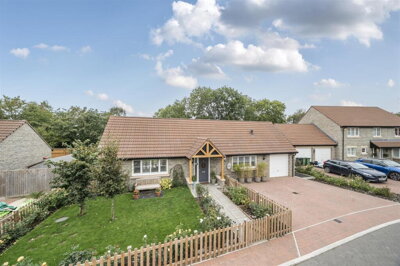
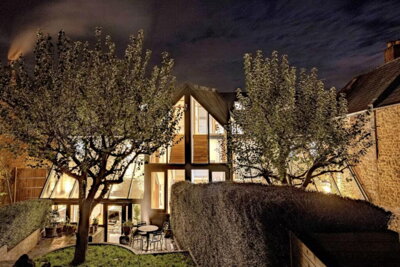
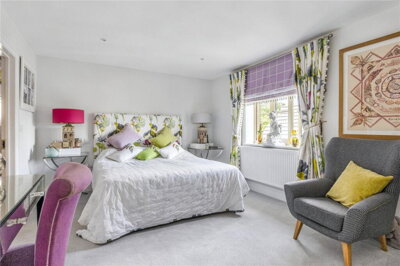
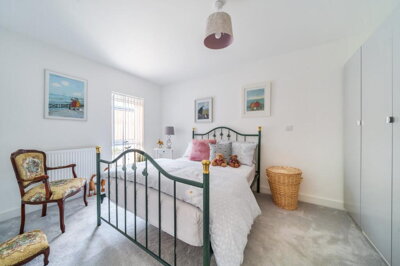
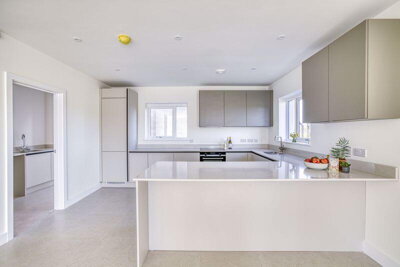
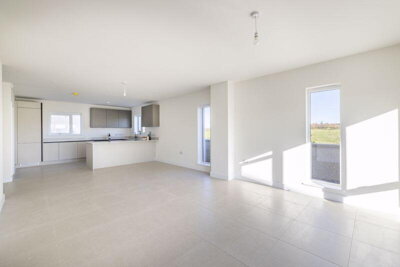
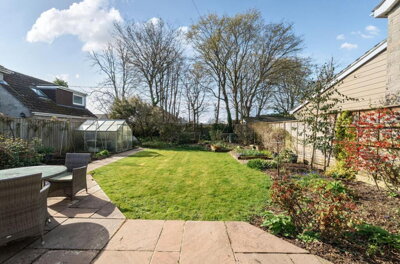
Browse 28 homes for sale in North Cadbury from local estate agents.
Three bedroom properties represent a significant portion of the North Cadbury housing market, offering space for families with multiple reception rooms and gardens in many cases. Browse detached, semi-detached, and terraced options ranging from period character homes to contemporary developments.
The North Cadbury property market presents a compelling picture for prospective buyers, with recent data showing an overall average house price of approximately £481,200 over the past year according to Rightmove. However, Zoopla reports a higher average sold price of £895,000, while OnTheMarket indicates an average price paid of £507,000 as of early 2026, reflecting some variation between data sources and property types. The market has experienced significant correction from the 2022 peak of £903,167, with Rightmove recording a 47% decline, though this correction has created more accessible entry points for buyers seeking value in the Somerset countryside.
When examining property types, semi-detached homes in North Cadbury average around £550,000, while detached properties command substantially higher prices at approximately £870,000 on average. Terraced properties offer more affordable options at around £143,500, though these are less common in the village's historic housing stock. The market has seen limited flat sales, though one flat transaction in 2025 showed a median price of £292,500. With only 296 total sales recorded over the past 12 months according to PropertyResearch.uk, North Cadbury remains a relatively low-volume market where properties can move quickly when correctly priced.
New build activity in the parish remains limited but present, providing opportunities for buyers seeking modern construction within the village context. The Land at North Town Farm development on Higher North Town Lane received outline planning permission in 2020 and reserved matters approval in November 2023, with a further Section 73 application approved in January 2025, indicating progress toward delivering five new dwellings. At Woolston Farm on Woolston Road, a detached self-build dwelling received planning approval from Somerset Council in June 2025 following Parish Council recommendation. Additionally, Woolston Manor Farm has seen recent agricultural-to-residential conversion applications submitted in 2025, including a prior approval notification for change of use of three agricultural buildings to four dwellings.
Transaction volumes in North Cadbury remain modest compared to urban markets, with Home.co.uk showing only three recently sold properties in the BA22 postcode area during 2025. This low-volume environment means that suitable properties appear infrequently, and serious buyers should register with local estate agents and monitor listings consistently. Properties that do come to market tend to attract strong interest from buyers seeking the village's unique combination of historic character, conservation protection, and accessibility to Castle Cary station.

North Cadbury is a quintessential English village that has preserved its character and charm across centuries, with the local conservation area protecting its distinctive architectural heritage since 1978 and extended in December 2013 to encompass additional historic areas including land around the school, south of North Cadbury Court, the area around Ridgeway Farm, and the hamlet of Brookhampton. The village centre features properties built predominantly from local stone, including the characteristic Cary stone and Forest Marble that give the buildings their warm, varied hues. These traditional building materials reflect the local geology, with the Inferior Oolite limestone providing good quality ashlar and coursed rubble, while the harder Forest Marble creates distinctive boundary walls throughout the village.
The River Cam flows through the lower parts of the parish, contributing to the scenic beauty that makes this area so desirable for countryside living while also serving as a reminder of the importance of flood risk awareness noted in the North Cadbury Neighbourhood Plan. The lower ground is primarily composed of Midford Sands, with higher land consisting of Inferior Oolite limestone, and thin bands of Fuller's Earth running north-south in the eastern part of the parish. These geological variations can affect ground conditions, and a property survey will identify any issues related to the underlying substrate or potential shrink-swell behaviour in clay-rich soils.
The community spirit in North Cadbury remains strong, with local amenities serving residents despite the village's modest size. The North Cadbury Court, a magnificent Elizabethan mansion dating from around 1580 to 1610, now operates as a venue for private functions and weddings, adding a touch of elegance to local life. The Church of St Michael the Archangel, dating from 1417 with its tower from 1394, stands as a Grade I listed building and central landmark. The local economy benefits from Cadbury Business Park West on Galhampton Road, which received planning permission for eight industrial units in 2023, providing local employment opportunities and indicating continued investment in the parish. The North Cadbury and Yarlington Neighbourhood Plan actively supports opportunities for local working and businesses, ensuring the community remains vibrant for future generations.
Woolston, a hamlet within the North Cadbury parish, also benefits from its own designated Conservation Area, further protecting the architectural heritage of this rural community. The village school, built in a traditional style consistent with the conservation area's character, serves local families and was incorporated into the extended conservation boundaries in 2013. For residents and visitors alike, the public footpaths crossing the parish offer miles of walking through the Somerset countryside, with routes passing through farmland underlain by Midford Sands and Inferior Oolite geology.

Families considering a move to North Cadbury will find educational facilities available within the village and the surrounding area, with the local primary school situated in a historic building that was incorporated into the extended conservation area in 2013. The village's educational heritage is evident in the architecture of school buildings, which blend traditional construction with modern educational requirements. North Cadbury Court and the surrounding estates historically played a significant role in the community's development, and the current educational provision continues this tradition of serving local families within the parish.
Secondary education options are accessible in nearby Castle Cary, with several well-regarded secondary schools and colleges within reasonable commuting distance serving the broader catchment area. Castle Cary School provides secondary education for many students from the surrounding villages, while Bruton School for Girls and Sexey's School in Bruton offer independent secondary education options for families seeking private schooling. The area attracts families specifically seeking access to good school catchments, and properties in North Cadbury benefit from proximity to both primary and secondary educational institutions.
South Somerset has a strong reputation for educational provision, with grammar school options available in nearby Yeovil and other Somerset towns for academically inclined students. Students from North Cadbury may be eligible for places at schools in Yeovil, including Bucklers Mead Academy and Preston School Academy, depending on catchment boundaries and admission criteria. For families with sixth form or further education requirements, Yeovil College and other sixth form colleges in Somerset provide accessible options. The combination of village primary schooling and access to quality secondary education makes North Cadbury an attractive location for families at various stages of their educational journey.
When purchasing property in North Cadbury, families should verify current school catchment areas and admission policies directly with Somerset County Council, as these can change and may affect future property values and accessibility. Properties along High Street, Woolston Road, and Cutty Lane may fall within different catchments, and proximity to schools can influence both lifestyle considerations and long-term investment value. The village's small scale means that school places can be limited, making early enquiry essential for families planning a move.
Transport connectivity from North Cadbury is anchored by the nearby Castle Cary railway station, which provides direct services to major destinations including London Paddington, with journey times making day commuting feasible for those working in the capital. The station serves as a vital link for the surrounding villages, connecting North Cadbury residents to the broader national rail network. Local bus services connect North Cadbury to Castle Cary, Bruton, and other surrounding villages, providing essential transport options for those without private vehicles, though frequency may be limited compared to urban routes.
The village sits comfortably within reach of major road networks, with the A303 trunk road passing nearby and connecting to the M3 motorway for access to Southampton and London. This combination of rail and road connectivity makes North Cadbury surprisingly accessible for a village of its rural character, with Bristol accessible within approximately one hour by car via the A37. Exeter can be reached in approximately one and a half hours, providing access to the South West peninsula and its coastal attractions. The local road network includes the A359 connecting to Wincanton and the A371 providing routes to Wells and the Mendip Hills.
The village's position in the Somerset countryside means that driving remains the primary mode of transport for most residents, and parking availability is generally good given the low-density nature of the area. Properties in the conservation area may have limited parking provision, and prospective buyers should consider garage and parking requirements carefully. For cyclists, the quieter country lanes offer pleasant routes for recreational cycling and short local journeys, though the hilly terrain characteristic of the Inferior Oolite geology can present challenges. The National Cycle Route 36 passes through the region, offering longer distance cycling opportunities for enthusiasts.
The North Cadbury Neighbourhood Plan considers transport and accessibility issues, seeking to maintain and improve options for residents while managing the impact of traffic on the village's conservation area. The plan specifically aims to address parking and traffic concerns in the village centre, where narrow lanes and historic buildings can create congestion issues during peak times. New development proposals are assessed for their impact on traffic generation and parking provision, ensuring that growth does not compromise the village's character or accessibility.
Properties in North Cadbury showcase the distinctive building traditions of South Somerset, with local stone serving as the dominant construction material throughout the village. The characteristic Cary stone, sourced from local quarries including Hadspen quarry, appears throughout the village in both ashlar and coursed rubble forms, creating the warm golden hues that define North Cadbury's architectural character. Forest Marble, a harder and more crystalline grey stone, is commonly found in boundary walls and garden structures, providing visual contrast to the lighter building stone. These traditional materials require specific maintenance knowledge, and prospective buyers should understand the characteristics of local stone when assessing property condition.
Doulting stone, another locally sourced material, is frequently used for detailed elements such as window dressings, mullions, and transoms, particularly evident at North Cadbury Court and the Dower House. Lead casements and leaded lights are characteristic features of historic properties in the area, adding to the architectural richness but requiring regular maintenance to prevent deterioration. Roof construction in the village typically features slate, plain clay tiles, or pantiles, with thatch still present on some older properties, particularly in the Brookhampton area and along older farmsteads. These traditional roofing materials have longer lifespans than modern alternatives but require specialist knowledge for repair and maintenance.
The local geology directly influences construction practices in North Cadbury, with the Midford Sands underlying lower-lying areas and the Inferior Oolite limestone forming the higher ground. The Inferior Oolite forms a range of hills running past Castle Cary and Cadbury Camp, providing excellent building stone that has been quarried locally for centuries. The presence of Fuller's Earth clay in thin bands requires attention from property surveyors, as clay-rich soils can experience shrink-swell movement affecting building foundations. A RICS Level 2 survey will identify any signs of movement or subsidence related to these ground conditions, which is particularly important for older properties with potentially shallow foundations.
Listed buildings throughout North Cadbury demonstrate the evolution of local construction techniques from the medieval period through to the present day. Grade I listed North Cadbury Court represents the finest example of Elizabethan domestic architecture in the area, while the Grade II listed properties along High Street, Woolston Road, and Cutty Lane showcase Georgian and Victorian alterations to earlier buildings. The concentration of historic properties means that many homes in North Cadbury will fall within the older construction categories that a Level 2 survey is specifically designed to assess, identifying defects common to traditional building methods and materials.
Given the prevalence of traditional stone construction in North Cadbury, prospective buyers should pay particular attention to the condition of external walling. Stone decay, particularly in areas exposed to prevailing weather, can manifest as crumbling mortar, spalling surfaces, or vegetation growth in wall joints. The Cary stone used throughout the village is generally durable, but prolonged exposure to rain and frost can cause deterioration over time. A thorough inspection should examine the condition of copings, window surrounds, and door frames, as these details are often the first areas to show wear. The presence of previous repairs using incompatible materials, such as cement mortars applied over traditional lime mortar, can accelerate decay by trapping moisture within the wall structure.
Roof conditions require careful assessment on any North Cadbury property, given the variety of traditional roofing materials found in the village. Slate roofs, while long-lasting, can become brittle with age and may crack or slip, requiring replacement of individual tiles or larger sections. Clay tiles and pantiles similarly can crack or become displaced, and the battens and underfelt beneath require inspection for signs of water penetration or timber decay. Thatched roofs, where present, demand specialist knowledge to assess correctly, and buyers should obtain specialist surveys for properties with thatched roofing. Lead flashings around chimneys, dormers, and valleys are common points of failure on traditional properties and should be checked for signs of deterioration or lifting.
Damp penetration represents a common concern in historic properties throughout North Cadbury, particularly in properties where modern rendering or non-breathable finishes have been applied to traditional stone walls. Rising damp can affect ground floor walls where original damp-proof courses may be absent or have failed, while penetrating damp can occur where gutters, downpipes, or flashings are in poor condition. The thick walls characteristic of traditional construction can hold moisture for extended periods, creating conditions favourable to timber decay and mold growth. A RICS Level 2 survey will use moisture meters and thermal imaging equipment to identify damp issues that may not be immediately apparent during a visual inspection.
Electrical systems and plumbing in older North Cadbury properties may not meet current standards and should be assessed carefully before purchase. Many historic properties will have undergone partial rewiring over the years, potentially leaving a mix of old and new installations that may not work well together. Lead-covered or cloth-insulated cables, common in properties built before the 1960s, represent fire hazards and should be replaced entirely. Plumbing systems may feature a mix of copper, galvanised steel, and lead pipes, with the latter requiring immediate replacement for health reasons. Heating systems in older properties may be inadequate for modern requirements, and buyers should budget for potential upgrades to insulation, heating, and hot water systems.
Begin by exploring our comprehensive listings of homes for sale in North Cadbury, familiarising yourself with current prices and property types. Given the village's relatively low transaction volume of around 296 sales annually, patience may be required to find the right property. Register with local estate agents operating in the South Somerset area, as off-market opportunities may arise for buyers with established relationships. Monitor property portals regularly and set up instant alerts to ensure you are among the first to know when suitable properties become available.
Before arranging viewings, secure a mortgage agreement in principle from a lender. This strengthens your position when making offers and demonstrates your seriousness to sellers in a village where multiple buyers may be competing for the same properties. Given the higher average property values in North Cadbury, particularly for detached homes averaging around £870,000, ensure your mortgage in principle covers the full purchase price you anticipate. Consider speaking with a mortgage broker who specialises in rural properties, as some lenders have specific products for homes in conservation areas or with non-standard construction.
Visit properties that match your requirements, paying particular attention to the construction materials and condition of historic stone buildings. Take notes on the condition of stone walls, roofs, windows, and any visible defects. Ask vendors about the history of the property, including any previous structural issues, damp treatments, or insurance claims. A RICS Level 2 survey is particularly important for older properties in North Cadbury given the prevalence of listed buildings and properties over 50 years old. Consider visiting at different times of day and in various weather conditions to assess light levels, heating efficiency, and any signs of damp or drainage issues.
For most properties, a RICS Level 2 survey will identify any structural issues, damp, or other defects. Properties of non-standard construction, those listed, or homes with significant age or complexity may require the more comprehensive RICS Level 3 Building Survey. Survey costs typically range from £400 to £1,000 depending on property size and value, with pre-1900 properties and listed buildings potentially incurring additional charges of around £150-400 due to their construction complexity. Choose a surveyor with experience in traditional Somerset properties and local stone construction to ensure they understand the specific defects common to this area.
Once your offer is accepted, instruct a solicitor to handle the legal aspects of your purchase. They will conduct searches including local authority searches, drainage and water searches, and environmental searches specific to the Somerset area. Searches will reveal any planning constraints, conservation area designations, listed building status, and any recorded flood risk or drainage issues relevant to the property. Your solicitor will also review the title deeds and any covenants that may affect your use of the property, particularly important for rural homes with rights of way or agricultural restrictions.
Your solicitor will coordinate with all parties to exchange contracts, at which point the transaction becomes legally binding. Completion typically follows shortly after, when you will receive the keys to your new North Cadbury home. Budget for additional costs including stamp duty land tax, solicitor fees, survey costs, and moving expenses, with total purchase costs typically adding around 3-5% to the property price. For properties at the local average of around £481,200, a standard buyer would pay approximately £11,560 in SDLT, while first-time buyers would benefit from relief on purchases up to £425,000.
Properties in North Cadbury are predominantly constructed from local stone, with characteristic Cary stone, Forest Marble, and Doulting stone used throughout the village. The North Cadbury Neighbourhood Plan specifically aims to protect historically important buildings and ensure new development does not compromise the character or setting of these heritage assets. When viewing properties, examine the condition of stone walls, looking for signs of cracking, crumbling mortar, or vegetation growth that may indicate structural concerns. Roof conditions are equally important, with traditional slate, clay tiles, and pantiles requiring regular maintenance, and thatch, where present, requiring specialist assessment.
The presence of listed buildings throughout the village means that planning restrictions are likely to affect any renovations or alterations you may wish to undertake. Grade I and Grade II listed properties offer exceptional character but require Listed Building Consent for most changes, which can limit future flexibility and add significantly to renovation costs. The listed buildings along High Street, Woolston Road, and Cutty Lane represent various periods of construction and alteration, with some properties having Georgian additions to earlier cores and others retaining more original medieval layouts. Understanding the listing status and its implications should form part of your pre-purchase research.
Flood risk awareness is also important in North Cadbury, where the Neighbourhood Plan acknowledges local flooding concerns that may not appear clearly on official flood risk maps. The River Cam flows through the parish, and properties in lower-lying positions near watercourses warrant careful investigation. The Neighbourhood Plan specifically aims to protect people, property, and roads from flooding and promote sustainable urban drainage systems. Ask vendors directly about any historical flooding issues, and consider the drainage characteristics of the site, particularly for properties on lower ground underlain by Midford Sands which may have different drainage characteristics than the free-draining Inferior Oolite limestone of higher ground.
Additionally, given the rural location and older housing stock, always investigate the condition of electrical systems, plumbing, and insulation before purchase. Many properties in North Cadbury will have undergone partial upgrades over the years, potentially leaving a mix of old and new systems that may not work together efficiently. The cost of bringing older properties up to modern standards for energy efficiency and safety should be factored into your overall budget. An EPC assessment, available from around £60, will provide energy performance information, though many historic properties will have low ratings due to their traditional construction and limited insulation.
Average house prices in North Cadbury vary between data sources, with Rightmove reporting around £481,200 over the last year while Zoopla indicates approximately £895,000 for sold prices. OnTheMarket shows £507,000 as of early 2026, with a significant rise reported over the previous 12 months. Property types significantly affect prices, with semi-detached homes averaging £550,000, detached properties around £870,000, and terraced properties at approximately £143,500. The market has corrected significantly from the 2022 peak of £903,167, creating more accessible entry points for buyers seeking rural Somerset living.
Properties in North Cadbury fall under South Somerset Council's jurisdiction. Council tax bands range from A through H and are determined by property valuation rather than location alone. Historic stone properties in the village conservation area may have been valued based on their character and traditional construction methods, and older properties may have undergone recent valuations following the 2023 revaluation. Contact South Somerset Council or view the Valuation Office Agency website to confirm the specific band for any property you are considering purchasing.
North Cadbury has a local primary school situated within the village, with the school building included in the extended conservation area established in 2013. Secondary education options are available in nearby Castle Cary and the surrounding South Somerset area, with several well-regarded secondary schools within commuting distance including the independent Bruton School for Girls. Grammar schools are accessible in nearby Yeovil for academically eligible students. Families should verify current catchment areas and admission policies directly with Somerset County Council, as these can affect eligibility for specific schools.
North Cadbury benefits from proximity to Castle Cary railway station, which provides direct services to London Paddington and other major destinations, making day commuting feasible for those working in the capital. Local bus services connect the village to Castle Cary, Bruton, and other surrounding villages, though private transport remains the primary mode for most residents given the rural location. The A303 trunk road provides road connectivity to the M3 and broader motorway network, with Bristol accessible in approximately one hour by car and Exeter in around one and a half hours.
North Cadbury offers several investment attractions, including its historic character, conservation area protection, and proximity to Castle Cary station for London commuting. The village's relatively limited supply of properties and strong demand from buyers seeking rural Somerset living support capital retention. New developments are limited but present, with planning permissions for small housing schemes at North Town Farm and agricultural conversions at Woolston Manor Farm. However, transaction volumes are low with approximately 296 annual sales, which could affect liquidity for investors looking to sell quickly, and capital growth may be more modest than in more dynamic urban markets.
For standard purchases, stamp duty land tax applies at 0% on the first £250,000, 5% on £250,001 to £925,000, 10% on £925,001 to £1.5 million, and 12% above £1.5 million. First-time buyers benefit from relief on the first £425,000, with 5% applied between £425,001 and £625,000. Given North Cadbury's average prices around £481,200, most purchases will fall within the lower SDLT bands, meaning a standard buyer would pay approximately £11,560, while first-time buyers would pay nothing on properties up to £425,000 and 5% only on the £56,200 excess.
The North Cadbury Neighbourhood Plan identifies flooding as a local concern, acknowledging that flood risk maps may not capture all known flooding issues in the area. The River Cam flows through the parish and properties in lower-lying positions near watercourses warrant careful investigation. The Neighbourhood Plan specifically aims to protect people, property, and roads from flooding and promote sustainable urban drainage systems. You should enquire directly with the vendor about any historical flooding issues, and consider commissioning drainage and damp surveys for properties in vulnerable positions.
North Cadbury has a significant concentration of listed buildings, including Grade I listed North Cadbury Court, a magnificent Elizabethan mansion dating from around 1580 to 1610, and the Church of St Michael the Archangel dating from 1417. Grade II and Grade II* listed buildings are found throughout the village, particularly along High Street, Woolston Road, and Cutty Lane, including properties such as 10 High Street, 11 High Street, 14 Cutty Lane, and 21 Woolston Road. Any property with listed status requires Listed Building Consent for most alterations, which can limit future flexibility and add complexity to renovation projects.
When purchasing property in North Cadbury, understanding the full cost of your purchase extends beyond the property price itself. Stamp duty land tax applies based on your purchase price and whether you qualify as a first-time buyer. For properties priced at the local average of around £481,200, a standard buyer would pay 0% on the first £250,000 and 5% on the remaining £231,200, totalling approximately £11,560 in SDLT. First-time buyers would benefit from relief on the first £425,000, meaning no SDLT would be due on properties up to that threshold, with 5% applied only to the £56,200 excess, resulting in £2,810 SDLT for a £481,200 property.
Beyond stamp duty, buyers should budget for solicitor conveyancing costs, typically starting from around £499 for standard transactions, though costs can increase for properties with complex titles, agricultural land, or rights of way. A RICS Level 2 survey costs between £400 and £1,000 depending on property size and value, with older historic properties potentially incurring higher fees of £150-400 additional due to their construction complexity and the detailed assessment required for traditional stone buildings. An Energy Performance Certificate costs from approximately £60 and is a legal requirement for all sales.
Mortgage arrangement fees, broker charges, and valuation fees from your lender should also be factored into your budget, along with moving costs and any immediate renovation or repair works identified during survey inspections. For properties requiring significant works, which is common among older homes in North Cadbury, obtaining detailed quotes before committing to purchase is essential. Buildings insurance should be arranged from the point of exchange, and contents insurance can be arranged closer to completion. The total additional costs for a typical North Cadbury purchase typically add around 3-5% to the property price, meaning buyers of an average £481,200 property should budget for approximately £14,000-£24,000 in purchase costs beyond the sale price.
Properties for Sale In London

Properties for Sale In Plymouth

Properties for Sale In Liverpool

Properties for Sale In Glasgow

Properties for Sale In Sheffield

Properties for Sale In Edinburgh

Properties for Sale In Coventry

Properties for Sale In Bradford

Properties for Sale In Manchester

Properties for Sale In Birmingham

Properties for Sale In Bristol

Properties for Sale In Oxford

Properties for Sale In Leicester

Properties for Sale In Newcastle

Properties for Sale In Leeds

Properties for Sale In Southampton

Properties for Sale In Cardiff

Properties for Sale In Nottingham

Properties for Sale In Norwich

Properties for Sale In Brighton

Properties for Sale In Derby

Properties for Sale In Portsmouth

Properties for Sale In Northampton

Properties for Sale In Milton Keynes

Properties for Sale In Bournemouth

Properties for Sale In Bolton

Properties for Sale In Swansea

Properties for Sale In Swindon

Properties for Sale In Peterborough

Properties for Sale In Wolverhampton

Enter your details to see if this property is within your budget.
Loans, cards, car finance
Estimated property budget
Borrowing + deposit
You could borrow between
Typical borrowing
Monthly repayment
Est. at 4.5%
Loan-to-value
This is an estimate only. Your actual budget may vary depending on interest rates, credit history, and personal circumstances. For an accurate affordability assessment, speak to one of our free mortgage advisors.
This calculator provides estimates for illustrative purposes only and does not constitute financial advice. Your home may be repossessed if you do not keep up repayments on your mortgage. Estimates based on 4.5% interest rate, repayment mortgage. Actual rates depend on your circumstances.
Homemove is a trading name of HM Haus Group Ltd (Company No. 13873779, registered in England & Wales). Homemove Mortgages Ltd (Company No. 15947693) is an Appointed Representative of TMG Direct Limited, trading as TMG Mortgage Network, which is authorised and regulated by the Financial Conduct Authority (FRN 786245). Homemove Mortgages Ltd is entered on the FCA Register as an Appointed Representative (FRN 1022429). You can check registrations at NewRegister or by calling 0800 111 6768.

We use cookies to show you personalised content and improve your experience of our website. Find out more in our Privacy policy and Cookie policy.