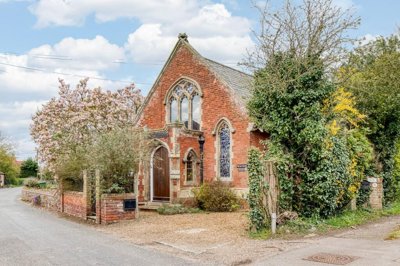
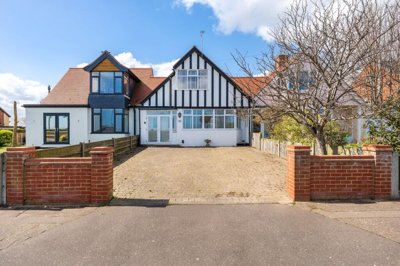
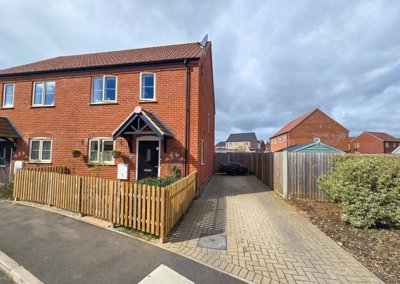
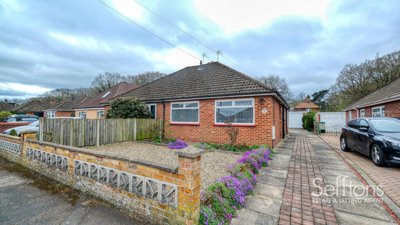
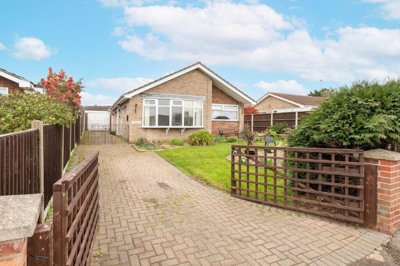
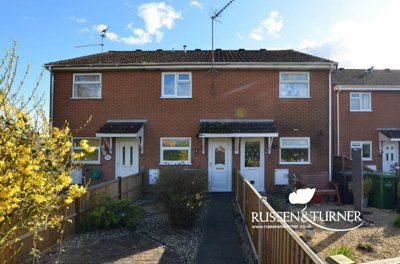
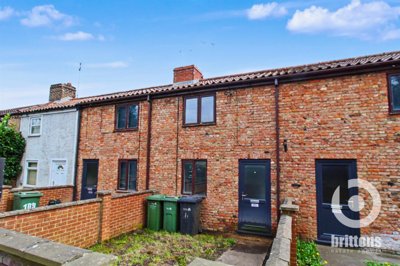
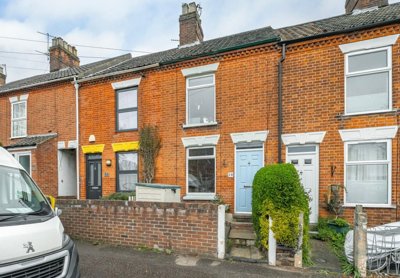
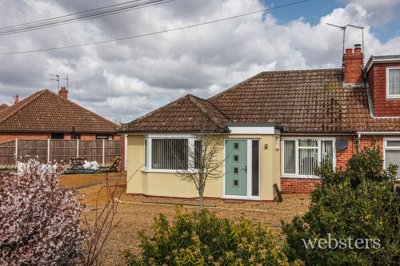
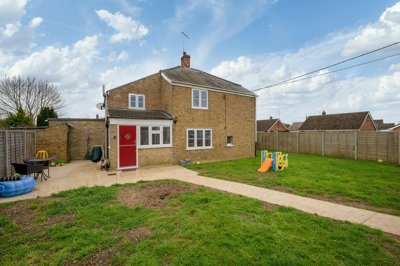
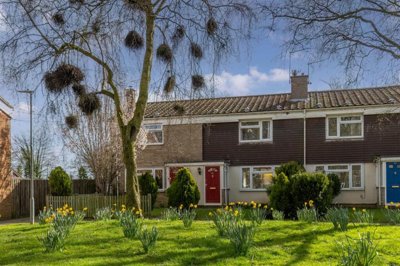
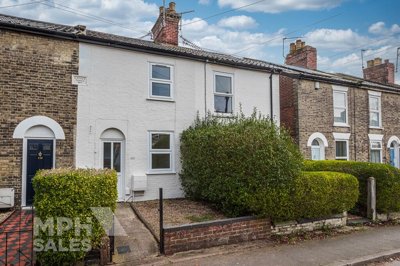
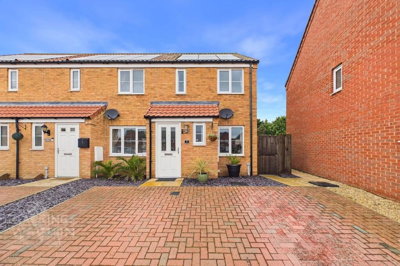
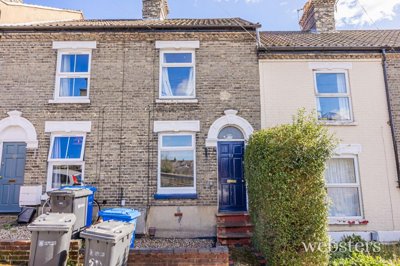
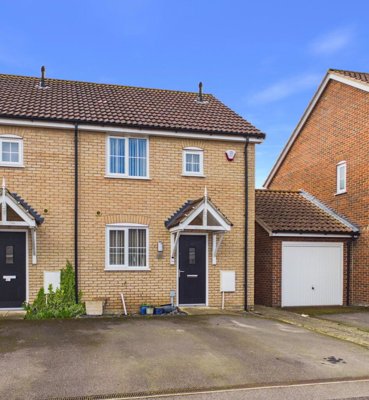
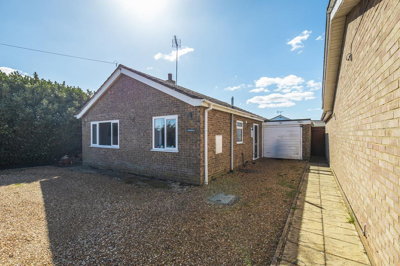
Browse 3,380 homes for sale in Norfolk, England from local estate agents.
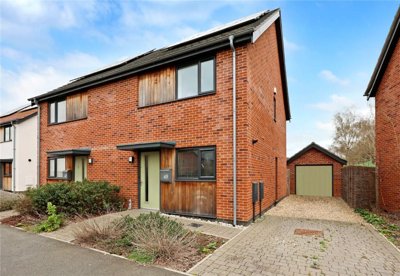
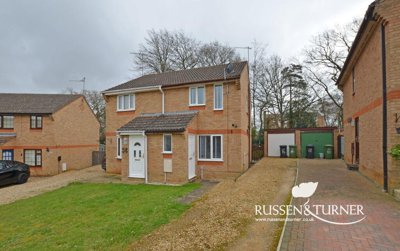
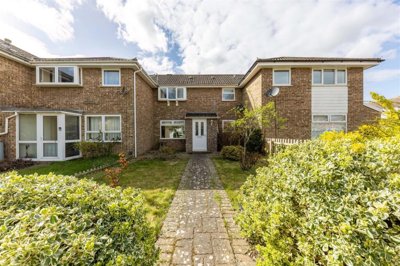
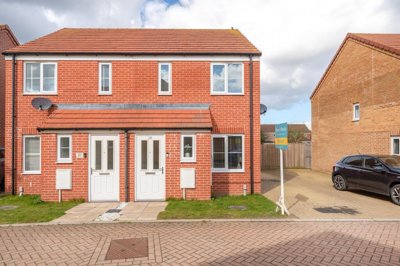
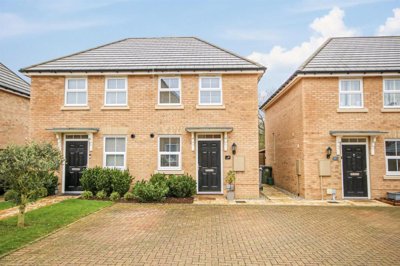
The 2 bed house market features detached, semi-detached, and terraced properties with two separate bedrooms plus living spaces. Properties in Norfolk range from Victorian and Edwardian period homes to modern new builds, with pricing varying across different neighbourhoods.
£210k
733
67
105
Source: home.co.uk
Showing 733 results for 2 Bedroom Houses for sale in Norfolk, England. 67 new listings added this week. The median asking price is £210,000.
Source: home.co.uk
Terraced
392 listings
Avg £202,714
Semi-Detached
272 listings
Avg £226,162
Detached
69 listings
Avg £318,043
Source: home.co.uk
Source: home.co.uk
The Norfolk property market presents compelling opportunities for buyers at various price points, with property types ranging from charming flint-built cottages in coastal villages to spacious modern family homes in expanding towns. Detached properties command an average price of around £397,614 to £402,000, offering generous space and privacy that appeals to growing families and those seeking a more rural lifestyle. Semi-detached homes average approximately £266,752 to £271,214, providing excellent value for buyers seeking a balance between space and affordability in desirable towns and village locations.
Terraced properties in Norfolk average around £224,473 to £231,508, with these homes particularly concentrated in historic market towns and the city of Norwich where they offer character and convenience at accessible prices. Flats remain the most affordable option at an average of £157,986 to £158,000, suitable for first-time buyers, investors, or those seeking low-maintenance living near coastal resorts and urban centres. The new build sector remains active with approximately 521 newly built properties sold in the past year, representing 4.5% of total sales, with new homes typically priced from £349,000.
Norfolk's new build market features seventeen active developments across the county, with homes available from developers including Barratt Homes at White Rose Park in Wymondham and The Heath in Holt, Taylor Wimpey at The Pastures in Wymondham and Kingfisher Meadow in Horsford, Persimmon Homes at The Burrows in Sprowston, David Wilson Homes at The Willows in Attleborough and St Edmund's Park in Old Catton, Orbit Homes at Birch Gate in Wymondham and St Michael's Place in Bowthorpe, and Abel Homes at The Pastures in Hainford. These developments offer a range of two, three, four, and five-bedroom homes typically priced between £250,000 and £450,000, providing options for first-time buyers through to families seeking larger properties.

Norfolk rewards its residents with an exceptional quality of life shaped by its diverse landscape of countryside, coastline, and vibrant communities. The county's population of approximately 910,000 enjoys a sense of space that has become increasingly precious, with extensive Areas of Outstanding Natural Beauty covering the North Norfolk coast and the Brecks. The county town of Norwich consistently ranks among the best places to live in the UK, offering excellent cultural amenities including a world-class cathedral, two universities, thriving markets, and a restaurant scene that punches well above its weight for a city of its size.
Beyond Norwich, Norfolk's character is defined by its network of attractive market towns each with their own distinct personality. Holt offers elegant Georgian architecture and artisan shops, while King's Lynn provides historic maritime heritage and excellent transport connections. The Broads National Park covers around 303 square kilometres of interconnected waterways, making Norfolk unique among English counties for its navigable waterways and wetland wildlife. Coastal communities from the traditional resort of Great Yarmouth to the charming villages of Brancaster and Blakeney attract visitors and residents drawn to beach life, sailing, and birdwatching opportunities that rank among the finest in Europe.
The county's communities are connected by an infrastructure that balances rural charm with practical accessibility. Market towns serve as local hubs for shopping, healthcare, and education, while villages maintain their own pub, school, and church that form the backbone of community life. Events like the Norfolk and Norwich Festival, Cromer Crab and Lobster Festival, and Holt's monthly arts trails showcase the county's cultural vitality. Weekend markets in towns like Aylsham, Diss, and Wymondham draw visitors from across the region, selling local produce, crafts, and antiques that reflect Norfolk's agricultural heritage and creative spirit.

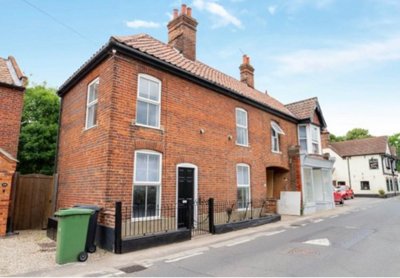
Norfolk's built environment reflects centuries of construction tradition adapted to local materials and conditions. Traditional properties across the county commonly feature flint construction, particularly in coastal areas and North Norfolk where flint was freely available from chalk geology and proved ideal for building solid walls when combined with lime mortar. Red brick properties appear throughout market towns and villages, often as part of Victorian and Edwardian terraces built to house railway workers and industrial employees. Rendered walls are common in many older properties, protecting timber frame structures beneath while giving homes their distinctive appearance.
Clay pantiles have long been the traditional roofing material across Norfolk, with distinctive patterns and colours varying by period and location. Many historic properties feature these tiles alongside thatch in some of the county's oldest cottages, particularly in areas where reed beds provided natural materials for roofing. Understanding a property's construction type is essential when assessing potential maintenance requirements, as flint walls may show settlement cracks, rendered surfaces may conceal timber frame issues, and clay pantiles eventually require replacement as they reach the end of their lifespan.
Our inspectors frequently assess properties built from these traditional materials throughout Norfolk, identifying issues that arise from age, weathering, and the county's specific environmental conditions. Properties near the coast face accelerated weathering from salt-laden winds, while those in the Broads must contend with high moisture levels and occasional flooding. When viewing properties in areas like Holt, Burnham Market, or the villages of the North Norfolk coast, understanding how flint and render have performed over decades helps buyers make informed decisions about maintenance requirements and renovation potential.
Norfolk offers families a strong selection of educational options across all phases, with the county's schools reflecting both its urban centre of Norwich and its rural communities. Norwich High School for Girls and Norwich School provide established independent education, while the grammar school system in areas like Norwich, King's Lynn, and Great Yarmouth offers academically selective options for secondary pupils. Primary education is well-served across the county with many schools achieving good or outstanding Ofsted ratings, particularly in market towns and village clusters where community schools serve tight-knit populations.
Higher education is well-represented by the University of East Anglia in Norwich, consistently ranked among the top UK universities and renowned for its campus environment and research output. The University of Norfolk offers vocational and academic pathways, while further education colleges including City College Norwich and the College of West Anglia provide vocational training and A-level courses that serve school leavers and adult learners alike. Parents considering relocation to Norfolk will find educational provision varies by area, with Norwich and surrounding commuter villages offering the densest concentration of schools and the widest range of options, while rural areas may require travel to nearby towns but benefit from smaller class sizes and strong community ties.
School catchment areas play an important role in property selection for families, with properties in sought-after school catchment zones commanding premium prices in towns like Holt, Wymondham, and the villages surrounding Norwich. Researching specific schools before property viewing helps buyers prioritise areas where educational options match family requirements. Grammar schools in Norwich, King's Lynn, and Great Yarmouth operate selective admissions, meaning properties in these areas may be particularly attractive to families with children who pass the 11-plus examination.

Norfolk is well-connected despite its geographic position, with Norwich providing the county's main transport hub and regular rail services to London Liverpool Street taking around one hour fifty minutes to two hours. The Bittern Line connects Norwich to coastal towns including Cromer and Sheringham, while the East Anglian rail network extends to Cambridge, Peterborough, and Birmingham. The A11 provides a direct dual carriageway route to Newmarket and the M11 corridor, making Cambridge accessible in approximately one hour, while the A47 trunk road traverses the county connecting Norwich to King's Lynn and the A1/M1 corridor beyond.
For those driving, Norfolk's road network has seen significant improvement in recent years with dualling of key sections of the A47 between Norwich and Great Yarmouth. The county's rural nature means car ownership remains important for accessing many villages and coastal areas, though Norwich offers Park and Ride services that ease city centre congestion. Norwich International Airport provides connections to a range of UK and European destinations, offering practical access for business and leisure travel without the need to travel to London airports. Cyclists benefit from the Weavers' Way, Marriott's Way, and Coast to Coast cycle routes, while the Brecks provides excellent terrain for off-road cycling and bridleways connect many rural communities.
Commuting patterns in Norfolk vary significantly depending on location, with Norwich serving as the primary employment centre for many residents who choose to live in surrounding villages and market towns. Towns like Wymondham, Long Stratton, and Acle benefit from direct road access to Norwich while offering more affordable property prices and a semi-rural lifestyle. The A11 corridor through Attleborough and Thetford provides excellent access to Norwich and onwards to Cambridge, attracting commuters who work in the technology and research sectors. Coastal communities like Cromer and Holt require longer journeys to major employment centres but compensate with their exceptional lifestyle benefits.

Norfolk offers diverse neighbourhoods from Norwich's historic streets to coastal villages and rural hamlets. Consider your commute needs, school requirements, and lifestyle preferences before focusing your search. Norfolk's varied geography means properties near the Broads may face different considerations to those on the North Norfolk coast or in market towns like Holt and King's Lynn.
Contact lenders or brokers to obtain an agreement in principle before viewing properties. This strengthens your position when making offers and demonstrates serious intent to sellers. Norfolk's relatively affordable prices compared to southern England mean mortgage requirements may be lower, but obtaining agreement in principle remains essential for competitive offers.
Use Homemove to browse listings and arrange viewings of properties matching your criteria. Norfolk's market moves at its own pace, so be prepared to act when you find the right property. Properties in popular areas like Holt, Wymondham, and the villages around Norwich can attract multiple offers, while more remote properties may require longer marketing periods.
Before committing to purchase, arrange a RICS Level 2 Home Survey on your chosen property. Norfolk's varied geology means foundations and drainage should be checked, particularly in areas with clay soils or flood risk. Our inspectors are familiar with local construction methods including flint walls, clay pantile roofs, and the various foundation approaches used across different eras of building.
Choose a conveyancing specialist familiar with Norfolk properties to handle the legal aspects of your purchase, including local searches and any specific conditions relating to the property. Local knowledge helps identify issues that may affect properties in areas like conservation zones, flood risk areas, or near the Broads National Park.
Once all searches are satisfactory and contracts are signed, agree a completion date with the seller and coordinate your move into your new Norfolk home. Our team can recommend removal firms and utility providers with experience moving within Norfolk and the wider East Anglia region.
Property buyers in Norfolk should pay particular attention to flood risk assessments, especially for properties near the Broads waterways, coastal areas, or low-lying farmland where river and tidal flooding can affect properties. The county's geology presents varying conditions across different areas, with clay soils prevalent in central and eastern parts presenting moderate to high shrink-swell risk that can affect foundations over time. A thorough RICS Level 2 Survey will identify any structural concerns related to ground conditions and provide guidance on any remedial works needed.
Norfolk's geology varies significantly across the county, with superficial deposits overlying chalk bedrock across much of the region. Clay deposits, including glacial tills and marine clays, concentrate in central and eastern areas, creating potential shrink-swell risks for properties with shallow foundations during periods of drought or significant rainfall. Sand and gravel deposits appear in river valleys and coastal areas, typically presenting lower shrink-swell potential but sometimes requiring consideration for drainage and ground stability. Our inspectors assess properties throughout Norfolk, including areas like Old Catton where boulder clay conditions affect foundations, and coastal locations where sandy soils and high water tables create different considerations.
Norfolk's rich architectural heritage means many properties fall within conservation areas or carry listed building status, which can affect permitted development rights and maintenance requirements. The city of Norwich alone contains thousands of listed buildings including Norwich Cathedral, Norwich Castle, and extensive areas of Victorian and medieval architecture. Market towns like King's Lynn, Holt, Aylsham, Wymondham, and Diss all feature significant conservation zones, as do picturesque coastal villages throughout the county. Buyers should investigate any planning restrictions that may apply to their property, particularly for period homes where original features may be protected and any external alterations require consent.
Properties near Norwich city centre may face different considerations regarding parking provision and traffic noise compared to rural properties where septic tanks, oil heating, and private water supplies may require specific maintenance and compliance. A RICS Level 2 Survey addresses these property-specific factors, identifying issues that may not be apparent during viewings and providing the information needed to negotiate appropriately or plan for future maintenance costs. New build properties across developments in areas like Wymondham, Sprowston, and Holt typically offer modern construction standards but may be subject to estate covenants and service charges that buyers should review carefully before committing to purchase.

The average house price in Norfolk is approximately £302,922 to £305,422 depending on the data source consulted. Detached properties average around £397,614 to £402,000, semi-detached homes around £266,752 to £271,214, terraced properties around £224,473 to £231,508, and flats around £157,986 to £158,000. Prices have shown a modest decline of around 2% over the past twelve months following a 5% reduction from the 2022 peak of £320,179, making this an opportune time for buyers seeking value in the Norfolk property market.
Council tax bands in Norfolk vary by property and local authority area, with the county divided between several district and borough councils including Norwich City Council, Broadland District Council, South Norfolk Council, Breckland Council, King's Lynn and West Norfolk Borough Council, and North Norfolk District Council. Bands range from A through to H, with most family homes falling into bands B through E. Prospective buyers should check the specific band with the relevant local authority as part of their due diligence, as council tax contributions fund local services including education, road maintenance, and waste collection.
Norfolk offers strong educational options including Norwich High School for Girls and Norwich School at independent level, with respected grammar schools operating in Norwich, King's Lynn, and Great Yarmouth areas. Primary schools across the county include many that achieve good or outstanding Ofsted ratings, particularly in market towns where community schools serve established populations. The University of East Anglia provides higher education opportunities within Norwich itself, making Norfolk an excellent choice for families at all educational stages from early years through to higher education.
Norfolk benefits from regular rail services from Norwich to London Liverpool Street taking around one hour fifty minutes to two hours, with the East Anglian rail network extending to Cambridge, Peterborough, and Birmingham. Bus services connect major towns and villages, though rural areas may have limited frequencies. Norwich International Airport offers domestic and European flights. For most Norfolk residents, a combination of rail for longer journeys and car for local travel provides the most practical transport solution, particularly given the county's extensive rural geography.
Norfolk offers several factors that make it attractive for property investment, including relatively affordable prices compared to southern England, a stable local economy driven by agriculture, tourism, education, and healthcare, and strong rental demand in university towns and coastal areas. The county's popularity as a holiday destination supports both short-term letting opportunities and long-term rental demand. However, investors should consider factors like seasonal tourism fluctuations in coastal areas and the importance of choosing locations with sustainable local employment and transport connections.
Norfolk has significant flood risk areas due to its low-lying topography, extensive river network including the Broads, and long coastline. Properties near rivers like the Wensum, Yare, Bure, Thurne, Ant, and Waveney face fluvial flood risk, particularly in areas like Norwich, Great Yarmouth, and towns within the Broads National Park. Coastal areas including Great Yarmouth, Happisburgh, and parts of the North Norfolk coast are vulnerable to tidal flooding and storm surges, with coastal erosion also a significant concern in some locations. Surface water flooding can occur across the county during heavy rainfall. A RICS Level 2 Survey and specific flood risk searches are essential before purchasing, and insurance costs may reflect the property's flood exposure.
For standard purchases, stamp duty land tax applies at 0% on the first £250,000 of property value, 5% on the portion from £250,001 to £925,000, 10% on the portion from £925,001 to £1.5 million, and 12% on any value exceeding £1.5 million. First-time buyers benefit from relief on the first £425,000, with 5% applied between £425,001 and £625,000. Properties above £625,000 do not qualify for first-time buyer relief. Norfolk's relatively modest average prices mean many buyers benefit from lower stamp duty costs compared to purchasing in southern England.
Norfolk's housing stock is predominantly detached properties, which account for 39.9% of all sales, reflecting the county's generous space and demand for family homes with gardens and parking. Semi-detached properties represent 26.0% of sales, with terraced homes and flats making up the remainder of transactions. This mix gives buyers excellent variety, from spacious detached homes on the outskirts of Norwich and in market towns to characterful terraces in historic towns and affordable flats in coastal resorts and urban centres.
From 4.5%
Expert mortgage advice from trusted lenders
From £499
Specialist solicitors for Norfolk property purchases
From £350
Professional property surveys by qualified inspectors
From £60
Energy performance certificates for Norfolk properties
Stamp duty land tax in England applies to property purchases in Norfolk at standard rates, with the first £250,000 of any purchase attracting zero duty. This zero-rate threshold represents significant savings for Norfolk buyers, where the average property price of around £302,922 means most purchasers pay duty only on the portion above £250,000. For a typical Norfolk property at this price, stamp duty would amount to approximately £2,646 at the 5% rate on the £52,922 excess, considerably less than equivalent purchases in higher-priced regions where properties exceed £925,000.
First-time buyers in Norfolk benefit from enhanced relief that raises the zero-rate threshold to £425,000, with 5% applying between £425,001 and £625,000. This means first-time buyers purchasing properties up to £625,000 pay no stamp duty on the first £425,000, making Norfolk's property market particularly accessible for those taking their first step onto the property ladder. Additional purchase costs include solicitor fees typically ranging from £500 to £1,500 for conveyancing, local authority searches around £250 to £400, and a RICS Level 2 Survey from approximately £350 to £800 depending on property value.
Budgeting for a Norfolk property purchase should account for the full range of costs beyond the purchase price itself. Survey costs protect buyers by identifying property issues before completion, while searches specifically relevant to Norfolk include drainage and water authority searches for rural properties, flood risk searches for properties near rivers or the coast, and environmental agency searches for areas near former industrial sites. Factor in removal costs, mortgage arrangement fees, and potential renovation or maintenance expenses when setting your budget for your new Norfolk home.

Properties for Sale In London

Properties for Sale In Plymouth

Properties for Sale In Liverpool

Properties for Sale In Glasgow

Properties for Sale In Sheffield

Properties for Sale In Edinburgh

Properties for Sale In Coventry

Properties for Sale In Bradford

Properties for Sale In Manchester

Properties for Sale In Birmingham

Properties for Sale In Bristol

Properties for Sale In Oxford

Properties for Sale In Leicester

Properties for Sale In Newcastle

Properties for Sale In Leeds

Properties for Sale In Southampton

Properties for Sale In Cardiff

Properties for Sale In Nottingham

Properties for Sale In Norwich

Properties for Sale In Brighton

Properties for Sale In Derby

Properties for Sale In Portsmouth

Properties for Sale In Northampton

Properties for Sale In Milton Keynes

Properties for Sale In Bournemouth

Properties for Sale In Bolton

Properties for Sale In Swansea

Properties for Sale In Swindon

Properties for Sale In Peterborough

Properties for Sale In Wolverhampton

Enter your details to see if this property is within your budget.
Loans, cards, car finance
Estimated property budget
Borrowing + deposit
You could borrow between
Typical borrowing
Monthly repayment
Est. at 4.5%
Loan-to-value
This is an estimate only. Your actual budget may vary depending on interest rates, credit history, and personal circumstances. For an accurate affordability assessment, speak to one of our free mortgage advisors.
This calculator provides estimates for illustrative purposes only and does not constitute financial advice. Your home may be repossessed if you do not keep up repayments on your mortgage. Estimates based on 4.5% interest rate, repayment mortgage. Actual rates depend on your circumstances.
Homemove is a trading name of HM Haus Group Ltd (Company No. 13873779, registered in England & Wales). Homemove Mortgages Ltd (Company No. 15947693) is an Appointed Representative of TMG Direct Limited, trading as TMG Mortgage Network, which is authorised and regulated by the Financial Conduct Authority (FRN 786245). Homemove Mortgages Ltd is entered on the FCA Register as an Appointed Representative (FRN 1022429). You can check registrations at NewRegister or by calling 0800 111 6768.

We use cookies to show you personalised content and improve your experience of our website. Find out more in our Privacy policy and Cookie policy.