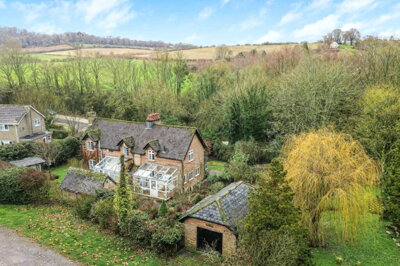
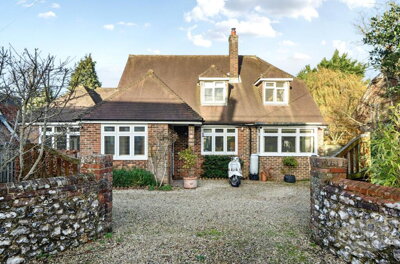
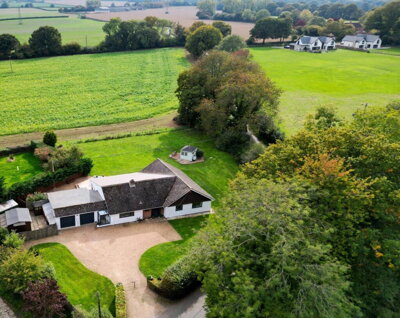
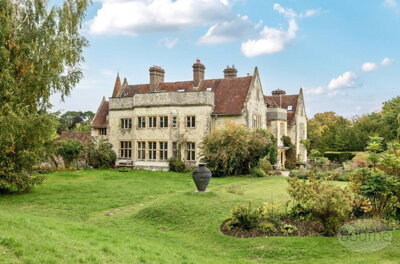
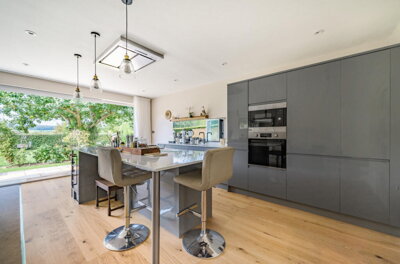
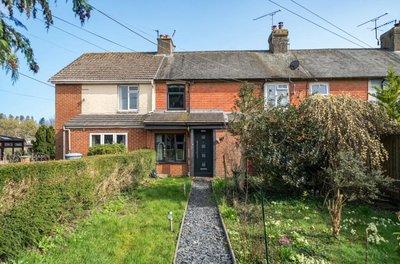
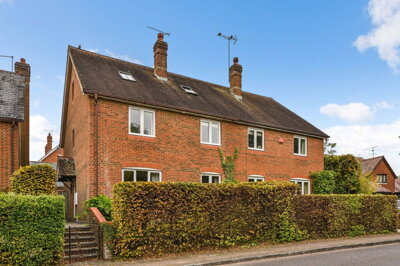
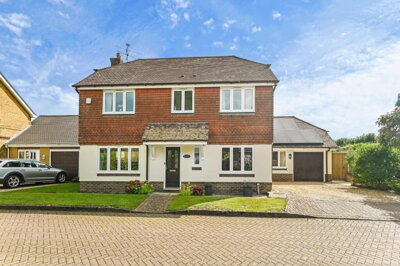
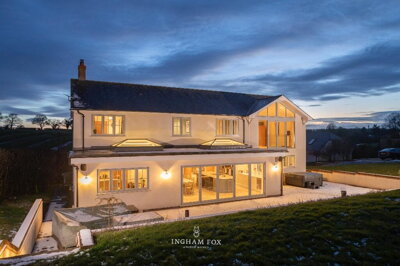
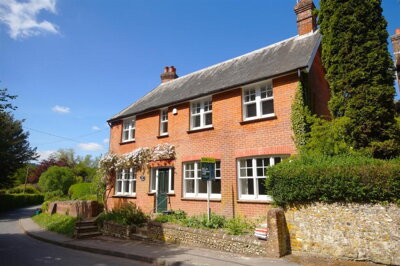
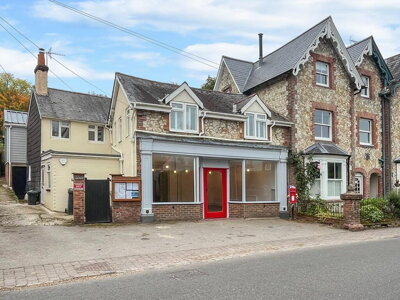
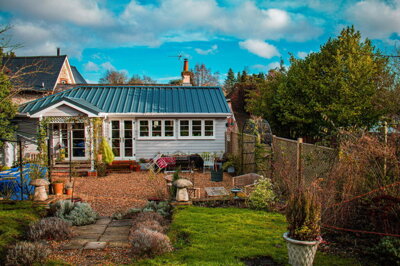
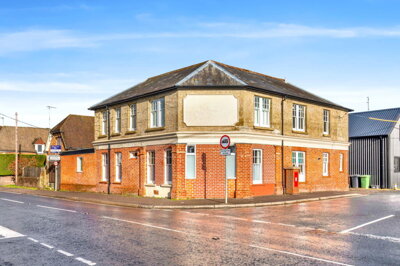
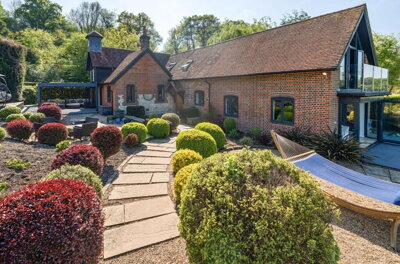
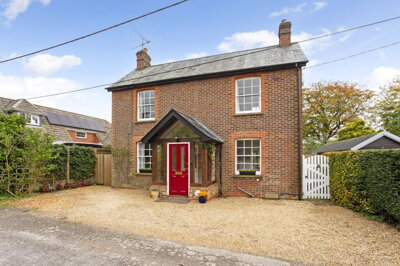
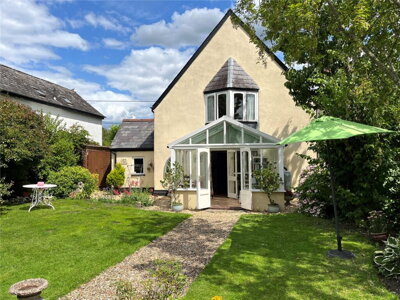
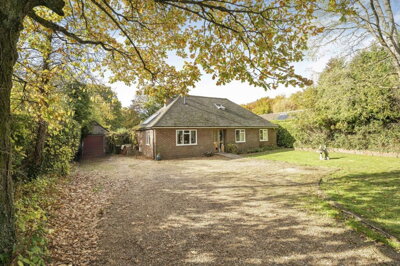
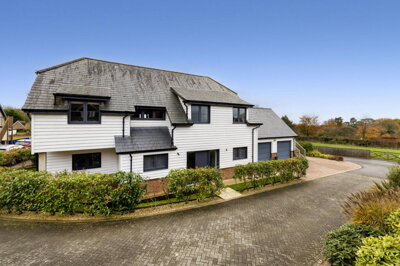
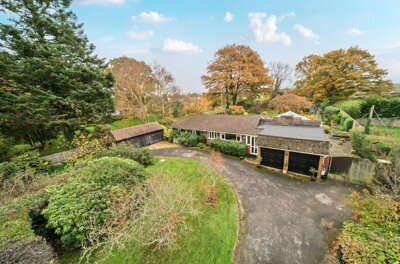
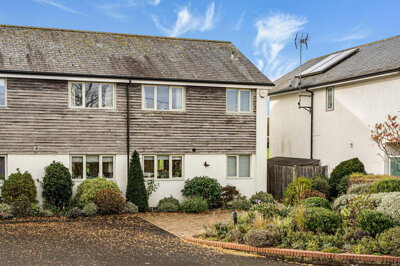
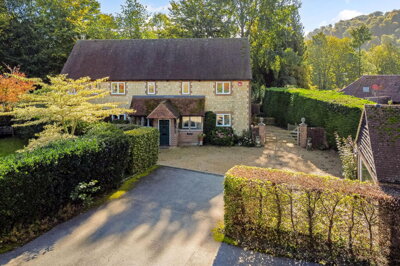
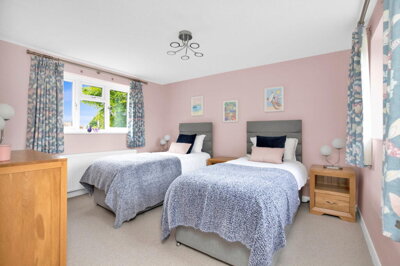
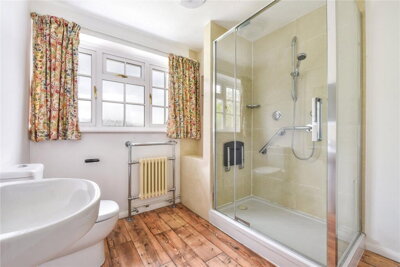
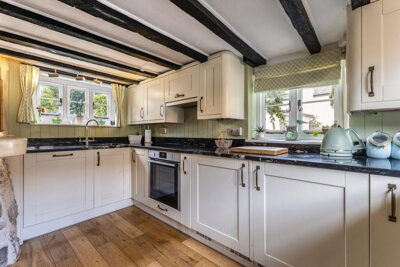
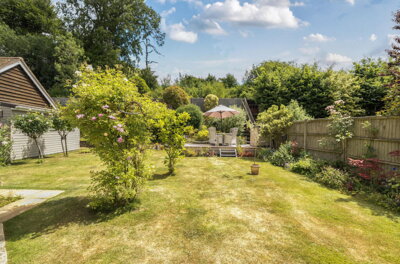
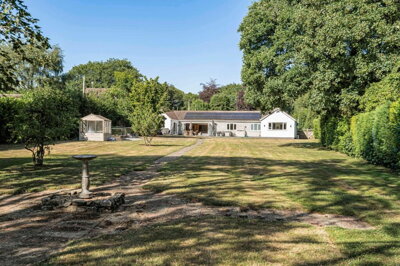
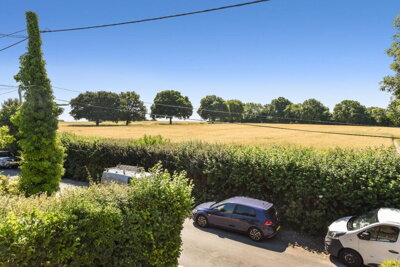
Browse 37 homes for sale in Newton Valence from local estate agents.
The Little Malvern property market reflects the premium nature of this desirable Malvern Hills village, with an average house price of £411,304 recorded over the past year. Detached properties command the highest prices at around £503,808, reflecting strong demand from families and retirees seeking spacious homes with gardens and views across the hills. The Rightmove data for the broader Malvern area shows asking prices averaging £451,269, with detached houses at £421,667 and flats at £252,242, confirming the strong demand for family-sized homes in this part of Worcestershire.
Recent market data shows prices have experienced a modest correction of 4% compared to the previous year, settling back from the 2022 peak of £426,388. This cooling trend presents opportunities for buyers who may have found the market challenging during the pandemic-era surge. The wider Malvern Hills district shows more resilience, with average prices of £338,000 in December 2025 representing a 3.8% annual increase, suggesting continued underlying demand for homes in this part of Worcestershire. The contrast between the local village prices and the wider district average reflects the premium associated with Little Malvern's specific location and character.
New build developments within the Little Malvern postcode itself remain extremely limited, as the village's Conservation Area status and listed building concentration naturally restrict new construction. Our search of available listings found no active new-build developments specifically within the Little Malvern postcode, with nearby developments located in neighbouring Malvern, Great Malvern, Worcester, Bishop's Frome, Twyning, or Inkberrow. Prospective buyers interested in new homes may wish to broaden their search to neighbouring areas or consider the potential for renovation projects in the village's existing stock of charming period properties.

Life in Little Malvern revolves around the stunning natural landscape of the Malvern Hills, an Area of Outstanding Natural Beauty that provides endless opportunities for outdoor recreation. The village takes its name from the nearby Malvern Hills, which are composed of some of the oldest igneous rocks in Great Britain, dating back an extraordinary 600-800 million years. These ancient Pre-Cambrian granite and diorite formations create the dramatic ridge that forms the backdrop to daily life in the village, with the famous Malvern Fault running along the spine of the hills adding to the geological significance of the area.
The village centre centres around the Church of St Wulstan, a Grade II listed building that has served the community for centuries, and the ruins of Little Malvern Priory, a Scheduled Monument of national importance. The Priory church, with its striking sandstone construction and medieval architecture, remains a focal point for both residents and visitors exploring the heritage of the area. Elgar's Grave, another Grade II listed monument, pays tribute to composer Sir Edward Elgar who found inspiration in these same Malvern Hills during his creative years. The concentration of listed buildings throughout Little Malvern reflects the village's importance in regional history.
Little Malvern Court, a Grade II* listed historic house, stands as testament to the architectural heritage that defines this village. The traditional building materials of Malvern Stone, brick, and timber-framing visible throughout the village reflect the local geology and centuries of construction tradition. Younger limestone deposits surrounding the hills add to the variety of traditional building materials found in local properties. The village maintains a strong sense of community while being within easy reach of Great Malvern's cultural amenities, including theatres, restaurants, and specialist shops that serve both residents and the wider Malvern Hills area.
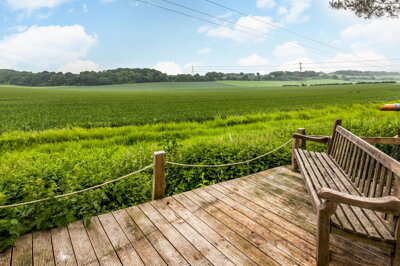
The land to the east of the Little Malvern Conservation Area drops gently towards the agricultural landscape of the western plain of the River Severn, providing attractive countryside views from many properties in the village. This geography means homes in Little Malvern often benefit from elevated positions with panoramic views across the Malvern Hills whilst remaining accessible to the amenities of nearby Great Malvern and the wider Worcestershire road network.

Families considering a move to Little Malvern will find a range of educational options available within the Malvern Hills district, with primary and secondary schools serving the local community. The village's position within a Conservation Area means school provision has developed organically alongside the historic character, with nearby Great Malvern offering several primary schools that have built solid reputations for academic achievement and nurturing environments for young learners. Parents should research specific Ofsted ratings and admission criteria for their chosen schools, as catchment areas can significantly influence placement.
The wider Malvern area includes schools that have received positive recognition for their educational standards and pastoral care. Great Malvern Primary School and its neighbouring institutions serve the immediate area, providing Foundation Stage and Key Stage 1 education within a supportive environment. For Key Stage 2 education, additional primary schools in Great Malvern and surrounding villages extend the options available to families living in Little Malvern. Schools in this part of Worcestershire benefit from the Malvern Hills, with class sizes often smaller than in larger urban centres.
For secondary education, Malvern's comprehensive schools provide comprehensive curricula with opportunities in sciences, arts, and humanities. The nearby Malvern College offers independent schooling for families seeking private education options, with a strong academic record and facilities that attract students from across the region. Parents should note that secondary school catchments can span significant distances in this rural area, so travel arrangements and school transport should be factored into relocation planning.
Sixth form and further education opportunities are well-served by institutions in both Malvern and the nearby city of Worcester, which can be accessed via the excellent transport connections from the Malvern area. Families relocating to Little Malvern should contact Worcestershire County Council admissions department for the most current information on school placements, catchment boundaries, and transport arrangements, as these details can change and will significantly impact daily family life in this rural location.
Transport connections from Little Malvern benefit from the village's position between the Malvern Hills and the wider Worcestershire road network, providing reasonable access to surrounding areas despite its rural character. The nearby Great Malvern provides access to the A449 trunk road, which connects north to Worcester and south towards Gloucester and the M5 motorway. Journey times to Worcester typically take around 25-30 minutes by car, making it feasible for commuters to work in the county capital while enjoying the village lifestyle. The A449 continues south to Gloucester, providing access to the M5 junction 11 and onwards to Bristol and the South West.
Rail services from Great Malvern station offer regular connections to destinations including Worcester, Hereford, and Birmingham, with direct trains to Birmingham New Street taking approximately one hour. The station also provides connections to Hereford, offering access to Wales and the West Midlands. This makes Little Malvern a viable option for professionals who work in larger regional centres but prefer a rural home environment. Local bus services connect the village to Great Malvern and surrounding villages, providing essential access for those without private vehicles.
For cyclists and walkers, the Malvern Hills provide spectacular routes for active travel and leisure, with footpaths and bridleways crossing the hills and connecting to the wider Worcestershire countryside. The bridleway network offers opportunities for horse riding alongside cycling and walking routes. The absence of significant flood risk areas in Little Malvern itself means the road network generally remains accessible throughout the year, though rural roads in the Malvern Hills can experience winter conditions requiring appropriate preparation. Parking in the village reflects its historic layout, with limited public parking reflecting the traditional character of this small settlement.
The village's position relative to major transport routes means that access to Birmingham airport for domestic and international travel is achievable within approximately 90 minutes by car, adding to the practicality of Little Malvern as a location for those who need to travel for business or leisure. Bristol airport provides an alternative for some destinations and can be reached in around 75 minutes.
Begin by exploring the Little Malvern property market thoroughly. With detached properties averaging £503,808 and semi-detached homes around £378,707, understanding current pricing helps set realistic expectations. Use our platform to browse available listings and compare prices against the area average of £411,304. The 4% price correction from recent peaks may present opportunities for buyers who were previously priced out of this sought-after village.
Before arranging viewings, obtain a mortgage agreement in principle from a lender. This strengthens your position when making offers, demonstrating to sellers that you have financing in place. Current rates make early consultation with a mortgage broker or direct lender essential for budget planning. Having an agreement in principle shows sellers in a competitive market that you are a serious and prepared buyer.
View multiple properties in Little Malvern to compare the character of different streets and property conditions. Note the prevalence of period properties, Conservation Area restrictions, and the condition of traditional Malvern Stone buildings when assessing value. Pay particular attention to the age and construction of each property, as older buildings may require different maintenance approaches and have specific repair requirements.
Given Little Malvern's age and Conservation Area status, a RICS Level 2 or Level 3 survey is strongly recommended. The age of properties means potential issues with traditional construction, historic features, and listed building compliance require professional assessment before committing to purchase. Our inspectors have experience with period properties in the Malvern Hills and understand the common issues affecting properties built with traditional Malvern Stone and timber-framing methods.
Choose a solicitor experienced in rural Worcestershire property transactions to handle your legal work. They will conduct local searches, check Conservation Area and listed building status, and ensure smooth transfer of ownership through to completion. Given the concentration of listed buildings in Little Malvern, your solicitor should be familiar with the implications of owning heritage property in a Conservation Area.
Property purchases in Little Malvern require careful attention to the implications of the village's Conservation Area designation and the concentration of listed buildings throughout the settlement. Properties carrying listed building status, from the Grade I Little Malvern Priory to Grade II structures like the Church of St Wulstan and Elgar's Grave, carry additional responsibilities and restrictions on alterations. The Grade II* listed Little Malvern Court represents another level of heritage protection that affects properties in the village. Buyers should obtain Listed Building Consent before planning any works to period features, and factor these requirements into renovation budgets and timelines.
The traditional building materials used throughout Little Malvern, particularly Malvern Stone and traditional timber-framing, require knowledgeable maintenance and may present challenges for mortgage lenders if in poor condition. Our inspectors assess the condition of stone walls, roof structures, and any signs of movement in properties built on the complex geology of the Malvern Hills. The Pre-Cambrian rock formations underlying the area are generally stable, but local variations in ground conditions warrant professional investigation. The igneous rocks containing feldspar, quartz, and dark minerals can affect how traditional buildings perform over time.
Understanding the implications of leasehold versus freehold ownership matters for any flat or maisonette purchases, as ground rent and service charge arrangements affect ongoing costs. Most houses in Little Malvern will be freehold, but any properties held leasehold should be investigated thoroughly. The village's position means countryside views and access to public footpaths across the Malvern Hills should be verified, as rights of way can affect privacy and amenity value. The public bridleways and footpaths that cross the Malvern Hills are popular with residents and should be considered when assessing the outdoor recreation opportunities available in the area.
Buyers should also confirm council tax banding with the Malvern Hills District Council to budget accurately for ongoing costs. Properties in this area can vary significantly in their banding depending on the property's assessed value. We recommend requesting a local authority search that will reveal any planning history, Conservation Area designations, and other factors that may affect the property. This due diligence helps ensure there are no unexpected issues that could affect your enjoyment or investment in your new home.
The average house price in Little Malvern is currently £411,304 based on recent sales data. Detached properties average £503,808, semi-detached homes around £378,707, and flats approximately £251,938. Prices have decreased by around 4% from the previous year and are approximately 4% below the 2022 peak of £426,388, potentially creating opportunities for buyers in this sought-after Malvern Hills village. The wider Malvern Hills district shows stronger performance with average prices of £338,000 in late 2025, up 3.8% annually.
Properties in Little Malvern fall under Malvern Hills District Council jurisdiction, with council tax bands ranging across all eight bands depending on the property's assessed value. Specific council tax bands vary by property depending on the valuation band assigned by the Valuation Office Agency. Period properties and historic homes may have varying bandings based on their assessed value. Prospective buyers should verify the specific band for any property through the council's online portal or by contacting Malvern Hills District Council directly before budgeting for ongoing costs.
Little Malvern is served by educational facilities within the wider Malvern area, with several primary schools in nearby Great Malvern serving the village catchment. Families should research current Ofsted ratings and admission criteria for schools including those in Great Malvern and surrounding villages. Secondary education options include schools in Malvern town, with further education available at institutions in both Malvern and Worcester. Independent schooling is available at nearby Malvern College for families seeking private education options. Worcestershire County Council can provide the most current information on catchment areas and school transport arrangements for families relocating to the village.
Little Malvern has reasonable connectivity through bus services linking to Great Malvern, where mainline rail services operate with connections to Worcester, Hereford, and Birmingham. Great Malvern station provides direct trains to Birmingham New Street in approximately one hour, making this village practical for commuters who work in larger regional centres. The village's rural position means private transport is advantageous for daily needs, with the A449 providing road access to Worcester and the M5 motorway. Local bus services provide essential connectivity for those without cars, though frequency may be limited compared to urban areas. Journey times by car to Worcester take around 25-30 minutes.
Little Malvern offers several factors that appeal to property investors and buyers seeking a secure investment in a desirable location. The village's Conservation Area status, limited new build supply, and location within an Area of Outstanding Natural Beauty help maintain property values over time. The modest 4% price correction from recent peaks may present entry opportunities for buyers who previously found the market beyond their budget. The wider Malvern Hills district shows positive price growth of 3.8% annually, suggesting underlying demand continues in this part of Worcestershire. However, the small size of the village and limited rental demand should be considered carefully before investing, as rental yields may be lower than in larger towns. Any investment should factor in the responsibilities and costs of owning listed or period properties.
For properties purchased at the current average price of £411,304, standard SDLT rates apply: 0% on the first £250,000, then 5% on the amount between £250,001 and £411,304, totaling approximately £8,067 in stamp duty. First-time buyers purchasing properties up to £425,000 may qualify for relief, paying 0% on the first £425,000 if the property meets eligibility criteria. Properties above £625,000 do not qualify for first-time buyer relief. For higher value properties in Little Malvern, such as detached homes averaging £503,808, SDLT costs would be higher still. Buyers should verify their SDLT liability with HMRC or their solicitor based on their specific circumstances and purchase price.
Little Malvern is predominantly characterised by period properties, with the village's Conservation Area status and historic character meaning most homes for sale are established buildings rather than new constructions. The traditional building styles include Malvern Stone construction, timber-framing, and sandstone as used in Little Malvern Priory. Our current listings reflect this character, with properties typically dating from the 18th and 19th centuries. The village's architecture represents centuries of local building tradition, with each property offering unique features that reflect the area's heritage.
From 4.5%
Find competitive mortgage rates for your Little Malvern property purchase
From £499
Expert legal services for your Little Malvern property transaction
From £350
Thorough property inspection suitable for most period homes
From £60
Energy performance certificate for your new home
Buying a property in Little Malvern involves several costs beyond the purchase price, with stamp duty land tax being a significant consideration for most buyers. At the current average price of £411,304, a standard buyer would pay approximately £8,067 in SDLT, calculated at 0% on the first £250,000 and 5% on the balance up to £411,304. First-time buyers purchasing properties up to £425,000 may benefit from full relief, saving the full SDLT amount. Those buying between £425,001 and £625,000 would pay 5% on the amount above £425,000, whilst properties purchased above £625,000 do not qualify for first-time buyer relief.
Survey costs are essential investments when purchasing period property in Little Malvern, where the average property age means traditional construction methods require expert assessment. A RICS Level 2 survey costs from £350 and provides a comprehensive inspection suitable for most properties, highlighting defects and maintenance issues that may not be apparent during viewings. A Level 3 Building Survey from £600 offers more detailed analysis of complex or older structures, including detailed assessment of the building fabric, hidden defects, and specific advice on repairs and maintenance. Given the prevalence of Malvern Stone construction and potential listed building considerations, buyers should consider the additional cost of a thorough survey as money well spent.
Conveyancing costs for a property in Little Malvern typically start from £499 for basic legal work, though complex transactions involving listed buildings or Conservation Area properties may cost more due to the additional searches and documentation required. Local search fees, land registry fees, and bankruptcy checks add to the legal costs, typically totalling £1,500-£2,500 for complete conveyancing including all necessary local authority and environmental searches. Removal costs, mortgage arrangement fees, and potential renovation costs for period properties should also be budgeted for when calculating the total cost of purchasing your new home in this beautiful Malvern Hills village.
Properties for Sale In London

Properties for Sale In Plymouth

Properties for Sale In Liverpool

Properties for Sale In Glasgow

Properties for Sale In Sheffield

Properties for Sale In Edinburgh

Properties for Sale In Coventry

Properties for Sale In Bradford

Properties for Sale In Manchester

Properties for Sale In Birmingham

Properties for Sale In Bristol

Properties for Sale In Oxford

Properties for Sale In Leicester

Properties for Sale In Newcastle

Properties for Sale In Leeds

Properties for Sale In Southampton

Properties for Sale In Cardiff

Properties for Sale In Nottingham

Properties for Sale In Norwich

Properties for Sale In Brighton

Properties for Sale In Derby

Properties for Sale In Portsmouth

Properties for Sale In Northampton

Properties for Sale In Milton Keynes

Properties for Sale In Bournemouth

Properties for Sale In Bolton

Properties for Sale In Swansea

Properties for Sale In Swindon

Properties for Sale In Peterborough

Properties for Sale In Wolverhampton

Enter your details to see if this property is within your budget.
Loans, cards, car finance
Estimated property budget
Borrowing + deposit
You could borrow between
Typical borrowing
Monthly repayment
Est. at 4.5%
Loan-to-value
This is an estimate only. Your actual budget may vary depending on interest rates, credit history, and personal circumstances. For an accurate affordability assessment, speak to one of our free mortgage advisors.
This calculator provides estimates for illustrative purposes only and does not constitute financial advice. Your home may be repossessed if you do not keep up repayments on your mortgage. Estimates based on 4.5% interest rate, repayment mortgage. Actual rates depend on your circumstances.
Homemove is a trading name of HM Haus Group Ltd (Company No. 13873779, registered in England & Wales). Homemove Mortgages Ltd (Company No. 15947693) is an Appointed Representative of TMG Direct Limited, trading as TMG Mortgage Network, which is authorised and regulated by the Financial Conduct Authority (FRN 786245). Homemove Mortgages Ltd is entered on the FCA Register as an Appointed Representative (FRN 1022429). You can check registrations at NewRegister or by calling 0800 111 6768.

We use cookies to show you personalised content and improve your experience of our website. Find out more in our Privacy policy and Cookie policy.